


Press Statement
UNAIDS condemns the destruction of lifesaving HIV supplies in Ukraine
01 September 2026 01 September 2026UNAIDS strongly condemns the destruction of a warehouse containing HIV supplies in the region of Kyiv. The warehouse, which was destroyed on 19 July, was used by Ukraine’s National HIV Prevention Programme to store HIV prevention supplies for programmes reaching more than 300,000 people each year.
Thanks to advance distribution across Ukraine, services will continue uninterrupted through to the end of 2026. However, the destroyed supplies were intended for 2027 and must be urgently replaced to prevent future shortages.
“Attacks on medical facilities and lifesaving health commodities violate international humanitarian law,” said Winnie Byanyima, Executive Director of UNAIDS. “Even in war, there are rules. Health facilities and medical supplies must never be targeted. Destroying HIV prevention supplies puts lives at risk, and I must speak out.”
UNAIDS is working with the Ministry of Health and partners to replace the lost supplies and ensure uninterrupted access to HIV prevention, testing, treatment and care. Protecting these lifesaving services is an urgent priority.
UNAIDS
The Joint United Nations Programme on HIV/AIDS (UNAIDS) leads and inspires the world to achieve its shared vision of zero new HIV infections, zero discrimination and zero AIDS-related deaths. UNAIDS unites the efforts of 11 UN organizations—UNHCR, UNICEF, WFP, UNDP, UNFPA, UNODC, UN Women, ILO, UNESCO, WHO and the World Bank—and works closely with global and national partners towards ending the AIDS epidemic by 2030 as part of the Sustainable Development Goals. Learn more at unaids.org and connect with us on Facebook, Twitter, Instagram and YouTube.
Region/country
Press Statement
UNAIDS supports efforts to protect the continuity of the HIV response during the emergency in Venezuela
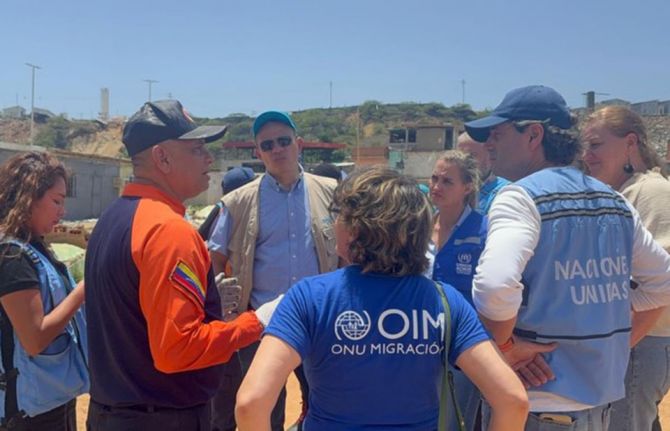
02 July 2026 02 July 2026CARACAS/PANAMA CITY, 2 July 2026—UNAIDS mourns the tragic loss of life and expresses solidarity with the people and communities affected by the devastating earthquakes that struck Venezuela on 24 June. UNAIDS reaffirms its commitment to supporting efforts to ensure the continuity of HIV-related services during the emergency.
“The disruption of health services and population displacement caused by the disaster have created significant challenges for people living with HIV and other vulnerable populations,” said Luisa Cabal, UNAIDS Regional Director for Latin America and the Caribbean. “UNAIDS is working alongside national authorities, United Nations agencies, community organizations and development partners to help ensure support and continued access to HIV treatment, care and information.”
According to the latest update from the United Nations Office for the Coordination of Humanitarian Affairs (OCHA), at least 2,295 people have lost their lives, more than 11,200 have been injured and over 26,000 have been directly affected. At least 38 hospitals have sustained damage, posing significant challenges to the continuity of health services.
As part of these efforts, the UNAIDS office in Venezuela activated an Emergency Registry to identify and support people living with HIV affected by the crisis. As of 30 June, 69% of registered individuals reported having interrupted their antiretroviral treatment and 28% reported needing psychological support as a result of the emergency, highlighting the urgent need to adopt measures to ensure continuity of care and access to essential medicines.
The United Nations system, in coordination with national authorities, is providing a multisectoral response in three strategic locations across La Guaira state, the area hardest hit by the earthquakes, to address the population’s most urgent needs.
UNAIDS is working with multiple partners to protect the continuity of HIV-related services, in coordination with the United Nations Development Programme. In addition, in collaboration with the Venezuelan Network of Positive People (Red Venezolana de Gente Positiva), UNAIDS is strengthening community-based mechanisms to facilitate access to antiretroviral treatment and provide timely information to people affected.
During the first week of the humanitarian response, UNAIDS adapted existing guidance for HIV in emergencies to be applied in the specific context of Venezuela for the support to people living with HIV during emergencies and disasters. The guidance is intended for the Health Cluster and partner organizations within the Humanitarian Country Team that lead interventions in the initial shelters and reception sites established, to support continuity of care and protect the rights of affected people.
UNAIDS
The Joint United Nations Programme on HIV/AIDS (UNAIDS) leads and inspires the world to achieve its shared vision of zero new HIV infections, zero discrimination and zero AIDS-related deaths. UNAIDS unites the efforts of 11 UN organizations—UNHCR, UNICEF, WFP, UNDP, UNFPA, UNODC, UN Women, ILO, UNESCO, WHO and the World Bank—and works closely with global and national partners towards ending the AIDS epidemic by 2030 as part of the Sustainable Development Goals. Learn more at unaids.org and connect with us on Facebook, Twitter, Instagram and YouTube.
Region/country
Press Statement
United Nations High-Level Meeting on HIV/AIDS concludes with strong support for a bold political declaration for ending AIDS as a public health threat by 2030
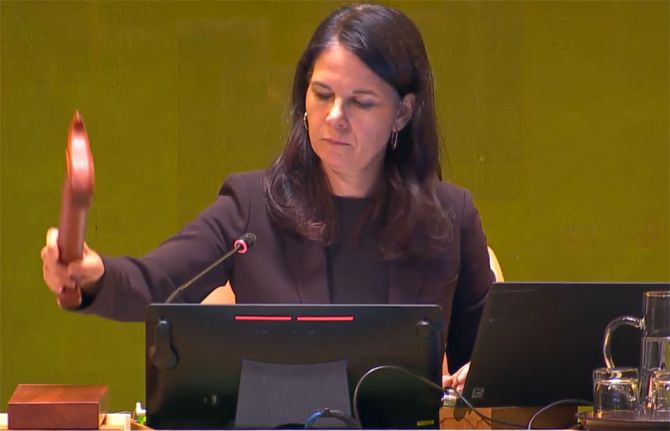
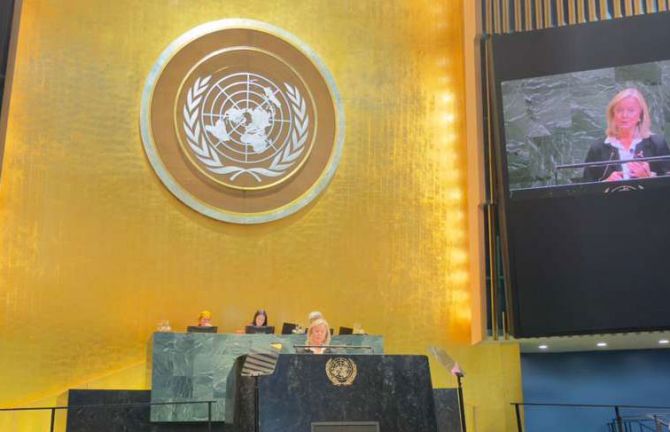
24 June 2026 24 June 2026NEW YORK/GENEVA, 23 June 2026— At a moment of growing pressure and roadblocks to international cooperation, the United Nations High-Level Meeting on HIV/AIDS concluded today with overwhelming majority of Member States adopting a new Political Declaration on HIV and AIDS with strong support. The declaration reaffirms global commitment to ending AIDS as a public health threat by 2030 and sets specific and important new targets.
The outcome follows weeks of negotiations with all Member States and engagement with communities, civil society and partners and demonstrates that, even in an environment marked by reduced international financing and multilateralism, countries continue to recognise the urgency of sustaining progress against HIV.
The declaration will serve as an important road map to advance further success in the global HIV response over the next five years, guiding global efforts to accelerate additional progress despite decreases in funding for HIV and anti-rights headwinds. Notably, the 2026 political declaration reflects the ambitious targets contained in the new Global AIDS Strategy 2026-2031 and committed to convene a High-Level Meeting in 2031 to review progress against the pandemic after the 2030 milestone.
Setting out an agenda to evolve the global AIDS response for the shifting pandemic, it includes important new and ambitious targets and commitments to increase equitable coverage of HIV testing, treatment and prevention; addressing funding gaps; protect human rights and gender equity; expand access to HIV medicines and other technologies through sharing of technology and strengthening local production for sustainability; and expanding the space for communities and civil society in the AIDS response.
“This Political Declaration has sent a clear message: HIV remains one of the defining health and development challenges of our time, and the world cannot afford complacency. We leave New York with renewed political commitment and a shared understanding that progress is possible when countries lead, communities are empowered and solidarity is sustained. South Africa remains firmly committed to ending AIDS as a public health threat and to ensuring that no one is left behind in the next phase of the response,” said Dr Aaron Motsoaledi, Minister of Health of South Africa.
Javier Padilla, Spain’s State Secretary for Health said, “This is a positive development in a moment when multilateral cooperation is being tested. Countries have sent an important signal. Despite differences and a more complex political context, there remains strong support for sustaining progress and accelerating action to end AIDS.”
"This outcome shows that even in a very difficult global environment, countries remain committed to collective action in responding to the AIDS pandemic. The challenge now is to sustain investment, strengthen partnerships and deliver results for people,” said Madalitso Baloyi, Minister of Health from Malawi.
The High-Level Meeting on HIV/AIDS was convened by the President of the General Assembly, Annalena Baerbock with the co-facilitators—Permanent Representative of the Republic of Botswana, Ambassador David Masole, and Permanent Representative of Georgia, Ambassador David Bakradze leading negotiations on the political declaration.
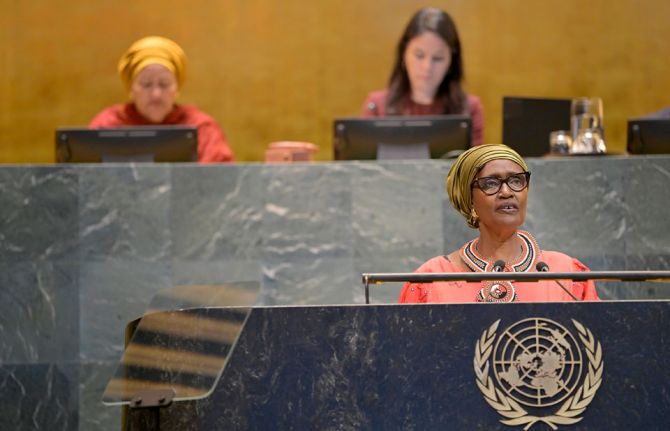
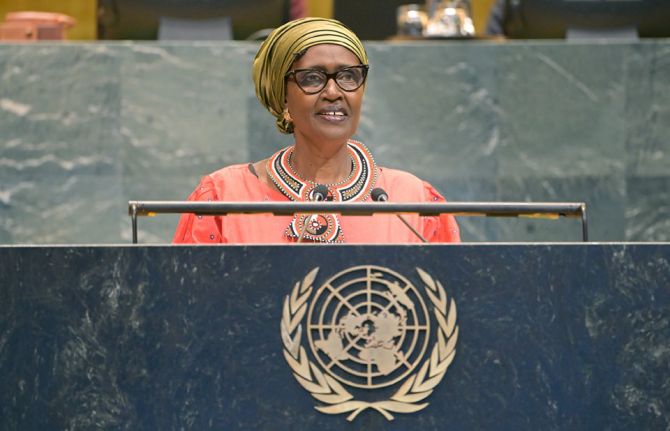
“That so many Member States voted to support this political declaration in the moment is recognition that our progress remains worth protecting and that there is willingness to sustain the actions we need to achieve the 2030 goal.” said Winnie Byanyima, Executive Director of UNAIDS.
“The strong support shown for this Political Declaration on HIV, reflects our shared recognition of the progress achieved to date, while acknowledging that important challenges remain,” said Mariangela Simao, Brazil's Secretary of Health and environmental Surveillance at the Ministry of Health.
The High-Level Meeting brought together people living with HIV, communities, civil society, the private sector, scientists and leaders to reflect on progress in the AIDS response, the risks to sustaining it and priorities for the next five years.
Member States emphasized that domestic resource mobilization and international solidarity must reinforce one another rather than act as substitutes and stressed that financing transitions must support sustainable national responses.
Delegates highlighted the opportunities created by integration, innovation, and the importance of ensuring equitable access to new prevention and treatment approaches.
The importance of community leadership was highlighted throughout discussions and the declaration itself. There was also reaffirmation for the fact that communities continue to play an indispensable role in service delivery, accountability and reaching people left behind. Speakers and the declaration stressed that communities must remain central to implementation and governance.
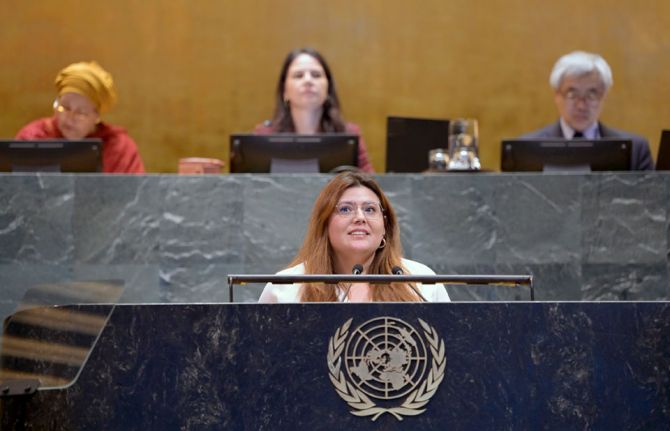
“In today’s political context, this political declaration is a major win. Communities have fought for every gain in the HIV response, nothing has been handed to us. This declaration shows that commitment to ending AIDS remains strong, and communities will continue pushing until AIDS is ended as a public health threat,” said Florence Anam, Executive Director of GNP+. Delegates emphasized the continuing role of the United Nations and the importance of reinforcing the unique, multi-stakeholder coordiantion of the Joint United Nations Programme on HIV/AIDS (UNAIDS).
“Governments of the world, supported by communities, have come together and affirmed that multilateralism is alive and well. A majority of countries have adopted a strong declaration that sets ambitious targets for the world to race to the 2030 goal of ending AIDS as a public health threat. They have kept the promise of 25 years ago,” said Winnie Byanyima.
UNAIDS
The Joint United Nations Programme on HIV/AIDS (UNAIDS) leads and inspires the world to achieve its shared vision of zero new HIV infections, zero discrimination and zero AIDS-related deaths. UNAIDS unites the efforts of 11 UN organizations—UNHCR, UNICEF, WFP, UNDP, UNFPA, UNODC, UN Women, ILO, UNESCO, WHO and the World Bank—and works closely with global and national partners towards ending the AIDS epidemic by 2030 as part of the Sustainable Development Goals. Learn more at unaids.org and connect with us on Facebook, Twitter, Instagram and YouTube.
Related resources
Press Statement
United Nations High-Level Meeting on HIV/AIDS opens as UNAIDS urges countries to firmly commit to ending AIDS by 2030
22 June 2026 22 June 2026GENEVA, 22 June 2026—The United Nations High-Level Meeting on HIV/AIDS opened today at a moment of incertitude for the global AIDS response. Decades of progress have delivered what once seemed impossible: millions of lives saved, new HIV infections reduced, and treatment expanded around the world.
However, as global leaders gather in New York to adopt a new UN Political Declaration on HIV/AIDS, the last Declaration before the goal of ending AIDS as a public health threat by 2030, that progress is increasingly threatened due to funding cuts and a push back on human rights. Global leaders face a defining question: will the world protect hard-won gains and accelerate towards ending AIDS?
“This Political Declaration is our chance to build on 25 years of commitment and point the way to 2030 to show that multilateralism can deliver,” said Winnie Byanyima, Executive Director of UNAIDS. “We cannot fail, because we know what we must do: commit to multilateralism; sustain international financing as countries mobilize their own resources; protect the rights of people living with HIV; let communities lead for their people; and spur the science, so that innovations reach everyone in need as fast as possible, if we do these things, we can end AIDS.”
New data from 2025 released by UNAIDS ahead of the meeting show that sustained investment, scientific advances and community-led efforts have led to tremendous success against AIDS. Since 2010, AIDS-related deaths have fallen by 56%, new HIV infections decreased by 43%, and 32.1 million people (78% of the 40.9 million people living with HIV) are now accessing treatment.
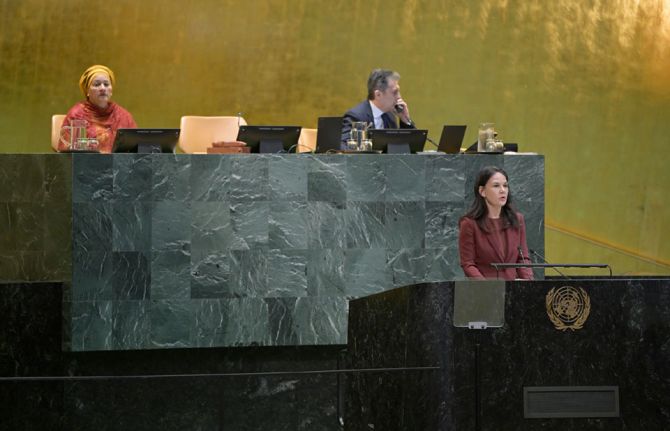
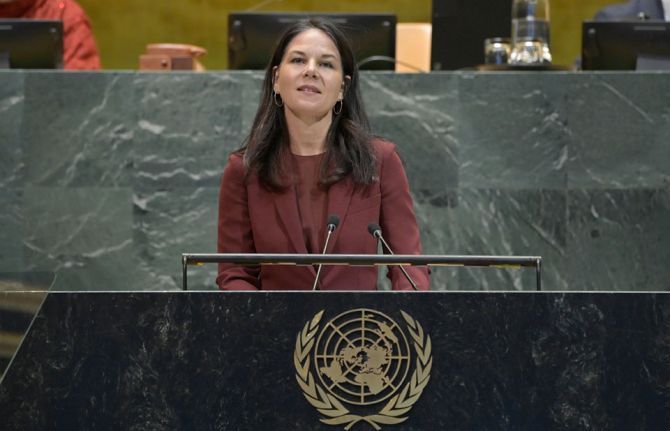
“The global multilateral response to HIV has become not only one of the United Nations’ greatest success stories, but one of the most remarkable achievements in the history of public global health,” said Annalena Baerbock, President of the United Nations General Assembly. “Providing a blueprint for confronting other global health emergencies, from Ebola to COVID-19.”
However, UNAIDS’ new data for 2025 also show that success is fragile. Nearly 9 million people living with HIV are not on treatment. In 2025, global development assistance fell by 23%—the sharpest drop on record. Unless funding is maintained, there is a serious risk of HIV treatment interruptions—which will lead to rising rates of new infections and deaths. Between 2024 and 2025 HIV testing programmes fell by 22% in high-burden settings and funding for condoms has been cut by more than 90% in some cases.
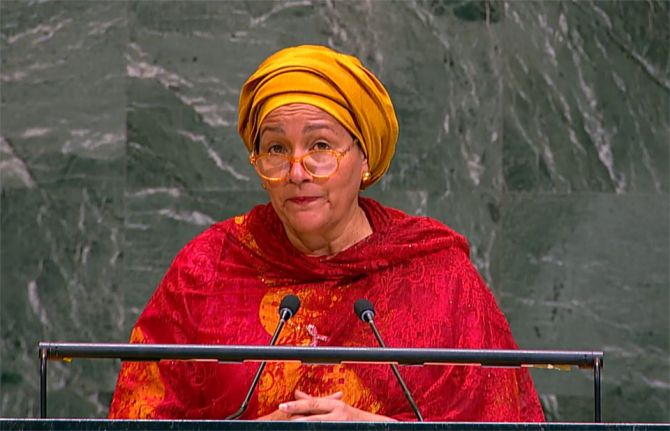
“This meeting is a chance to demonstrate that, even in difficult times, the international community can rally, once again, around science, around human dignity, solidarity and shared responsibility,” said Amina Mohammed, Deputy Secretary-General of the United Nations, delivering remarks on behalf of the UN Secretary-General. “The responsibility to end AIDS as a public threat by 2030 belongs to each and every one of us. Let us move forward together—with a sense of urgency, with solidarity and with ambition.”
Recent funding cuts from multiple donors have severely impacted HIV prevention and community-led services, and criminalization of key populations is increasing for the first time since UNAIDS began tracking these trends. As a result, many communities at highest risk for HIV—including young women and girls, men who have sex with men, sex workers and people who inject drugs—are facing major challenges in accessing lifesaving HIV services.
“Progress is real and it is fragile. Without renewed commitments and actions, we risk a resurgence of the epidemic. Community led services are disappearing and prevention programmes are being scaled back. Across many parts of the world commitments to gender equality, sexual and reproductive health and rights and inclusion of key populations are being weakened,” said Keren Dunaway, International Community of Women Living with HIV. “These gains were not handed to us. They were won through decades of advocacy. The future of the response will depend on the choices we make in this room.”
Importantly, there are windows of opportunity. Domestic financing for HIV rose from 28% in 2010 to 52% in 2024, however it cannot replace global solidarity. Regional initiatives like the Accra Reset or the African Union Roadmap to 2030 are examples of a new and progressive face to aid and development. Also, new innovations, particularly long-acting HIV prevention medicines, are becoming available and have the potential to significantly advance the end of AIDS—but only if implemented at scale and with regional production.
“Just as an earlier generation transformed crisis into action, we must transform today’s uncertainty into tomorrow’s progress. Future generations will judge us by whether or not, when the finish line was finally in sight, we dug deep and found the courage to cross it. The world has come too far. The stakes are too high. And the opportunity is too great. Now is not the time to quit. It is time to finish the job,” said Sandra Thurman, AIDS advocate.
The United Nations High-Level Meeting on HIV/AIDS is taking place from 22 to 23 June. At this meeting, UN Member States will consider a new Political Declaration on HIV and AIDS which will establish the direction of the global HIV response for the next five years. The 2026 Political Declaration on HIV and AIDS is mandated to feature new global targets for 2030, ideally, mirroring those in the Global AIDS Strategy 2026-2031and reflecting UN Member States’ renewed commitment to end AIDS as a public health threat by 2030.
UNAIDS
The Joint United Nations Programme on HIV/AIDS (UNAIDS) leads and inspires the world to achieve its shared vision of zero new HIV infections, zero discrimination and zero AIDS-related deaths. UNAIDS unites the efforts of 11 UN organizations—UNHCR, UNICEF, WFP, UNDP, UNFPA, UNODC, UN Women, ILO, UNESCO, WHO and the World Bank—and works closely with global and national partners towards ending the AIDS epidemic by 2030 as part of the Sustainable Development Goals. Learn more at unaids.org and connect with us on Facebook, Twitter, Instagram and YouTube.
Related resources
Press Statement
UNAIDS congratulates the Turks and Caicos Islands for eliminating both mother-to-child transmission of HIV and hepatitis B
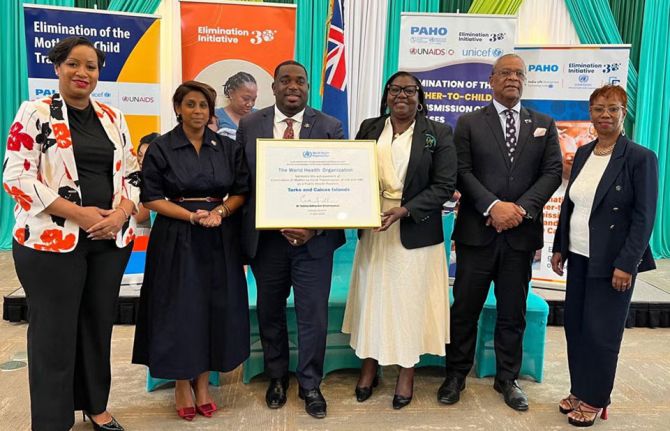
04 June 2026 04 June 2026PANAMA CITY/GENEVA, 4 June 2026—UNAIDS congratulates the Turks and Caicos Islands on certification from the World Health Organization (WHO) and the Pan American Health Organization (PAHO) for eliminating both mother-to-child transmission of HIV and hepatitis B.
To receive the certification, countries must meet strict criteria, including reducing the mother-to-child transmission rate of HIV to below 2%, maintaining fewer than 50 new paediatric infections per 100,000 live births, and achieving at least 95% coverage for antenatal care, testing and treatment among pregnant women.
Across the Caribbean, countries and territories have worked towards the global targets of eliminating mother-to-child transmission of HIV. WHO and PAHO first certified Cuba in 2015 for dual elimination of mother-to-child transmission of HIV and syphilis. In 2017, certifications followed for Anguilla, Antigua and Barbuda, Bermuda, the Cayman Islands, Montserrat and Saint Kitts and Nevis.
More recently, Belize, Dominica, Jamaica and Saint Vincent and the Grenadines have also been certified. The Bahamas received its certification in April 2026. The Turks and Caicos Islands now become the thirteenth Caribbean country or territory to reach this milestone and the latest proof that the region continues to lead the world on this agenda.
"The Turks and Caicos Islands have just written their name into a growing list of Caribbean jurisdictions that are showing the world what determined, rights-based public health action looks like,” said the Executive Director of UNAIDS, Winnie Byanyima. “As we head into the High-Level Meeting on HIV/AIDS in New York, this is the message the world needs to hear: elimination is not a distant ambition it is achievable, one birth at a time.”
In 2010, countries of the Americas committed to eliminating mother-to-child transmission of HIV and syphilis. They endorsed a regional strategy that was later updated through PAHO's Plan of Action for the Prevention and Control of HIV and Sexually Transmitted Infections. To reach elimination targets, countries have strengthened HIV prevention and treatment within primary health care and maternal and child health services through wider screening during pregnancy, better follow-up for babies exposed to HIV and faster access to medicines and care.
The Turks and Caicos Islands' certification is part of the broader Elimination of Mother-to-Child transmission of HIV Plus Initiative, which focuses on the elimination of mother-to-child transmission of HIV, syphilis, hepatitis B and congenital Chagas disease. The initiative is implemented in collaboration with UNICEF and UNAIDS and is embedded within PAHO's Elimination Initiative, a regional effort to eliminate more than 30 communicable diseases and related conditions in the Americas by 2030.
The Caribbean has reduced new HIV infections among children by 34% from 2010 to 2024. Of the 23 certifications of mother-to-child transmission of HIV completed globally to date, 57% are from the Caribbean—a record that reflects decades of political commitment, technical and community leadership and investment in integrated health services grounded in human rights and gender equality.
UNAIDS encourages the Government of the Turks and Caicos Islands to protect and build on this achievement, through continued investment in maternal and child health services, reliable access to medicines and diagnostics, action to tackle stigma and discrimination, and support for community-led responses that keep women and families connected to care.
UNAIDS
The Joint United Nations Programme on HIV/AIDS (UNAIDS) leads and inspires the world to achieve its shared vision of zero new HIV infections, zero discrimination and zero AIDS-related deaths. UNAIDS unites the efforts of 11 UN organizations—UNHCR, UNICEF, WFP, UNDP, UNFPA, UNODC, UN Women, ILO, UNESCO, WHO and the World Bank—and works closely with global and national partners towards ending the AIDS epidemic by 2030 as part of the Sustainable Development Goals. Learn more at unaids.org and connect with us on Facebook, Twitter, Instagram and YouTube.
Related resources
Press Statement
UNAIDS pays tribute to Botswana’s former President Festus Mogae, a champion, pioneer and leader in the response to HIV
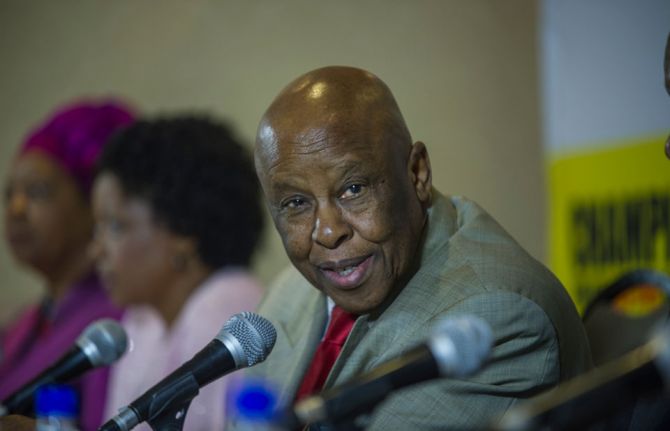
11 May 2026 11 May 2026GENEVA, 11 May 2026—UNAIDS mourns the death of Botswana’s former president Festus Mogae. President Mogae led Botswana between 1998 and 2008, tackling Botswana’s HIV pandemic with resolve and dedication as the country faced one of highest HIV burdens in the world.
Under his leadership, Botswana became the first African country to launch a national, free and comprehensive HIV treatment programme, setting a precedent for the region and the world. During President Mogae’s tenure, AIDS-related deaths were reduced by 39% and new HIV infections among children were reduced by 73%, putting Botswana well on the path to ending AIDS. In 2021, Botswana became the first high burden country in the world to reach the Path to eliminating mother to child transmission of HIV.
He understood early that ending AIDS required more than medicine alone. He consistently called on leaders to confront stigma, discrimination and inequality, recognizing that protecting human rights was essential to protecting public health.
“I am deeply saddened by the passing of former President Festus Gontebanye Mogae,” said Winnie Byanyima, Executive Director of UNAIDS. “He was a courageous and visionary leader who confronted HIV with honesty, science and compassion when few dared to do so. At a time when many questioned whether African countries could deliver universal HIV treatment, President Mogae demonstrated that bold political leadership, national ownership and investment in people could change the course of an epidemic. His legacy lives on in the many lives saved and changed and in the global AIDS response he helped shape. May he rest in power and peace.”
President Mogae remained a strong advocate for the AIDS response after his time in office. He devoted his time and voice to urging governments to lead with courage, compassion and accountability. In 2008 he launched, and served as Chairman, of the Champions for an HIV-Free Generation, a distinguished group of former presidents and influential African leaders committed to achieving an AIDS-free generation in Africa. He was also a member of UNAIDS High-Level Commission on HIV Prevention and member of the UNAIDS-Lancet Commission on Defeating AIDS–Advancing Global Health.
In 2008, President Mogae was awarded the Mo Ibrahim Prize for Achievement in African Leadership in 2008, including for his outstanding leadership on HIV response in Botswana and the rest of the African continent.
During his presidency, President Mogae led and championed an inclusive national HIV response, including access to treatment, fighting stigma and ending discrimination. President Mogae leaves an undisputed HIV legacy, which carried through Botswana’s successive leaders in the fight against the epidemic. UNAIDS joins the Government of the Republic of Botswana, its people and his family and the entire world in paying tribute to president Mogae.
UNAIDS
The Joint United Nations Programme on HIV/AIDS (UNAIDS) leads and inspires the world to achieve its shared vision of zero new HIV infections, zero discrimination and zero AIDS-related deaths. UNAIDS unites the efforts of 11 UN organizations—UNHCR, UNICEF, WFP, UNDP, UNFPA, UNODC, UN Women, ILO, UNESCO, WHO and the World Bank—and works closely with global and national partners towards ending the AIDS epidemic by 2030 as part of the Sustainable Development Goals. Learn more at unaids.org and connect with us on Facebook, Twitter, Instagram and YouTube.
Region/country

Press Statement
UNAIDS applauds Botswana on fully repealing anti-LGBTQ+ law
30 April 2026 30 April 2026GENEVA/GABORONE, 4 May 2026— More than six years after Botswana’s courts struck down a ban on same-sex intimacy, the government has now formally removed the discriminatory provisions from the law.
On 26 March, the government published a notice amending the Penal Code by deleting references to “Unnatural Offences.” Under the penal code, same-sex relationships were criminalised with sentences of up to seven years’ imprisonment. This follows the High Court’s 2019 ruling, which found that the provisions were unconstitutional and violated the rights of LGBTQ+ people, and was upheld by the Court of Appeal in 2021.
"This important step is a powerful move towards a more inclusive Botswana," said Umunyana Rugege, Human Rights lead at UNAIDS. "Criminalising same-sex sexual relations perpetuates an environment of discrimination and fear, making access to essential HIV services for LGBTQ+ individuals difficult. To protect everyone’s health, we need to protect everyone’s human rights.”
UNAIDS commends the courage and leadership of Botswana, and urges countries with punitive laws to follow Botswana’s example by addressing inequalities, stigma and discrimination, and all barriers that stand in the way of equitable access to health, HIV services, and the goal of ending AIDS as a public health threat by 2030.
A more just, equitable and compassionate world is a healthier one for all.
UNAIDS
The Joint United Nations Programme on HIV/AIDS (UNAIDS) leads and inspires the world to achieve its shared vision of zero new HIV infections, zero discrimination and zero AIDS-related deaths. UNAIDS unites the efforts of 11 UN organizations—UNHCR, UNICEF, WFP, UNDP, UNFPA, UNODC, UN Women, ILO, UNESCO, WHO and the World Bank—and works closely with global and national partners towards ending the AIDS epidemic by 2030 as part of the Sustainable Development Goals. Learn more at unaids.org and connect with us on Facebook, Twitter, Instagram and YouTube.
Region/country
Press Statement
UNAIDS congratulates the Bahamas on WHO certification of eliminating mother-to-child transmission of HIV and hepatitis B
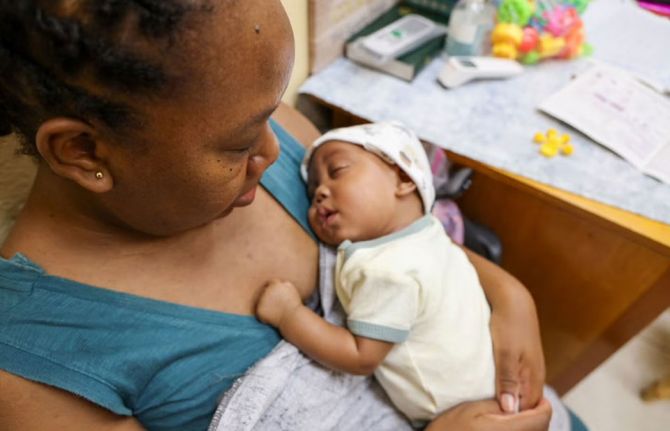
23 April 2026 23 April 2026Kingston/Geneva, 23 April 2026—UNAIDS congratulates the Bahamas on eliminating both mother-to-child transmission of HIV and hepatitis B. The certifications, awarded by the World Health Organization (WHO), with the Pan American Health Organization (PAHO), recognize sustained progress to ensure that pregnant women have access to quality antenatal care, get tested on time and start treatment early. The result has been that babies have been born free of preventable infections.
In 2010, countries of the Americas committed to eliminating mother-to-child transmission of HIV and syphilis. They endorsed a regional strategy that was later updated through PAHO’s Plan of Action for the Prevention and Control of HIV and Sexually Transmitted Infections. To reach elimination targets, countries have strengthened HIV prevention and treatment within primary health care and maternal and child health services through wider screening during pregnancy, better follow-up for babies exposed to HIV and faster access to medicines and care.
“The Bahamas are showing that eliminating mother-to-child transmission HIV and other sexually transmitted infections is possible,” said Winnie Byanyima, Executive Director of UNAIDS. “This achievement reflects political will for steady investment in primary health care and the dedication of health teams and people living with and most affected by HIV. When women can test early in pregnancy, start treatment without delay and stay in care, every child has a better chance of being born free of HIV.”
Validation suggests that a country or territory has met the required impact and programme indicators and that it can show results are being sustained.
Across the Caribbean, countries and territories have worked towards the global targets of eliminating mother-to-child transmission of HIV. WHO and PAHO first certified Cuba in 2015 for dual elimination of mother-to-child transmission of HIV and syphilis. In 2017, certifications followed for Anguilla, Antigua and Barbuda, Bermuda, the Cayman Islands, Montserrat, and Saint Kitts and Nevis. More recently, Belize, Dominica, Jamaica, and Saint Vincent and the Grenadines have also been certified.
UNAIDS recognizes PAHO’s leadership in driving the regional elimination agenda and supporting countries through its Elimination Platform. The platform helps bring together ministries of health, communities and partners to speed up action and sustain results. UNAIDS works closely with PAHO across the region, alongside the AIDS Healthcare Foundation, civil society and community-led organizations to strengthen services, improve surveillance and close remaining gaps so elimination gains are protected and expanded.
The certifications come as the world pushes to end AIDS as a public health threat by 2030. Preventing HIV infections among children remains a global priority. Between 2010 and 2024 new HIV infections among children were reduced by 62% from 310 000 in 2010 to 120 000 in 2024.
UNAIDS calls for continued investment to protect these gains. That means stronger, integrated maternal, newborn and child health services; reliable access to quality-assured medicines, diagnostics and supplies; action to tackle stigma and discrimination; and support for community-led responses that help women and families stay connected to care.
UNAIDS
The Joint United Nations Programme on HIV/AIDS (UNAIDS) leads and inspires the world to achieve its shared vision of zero new HIV infections, zero discrimination and zero AIDS-related deaths. UNAIDS unites the efforts of 11 UN organizations—UNHCR, UNICEF, WFP, UNDP, UNFPA, UNODC, UN Women, ILO, UNESCO, WHO and the World Bank—and works closely with global and national partners towards ending the AIDS epidemic by 2030 as part of the Sustainable Development Goals. Learn more at unaids.org and connect with us on Facebook, Twitter, Instagram and YouTube.
Region/country
Press Statement
UNAIDS welcomes expanded rollout of HIV prevention medicine and calls for urgent action to ensure equitable and affordable global access
15 April 2026 15 April 2026GENEVA, 15 April 2026—UNAIDS commends the Global Fund to Fight AIDS, TB and Malaria and the United States for their commitment to further increase access to long-acting HIV prevention medication. In a recent statement they pledged to increase their initial ambition of reaching 2 million with lenacapavir, twice yearly injections which prevent HIV, to reach 3 million people by 2028.
UNAIDS encourages all countries to continue this momentum to scale up HIV prevention efforts -at least 20 million people need to be accessing antiretroviral-based prevention by 2030 to end AIDS as a public health threat as outlined in the Global AIDS Strategy 2026-2031 and global targets for 2030.
“This expanded commitment is an important step forward, and we applaud the Global Fund and the United States for accelerating access to lenacapavir,” said Winnie Byanyima, Executive Director of UNAIDS. “However, to end AIDS as a public health threat, we must urgently go further—by enabling large-scale generic manufacturing, especially on the African continent, lowering prices through transparent, equitable pricing frameworks that enable widespread uptake in low- and middle-income countries.”
Lenacapavir has shown to be at least 96% effective in preventing HIV. To date deliveries have reached Eswatini, Kenya, Lesotho, Mozambique, Nigeria, South Africa, Uganda, Zambia, and Zimbabwe. Many are already implementing the roll out to people at higher risk of HIV including adolescent girls and young women, pregnant women, and key populations including men who have sex with men and sex workers. UNAIDS continues to support countries and communities on the ground by helping to align policies to ensure access, affordability, and availability of this and other innovations.
UNAIDS urges immediate acceleration of technology transfer, clear production timelines, and expansion of licensing to additional manufacturers—particularly in Africa—to ensure sustainable and affordable supply at scale.
“Communities have waited too long for prevention options that meet their needs. Lenacapavir can be transformative—but only if it is accessible, affordable and available everywhere. We call on all partners to work together to break down barriers, speed up generic production, and invest in manufacturing, particularly in Africa which remains the epicentre of the epidemic, so that no one is left behind.”
UNAIDS’ new Global AIDS Strategy 2026-2031 lays out a path for collective action over the next five years and beyond. It aims to ensure that by 2030: 40 million people living with HIV are on HIV treatment and are virally suppressed; 20 million people are accessing antiretroviral-based HIV prevention options; and all people can access discrimination-free HIV-related services.
UNAIDS stresses that reaching 20 million people with antiretroviral-based HIV prevention options, including lenacapavir, by 2030 is critical to reduce new HIV infections, which remain unacceptably high at an estimated 1.3 million per year globally.
This moment represents a historic opportunity to transform HIV prevention. UNAIDS calls on governments, donors, manufacturers and communities to act with urgency and accountability to ensure lenacapavir reaches everyone who needs it, no matter where they live.
UNAIDS
The Joint United Nations Programme on HIV/AIDS (UNAIDS) leads and inspires the world to achieve its shared vision of zero new HIV infections, zero discrimination and zero AIDS-related deaths. UNAIDS unites the efforts of 11 UN organizations—UNHCR, UNICEF, WFP, UNDP, UNFPA, UNODC, UN Women, ILO, UNESCO, WHO and the World Bank—and works closely with global and national partners towards ending the AIDS epidemic by 2030 as part of the Sustainable Development Goals. Learn more at unaids.org and connect with us on Facebook, Twitter, Instagram and YouTube.

Press Statement
UNAIDS is deeply concerned about the impact of the harshening of a law against LGBTQ people in Senegal
18 March 2026 18 March 2026UNAIDS urges the President not to sign the Bill and calls on Senegal to safeguard life-saving health services including HIV prevention, treatment and care.
GENEVA/DAKAR, 18 March 2026—On 12 March 2026, the Parliament of Senegal voted overwhelmingly to impose harsher penalties for “unnatural acts” including homosexuality and promoting or encouraging homosexuality. UNAIDS is deeply concerned about the implications for the country's public health achievements and urges the President not to sign the Bill.
The final adopted text includes a critical public health safeguard clause which UNAIDS urges Senegal to adhere to. The clause reads: “However, activities carried out by duly authorized health structures and organizations within the framework of public health policies shall not be considered as offenses under this article.”
UNAIDS acknowledges and values Senegal's longstanding partnership in the fight against HIV. The Ministry of Health and the country's National Council for the Fight Against AIDS have worked with partners to ensure that people living with HIV can access the care they need and that prevention reaches the populations most at risk. These gains have saved lives and represent an investment by the Senegalese people in their own health and future.
Senegal is confronted however, by significant challenges in its response to HIV and UNAIDS urges Senegal to maintain a strong focus on the public health evidence, legal framework and community partnerships required to achieve impact and a sustainable response with essential services accessible to the most vulnerable people.
In Senegal, 79% of people living with HIV are on lifesaving treatment, however, between 2010 and 2024, new HIV infections in Senegal increased by 36% making Senegal one of only four countries in the West and Central African region experiencing a rise in new HIV infections.
Evidence shows that criminalization causes people to turn away from health services. Criminal laws also increase stigma and discrimination against groups that are already marginalized. An effective HIV response based on solid public health evidence and protections for access to services for the most vulnerable is urgent for Senegal.
UNAIDS calls on Government authorities to:
- Ensure the full and effective implementation of the public health exemption enshrined in the Bill, through clear ministerial guidance and legal certainty for health organizations and workers.
- Protect the confidentiality of medical information and the patient-provider relationship as non-negotiable foundations of a functioning health system.
- Ensure that community-based organizations providing HIV prevention, testing, treatment support, harm reduction and care can continue to operate without fear of prosecution.
- Maintain international funding channels and partnership frameworks that sustain HIV service delivery and ensure that donors and implementing partners have legal clarity regarding their continued engagement.
- Engage in open dialogue with health authorities, civil society, and UN partners to monitor the impact of the Bill on service access and take swift action where public health gains are at risk.
Ending AIDS requires reaching everyone, particularly people most at risk of HIV. UNAIDS remains committed to working together with Senegal to end AIDS as a public health threat in the country.
UNAIDS
The Joint United Nations Programme on HIV/AIDS (UNAIDS) leads and inspires the world to achieve its shared vision of zero new HIV infections, zero discrimination and zero AIDS-related deaths. UNAIDS unites the efforts of 11 UN organizations—UNHCR, UNICEF, WFP, UNDP, UNFPA, UNODC, UN Women, ILO, UNESCO, WHO and the World Bank—and works closely with global and national partners towards ending the AIDS epidemic by 2030 as part of the Sustainable Development Goals. Learn more at unaids.org and connect with us on Facebook, Twitter, Instagram and YouTube.