Feature Story
LGBTI communities leading to improve access to HIV services
29 October 2026
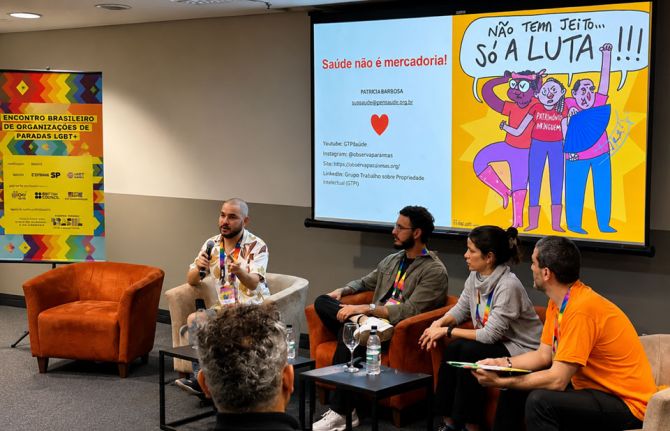
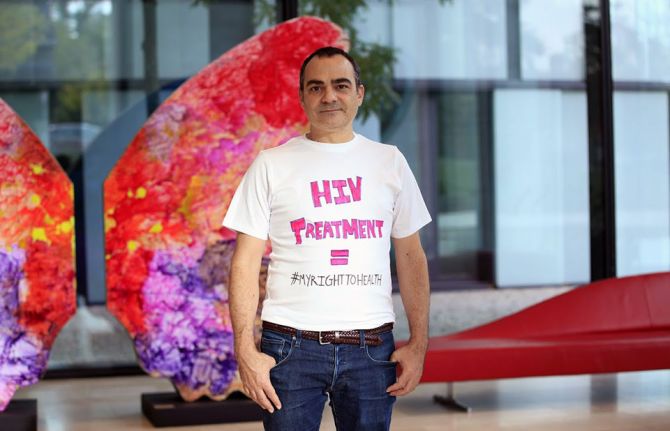
29 October 2026 29 October 2026For LGBTI communities, human rights violations are a daily reality, not an abstract risk. Activists face harassment, violence, displacement, arbitrary detention and online attacks, often while trying to keep HIV services running in increasingly restrictive environments. When rights are under attack, access to HIV prevention and treatment suffers for people who are already marginalized.
UNAIDS supports strengthening resilience of HIV services, amplifying community voices and protect hard-won gains for human rights and HIV in three areas: strengthening the leadership and advocacy of trans and gender-diverse people, providing rapid support to communities facing emergencies, and shaping public narratives through strategic media engagement.
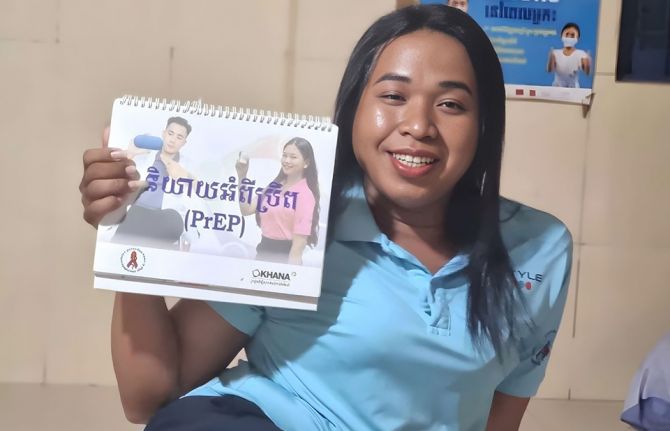
LGBTQ communities are among those most affected by HIV. UNAIDS and Global Action for Trans Equality (GATE) are working together to strengthen the capacity, sustainability and leadership of trans-led organizations to remove barriers to access HIV treatment and prevention. "When UNAIDS invests in civil society leadership, resources reach the communities most affected, lived experiences become evidence, and evidence becomes advocacy, protection and accountability. At a time when anti-gender movements are escalating and civic space is shrinking, this partnership shows that meaningful support to community-led organizations can transform vulnerability into collective power, and collective power into lasting change," said Erika Castellanos, Executive Director, GATE.
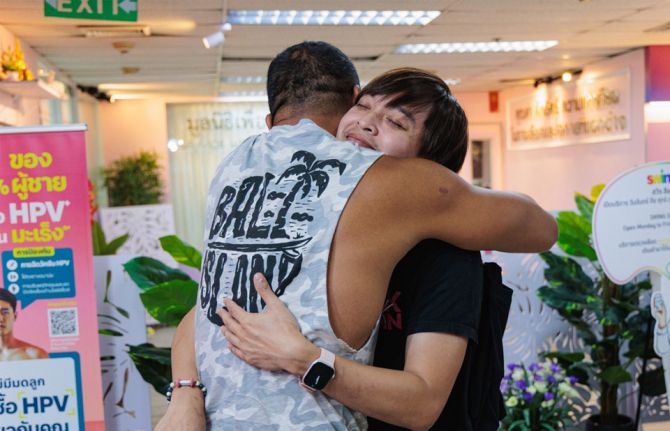
To help communities respond to urgent HIV crises, UNAIDS supports regional emergency support that provides rapid assistance to organizations and individuals facing threats to their safety, rights and wellbeing in accessing services. Regional and global community networks including APCOM Foundation, East Africa Trans Health and Advocacy Network (EATHAN), Eurasian Coalition on Health, Rights, Gender and Sexual Diversity (ECOM), Global Black Gay Men Connect (GBGMC) and Youth LEAD place community leadership at the centre of decision-making so that support reaches people most affected by HIV as quickly as possible.
Demand for assistance continues to grow.
"At a time when LGBTI communities are facing growing hostility, this support is about far more than emergency protection. It helps sustain community leadership, protect access to HIV services, and ensure that those on the frontlines of defending human rights are not left to face these threats alone," said Micheal Ighodaro Executive Director, GBGMC.
Protecting rights also means changing the narrative beyond policy spaces. Recognizing the growing influence of social and mass media on public attitudes on HIV, UNAIDS is partnering in 2026 with SHUGA Global (formerly MTV Staying Alive Foundation) to support new approaches to narratives on HIV.
Working with LGBTI organizations in Côte d'Ivoire and Kenya, SHUGA Global will develop two short films that highlight authentic community experiences around HIV and challenge harmful stereotypes and misinformation about LGBTI people.
"Stories can reach people in ways that facts and statistics alone often cannot," said Umunyana Rugege, UNAIDS Team Lead, Communities & Human Rights. "By working directly with communities, we can help ensure that LGBTI people have full access to the HIV services that they need and are represented with dignity, authenticity and agency.