

Feature Story
UNAIDS at the 81st United Nations General Assembly
18 September 2026
18 September 2026 18 September 2026The 81st session of the United Nations General Assembly, taking place in New York from 18 to 28 September, will once again convene world leaders to revitalize global cooperation, give a critical push to the Sustainable Development Goals and drive collective action for peace, dignity and equality on a healthy planet.
At the UN General Assembly, UNAIDS will call on countries to turn the political commitments they made at the June High-Level Meeting on AIDS (HLM) into results. UNGA81 is a critical milestone for sustaining momentum from the HLM through to World AIDS Day 2026 – and beyond.
UNGA81 takes place at a moment of significant transition in the multilateral system with the impending election of a new UN Secretary-General and ongoing discussions on UN reform – including future evolutions to the Joint United Nations Programme on HIV.
The overall objective for the week is to secure high-level political support for the future of UNAIDS while positioning the Joint United Nations Programme on HIV/AIDS as an indispensable partner for global health, the fight against inequalities, health security and sustainability and to highlight it as an example of success in advancing the Sustainable Development Goals.
UNGA81 offers a unique platform for positioning HIV not as a standalone issue, but as part of the solution to some of the world’s most pressing challenges, including: 1) pandemic preparedness, 2) equitable access to medicines, 3) health sovereignty, 4) inequalities, 5) the need to protect community leadership, service delivery and funding and 6) building sustainable health systems capable of delivering quality, mainstream healthcare on once-specialized issues, such as HIV.
Three Political Asks
At UNGA81, UNAIDS will call on world leaders and ministers to:
- Reflect the targets of the Political Declaration in national plans, ensure adequate financing is available, laws are enabling and accountability is transparent so results may be measured.
- Protect HIV financing and continuity of services, especially prevention, community-led services and support for populations most exposed to HIV (noting the majority of budget cuts in the last 12 months have adversely impacted these efforts).
- Back a transformed and strong United Nations Programme on AIDS, recognizing its essential and unique contributions to the global AIDS response and that its country and regional support are required to turn political commitments into results.
EVENTS
Tuesday 22 September
13:00–16:00
OAFLAD: A Legacy of Leadership – Delivering for Women and Girls
In 2027, the Organization of African First Ladies for Development (OAFLAD) will commemorate its 25th Anniversary, marking a quarter-century of visionary leadership, continental solidarity, and transformative advocacy for the health and well-being of African women, children, and young people. This high-level side event will provide an opportunity to reflect on OAFLAD's remarkable journey, celebrate its enduring partnerships, and articulate a shared vision for the organization's next chapter.
Venue: Ford Foundation Center for Social Justice
Wednesday 23 September
08:00–10:00
African Leadership & Regional Production of Frontier AIDS and other Pandemic Medicines
A high-level event co-organized by UNAIDS, African Medicines Agency, African Union Development Agency-NEPAD, Perry World House-University of Pennsylvania, Global Council on AIDS, Inequality, and Pandemics, on the sidelines of the 2026 UN General Assembly to advance one of the most consequential goals of the African health sovereignty agenda: dramatically expanding the production of cutting-edge pandemic medicines on the African continent, for the African continent.
Venue: Penn Club
10:30–12:30
High-Level Event on “International Panel on Inequality: Addressing the Global Inequality Crisis”
This high-level side event is convened by Brazil, Norway, South Africa and Spain. It will bring together Heads of State and Government, Ministers and leaders of International Organizations, on the need to address the global inequality crisis, an issue of great concern for Member States and the UN.
The event shall provide an opportunity to exchange views and offer inputs on the proposed international panel, and build broad international political support for its establishment. An IPI would be a body anchored in neutral, science-based and objective analysis, situated within the multilateral system. The event will discuss how an IPI could work effectively and lay the groundwork for a future UN resolution.
Webcast link
Venue: Conference Room 2, UNHQ
14:30–15:30
NGIC panel 3 – debt, development and future of emerging economies
For many developing and emerging economies, the debate about the future international order is not abstract. It is experienced through debt-service payments, restricted fiscal space, inadequate infrastructure, unemployment, food insecurity and the enormous financing requirements of development and climate adaptation.
Venue: Harvard Club
Thursday 24 September
08:00–09:30
High-Level Breakfast Side Event and Round-Table Discussion "From Forerunner to Future-Maker: A transformed Joint United Nations Programme on HIV/AIDS for a Sustainable Global HIV Response"
Co-hosted by the Governments of Botswana, the Netherlands, and UNAIDSThe objective of this event is to showcase how a transformed Joint United Nations Programme on HIV/AIDS - as part of the UN80 reforms - remains fit for purpose to mobilize political and financial support and accountability for the global HIV response.
Venue: Labouisse Hall, 3 UN Plaza
Friday 25 September
15:00–17:00
High-Level Meeting on Pandemic Prevention, Preparedness and Response (PPPR) – thematic panel 2
Equitable access through sustainability and predictability: capacities and financing for strengthened pandemic prevention, preparedness and response.
Venue: UNHQ
UN Web TV

Feature Story
UNAIDS expands humanitarian support in Ukraine
16 September 2026
16 September 2026 16 September 2026When Victor* came to Club Eney in Kyiv, a community-led organization supporting people affected by HIV and other vulnerable communities, he was distressed and exhausted. He had lost his job, could no longer afford medical consultations or medicines, and was frightened by worsening health problems.
The peer-consultant told him that help was available, and referred Victor for a free medical consultation, helping him obtain the medicines he needed.
Victor’s experience is familiar to community workers across Ukraine. War and displacement are placing people under multiple pressures at once - loss of income, disrupted access to health care, transport difficulties and the daily struggle to meet basic needs. In 2026, an estimated 10.8 million people in Ukraine require humanitarian assistance, while 3.7 million remain internally displaced, many for years.
For people affected by HIV, these pressures can make it much harder to continue treatment and stay connected to care.
As the full-scale war in Ukraine continues into its fifth year, repeated attacks are damaging health facilities and critical infrastructure and disrupting essential services. Power outages, damaged transport links and prolonged displacement are adding to the barriers people face in accessing HIV and other health services.
To help address these challenges, UNAIDS is expanding it’s Humanitarian Emergency Programme in Ukraine, together with UNODC and with more than US$6 million with support from the Government of the Kingdom of the Netherlands.
“Addressing HIV remains a priority for the Government of the Kingdom of the Netherlands, and our partnership with UNAIDS is an important part of this work, both in Ukraine and globally,” said Robert Dekker, Head of the Political Section at the Embassy of the Kingdom of the Netherlands in Ukraine. “The Netherlands is currently UNAIDS’ largest donor. Each year through 2029, our country will provide €18.2 million to support UNAIDS programmes worldwide.”
Working through 15 Ukrainian community-based organizations across 13 regions, particularly frontline areas and regions hosting large numbers of internally displaced people, the programme links humanitarian assistance with access to HIV treatment and other health services, mental health and psychosocial support, temporary accommodation and essential social services.
“Those of us working on the ground, directly with communities, understand well what people need and what kind of support can genuinely make a difference in their lives. And this is exactly what the funding is directed towards,” said Alla Khodak, Chair of the Board of 100% Life, Odesa, an organization that supports people living with HIV. “People’s needs in Odesa, Dnipro and Kharkiv are different, and the support provided through the Humanitarian Emergency Programme reflects those differences. It is adapted to the realities of each region. This is both important and valuable.”
The programme aims to help 40,000 people maintain or regain access to life-saving HIV services, provide humanitarian assistance to 60,000 people and reach 20,000 people with mental health and psychosocial support.
“This programme builds on the resilience that communities, health workers and partners across Ukraine have demonstrated throughout the war, continuing to provide vital support to people even in the most difficult circumstances,” said Eamonn Murphy, UNAIDS Regional Director for Asia and the Pacific and Eastern Europe and Central Asia.
Beyond meeting immediate humanitarian needs, the programme will also strengthen the community systems and partnerships at local level that have helped sustain HIV treatment, care and other essential services throughout the war.
“We are deeply grateful to the Government and people of the Netherlands for this support. We are equally grateful to our Ukrainian organizations working alongside people every day and who understand the needs of their communities best,” said Gabriela Ionașcu, Director of the UNAIDS Country Office in Ukraine. “From the outset, this programme has been built around the real needs of people. Our priority is to ensure that international support translates into practical assistance where it is needed most.”
As another winter approaches and pressure on health, social services and civilians continues, keeping people connected to the care and assistance they need is more critical than ever.
*Name changed for confidentiality
Region/country
Related
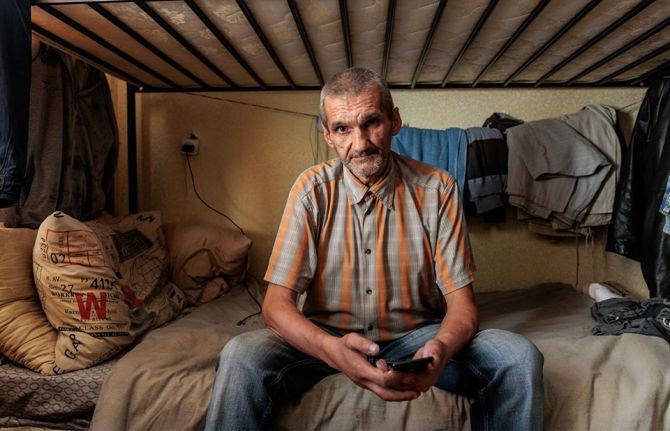 Ukraine: Keeping people in care
23 February 2026
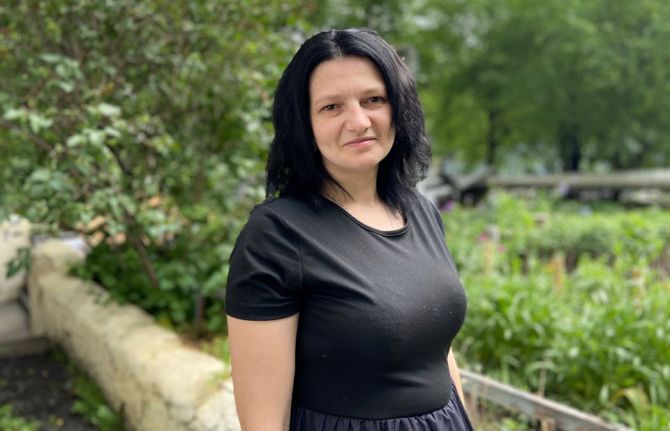 Women, HIV, and war: a triple burden
12 September 2025
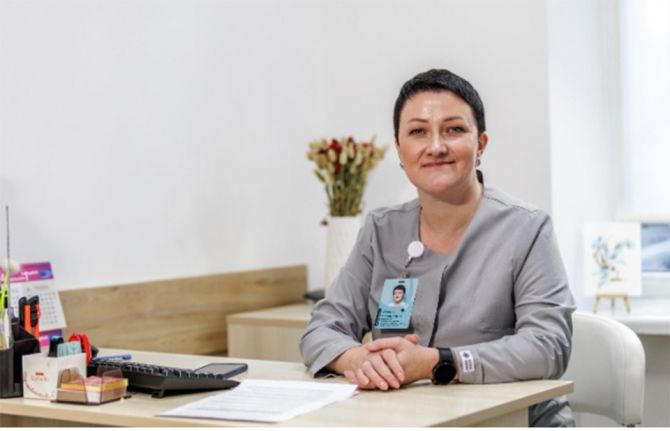 Displacement and HIV: doubly vulnerable in Ukraine
11 August 2025
Feature Story
UNAIDS, WHO and Unitaid bring manufacturers and governments together in Geneva as HIV financing enters a new era
14 September 2026
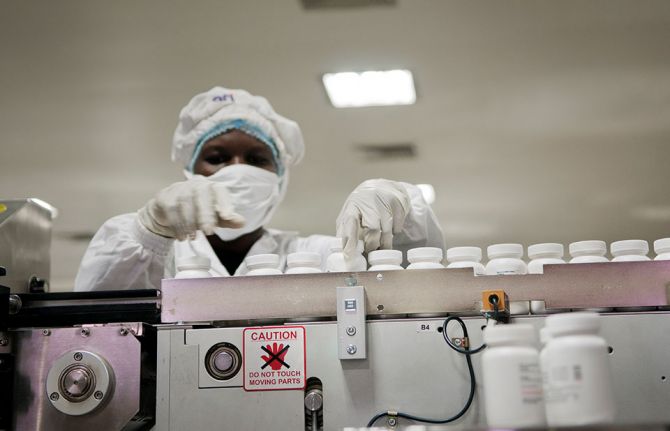
14 September 2026 14 September 2026For more than 15 years, UNAIDS and WHO have convened governments, manufacturers, financing partners, communities and technical agencies in Geneva for one purpose: making sure the medicines, diagnostics and prevention products needed for the HIV, TB and hepatitis responses are produced in sufficient quantities and reach countries at prices they can afford. From 15 to 18 September, UNAIDS jointly with WHO and Unitaid will once again convene their annual consultation with pharmaceutical and diagnostics manufacturers, partner organizations and national governments.
The meeting arrives at a pivotal moment for the global HIV response as international funding declines and countries take on a greater share of the cost of their own responses. In 2025, domestic sources accounted for 59% of the US$ 17.6 billion invested in the HIV response in low- and middle-income countries (LMIC). Almost 74% of antiretroviral spending is already covered by domestic spending in LMICs, and just over 52% of antiretroviral spending in Eastern and Southern Africa specifically.
From inception, the consultation has served as one of the few forums where demand forecasts, financing realities and market dynamics can be discussed together. Its discussions have informed demand forecasting, improved visibility of market trends, supported the introduction of new technologies and contributed to efforts to increase affordability and strengthen supply security. Over the years, the meeting has evolved alongside the epidemic itself, moving from early conversations about scaling up treatment to today's priorities: sustainable financing, long-acting prevention technologies and regional manufacturing.
“Reliable financing, procurement and demand intelligence help countries and manufacturers anticipate needs, plan investments and expand access to new and existing health products,” said Jaime Atienza, Director, Sustainability, Financing and Economics at UNAIDS.
Nowhere is that shift clearer than in HIV prevention. While treatment programmes are increasingly funded from domestic budgets, many prevention interventions remain heavily dependent on external support — PrEP chief among them. Demand for oral and long-acting PrEP options is expected to rise sharply in the coming years as more countries expand access and ensuring that financing and procurement systems can keep pace with that growth is set to be a central theme of this year's discussions.
UNAIDS role
UNAIDS brings three things to the table. Data — gathered through the Global AIDS Monitoring framework, AIDS financing analyses and epidemiological monitoring — establishes the baseline numbers that guide the forecasting work. Convening power brings governments, manufacturers, donors and communities into the same room, alongside WHO and Unitaid. And market intelligence, drawn from UNAIDS' global targets, forecasts and projections of future demand for HIV medicines and prevention technologies, gives manufacturers and financing institutions an essential baseline scenario on which to build alternative forecasts.
Communities remain essential partners in ensuring that financing and market decisions translate into equitable access on the ground. Their participation keeps the discussions grounded in the realities faced by people living with HIV and by populations at higher risk of acquiring the virus.
As governments, manufacturers, financing institutions and communities gather in Geneva this week, the objective is straightforward: to keep lifesaving HIV medicines, diagnostics and prevention products affordable, available and accessible to everyone who needs them. At a moment of significant financial transition and new product introductions, cooperation across sectors will be essential to sustaining the progress made so far and to advancing the goals of the Global AIDS Strategy.
Contact
For more information please contact UNAIDS technical focal point Deepak Mattur, Senior Adviser, Resource Tracking at UNAIDS - MatturD[at]unaids.org
Feature Story
UNAIDS works with partners and communities to support Zambia's rollout of Lenacapavir to prevent new HIV infections
09 September 2026
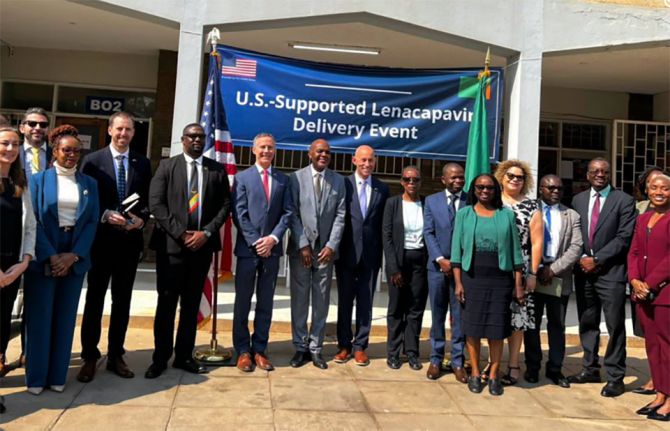
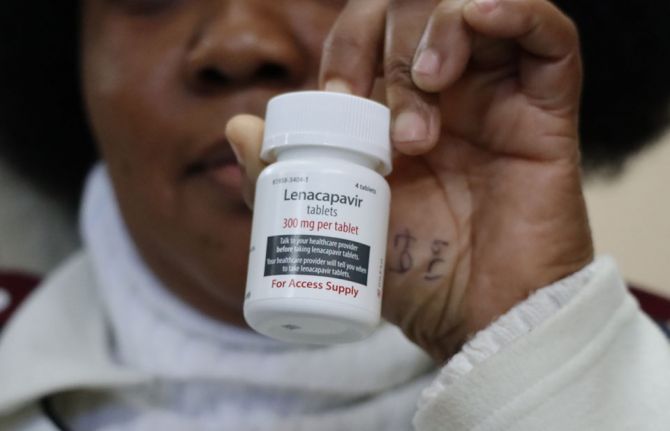
09 September 2026 09 September 2026With Zambia having received the delivery of the first US-funded HIV prevention medicine Lenacapavir, UNAIDS is now working in close partnership with the Zambian government, communities, the Global Fund to Fight AIDS, TB and Malaria and the US government to ensure that this new HIV prevention option reaches the people who need it the most to prevent new HIV infections in the country. The rollout of Lenacapavir offers Zambia an opportunity to accelerate prevention and protect hard-won gains in the country’s HIV response.
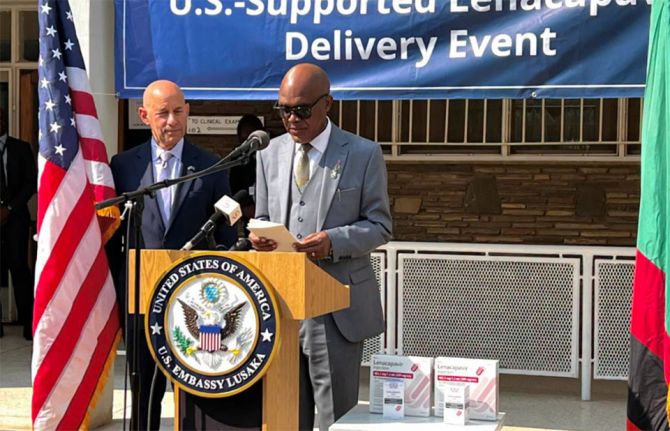
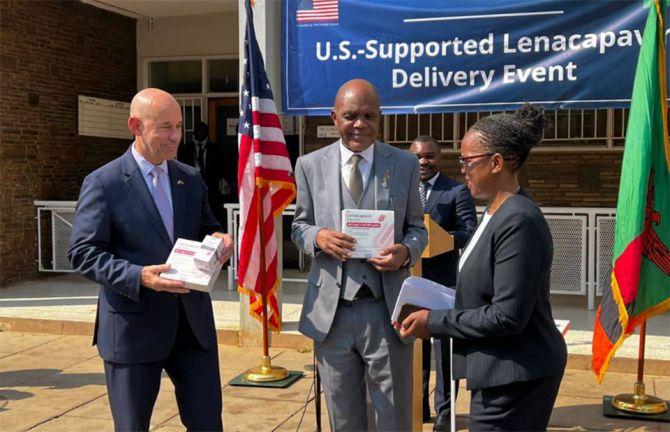
The Government of Zambia received the first stock of the highly anticipated, twice-yearly injectable pre-exposure prophylaxis (PrEP), long-acting medication at the University Teaching Hospital in Lusaka on 1 September 2026. The shipment was officially received by the Ministry of Health's Permanent Secretary for Donor Coordination, George Sinyangwe, alongside the US Assistant Secretary of State for African Affairs, Frank Garcia, highlighting a continued strategic health partnership between the two countries.
Lenacapavir’s efficacy has been established, having been found to be almost 100% working in preventing HIV infection. It offers the country an important opportunity to build on its significant progress in the HIV response and advance efforts to end AIDS in Zambia.
UNAIDS will work with partners, including providing data and evidence on populations that are at high risk of acquiring HIV, to guide the rollout of Lenacapavir and scale up access with the aim of reaching 82 000 people by the end of 2026 across selected 542 health facilities.
UNAIDS Regional Director for Eastern and Southern Africa, Anne Githuku-Shongwe, welcomed the arrival of the medicines. “This collaboration demonstrates what is possible when political leadership, global solidarity, communities, science and partners come together around a common goal. The rollout of Lenacapavir will bring Zambia one step closer to ending AIDS as a public health threat.” said Anne Githuku-Shongwe.
Approximately 21 000 of the people to benefit from Lenacapavir are pregnant and breastfeeding women which will boost efforts to protect maternal health and eliminate vertical transmission of HIV which is estimated to be at around 6% in Zambia.
At the event marking the arrival of the shipment on 1 September, US Assistant Secretary of State for African Affairs Frank Garcia said that the US was proud to stand with Zambia in rolling out Lenacapavir, signaling a longstanding partnership in the country's HIV response through the US President's Emergency Plan for AIDS Relief (PEPFAR).
Sub-Saharan Africa is the region with the highest number of people living with HIV, home to 26.3 million of the 41 million people living with HIV globally. Zambia joins Eswatini, Nigeria, Kenya, Zimbabwe and South Africa as the first countries in the region to receive the ground-breaking HIV prevention medicine.
In Zambia, there were 23 000 new HIV infections in 2025, with adolescents and young people accounting for 37% of new annual HIV infections - of whom 29% are adolescent girls and young women - who continue to face disproportionate vulnerability to HIV in many parts of sub-Saharan Africa. Having access to discreet, long-acting prevention will offer an important additional HIV prevention to them.
“The introduction of Lenacapavir gives us an opportunity to build on that progress and ensure that prevention reaches the people who need it most, particularly adolescent girls and young women.” said Ms Githuku-Shongwe.
Lenacapavir will be integrated into Zambia’s broader combination HIV prevention approach. UNAIDS will offer strategic coordination, technical advice and advocacy to ensure the roll out of Lenacapavir is guided by evidence and equity, to reach people who will benefit most.
UNAIDS has been working closely with Zambia over many years, supporting the country’s efforts to strengthen its national HIV response. The partnership includes support for policy development, strategic information, sustainability, community engagement, and efforts to ensure that HIV services reach people who are most vulnerable. Lenacapavir will be an important part of that next chapter.
Region/country

Feature Story
Remembering King Oyo’s heartfelt leadership for young people and the fight to end AIDS
04 September 2026
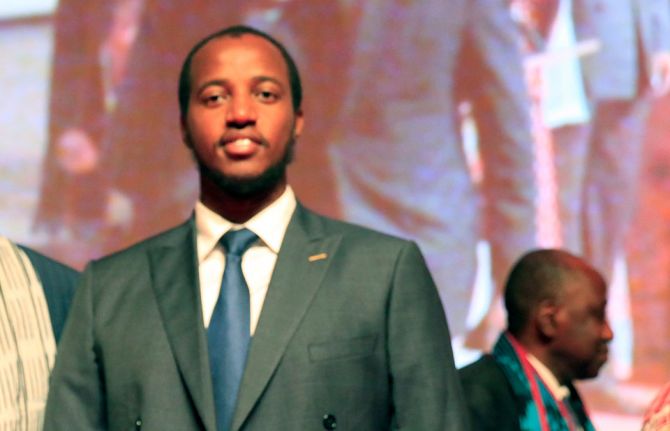
04 September 2026 04 September 2026UNAIDS is deeply saddened by the passing of His Majesty King Oyo Nyimba Kabamba Iguru Rukiidi IV of the Tooro Kingdom, at a young age of 34. Heartfelt condolences to the people of Tooro Kingdom, the Royal Family, the Government and people of Uganda, and all those whose lives were touched by His Majesty’s leadership and service.
In 2016, His Majesty King Oyo was recognized as a UNAIDS Goodwill Ambassador for ending AIDS among young people in Eastern and Southern Africa. He accepted this role at the age of 24, at a time when he was widely respected as the youngest reigning monarch in the world and as an influential voice for young people across the region.
“King Oyo used his voice, his influence and his deep commitment to young people to advance the vision of ending AIDS as a public health threat,” said Winnie Byanyima, Executive Director of UNAIDS. “His advocacy reminded the world that young people must be at the centre of the HIV response with access to education, information, protection and opportunities to thrive.”
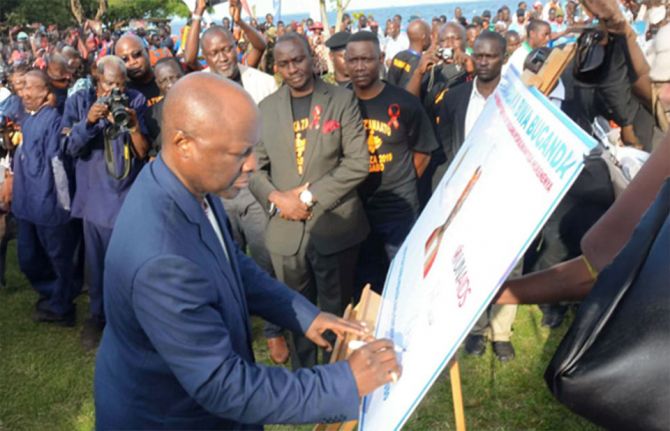
Over the years, King Oyo used his platform to amplify the call to end AIDS as a public health threat by 2030. He championed efforts to eliminate new HIV infections in the Tooro Kingdom, called for stronger engagement of men and boys in the HIV response, and encouraged communities to take collective responsibility for prevention, treatment and care.
His advocacy also underscored the importance of keeping young people especially adolescent girls and young women in school, where they can access information, protection, support systems and life skills that reduce vulnerability to HIV, teenage pregnancy, early marriage and gender-based violence.
“His Majesty King Oyo brought courage, compassion and clarity to the HIV response in Uganda and beyond,” said Jacqueline Makokha, UNAIDS Country Director for Uganda and Tanzania. “He understood that ending AIDS requires investing in young people, keeping them in school, protecting them from violence and ensuring that no one is left behind.”
UNAIDS honours his legacy and reaffirms its commitment to work with partners, communities and young people to end AIDS and build healthier, safer futures for all.
As the Tooro Kingdom observes its period of mourning, UNAIDS stands with the Royal Family, the Babiito clan and the people of Tooro during this most difficult time.
Region/country
Related


Feature Story
Built on trust - Community-led HIV responses in Thailand
26 August 2026
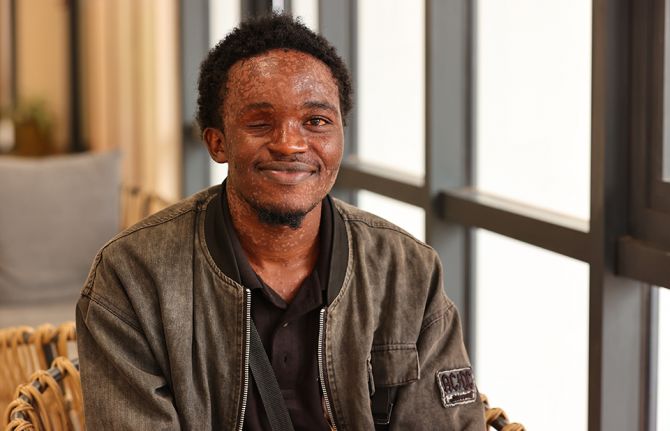
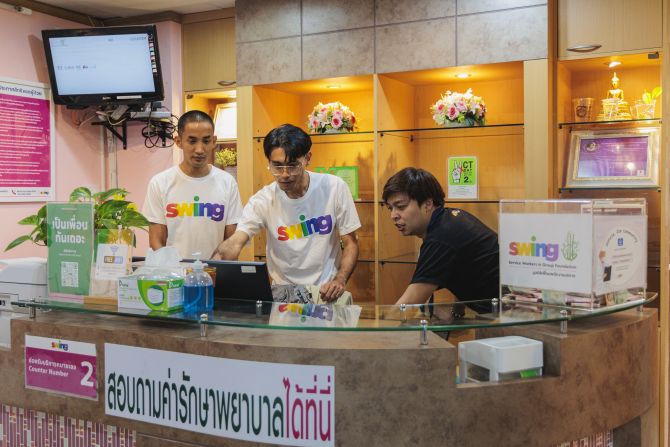
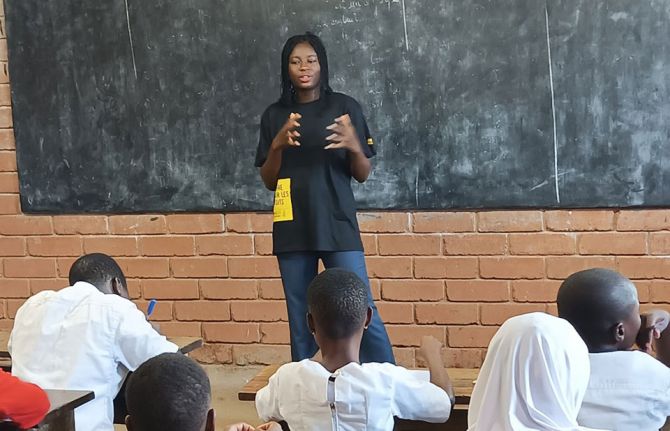
26 August 2026 26 August 2026Before the doors of SWING Thailand clinics open each morning, Siripong “Arm” Srichau has already reached hundreds of people.
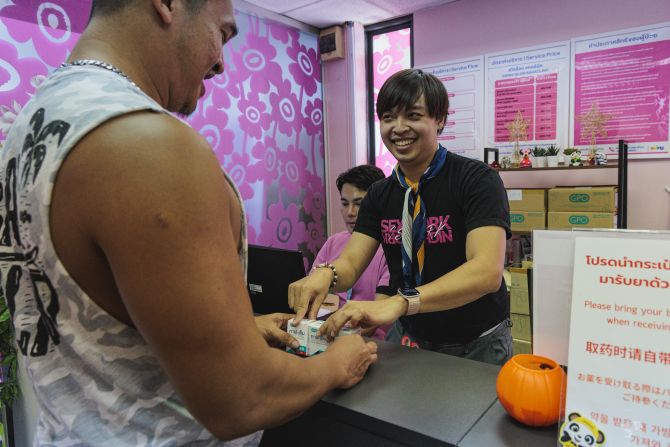
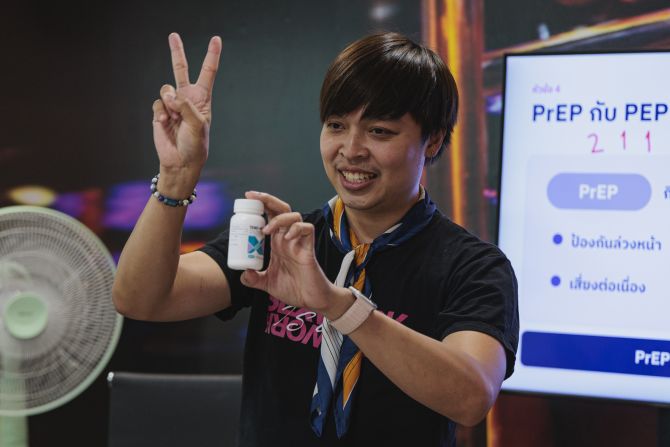
Some have watched one of his videos on social media. Others have sent private messages asking where they can get an HIV test or whether they should start PrEP - a preventive HIV medicine for people at risk of HIV.
Sitting in front of his computer, Arm, communications lead at SWING, a community-led organization providing HIV and sexual health services for gay men, transgender people and sex workers in Thailand, scrolls through the digital campaigns he has created to make accessing HIV prevention more engaging.
In one interactive game, users match themselves with a virtual boyfriend based on their lifestyle, then recommends the PrEP option that best suits them. Another uses a fortune teller to predict their future need for PrEP. A third turns the hunt for misplaced PrEP pills into an online game.
They are playful by design with a purpose.
"If you want to reach people online, you have to understand them," he said. "You have to know what they are interested in, what is trending, and make our message relatable."
Berry is one of SWING’s regular clients who first discovered SWING through social media while searching for information about PrEP.
"I didn't really know what PrEP was initially," he said. "The staff here explained everything to me."
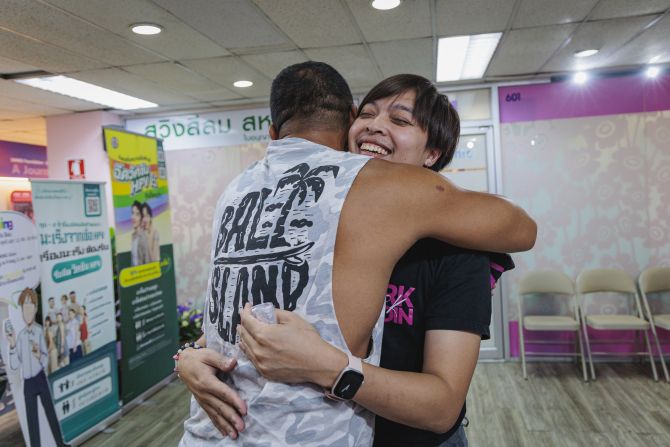
Nearly ten years later, he keeps returning for HIV prevention services. For him, the difference is not only the medical care. "Here, nobody looks at you like you're a weird person," he said. "Even though Thailand is quite open for LGBTQ people, discrimination still exists. Here, we feel comfortable."
Arm's works extends beyond the virtual space and the clinic walls.
In the afternoon, Arm is presenting HIV prevention and sexual health options to a group of young deaf transgender women, with every word translated into sign language. And the evening finds him standing outside a nightclub, handing out condoms, answering questions and helping people register for HIV services on their phones.
A former teacher with a background in dramatic arts, Arm never expected to build a career in the HIV response.
“Every day I see proof that this work matters, in the messages people send us and in the clients who keep coming back. What people do not see is the cost. We are still here because we believe in this. But belief does not pay for a clinic or a salary. Communities need resources, not just recognition,” said Arm.
Thailand’s investment in community-led programmes is a key part of Thailand’s remarkable progress in the HIV response, with 82% of people living with HIV on treatment in 2025 and a 66% reduction in new HIV infections since 2010.
This progress comes at a time when community-led organizations around the world are facing growing uncertainty. Global development assistance fell by 23% in 2025 and HIV programmes have been among the hardest hit. Globally, community-led organizations are seeing critical funding disappear, putting essential HIV services at risk.
Meanwhile in Thailand, over 100 community-led organizations, including SWING, are formally recognized as HIV service providers under Thailand's Universal Health Coverage system, delivering HIV testing and counselling, PrEP and other essential services with domestic funding. These organizations now reach 75% of key populations with HIV prevention services.
"Our priority now is ensuring community-led organizations are truly an integral part of the national health system. With UNAIDS support, Thailand is developing a Community-Led Response Sustainability Roadmap to help make that happen," said Patchara Benjarattanaporn, UNAIDS Country Director for Thailand.
Community leadership has helped make Thailand's HIV response one of the strongest in the region. Sustaining it will require more than dedication from people like Arm. It will require commitment from governments, health systems, donors and partners to ensure community-led organizations have the recognition, resources and support they need to continue their work.
Region/country


Feature Story
Seeing what others miss: Inclusion in Papua New Guinea’s HIV Response
14 August 2026
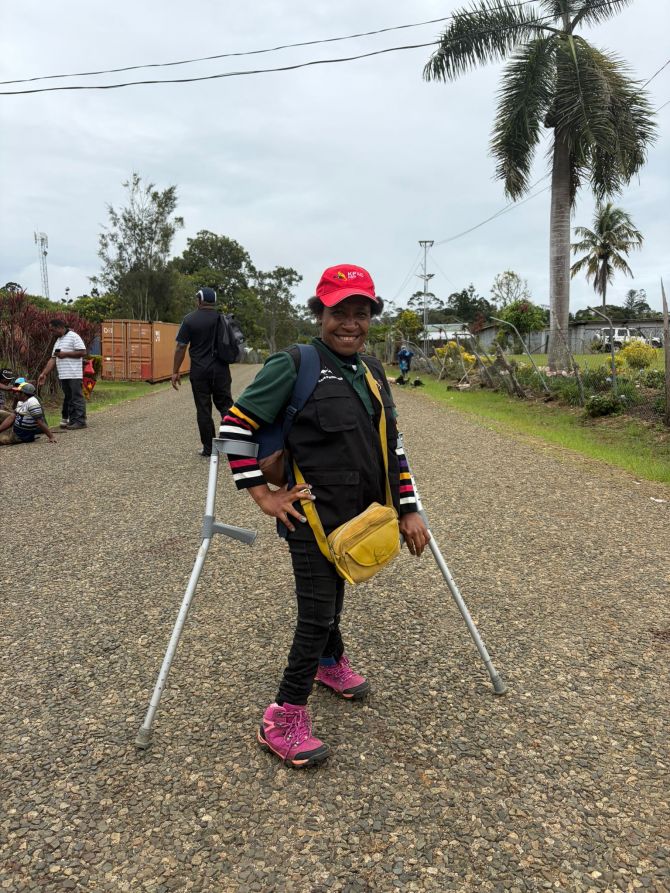
14 August 2026 14 August 2026During a recent monitoring visit to an HIV clinic in the Highlands of Papua New Guinea, Brenda Lombange noticed a person with a physical disability leaving the building. Several steps led up to the entrance.
“I was thinking, ‘how can a wheelchair go there?’” Ms Lombange recalled.
For her, the question is personal. Ms Lombange leads the community-led monitoring team at the Key Population Advocacy Consortium (KPAC), a national coalition representing communities most affected by HIV and tuberculosis. She also lives with a disability herself.
For her, accessibility goes beyond ramps and steps.
“Some people have hearing difficulties. Some cannot walk long distances. Others have eyesight problems and cannot read the small print,” Ms Lombange explained. “Through our work, we can identify what support people need, whether that means information in different formats or better communication.”
In her mind, the worse is an insensitive response from a health worker, which is why she goes out and meets people.
“We visit clinics not only to check whether essential tests, medicines and supplies are available, but also to understand what people experienced when they sought care,” Ms Lombange said. “We listen to whether they could even access the clinic, afford the services, understand the information they received and feel safe, respected and included.”
More than 1.5 million people - around one in six Papua New Guineans - are estimated to live with some form of disability. A national Gender Equality, Disability, and Social Inclusion (GEDSI) assessment found that inclusion had not yet been embedded across PNG’s HIV response and was not included in its community-led monitoring tools.
In 2025, Papua New Guinea declared HIV a public health crisis. The estimated number of new HIV infections doubled since 2010, with around 30 people acquiring HIV every day—an estimated 11,000 new infections in 2024 alone.
Alarmingly, half are among children and young people under 24. New infections are also rising among women and children, while rates of mother-to-child transmission remains critically high.
With support through the Indo-Pacific HIV Partnership, monitoring tools were revised to address this gap.
Community-led monitoring teams can now better identify and document barriers faced by people with disabilities, including disabilities that may not be immediately visible. Using the internationally recognized Washington Group questions on functioning—covering seeing, hearing, mobility, cognition, self-care and communication—they can assess accessibility in both HIV services and antenatal clinics.
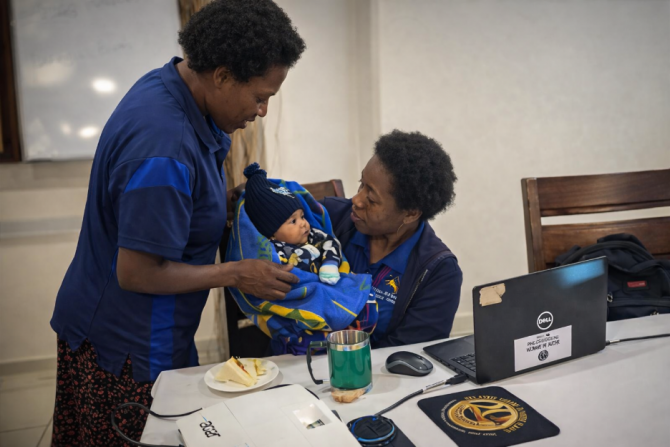
Cathy Ketepa, a woman with a disability and chair of KPAC, emphasized, “Having two women with disabilities in leadership positions shows that we are not only beneficiaries, but also leaders and decision-makers in our movements.”
Lesley Bola, KPAC’s Executive Director, describes his peers living with disabilities as the organization’s “eyes and ears.”
“They sensitize us and open our minds to inclusion,” he said. “There are many people living with HIV who are also persons with disabilities. Disability is cross-cutting. When we go into provinces, we find vulnerable communities who are part of us, but who need extra support.”
A sentiment echoed by Health Equity Matters.
“KPAC already has the trust, knowledge and lived experience of the communities it represents,” said Jess Hill, the Pacific Program Lead. “Our role is to help strengthen the organization behind that work so community evidence can influence decisions and lead to lasting change.”
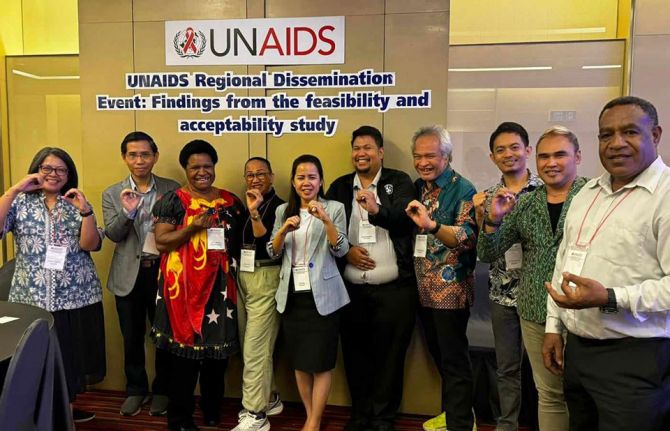
KPAC’s work was supported through the Australian Government-funded Indo-Pacific HIV Partnership, with Health Equity Matters providing organizational strengthening and UNAIDS contributing technical and policy support.
“We are grateful to the Australian Government for investing not only in community-led activities, but also in the leadership and capacity needed to sustain them,” said Manoela Manova, UNAIDS Country Director for PNG. “KPAC’s progress shows what is possible when organizations rooted in communities have the tools and support to turn evidence into action.
Region/country

Feature Story
UNAIDS Brazil and Grindr sign agreement to expand HIV prevention efforts and strengthen community-led responses
30 July 2026
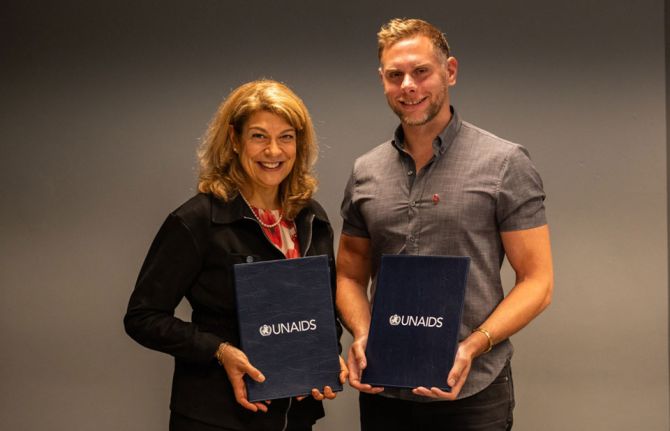
30 July 2026 30 July 2026UNAIDS Brazil and Grindr have signed a cooperation agreement to expand access to HIV prevention and to bring health services closer to the populations most affected by HIV.
The agreement creates a framework for cooperation and the development of joint initiatives over the next two years, including expanding access to Pre-Exposure Prophylaxis (PrEP) and Post-Exposure Prophylaxis (PEP), reducing regional inequalities in access to health services, and strengthening community-led initiatives.
"Grindr reaches millions of LGBTQ+ people every day, while community-based organizations bring deep local knowledge, trusted relationships, and decades of experience serving their communities. As new prevention tools redefine what is possible, Grindr for Equality is committed to working hand in hand with partners such as UNAIDS Brazil, community leaders, researchers, healthcare professionals, funders, multilateral organizations, industry partners, and ministries of health to bridge the gap between awareness and uptake," said Mohan Sundararaj, Managing Director of Grindr for Equality.
The partnership recognizes that digital solutions can bring reliable information closer to the people who need it most. Through this agreement, Grindr will serve as an important channel for connecting app users to public HIV prevention, testing, and care services, while UNAIDS will provide technical support and evidence-based content to guide these efforts.
The partnership will support the development of inclusive digital campaigns with messages providing information on combination HIV prevention, including PrEP, PEP, condoms, regular HIV testing, and HIV treatment.
Another strategic pillar is the use of geolocation features within the platform to direct users to nearby public health services. This approach will help expand access to information about healthcare facilities, PrEP and PEP dispensing sites, and networks of care available in local communities.
"UNAIDS Brazil is pleased to sign this partnership agreement with Grindr, which is very present in the lives of young populations we serve. This platform can help locate health services and facilitate access to prevention information, and this will be our joint commitment. Each day people are more connected to digital environments that are essential to close the misinformation gap," says Andrea Boccardi Vidarte, UNAIDS Country Director in Brazil.
The signing of the MoU formalizes and expands a relationship built through previous collaborations between UNAIDS Brazil and Grindr. In September 2024, Grindr and UNAIDS joined forces to increase the participation of people living with HIV in the second edition of the Stigma Index survey. More recently, during Lady Gaga’s concert in Copacabana in 2025, in Rio de Janeiro, UNAIDS, Grindr, and the City of Rio de Janeiro developed a joint prevention initiative aimed at concert attendees.
UNAIDS Country Director in Brazil receives award for leadership and support to LGBTQIA+ communities
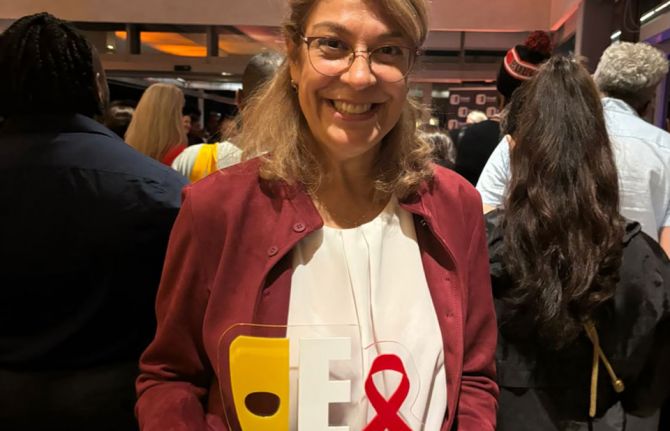
Andrea Boccardi Vidarte was among those honoured at the Grindr for Equality Awards, which took place during the AIDS20206 conference. These awards recognize leaders and organizations for their outstanding contributions to the global HIV response and to advancing the health and well-being of LGBTQIA+ communities.
During the Grindr for Equality Hosting, Ms Boccardi received the Systems Change Leadership Award which recognizes policymakers and institutional leaders who drive structural change to advance LGBTQIA+ rights, strengthen HIV prevention, and promote equitable access to healthcare.
Region/country
Feature Story
"Funding Community-led harm reduction is not optional to end AIDS” - An interview with Anton Basenko
23 July 2026
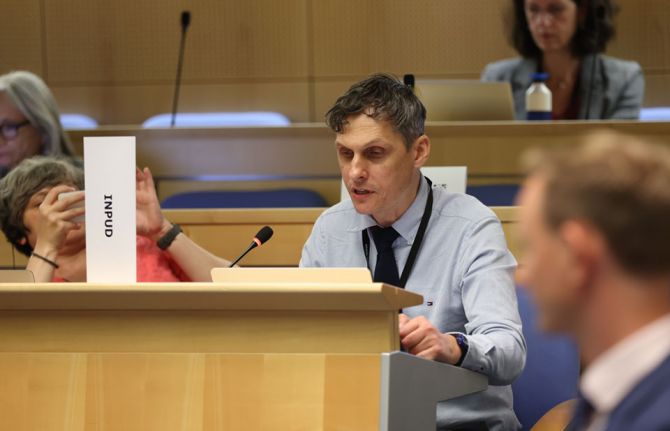
23 July 2026 23 July 2026UNAIDS sat down with Anton Basenko, Executive Director of International Network for People who Use Drugs (INPUD) during the latest coordinating board meeting where Member States and partners discussed how people who inject drugs are disproportionately impacted by the HIV epidemic worldwide.
In 2024, HIV prevalence among people who inject drugs reported was ten times higher than for the rest of the adult (15–49 years) population and people who inject drugs were estimated to be 34 times more likely to contract HIV than the general adult population.
Q: How did you become an activist and advocate?
A: I began using drugs as a teenager and started injecting when I was 16. Like millions of people around the world, I spent years avoiding healthcare not because I did not need it, but because healthcare did not feel safe.
In 2002, Ukraine started to scale up the limited offer of harm reduction services. I did not go there because someone convinced me to seek treatment. I went to a drop-in centre run by Club Eney because I needed sterile injecting equipment. What I found there was much more than syringes. After almost 10 years of spending days looking for money, avoiding the police and buying drugs, I was in awe of the peer-led, peer-run place and realized, 'People care about me.'
I had lost many friends and suffered many overdoses and lost my job so this outreach was like a miracle. That is where later, in 2023, I found out I was HIV+ and had Hepatitis C and needed treatment. I also qualified for opioid agonist therapy (OAT), which is another miracle. They were running a pilot programme at the time. Within months I transformed and regained confidence. So much so that when it was time to validate the pilot programme, I was asked to testify at the Ministry of Health Public Hearings. Wearing a tie and speaking about my experience, I overheard people from the opponents of the OAT group say afterwards, 'His outfit is too expensive and he looks too clean to be a real drug user,' which made me think that OAT definitely works and I clearly had convinced people from all sides during the meeting.
Q: When is it that you really pushed for harm reduction services?
A: In 2005, I went to the OAT site at the Kyiv Narcological Dispensary to get my daily dose of medicine and saw that the door was closed. I was in total shock and I felt all my hopes disappear. The majority of us were so afraid of withdrawal symptoms that we relapsed. Ukraine was in the midst of rolling out harm reduction and there had been a backlog. I was an emotional train wreck. Thank goodness the centre called us back a month and half later and I was able to get back on the medicine. It took me six months to get back on track. That experience taught me that policies are not written in isolation. They determine whether people live or die. They determine whether services remain open or disappear. And they determine whether communities are treated as partners—or as problems. Today, more than twenty years later, that lesson remains just as relevant.
Q: Was that a turning point for you?
A: It definitely motivated me and as of 2009 I volunteered and started working for a grassroots organisation in Kyiv as a peer-counselor at the OAT site. Slowly I left my marketing job and dedicated myself to the cause. At first, I worked for the Association of Substitution Therapy Advocates of Ukraine (ASTAU), and later joined the leading HIV CSO in EECA region, Alliance for Public Health. Feeling my commitment to invest my knowledge and motivation into the development of the global drug users’ rights movement and communities mobilisation, I co-founded Ukrainian Network of People who Use Drugs (VOLNa), contributed to the Eastern European Central Asian Network of People who Use Drugs (ENPUD), and worked for European AIDS Treatment Group (EATG.) I have also given a lot of speeches at AIDS and Harm Reduction conferences! And after being on the board of INPUD, I was appointed as INPUD Executive Director in 2025.
Q: INPUD's latest report ' The Human Costs of Policy Change: A World in Turmoil' documents the impact of recent funding cuts. What are they?
A: We are witnessing needle and syringe programs closing or being severely reduced. A lack of access to harm reduction supplies spiked from 47% in 2025 to 64% in 2026, stigma and discrimination jumped from 60% to 77%, policing or criminalisation increased from 42% to 64%. For women who use drugs, the consequences have been even more severe, with reductions in gender-based violence services, child-friendly spaces and low-threshold treatment programs. As someone who has lived through HIV, hepatitis C, criminalisation and exclusion from healthcare, I know that people do not stop using drugs because services disappear. They simply disappear from services until they return with advanced HIV, tuberculosis, hepatitis C, or... they DO not return at all.
Q: What is your main call to action?
A: The lesson is clear. Funding community-led harm reduction is not optional. It is one of the most cost-effective investments in the HIV response. We cannot end AIDS while allowing the organisations closest to affected communities to disappear. INPUD wants donors, partners, governments to protect and expand sustainable, direct and flexible funding for community-led organisations of people who use drugs and safeguard comprehensive harm reduction services, including needle and syringe programmes and opioid agonist therapy. Also know that the funding cuts collided with criminalisation and shrinking civic space which has been horrible. We must accelerate drug policy reform, including decriminalisation, as an essential structural intervention to end AIDS.
Q: You keep hammering one message, what is it?
A: Our message is simple: if communities disappear, the HIV response disappears with them.
Q: And what are you proudest of?
A: Professionally, I am very happy to have started harm reduction programmes in probation services. It has gone from a pilot programme to full scale in Ukraine and proud to mobilise the successful country drug users network, VOLNa, which unites more than 1,500 individual members and is a real driver of critical changes in Ukraine and EECA region.
I am also very proud of my son who is now seven years old living free of HIV.
UNAIDS advocates for harm reduction responses to be tailored to the realities of people who use drugs, recognizing that HIV risk and access are shaped by gender inequality, age, sexual orientation, incarceration, displacement and humanitarian crises. We must move away from criminal sanctions for drug use and possession for personal use and instead adopt public health and human-rights based approaches. Integrating harm reduction into national health systems and domestic financing frameworks will guarantee that essential services do not stop putting people’s lives at risk. Finally, UNAIDS believes in strengthening and protecting community leadership. Organizations led by people who use drugs must be able to register, operate and access funding freely.
Related
Feature Story
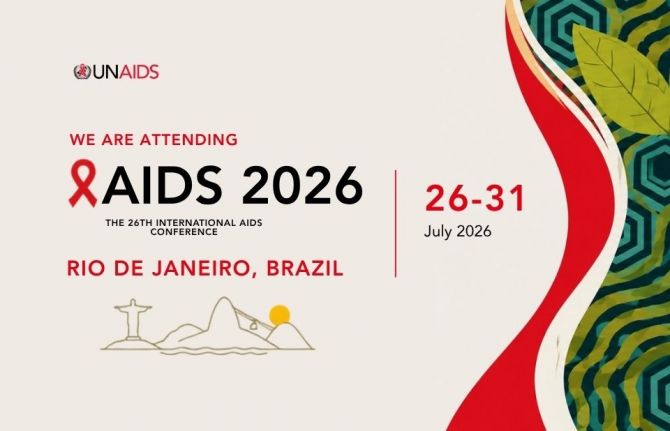
UNAIDS at the 26th International AIDS conference
22 July 2026
22 July 2026 22 July 2026AIDS 2026 will be the first major global gathering following the UN General Assembly High-Level Meeting on HIV and AIDS where countries came together and committed to new targets as part of efforts to end AIDS as a public health threat by 2030.
The conference comes at a critical moment as these global commitments must translate into country-level implementation. Sustained political leadership is needed as well as and concrete financing commitments from both donors and countries most affected by HIV, particularly in a time of constrained resources.
On the opening day of the conference (27 July), UNAIDS will be releasing a special report, United to End AIDS, which gives the latest data on HIV from 2025.
UNAIDS will focus its engagement on three strategic areas:
- Supporting all countries to achieve the targets set out in the Global AIDS Strategy 2026-2031 and the 2026 Political Declaration on HIV and AIDS
- Protecting HIV prevention and community-led services, particularly for key populations, women and girls, and young people.
- Mobilizing sustainable HIV financing, including maintaining international support and advancing domestic financing and transition planning.
EVENTS:
SATURDAY 25
Living 2026 Pre-conference - 08:00-17:00
LIVING2026 is convened by GNP+ in partnership with the Prevention Access Campaign (PAC), marking ten years of Undetectable = Untransmittable (U=U).
SUNDAY 26
Rethink, Rebuild, Rise - SRHR/HIV integration and community leadership in a new funding era - Room 103 / 14:00-15:00
A powerful opening dialogue on the political context of the HIV response. Focusing on human rights, global equity, and the political courage needed to rethink and rebuild resilient health systems.
MONDAY 27
SADC leadership in implementing the Global AIDS Strategy 2026–2031: Advancing sustainability, regional solidarity and health sovereignty in the HIV response - Room 202 / 11:30-12:30
The session will position SADC as a leading regional platform demonstrating that the structures, policies, and innovations required to sustain the HIV response already exist, but require continued political commitment, investment, and strategic partnerships.
Making HIV elimination in the Americas a reality: Leadership, evidence, action - Room 204 / 11:30 – 12:30
This symposium will present HIV elimination as an urgent public health priority and a realistic goal for the Americas. It will highlight country leadership and share lessons learned from applying evidence to policy and practice. The session will formally introduce the Alliance for the Elimination of HIV in the Americas, a regional platform created to accelerate progress toward 2030.
Opening press conference: Launch of UNAIDS special report – United to end AIDS - Press conference room / 14:00 – 15:00
On the opening day of the 26th International Aids Conference in Rio de Janeiro, taking place from 27 to 31 July 2026, UNAIDS is releasing a new report showing the extent and impact of funding cuts and disruptions experienced in 2025 as well as global progress in the AIDS response.
Women's networking Zone 2026 Opening ceremony - Global village / 15:00-16:30
Opening session - Room 101A / 17:00-18:30
The AIDS 2026 opening session will bring together leading voices from across HIV research, policy and advocacy to set the tone for the conference. Grounded in the conference theme, the opening session will call on delegates to come together to rethink, rebuild and rise in support of an evidence-based, resilient and fully funded HIV response.
TUESDAY 28
Four decades of China's response to HIV/AIDS: Retrospect and prospect - Room 205 / 12:00-13:00
At this satellite session, we will systematically review the practical experience and key achievements in China's HIV prevention and control over the past 40 years.
A wake-up call for youth-led HIV responses: Are young people being left behind? – Youth pavilion / 13:00 – 14:00
This panel discussion will bring together representatives from Y+ Global programmes and external partners to explore how youth-led responses to HIV are evolving in today's changing landscape. Panellists will reflect on the challenges facing youth-led organisations, examine what a truly inclusive and integrated response looks like, and highlight practical solutions to ensure young people remain at the centre of programme design, implementation, advocacy, and decision-making.
WEDNESDAY 29
Leadership at the tipping point: Protecting the gains and advancing progress in a new era of the HIV response – Room 201 / 10:30 – 11:30
This symposium will examine ways to balance global solidarity and national sovereignty in an evolving landscape that demands both. Speakers will discuss strategies to ensure that the urgent need to prioritize a renewed HIV response is met at all levels: within national budgets; through coordination at the regional level; and by bold investments into the architecture required to bring discovery to delivery.
Right to health - IAS Booth Global Village / 14:00 - 14:45
Right to Health event at the AIDS 2026 conference with incoming UN Special Rapporteur on the Right the Health Mariângela Simão and UNAIDS Executive Director Winnie Byanyima
Leading for the future: Re-centering women, children, and adolescents as a pathway to sustained HIV epidemic control - Room 201 / 18:00-19:30
This Symposium is about shaping the future we want — together. As Keynote Speaker, Winnie Byanyima, Executive Director of UNAIDS, will reflect on the leadership and collective commitment needed to build the future we want — in the spirit of the newly adopted UN Political Declaration on HIV and AIDS and with communities leading the way.
THURSDAY 30
Global Inequality Council high-level meeting Ebola, AIDS, COVID and Beyond: Breaking the inequality-pandemic cycle, featuring Nobel Prize winner Joseph Stiglitz - Plenary room 101A / 10:30 – 11:30
This session aims to frame HIV within the broader context of pandemics and inequality in particular, the relationship between inequality and pandemic risk, and the implications for global health architecture and financing.
From Political Declaration to community action: Using the 2026 UN High-Level Meeting on HIV and AIDS as an advocacy tool - Room 101C / 16:30 – 17:30
This workshop will examine the outcomes of the 2026 UN High-Level Meeting on HIV and AIDS and explore what the new Political Declaration means for communities, advocacy, accountability and the future of the HIV response. Through keynote reflections, stakeholder presentations and interactive table discussions, participants will analyze how the Political Declaration can serve as a practical advocacy tool across countries and regions.
FRIDAY 31
Political leadership matters: Renewing parliamentary action for the HIV response - Room 205 / 10:30-11:30
Following the UN High-Level Meeting, this session of the Global Parliamentary Platform on HIV and AIDS will demonstrate how parliamentary leadership can help rethink strategies, rebuild political momentum, and rise to future challenges in the global HIV response.