Feature Story
Japan hosts major conference on financing the response to AIDS, tuberculosis and malaria
17 December 2015
17 December 2015 17 December 2015Japan hosted the Fifth Replenishment Preparatory Meeting of the Global Fund to Fight AIDS, Tuberculosis and Malaria (Global Fund) on 16 and 17 December, which laid the groundwork for a pledging conference in mid-2016 at which donors will finalize the Global Fund’s next three-year funding cycle.
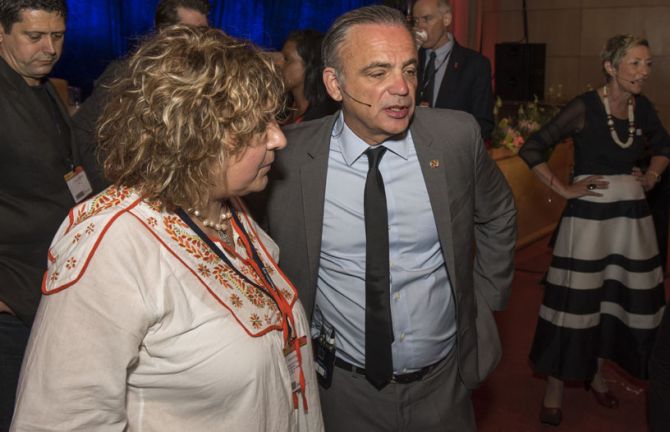
The participants included Japan’s Foreign Minister, Fumio Kishida, health ministers from several countries, Margaret Chan, the Director-General of the World Health Organization, Bill Gates, co-chair of the Bill & Melinda Gates Foundation, and Luiz Loures, Deputy Executive Director of UNAIDS.
”We have an unprecedented opportunity in the next five years to break the AIDS epidemic,” said Mr Loures. “If we scale up care, treatment and prevention services and create an environment where people have full access to them we will be on course to end the AIDS epidemic by 2030.”
On the eve of the meeting, Japan also organized a conference on universal health coverage in order to evaluate the financial systems and funding required by countries to promote access to affordable health care and medicine. Universal health coverage is key to ending the epidemics of HIV, tuberculosis and malaria, which are fuelled by poverty, stigma and discrimination.
Japan has been one of the leading investors in the AIDS response, supporting programmes focused on key populations across Asia and investing in projects such as the Kenya HIV Situation Room, which is using cutting-edge technology to provide high-quality data about that country’s epidemic.
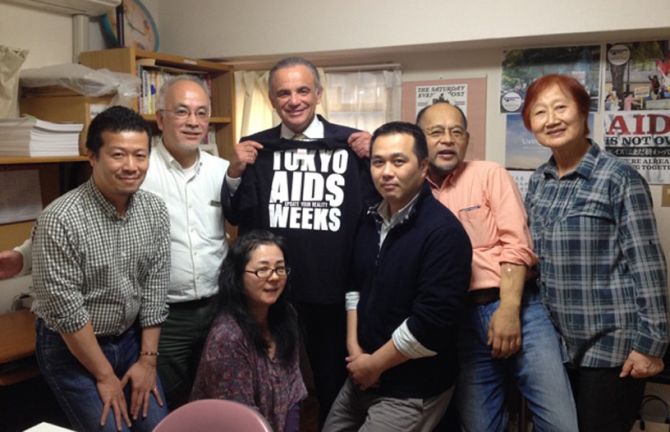
While he was in Japan, Mr Loures also visited PLACE Tokyo, which provides community-based services related to HIV and sexual health, including consultation services for people living with HIV.
“The role of communities remains as critical as ever in addressing the realities, needs and challenges of people living with HIV in Japan,” said Mr Loures. “I congratulate PLACE Tokyo for the work they are doing to support people living with HIV, their partners and family members.”
Region/country


Feature Story
UNAIDS Deputy Executive Director highlights the need for greater community engagement to end tuberculosis and HIV
04 December 2015
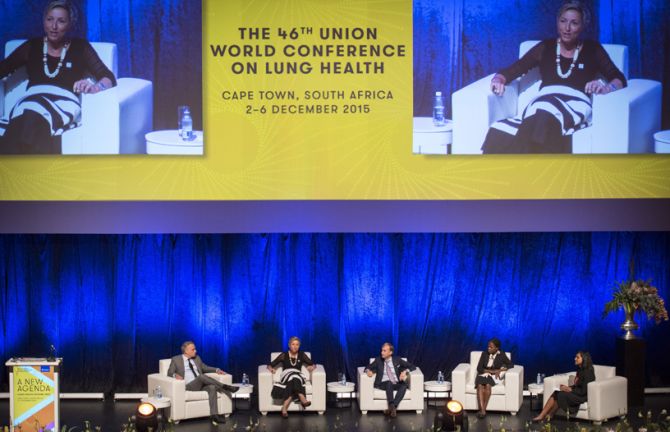
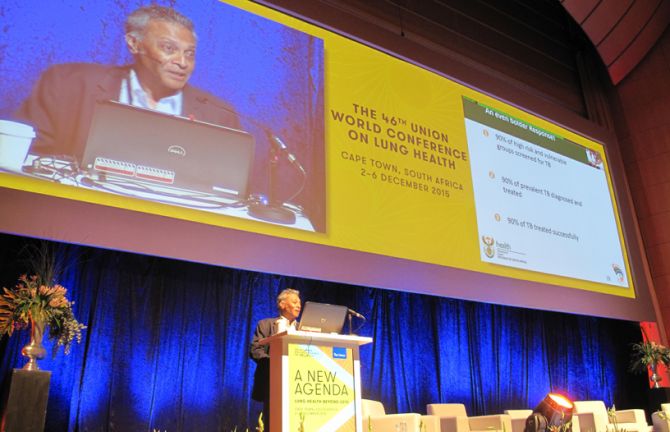
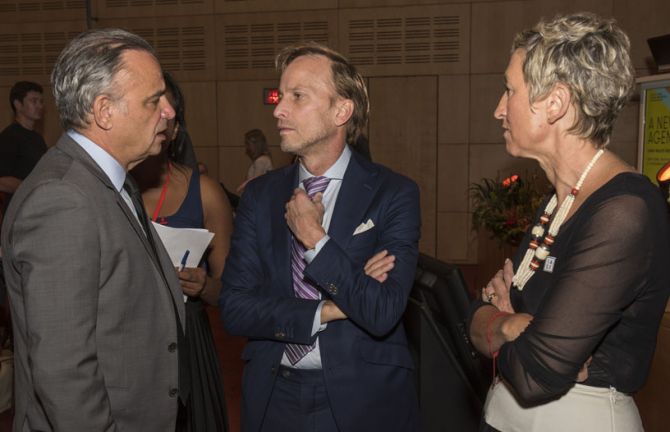
04 December 2015 04 December 2015The Deputy Executive Director of UNAIDS, Luiz Loures, joined a high-level panel in the opening plenary of the 46th Union World Conference on Lung Health to discuss the global challenges faced in ending the linked epidemics of HIV and tuberculosis (TB) as part of the Sustainable Development Goals.
The five-day conference is being held in Cape Town, South Africa, from 2 to 6 December 2015. South Africa has the highest rate of HIV-related TB in the world, with more than 60% of people living with TB in South Africa also living with HIV.
Mr Loures stressed the need to engage and support the people and communities most affected by TB and HIV. “A people-centred, rights-based approach is essential to address HIV and TB,” said Mr Loures. “The power of change only comes when it is nurtured in the people themselves, through empowerment, outreach and inclusion.”
Constance Manwa, a survivor of multidrug resistant TB, community activist and mother living with HIV said, “Getting the community involved helps a lot. I was a patient but also gave lectures to the other patients in the community. It is important to get the message out to get tested early. People listen more to a person who has the same experience.”
Communities help in tailoring prevention and treatment services to meet the needs of people living with TB and can reach the people who are being left behind. They can also help in providing support for people living with HIV and TB to stay in care and on treatment.
Progress has been made. Since 1990, TB deaths have declined by almost 50%. However, TB is still the leading cause of death in South Africa and a leading cause of death globally. In 2014, more than one million people around the world died of TB.
“We must stop talking about problems and start talking about solutions,” said Mark Dybul, Executive Director of the Global Fund to Fight AIDS, Tuberculosis and Malaria. ‘We need new drugs, we need new diagnostics, we can definitely eliminate tuberculosis.”
Region/country
Feature Story
Men, boys and AIDS: reframing the conversation
09 December 2015
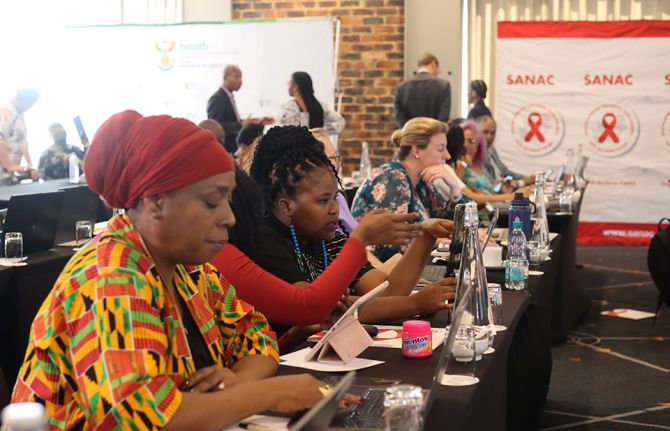
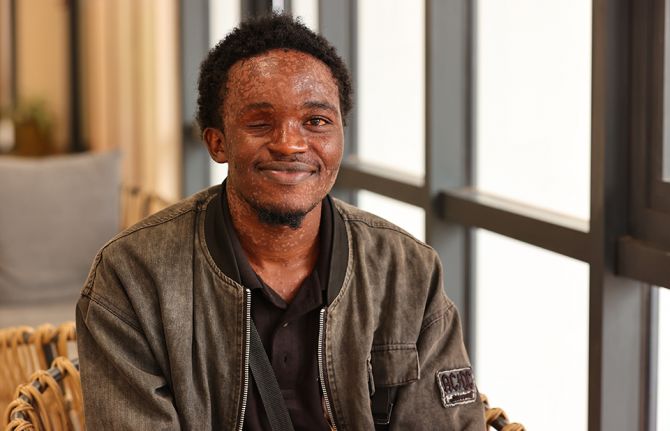
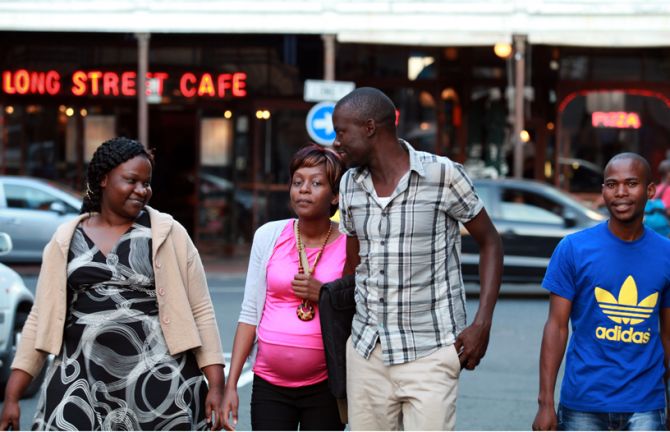
09 December 2015 09 December 2015If the Fast-Track approach to end the AIDS epidemic is to be successful, the rights, roles and responsibilities of men in the AIDS response need to be placed firmly on the global agenda.
It has long been noted that the Fast-Track Strategy cannot be achieved without action on gender equality and human rights. The vulnerability of young women and girls has been an important focus of many programmes and has been debated many times, but more recognition is needed that harmful norms also drive the epidemic among men. Health systems are falling short of addressing the needs of men, which is having a negative impact on the health of both men and women.
“Men play a critical role. When we engage men for their own health and to change harmful gender norms, we improve both men’s and women’s health. This is an essential element of the UNAIDS Fast-Track approach to ending the AIDS epidemic,” said Michel Sidibé, UNAIDS Executive Director.
Reaching men with HIV-related prevention, treatment, care and support services is vital. Men and adolescent boys make up nearly 49% of the global population of 34.3 million adults living with HIV and account for 52% of all new adult HIV infections. Around 60% of the 1.2 million people who died of AIDS-related illness in 2014 were male.
According to UNAIDS, there is a lack of services for men who are at higher risk of HIV infection. Diversity among men, including age, risk behaviour and sexual orientation, needs to be taken into account when planning programmes.
Women under the age of 25 are often vulnerable to HIV, and gender inequality and the structures of society often prevent them from accessing the HIV information and services that can protect them. Men, on the other hand, are affected later in life and are more empowered to access services, but, for many reasons, they don’t.
Men’s access to HIV services is important for their own health but it is also an important way to reduce vulnerability among women. Engaging men in health services for their own health can also provide an entry point for programmes that can also transform harmful gender norms.
UNAIDS calls for more work to be done to explore exactly how harmful gender norms and notions of masculinity may increase men’s vulnerability. For example, stereotypes of male “strength” and invincibility can lead to men not using condoms and avoiding health services, such as HIV testing. It has been shown by research in 12 low- and middle-income countries that men with less equitable attitudes to women are less likely to be tested for HIV.
In addition, studies have reported that men are more likely not to seek out—and stick to—antiretroviral therapy.
UNAIDS contends that health professionals themselves often assume that men do not need, or are not willing to use, HIV-related services. There is a need for such preconceptions to change, with the development of comprehensive policies and programmes that promote men’s access to programmes and address their specific needs. This means changing the perceptions of men in the response to HIV, as they are often referred to as “transmitters” or “vectors”, stereotypes that blame them for infection, stigmatize them and isolate them further from accessing services.
There is a call for a global shift in the discussion on HIV and gender—that it should become more inclusive of men and encourage their greater positive engagement in all aspects of the AIDS response and in advancing gender equality. Sexual and reproductive health is not the responsibility of women alone. Focused, integrated sexual and reproductive health services must be made available to men and adolescent boys. Although much more research needs to be done, there is already a body of data that lays the groundwork for developing and implementing more comprehensive policies and programmes.
To reflect the seriousness of this issue and the need to chart the way forward, a global high-level meeting on men, adolescent boys and AIDS is being held in Geneva on 10 and 11 December. It is co-convened by UNAIDS, Sonke Gender Justice and the International Planned Parenthood Federation. The main objectives are, broadly, to build consensus on what the evidence is saying about men and adolescent boys in the HIV response and what role they have to play in ending the AIDS epidemic.

Feature Story
Fiji’s AIDS response provides lessons for broader sustainable development agenda
07 December 2015
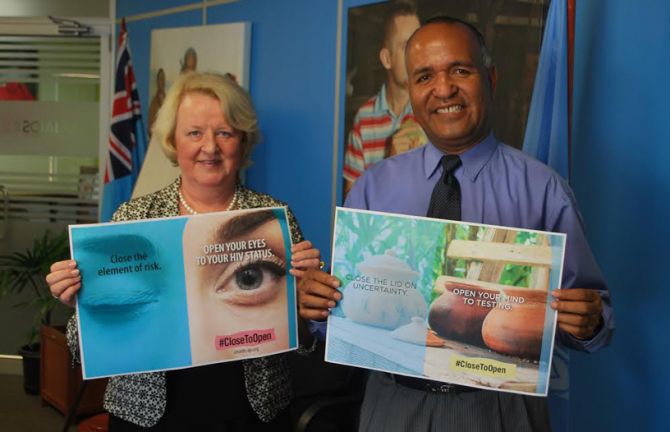
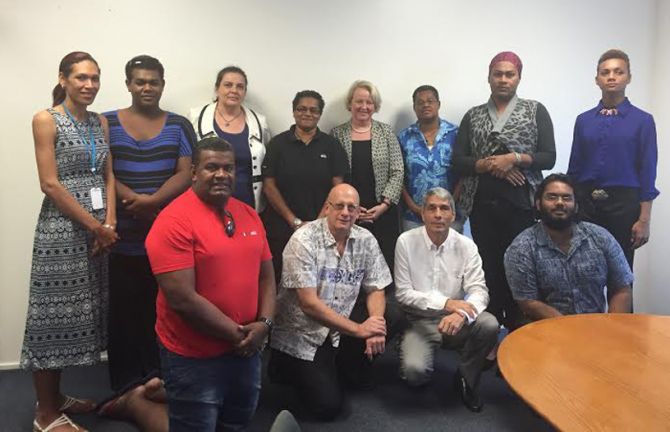
07 December 2015 07 December 2015Fiji has a low-level AIDS epidemic, with fewer than 1000 people estimated to be living with HIV in 2014. A combination of engaged leadership, integrated multisectoral action, evidence-informed and rights-based approaches and people-centred partnerships are behind the country’s success in the response to HIV. The Fijian strategy provides important lessons to help ensure greater progress across broader sustainable development issues and goals.
“Fiji’s AIDS response has much to celebrate—and much to share,” said UNAIDS Deputy Executive Director Jan Beagle during her visit to Fiji from 30 November to 3 December. “There has been strong recognition that the most effective results can only be achieved through partnership, across sectors, through strong leadership and with community at the centre. By taking AIDS out of isolation, the impact can go far beyond the AIDS response.”
Partnership across government, communities, the health and education sectors and the United Nations system has led to focused prevention and treatment strategies and action. Responding to evidence of potential risk for key populations, Fiji has implemented a number of key policy and legal reforms, including decriminalizing sex between men and removing HIV-related travel restrictions and laws criminalizing HIV transmission or exposure.
Leaders in the country have consistently championed the HIV agenda, including through sustained activities to raise awareness in schools and among faith communities and the private sector.
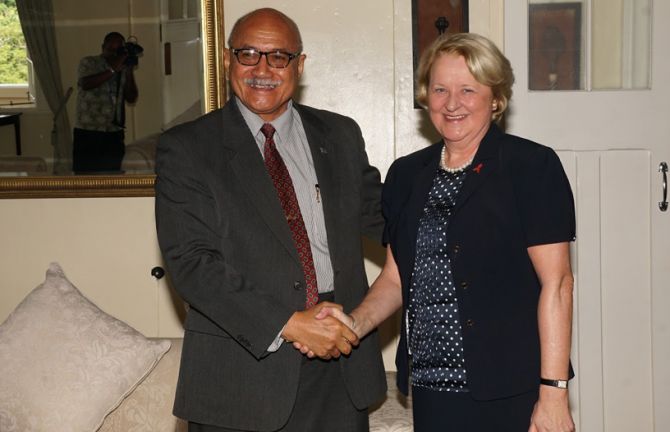
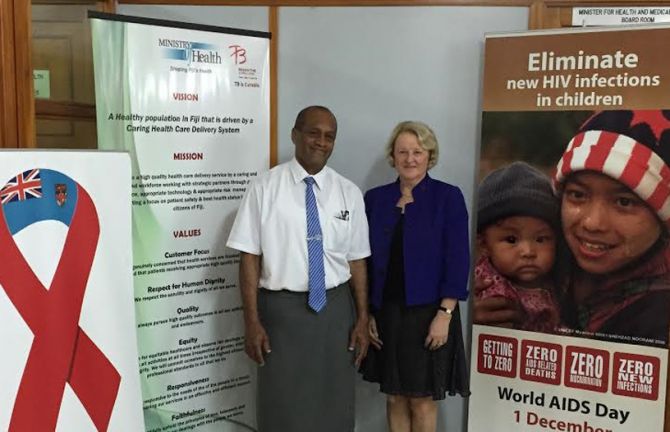
In a meeting with Ms Beagle, President Jioji Konrote of Fiji expressed his personal commitment to continuing action on AIDS. Minister of Health and Medical Services Jone Usamate confirmed the country’s commitment to implementing the UNAIDS Fast-Track approach to increase action and front-load investments on HIV over the next five years and to end new HIV infections among children within the next two years.
“We need to continue the solid work in Fiji and use the experience and opportunity to strengthen efforts on climate change, noncommunicable diseases and gender-based violence,” he said, underlining the alignment of Fiji’s new National AIDS Plan with the UNAIDS strategy towards ending the AIDS epidemic by 2030.
Partners in the Fijian AIDS response agree that further scale-up must be continued to ensure sustained progress in the country and across the Pacific region.
“We cannot afford complacency on HIV and we need to keep it on the agenda, because we know that progress here is also having benefits across health, development, gender and rights issues,” said Speaker of the Parliament Jiko Fatafehi Luveni, a prominent advocate for HIV and women’s issues.
The newly elected Secretary of the Fiji Council of Churches, Simione Tugi, underlined the important role of faith-based communities and organizations across multiple religions to reach people in greatest need.
“Established networks, particularly within the faith community, help reach people even in hard to reach areas,” Mr Tugi said. “We will continue to be advocates for HIV through these structures so that we leave no one behind.”
Active involvement of people living with and affected by HIV is heralded by all partners as one of the key enablers for progress in the AIDS response.
Jokapeci Tuberi Cati of FJN+, Fiji’s network of people living with HIV, said, “We have made our voices heard and have been listened to, but we need ongoing focus, commitment and resources allocated to HIV. And we need to keep fighting stigma and discrimination for a more equal Fiji and safer society for all.”
Region/country



Feature Story
How Quezon City in the Philippines is turning around the AIDS epidemic
03 December 2015
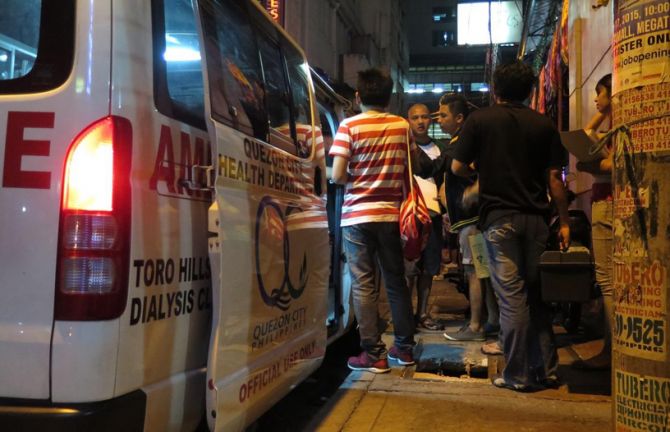
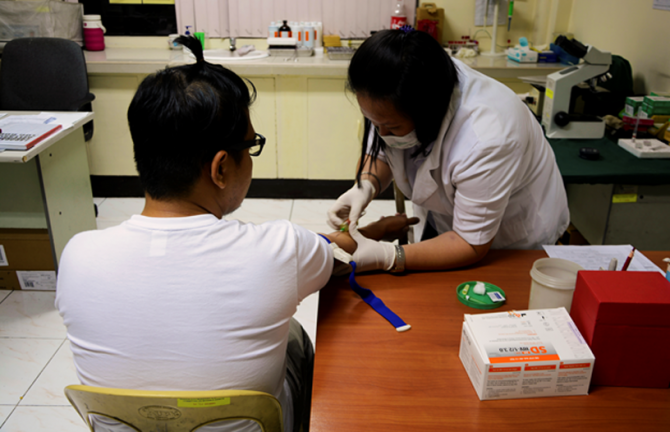
03 December 2015 03 December 2015A young man wearing a striped red T-shirt and faded blue jeans enters a popular bar in downtown Quezon City, the Philippines. He starts speaking to the owner and is soon joined by several other young men. It’s 10 p.m. and the group blends in seamlessly with the other bar customers. The young men are not here to relax, though. They are peer educators and health workers employed by Quezon City’s health department.
“You just get used to it,” said Mai. “The night is to us what the day is for others. It’s the job.”
Outside, a street lamp casts an orange glow on a city ambulance that purrs softly, parked and waiting unobtrusively for clients. The group of men has come to conduct HIV counselling and testing with bar patrons and staff, who are mostly gay men or other men who have sex with men. On this steamy night they test around 50 people.
With nearly 3 million residents, Quezon City is the Philippines’ most populous urban centre and has made stopping a burgeoning AIDS epidemic a top priority.
“Quezon City is unrelenting in its effort to pursue and sustain its programme of zero new HIV infections, zero discrimination and zero AIDS-related deaths. We remain committed to providing preventive interventions, treatment, care and counselling to ensure our people receive a better quality of life,” said Mayor Herbert Bautista.
UNAIDS has encouraged cities to accelerate their AIDS response by front-loading investments and reaching critical HIV prevention and treatment targets. In the Philippines, Quezon City is leading the push to implement the UNAIDS Fast-Track Strategy in urban areas.
On 4 December, Quezon City hosted a meeting with representatives from cities in the Metro Manila area on how to end the AIDS epidemic by 2030. Participants adopted the Fast-Track approach.
UNAIDS estimates there were 6400 new HIV infections nationwide and 36 000 people living with HIV in the country in 2014. HIV prevalence among men who have sex with men was 3.3% in 2013, compared to 1.68% in 2011. Among the general population aged 15–49, the estimated HIV prevalence was lower than 0.1% in 2014.
Quezon City: a trailblazer in the country’s HIV response
While a network of facilities catering to the health needs of sex workers has existed since the 1990s in the Philippines, in 2012 Quezon City became the first city in the country to open a clinic providing services for men who have sex with men and transgender people.
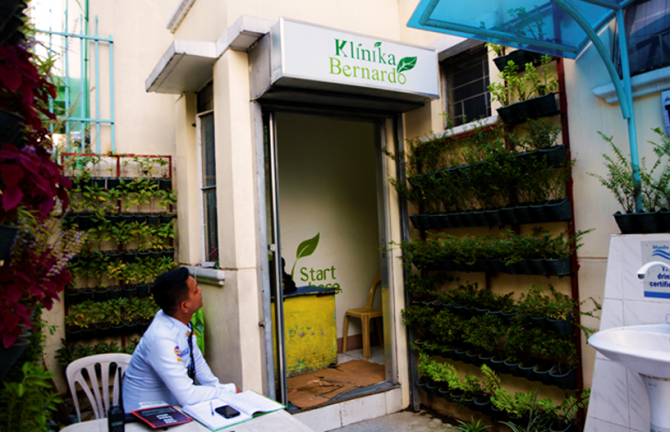
Klinika Bernardo, popularly known as the Sundown Clinic, is located along a busy highway. It operates from 3 p.m. until 11 p.m., allowing a maximum number of clients to visit.
“We cater to men who have sex with men from all over the Philippines,” said Leonel John Ruiz, head physician at Klinika Bernardo. “Only 40% of our clients are from Quezon City.”
From the start, demand for services at the Sundown Clinic was high. Almost 250 HIV tests and pre- and post-test counselling services were conducted in its first two months of operation and 18 people tested HIV-positive. By the end of 2014, the clinic had conducted more than 2500 tests, of which a little more than 200 were HIV-positive. The first Sundown Clinic was so successful that the city opened a second one earlier this year.
The Sundown Clinic: a safe space for men who have sex with men and transgender people
While same-sex sexual relations are legal in the Philippines, such relationships are viewed negatively by many people and there is a high degree of stigma and discrimination towards gay men and other men who have sex with men. Fear of being outed and ostracized prevent many men who have sex with men from accessing traditional health services. Studies by city health officials show that two thirds of men who have sex with men in Quezon City have never had an HIV test.
With its row of potted plants and bright green decor, Klinika Bernardo exudes a cheerful atmosphere. It has 10 staff members, with four peer educators, who include men who have sex with men and a transgender woman. Clients can choose the educator who best suits their needs. Instead of documenting and calling clients by their name, the clinic maintains their anonymity by giving each person a number.
Staff are skilled at reassuring jittery clients.
“This is my first HIV test. I do not know what to expect,” said one young man while filling out registration forms. “I tried to read up on HIV so I would have some background information, but it took me awhile to gather the courage to come here. My partner came here with me, too, after hearing about it from our friend. We’re taking the test together.”
The young man found the staff supportive and skilled at easing his fears.
People who test HIV-positive receive counselling on antiretroviral medicines and are accompanied by staff through their initial months of HIV treatment, which is free in the Philippines.
Quezon City’s HIV programme becomes a model for other cities
Quezon City operates the Sundown clinics and has significantly increased investments in its HIV programmes in the past few years. And the city's efforts to scale up HIV testing are getting results. The number of gay men and other men who have sex with men being tested almost quadrupled between 2011 and 2014.
“In the three years that we have been operating, the perspective has definitely changed,” says Mr Ruiz. “Before, we would have a hard time inviting people for testing. Now, most of our clients are walk-ins. People are personally and actively seeking information.”
Quezon City won the prestigious Galing Pook Award for outstanding local governance in 2014 for its pioneering HIV clinics. Several other local city governments are starting to adapt the Quezon City model and establish their own clinics.
While the Sundown Clinic staff are proud of their achievements, they are looking forward to closing shop one day.
“I pray before sleeping,” says Adel, the only female peer educator at Klinika Bernardo. “I pray that there would come a day when there will be no one in need of our services. That’s what I am working for.”
Feature Story
UNAIDS appoints former President of Fiji as a Regional Goodwill Ambassador on World AIDS Day 2015
01 December 2015
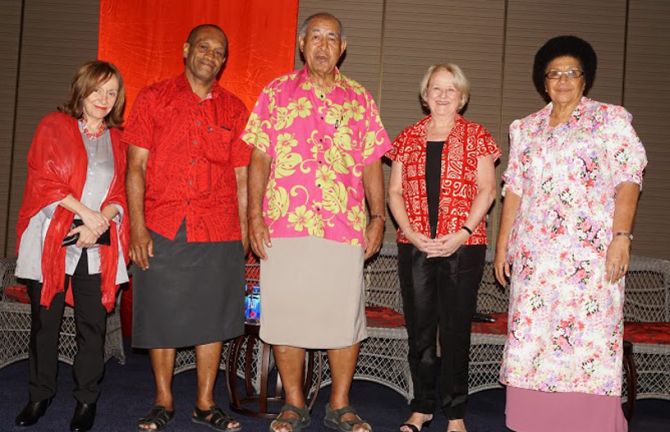
01 December 2015 01 December 2015Fiji has shown significant leadership and commitment to the response to HIV. On the occasion of World AIDS Day 2015, UNAIDS has appointed the country’s former President, Ratu Epeli Nailatikau, as a Regional Goodwill Ambassador for the Pacific. The announcement was made by Jan Beagle, Deputy Executive Director of UNAIDS, during a World AIDS Day ceremony in Suva attended by representatives of government, civil society and international organizations.
“Fiji has some important lessons to share in a number of areas, including leadership, multisectorality, integration and partnership, that can benefit the region, and beyond, as we strive to reach the goal of ending AIDS by 2030,” said Ms Beagle. “His Excellency Ratu Epeli Nailatikau has been a steadfast advocate and at the forefront of these efforts, championing the HIV response and the meaningful inclusion of key populations.”
Building on his experience and years of commitment, Mr Epeli Nailatikau will help mobilize political support for the UNAIDS Fast-Track approach across the region, to accelerate and front-load investment over the next five years as a critical step towards ending the AIDS epidemic as a public health threat by 2030. In his new role as Regional Goodwill Ambassador he will also work with UNAIDS to help to ensure that the human rights of people living with HIV and key populations at higher risk of HIV are protected and respected, and that young people, women and girls and people living with and affected by HIV are meaningfully engaged in the HIV response.
With the exception of Papua New Guinea, HIV prevalence is low across the Pacific. However, a combination of factors could lead to a rise in the HIV epidemic in the region. These include widespread migration and mobility, high levels of multiple sexual partners, a large caseload of untreated sexually transmitted infections (STIs), low knowledge about HIV and STIs, high levels of transactional sex and significant levels of intimate partner violence. Stigma and discrimination towards key populations at higher risk of HIV is also high.
Former President Ratu Epeli Nailatikau said, “To get where we need to be, I believe it is time to Fast-Track the HIV response. As UNAIDS Regional Goodwill Ambassador I will work tirelessly to end the AIDS epidemic not only in Fiji but throughout the Pacific. You can count on me.”
Region/country
Feature Story
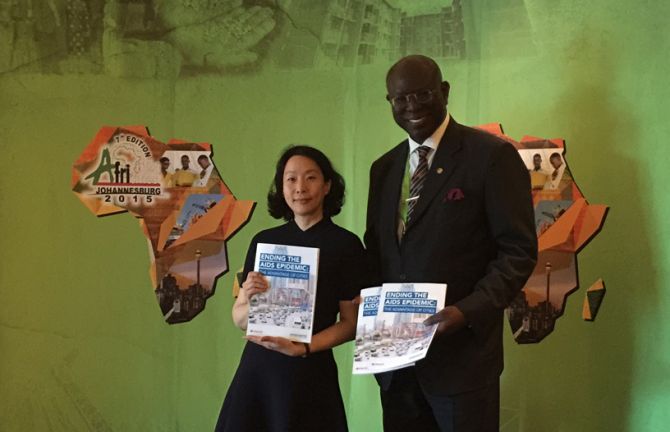
UN-Habitat and UNAIDS present Ending the AIDS epidemic: the advantage of cities at the Africities Summit
30 November 2015
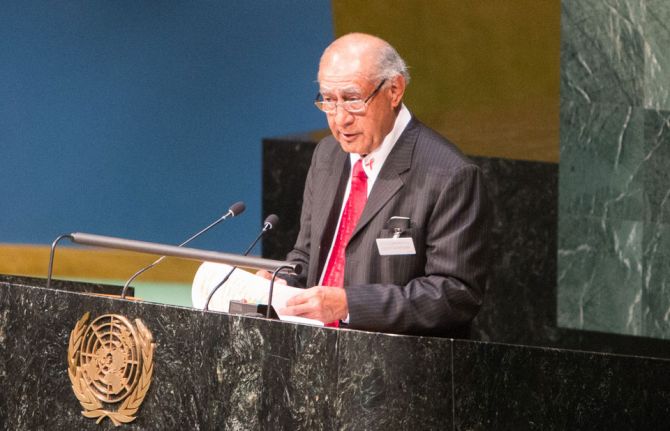
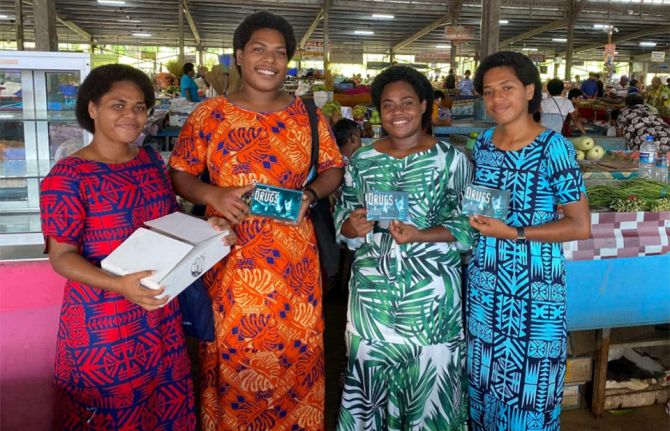
30 November 2015 30 November 2015Cities have a primary role to play to Fast-Track the end of the AIDS epidemic by 2030 says a report by UN-Habitat and UNAIDS.
Ending the AIDS epidemic: the advantage of cities was presented at the Africities Summit, held in Johannesburg, South Africa. The summit, held every three years, marks a critical time as cities enter the new era of the Sustainable Development Goals.
On the eve of World AIDS Day, it was announced that more than 150 cities have signed the Paris Declaration to commit to Fast-Track the end of the AIDS epidemic by 2030. The report outlines that cities and urban areas are particularly affected by HIV, with the 200 cities most affected by the epidemic estimated to account for more than a quarter of all people living with HIV around the world.
“The Fast-Track Cities approach will help urban leaders and communities to capture this opportunity,” said Alioune Badiane, UN-Habitat’s Director of Programmes. “A Fast-Track AIDS response means quickening the pace to prevent HIV infections and AIDS-related deaths. It means being focused and working with fragile communities, using methods that are known to work.”
The report highlights that city leaders have a unique opportunity to seize the dynamism, innovation and transformative force of the AIDS response to not only expand HIV services in cities but also address other urban challenges, including social exclusion, inequality and extreme poverty.
“Fast-Track cities means accelerated action—I can think of no better place than the Africities Summit to encourage leaders to commit to ending AIDS by 2030,” said Annemarie Hou, UNAIDS’ Director of Communications and Global Advocacy. “We are counting on cities to take the lead in innovating new health delivery systems to reach people who might otherwise be left behind.”
In almost half (94) of the 200 cities most affected, HIV is transmitted mainly through unprotected heterosexual sex. In the remaining 106 cities, sex work, unprotected sex between men and injecting drug use are the main drivers of the epidemics. In the Asia–Pacific region, about 25% of all people living with HIV are estimated to reside in 31 major cities, while in western and central Europe, an estimated 60% of all people living with HIV reside in just 20 cities.
According to the new report, data from 30 countries that have conducted nationally representative household-based population surveys show that HIV prevalence among people 15–49 years old living in urban areas is higher than among those living in rural areas in most countries.
Partners
Region/country
Feature Story
Robert Carr’s legacy of advocating for marginalized and vulnerable groups continues
23 November 2015
23 November 2015 23 November 2015The global AIDS response requires emphasis on the people not reached by essential services, the places that are hardest hit and the people who bear the brunt of social inequality. Robert Carr’s entire professional life as a social worker, academic, advocate and activist was dedicated to pointing the Caribbean, and the world, in that direction.
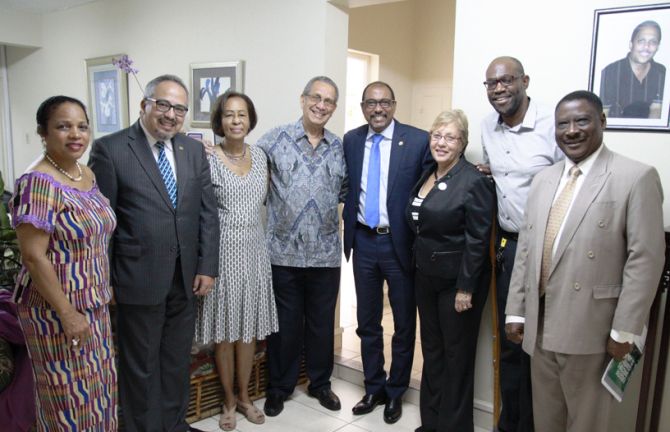
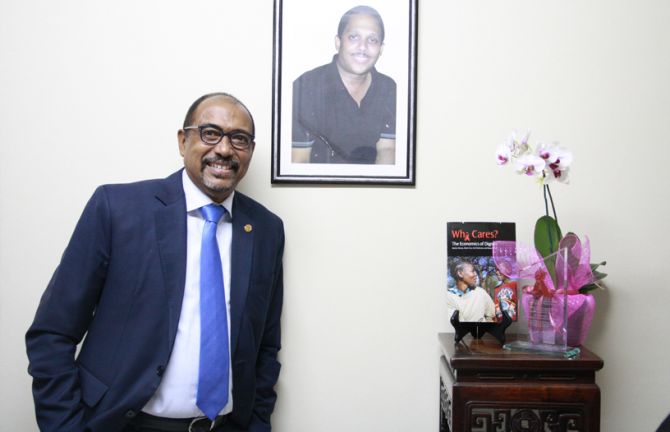
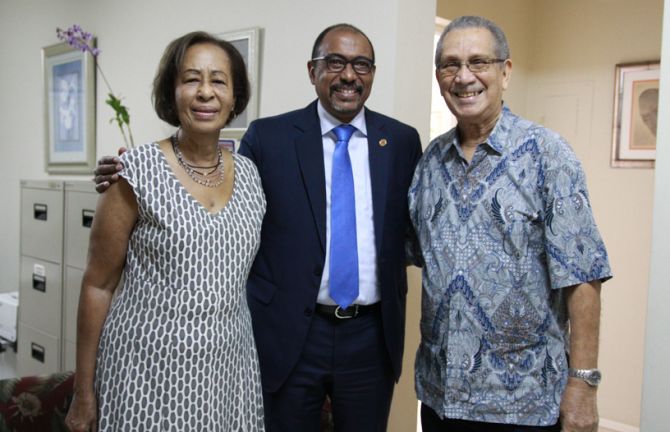
On 10 November, UNAIDS Executive Director Michel Sidibé visited the Kingston, Jamaica, offices of the Caribbean Vulnerable Communities Coalition—founded by Mr Carr in 2004—where he paid his respects to Mr Carr, who died in 2011, and recommitted to his legacy. Ending AIDS as a public health threat would not happen without concrete investments in addressing social exclusion and promoting human rights, Mr Sidibé said.
Mr Sidibé said, “I will always hold dear the memory of Robert Carr, because he helped us understand we will never end the AIDS epidemic if we don’t deal with people who are excluded.”
Mr Carr was a past Co-chair of both the Global Forum on MSM & HIV and the Global Coalition on Women and AIDS. He was at various times Policy and Advocacy Director of the International Council of AIDS Service Organizations and a member of both the UNAIDS Reference Group on HIV and Human Rights and the nongovernmental organization delegation to the UNAIDS Programme Coordinating Board.
In the Caribbean he mobilized partners around the goal of addressing the deep-seated prejudices that left people excluded and often criminalized, pushing them away from HIV services.
Carolyn Gomes, Chairperson of the Caribbean Vulnerable Communities Coalition, said, “Robert’s vision is beginning to take shape.” She pointed to several aspects of the organization’s work, including helping to strengthen the Caribbean Sex Worker Coalition, collaborating with the Caribbean Forum for Liberation and Acceptance of Genders and Sexualities and supporting burgeoning transgender groups in different countries.
“We try to continue Robert’s special legacy, his subversiveness”, Ms Gomes said. “He spoke truth to power but also had a genuine heart and insistence that voices be heard.”
During the visit Mr Sidibé paid tribute to Mr Carr’s parents, Peter and June Carr. He was presented with Who cares? The economics of dignity, a book Mr Carr co-authored that calls for increased emphasis on people who provide care and support to people living with HIV.
Mr Sidibé reaffirmed his commitment to the Robert Carr Civil Society Networks Fund, which seeks to strengthen international collaboration and provide funding to civil society networks assisting inadequately served populations. Community organizations, he emphasized, are critical to reaching the Fast-Track Targets.
Region/country


Feature Story
Republic of Korea’s network of people living with HIV opens its doors in Seoul
10 November 2015
10 November 2015 10 November 2015Munsu has been living with HIV for 20 years and has played an active role in the Republic of Korea’s AIDS movement. However, like thousands of people in his situation, he has not shared his HIV status with his family because he is fearful of their reaction and the social isolation that such a disclosure would most likely bring about.
He is all too aware of the stigma and discrimination faced by HIV-positive people in his country.
Munsu is a founding member of the Korean Network of People Living with HIV/AIDS (KNP+), a Seoul-based organization with some 2000 members, established in 2011 to bring five existing organizations under one umbrella and to provide a concerted and connected voice for the country’s HIV-positive community. On 30 October 2015, after several years of effort, KNP+ opened its first official office and community space.
An epidemic of fear
According to the Korea Centers for Disease Control and Prevention, there are more than 10 000 people living with HIV in the country. The Republic of Korea’s epidemic is heavily concentrated among gay men in urban settings, with men representing 92% of all HIV infections since data collection began in 1985.
Despite the country’s low HIV prevalence, fear of HIV is a problem. A national survey conducted in 2005 indicated that only half of respondents would care for a family member if he or she were HIV-positive. Reports also indicate that HIV phobia is present in health-care facilities.
At the KNP+ community centre event, Minji Kim, a young doctor and a volunteer with KNP+, shared the ignorance towards HIV she encountered in medical school. “One of our classes focused on AIDS and I was shocked at my classmates’ reactions,” said Minji. “They were making fun and mocking people living with HIV. I knew I had to do something to change this.”
Munsu thinks one of the reasons HIV is so feared in Korean society is that it is linked to homosexuality, transgender sexuality and other issues that are negatively viewed. This “double dose” of exclusion, he said, forces many people living with HIV to be isolated, especially from their family.
As the attachment to loved ones is particularly strong in Korean society, rejection by family members can mean that many people living with HIV are abandoned and segregated from social events. This situation extends to the provision of health care, he noted. “Many people living with HIV cannot be admitted to hospital because they have no family member to be responsible for them, to be their caregiver. This is essential in Korea if you want medical services,” said Munsu.
Overcoming stigma as a priority
As stigma in daily life is one of the top concerns most cited by members of KNP+, the organization and its partners are prioritizing efforts to respond. With its permanent office in place, KNP+ is preparing to compile Korea’s first People Living with HIV Stigma Index.
The Stigma Index initiative is a collaboration between the Global Network of People Living with HIV, the International Community of Women Living with HIV/AIDS and UNAIDS. The initiative aims to document HIV-related stigma and discrimination and provide a mechanism to compare experiences in different settings and across time. Findings will be used to advocate for change and progress to redress the situation. The Stigma Index is also important in that it empowers people living with HIV in the process, involving them directly in the design, deployment and analysis phases. This participatory approach is led by organizations of people living with HIV with support of international and domestic partners.
The Stigma Index will be carried out in 2016. A research team to oversee its development and deployment is expected to be operational in January 2016.
KNP+ is optimistic that the results of the Stigma Index will influence policies, particularly around human rights, improve psychosocial support programmes for people living with HIV and boost service uptake by making it easier for people to come forward. The organization also hopes to use the data collected to shape a national zero stigma campaign it plans to launch in 2017. Most importantly for the organization, the Stigma Index should kick start a long overdue dialogue on removing the deep-rooted fear of HIV in Korean society.
Steve Kraus, Director of the UNAIDS Regional Support Team for Asia and the Pacific, applauded the organization for taking the Stigma Index forward, stating that it is a key tool in bringing about change for people living with and affected by HIV.
“Our experience in all of the countries in our region that move forward in compiling the Stigma Index show that some remarkable things happen—a greater dialogue and understanding is established and a space for political mobilization is created,” said Mr Kraus. “It is in turn used for advocacy on budgets, on policies, on programmes and especially for reaching out to the community to make sure that no one is left behind and everybody feels included in the national response.”
Region/country
Feature Story
Partnership and collective solutions for a sustainable AIDS response
30 October 2015
30 October 2015 30 October 2015The UNAIDS Programme Coordinating Board called for stronger global solidarity and shared responsibility to end the AIDS epidemic by 2030 during a thematic segment held on 28 October in Geneva, Switzerland.
The thematic session, part of the Board’s 37th meeting, brought together distinguished speakers representing governments, civil society, the private sector and the international community to inform the discussion around a sustainable AIDS response.
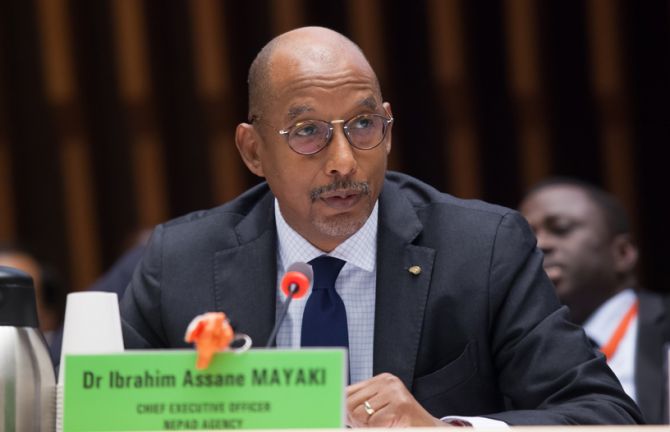
In his keynote address, Ibrahim Assane Mayaki, Chief Executive Officer of the New Partnership for Africa’s Development (NEPAD) Planning and Coordinating Agency said that the unique governance mechanism that made the AIDS response successful should be replicated in broader health issues.
Participants agreed that achieving AIDS-related targets in the United Nations Sustainable Development Goals (SDGs) can only be done through a Fast-Track approach which is adequately funded, equitable and addresses the needs of key populations at higher risk of HIV infection.
In recent years, several countries have been increasing domestic AIDS investments through various mechanisms, including levies, and have focused resources on high impact programmes. But significant additional funding will be required to achieve the 90-90-90 treatment target by 2020.
Participants agreed that community responses are central to the governance and implementation of the AIDS response and that ensuring the effective participation of civil society, people living with HIV and other key populations in policy development mechanisms is essential.
“Strategic investments in community responses will not happen without structural changes in the way the governments and donors allocate funds. We need a systematic way to ensure that funding reaches community groups,” said Alessandra Nilo, Co-founder and Executive Director of Gestos, an AIDS organization located in Brazil,. She added, “Indicators of inclusion, empowerment of all people, transparency, promotion and guarantee of rights-based policies will be fundamental.”
In closing the session, Luiz Loures, UNAIDS Deputy Executive Director noted that the key to achievement of the SDG targets lies in innovation in the means of implementation. Strengthening the components of shared responsibility that are financing and governance to ensure efficiency will be critical factors to reaching an End of AIDS where no one is left behind.