

Feature Story
In Northeast Brazil, civil society and local government collaborate to increase HIV treatment adherence
03 April 2023
03 April 2023 03 April 2023In 1988, a group of activists came together in Fortaleza, the fifth largest city in Brazil and capital of Northeastern state of Ceará, to create the local chapter of the National Network of People Living with HIV and AIDS (RNP+CE). The aim was to ensure that people living with HIV could be guaranteed the right to care, treatment adherence, and legal assistance.
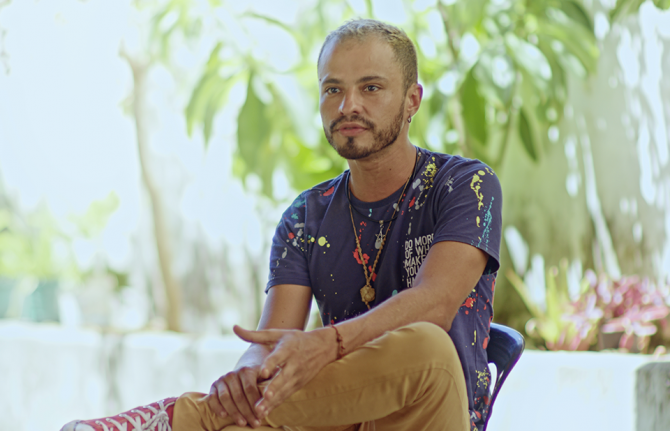
Currently, the NGO (Non-Government Organizations) also offers educational workshops, support for the combination prevention of sexually transmitted infections (STIs), and other activities for more than 1,000 registered people. Among them is Carlos Salmão, an HIV activist living in Fortaleza, who felt individually and collectively welcomed by the organization. "This support was very important to me and is fundamental for people living with HIV here in Ceará because it is a reference of the response to the AIDS epidemic. That is why I feel pleasure in contributing", he explains.
The RNP+CE was one of five Brazilian NGOs that received resources from the Fast-track Cities grants initiative, launched by UNAIDS in 2022. With the award, the organization developed actions around two objectives: increasing linkage and adherence of vulnerable key-populations to HIV prevention, diagnosis, and treatment by disseminating and sharing information with health professionals as well as the general public; and improving the knowledge of the Undetectable Equals Untransmittable (U = U) strategy in the city of Fortaleza by carrying out communication campaigns.
Project actions and participation of municipal government
The project involved 10 local HIV-positive activists in the development and implementation of the communication campaigns. They also were involved in preparing a seminar that brought together 120 people from civil society to dialogue about and to present to municipal government representatives proposals to improve the care for people living with HIV, based on the perspectives and actual needs of the users of public health services in Fortaleza. An additional theme of discussion was the challenges and the importance of guaranteeing a satisfactory level of adherence to HIV treatment to avoid abandonment.
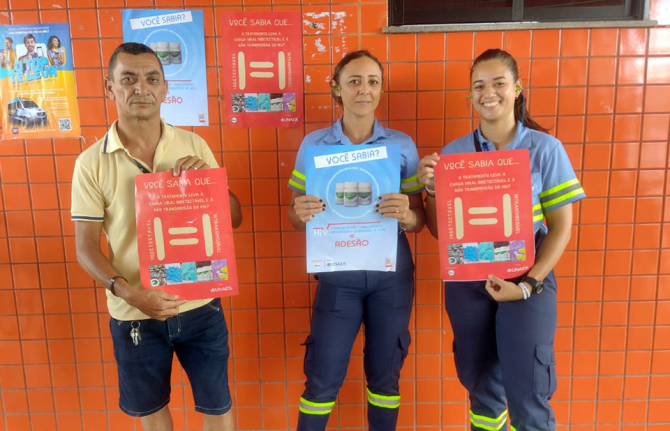
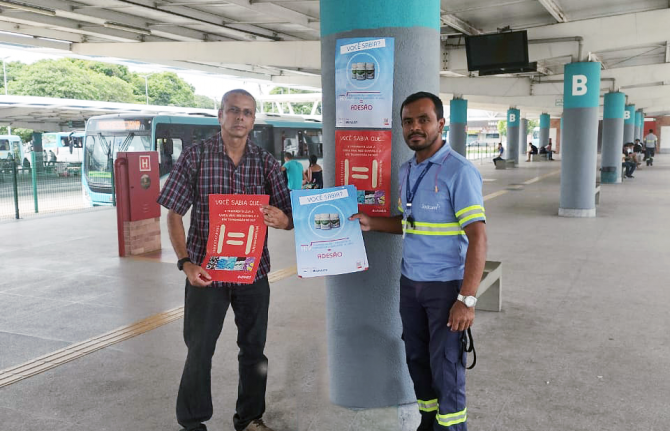
Still as part of the project, a booklet on HIV, self-esteem and health was produced and distributed, providing practical information for people who receive a positive diagnosis for HIV. Additionally, in coordination with the municipal government, RNP + CE printed and distributed more than 3,000 copies of posters on HIV treatment adherence and on U = U. This material was displayed in places with high concentrations of people, such as bus terminals, reaching about 1.1 million people daily.
Participation of local government officials was a strategic element to the project’s success, as they are in direct contact with reality and the existing challenges. "We are still far from reaching an ideal level where there is less need to reinforce these [HIV] actions, but we are advancing in this direction through constant and well-structured work", says Carlos Paiva, coordinator of IST/AIDS at the Municipal Health Secretariat of Fortaleza.
Ariadne Ribeiro, UNAIDS Officer for Equality and Rights for All People, agrees and adds: "It is rewarding to see how the dialogue between communities, civil society, and the municipal government is moving towards a common goal, which is the improvement of public policies in the city of Fortaleza for people living with HIV and to end AIDS as a threat to public health."
Watch
Region/country


Feature Story
African ministers of finance join forces to highlight the importance of financial sustainability in the response to HIV
01 May 2023
01 May 2023 01 May 2023Although great strides have been made in tackling HIV in recent years, Africa remains the continent most affected by HIV and progress towards ending AIDS is stalling. The COVID-19 pandemic, global inflation, growing debt levels, and a retreat from overseas development assistance by some donors are hampering Africa’s efforts to ramp up national HIV responses and are jeopardizing broader outcomes for health, social development and economic growth.
UNAIDS estimates that globally, low and middle-income countries will need investments of US$ 29 billion annually to meet targets of ending AIDS as a public health threat by 2030. In 2021, only US$ 21.4 billion was spent on HIV responses low and middle-income countries.
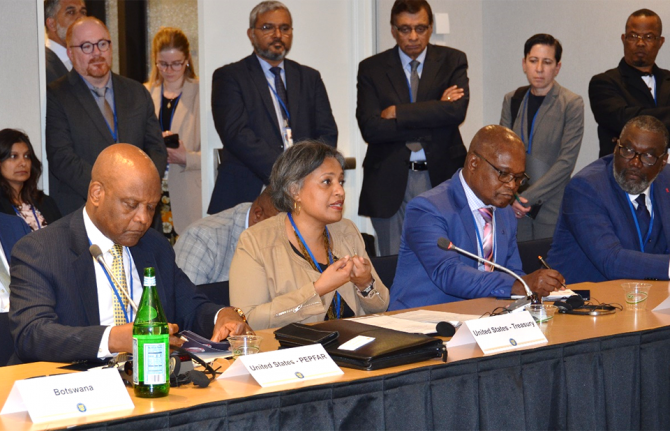
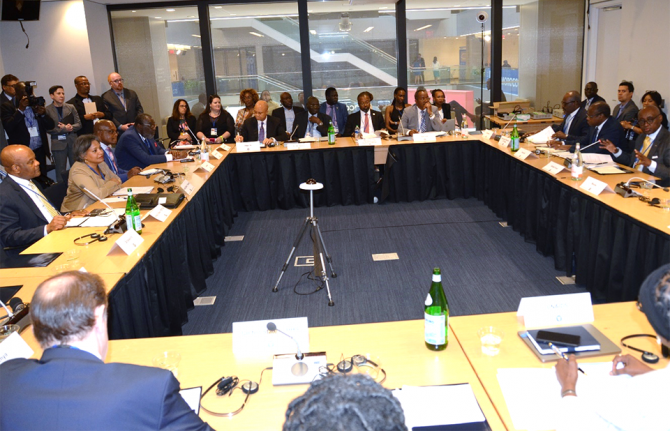
In order to advance urgent and collaborative action to keep HIV high on political agendas and re-prioritize funding for health and HIV, African ministers of finance joined international partners on the sidelines of the World Bank / International Monetary Fund Spring meetings in Washington DC to explore ways to ensure financial sustainability of domestic HIV responses.
During the event, Ministers of Finance and senior representatives from Angola, Burundi, Democratic Republic of the Congo, Eswatini, Kenya, Lesotho, Nigeria, Mozambique, Rwanda, South Sudan, Tanzania and Uganda, and the Minister of Health of Côte d’Ivoire came together with global partners, including PEPFAR, the US Department of the Treasury, UNAIDS and the Global Fund to Fight AIDS, TB and Malaria.
Participants explored co-creating country-led paths towards the sustainability of the HIV response within broader health financing challenges. In the dialogue with Ministers of Finance, several issues were explored, among those, the need to overcome financing bottlenecks for HIV, expand local production of medicines and health technologies, or strengthen health systems and pandemics preparedness, while considering the relevance of developing joint HIV financial sustainability road-maps.
The event, ‘Investing in Sustainable HIV Responses for Broader Health Security and Economic Resilience in Africa’, was moderated by Donald Kaberuka, Chair of the Board of the Global Fund to Fight AIDS, Tuberculosis, and Malaria and the African Union’s High Representative for Financing, the Peace Fund and COVID-19 response. The event included remarks by;
- Alexia Latortue, Assistant Secretary for International Trade and Development, US Department of the Treasury,
- Dr. John N. Nkengasong, US Global AIDS Coordinator and Special Representative for Global Health Diplomacy, PEPFAR, US Department of State,
- Winnie Byanyima, Executive Director, UNAIDS, and
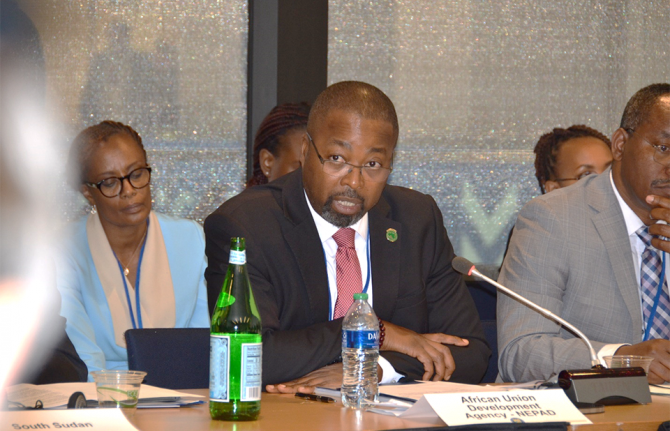
- Symerre Grey Johnson, Head of Regional Integration Infrastructure and Trade, New Partnership for Africa's Development (AU/NEPAD)
Participants also reflected on the finding of the recently released report by the Economist Impact, supported by UNAIDS, titled A Triple Dividend: The health, social and economic gains from financing the HIV response in Africa. The report provided evidence showing that fully financing the HIV response to get back on track to achieve the 2030 goals will produce substantial health, social and economic gains in 13 countries in sub-Saharan Africa.
This meeting was the first in-person discussion among ministers of finance and international partners around the sustainability of the HIV response held since COVID-19 travel restrictions were lifted. The meeting will be followed by a series of regional and in-country engagements to advance the financial, political and programmatic sustainability of the HIV response in preparation for the African Union’s Assembly of Heads of State Extraordinary Session on Ending AIDS by 2030.
Our work
Feature Story
The power of visibility — My story as the first person who came out as a person living with HIV in Fiji
18 April 2023
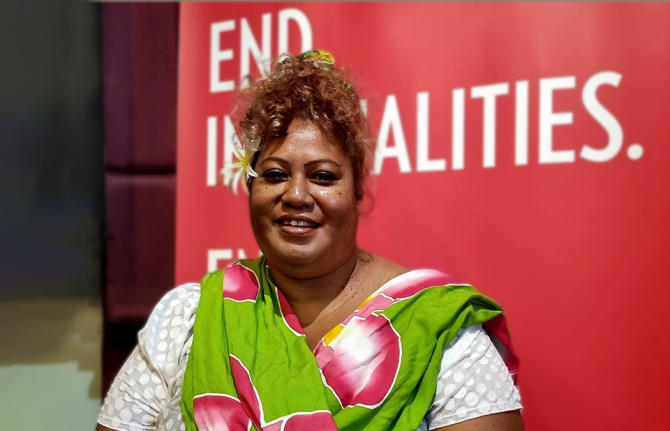
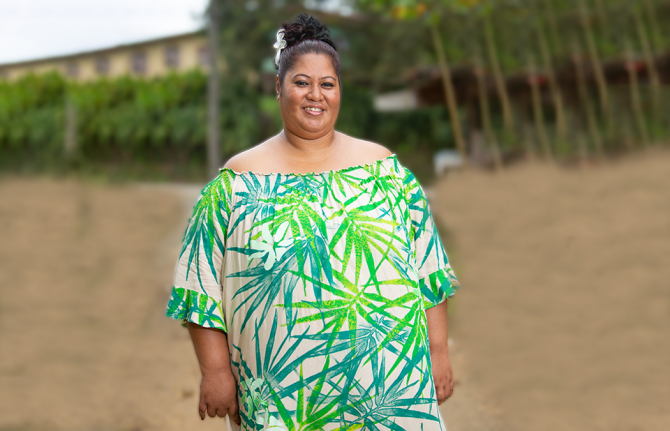
18 April 2023 18 April 2023Jokapeci Cati is the Program Manager and founder of the Fiji Network for Positive People (FNP+). This is her self-told story of how she became the first person living openly with HIV in Fiji.
I grew up in the harbour town of Suva. I was brought up in the Seventh Day Adventist Church. During youth camps we had two sessions on HIV. To me it was just a session. I had this perception that I am not promiscuous so I can’t become HIV positive.
I got married at 21 and got infected in my marriage. I was diagnosed in 2000 but I suspect I was living with HIV since 1999. My husband was sickly and became bed ridden. I did not blame him. I felt like he got infected before we were married and did not know he was living with HIV. In 2003 he died due to AIDS-related causes. He was 31.
We did not have treatment in Fiji at that time. People living with HIV were just monitored. When I was diagnosed they told me “you have to look after yourself because you can die”. In the initial stages there was depression, denial and stress. But as soon as I got diagnosed one of my dreams was to meet another person living with HIV.
With my family there was no change in the way they treated me. It was support from the word go. I did not see any element of discrimination from my parents and siblings.
Going public
Coming out was not an overnight decision for me. It took me six months to juggle the pros and cons. Somehow my mind was not dwelling on the negative. Because there was no support system in place at the time, I felt the need to speak out.
So I started with the church. I went to the pastor and told him of my diagnosis. Then I had to disclose to my church community. The hardest bit was opening up to your very own people. Once I gained the support of the church I spoke to the Council of Chiefs, Fiji’s traditional leaders forum. Because those platforms gave me a positive reception I then went to the media because I felt I was ready to speak to the nation.
Organising and advocating
In 2003 I was privileged to meet the right people at the Ministry of Health and we coordinated the first meeting of FNP+. By 2004 I got the organisation registered, up and running.
From the start I was advocating for treatment because I could see my first husband dying. The Ministry of Health’s HIV coordinator at the time, Maire Bopp Dupont, connected us to the Asia Pacific Network of People Living with HIV. That is how I got to know that other countries in the region were offering treatment. We went to the Council of Chiefs and Parliamentarians to advocate. The Health Ministry at the time was saying “we are not ready… we need to put the systems and structures in place”. I think because we came out publicly it put some pressure on them. The very next year, in June, treatment was available.
It was exciting. For the first time we felt the advocacy was worth the sacrifice. Our work involved talking to nurses, doctors and civil society organisations that were part of the care team. I started antiretroviral therapy five years ago when we adopted the “treat all” policy. It is so exciting that we are able to take treatment with the assurance that we would live! And it is for free!
Living life fully
I did not let HIV decide my future. Because of being part of the FNP+ management team I found the need to venture into education. I got a degree in psychology and social work from the University of South Pacific.
When I lost my first husband I was in this dilemma about whether to have children. I met my current husband in the HIV organisation. When we decided to have children, it was a public affair in Fiji. I was an HIV positive, pregnant woman. It was a learning curve for me and the entire nation.
The UNAIDS Goodwill Ambassador for the Pacific, Ratu Epeli Nailatikau, was Fiji’s President at the time. He made it his business to come to the hospital during my delivery and my first son’s HIV test. He wanted a copy of my son’s HIV negative test result. This became his advocacy document. He has been spreading the message since then that there is no need to discriminate against women living with HIV who want to have children. It’s time we support them through prevention of mother-to-child transmission (PMTCT) treatment. I am now the mother of three HIV negative children.
The way forward
We are working to get FNP+ funding from the Global Fund to continue our national activities and regional support. I’m glad the focus is now on community-led monitoring and services and that it’s coming from the donor’s mouth.
Other Pacific countries don’t have networks of people living with HIV. Fiji is the only one. People throughout the region are living in isolation. Our second piriority is to organise at the regional level.
Our third challenge is that although everyone who is living with HIV is encouraged to take treatment, we have stockouts. At one point we weren’t getting Dolutegravir so people had to change to a combination of drugs until it became available. Labs are also a challenge, especially the turnaround time for viral load tests. If FNP+ does not continue to apply pressure to address these issues people would suffer silently.
HIV in a small island developing state
For sure people living with HIV from key population communities have had a more difficult time. They were ostracised, they were discriminated against. I did not face that. There was a time, around 2004 and 2005, when people who died due to AIDS had to be burned at night before the sun rose! The stigma and discrimination are not as bad as that now, but they still exist.
I think in the Pacific it is really hard to come out with your HIV status because of our small size. We have these connected communities and if someone comes out it is easy to trace who else could be HIV positive. We have this communal upbringing so people don’t want any negative repercussions for their families.
When other people living with HIV meet me, they are happy. They want to come out and speak, but they don’t know how. Now there is funding for this community engagement in more Pacific countries. We just need to give them support and a bit of time.
Fiji recently received technical support for the seventh cycle of Global Fund applications and the Indo Pacific HIV Prevention Program supported by the Australian Department of Foreign Affairs and Trade (DFAT). UNAIDS Pacific supports peer network meetings to encourage sharing among PLHIV. UNAIDS also recently collaborated with Rainbow Pride Fiji Foundation, the Australasian Society for HIV, Viral Hepatitis and Sexual Health Medicine (ASHM) and the National Association of People with HIV Australia (NAPWHA) to develop a PLHIV booklet in the local languages. This booklet provides information on living with HIV and helps empower PLHIV to take control of their health and wellbeing. This project is supported by the New Zealand Ministry of Foreign Affairs and Trade and DFAT.
Region/country

Feature Story
Beyond transgender visibility: India works toward employment equity
31 March 2023
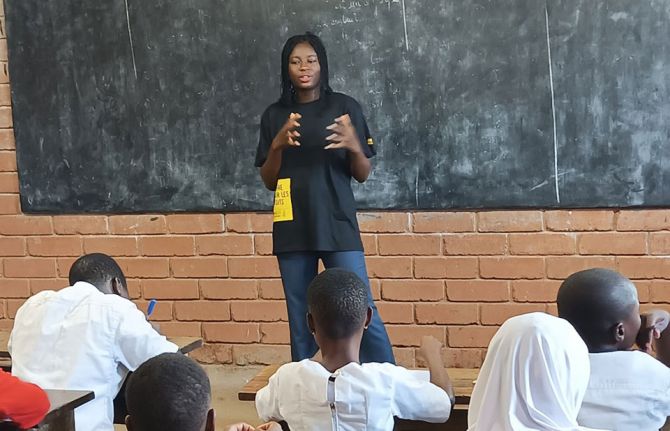
31 March 2023 31 March 2023Ratrish Saha is a transgender woman from Kolkata, India. Even with seven years’ work experience, she was anxious about applying for a new job last year.
“Finding a job is never easy being a transgender woman. I would get rejected with statements like ‘currently no LGBT hiring is going on’ or ‘we do not have facilities to accommodate a trans individual in our office’,” she recalled. But through the Transgender Welfare Equity and Empowerment Trust or TWEET Foundation, she was paired with suitable opportunities in corporations that have received sensitivity training. She soon landed the position of associate consultant for Siemens Technology in Bangalore.
She said of the interview process: “I only talked about my skills and no gender explanations were included in those conversations.” An ecstatic Ms. Saha says she is “grabbing the opportunity… putting my all into it”.
Transgender people in India now have a new pathway toward dignified work thanks to a collaborative effort between communities, government and development partners.
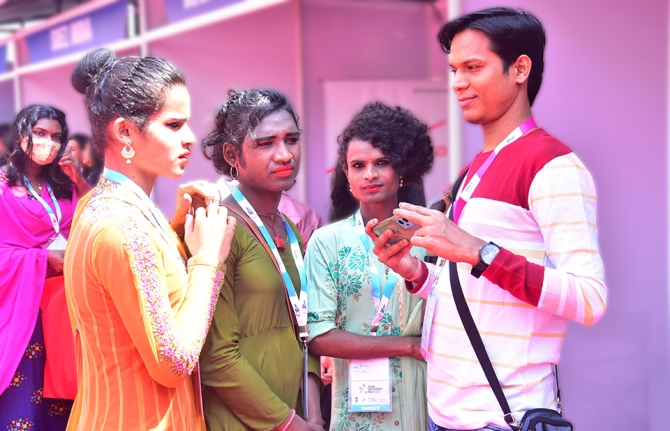
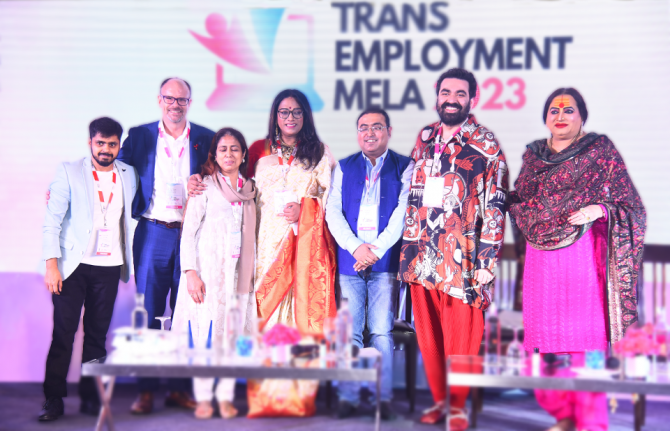
Ahead of the International Day of Transgender Visibility, the UNAIDS Country Office for India and United Nations Development Programme (UNDP) supported the Trans Employment Mela (Job Fair) in New Delhi. The initiative was jointly hosted by the National Institute of Social Defence, Ministry of Social Justice and Empowerment, TWEET Foundation and In Harmony, a diversity consulting firm.
The programme aims to accelerate the socio-economic inclusion of the trans community by bringing awareness about their issues to mainstream corporations and providing a platform to connect them with job roles in inclusive organisations.
“Not only does this approach provide an opportunity for dialogue between government representatives, civil society organisations, and businesses, but it facilitates access to skills training, career counselling, entrepreneurship support and mentorship support,” Maya Awasthi, Co-Chair and Co-founder of TWEET Foundation explained.
India’s 2019 Transgender Persons (Protection of Rights) Act prohibits employment discrimination against trans people in either the public or private sectors. While stakeholders point to aspects of the law that could be strengthened, they acknowledge that the wide-ranging anti-discrimination provision creates a pathway toward building a more inclusive culture and pursuing redress when rights are violated.
Addressing employment access inequality is relevant to the HIV response. In 2021 HIV prevalence among transgender people in India was 3.8%, almost 20 times the national average. A study commissioned by India’s National Human Rights Commission found that in 2017 just six percent of transgender people were formally employed in either the private or non-governmental organisation (NGO) sector. About 5% engaged in sex work and domestic labour respectively. Thirteen percent sold food and other items while 11% reported begging.
“There are many ways in which higher paying and consistent work can reduce HIV vulnerability,” explained UNAIDS Country Director for India, David Bridger. “By addressing the inequalities that have unfairly pushed trans people away from opportunities, we can help build a more empowered community in which people fulfil their potential, enjoying better health and wellbeing in the process.”
The 2017 Human Rights Commission study found that around half the transgender population never attended school. Several development partners are supporting initiatives to provide the community with education opportunities in a stigma-free environment as well as skills training to promote self-reliance.
Aarav Singh is a transman who had been out of work for six months. He was able to score a human resource internship at Roop Automotives through the Trans Employment Mela.
“This is a sensitised, trans inclusive organisation where I've faced zero issues with documentation. Not only me but my friends have scored great opportunities with some of the leading trans inclusive companies,” he said. “I hope this continues.”
But while the Trans Employment Mela beneficiaries acknowledge the community dimension of their challenge, in other respects they feel like any other hopeful young professional or recent graduate.
Yumnam Thawalngamba Meetei completed an MBA in 2022 but found it difficult to get a management position “or even a small job”.
“With the help of TWEET Foundation I got into Mahindra Logistics Limited as an Executive for Talent Management and Organisational Development in Mumbai. I am thankful for this job to pave a path for my success,” he said.
Region/country



Feature Story
Healthcare access is fraught for trans people in Asia and the Pacific. Communities are working to change this.
31 March 2023
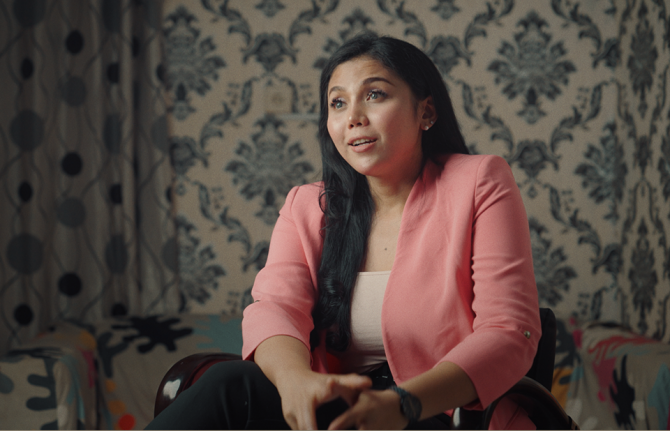
31 March 2023 31 March 2023Zara Fauziah is a transgender woman from Indonesia. She learned she was living with HIV in 2017, but for four years coped with her diagnosis alone. The hospital where she could receive treatment wasn’t welcoming.
Rere Agistya, another Indonesian transwoman, explains why: “If we come to get services or to get checked for HIV, we often get lectures with the purpose to ‘cure’ us. Most of the time they blame our activities: ‘Well you know you are a man. Why do you want to be a woman?’”
Many countries in the Asia Pacific region lack national guidelines on transgender care. As a result, healthcare workers often miss the mark on delivering non-discriminatory and medically appropriate services.
This is a critical gap for the AIDS response given the disproportionately high HIV rates among transgender people. HIV prevalence for the community is around four percent in India and the Philippines. In Cambodia, Indonesia, Malaysia and Thailand, roughly one in ten transgender women lives with HIV.
Samira Das lives in Chingrihata, India. She is a Hijra (Hijras include transgender and intersex people).
“When my family members came to know I am HIV positive they separated my utensils and other things. They got me treated but they kept me in isolation. I stayed there, bearing everything,” she said.
“People nowadays don’t die from HIV. They die from stigma and discrimination surrounding their physical and mental health and sometimes surrounding their sexuality as well as other sociodemographic factors,” Indonesian transgender physician and researcher, Dr. Alegra Wolter explained. “I’ve seen trans people who stop HIV medications because they don’t get the proper mental health services.”
But Dr. Alegra emphasises that the issue goes beyond HIV. Transgender people have inadequate access to everything from primary healthcare to hormonal therapy. With support from the Robert Carr Fund, Youth LEAD partnered with the Asia Pacific Transgender Network (APTN) to conduct a situation analysis on trans youths’ access to healthcare in Indonesia, Thailand and the Philippines.
“We conducted the study to raise the visibility of young trans people in the conversation around trans rights and healthcare, especially since they experience stigma and discrimination both as young people and as trans people,” explained Leo Villar, Youth LEAD’s Communications and Project Officer. “The study showed that young people seek knowledge from peers and undergo do-it-yourself treatments. This could lead to incorrect healthcare information and the misuse of hormones or HIV drugs.”
Preliminary findings from the online study commissioned in December 2022 found that many transgender people between ages 18 and 30 endure systemic discrimination and abuse when accessing healthcare.
“I experienced an incident where an officer asked for my identification and made fun of me. This made me feel uneasy as it occurred twice. As a result, I have been avoiding healthcare services,” one survey respondent said.
Researcher, Dr. Benjamin Hegarty, noted that more than half (52%) the study participants strongly agreed that they worried about being negatively judged because of their gender identity or sexuality when accessing care. Around one-third thought this could negatively impact their evaluations and diagnoses. Asked about their top priorities for healthcare and funding, the majority of respondents pointed to the need for gender clinics, access to universal health coverage as well as counseling and mental health services. Also high on the list were trans-related health research and education about gender diversity.
APTN has just launched the Towards Transformative Healthcare Module. This is a self-paced, interactive online training which is designed as an introductory resource on trans competent and gender-affirming healthcare for medical professionals and other healthcare workers in Asia and the Pacific. This includes those working in primary care and community-based health services.
The module uses a rights-based approach that departs from “pathologising models” that treat transgender people as abnormal. Instead, it promotes transformative and culturally sensitive care. Twelve topics are covered including gender diversity, mental health, sexual and reproductive health and gender-affirming care.
“Through this module, healthcare providers and trans clients can learn how to work together to create positive change and achieve HIV epidemic control,” said APTN Executive Director, Joe Wong. “We are emphasising core principles which can be applied by healthcare professionals even in areas with limited resources and training opportunities.”
The Southeast Asia Stigma Reduction Quality Improvement (QIS+D) Network and Community of Practice are co-convened by the University of California, San Francisco, the Asia Pacific Network of People Living with HIV (APN+) and the UNAIDS Asia-Pacific Regional Support Team. As part of their shared aim to reduce stigma and discrimination in healthcare settings, these initiatives seek to improve the health experiences of trans people by forging partnerships among providers, policymakers and communities.
“Changes can be made at the facility and community levels that make a huge difference in the lives of transgender people,” said Quinten Lataire, UNAIDS’ Regional Human Rights and Law Adviser. “Collaborating with communities, peer navigation and building friendly clinic services are proven approaches. At the same time transgender clients need training about how to navigate care, along with counselling so they can process the issues around their gender identity.”
Online spaces can play a key role in this community support function. For example, using the UNAIDS COVID-19 Communications Grant, APTN developed a COVID-19 Trans Resilience Social Media Tool Kit that included content on mental health, financial security, social protection and human rights.
Ms Fauziah’s experience bears out the game-changing role communities can play. In 2021 she connected with the organization Sanggar Swara. They have not only supported her treatment adherence but provided emotional support.
“It’s not your job to judge people. When your patient is someone with a different gender or sexual orientation, they only need your help. We need care and we also need space to be ourselves and not have to hide,” Ms Fauziah said.
View APTN’s video “The cost of stigma: transgender individuals living with HIV struggling to access healthcare” (129) The Cost of Stigma: Transgender Individuals Living with HIV Struggling to Access Healthcare - YouTube
Video
Region/country
- Asia and Pacific
- Australia
- Bangladesh
- Bhutan
- Brunei Darussalam
- Cambodia
- China
- Democratic People's Republic of Korea
- Federated States of Micronesia
- Fiji
- India
- Indonesia
- Islamic Republic of Iran
- Japan
- Kiribati
- Lao People's Democratic Republic
- Malaysia
- Maldives
- Marshall Islands
- Mongolia
- Myanmar
- Nauru
- Nepal
- New Zealand
- Pakistan
- Palau
- Papua New Guinea
- Philippines
- Republic of Korea
- Singapore
- Solomon Islands
- Sri Lanka
- Thailand
- Timor-Leste
- Tonga
- Tuvalu
- Vanuatu
- Viet Nam
- Samoa

Feature Story
Improving data collection to improve national AIDS responses
29 March 2023
29 March 2023 29 March 2023During a regional UNAIDS HIV estimates workshop in Bangkok, Thailand, groups gathered around laptops to discuss national insights, including the growing HIV infections among gay men and men who have sex with men (MSM) in the Philippines, the high mother-to-child transmission rate in India, and the expansion of the epidemic among some more at-risk groups.
After months of collecting raw data in their home country throughout the year, the teams were now entering those data into specific software to analyze the results.
“Countries use the results to describe what's happening in terms of HIV incidence, prevalence, AIDS-related deaths and other indicators that are difficult, if not impossible, to directly measure,” said Mary Mahy, UNAIDS Data For Impact Director, a.i.
Since 2003, UNAIDS has supported countries to generate such uniform epidemiological measures based on data from antenatal clinics, surveys among key populations or among the entire population, antiretroviral therapy use, and more recently, HIV case reporting and vital registration systems.
At the regional workshops, country representatives, UNAIDS staff, and partners use modelling software to produce HIV estimates. “The benefit in using a model,” Dr Mahy explained, “is that it allows users to combine their best programme and surveillance data to understand what's happening with their HIV epidemic.”
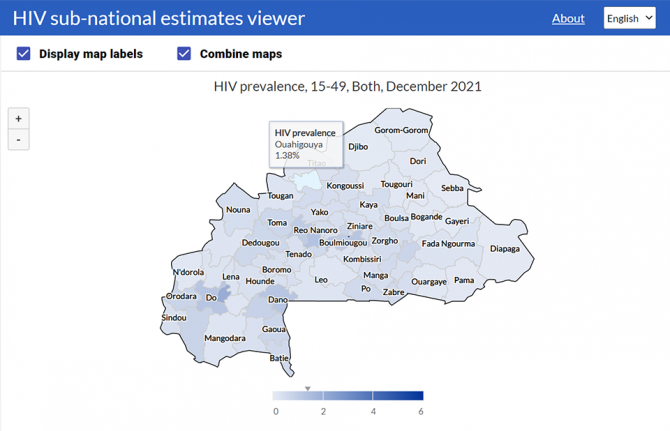
Over time the HIV estimates have become increasingly granular. Since 2020, 39 countries globally can generate sub-national HIV estimates at the district level.
This year the teams put additional emphasis on developing a more complete picture of HIV among key populations (MSM, sex workers, transgender people, prisoners and people who inject drugs) to identify inequalities in the epidemiological outcomes of these different populations. That means ensuring that countries have data that looks at sex, age, whether a certain population group is more impacted than another by HIV or AIDS-related deaths for example. For UNAIDS Regional Strategic Information Officer Dr. Ye Yu Shwe this added analysis is more than just producing numbers. “It is about identifying the unequal impact of the epidemic on those who are most affected and the unequal access to services,” he explained. That is then followed by the data teams looking at what the social, and structural systems in place driving or perpetuating various results.
Charlene Tinaja from the Philippines Department of Health’s Epidemiology Bureau said that the workshop allowed her to see how the epidemic is evolving.
“Where are the new infections coming from, what are the specific age groups impacted and from what area in the country… and finally where should we strategically place interventions,” she said.
Nine separate regional workshops were held covering Eastern and southern Africa, Asia Pacific, Western and central Africa, Caribbean, Latin America Middle East and North Africa and Eastern Europe and Central Asia reaching more than 600 participants from 120 countries.
The UNAIDS estimates will be used to summarize the status of the HIV pandemic, which will be released in a July report as part of the Global AIDS update. The granularity helps to identify who is being left behind, which in turn informs efforts to adapt HIV responses to close key gaps and address persistent inequalities and more importantly advocate governments and donors.
It will also be used to measure each country’s progress in relation to their national strategic plans.
In addition, the Global Fund gauges the impact of their grants based on UNAIDS-generated HIV estimates. The estimates also enable annual reporting on progress towards the UN Sustainable Development Goal (SDG 3) of ending AIDS as a public health threat by 2030 and against time-bound targets for HIV testing, treatment and prevention services.
The UNAIDS estimates are also used to determine how the USD$ 8.7 billion dollars will be distributed among the 54 countries receiving PEPFAR support over the coming two years.
As Angeli Achrekar, UNAIDS Deputy Executive Director, said, “The HIV epidemiological estimates are the North Star for how we need to move forward.”
Our work
Related
Feature Story
New legal principles launched on International Women’s Day to advance decriminalization efforts
08 March 2023
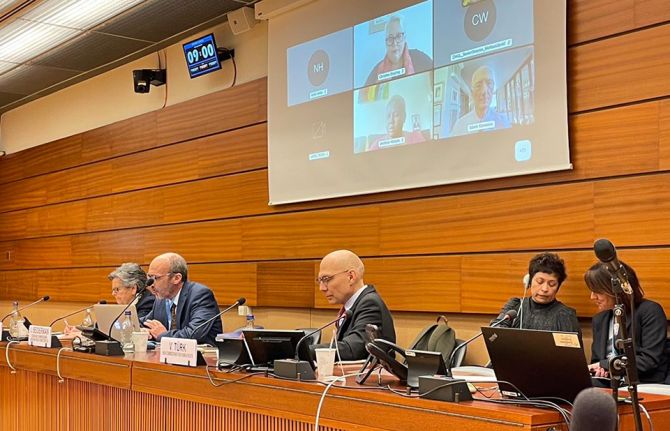
08 March 2023 08 March 2023The International Committee of Jurists (ICJ) along with UNAIDS and the Office of the High Commissioner for Human Rights (OHCHR) officially launched a new set of expert jurist legal principles to guide the application of international human rights law to criminal law.
The ‘8 March principles’ as they are called lay out a human rights-based approach to laws criminalising conduct in relation to sex, drug use, HIV, sexual and reproductive health, homelessness and poverty.
Ian Seiderman, Law and Policy Director at ICJ said, “Criminal law is among the harshest of tools at the disposal of the State to exert control over individuals...as such, it ought to be a measure of last resort however, globally, there has been a growing trend towards overcriminalization.”
“We must acknowledge that these laws not only violate human rights, but the fundamental principles of criminal law themselves,” he said.
For Edwin Cameron, former South Africa Justice of the Constitutional Court and current Inspecting Judge for the South African Correctional Services, the principles are of immediate pertinence and use for judges, legislators, policymakers, civil society and academics. “The 8 March principles provide a clear, accessible and practical legal framework based on international criminal law and international human rights law,” he said.
The principles are the outcome of a 2018 workshop organized by UNAIDS and OHCHR along with the ICJ to discuss the role of jurists in addressing the harmful human rights impact of criminal laws. The meeting resulted in a call for a set of jurists’ principles to assist the courts, legislatures, advocates and prosecutors to address the detrimental human rights impact of such laws.
The principles, developed over five years, are based on feedback and reviews from a range of experts and stakeholders. They were finalized in 2022. Initially, the principles focused on the impact of criminal laws proscribing sexual and reproductive health and rights, consensual sexual activity, gender identity, gender expression, HIV non-disclosure, exposure and transmission, drug use and the possession of drugs for personal use. Later, based on the inputs of civil society and other stakeholders, criminalization linked to homelessness and poverty were also included.
Continued overuse of criminal law by governments and in some cases arbitrary and discriminatory criminal laws have led to a number of human rights violations. They also perpetuate stigma, harmful gender stereotypes and discrimination based on such grounds as gender or sexual orientation.
In 2023, twenty countries criminalize or otherwise prosecute transgender people, 67 countries still criminalize same-sex sexual activity, 115 report criminalizing drug use, more than 130 criminalize HIV exposure, non-disclosure and transmission and over 150 countries criminalize some aspect of sex work.
In the world of HIV, the abuse and misuse of criminal laws not only affects the right to health, but a multitude of rights including: to be free from discrimination, to housing, security of the person, movement, family, privacy and bodily autonomy, and in extreme cases the very right to life. In countries where sex work is criminalized, for example, sex workers are seven times more likely to be living with HIV than where it is partially legalized. To be criminalized can also mean being deprived of the protection of the law and law enforcement. And yet, criminalized communities, particularly women, are often more likely to need the very protection they are denied.
UNAIDS Deputy Executive Director for the Policy, Advocacy and Knowledge Branch, Christine Stegling said, “I welcome the fact that these principles are being launched on International Women’s Day (IWD), in recognition of the detrimental effects criminal law can, and too often does have on women in all their diversity.”
“We will not end AIDS as a public health threat as long as these pernicious laws remain,” she added. “These principles will be of great use to us and our partners in our endeavors.”
Also remarking on the significance of IWD, Volker Türk, High Commissioner for Human Rights, said, “Today is an opportunity for all of us to think about power and male dominated systems.”
His remarks ended with, “I am glad that you have done this work, we need to use it and we need to use it also in a much more political context when it comes precisely to counter these power dynamics.”
“Frankly we need to ask these questions and make sure that they are part and parcel going forward as to what human rights means,” he said.
In conclusion, Phelister Abdalla, President of the Global Network of Sex Work Projects, based in Kenya noted: “When sex work is criminalized it sends the message that sex workers can be abused...We are human beings and sex workers are entitled to all human rights."
Our work
Related
Feature Story
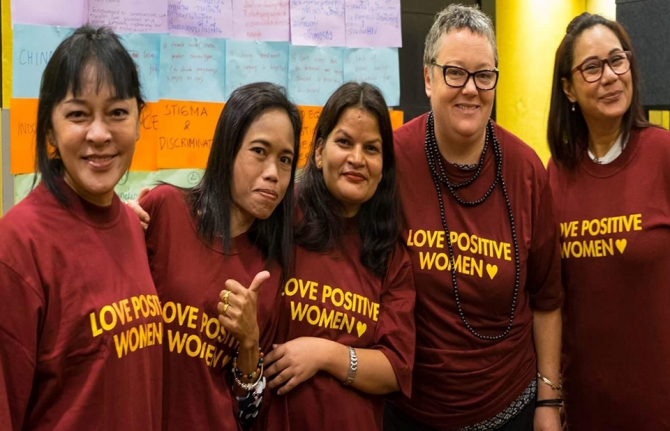
Asia Pacific women living with HIV speak out about rights violations
08 March 2023
08 March 2023 08 March 2023Nirmala Singh (not her real name) found out she was HIV positive after being tested during pregnancy. It was a surprise diagnosis, but she immediately knew how she had been infected. Before getting married she was raped. Nurses informed Nirmala’s husband of her positive result without her consent. She was immediately kicked out the home.
Sita Shahi, Regional Coordinator of the International Community of Women Living with HIV in Asia and the Pacific (ICWAP), has responded to this and many similar cases in her native Nepal.
“There is very little understanding of the rights of women living with HIV and how their experience is impacted by abuse,” Ms Shahi said. “Women are blamed for transmitting HIV because they are usually first in the family to be diagnosed. That is the starting point for them to experience human rights violations like intimate partner violence in the home and gender-based violence in the wider society.”
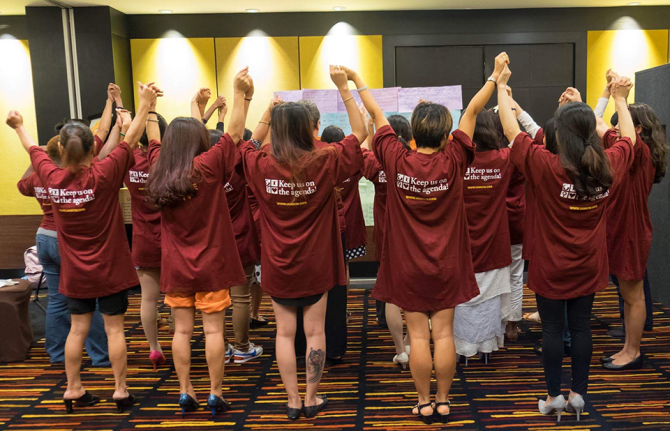
At a UNAIDS-supported ICWAP workshop organized in 2022 with participants from countries across the region, women living with HIV shared their personal stories.
One participant who was diagnosed during pregnancy was refused care by staff during childbirth. She delivered her baby on the floor of her ward, alone.
Some who have survived domestic violence said they were rejected by shelters run by government and non-governmental organisations based on their HIV status.
And there was consensus that in all countries domestic violence is common, but rarely reported.
The concerns of women living with HIV in the Asia Pacific region have remained relatively hidden and ignored. Rates of new infections and AIDS-related deaths among men in the region are more than double those of women. But for the estimated 2.2 million women living with HIV in Asia and the Pacific, smaller numbers do not mean smaller problems.
“Women in Asia and the Pacific continue to face discriminatory policies, social and cultural barriers, inequalities in healthcare access and threats to their security that violate their rights,” said UNAIDS’ Regional Adviser for Community-Led Responses, Michela Polesana.
“When women are free of any kind of stigma and discrimination, gender-based violence or breach of confidentiality by healthcare providers there is no accusing epidemic,” Ms Shahi reflected. “If a woman is free of violence at the policy level, society level and family level she can be mentally strong and her health could be as well as other people’s. Then there is no problem taking care of herself and her family while contributing to the economy.”
As a regional network, ICWAP is working to increase the capacity of organisations for and by women living with HIV so they can advocate around these issues at national level. A key priority is giving stakeholders including healthcare providers the information they need to help uphold the rights of women living with HIV.
One critical element of this strategy has been equipping its membership to advocate effectively using digital tools and spaces. UNAIDS supported social media advocacy training for ICWAP’s Young Advocates Social Media Team. Through the eight-week process, participants were introduced to social media basics, explored sexual and reproductive health and rights issues and practiced skills such as interviewing, blogging and editing.
“We embrace the role of technology in not only providing a space for community-building and psychosocial support for women living with HIV, but also the means to speak out about issues that affect them,” Ms. Polesana said.
To empower women living with HIV to meaningfully engage in decision-making spaces, ICWAP also held a feminist movement building training for women-led networks from six countries. This exercise built the capacity of women living with HIV to engage in programmes that promote gender equality and human rights and to lead advocacy efforts for high quality life-saving services for women and girls across the region.
On International Women’s Day 2023 under the theme “DigitALL: Innovation and technology for gender equality”, ICWAP called for the following:
- User-friendly digital platforms
- Access to the internet and digital tools
- Capacity building around social media advocacy
- Strengthened data security and redress mechanisms
- Online reporting mechanisms and rapid response for intimate partner violence
- Strategies to increase the economic empowerment of women living with HIV
Region/country
- Asia and Pacific
- Australia
- Bangladesh
- Bhutan
- Brunei Darussalam
- Cambodia
- China
- Democratic People's Republic of Korea
- Federated States of Micronesia
- Fiji
- India
- Indonesia
- Islamic Republic of Iran
- Japan
- Kiribati
- Lao People's Democratic Republic
- Malaysia
- Maldives
- Marshall Islands
- Mongolia
- Myanmar
- Nauru
- Nepal
- New Zealand
- Pakistan
- Palau
- Papua New Guinea
- Philippines
- Republic of Korea
- Singapore
- Solomon Islands
- Sri Lanka
- Thailand
- Timor-Leste
- Tonga
- Tuvalu
- Vanuatu
- Viet Nam
- Samoa
Feature Story
How harsh drug laws undermine health and human rights in Asia Pacific
01 March 2023
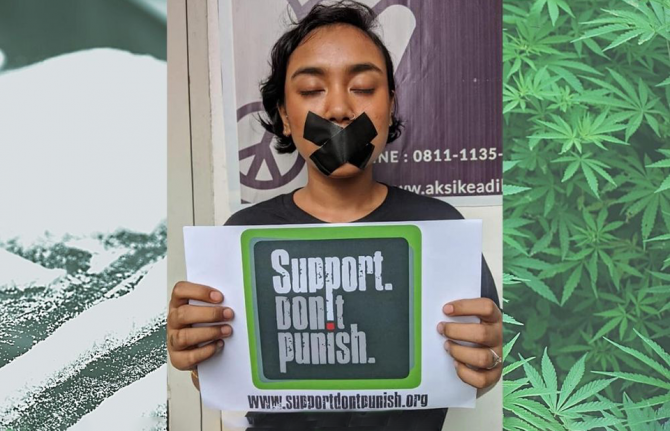
01 March 2023 01 March 2023Rosma Karlina and Bambang Yulistyo Dwi live with their two young children in the rainy hillside town of Bogor, south of Jakarta.
“Sometimes we go to museums to introduce the children to history or feed the deer at the Presidential Palace. It’s simple entertainment but can teach the children to learn to love even animals,” Ms. Karlina said.
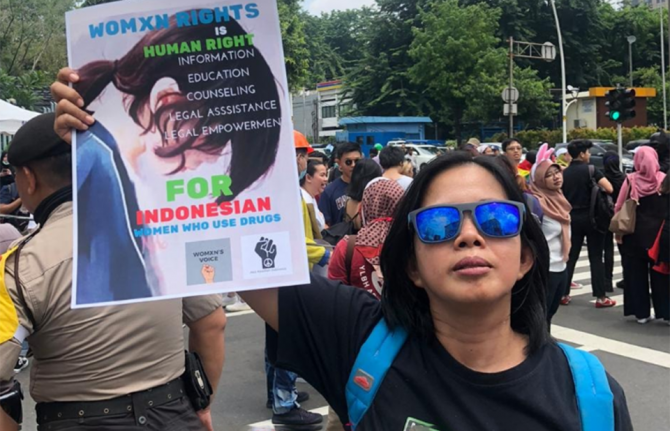
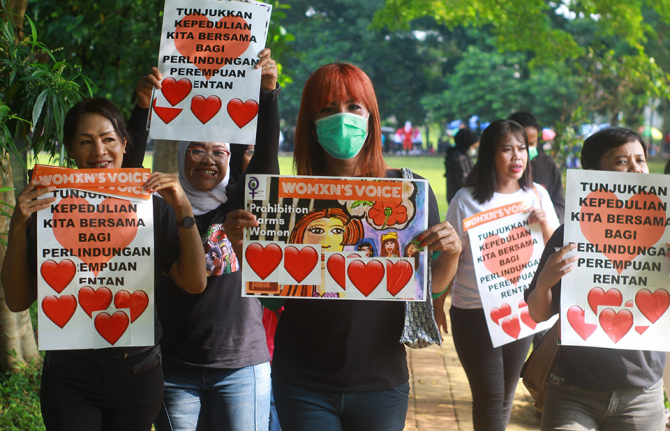
If their family life is traditional, their work life is anything but. Ms Karlina is the founder and Director of Suar Perempuan Lingkar Napza Nusantara (also called Womxn's Voice), an advocacy and care organisation serving women and transwomen who use drugs. Bambang, popularly known as Tedjo, founded the Indonesian Justice Action Foundation (AKSI). Since 2018 his team has provided legal aid and support to people who use drugs, and advocated for their rights.
Their workdays are a mix of community organizing, paralegal paperwork and responding to distress calls. A client reported her husband’s domestic violence. When the police arrived at the house, the husband informed the police of her drug use and the police arrested her instead.
The organisations successfully advocated for a man to be released from a compulsory rehabilitation centre so that he could access HIV treatment. Otherwise, he would have gone three months without his medicines.
The organisations have witnessed many examples of women living with HIV being faced with extreme scorn. A police officer once threw a pack of sanitary napkins into a woman’s cell instead of passing it to her, saying it was because he was afraid to be near her.
“Since 2018 I have seen many rights violations perpetrated by law enforcement officers—abuse physically, psychologically and even financially,” Ms Karlina said. “They extort families to pay to enable their loved ones to go home.”
The Rosma Karlina of today—nurturer and fierce advocate—evolved from almost two decades of drug abuse. She has been to rehabilitation centres 17 times. Rock bottom came during an 18-month incarceration for heroin possession.
“My family paid a lot of money to the prosecutors, but I was still imprisoned. I lost custody of my oldest child. The judge thought I did not deserve to be a mother because I was a drug user,” she recounted.
Tedjo also evolved from addiction to activism.
“I did drugs between 1989 and 2015. It has been a long journey,” he reflected. “When my life was a mess, I hurt many people. It was not easy to prove that I was better.”
The couple are leading voices on how harsh criminal laws for drug possession and use lead to rights violations against people who use drugs while also lowering access to health services.
A 38-country legal and policy analysis by UNAIDS and UNDP found that 14 countries in the region have corporal or capital punishment penalties for the use or possession of drugs. Some states have condoned extrajudicial killings for drug offences. In 2021 an estimated 12% of new HIV infections in Asia and the Pacific were among people who inject drugs.
“The war on drugs has created a lot of stigma, and a culture that views an entire community as criminals. When we access healthcare, we get treated as bad people,” Tedjo said.
Regional Coordinator of the Network of Asian People who Use Drugs (NAPUD), Francis Joseph, explained that in the absence of legally conducive environments people don’t have access to appropriate services.
“Healthcare providers and law enforcement agencies treat them with violence and abuse,” he said. “So they don’t want to come out the closet and say ‘I have shared needles and syringes and I need an HIV test’. Because drug users are not welcome in our health facilities that leads to them going into the shadows and staying there.”
Lord Lawrence Latonio, a Community Access to Redress and Empowerment (CARE) partner and law student noted that Philippines also criminalises the possession of what are seen as drug paraphernalia. This means that peer educators who disseminate clean needles and syringes have to be watchful so they are not apprehended.
Fortunately advocates successfully lobbied for the country’s HIV and AIDS Policy Act of 2018 to include protections for healthcare workers who provide HIV services. Part of CARE’s work is legal literacy training so communities understand their rights. CARE also has a network of peer officers working in different regions to support members of key population communities and people living with HIV with seeking redress in cases where there have been rights violations.
Twenty-one countries in the region operate either state-run compulsory detention and rehabilitation facilities for people who use drugs or similar facilities. These are a form of confinement where those accused of, or known to be using drugs, are involuntarily admitted for detoxification and “treatment”, often without due process. Conditions have been reported to involve forced labour, lack of adequate nutrition, and limited access to healthcare.
In 2012 and 2020 United Nations agencies called for the permanent closure of these compulsory facilities. But according to a 2022 report, progress on this issue in East and Southeast Asia has largely stalled.
“UNAIDS is working with the United Nations Office on Drugs and Crime (UNODC) to support countries to transition from compulsory facilities towards voluntary community-based treatment that provides evidence-informed and human-rights based services,” said UNAIDS Asia Pacific Human Rights and Law Adviser, Quinten Lataire.
UNAIDS Indonesia is working with Womx'n Voice to pilot a multi sector partnership shelter and education program for women and children in Bogor. Interventions include social protection, legal support, mental health support, HIV and health education and accompaniment to services.
Ms Karlina called for increased investments in mental health care, poverty alleviation and education. “We need proper assessments to better look at each situation and come up with an effective solution. Prison is not the answer. If you see us as humans, you will take care of us as humans,” she insisted.
Region/country

Feature Story
LGBTQ+ shelter in Lviv provides lifeline to displaced Ukrainians
27 February 2023
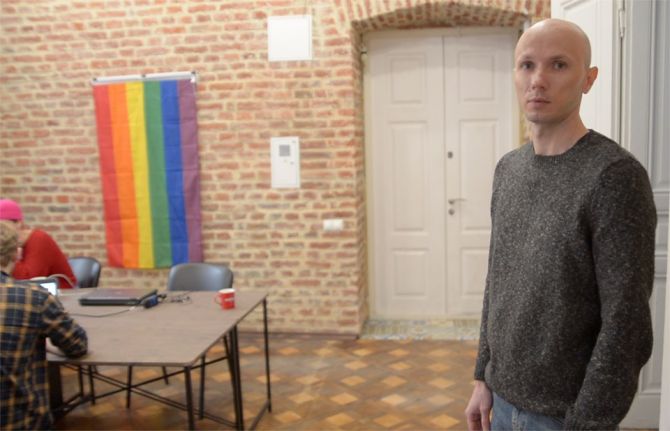
27 February 2023 27 February 2023Oleg Kucherenko (not his real name) traveled from the eastern part of Ukraine to Lviv, in the western part of the country when his city, Kherson, was occupied by Russian forces. He, like many other representatives of the LGBTQ+ community was desperately looking for a safe place to stay.
His friend recommended the Facebook group of the Alliance Global - the largest LGBTQ+ organisation in Ukraine, who helped him find a spot in a shelter.
Once there, he got food, a place to sleep, and was able to contact friends and colleagues courtesy of electric generators and internet service. Up to ten people can stay in this particular shelter. The shelter administrator, Vadim Pryzenko, sees this as a lifeline.
“Our clients can get not only a place to live but also food and social and psychological support,” he said. “For those who are not living here, we provide humanitarian aid, food, hygienic products, and also individual financial support,” Mr Pryzenko said.
Since the war began a year ago, more than 7.9 million Ukrainians have fled abroad and another 6.5 million moved within the country.
Due to growing demand to find accommodation for internally displaced people that Alliance Global experienced, several organizations, including the Fondation de France, International Office of Migration (IOM) and UNAIDS’ Emergency Ukraine Fund, helped them set up the shelter. The shelter also provides health care and HIV services.
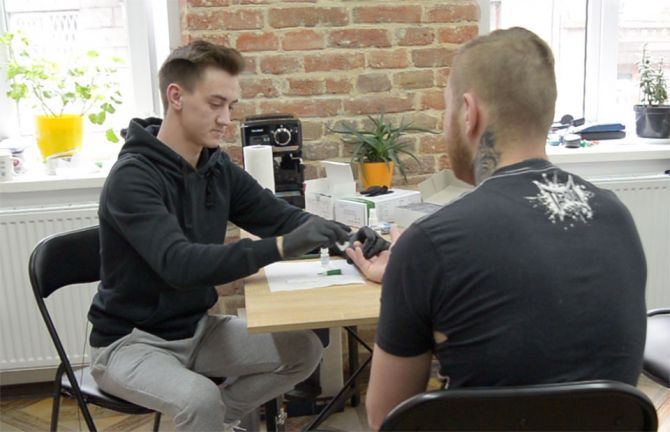
Mr Kucherenko got tested for HIV, hepatitis, and other diseases. His HIV test came back positive. He quickly met with a social worker, Andriy Kharatin, who accompanied him to the Lviv AIDS center where he got confirmation of his diagnosis, and additional tests.
"Several days later, with our help connecting him with to the health care system, Oleg started anti-retroviral therapy,” Mr Kharatin said.
Ukraine has the second - after the Russian Federation- biggest HIV epidemic in Eastern Europe and Central Asia (240 000 people are living with HIV according to 2022 estimates).
The country was making good progress in the AIDS response before the war – increasing the number of people living with HIV on antiretroviral treatment to nearly 60%.
However due to their destruction or occupation, more than 30 medical institutions providing HIV services have had to stop their operations, and logistics and supply chains have been broken. Despite this, Ukraine continues to help people living with HIV. Civil society has played a crucial role in adapting their response, engaging and reaching people in need.
“As a doctor, I am very pleased with the cooperation with Alliance Global,” said Dr. Olena Pavlishina from the Lviv Clinical Hospital. “Thanks to this cooperation we have the opportunity to be in touch with both internally displaced people and people who do not trust doctors much.”
In the past, she explains, a lot of the work was handled by health professionals.
“This part of the work that was previously done by health workers is now being done by social workers and civil society organisations,” she said.
And Mr Pryzenko doesn’t imagine that changing in the near future. He fears that if the war drags on, more people will come to the shelter and need services.
Meanwhile, Mr Kucherenko lives and works in Lutsk, not far from Lviv. He picks up his HIV medicine supply for three months and will get his next batch by mail when needed. He also stays in touch with his social worker for psychological support online.
Region/country
Related
 UNAIDS expands humanitarian support in Ukraine
16 September 2026
 Built on trust - Community-led HIV responses in Thailand
26 August 2026