Feature Story
New guidance note on decriminalizing drug use in the context of HIV
12 March 2026
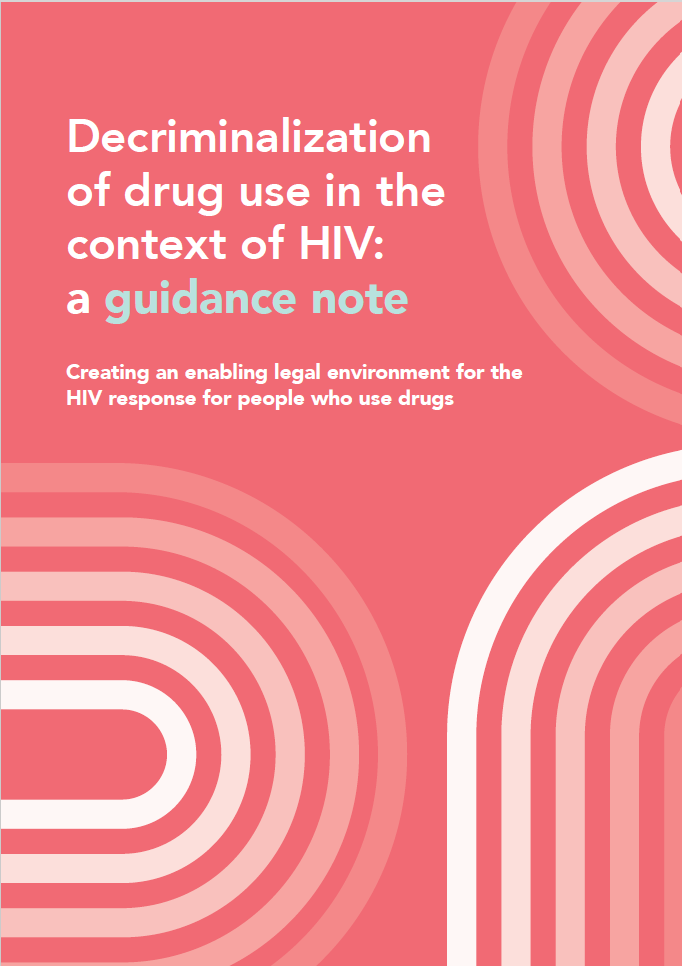
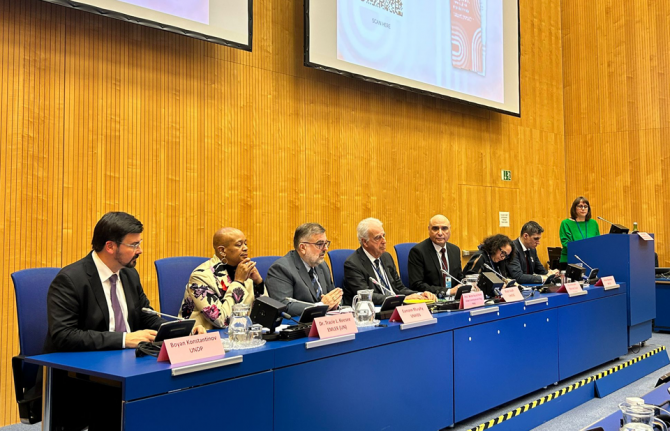
12 March 2026 12 March 2026At the 69th session of the Commission on Narcotic Drugs (CND), UNAIDS, the United Nations Development Programme (UNDP) and the International Network of People who Use Drugs (INPUD), together with partners, launched a new joint guidance note titled Decriminalization of drug use in the context of HIV.
The new guidance note provides governments with practical, evidence-based recommendations on how to align drug policies with human rights standards, public health principles and the lived realities of people who use drugs.
People who use drugs are disproportionately impacted by the HIV epidemic. Globally, people who inject drugs are 14 times more at risk of contracting HIV than the general adult (15-49) population and 8% of all new HIV infections were among people who inject drugs, according to 2025 data.
More than four decades of the HIV response have shown that public health approaches are the most effective way to support people who use drugs and keep them connected to essential services, including HIV prevention, testing and treatment. Harm reduction services, including needle and syringe programmes and opioid agonist maintenance treatment, have been proven time and again to be effective in significantly reducing the risk of acquiring HIV, viral hepatitis and other blood-borne viruses. In addition, access to HIV testing and treatment can enable people living with HIV to reduce their viral load to undetectable, preventing sexual transmission of HIV.
The decriminalization of people who use drugs, combined with investments in harm reduction services, can expand access to care and enable people to seek support without fear of arrest, harassment or discrimination. However, existing punitive drug laws continue to drive millions of people who use drugs away from lifesaving HIV services, fueling stigma and discrimination and undermining progress towards global HIV targets.
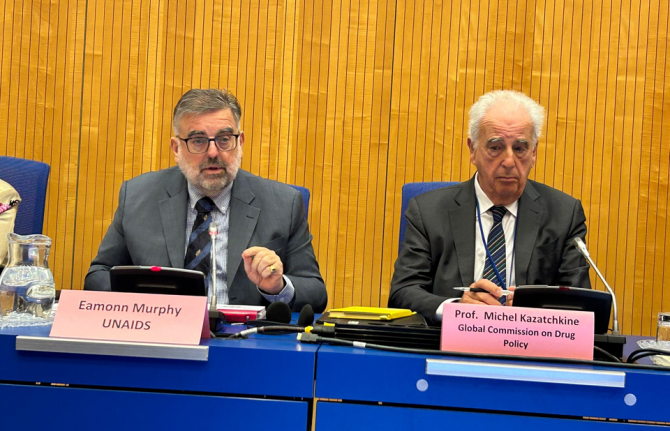
“Punitive laws undermine the HIV response. Criminalization drives stigma, pushes people away from services, and weakens community-led responses. The evidence is clear,” said Eamonn Murphy, UNAIDS Regional Director for Easter Europe and Central Asia and Asia and the Pacific. “What we need now is political leadership to translate evidence into legal, policy, and financing reforms.“
The guidance note comes at a critical time for the global HIV response. As no country currently fully meets global harm reduction coverage targets, the document highlights the urgent need for legal and policy reform particularly amid financial instability in the AIDS response. This funding crunch makes it increasingly important to invest limited resources where they are most effective.
The new guidance note does not prescribe a single approach. Instead, it draws on decades of global experience and presents a range of evidence-informed approaches that countries can adapt to their national contexts including the development of clear criteria for distinguishing between drug possession for personal use and possession for supply for profit and the removal of criminal penalties for minor non-violent drug offences. It also helps policymakers work through key policy questions such as which alternative sanctions are appropriate; how not to recreate the harms of criminalization through the introduction of fines; how to ensure that referrals to treatment are voluntary and increase access to evidence‑based care; how to anticipate the potential impacts of legal and policy changes on HIV outcomes; and how to meaningfully engage communities of people who use drugs in answering these complex questions.
Communities of people who use drugs helped develop the guidelines ensuring that it responds to realities on the ground. The document outlines steps countries can take to review and reform punitive laws, expand harm reduction services, reduce stigma, and embed community leadership in national HIV responses.
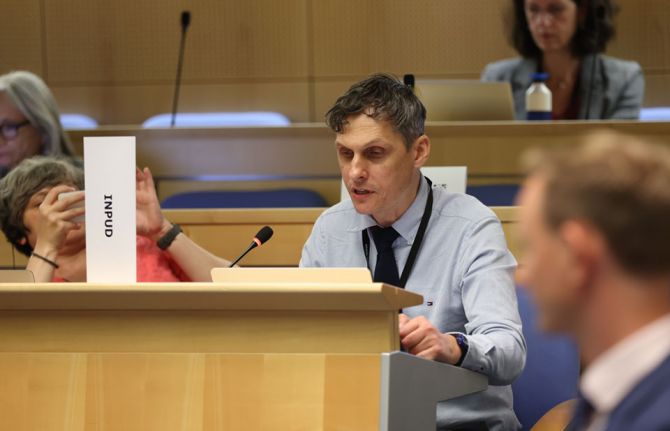
“This guidance recognizes that people who use drugs must be at the centre of decisions affecting our health and rights so when lived expertise is included, HIV responses become more humane and effective,” said Anton Basenko of International Network of People who Use Drugs. The current Global AIDS Strategy for 2026-2031 calls for removing legal and policy barriers for key populations, scaling up harm reduction, and ensuring that community leadership is fully recognized and resourced. Ending AIDS as a public health threat by 2030 will not be possible without addressing criminalization and the inequalities that drive HIV vulnerability among people who use drugs.