

Press Statement
UNAIDS congratulates the World Food Programme on being awarded the Nobel Peace Prize
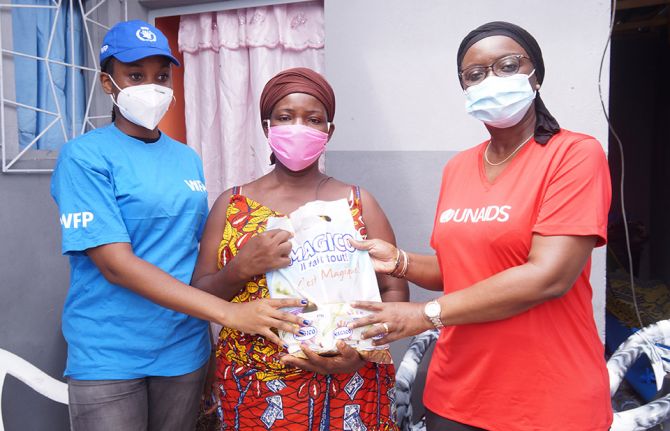
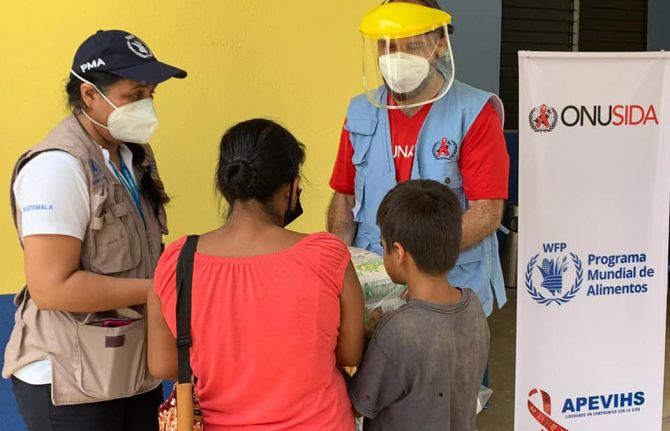
09 October 2020 09 October 2020GENEVA, 9 October 2020—UNAIDS sends its heartfelt congratulations to the World Food Programme (WFP) for being awarded the 2020 Nobel Peace Prize. WFP’s efforts to ensure food security for all, particularly the most vulnerable women, men and children, including people living with HIV, have saved countless lives and prevented hunger and starvation in countries all around the world.
“We are so proud of WFP’s achievement and are honoured to have WFP as one of our Cosponsors, working with us to end AIDS,” said Winnie Byanyima, Executive Director of UNAIDS. “We will continue to work closely together to achieve our shared goals of zero hunger, zero new HIV infections, zero AIDS-related deaths and zero discrimination for all.”
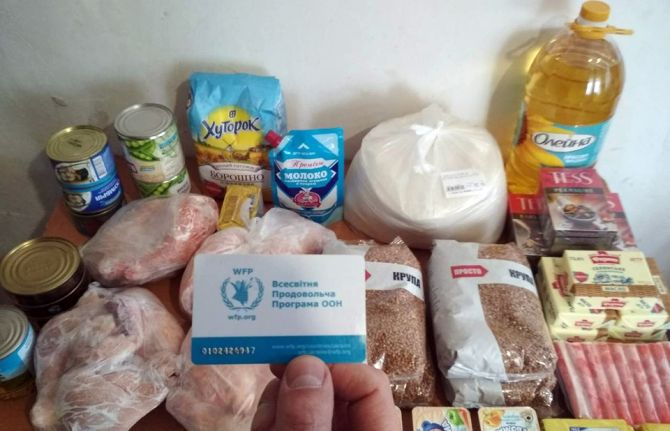
For people living with HIV, food and nutrition are critical components of care and support. WFP’s work on HIV includes nutritional recovery for malnourished people living with HIV, support at the individual and household levels, supplying food, cash and vouchers, and linking food and health systems. As part of its HIV and tuberculosis programmes in 29 countries, WFP also links clients with social protection programmes and livelihood strengthening activities in order to ensure that health gains can be sustained in the long term, as people living with HIV need to stay on treatment for life.
WFP’s efforts have improved the lives of people living with and affected by HIV and have advanced access and adherence to HIV treatment. UNAIDS thanks WFP for its work and collaboration and congratulates WFP on its well-merited achievement of being awarded the Nobel Peace Prize.
Additional information on WFP’s work on HIV is available here.
UNAIDS
The Joint United Nations Programme on HIV/AIDS (UNAIDS) leads and inspires the world to achieve its shared vision of zero new HIV infections, zero discrimination and zero AIDS-related deaths. UNAIDS unites the efforts of 11 UN organizations—UNHCR, UNICEF, WFP, UNDP, UNFPA, UNODC, UN Women, ILO, UNESCO, WHO and the World Bank—and works closely with global and national partners towards ending the AIDS epidemic by 2030 as part of the Sustainable Development Goals. Learn more at unaids.org and connect with us on Facebook, Twitter, Instagram and YouTube.
Contact
UNAIDS GenevaSophie Barton-Knott
tel. +41 79 514 6896
bartonknotts@unaids.org
UNAIDS Media
tel. +41 22 791 4237
communications@unaids.org
Press Statement
UNAIDS mourns the death of author and activist Achmat Dangor
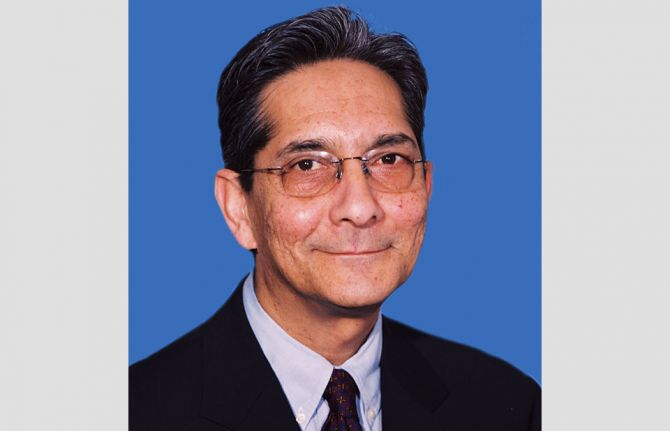
08 September 2020 08 September 2020GENEVA, 8 September 2020—UNAIDS is deeply saddened by the death of our dear friend and former colleague Achmat Dangor. Mr Dangor was an acclaimed author and leading activist who dedicated his life to social justice and the struggle for liberation and democracy in South Africa.
He was a prominent voice in the response to AIDS at a time when AIDS denial was widespread, speaking out and writing about the spread of HIV and the impact that the AIDS epidemic was having in South Africa. He expanded his work on HIV when he joined the Nelson Mandela Children’s Fund as Chief Executive and when he became the Interim Director of the World AIDS Campaign. In 2004, he joined UNAIDS as the Director of Advocacy, Communication and Leadership, designing campaigns and strategies to put HIV at the very top of political agendas.
“Achmat Dangor was an activist who brought together leaders from all walks of life to make a difference for people—for women, children, the marginalized and people living with HIV,” said Mahesh Mahalingam, Director of Communications and Global Advocacy, UNAIDS. “He combined human rights, compassion and kindness to make a unique impression on the AIDS response.”
Mr Dangor promoted social justice throughout his life. In the 1970s, he started a writers’ group called Black Thoughts, a collective established to promote African writers and black culture and to correct the cultural distortions being imposed by apartheid. In the 1980s, he co-founded the Congress of South African Writers, a grass-roots organization established to promote literature and redress the imbalances of apartheid education.
Mr Dangor served as the Chief Executive of the Nelson Mandela Foundation, a non-profit organization founded by Nelson Mandela when he stepped down as the President of South Africa in 1999, where he helped to establish Nelson Mandela Day, 18 July, to honour the legacy of Nelson Mandela through volunteering and community service. He was also the founding Executive Director of the Kagiso Trust, the largest black-led foundation in South Africa, and the South African representative of the Ford Foundation, a non-profit organization providing grants and investments to reduce poverty and injustice.
Mr Dangor taught creative writing and South African literature at New York State University and published a number of critically acclaimed works of fiction and poetry, including Bitter Fruit, which was shortlisted for the Man Booker Prize, and Kafka’s Curse, for which he received the Herman Charles Bosman Prize.
UNAIDS expresses its heartfelt condolences to the family and friends of Mr Dangor.
UNAIDS
The Joint United Nations Programme on HIV/AIDS (UNAIDS) leads and inspires the world to achieve its shared vision of zero new HIV infections, zero discrimination and zero AIDS-related deaths. UNAIDS unites the efforts of 11 UN organizations—UNHCR, UNICEF, WFP, UNDP, UNFPA, UNODC, UN Women, ILO, UNESCO, WHO and the World Bank—and works closely with global and national partners towards ending the AIDS epidemic by 2030 as part of the Sustainable Development Goals. Learn more at unaids.org and connect with us on Facebook, Twitter, Instagram and YouTube.
Press centre
Download the printable version (PDF)
Press Statement
UNAIDS thanks Shinzo Abe for his years of commitment to the AIDS response and to global health and development
01 September 2020 01 September 2020As the Japanese Prime Minister steps down, UNAIDS recognizes Shinzo Abe’s contribution to global health, notably to universal health coverage
GENEVA, 1 September 2020—UNAIDS commends Shinzo Abe for his significant contribution to global health during his tenure as Prime Minister of Japan. Japan has been a longstanding partner of UNAIDS and is one of the leading investors in the AIDS response. Under Mr Abe’s leadership, Japan has supported programmes focused on key populations across Asia and has invested in projects such as the Kenya HIV Situation Room, which is using cutting-edge technology to provide high-quality data about Kenya’s HIV epidemic.
Upon Mr Abe’s appointment as Prime Minister in 2012, Japan was already a prominent voice in global health and development, having introduced the issue of infectious diseases to discussions at the Group of Eight Kyushu-Okinawa summit in 2000. Those discussions contributed to the creation of the most important public–private mechanism for financing the AIDS response, the Global Fund to Fight AIDS, Tuberculosis and Malaria.
Building on Japan’s engagement in health and development, Mr Abe launched Japan’s Strategy on Global Health Diplomacy in 2013. The strategy focused on promoting universal health coverage and mobilizing Japan’s knowledge and expertise to contribute to realizing a world where everyone has access to basic health-care services at an affordable cost.
It was thanks to the leadership of Angela Merkel and Mr Abe that universal health coverage was on the agenda of the Group of Seven summit in 2016. Japan also hosted the Group of Twenty summit in Osaka in 2019, where the first joint Group of Twenty finance and health ministers meeting was held to discuss sustainable health financing to achieve universal health coverage.
Mr Abe was also a strong voice at TICAD (the Tokyo International Conference of African Development), promoting development, peace and security in Africa through the strengthening of relations in multilateral cooperation, under the principles of African ownership and international partnership.
UNAIDS wishes to thank Mr Abe for his commitment and leadership in global health and development and wishes him good health and the very best for the future.
UNAIDS
The Joint United Nations Programme on HIV/AIDS (UNAIDS) leads and inspires the world to achieve its shared vision of zero new HIV infections, zero discrimination and zero AIDS-related deaths. UNAIDS unites the efforts of 11 UN organizations—UNHCR, UNICEF, WFP, UNDP, UNFPA, UNODC, UN Women, ILO, UNESCO, WHO and the World Bank—and works closely with global and national partners towards ending the AIDS epidemic by 2030 as part of the Sustainable Development Goals. Learn more at unaids.org and connect with us on Facebook, Twitter, Instagram and YouTube.
Press Statement
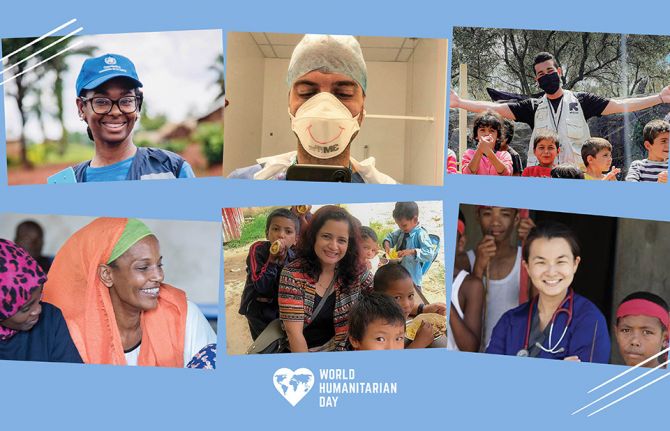
On World Humanitarian Day, UNAIDS celebrates the work of #RealLifeHeroes
19 August 2020 19 August 2020GENEVA, 19 August 2020—Today, on World Humanitarian Day, UNAIDS acknowledges and celebrates the power of communities – the individuals and groups who work together to make a difference to themselves and to each other—the #RealLifeHeroes.
UNAIDS knows that people are stronger together and that communities have always been a cornerstone of the response to HIV. Heroes stand up to ensure they and their families, partners and friends can access HIV testing, treatment, and care services. They stand up to counter stigma and discrimination. They demand respect and engagement in decisions that affect their lives.
Humanitarian and fragile settings are unstable, unpredictable and volatile places. Conflict, disaster, and displacement deplete health services, isolate communities and increase vulnerabilities –increasing the numbers at risk of being left behind. Moreover, as we have seen with COVID-19, every setting can be fragile in the face of new or sudden challenges. As COVID-19 has spread across the globe, humanitarians are being joined by health workers, key workers and others who risk themselves and their families to help others.
Community-led organizations are providing a lifeline to underserved, marginalized and hard-to-reach populations around the world. They have a depth of experience in creating and delivering responses to health and human rights crises within their communities. The many community-led networks and groups that emerged to respond to HIV possess immense practical experience, organizational strength and capacities to facilitate the delivery of life-saving support, and for influencing people’s real-life practices to better protect their health.
And new heroes are emerging too. Some are helping to maintain access to lifesaving HIV treatment. Others are supporting the most vulnerable members of society to survive lockdown and other impacts of the pandemic, and to protect those at risk of violence.
UNAIDS salutes all of these #RealLifeHeroes and the communities who stand beside and around them on the front line, building grassroots resilience so that no one is left behind in the aim for universal health coverage, including free and fair access to HIV-related services.
UNAIDS commits to building a culture of solidarity, trust, kindness and an ethic of care – not only in our response to COVID-19, but across all humanitarian settings. We have seen how many individuals have put their hands in their own pockets to help their families, neighbours and peers, and we call on continued funding for community organizations.
UNAIDS pledges to continue to support and advocate for those working to end suffering and injustice, to promote peace and sustain human rights.
Not just today, but every day.
UNAIDS
The Joint United Nations Programme on HIV/AIDS (UNAIDS) leads and inspires the world to achieve its shared vision of zero new HIV infections, zero discrimination and zero AIDS-related deaths. UNAIDS unites the efforts of 11 UN organizations—UNHCR, UNICEF, WFP, UNDP, UNFPA, UNODC, UN Women, ILO, UNESCO, WHO and the World Bank—and works closely with global and national partners towards ending the AIDS epidemic by 2030 as part of the Sustainable Development Goals. Learn more at unaids.org and connect with us on Facebook, Twitter, Instagram and YouTube.
Press centre
Download the printable version (PDF)

Press Statement
UNAIDS calls on Poland to uphold the rule of law and protect the rights of LGBTI people
14 August 2020 14 August 2020GENEVA, 14 August 2020—UNAIDS is deeply concerned by reports of the targeting and arrest of lesbian, gay, bisexual, transgender and intersex (LGBTI) rights activists as they peacefully exercise their rights to freedom of expression and association, as well as reports of discrimination, repression, and scapegoating of LGBTI people.
UNAIDS has been made aware that on August 7 a protest against the detention of LGBTI activist, Margot Szutowicz, currently being held for two months of pre-trial detention, resulted in reports of police violence and over 50 arrests. This followed recent arrests of activists for placing rainbow flags on public monuments, ostensibly carried out under Article 196 of Poland’s criminal code, which calls for up to two years in prison for anyone who “offends the religious feelings of others by publicly insulting a religious object or place of worship.”
International and European human rights bodies have affirmed the rights to freedom of expression, association and peaceful assembly. They have also affirmed the fundamental right to be free from discrimination on the basis of sex, sexual orientation or gender identity.
The 2016 United Nations General Assembly High-Level Political Declaration on Ending AIDS recognizes that discrimination, particularly discriminatory and abusive use of law enforcement powers, create significant barriers to people’s health and well-being, including their access to HIV prevention, treatment and care services, barriers that governments have committed to removing. Stigma and discrimination have been shown to increase violence, abuse and harassment against LGBTI people and to cause significant harm to their physical and mental health and well-being, their inclusion in society and their ability to access work, education and essential services.
The actions in Poland limit freedom of speech and, when combined with discriminatory application that targets human rights defenders, undermine equality, the rule of law and people’s access to essential services. In the context of closing civic space for advocacy to end discrimination in areas such as LGBTI rights, sexual and reproductive health and gender equality, freedom of speech protections are more vital than ever.
UNAIDS is concerned by the ongoing and intensifying persecution of LGBTI people in Poland, including the encouragement of so-called “LGBT ideology-free zones” throughout the country over the last year and up to recent mounting crackdowns on human rights defenders exercising their fundamental human rights to advocate for an end to discrimination.
UNAIDS
The Joint United Nations Programme on HIV/AIDS (UNAIDS) leads and inspires the world to achieve its shared vision of zero new HIV infections, zero discrimination and zero AIDS-related deaths. UNAIDS unites the efforts of 11 UN organizations—UNHCR, UNICEF, WFP, UNDP, UNFPA, UNODC, UN Women, ILO, UNESCO, WHO and the World Bank—and works closely with global and national partners towards ending the AIDS epidemic by 2030 as part of the Sustainable Development Goals. Learn more at unaids.org and connect with us on Facebook, Twitter, Instagram and YouTube.
Contact
UNAIDS GenevaMichael Hollingdale
tel. +41 79 500 2119
hollingdalem@unaids.org
UNAIDS Media
tel. +41 22 791 4237
communications@unaids.org
Region/country
Press Statement
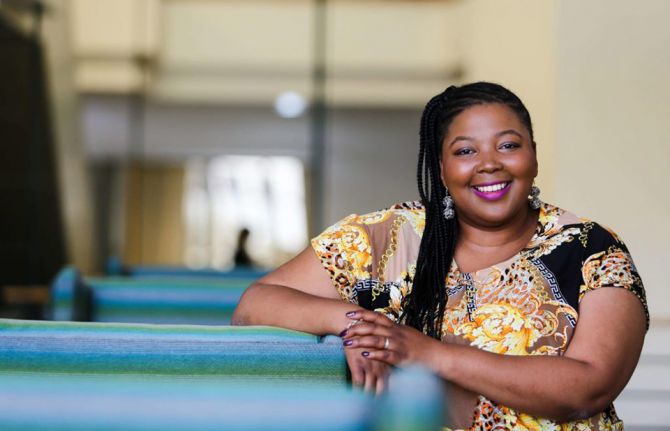
UNAIDS congratulates Tlaleng Mofokeng on her appointment as United Nations Special Rapporteur on the right to health
03 August 2020 03 August 2020GENEVA, 3 August 2020—Tlaleng Mofokeng, a South African medical doctor and a women's rights and sexual and reproductive health rights activist, has been appointed as the new United Nations Special Rapporteur on the right of everyone to the enjoyment of the highest attainable standard of physical and mental health.
"I congratulate Tlaleng Mofokeng on her appointment as the United Nations Special Rapporteur on the Right to Health—the first African women to be appointed to this important role," said Winnie Byanyima, Executive Director of UNAIDS. "I know that she will fight for human rights and for everyone, everywhere to be able to get the health care they need. We both share a vision: that health care should not be just for the rich, but a right for all."
Appointed by the United Nations Human Rights Council, the Special Rapporteur on the right of everyone to the enjoyment of the highest attainable standard of physical and mental health monitors the right to health around the world. The post-holder studies national practices and experiences related to the right to health, identifies trends and challenges in the process and makes recommendations on how to ensure the protection of the right to health. The Special Rapporteur also receives individual complaints of alleged violations of the right to health.
The right to health is a fundamental human right enshrined in international law and countries have basic human rights obligations to respect, protect and fulfil the right to health.
"I look forward to working with Dr Mofokeng," Ms Byanyima added. "Only by ensuring that the right to health is a reality for all will AIDS be ended by 2030."
UNAIDS
The Joint United Nations Programme on HIV/AIDS (UNAIDS) leads and inspires the world to achieve its shared vision of zero new HIV infections, zero discrimination and zero AIDS-related deaths. UNAIDS unites the efforts of 11 UN organizations—UNHCR, UNICEF, WFP, UNDP, UNFPA, UNODC, UN Women, ILO, UNESCO, WHO and the World Bank—and works closely with global and national partners towards ending the AIDS epidemic by 2030 as part of the Sustainable Development Goals. Learn more at unaids.org and connect with us on Facebook, Twitter, Instagram and YouTube.
Region/country
Press Statement
UNAIDS calls for global United States leadership on COVID-19
31 July 2020 31 July 2020As the world faces the colliding pandemics of COVID-19, HIV, tuberculosis and malaria, UNAIDS supports the call for bold, bipartisan support by the United States of America for global efforts against these concurrent health challenges
GENEVA, 31 July 2020—The United States of America has long led the world in its response to infectious pandemics. As the largest bilateral donor to the global response to HIV, investing more than US$ 85 billion in the United States President’s Emergency Plan for AIDS Relief (PEPFAR) since 2003, the United States, working with multilateral organizations, the United Nations, civil society and affected countries, has played a pivotal role in reducing new HIV infections and AIDS-related deaths. The United States has contributed generously to the Global Fund to Fight AIDS, Tuberculosis and Malaria (Global Fund), investing US$ 16.7 billion since 2002.
Collectively, these investments have saved millions of lives, particularly on the African continent. Yet, as UNAIDS’ latest global report shows, much work remains. Of the 38 million people living with HIV, 12.6 million are not accessing life-saving treatment. Prior to COVID-19, we were off track on our goal of fewer than 500 000 new HIV infections by 2020; in 2019, 1.7 million people became newly infected with HIV. COVID-19’s early impact on the African continent portends a major health disaster that, if unmitigated, will have both direct and long-term residual effects.
At a time when many governments and economies, particularly in Africa, are reeling from COVID-19 and struggling to maintain health and social services, continued leadership by the United States in global health is essential—it could be the difference between a health challenge and a health catastrophe.
With the world now facing colliding pandemics, turning away from any one of them to focus solely on any of the others risks a surge in new infections and deaths. The exponential harm of several concurrent pandemics will bring unprecedented suffering and economic fallout. The coronavirus’ effect on AIDS, tuberculosis and malaria programming will be devastating if not buffered. In June, the Global Fund reported that 85% of the programmes it supports in 106 countries struggled with disruption to service delivery, including 18% with high or very high disruptions. UNAIDS estimates that a six-month complete disruption in treatment could cause more than 500 000 additional deaths in sub-Saharan Africa over the coming year, bringing the region back to 2008 AIDS mortality levels. Even a 20% disruption could cause an additional 110 000 deaths. Such an outcome would represent unacceptable and preventable collateral damage from the COVID-19 pandemic, wiping out nearly two decades of progress.
The United States Global Leadership Coalition is calling on Congress to allocate US$ 20 billion in the next Emergency Supplemental Funding Bill for COVID-19. The global health community supports this request and calls for including an explicit allocation of US$ 700 million for one year, or US$ 1.4 billion over two years, for bilateral global HIV and tuberculosis programmes under PEPFAR and US$ 4 billion over two years for the Global Fund’s COVID-19 Response Mechanism. These funds will offset the impact of COVID-19 on PEPFAR and Global Fund programmes while supporting PEPFAR’s and the Global Fund’s work to combat COVID-19, including through increasing testing and care. The Global Fund’s currently available resources for COVID-19 will be fully depleted in weeks. The need is urgent.
The spread of COVID-19 is accelerating across Africa; its impact is increasingly concerning. The surge in patients is overpowering caregivers and hospitals. Recent reports suggest that more than 10 000 health-care workers have been infected. While accurately reporting cases of COVID-19 is challenging given limited testing, South Africa has more than 452 000 confirmed cases, making it the country with the fifth highest number of cases in the world. This has put enormous additional pressure on inpatient and outpatient capacities already burdened to the breaking point with HIV, tuberculosis, noncommunicable diseases, maternal and child health issues and trauma. The health systems, hospitals and health-care professionals are struggling to cope. The estimated 17 000 excess deaths from natural causes from 6 May to 14 July 2020 indicate the impact of the compounded burden. Provinces and districts previously facing pre-existing health system issues are the hardest hit; they lack functional bed capacity and adequate oxygen supply.
South Africa is not alone. In the week leading to 20 July 2020, new COVID-19 cases in Kenya increased by 31%, and by 50%, 57% and 69%, respectively, in Madagascar, Zambia and Namibia. Many low-income countries with a high HIV burden are making sacrifices in the fight against COVID-19, but they are losing the battle. Many of their economies are undermined by COVID-19. Government receipts have shrunk and many of them also face considerable debt service burdens. In four out of five of the countries with the highest HIV prevalence (Eswatini, Lesotho, Namibia and South Africa), the ratio of debt to gross domestic product is greater than 40%, with South Africa predicted to reach a record high of 80% in 2020 due to declining consumption and investments during the COVID-19 crisis.
The global health community’s requests for additional funding reflect needs in three areas:
- Scaling up health-care workforces to offset task-sharing/task-shifting due to COVID-19.
- Ensuring a supply of personal protective equipment and training on the safe use of, and proper disposal of, personal protective equipment for health-care workers.
- Protecting continuity of HIV, tuberculosis, malaria and other priority services (including laboratories and diagnostic efforts) and responding to cost escalations due to COVID-19.
COVID-19 presents not only challenges but also opportunities for even greater progress against HIV, tuberculosis and malaria, three of the world’s most pernicious killers. For example, as COVID-19 keeps people living with HIV from safely accessing HIV clinics, reports from 87 countries in which UNAIDS operates indicate that 44 of them have implemented policies to enable multimonth dispensing of antiretroviral medicines, a necessary innovation that ensures continuity of care, essential for viral load suppression, and cost savings, for HIV. Similarly, COVID-19 has disrupted clinic-based services for people who use drugs while catalysing innovative and effective service delivery models, such as “take home” approaches to opioid substitution therapy, approaches that should become the new normal.
PEPFAR, the Global Fund and UNAIDS are helping to utilize the infrastructure developed through the HIV response to contribute to effective COVID-19 efforts. For example, newly credentialed personnel—including more than 280 000 new health-care workers trained by PEPFAR—are now first responders to COVID-19. Reports from countries as diverse as India, Senegal and Uganda illustrate the essential support delivered by HIV community workers, who go door-to-door in lockdowns, distributing HIV prevention materials, treatment and information on how people can protect themselves from COVID-19 and access testing. COVID-19 responses in many countries are also benefiting from laboratory systems that have been vastly improved and expanded as a result of HIV investments.
The work of PEPFAR, the Global Fund and UNAIDS is interdependent and tightly coordinated; the three entities bolster the others’ success in all countries in which we operate. Working in concert, we have been highly effective in helping the United States Government achieve its goal of saving the most lives in the shortest window of time. Now is the time to protect past investments by exercising global leadership in the fight against COVID-19. Doing so will have the added benefits of protecting Americans at home.
“UNAIDS appreciates that COVID-19 is having a disproportionate impact on the American people. However, as we have learned from HIV, no one is safe from a virus, which knows no borders, or political divides, until all are safe. No pandemic can be stopped without global solidarity. Working together will help to accelerate the safety of the whole world. We count on the United States to build on decades of leadership in global health, maximizing and protecting impacts made to date on HIV, tuberculosis and malaria, by strongly supporting efforts against COVID-19,” said Winnie Byanyima, Executive Director of UNAIDS.
UNAIDS
The Joint United Nations Programme on HIV/AIDS (UNAIDS) leads and inspires the world to achieve its shared vision of zero new HIV infections, zero discrimination and zero AIDS-related deaths. UNAIDS unites the efforts of 11 UN organizations—UNHCR, UNICEF, WFP, UNDP, UNFPA, UNODC, UN Women, ILO, UNESCO, WHO and the World Bank—and works closely with global and national partners towards ending the AIDS epidemic by 2030 as part of the Sustainable Development Goals. Learn more at unaids.org and connect with us on Facebook, Twitter, Instagram and YouTube.
Region/country

Press Statement
UNAIDS is hopeful that a new long-acting HIV prevention option will soon become available for women in sub-Saharan Africa
28 July 2020 28 July 2020The European Medicines Agency has adopted a positive opinion of the dapivirine ring, a monthly vaginal ring that reduces the vulnerability of women to HIV
GENEVA, 28 July 2020—UNAIDS congratulates the International Partnership for Microbicides (IPM) on obtaining a positive opinion from the European Medicines Agency (EMA) on the dapivirine vaginal ring. The monthly ring adapts a medical technology commonly used as a contraceptive device to deliver the antiretroviral medicine dapivirine to prevent HIV.
“UNAIDS welcomes the advances made to make the dapivirine ring available to women in sub-Saharan Africa where around 4500 adolescent girls and young women become infected with HIV every week,” said Winnie Byanyima, Executive Director of UNAIDS. “Continued investment in research is needed to fill the HIV prevention gap for women and give them the options they need to protect themselves from HIV.”
Two phase III studies evaluated use of the monthly ring among nearly 4600 women between the ages of 18 years and 45 years in Malawi, South Africa, Uganda and Zimbabwe. The Ring Study, led by IPM, found that the ring reduced overall risk by 35%, and the ASPIRE study, conducted by IPM’s clinical trial partner the National Institutes of Health-funded Microbicide Trials Network, found that the ring reduced overall risk by 27%. More recent data from two open-label extension studies suggested a greater risk reduction—of more than 50%.
IPM will now seek regulatory approvals in sub-Saharan Africa, the region most affected by HIV, were many countries recognize the EMA’s opinion. If approved by African regulators, the ring could offer women over the age of 18 years the first long-acting tool they could use on their own terms to reduce the risk of contracting HIV. IPM estimates that given the urgency for women, with strong political will and funding the ring could begin to become available in 2021 in some communities in Africa.
UNAIDS
The Joint United Nations Programme on HIV/AIDS (UNAIDS) leads and inspires the world to achieve its shared vision of zero new HIV infections, zero discrimination and zero AIDS-related deaths. UNAIDS unites the efforts of 11 UN organizations—UNHCR, UNICEF, WFP, UNDP, UNFPA, UNODC, UN Women, ILO, UNESCO, WHO and the World Bank—and works closely with global and national partners towards ending the AIDS epidemic by 2030 as part of the Sustainable Development Goals. Learn more at unaids.org and connect with us on Facebook, Twitter, Instagram and YouTube.
Press centre
Download the printable version (PDF)
Press Statement
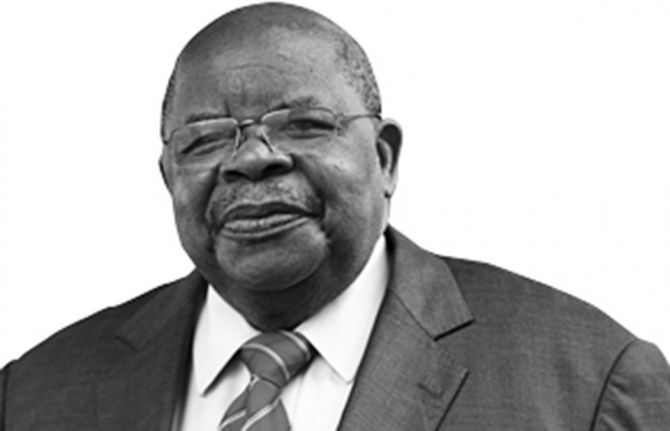
UNAIDS pays tribute to AIDS champion Benjamin William Mkapa, former President of the United Republic of Tanzania
24 July 2020 24 July 2020GENEVA, 24 July 2020—UNAIDS is saddened by the death of the former President of the United Republic of Tanzania, Benjamin William Mkapa. Mr Mkapa was a bold and compassionate leader who worked to promote peace in eastern Africa and was committed to ending AIDS, being credited with much of the United Republic of Tanzania’s success in responding to HIV.
“I’ve learned with sadness that the former President of the United Republic of Tanzania, Benjamin Mkapa, has passed away,” said Winnie Byanyima, Executive Director of UNAIDS. “He was a tireless champion for peace and an AIDS-free Africa. UNAIDS pays tribute to him for his courage, his strength and his leadership.”
In 1999, he declared HIV a national disaster and quickly spearheaded the country’s national response to HIV by establishing the Tanzania Commission for AIDS. He also formed the Tanzania Parliamentarians AIDS Coalition (TAPAC) in 2001, which united the President and Prime Minister, members of parliament and other high-level politicians in the response to HIV.
Some of TAPAC’s key achievements include adopting progressive legislation on HIV and the creation of the Standing Committee on HIV/AIDS Affairs in 2008, which mainstreamed HIV in the work of the parliament. In addition to increasing the national AIDS budget, Tanzanian members of parliament, through TAPAC, raised funds for HIV projects to support nongovernmental organizations, people living with HIV and vulnerable populations.
During his farewell speech upon retirement, on the eve of World AIDS Day in 2005, Mr Mkapa bid the country farewell with a plea to all citizens to find out their HIV status. He asked people to take a voluntary HIV test in order to enable them to make informed decisions and to seek treatment if needed.
After his retirement, he continued to be actively involved in the AIDS response and became one of the founding members of the Champions for an AIDS-Free Generation, a distinguished group of former presidents and influential African leaders committed to ending AIDS.
He was the patron of the Benjamin William Mkapa Foundation which has reached millions of Tanzanians and continues to improve rural health services, health and the well-being of women, men and children, including people living with and affected by HIV.
UNAIDS expresses its deepest condolences to Mr Mkapa’s family and to all who knew and loved him. The AIDS response has lost one of its most committed champions.
UNAIDS
The Joint United Nations Programme on HIV/AIDS (UNAIDS) leads and inspires the world to achieve its shared vision of zero new HIV infections, zero discrimination and zero AIDS-related deaths. UNAIDS unites the efforts of 11 UN organizations—UNHCR, UNICEF, WFP, UNDP, UNFPA, UNODC, UN Women, ILO, UNESCO, WHO and the World Bank—and works closely with global and national partners towards ending the AIDS epidemic by 2030 as part of the Sustainable Development Goals. Learn more at unaids.org and connect with us on Facebook, Twitter, Instagram and YouTube.
Press Statement
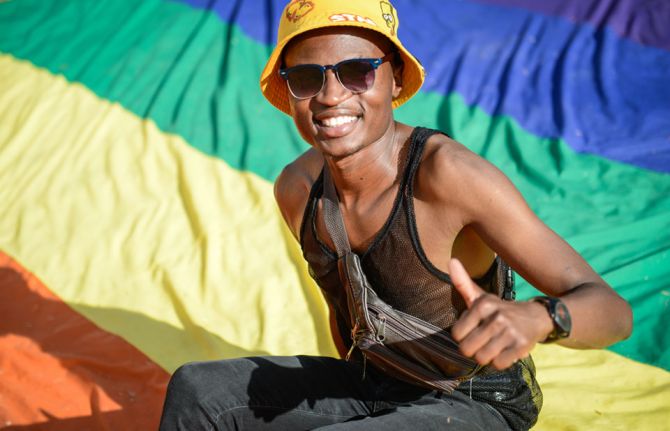
UNAIDS welcomes decision by Gabon to decriminalize same-sex sexual relations
07 July 2020 07 July 2020GENEVA, 7 July 2020—UNAIDS welcomes the decision by Gabon to decriminalize same-sex sexual relations. Following a vote by the Gabon Senate on 29 June 2020, the signing off of the decision by the President means that Gabon has joined a growing list of countries in Africa and beyond that have removed criminal laws that target and discriminate against lesbian, gay, bisexual, transgender and intersex (LGBTI) people.
“I applaud the collective decision by Gabon’s parliament, government and President to decriminalize same-sex sexual relations,” said Winnie Byanyima, UNAIDS Executive Director. “By doing so, Gabon is righting a grave injustice inflicted on the LGBTI community in the country.”
Paragraph 5 of Article 402, which criminalized same-sex sexual relations—with a maximum penalty of six months in prison and a 5 million central African CFA franc fine—was inserted into the new Gabonese Penal Code in July 2019. That paragraph has now been withdrawn. UNAIDS is encouraged that such a step back in terms of human rights can be overturned quickly when communities, civil society, politicians and other allies come together to campaign to right wrongs.
Through legitimizing stigma and discrimination and violence against LGBTI people, the criminalization of same-sex sexual relations stops people from accessing and using HIV prevention, testing and treatment services and increases their risk of acquiring HIV. It is also a profound violation of a basic human right.
Gay men and other men who have sex with men had a 26 times higher risk worldwide in 2019 of HIV acquisition than all adult men. Prohibitive legal and policy environments created by stigma and discrimination are key barriers to dramatically reducing new HIV infections. While UNAIDS calls for the removal of such discriminatory laws, a critical immediate step would be to stop enforcing them.
“This is a very welcome step towards equality for LGBTI people in Gabon,” added Ms Byanyima. “I call on the at least 69 other countries and territories around the world that still criminalize same-sex sexual relations to do the decent thing: stop criminalizing people because of who they love.”
UNAIDS
The Joint United Nations Programme on HIV/AIDS (UNAIDS) leads and inspires the world to achieve its shared vision of zero new HIV infections, zero discrimination and zero AIDS-related deaths. UNAIDS unites the efforts of 11 UN organizations—UNHCR, UNICEF, WFP, UNDP, UNFPA, UNODC, UN Women, ILO, UNESCO, WHO and the World Bank—and works closely with global and national partners towards ending the AIDS epidemic by 2030 as part of the Sustainable Development Goals. Learn more at unaids.org and connect with us on Facebook, Twitter, Instagram and YouTube.
Contact
UNAIDS GenevaSophie Barton-Knott
tel. +41 79 514 68 96
bartonknotts@unaids.org
UNAIDS Media
tel. +41 22 791 4237
communications@unaids.org
Press centre
Download the printable version (PDF)