


Press Statement
UNAIDS saddened by the death of social justice activist Renate Koch
07 July 2020 07 July 2020GENEVA, 7 July 2020—UNAIDS is deeply saddened by the death of Renate Koch, a campaigning pioneer for social justice, feminism and equal rights.
Originally from Germany, she made the Bolivarian Republic of Venezuela her home. Together with her partner, Edgar Carrasco, she worked tirelessly for the Citizen Action against AIDS nongovernmental organization. That people living with HIV in her adopted home country can now obtain antiretroviral therapy for free can in part be attributed to her dogged campaigning.
“Renate Koch was a tireless advocate for human rights and equality,” said Winnie Byanyima, UNAIDS Executive Director. “She will stay in the memory of the UNAIDS family forever.”
She made sure that women’s voices could be heard. She opened spaces for women to be listened to and helped women to amplify their ideas and vision on public health, human rights and diversity. Her voice had a global reach and made change happen.
Her passion was ever-present—in her work, in her life and in every word she said. Global activism has lost a great defender, but we celebrate her life and remember her exceptional achievements.
UNAIDS
The Joint United Nations Programme on HIV/AIDS (UNAIDS) leads and inspires the world to achieve its shared vision of zero new HIV infections, zero discrimination and zero AIDS-related deaths. UNAIDS unites the efforts of 11 UN organizations—UNHCR, UNICEF, WFP, UNDP, UNFPA, UNODC, UN Women, ILO, UNESCO, WHO and the World Bank—and works closely with global and national partners towards ending the AIDS epidemic by 2030 as part of the Sustainable Development Goals. Learn more at unaids.org and connect with us on Facebook, Twitter, Instagram and YouTube.
Contact
UNAIDS GenevaSophie Barton-Knott
tel. +41 79 514 68 96
bartonknotts@unaids.org
UNAIDS Media
tel. +41 22 791 4237
communications@unaids.org
Press centre
Download the printable version (PDF)
Press Statement
UNAIDS congratulates Professor Quarraisha Abdool Karim on being awarded the 2020 Christophe Mérieux Prize
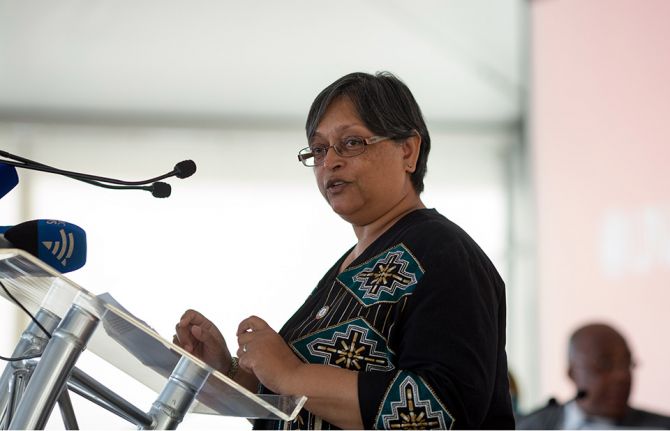
02 June 2020 02 June 2020GENEVA, 2 June 2020—UNAIDS congratulates Quarraisha Abdool Karim, the Associate Scientific Director of the Centre for the AIDS Programme of Research in South Africa (CAPRISA), for being awarded the prestigious Christophe Mérieux Prize for 2020. Bestowed by the Christophe and Rodolphe Mérieux Foundation to support research into infectious diseases in developing countries, the award is chosen by the Institut de France, based on proposals from the foundation, and comes with a 500 000 euro prize to support further research.
“I am proud to congratulate Professor Quarraisha Abdool Karim, a vital member of the UNAIDS family, on this incredible achievement,” said Winnie Byanyima, Executive Director of UNAIDS. “This award recognizes the vital work that Professor Abdool Karim and her team have been doing over many years of the AIDS response. That work has led to a better understanding of what women and adolescent girls need to protect themselves against HIV, bringing hope for an AIDS-free generation.”
Professor Abdool Karim is one of the world’s leading AIDS researchers, with pioneering contributions in understanding the evolving HIV epidemic among young women while also advocating for the rights of people living with and affected by HIV. She has a long history of engagement with UNAIDS, is the UNAIDS Special Ambassador for Adolescents and HIV and is a Co-Chair of the UNAIDS Advisory Group, which is providing support to the UNAIDS Executive Director on the future of the AIDS response and the role of UNAIDS within it.
Professor Abdool Karim, who is a professor of clinical epidemiology, was the principal investigator in the landmark CAPRISA 004 tenofovir gel trial, which in 2010 provided proof of concept for microbicides as a tool for preventing HIV among women.
UNAIDS
The Joint United Nations Programme on HIV/AIDS (UNAIDS) leads and inspires the world to achieve its shared vision of zero new HIV infections, zero discrimination and zero AIDS-related deaths. UNAIDS unites the efforts of 11 UN organizations—UNHCR, UNICEF, WFP, UNDP, UNFPA, UNODC, UN Women, ILO, UNESCO, WHO and the World Bank—and works closely with global and national partners towards ending the AIDS epidemic by 2030 as part of the Sustainable Development Goals. Learn more at unaids.org and connect with us on Facebook, Twitter, Instagram and YouTube.
Press Statement
UNAIDS celebrates the life of pioneer AIDS activist Larry Kramer
28 May 2020 28 May 2020Founder of Gay Men’s Health Crisis, ACT UP and award-winning playwright sadly dies aged 84
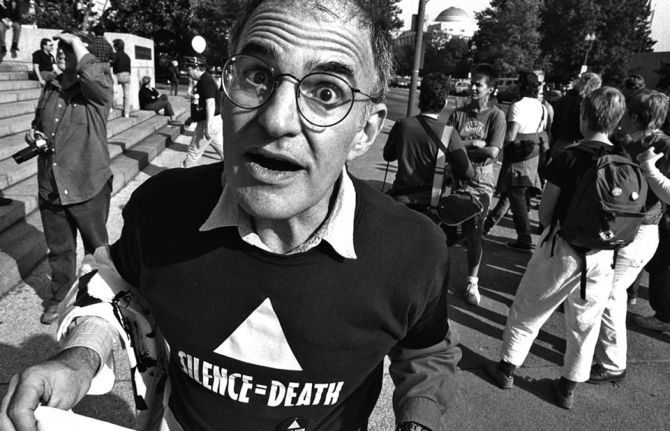
GENEVA, 28 May 2020—The AIDS movement has lost one of its earliest and leading activists, Larry Kramer, who passed away on 27 May 2020 in New York City. Mr Kramer was one of the first to raise the alarm in the United States of America about the spread of the AIDS epidemic and throughout his life he actively rallied support to accelerate research into treatment and support for people living with HIV.
“Larry Kramer was a remarkable leader and activist whose actions helped to save the lives of millions of people living with HIV around the world,” said Winnie Byanyima, Executive Director of UNAIDS. “He was a passionate and committed disrupter who made change happen. He wasn’t afraid to provoke and shock leaders and officials to react, which is what was needed, and often still is needed to bring the reality of what was happening on the ground to the centre of media attention and political action.”
In 1982, enraged by seeing friends die from the disease, Mr Kramer co-founded Gay Men’s Health Crisis (GMHC) to accelerate action from the scientific community and government. GMHC was the first organization to offer support to people living with and affected by HIV and on its first day of operation its AIDS-hotline received more than 100 calls asking for advice and help. Based in New York City, GMHC continues to fight to end the AIDS epidemic and uplift the lives of all affected.
In 1987, Mr Kramer helped to found ACT UP, the AIDS Coalition to Unleash Power. ACT UP took a radical approach to AIDS activism, staging demonstrations, protests and die-ins at pharmaceutical companies, in churches, on Wall Street and Broadway and at government institutions. ACT UP’s campaigning helped to spur progress in research for experimental medicines for HIV treatment and make them available more quickly and more equitably, and at an affordable price. Today, ACT UP is an international, grassroots political group working to end AIDS and improve the lives of people living with and affected by HIV through direct action, medical research, treatment and advocacy, and is working to change legislation and public policies.
Mr Kramer was also a celebrated playwright and novelist, and a leading gay rights activist. He won a series of awards for his screenplays and plays, including a Tony award for his autobiographical play, “The Normal Heart," which tells the story of the AIDS crisis in New York City in the early 1980s.
UNAIDS shares its deep sadness and offers condolences to his husband and all who knew and loved him. He will be sadly missed.
UNAIDS
The Joint United Nations Programme on HIV/AIDS (UNAIDS) leads and inspires the world to achieve its shared vision of zero new HIV infections, zero discrimination and zero AIDS-related deaths. UNAIDS unites the efforts of 11 UN organizations—UNHCR, UNICEF, WFP, UNDP, UNFPA, UNODC, UN Women, ILO, UNESCO, WHO and the World Bank—and works closely with global and national partners towards ending the AIDS epidemic by 2030 as part of the Sustainable Development Goals. Learn more at unaids.org and connect with us on Facebook, Twitter, Instagram and YouTube.
Press centre
Download the printable version (PDF)

Press Statement
UNAIDS welcomes new tool for HIV prevention for gay men and other men who have sex with men and transgender women
19 May 2020 19 May 2020Ground-breaking new study shows the efficacy of a long-acting injectable to prevent HIV
GENEVA, 19 May 2020—UNAIDS warmly welcomes the announcement that the long-acting injectable cabotegravir is safe and effective in preventing HIV among gay men and other men who have sex with men and transgender women. The HIV Prevention Trials Network (HPTN) 083 study enrolled almost 4600 HIV-negative people from across more than 40 sites in North and South America, Asia and Africa.
“This is a breakthrough that will have a significant impact on the lives of gay men and other men who have sex with men and transgender women when they are at higher risk of HIV infection.” said Shannon Hader, UNAIDS Deputy Executive Director, Programme. “We are particularly pleased that the study met its targets to recruit substantial numbers of younger black men who have sex with men and transgender women, the very people for whom accessing effective HIV prevention still remains a huge challenge.”
In 2018, UNAIDS estimates that there were 1.7 million new HIV infections, 54% of which were among key populations and their partners, including gay men and other men who have sex with men, transgender women, sex workers, people who inject drugs, people in prison, clients of sex workers and sex partners of other key populations.
Pre-exposure prophylaxis (PrEP)—HIV-negative people using antiretroviral medicine to prevent HIV infection—is an important element in the HIV combination prevention toolkit. PrEP allows people to reduce their risk of becoming infected with HIV, particularly during periods of increased risk in their lives. It may also provide reassurance and reduce anxieties when the risks are uncertain.
Once it has passed regulatory approval, and when production of affordable cabotegravir can be scaled up, gay men and other men who have sex with men will have the choice of three highly effective ways to use PrEP to prevent HIV infection: daily pills, pills taken before and after sexual activity (event-driven PrEP) or an injection every two months. Transgender women will be able to choose between injections or daily pills, since the World Health Organization does not recommend event-driven PrEP because of possible drug interactions with some hormones. Injections of cabotegravir every two months are an important option for people who find it hard to take a pill every day, yet remain vulnerable to HIV infection.
The trial was scheduled to continue for at least another year, but the first interim analysis of the data was brought forward a few weeks because of the potential disruption that the COVID-19 pandemic might cause to high-quality clinical trial procedures. The Data and Safety Monitoring Board (DSMB) in the United States of America reviewed the data up to March 2020 and found that there was already clear evidence that cabotegravir was highly effective and not inferior to the currently recommended oral PrEP regimen.
Half of the study group were given oral PrEP and were injected with a placebo; the other half were given a cabotegravir injection and took a placebo pill. The study found a total of 12 HIV infections in the group using the injectable compared to 38 in the group taking the daily pill. The side-effects of both treatments were relatively mild, with only 2.2% of people in the injection group choosing to stop having the injections because of painful reactions. The DSMB therefore recommended that the study be halted and that all participants be notified of the result. The participants will be able to choose which regimen they wish to continue on.
Despite good adherence in the oral group and very few discontinuations in the injection group, the overall incidence of HIV infection in the study was 0.79 per 100 person-years. Planned analyses will explore why those 50 infections occurred among the 4565 trial participants.
An additional study (HPTN 084) is ongoing to establish the efficacy of the long-lasting injectable in non-transgender women. To date, more than 3000 sexually active women in seven African countries have enrolled in the study. Those results are expected in November.
“We are eagerly awaiting the results of the ongoing HPTN 084 study among African women,” said Dr Hader. “We hope that by the end of this year there will be equally good news for women around the world.”
HTPN 083 was conducted by the HPTN and funded by ViiV Healthcare and the United States National Institute of Allergy and Infectious Diseases. Cabotegravir has not yet been approved for the treatment or prevention of HIV as a single agent by regulatory authorities anywhere in the world. ViiV Healthcare plans to use the data from HPTN 083 for future regulatory submissions.
UNAIDS congratulates the research teams and urges continued investment in research and development for HIV vaccines, diagnostics, preventative medicines, treatment and a cure.
UNAIDS
The Joint United Nations Programme on HIV/AIDS (UNAIDS) leads and inspires the world to achieve its shared vision of zero new HIV infections, zero discrimination and zero AIDS-related deaths. UNAIDS unites the efforts of 11 UN organizations—UNHCR, UNICEF, WFP, UNDP, UNFPA, UNODC, UN Women, ILO, UNESCO, WHO and the World Bank—and works closely with global and national partners towards ending the AIDS epidemic by 2030 as part of the Sustainable Development Goals. Learn more at unaids.org and connect with us on Facebook, Twitter, Instagram and YouTube.
Contact
UNAIDS GenevaSophie Barton-Knott
tel. +41 79 514 6896
bartonknotts@unaids.org
UNAIDS Media
tel. +41 22 791 4237
communications@unaids.org
Resources
Press centre
Download the printable version (PDF)
Press Statement
UNAIDS urges governments to ensure that HIV service providers from community-led organizations are recognized as essential service providers in the context of COVID-19
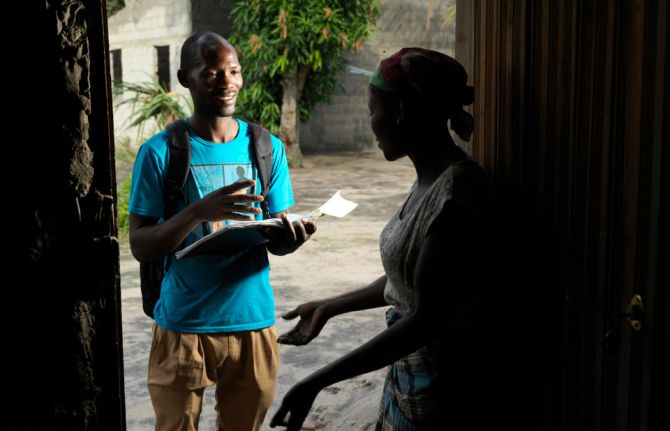
18 May 2020 18 May 2020GENEVA, 18 May 2020—A cornerstone of the response to HIV, community-led health service delivery has become even more critical in the context of COVID-19, as the needs of marginalized community members and the burden on the health sector are increasing, making it vital that continued provision of HIV, tuberculosis and other health services is secured. Community-led organizations are providing a lifeline to underserved, marginalized and hard-to-reach populations around the world.
Physical distancing restrictions have created significant challenges for those needing to access essential services, creating an increased burden on community organizations, which are at the centre of service delivery.
UNAIDS recognizes that community organizations have an unparalleled depth of experience in creating and delivering responses to health and human rights crises within their communities. The many community-led networks and groups that emerged to respond to HIV possess immense practical experience, organizational strength and unparalleled community access for facilitating the delivery of life-saving support, and for influencing people’s real-life practices to better protect their health.
Community-led networks and organizations have also developed important working relationships and roles within health and community systems, including in coordination and task-shifting functions. As evidenced in many countries, these capacities can, with proper support, be deployed to facilitate the provision of COVID-19 information, prevention, testing and linkages to care. Yet without formal recognition of the essential nature of their work, they face significant barriers to continuing to provide services. It is the view of UNAIDS that it is critical to the COVID-19 response and to mitigating broader health impacts of the pandemic that community-led organizations be supported to continue to provide essential services and have the protective equipment and safe policy environment necessary to do so.
The role of community-led organizations must be appropriately recognized and supported in the context of COVID-19. They must be factored into all aspects of planning, design and implementation of interventions to combat both COVID-19 and the efforts required to mitigate the impact of COVID-19 on other health areas, including HIV and tuberculosis. In particular, and as first steps in this effort, UNAIDS urges COVID-19 crisis committees at the national and district levels to:
- Include the workforce of community-led health care services into the lists of essential service providers and treat them as equivalent to health-care providers.
- Design physical distancing restrictions and policies in ways that allow community-led services to continue operating safely. Essential services include, but are not limited to, the physical provision of HIV, tuberculosis and COVID-19 and other health services that include prevention commodities, including condoms, lubricants, clean needles and opioid substitution therapy, contraceptives, hygiene kits, test kits, medication, triage and linkage to care, adherence support, packages of food and other essentials, the provision of legal services and protection for survivors of gender-based violence and other forms of violence and discrimination. Particular attention needs to be paid to people with physical disabilities.
- Provide special authorization to relevant community-led service providers to move freely, with appropriate personal protective equipment, to deliver the services when and where needed.
- Ensure that community-led organizations, networks and groups be provided with personal protective equipment and training in order to protect themselves and their clients in the course of service delivery.
- Take urgent measures to ensure the security, and expansion, of existing funding for community-led organizations, so that those organizations can continue to provide services.
- Ensure inclusive and transparent governance of COVID-19 responses, with decision-making bodies that include representatives of community-led organizations, including those focused on gender, equity and human rights, to ensure that COVID-19 policies are designed to support the range of service providers and activities necessary for an effective and equitable response.
UNAIDS
The Joint United Nations Programme on HIV/AIDS (UNAIDS) leads and inspires the world to achieve its shared vision of zero new HIV infections, zero discrimination and zero AIDS-related deaths. UNAIDS unites the efforts of 11 UN organizations—UNHCR, UNICEF, WFP, UNDP, UNFPA, UNODC, UN Women, ILO, UNESCO, WHO and the World Bank—and works closely with global and national partners towards ending the AIDS epidemic by 2030 as part of the Sustainable Development Goals. Learn more at unaids.org and connect with us on Facebook, Twitter, Instagram and YouTube.
Our work
Press centre
Download the printable version (PDF)
Press Statement
UNAIDS calls on governments to stop arbitrary and discriminatory arrests of LGBTI people and to protect their human rights
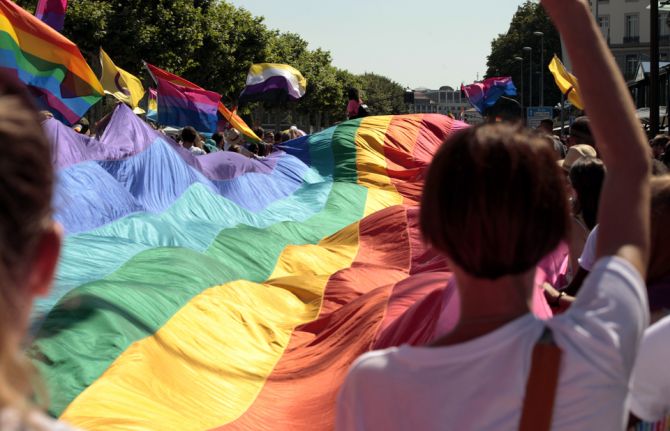
15 May 2020 15 May 2020GENEVA, 15 May 2020— Ahead of the International Day against Homophobia, Transphobia and Biphobia (IDAHOT), on 17 May, UNAIDS is calling on governments to immediately stop arbitrary and discriminatory arrests of lesbian, gay, bisexual, transgender and intersex (LGBTI) people based on their sexual orientation or gender identity and to enact laws to protect their human rights.
Since the start of the COVID-19 pandemic, there have been news reports of murders of transgender people in Puerto Rico, arrests of LGBTI people in Egypt, the United Republic of Tanzania and Uganda and increasing violence and abuse in Cameroon and the Republic of Korea.
“Arbitrary and discriminatory arrests and harassment of LGBTI people must stop,” said Winnie Byanyima, UNAIDS Executive Director. “The COVID-19 crisis has exposed and exacerbated the inequality, violence and abuse that LGBTI people face every day. We need to break the silence against these draconian laws, which only serve to further marginalize people,” she added.
As of December 2019, more than 70 countries criminalize same-sex sexual behaviour. Under the Universal Declaration of Human Rights and the 2030 Agenda for Sustainable Development, governments have a moral and legal obligation to remove those laws and to enact laws that protect people from discrimination.
A few weeks ago, UNAIDS and MPact released a 12-point plan to uphold the human rights of LGBTI people and ensure their inclusion in COVID-19 response strategies.
Globally, gay men and other men who have sex with men are 27 times more likely to be living with HIV than the general population. It is estimated that gay men and other men who have sex with men accounted for 18% of new HIV infections worldwide in 2017. Meanwhile, transgender women are 12 times more likely to acquire HIV than all adults of reproductive age. It is estimated that 0.1–1.1% of the global population is transgender and that 16.5% of transgender women are living with HIV.
IDAHOT, a worldwide celebration of sexual and gender diversity, has chosen the theme “Breaking the silence” for 2020 to commemorate the World Health Organization’s decision in 1990 to declassify homosexuality as a mental disorder.
The day represents a major global annual landmark to draw the attention of decision-makers, the media, the public, corporations, opinion leaders and local authorities to the alarming situation faced by people with diverse sexual orientations, gender identities or expressions and sexual characteristics.
“We need solidarity to save lives and we need to help build healthy communities and societies so they can respond to HIV, COVID-19 and the next pandemic,” Ms Byanyima added.
UNAIDS
The Joint United Nations Programme on HIV/AIDS (UNAIDS) leads and inspires the world to achieve its shared vision of zero new HIV infections, zero discrimination and zero AIDS-related deaths. UNAIDS unites the efforts of 11 UN organizations—UNHCR, UNICEF, WFP, UNDP, UNFPA, UNODC, UN Women, ILO, UNESCO, WHO and the World Bank—and works closely with global and national partners towards ending the AIDS epidemic by 2030 as part of the Sustainable Development Goals. Learn more at unaids.org and connect with us on Facebook, Twitter, Instagram and YouTube.

Press Statement
UNODC, WHO, UNAIDS and OHCHR joint statement on COVID-19 in prisons and other closed settings*
13 May 2020 13 May 2020Signed by Ghada Fathi Waly, Executive Director, UNODC; Tedros Adhanom Ghebreyesus, Director-General, WHO; Winnie Byanyima, Executive Director, UNAIDS; Michelle Bachelet, United Nations High Commissioner for Human Rights. — * We thank UNDP for their contributions to this statement.
We, the leaders of global health, human rights and development institutions, come together to urgently draw the attention of political leaders to the heightened vulnerability of prisoners and other people deprived of liberty to the COVID-19 pandemic, and urge them to take all appropriate public health measures in respect of this vulnerable population that is part of our communities.
Acknowledging that the risk of introducing COVID-19 into prisons or other places of detention varies from country to country, we emphasize the need to minimize the occurrence of the disease in these settings and to guarantee that adequate preventive measures are in place to ensure a gender-responsive approach and preventing large outbreaks of COVID-19. We equally emphasize the need to establish an up-to-date coordination system that brings together health and justice sectors, keeps prison staff well-informed and guarantees that all human rights in these settings are respected.
Reduce overcrowding
In the light of overcrowding in many places of detention, which undermines hygiene, health, safety and human dignity, a health response to COVID-19 in closed settings alone is insufficient. Overcrowding constitutes an insurmountable obstacle for preventing, preparing for or responding to COVID-19.
We urge political leaders to consider limiting the deprivation of liberty, including pretrial detention, to a measure of last resort, particularly in the case of overcrowding, and to enhance efforts to resort to non-custodial measures. These efforts should encompass release mechanisms for people at particular risk of COVID-19, such as older people and people with pre-existing health conditions, as well as other people who could be released without compromising public safety, such as those sentenced for minor, non-violent offences, with specific consideration given to women and children.
A swift and firm response aimed at ensuring healthy and safe custody, and reducing overcrowding, is essential to mitigate the risk of COVID-19 entering and spreading in prisons and other places of deprivation of liberty. Increasing cleanliness and hygiene in places of deprivation of liberty is paramount in order to prevent the entry of, or to limit the spread of, the virus.
Compulsory detention and rehabilitation centres, where people suspected of using drugs or engaging in sex work are detained, without due process, in the name of treatment or rehabilitation should be closed. There is no evidence that such centres are effective in the treatment of drug dependence or rehabilitation of people and the detention of people in such facilities raises human rights issues and threatens the health of detainees, increasing the risks of COVID-19 outbreaks.
Ensuring health, safety and human dignity
All states are required to ensure not only the security, but also the health, safety and human dignity, of people deprived of their liberty and of people working in places of detention at all times. This obligation applies irrespective of any state of emergency.
Decent living and working conditions as well as access to necessary health services free of charge form intrinsic elements of this obligation. There must be no discrimination on the basis of the legal or any other status of people deprived of their liberty. Health care in prisons, including preventive, supportive and curative care, should be of the highest quality possible, at least equivalent to that provided in the community. Priority responses to COVID-19 currently implemented in the community, such as hand hygiene and physical distancing, are often severely restricted or not possible in closed settings.
Ensuring access to continued health services
Prison populations have an overrepresentation of people with substance use disorders, HIV, tuberculosis (TB) and hepatitis B and C compared to the general population. The rate of infection of diseases in such a confined population is also higher than among the general population. Beyond the normal infectivity of the COVID-19 pandemic, people with substance use disorders, HIV, hepatitis and TB may be at increased risk of complications from COVID-19.
To ensure that the benefits of treatments started before or during imprisonment are not lost, provisions must be made, in close collaboration with public health authorities, to allow people to continue their treatments without interruption at all stages of detention and upon release. Countries should embrace a health systems approach, where prisons are not separated from the continuity-of-care pathway but integrated with community health services.
Enhancing prevention and control measures in closed settings as well as increasing access to quality health services, including uninterrupted access to the prevention and treatment of HIV, TB, hepatitis and opioid dependence, are therefore required. Authorities must ensure uninterrupted access and flow of quality health commodities to prisons and other places of detention. Staff, health-care professionals and service providers working in closed settings should be recognized as a crucial workforce for responding to the COVID-19 pandemic and receive appropriate personal protective equipment and support as necessary.
Respect human rights
In their responses to COVID-19 in closed settings, states must respect the human rights of people deprived of their liberty. Restrictions that may be imposed must be necessary, evidence-informed, proportionate (i.e. the least restrictive option) and non-arbitrary. The disruptive impact of such measures should be actively mitigated, such as through enhanced access to telephones or digital communications if visits are limited. Certain fundamental rights of people deprived of their liberty and corresponding safeguards, including the right to legal representation, as well as the access of external inspection bodies to places of deprivation of liberty, must continue to be fully respected.
Adhere to United Nations rules and guidance
We urge political leaders to ensure that COVID-19 preparedness and responses in closed settings are identified and implemented in line with fundamental human rights, are guided by World Health Organization (WHO) guidance and recommendations and never amount to torture and other cruel, inhuman or degrading treatment or punishment. In prisons, any intervention should comply with the United Nations Standard Minimum Rules for the Treatment of Prisoners (the Nelson Mandela Rules).
People deprived of their liberty exhibiting symptoms of COVID-19 or who have tested positive should be monitored and treated in line with the most recent WHO guidelines and recommendations. Prisons and other places of detention must be part of national COVID-19 plans with dedicated participation of affected populations. All cases of COVID-19 in closed settings should be notified to responsible public health authorities, who will then report to national and international authorities.
In line with our mandates, we remain available to provide support in the rapid deployment of the recommendations outlined above.
This document is available in Arabic, Chinese, French, Portuguese, Russian and Spanish.
UNAIDS
The Joint United Nations Programme on HIV/AIDS (UNAIDS) leads and inspires the world to achieve its shared vision of zero new HIV infections, zero discrimination and zero AIDS-related deaths. UNAIDS unites the efforts of 11 UN organizations—UNHCR, UNICEF, WFP, UNDP, UNFPA, UNODC, UN Women, ILO, UNESCO, WHO and the World Bank—and works closely with global and national partners towards ending the AIDS epidemic by 2030 as part of the Sustainable Development Goals. Learn more at unaids.org and connect with us on Facebook, Twitter, Instagram and YouTube.
Our work
Press centre
Download the printable version (PDF)
Press Statement
UNAIDS calls on Hungary to respect the rights of transgender people
08 May 2020 08 May 2020GENEVA, 8 May 2020—Both international and European human rights bodies have affirmed the right of people to legally change their gender and name to match their gender identity, recognizing that the right is fundamental to the enjoyment of many other rights. UNAIDS is therefore concerned that the Government of Hungary is proposing to remove the right of the people of Hungary to legally change their gender on legal documents.
The 2016 United Nations General Assembly High-Level Political Declaration on Ending AIDS recognizes that such legislative discrimination can create barriers to people’s health and well-being, barriers that governments have committed to removing. The proposed change to the Hungarian Registry Act would replace the term “sex/gender” with the term “birth sex”, defined as “biological sex based on primary sex characteristics and chromosomes”, and will not allow changes to “birth sex” once recorded. A step such as this has the potential to cause serious harm.
UNAIDS is also concerned that the proposed changes are being made using emergency powers at a time where communities are unable to effectively protest against the proposed legislation or participate in public discussions on it, thus circumventing proper democratic processes and the right to political participation. Especially during the COVID-19 pandemic, the focus should be on removing barriers to health care, not building them.
“All countries have an obligation to empower people to be recognized for who they are, without discrimination or stigma. I encourage all countries to continue to ensure that people are able to legally change their gender and name,” said Winnie Byanyima, UNAIDS Executive Director.
Stigma and discrimination, including discriminatory laws, against transgender people has been shown to increase violence, abuse and harassment against transgender people and to cause significant harm to their physical and mental health and well-being, their inclusion in society and their ability to access work and education. Transgender people are 12 times more at risk of acquiring HIV than other people and are being left behind in their access to HIV testing, treatment and care services. Evidence shows that where people are able to legally change their gender and name, they experience less discrimination, violence and stigma and have greater inclusion in society.
UNAIDS recommends that countries provide for legal gender recognition, with clear processes and requirements that are in line with international human rights obligations.
“This proposed step from the government traumatizes the transgender, gender diverse and intersex community. It puts people at risk of stigma, discrimination, abuse, harassment and violence for who they are,” said Barnabás Hidasi, of the Transvanilla Transgender Association.
UNAIDS
The Joint United Nations Programme on HIV/AIDS (UNAIDS) leads and inspires the world to achieve its shared vision of zero new HIV infections, zero discrimination and zero AIDS-related deaths. UNAIDS unites the efforts of 11 UN organizations—UNHCR, UNICEF, WFP, UNDP, UNFPA, UNODC, UN Women, ILO, UNESCO, WHO and the World Bank—and works closely with global and national partners towards ending the AIDS epidemic by 2030 as part of the Sustainable Development Goals. Learn more at unaids.org and connect with us on Facebook, Twitter, Instagram and YouTube.
Contact
UNAIDS GenevaSophie Barton-Knott
tel. +41 79 514 68 96
bartonknotts@unaids.org
UNAIDS Media
tel. +41 22 791 4237
communications@unaids.org
Press centre
Download the printable version (PDF)
Region/country

Press Statement
UNAIDS calls for increase in health spending and social protection as an essential part of the economic response to COVID-19
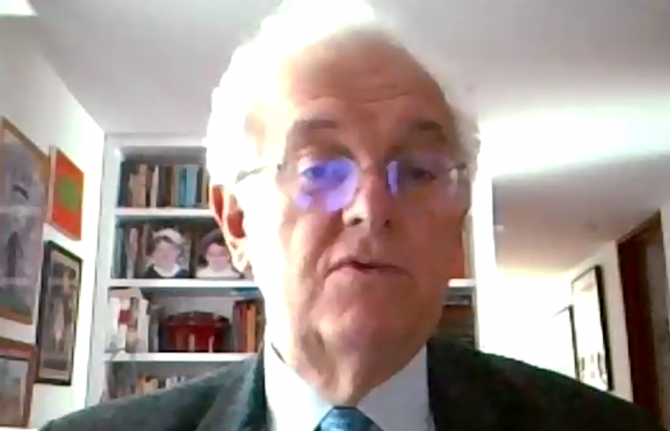
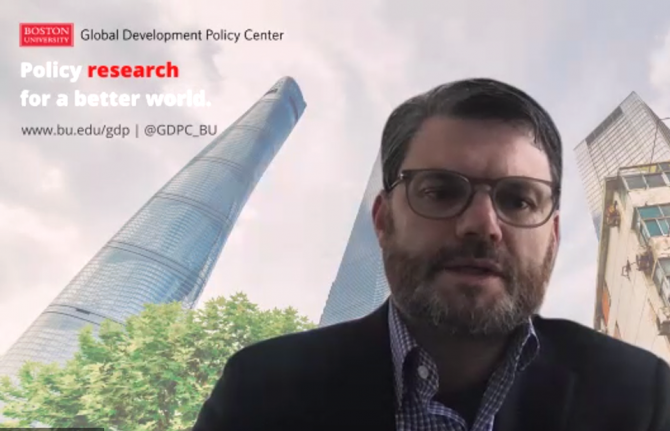
17 April 2020 17 April 2020UNAIDS Executive Director Winnie Byanyima’s statement on the economic response to COVID-19 during an online event held on 16 April 2020 cosponsored by the Global Development Policy Center and the United Nations Conference on Trade and Development
COVID-19 is killing people. However, the scale and the consequences of the pandemic are man-made.
It was not inevitable that there would be thousands of lives lost and millions of livelihoods destroyed. Those losses are the result of the extreme inequality that is hardwired into our global economy.
The steepness of the mortality curves, the depth of the economic losses and the social upheavals in different countries are the consequences of our policy choices, a function of the economic model that we have created.
COVID-19 has pushed the world into a recession. The International Monetary Fund is reporting that the great lockdown is going to be worse than the global financial crisis of 2008. According to the International Labour Organization, COVID-19 is expected to wipe out the equivalent of 195 million full-time jobs.
As we know from the HIV epidemic, epidemics wreak havoc in an unequal world. They feed off existing inequalities and hit the most vulnerable and marginalized the hardest—those who have no access to health care, who have no social safety net, who have no right to sick leave or who have no water with which to wash their hands. The people whose right to health is denied are those who are hit first and hit the hardest.
When governments prioritize privatized health-care systems over publicly funded universal health care they are making a choice, they are saying that the right to health becomes a privilege for the few who can afford it. When an epidemic hits, that choice translates into a decision about who will live and who will die. Those with the privilege of access to health care live, those without, die.
Governments must invest in universal social protection. In poor communities around the world, we are hearing: “If we cannot work, we will die of hunger before we get sick from the coronavirus.” This is a choice no one should have to make. This health crisis is rapidly becoming a food crisis.
Across our economy, we see business models that rely on workforces that are not protected. Models that exploit workers and suppliers, that do not support or protect them.
The climate crisis is another consequence of our rigged economic model, exploitative of the ecosystems on which we depend. And again, it is the poorest, those least responsible for the exploitation, who are the hardest hit. Right now in the Pacific, people are not only struggling against COVID-19 but are recovering from the aftermath of Cyclone Harold.
None of this is an accident. It is by design. Earlier, I said that we are living with man-made choices, and in many ways they are MAN-made. It is men who still dominate corporate boardrooms and the corridors of political power, while it is women who take the biggest burden of caring for others—women who must look after sick relatives in a pandemic or who walk further to find drinking water.
But the story is not all bleak. We are seeing some silver linings; some lessons are being learned. We are seeing more awareness of the importance of health and social protection. This means that if we are to recover, we must reset—we can’t go back to where we were.
We are seeing some countries imposing what they are calling solidarity taxes on big businesses and on wealthy individuals. We are hearing about cancellation of student debt, health fees being waived, including user fees, and more support for carers. This is a new agenda.
However, we are seeing other countries moving in a different direction—tax cuts for the rich, bailouts for big companies, without any guarantee that those bailouts are going to translate into support for the workers and suppliers on the ground. So, we are seeing different signals.
Health spending and social protection must be increased. This could be the basis for the rebuilding, not so that it’s not just a patch-up with bailouts.
We must come out of this crisis differently, with a determination to change the economic model. We need a Global Green New Deal, where the stimulus is invested in people and in the planet.
A new economic model that expands universal health coverage and universal social protection to all, that boosts decent work and pays decent wages, where the rewards are distributed across the whole supply chain and every stakeholder benefits equitably. And a model in line with the Paris Agreement on climate change.
We have a chance to make different choices and I am praying that world leaders will decide to make different choices.
UNAIDS
The Joint United Nations Programme on HIV/AIDS (UNAIDS) leads and inspires the world to achieve its shared vision of zero new HIV infections, zero discrimination and zero AIDS-related deaths. UNAIDS unites the efforts of 11 UN organizations—UNHCR, UNICEF, WFP, UNDP, UNFPA, UNODC, UN Women, ILO, UNESCO, WHO and the World Bank—and works closely with global and national partners towards ending the AIDS epidemic by 2030 as part of the Sustainable Development Goals. Learn more at unaids.org and connect with us on Facebook, Twitter, Instagram and YouTube.
Press Statement
UNAIDS condemns misuse and abuse of emergency powers to target marginalized and vulnerable populations
09 April 2020 09 April 2020GENEVA, 9 April 2020—UNAIDS is deeply concerned by reports that the COVID-19 epidemic is being used as an excuse to target marginalized and vulnerable populations, restrict civil society space and increase police powers. In particular, UNAIDS is extremely concerned by reports of new laws that restrict rights and freedoms and target criminalized groups in a manner that will harm the rights and health of people living with or vulnerable to HIV.
“In times of crisis, emergency powers and agility are crucial; however, they cannot come at the cost of the rights of the most vulnerable,” said Winnie Byanyima, Executive Director of UNAIDS. “Checks and balances that are the cornerstone of the rule of law must be exercised in order to prevent misuse of such powers. If not, we may see a reversal of much of the progress made in human rights, the right to health and the AIDS response.”
Experience from past and present epidemics shows clearly that an effective response to health crises such as COVID-19 must be deeply rooted in trust, human solidarity and unwavering respect for human rights. However, reports have recently emerged that some countries are using emergency powers or public health justifications to restrict rights related to personal autonomy, gender identity, freedom of speech and sexual and reproductive health and rights. There have also been concerning reports of increases in criminal penalties in relation to HIV transmission, exposure and non-disclosure and the use of police powers to target, through arrests and brutality, vulnerable and criminalized groups, such as sex workers, people who use drugs, people living with HIV and lesbian, gay, bisexual, transgender and intersex (LGBTI) people.
In Hungary, a new bill has been introduced to remove the right of people to change their gender and name on official documents in order to ensure conformity with their gender identity, in clear breach of international human rights to legal recognition of gender identity.
In Poland, a fast-tracked amendment to the criminal law that increases the penalties for HIV exposure, non-disclosure and transmission to at least six months in prison and up to eight years in prison has been passed—a clear contravention of international human rights obligations to remove HIV-specific criminal laws.
UNAIDS is concerned by reports of countries resorting to the use of criminal law, such as the criminalization of the transmission of COVID-19, and arresting and detaining people for breaching restrictions. Our experience in the HIV epidemic is that criminalization of virus transmission leads to significant human rights violations, undermines the response and is not based on science. The ability to prove actual transmission from one person to another, as well as necessary intent, is almost impossible and fails to meet rule of law requirements for criminalization. Criminalization is often implemented against vulnerable and stigmatized communities. In Uganda, 23 people connected with a shelter for providing services for the LGBTI community have been arrested—19 have been charged with a negligent act likely to spread infection or disease. Those 19 are being held in prison without access to a court, legal representation or medication.
UNAIDS is also concerned by reports from a number of countries of police brutality in enforcing measures, using physical violence and harassment and targeting marginalized groups, including sex workers, people who use drugs and people who are homeless. The use of criminal law and violence to enforce movement restrictions is disproportionate and not evidence-informed. Such tactics have been known to be implemented in a discriminatory manner and have a disproportionate effect on the most vulnerable: people who for whatever reason cannot stay at home, do not have a home or need to work for reasons of survival.
In Kenya, civil society organizations, prompted by concerns about actions being not consistent with a human-rights based epidemic response, released an advisory opinion calling for a human rights-based approach to be adopted in the COVID-19 response and have released a letter calling for a focus on community engagement and what works for prevention and treatment rather than disproportionate and coercive approaches.
While some rights may be limited during an emergency in order to protect public health and safety, such restrictions must be for a legitimate aim—in this case, to contain the COVID-19 pandemic. They must be proportionate to that aim, necessary, non-arbitrary, evidence-informed and lawful. Each order/law or action by law enforcement must also be reviewable by a court of law. Law enforcement powers must likewise be narrowly defined, proportionate and necessary.
UNAIDS urges all countries to ensure that any emergency laws and powers are limited to a reasonable period of time and renewable only through appropriate parliamentary and participatory processes. Strict limits on the use of police powers must be provided, along with independent oversight of police action and remedies through an accountability mechanism. Restrictions on rights relating to non-discrimination on the basis of HIV status, sexual and reproductive health, freedom of speech and gender identity detailed above do not assist with the COVID-19 response and are therefore not for a legitimate purpose. UNAIDS calls on countries to repeal any laws put in place that cannot be said to be for the legitimate aim of responding to or controlling the COVID-19 pandemic.
UNAIDS
The Joint United Nations Programme on HIV/AIDS (UNAIDS) leads and inspires the world to achieve its shared vision of zero new HIV infections, zero discrimination and zero AIDS-related deaths. UNAIDS unites the efforts of 11 UN organizations—UNHCR, UNICEF, WFP, UNDP, UNFPA, UNODC, UN Women, ILO, UNESCO, WHO and the World Bank—and works closely with global and national partners towards ending the AIDS epidemic by 2030 as part of the Sustainable Development Goals. Learn more at unaids.org and connect with us on Facebook, Twitter, Instagram and YouTube.