


Feature Story
PrEParing for the next chapter of HIV prevention in Myanmar
19 September 2022
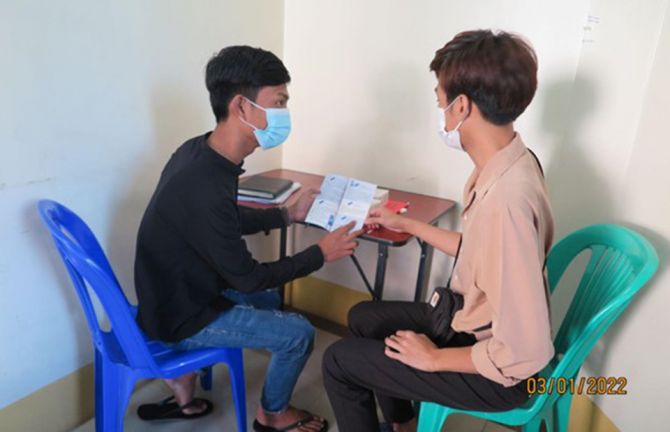
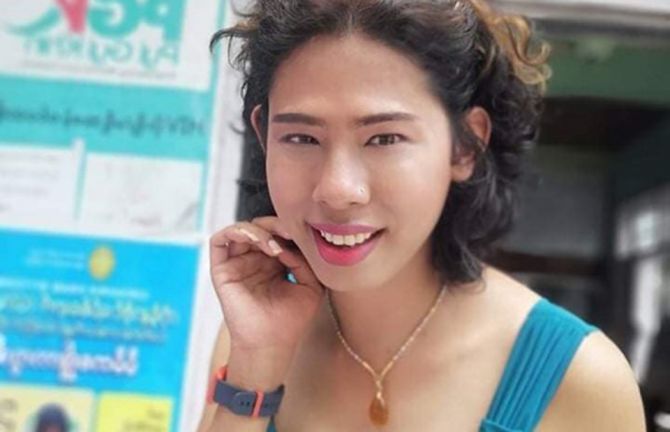
19 September 2022 19 September 2022Two young men are sitting on a couch scrolling on their phones when May Oo, a famous makeup artist and lesbian, gay, bisexual, transgender, and queer (LGBTQ) activist in Myanmar, joins them wearing a face mask and carrying a bag of drinks. He announces that a friend who works at an HIV clinic in Yangon told him that pre-exposure prophylaxis, or PrEP, is now available in Myanmar. As one friend is unaware of PrEP, May Oo shares his knowledge, also informing anyone else wo would like to listen in.
This scene, from a video shared on the Facebook pages of implementing partners of the USAID HIV/AIDS Flagship (UHF) Project, is one of several to raise awareness and demand PrEP as a prevention tool for men who have sex with men and transgender women in Myanmar. In these videos by celebrated members of the LGBTQ community and other educational posts, questions covered include what PrEP is, why it should be taken, and where to get it. As May Oo’s friend in the video puts it, ‘PrEP is a drug that can prevent HIV.’
Since 2016, PrEP has been included as a priority intervention in Myanmar’s National Strategic Plan on HIV/AIDS following recommendation by the World Health Organization that it be used as an essential part of HIV prevention services. It was also an objective of the UHF Project to introduce PrEP in Myanmar and integrate it into existing HIV services, since the project’s inception in August 2017.
The UHF Project, overseen by UNAIDS Myanmar and the non-governmental organisation Community Partners International, aims to develop, implement, and scale up innovative, cost-effective approaches to the HIV care cascade in Myanmar. As one of the innovative HIV prevention activities under the National Strategic Plan IV (2020-2025), the initial 18-month PrEP demonstration project began in July 2020 at three clinics in Yangon for men who have sex with men and transgender people.
Along with the pilot was a plan to expand the project for people who inject drugs in Kachin State since the UHF Project’s overarching goal is to foster interventions such as PrEP for Myanmar’s four key populations at highest risk for HIV—people who inject drugs, men who have sex with men, transgender people, and female sex workers in the five states and regions with the highest burden of HIV—Kachin and Shan States and Mandalay, Sagaing, and Yangon.
Formative assessments conducted prior to the inception of these PrEP services indicated that PrEP awareness in Myanmar was very low. Fewer than a quarter of focus group participants—comprised of men who have sex with men, transgender women, and people who inject drugs—had heard of PrEP prior to the assessment. Service providers interviewed as part of the assessments also described low PrEP awareness among their clients.
Once educated about PrEP, however, most study participants agreed that PrEP would benefit their communities and that people at risk would be interested and willing to take PrEP. Awareness raising and community education have been one of the UHF Project’s focuses to increase PrEP uptake in Myanmar.
That is where videos such as May Oo’s are important. By using celebrities, private chat groups, and informational posts alongside interactive follow up by service providers for recruitment of PrEP clients, implementing partners not only educate people at risk for HIV on PrEP as a prevention option but also address the stigma around it.
Respondents to a midterm analysis conducted one year into the PrEP project reported that Facebook was the primary source of PrEP information and education, as the potentially more effective approach of fully-fledged in-person outreach is not feasible in the country’s current situation.
‘There are many in rural areas who do not have access to or use social media platforms,’ reports Ma Shin Thant, a PrEP client and activist currently based in Mandalay for her work with transgender women. As PrEP is currently only available in Yangon, Ma Shin Thant is fortunate that she can afford access to required testing and PrEP delivery in Mandalay.
‘The next chapter of PrEP in Myanmar calls for greater political commitment, more resources, a decentralised and simplified delivery system, and innovative community-centred approaches to ensure access by populations who need PrEP,’ concurs Rangaiyan Gurumurthy, UNAIDS Myanmar Country Director. ‘Moving from the demonstration phase to reaching scale with epidemic impact is now necessary.’
Region/country

Feature Story
Nigeria calls for a successful 7th Global Fund Replenishment
12 September 2022
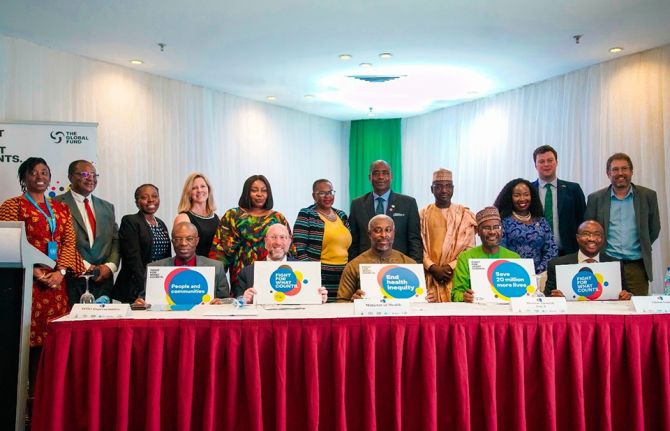
12 September 2022 12 September 2022Nigeria has hosted a meeting of key stakeholders in the country’s HIV and wider health response to call for a successful 7th Global Fund Replenishment meeting. The meeting took place in Abuja and included ambassadors of key donor and recipient countries and heads of United Nations agencies, including UNAIDS.
During the event, the Minister of State for Health, Ekumankama Joseph Nkama, expressed his appreciation for Nigeria’s partnership with the Global Fund to Fight AIDS, tuberculosis and malaria. He said Nigeria included one of the Global Fund’s most important recipients of Global Fund disbursements over the last 20 years and reiterated Nigeria’s commitment to increase domestic funding for health.
‘I applaud countries who have already made their pledges to the Global Fund including the United States, Germany, Japan and Luxemburg,” said Mr Nkama.” I encourage other countries to rise up to this noble call by increasing their pledge by at least 30% to enable the Global Fund to meet its target.” he concluded.
David Green, the United States chargé d’affaires commended the partnership with the Nigeria that had he said enabled an incredible acceleration of HIV treatment coverage, registering the largest treatment growth in the history of the HIV programme, despite the COVID 19 pandemic. This was made possible through national surge and alignment efforts that saw the aligning of technical and financial resources behind a single national programme for intensified case-finding, allowing rapid expansion of access to antiretroviral treatment.
‘Sustaining this success depends upon contributions to the Global Fund and all of us standing in solidarity to fight for what counts. We are close to the finish line, but with Nigeria still accounting for one out of seven children born globally with HIV, the race is not yet over,’ said Mr Green.
For the Global Fund, Linda Mafu, highlighted the importance of Nigeria.
“Nigeria is one of our most important portfolios at the Global Fund and achievement of our ambitious targets is critical both for the health of the people of Nigeria and the ability of the Fund to raise additional funding and make an impact at the global level in saving lives,” she said.
Leo Zekeng, UNAIDS country director reiterated the importance of the Global Fund in the collective global response to end AIDS as a public health threat by 2030 and called on countries to stand in solidarity for a successful 7th Global Fund Replenishment. ‘Investing in global health is not only the right thing to do but the smart thing to do as it guarantees a good return of investment. Every $1 invested in fighting AIDS, TB and malaria yields $31 in health and economic returns,” he added.
The Global Fund investment case of the 7th Replenishment conference was presented to those attending the meeting, highlighting the achievements of the investments and the remaining gaps in reducing the burden of HIV, tuberculosis and malaria. The 7th Global Fund Replenishment conference seeks to raise at least US$ 18 billion to save 20 million lives, reduce deaths associated with HIV, TB and Malaria by 65% and strengthen systems for health to build a healthier, more equitable world.
Region/country
Related
Feature Story
People living with HIV speak loudly and clearly at World Council of Churches Assembly
07 September 2022
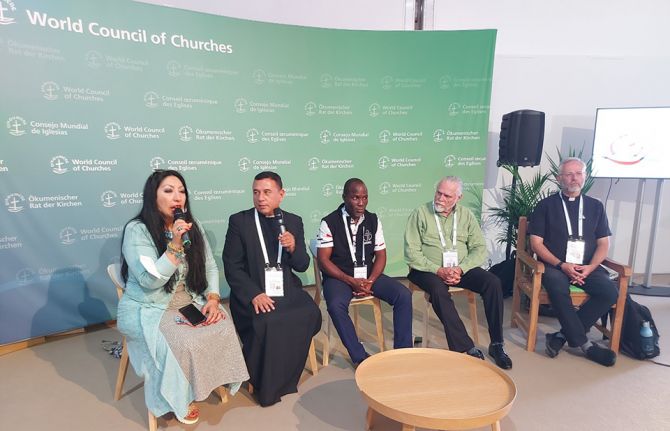
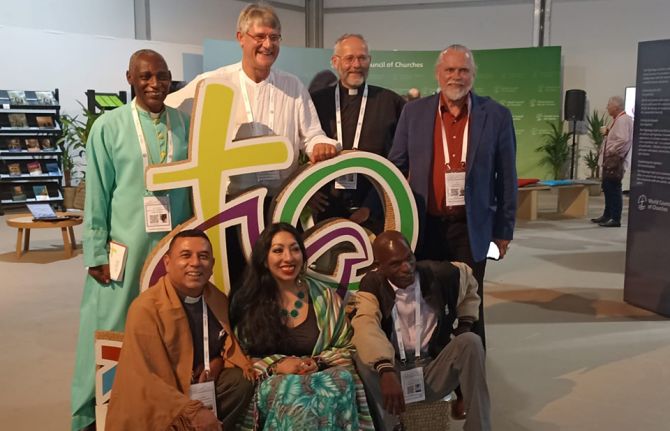
07 September 2022 07 September 2022The 11th Assembly of the World Council of Churches (WCC) is meeting in Karlsruhe, Germany, from August 31 to September 8, 2022. The WCC brings together delegates and participants from 345 denominations from around the world, representing more than 500 million Christians.
Faith leaders and activists living with HIV expressed huge concerns for the future of the HIV response. Young people continue to be exposed to HIV; women are experiencing violence in all forms. Governments are moving away from HIV and many ecumenical organizations too.
What we need is a continued engagement with people with HIV and those at risk.
My country depends on international aid, what if we stop having that support?”, said one faith leader.
Another said, “Adolescents and children are not staying on medication, they are getting sick and some of them are dying”. Time is running out for the HIV response, we have to help people to live and stay safe and healthy.
People with HIV in the WCC Assembly are speakers and are leading plenaries, workshops and ecumenical conversations. They are bringing attention to the role of the church and the ecumenical movement to continue responding to the HIV epidemic; not only in relation to HIV stigma, but also in advocacy for a sustainable response to HIV, gender justice, human sexuality and the work on HIV related intersectionality and inequalities. This is a matter of justice, love and reconciliation.
The third thematic plenary Affirming the wholeness of life, included input from Canon Gideon Byamugisha from Uganda. He spoke about the realities of young people exposed to HIV and the consequences of unequal access to COVID-19 vaccines, because of unfair patent systems. He shared his experience of receiving support from Bishop Samuel Ssekkadde in 1998 who was leading the Anglican Church in Uganda and how that support saved his life when he was about to die without access to HIV medications. For many people with HIV, that continues to be a reality today.
Canon Gideon Byamugisha is one of the founders of INERELA+ (International Network of Religious Leaders Openly Living or Affected by HIV). He asked the Assembly participants to adopt the targets of the Global AIDS Strategy: the 95-95-95 strategy, which means that 95% of people living with HIV should be tested, 95% of those, should be on treatment and 95% of those, should have undetectable viral load, meaning that they can no longer transmit HIV and can stay healthy.
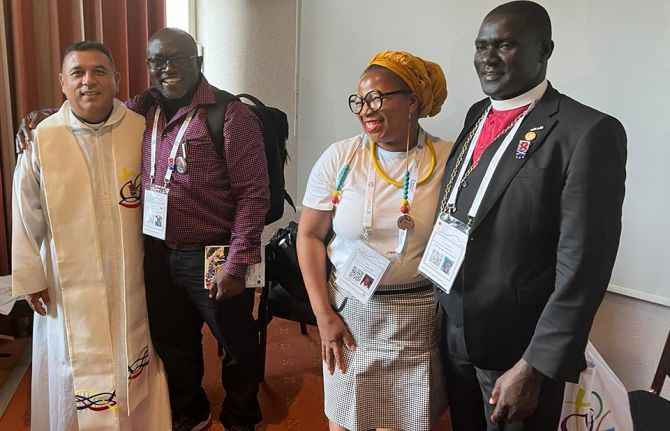
On September 2, five faith leaders openly living with HIV shared local experiences of churches responding to HIV stigma. In Argentina, some churches are taking care of transgender, indigenous women living with HIV; in Ghana, other churches are promoting the message of undetectable HIV = untransmitable HIV. In the United States, faith based organizations are providing affordable housing for people living with HIV who are transitioning out from rehabilitation or from the penitentiary system. Churches in Kenya are caring for children orphaned by HIV and they provide care and accompaniment for women who experienced sexual violence.
The workshop presented the results of a six-month case study recently completed by the WCC and Emory University. “We emphasize stigma because we know that it is a major driver of the HIV epidemic,” said Dr. David Barstow, one of the workshop organizers. “And we emphasize the role of local churches because of the influence they have on their members and on the rest of society. Local churches, indeed local communities of all faith traditions, are key to eliminating stigma and are therefore key to ending the epidemic.”
Some of the preliminary findings of the study refer to the role of people living with HIV who have a deeper understanding of stigma because of their lived experience. According to Professor John Blevins, who led the case study team, “…in the case study, when people living with HIV talk about stigma, they describe complexities that are often not apparent to people who do not live with HIV”
One faith leader said that “…despite my congregation’s commitment to stigma reduction, many people with HIV still feel uncomfortable disclosing our status.” The stigma was perceived as something that comes from those “on top” in the church. Another faith leader said, “Every time one of them dies, I die a little bit myself.”
The church and faith communities have much work to do in relation to HIV stigma. “We should be part of the healing hands of God to the world,” said Gracia Violeta Ross, a woman openly living with HIV, who is now leading the Ecumenical HIV & AIDS Initiatives and Advocacy in WCC. Canon Gideon Byamugisha said “…zero percent of our members should feel stigmatized. Surely, we want that going to church should be good for your health!”
Our work
Feature Story
UNAIDS launches new platform on ending HIV-related stigma and discrimination in the Asia and Pacific region
07 September 2022
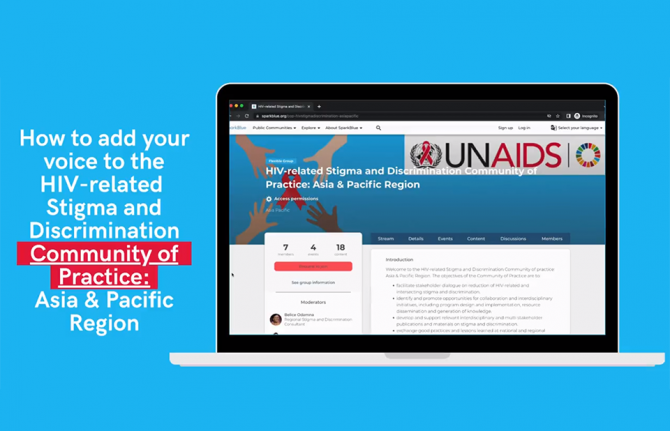
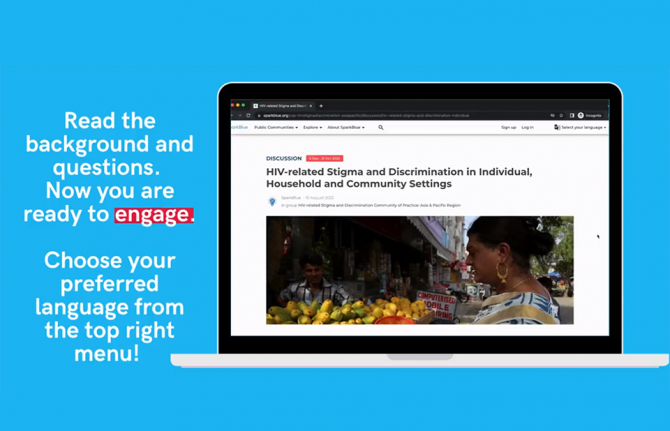
07 September 2022 07 September 2022Despite decades of advances in prevention and treatment, stigma and discrimination towards people living with HIV and key populations are a persistent barrier to addressing the epidemic. To encourage innovative approaches to address HIV-related stigma and discrimination in the region, UNAIDS has launched a new tool: the HIV-Related Stigma and Discrimination Community of Practice: Asia and Pacific Region.
HIV-related stigma and discrimination significantly impacts the health, lives and well-being of people living with or at risk of HIV, especially key populations. The Global AIDS Strategy 2021-2026 has prioritized the realization of human rights and elimination of stigma and discrimination by including new global targets that UN Member States have committed to as part of the 2021 Political Declaration. Yet, people living with HIV and key populations continue to face unfair treatment, rejection, abuse and even violence in various settings, including in their communities, healthcare, workplace, justice and education systems.
In Asia and the Pacific, which is the world’s most populous region, there were 6 million people living with HIV in 2021 and 86% of people living with HIV knew their status. Furthermore, amongst young people almost all new HIV infections are among key populations (gay men and other men who have sex with men, transgender people, sex workers, people who use drugs) and their sex partners who face many barriers in accessing HIV prevention and treatment services.
The online community of practice platform will capture and disseminate knowledge, experiences and innovative ideas and approaches to inform programming to reduce stigma and discrimination across the region.
“Relevant stakeholders working in the HIV response in Asia and the Pacific region are welcome to join the interactive platform and engage on the issues,” said Taoufik Bakkali, UNAIDS Regional Director for Asia and the Pacific. “Academics and researchers, communities of people living with or affected by HIV and of key populations, representatives of government ministries and other relevant government agencies, and civil society groups working on the HIV response are all encouraged to join and shape the conversation.”
The initiative is expected to foster south-south stakeholder dialogue and collaboration on interdisciplinary initiatives on programme design and implementation, the development and knowledge management of HIV-related stigma and discrimination and the creation of opportunities for peer learning and exchange of good practices and lessons learned.
“This platform provides an opportunity for all stakeholders to engage and shape responses to HIV-related stigma and discrimination while engaging communities in the process,” noted Harry Prabowo, the APN+ Program Manager. “This is an opportunity to link the science and evidence to innovative programming.”
Region/country
- Asia and Pacific
- Australia
- Bangladesh
- Bhutan
- Brunei Darussalam
- Cambodia
- China
- Democratic People's Republic of Korea
- Federated States of Micronesia
- Fiji
- India
- Indonesia
- Islamic Republic of Iran
- Japan
- Kiribati
- Lao People's Democratic Republic
- Malaysia
- Maldives
- Marshall Islands
- Mongolia
- Myanmar
- Nauru
- Nepal
- New Zealand
- Pakistan
- Palau
- Papua New Guinea
- Philippines
- Republic of Korea
- Singapore
- Solomon Islands
- Sri Lanka
- Thailand
- Timor-Leste
- Tonga
- Tuvalu
- Vanuatu
- Viet Nam
- Samoa
Related
Feature Story
Justice is never given, it is won: How Eastern Caribbean activists developed the successful strategy to defeat the laws which criminalised LGBT people.
31 August 2022
31 August 2022 31 August 2022For almost 150 years, to be gay in St. Kitts and Nevis was to be criminalised. What the colonial authorities inhumanely labelled “the abominable crime of buggery” has been part of law, with the effect of punishing, stigmatising, discriminating against and excluding LGBT people for who they are.
This week the Caribbean nation’s High Court ruled that provisions which criminalize private sexual acts between same-sex partners were unconstitutional; that criminalisation became, immediately, null and void.
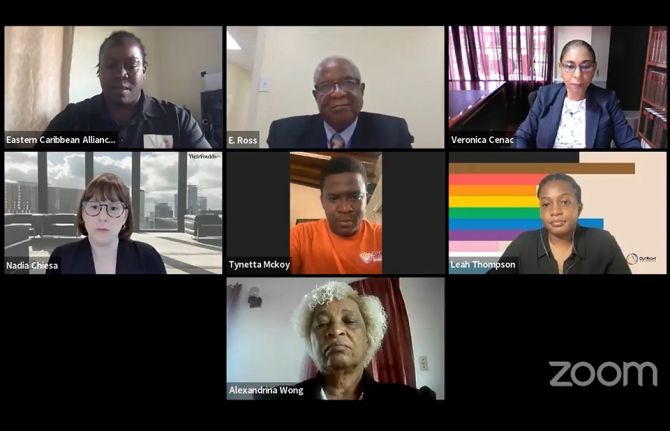
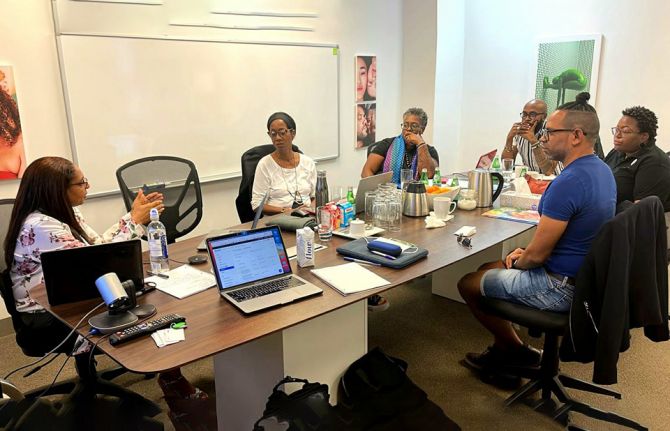
Attorney Nadia Chiesa noted that the St. Kitts and Nevis case set out several constitutional rights contravened by the criminal provisions: the rights to privacy, personal liberty, freedom from discrimination and freedom of expression.
“The evidence dealt not just with the legal arguments, but the myriad of ways in which the continued existence of these laws affects persons in the community in all of aspects of their lives,” Ms. Chiesa explained.
The claimants’ evidence spoke to issues commonly affecting members of the LGBT community in St. Kitts and Nevis. At the top of the list was “a tendency to avoid sexual health services, including being tested for HIV, for fear of being stigmatized by the health care providers or wider society”.
“We have had a situation where although HIV programs ought to be focused on key populations including men who have sex with men, there has been either a policy by certain governments not to pursue those approaches, or de facto non action on the part of state authorities responsible for providing services to these communities. That bit of evidence was very important in the case to buttress the legal arguments around discrimination,” explained Veronica Cenac, a St. Lucian attorney and one of the initiative’s leading strategists.
Now, with the law changed, comes the opportunity to improve a whole range of services. The legal change will save and change lives.
As activists celebrate, they are also highlighting the importance of reflecting and learning on how success was won, to help inform the efforts of others and to provide insights on the next steps needed in the journey to end stigma and discrimination.
The strategy that would finally topple the 19th century law was birthed seven years ago. Through this initiative, there was also a successful challenge of the “buggery” law in Antigua and Barbuda last month. Similar cases have been launched in Barbados, Grenada and St. Lucia.
The approach was inspired by recent Caribbean examples of using judicial review to overturn laws which criminalized lesbian, gay, bisexual and transgender (LGBT) people in Belize, Guyana and Trinidad and Tobago. But, led by the Eastern Caribbean Alliance for Diversity and Equality (ECADE), a consortium of attorneys, civil society groups and human rights trusts refined a distinct plan for taking aim at discriminatory laws in the Eastern Caribbean.
The ECADE process had three key features.
First, rather than focus on creating a high profile for the cases in the news, communication efforts were focused on raising awareness and harnessing the wisdom within communities. The team worked to identify strengths and allies, while planning to address potential pitfalls.
Secondly, the strategy was fundamentally based on institutional strengthening.
“It was not just about launching cases,” said ECADE Executive Director, Kenita Placide. “It was about building community.”
One of the claimants in the case was the non-governmental organization St. Kitts and Nevis Alliance for Equality (SKNAFE). SKNAFE Chair, Tynetta McKoy, revealed that the organization is poised to support the next stage of the work: increased public engagement.
“The majority of community members… know this is a first step and there is a lot of work still to be done around education and public awareness. Coming from the community level, this is a steppingstone. We are ready to keep on going,” she said.
The third prong of the strategy was the security of litigants and the wider community. ECADE noted the importance of thinking about claimants beyond the case and ensuring they could navigate their regular lives safely, particularly when their names and faces were circulating in the media.
ECADE highlighted their appreciation for inputs from the Human Dignity Trust, Kaleidoscope Trust, Canadian HIV/AIDS Legal Network, University of the West Indies Rights Advocacy Project (URAP) and Caribbean Vulnerable Communities (CVC) Coalition, amongst others, for contributing in various ways. These included supporting foundational research and offering strategic guidance.
Ms. Cenac noted that a subsequent phase of the strategy would be focused on encouraging governments to enact protective legislation. This would ensure that the LGBT community and other vulnerable groups are covered by the legal safeguards put in place for other citizens.
Lead attorney, E. Anthony Ross Q.C., called for Caribbean governments to act proactively to ensure their laws uphold citizens’ constitutionally guaranteed rights.
“Nothing new was created here [in this legal judgement ]. The constitution specifically gives those rights. Attorneys-General should take note. It’s time to look over all laws and bring these discriminatory laws in line.”
Our work
Feature Story
Successfully expanding the rollout of PrEP in Indonesia
01 September 2022
01 September 2022 01 September 2022While the number of new HIV infections in Indonesia decreased by 3.6% in 2021 to around 27 000, the country remains one of the countries with the highest number of new infections in the Asia and the Pacific region. Pre-exposure prophylaxis or PrEP is a medication that is highly effective at preventing HIV infection so making it available to groups of people most vulnerable is a key priority.
“In the past, I independently searched for information about PrEP because a client asked about it. I am glad there is a PrEP training that allows me to receive comprehensive information that I can then share with other people,” said Temmy a community outreach worker who participated in a training course in Bekasi.
PrEP was rolled out in Indonesia in 2021 as a pilot project to provide a new HIV prevention option which may be more convenient for people at risk of HIV, and to reduce new HIV infections among key populations such as sex workers and gay men and other men who have sex with men. It began in 12 districts, before expanding to 21 districts in 2022, with the aim of getting 7000 people on to PrEP.
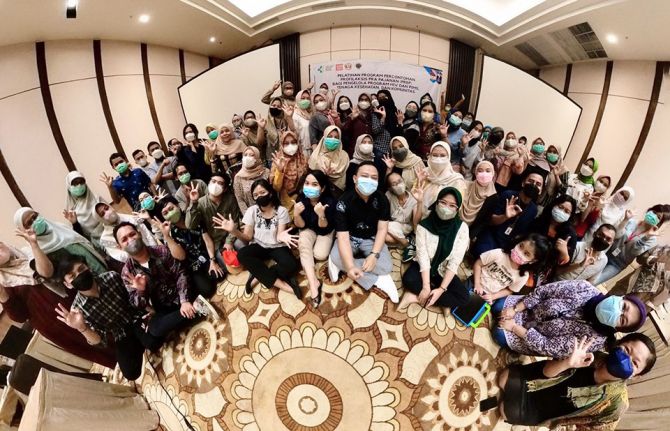
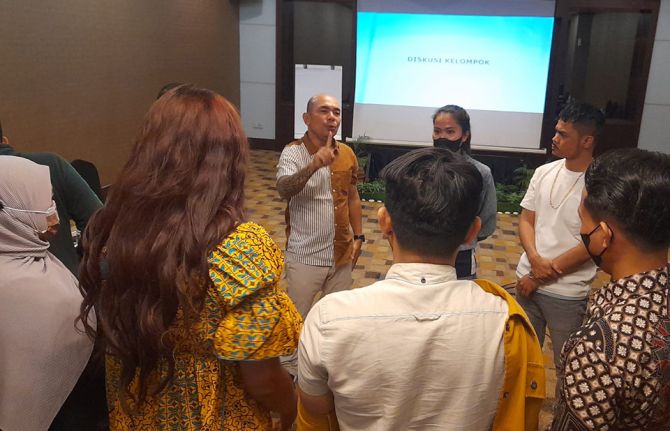
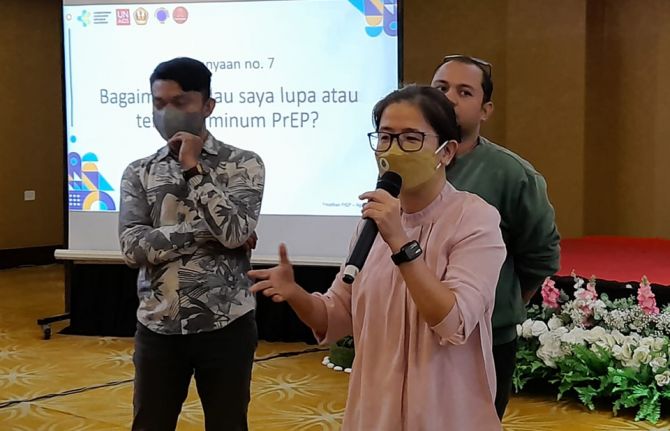
As part of the expansion, a second round of training sessions was conducted in August across nine cities in Indonesia: Bogor City, Bogor Regency, Depok, Bekasi, Tangerang, Batam, Balikpapan, Samarinda, and Sidoarjo. Over 120 services providers from 24 hospitals and 47 outreach workers from local communities took part.
The PrEP training for health providers and community outreach workers was conducted by the Ministry of Health of Indonesia in partnership with Kerti Praja Foundation, Padjajaran University, and the national MSM-TG Network (GWL-INA). It was supported by donors, including the Global Fund to Fight AIDS, Tuberculosis and Malaria, USAID-PEPFAR and the Government of Australia’s Department of Foreign Affairs and Trade (DFAT).
"With less than a decade to go before our goal of ending AIDS by 2030, we must prioritize efforts to scale up combination prevention programmes, such as PrEP. The piloting of PrEP is critical to kickstart policy and programme development on PrEP in Indonesia. The conduct of training for service providers and community outreach workers is an integral part of the pilot implementation to ensure adequate capacities to provide PrEP services to communities in need,” said Krittayawan Boonto, the UNAIDS Country Director for Indonesia.
The PrEP training sessions are held over two days and include discussions between service providers and outreach workers. The aim is to equip and improve the capacity of the service providers and outreach workers to provide good quality PrEP services.
“This PrEP training has increased my knowledge of the alternative methods to prevent HIV. After this training, our health service office can now offer this new method of HIV prevention to our clients. We hope that this will contribute to the reduction of new infection risk. Thanks to this training, I have become more confident in providing PrEP services in the future,” said Doctor Elly from Lambuk Baja, Batam Province.
Unlike the first series of training sessions, the second was conducted in person and engagement was much higher. The enthusiasm also led to more active follow up after the training. One of the health centres in Bogor City started to provide PrEP services a couple of days after the end of the course. They also directly approached communities about the benefits of PrEP and within a month PrEP uptake had increased by 15%.
“As with all aspects of the HIV response, communities play a key role in the success of PrEP implementation. Contribution from the community is especially vital in the context of the pilot implementation in Indonesia, as communities of key populations with a substantial risk of HIV infection are the main beneficiaries of the programme,” said Muhammad Slamet, National Coordinator of the MSM-TG network (GWL Ina).
Region/country
Feature Story
UNAIDS responds to EU approval of a long acting HIV treatment option: “To end AIDS, share technology.”
23 August 2022
23 August 2022 23 August 2022Responding to the news that the European Commission has approved an HIV treatment option designed for twice-yearly dosing, UNAIDS Executive Director Winnie Byanyima said:
‘It is great news that a range of long-acting HIV treatment options are set to come on stream. A range of options for long-acting treatments, received every few months, could enable more people to get on treatment or offer better clinical options for patients showing resistance to current regimens, therefore staying longer on treatment, and prevent many AIDS-related deaths – if they become available for all who need them. The evidence is clear: monopoly production cannot ensure global availability and affordability. Worldwide availability of affordable long-acting treatments will require the transfer of technology to enable generic production.’
Progress in long-acting treatments follows progress in long acting prevention. The recent decision by ViiV to share its long-acting HIV prevention technology to enable generic production has demonstrated that sharing is possible for companies to do. UNAIDS welcomed that decision and is urging an expansion of the number of countries included. Currently, many upper middle-income countries do not have access to these technologies. Achieving global targets to end AIDS would require countries around the world have access to newer technologies. As a range of companies advance their development of long-acting HIV treatments, they should build on ViiV’s precedent, expanding the number of countries, and learn from it by not waiting until after launch to transfer the technology.
Ms Byanyima said:
‘Delays in the transfer of technology of innovative health products cost lives. The process of sharing of long-acting treatment technology, of the intellectual property rights and “recipes”, should not wait for after long-acting HIV treatment medicines are made available to people in rich countries. That process should begin at the early stages of the Research and Development (R&D) cycle. Sharing technology now, to help producers prepare, will save lives and help end the AIDS pandemic. The transfer of pandemic-ending technologies to low- and middle- income countries is not only the right thing to do, it is in the self-interest of rich countries too. We can only end AIDS by ending AIDS everywhere. To end AIDS, share technology. Now.’
Note
UNAIDS statement follows the announcement of EU approval detailed in this link: https://www.gilead.com/news-and-press/press-room/press-releases/2022/8/gilead-announces-first-global-regulatory-approval-of-sunlenca-lenacapavir-the-only-twiceyearly-hiv-treatment-option. UNAIDS statement is not a commentary on any individual medicine but on the advances being made in long-acting technologies and the need for such technology to be shared.
UNAIDS
The Joint United Nations Programme on HIV/AIDS (UNAIDS) leads and inspires the world to achieve its shared vision of zero new HIV infections, zero discrimination and zero AIDS-related deaths. UNAIDS unites the efforts of 11 UN organizations—UNHCR, UNICEF, WFP, UNDP, UNFPA, UNODC, UN Women, ILO, UNESCO, WHO and the World Bank—and works closely with global and national partners towards ending the AIDS epidemic by 2030 as part of the Sustainable Development Goals. Learn more at unaids.org and connect with us on Facebook, Twitter, Instagram and YouTube.
Feature Story
A beacon of hope in Guatemala
15 July 2022
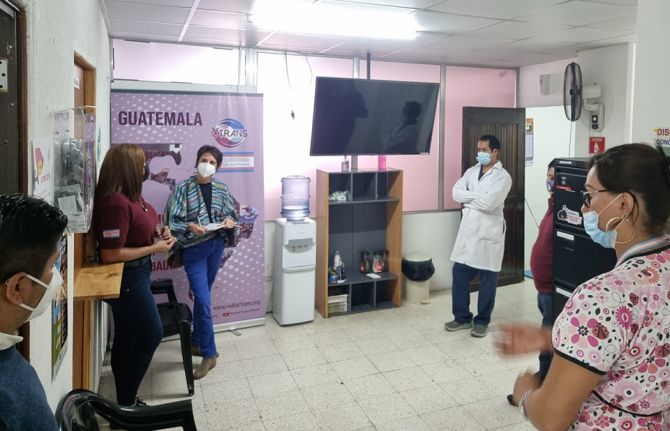
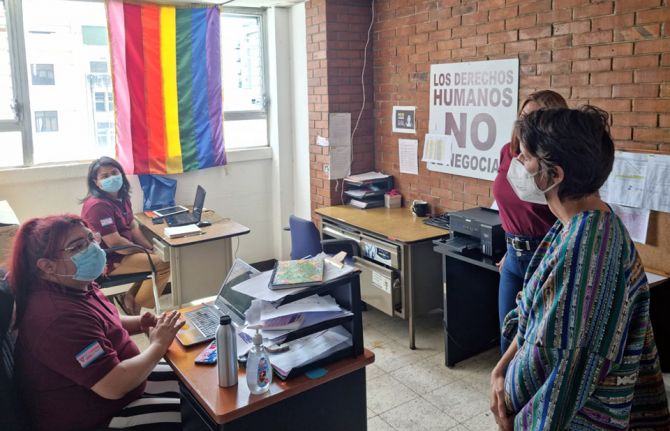
15 July 2022 15 July 2022It was a proud day for Stacy Velasquez the Executive Director of OTRANS Reinas de la Noche in June as she opened the doors to the community clinic that had just been officially approved as a health post by the Ministry of Public Health and Social Assistance. This meant that a full-time doctor was now in position.
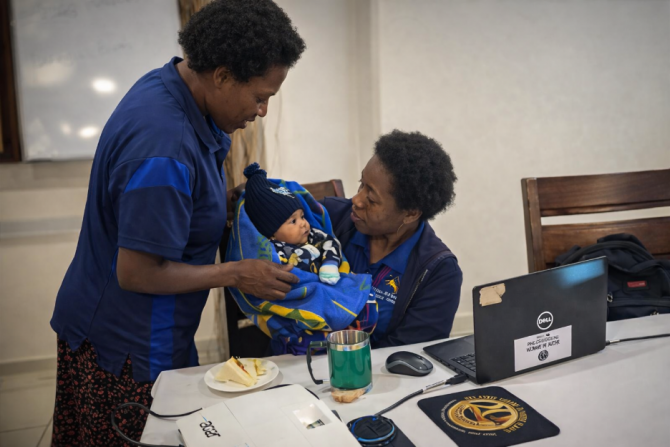
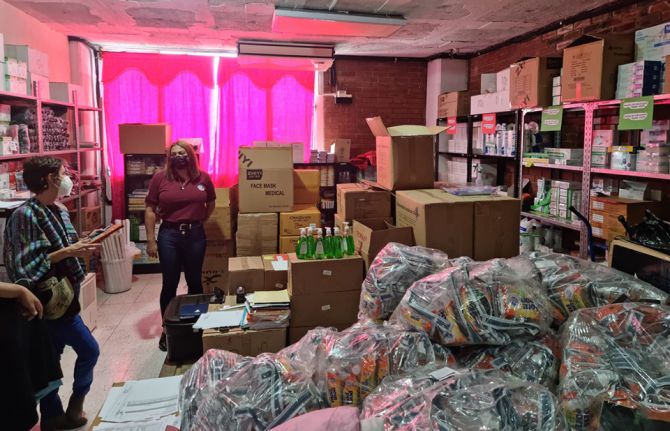
Around 40 transgender women and sex workers have come to the clinic since the doctor's arrival. The clinic has existed for several years, but with the approval by the Ministry of Health and financial support from the Global Fund and OXFAM, patients now have access to comprehensive care: HIV prevention and diagnosis; prevention, diagnosis and treatment of sexually transmitted infections; psychosocial counselling; medical consultations including hormone therapy; a laboratory service for sexual health testing and a pharmacy.
The clinic offers pre-exposure prophylaxis (PrEP), a biomedical intervention within the combination prevention approach, which refers to the use of antiretroviral drugs by HIV-negative individuals to reduce the risk of contracting the virus.
"In 2016, a comprehensive health strategy for trans people was approved with technical support from UNAIDS. It includes a manual of guidelines for the health care of trans people,” said Stacy. “The community clinic and this strategy are the fruit of the work of almost 18 years of advocacy by the trans community."
OTRANS contributes to the Centro de Documentación y Situación Trans de América Latina y el Caribe (CEDOSTALC), a community-based system for collecting information, monitoring and responding to human rights-related barriers faced by the transgender population in 26 countries in Latin American and the Caribbean.
In Guatemala, transgender women still face exclusion, discrimination, stigma, verbal and physical violence, criminalization, marginalization and a lack of recognition of their rights, resulting in a life expectancy of only 35 to 40 years old. The average life expectancy in the country is 74 years old.
During a visit to the clinic, UNAIDS country director, Marie Engel praised the work of the site and paid tribute to Andrea Gonzalez, the OTRANS legal representative who was murdered in 2021.
“In Guatemala, the HIV prevalence rate is 22.2% among the transgender population, compared to 0.2% for the general population,” said Ms Engel. “And although new HIV infections declined by 23% among all women between 2010 and 2019 globally, they have not declined among transgender women. And yet, transgender people have less access to HIV services than the rest of the population.”
Stigma and discrimination have a profound negative effect on the mental health of transgender people, which in turn can influence their vulnerability to HIV infection. Data reported to UNAIDS in recent years show that the percentage of transgender people who avoid seeking HIV testing due to stigma and discrimination ranges from 47% to 73%.
Region/country
Related
 UNAIDS, WHO and Unitaid bring manufacturers and governments together in Geneva as HIV financing enters a new era
14 September 2026
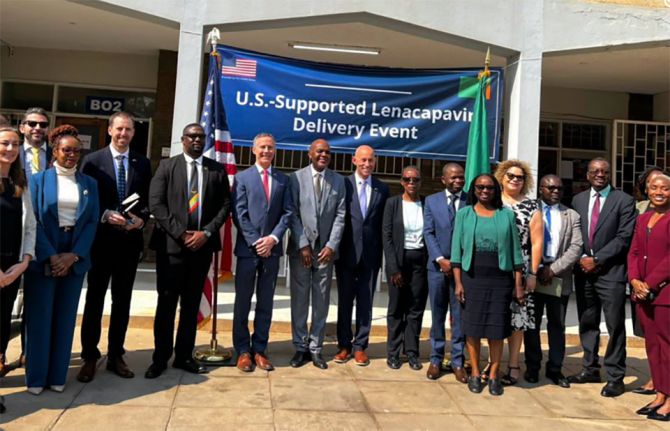 UNAIDS works with partners and communities to support Zambia's rollout of Lenacapavir to prevent new HIV infections
09 September 2026
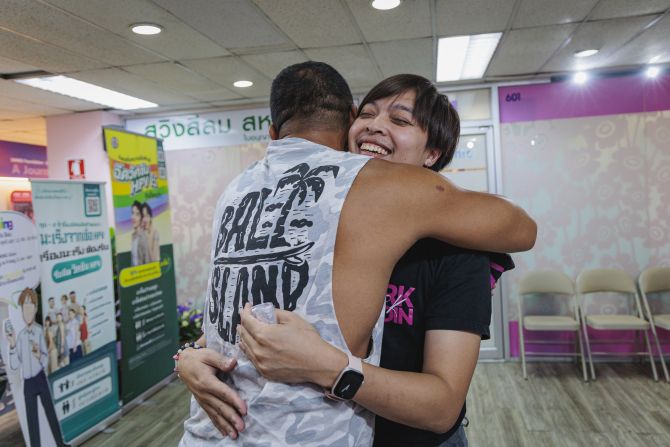 Built on trust - Community-led HIV responses in Thailand
26 August 2026

Feature Story
A model for serving key populations from Haiti
16 August 2022
16 August 2022 16 August 2022Imagine being widely blamed for tragedies that befall your country. Earthquakes. Hurricanes. Floods.
Now imagine being excluded from disaster response efforts because of this.
Lesbian, gay, bisexual and transgender (LGBT) people in Haiti face profound prejudice. Discrimination often undermines life chances. Education and employment opportunities erode. Even accessing healthcare can be difficult.
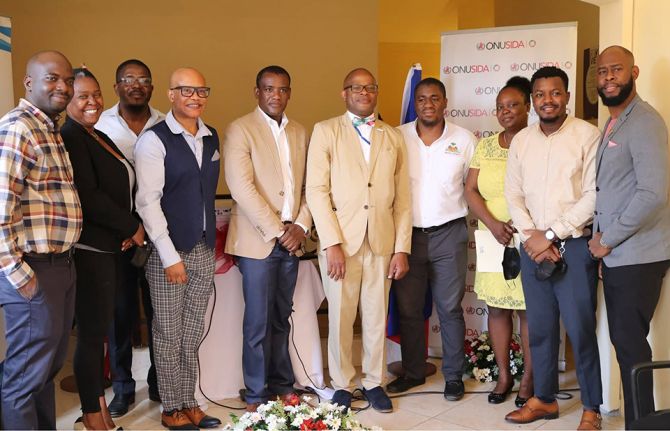
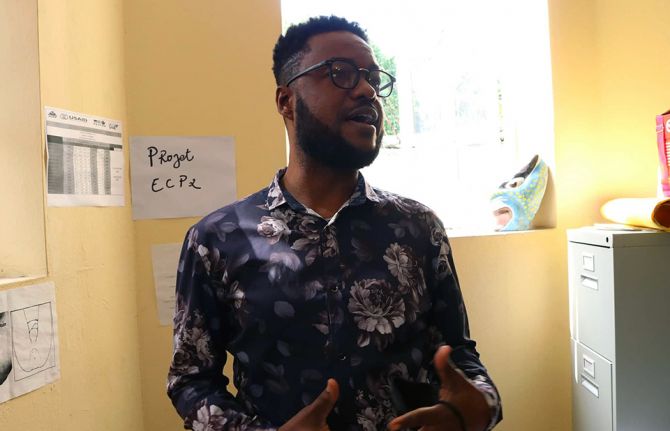
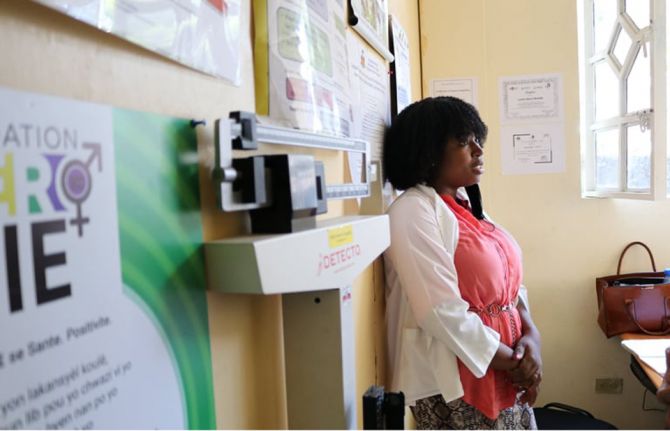
Founded in 1999, the SEROvie Foundation pairs health promotion for the LGBT community with human rights advocacy and socioeconomic empowerment. Today the organization operates projects in nine geographical departments.
UNAIDS supports SEROvie to ensure that the needs of key population communities are addressed during disaster responses. This intervention ensures people living with HIV continue to receive HIV treatment and have timely access to aid. Beyond the emergency phase, beneficiaries get support to resume generating incomes and reintegrate into their homes. They also receive psychosocial support to cope with grief and trauma.
In 2016 SEROvie founded the J.C Ménard Clinic in Port au Prince. This clinic serves LGBT people and other key populations including female sex workers and their clients. Here SEROvie has distilled more than two decades' experience in providing health and social support into a complete service package.
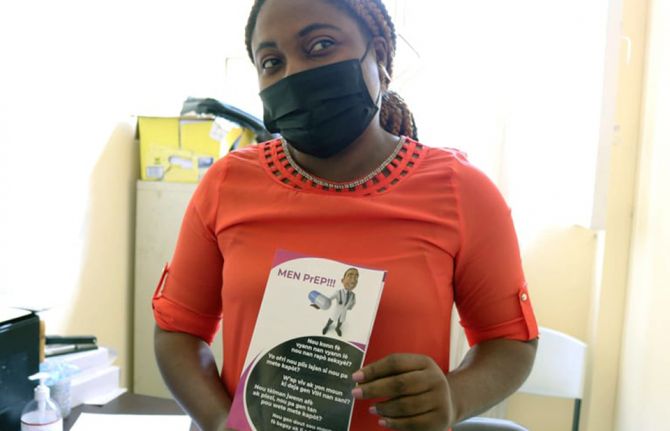
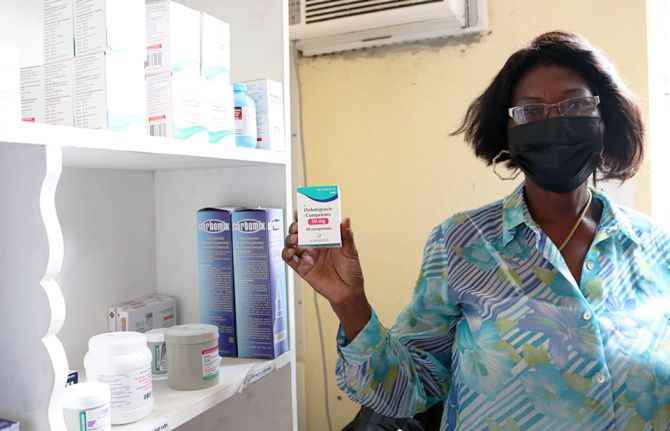
With the assistance of several collaborators including the U.S. Agency for International Development (USAID), J.C Ménard offers a range of free-to-user services addressing gender-based violence, stigma and discrimination, family planning and HIV prevention, including PrEP. It also provides HIV, STI and TB treatment and care.
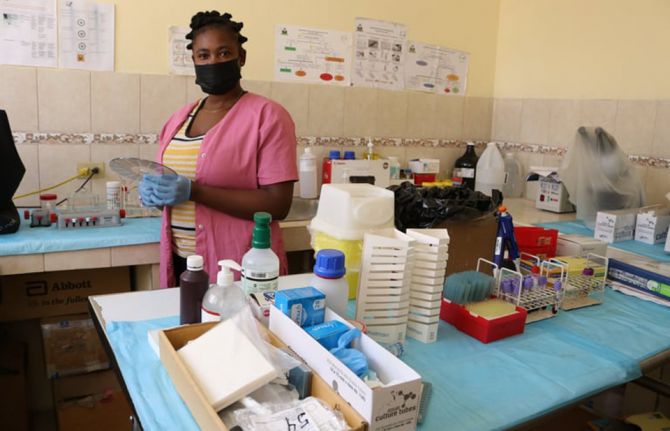
At the in-house laboratory, technicians manage both diagnostics and treatment monitoring. They track individual journeys from positive test to viral suppression. Over the last year the clinic provided facility-based HIV testing for 6,000 people and supported HIV treatment management for over 1,500 clients. Apart from dispensing patients' medicines, the clinic coordinates with other treatment facilities to ensure there are no stockouts and drugs do not expire.
Social workers conduct individual assessments to determine clients' needs. Psychologist, Darline Armand says the most important moment in her work is the first interaction after someone has been diagnosed.
"They need to feel safe," she says.
Peer Supervisor, Gregory Jacques, explained that the clinic employs both peer education and peer navigation as strategic approaches. Educators engage clients about relationships, risk and safety, providing accurate information. Navigators are themselves people living with HIV who walk others through the treatment and care process.
"The thing that makes a difference is that they know you are just like them," one navigator explains.
In the community room clients learn about health and relationships through fun activities. This is also where they meet for support groups and dialogues.
The Monitoring and Evaluation team measures programme performance with painstaking detail. They track everything from the number of people living with HIV identified through index testing to the number of sensitization sessions conducted with Voodoo priests. Over the past year more than 15,000 people received awareness-raising messages on HIV, GBV, stigma and discrimination from the clinic. Over 1,500 people benefit from comprehensive HIV care and treatment services while more than 1,500 are on PrEP.
Steeve Laguerre, SEROvie's co-founder, reflects on the organization’s journey with both awe and clarity.
"The services we provide are entirely determined by the needs of the people we serve," he says. "We seek funding that aligns with their demands. The work is always client-driven."
This client-centred approach is valuable for the wider Caribbean. According to the 2022 Global AIDS Update, In Danger, last year four of five new infections in the region were linked to key population communities and their sexual partners. At the same time, most of the funding for regional combination prevention activities with key populations comes from international sources.
“Community-led strategies for patient care help reduce late diagnosis and loss to follow-up while improving treatment outcomes,” said Dr. Christian Mouala, UNAIDS Country Director for Haiti. “These approaches must be adequately resourced and integrated into the national response.”
Region/country
Feature Story
International Youth Day 2022: creating a world for all ages
12 August 2022
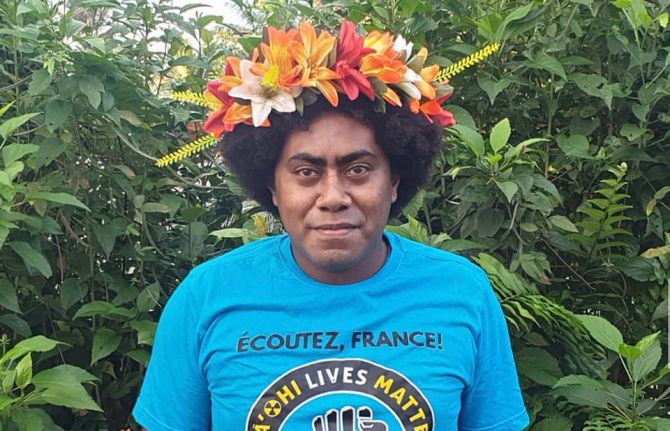
12 August 2022 12 August 2022KALISITO BIAUKULA, GENENDIT, FIJI
What does International Youth Day mean to you? International Youth Day means highlighting youth voices and a call to action of our voices so that our point of view is integrated across programs and policies. In addition, there should be an emphasis on investing in youth-led organizations and supporting youth activism.
What does a world for all ages look like in the context of the HIV response? Young people should have a say or agency regarding decisions that affect their bodies and life. In the Asia Pacific region where I come from, there are many punitive laws and criminalizations. This fuels stigma and discrimination among young key populations and in my mind increases barriers to much needed HIV services.
We must ensure an intersectional, intergenerational and human rights-based approach to achieving gender equality and the empowerment of young people in all our diversities across the region. We fully recognize the principles of “Do No Harm” and “Leave No One behind.'' I cannot insist enough on consulting all communities in the region.
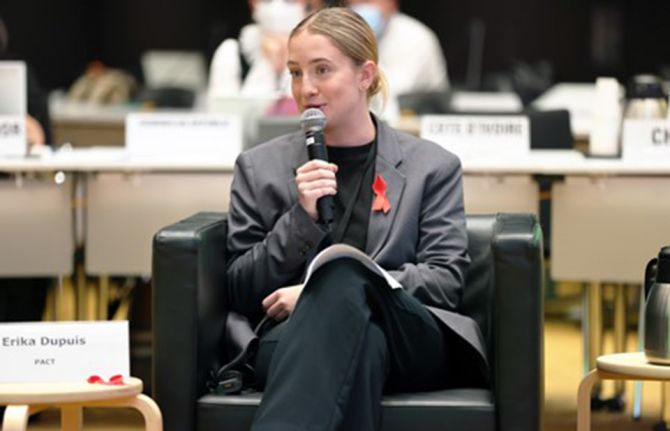
ERIKA DUPUIS, THE PACT, VICE-CHAIR, CANADA
What does International Youth Day mean to you? International Youth Day is a global celebration of young people’s contributions, innovations, and leadership. It is a day of celebration and reflection on how stakeholders can better sustain and strengthen youth movement-building.
What kind of activism are you doing? The PACT, a global coalition of over 150 youth-led and youth-serving organsaitions, has recently concluded another cycle of the Universal Periodic Review, where we have been supporting youth-led organizations to analyze and address current gaps in HIV response not only with young key populations, but across all generations. The UPR is a key mechanism for highlight human rights violations happening at the country level in the multilateral space, and through our partnership with Sexual Rights Initiative we have been harnessing intergenerational learning to ensure young people have their voices heard in this space too.
What does a world for all ages look like in the context of the HIV response? A world for all ages in the context of the HIV response is the understanding and promotion of intergenerational solidarity and partnerships to guide future community-based activism.
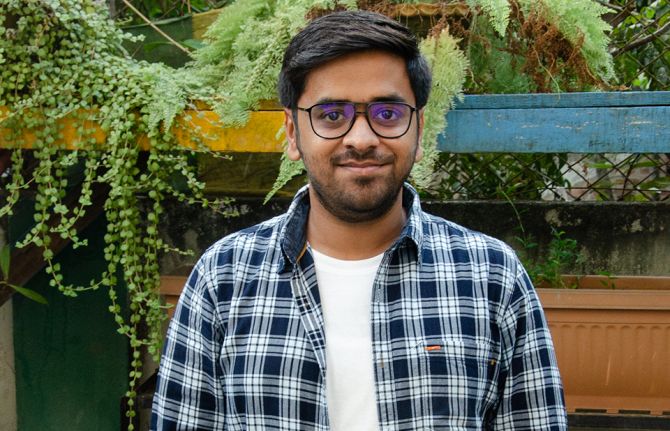
CHINMAY MODI, GLOBAL NETWORK OF YOUNG PEOPLE LIVING WITH HIV (Y+ GLOBAL), INDIA
What does International Youth Day mean to you? International Youth Day is the day when young people are the ‘cherry on the cake’ and we hear a lot of noise about young people globally. It is the day when all partners recognize youth and their contributions to the world. It is our day of visibility. Our day to sensitize the world on the issues affecting us and our day to showcase the work we have done as youth.
What activism are you doing at Y+ Global? As a global network of young people, we are tasked with advocating against issues that adolescents and young people living with HIV face including various groups. We design, plan and execute campaigns that raise awareness of the issues faced by young people and hold global leaders and health institutions accountable. We partner with country networks of young people living with HIV and support them in developing their advocacy strategies while also sourcing for small grants to support capacity-strengthening efforts. We embrace unique adult youth partnership models by advocating for slots for young people in key decision-making spaces such as the Global Fund Country Coordinating Mechanism (CCMs) and the delegations to the Global Health Institutions.
What does a world for all ages mean to you? A world for all ages is a world where young people are not only treated as beneficiaries but as key stakeholders. A world where we have access to equal opportunities to contribute to the HIV response in a fully funded space that is full of trust and investment in youth leadership. It is a world where youth are leading the response in tackling youth issues.
FEDERICO VILLALBA, J+LAC, NATIONAL COORDINATOR, ARGENTINA
What does International Youth Day mean to you? International Youth Day is a celebration of the joint efforts made by organized youth in civil society at the international level to improve the world we live in. This day is a recognition of our power to transform our society and also to leverage our needs into realities
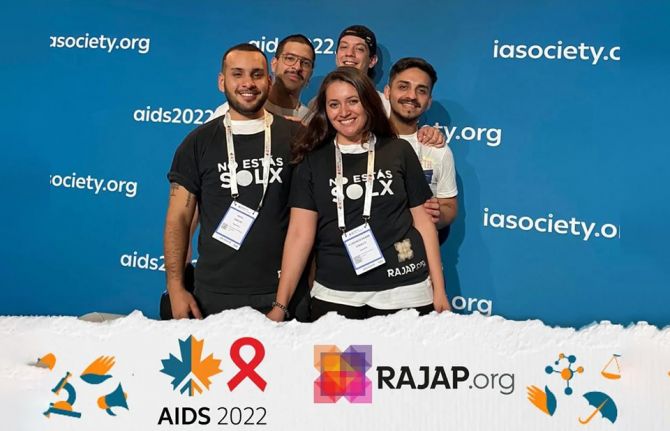
What kind of activism are you doing? The Argentine Network of Positive Youth and Adolescents (RAJAP) is an organization of young people living with HIV throughout Argentina. Since its founding in 2009, it has built a nationwide platform that reaches more than a thousand members ages 14 to 30. Its main mission is to create a safe space for all adolescents and young people living with HIV+. We support, train and teach people about their rights as well as do advocacy around HIV.
This year’s theme is ‘Intergenerational Solidarity: Creating a World for All Ages’, what does that mean to you? Although our work and efforts focus on young people and adolescents, intergenerational dialogue seems fundamental to us so that our present objectives are informed by the experiences of young people. As you know there are cross-cutting problems such as stigma and discrimination so intergenerational dialogue is very important not only to carry over past knowledge but for the sustainability of our organization in the medium and long term.
What is your hope regarding the future? I wish for a world in which older adults are not perceived as a social risk and where public policies are clearly oriented towards their care and meeting their needs, if not most of the time informal care networks is usually taken care of by women. Basically, I would like a world in which older adults are not made invisible and they are not perceived as asexual. Ultimately, it would be a world where there is no age bias in which we can join forces and work together for a better world.