
Feature Story
Delays in global, affordable access to long-acting, injectable HIV medicines would cost lives, say AIDS campaigners
16 November 2022
16 November 2022 16 November 2022GENEVA – Reflecting on 100 days since the 24th International AIDS Conference in Montreal, at which the World Health Organisation issued landmark guidance on how long-acting injectable anti-retroviral medicines can help prevent new HIV infections, and ViiV Healthcare committed to enabling access, AIDS campaigners are urging ViiV Healthcare to take vital next steps to enable timely rollout of game-changing, life-saving, long-acting injectable HIV medicine to millions of people.
At AIDS2022, the International AIDS Conference in Montreal, 29th July - 2nd August, ViiV Healthcare the manufacturer of cabotegravir (CAB-LA) committed to share technology, and ensure an affordable price, for the long-acting, injectable HIV medicine. The announcement generated international excitement as CAB-LA has been shown to be a safe and effective prevention tool. Reflecting on 100 days since then, global health leaders say there is an urgent need to for ViiV to take crucial next steps.
ViiV committed at the Conference in Montreal to lower the price for CAB-LA in a subset of low- and middle-income countries. But ViiV has not yet published this price. Advocates say the annual per person price needs to be equivalent to the price of oral PrEP, tens of dollars not hundreds of dollars. Multiple governments and financing agencies have indicated their interest in purchasing CAB-LA for PrEP if the medicine is offered at an affordable price point. Advocates are calling on ViiV to transparently and rapidly share details of their planned pricing strategy.
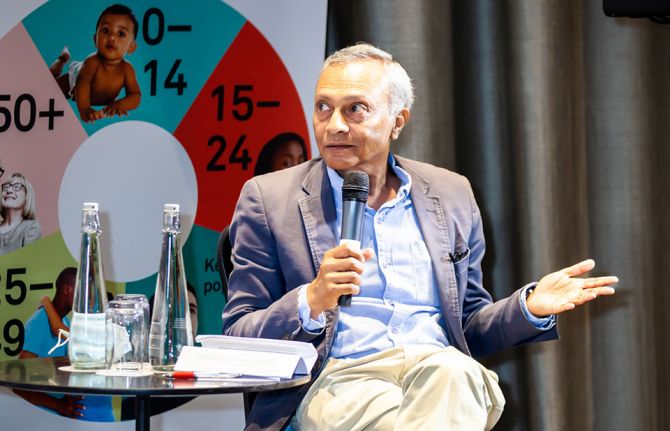
“ViiV Healthcare needs to publicly announce an interim pricing strategy, which prioritises affordability so countries and procurement bodies can plan and purchase at scale,” said Dr Yogan Pillay, South Africa country director at The Clinton Health Access Initiative. “Governments and other procurers will only purchase long-acting injectable HIV medicines at scale if the drugs are affordable and if there’s a clear timeline as to when the drugs will be available.”
While ViiV’s commitment to facilitate the generic production of CAB-LA via an agreement with the Medicines Patent Pool for use in 90 countries is helpful, HIV experts are calling on ViiV to allow an expansion of the number of countries eligible in order to accelerate progress in supplying the product to those in need. Although the current set of 90 countries includes both low- and middle-income countries, it excludes dozens of other middle-income countries, amongst which are countries with high rates of HIV infection. Expanding the list of countries would help incentivise generic production by expanding the potential market size.
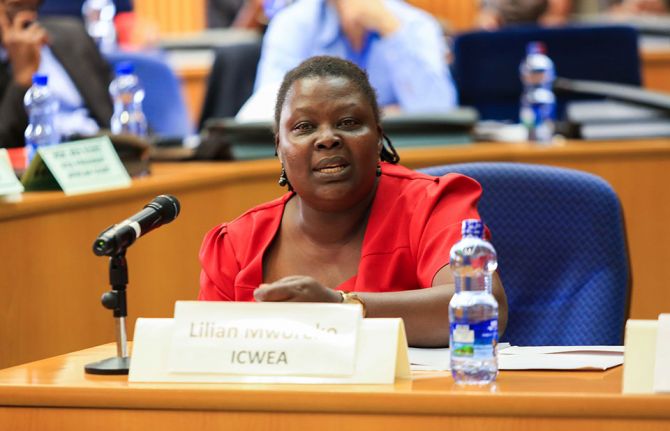
“ViiV Healthcare should allow generic production and supply in all low- and middle-income countries,” said Lilian Mworeko, Executive Director, International Community of Women Living with HIV East Africa. “Anything short of this would mean that millions of people who need these products would not be able to access them for years to come. Every day of delay would represent failure to prevent the spread of HIV and takes us further away from ending AIDS by 2030.”
“At the AIDS Conference in Montreal, ViiV took important first steps to enable this powerful new prevention tool to reach many in need. It is now time for ViiV to take additional courageous steps. These include ensuring registration with medicines agencies in all the countries with the highest rates of HIV, announcing the low price and expanding the set of countries allowed in the generic market. Bold actions by ViiV in this moment could help save millions of lives,” said Matthew Kavanagh, Deputy Executive Director, a.i. at UNAIDS.
Long acting ARVs need to be made available!


Feature Story
“I am confident that Jamaica can end AIDS”
15 November 2022
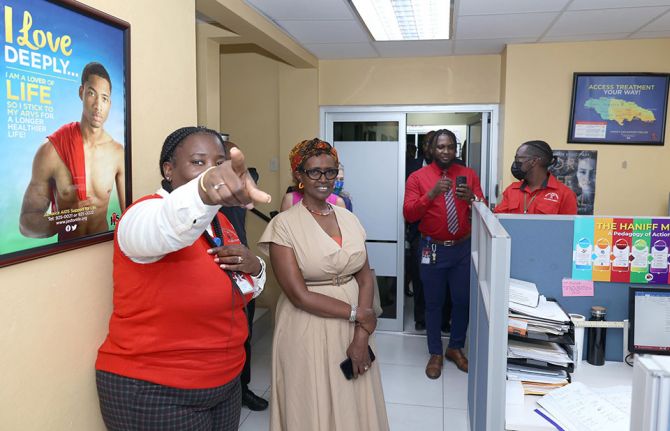
15 November 2022 15 November 2022Following a five-day visit to Jamaica to see first-hand the extraordinary work of joint efforts by the government, partners and communities to end AIDS, UNAIDS Executive Director Winnie Byanyima issued the following statement:
“I have observed strong political commitment and country ownership in Jamaica’s response to HIV. I also witnessed the active contribution and engagement of civil society and communities living with or affected by HIV. Your dedication and commitment give me hope that Jamaica and the wider Caribbean region can end AIDS.
However, there are barriers to overcome, these include addressing inequalities, eliminating stigma and discrimination, ending punitive laws which harm the AIDS response, and eliminating gender inequalities, including gender-based violence. In all my engagements with senior government officials, civil society and international development partners, I have shared four vital recommendations to overcome inequalities and ensure a sustainable response to HIV:
- Getting the data right—and using the evidence to ensure access to HIV services for everyone who needs those services, free of stigma and discrimination
- Improving governance and coordination for a truly multisectoral and multidisciplinary HIV response
- Ending gender-based violence – and especially sexual violence
- Increasing fiscal space and efficiently investing in what works
More investment is needed to end persistent structural barriers and develop anti-discrimination legislation. Social contracting schemes need to be implemented with civil society, which will be transformational in delivering community-level services. Health systems must be strengthened to deliver people-centred services more efficiently and more cost-effectively, which is also crucial for pandemic preparedness.
As the Executive Director of UNAIDS my commitment is to intensify and expand support from our 11 Cosponsors to end AIDS in Jamaica and across the Caribbean. In supporting efforts to increase access to HIV prevention and treatment services and in ensuring an enabling environment where people feel safe in accessing those services.
UNAIDS will support efforts to integrate HIV into other health services, especially at the primary health care level, without compromising the quality of HIV services being delivered. UNAIDS further commits to strengthening partnerships with our stakeholders in the region and ensuring effective coordination of our efforts.
We will also work with the President’s Emergency Programme for AIDS Relief (PEPFAR), the Global Fund to Fight AIDS, TB and Malaria, and the Pan-American Health Organization (PAHO) to strengthen data systems and ensure a response which is evidence based and which reaches the people most in need. UNAIDS will also continue to work with partners to mobilize resources to support Jamaica’s efforts to fight HIV.
Jamaica is making progress. But I know Jamaica can move faster and reach the 15 000 people living with HIV, including over 300 children, who are currently not accessing HIV treatment.
We only be able to end the HIV pandemic, or indeed any other pandemic, when human rights are respected and when everyone is supported in accessing the health and social services they need.
I thank the Government of Jamaica, civil society and everyone who made my stay in the country an exciting one. I salute all of you for your tireless efforts and your ongoing work. We are making progress. Let's get everyone who is not on treatment on treatment. Let's eliminate vertical transmission. I am confident that Jamaica can end this fight. UNAIDS is here to support you. We can – we will – end AIDS in Jamaica and the Caribbean.”
Region/country
Related
Feature Story
Eastern Europe and Central Asia may face an accelerated increase in new HIV infections and AIDS-related deaths because of the humanitarian crisis gripping the entire region
28 October 2022
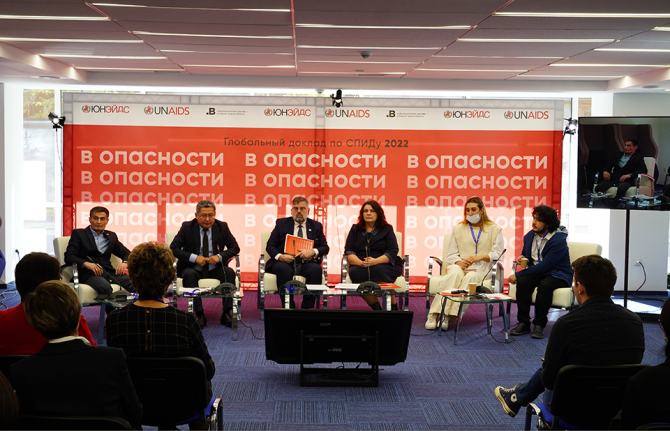
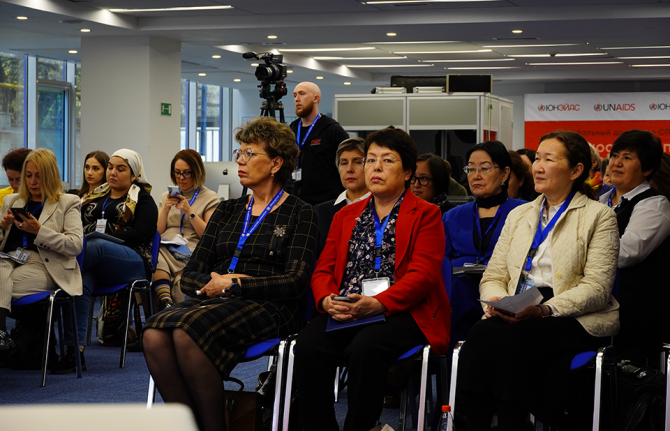
28 October 2022 28 October 2022Global shocks, including the COVID-19 pandemic and the war in Ukraine, have further exacerbated risks for the HIV response in Eastern Europe and Central Asia. The growing HIV epidemic and several waves of migration and refugee crises in the region require urgent and considerable efforts to ensure access to essential HIV services for all people in need. Officials and community representatives from several countries of the region have discussed how to address those challenges using the recommendations of the new Global AIDS Report “In Danger’ during the launch of the Report in Almaty, Kazakhstan.
When the Republic of Moldova faced the first wave of refugees from the war in Ukraine, with 500 000 people passing through within the first few months, there was not much time to prepare.
Svetlana Popovichi, National Treatment Coordinator in the Republic of Moldova, explained: “The Government prepared a legislative framework so that all people, regardless of their residence and available documents, have access to necessary HIV services. Civil society and community organizations worked day and night to connect us to people in need. Together with partners, despite the huge flow, we provided all the necessary services, including PrEP and treatment for pregnant women. We were able to quickly redesign our treatment plans so that everyone—our people and refugees—living with HIV had equal access to treatment and services.”
“This is our universal recommendation for countries in crisis,” said Gabriel Ionascu, UNAIDS Country Director in Kazakhstan. “All people, including foreigners, have to have access to HIV services, otherwise the infection will spread further.”
According to Azamat Dysenov, Director of the Treatment Department in the Ministry of Health of Kazakhstan, the availability of antiretroviral medicines for Kazakhstan citizens living with HIV in the country is 100%. Treatment and prevention programmes are funded from the state budget and available for all Kazakh people free of charge. He said: “Today we are facing new challenges, including active migration movements. We are ready to strengthen cooperation with neighbouring countries, maximize the potential of civil society, and work together to remove barriers to access to HIV services for all who need them.”
“Stigma and discrimination towards people living with HIV and other vulnerable groups, which are worsening during the humanitarian crisis, continue to be the major block to an effective response to the HIV epidemic in this region,” said Eamonn Murphy, UNAIDS Deputy Executive Director and Regional Director for Eastern Europe and Central Asia. “HIV transmission, exposure and nondisclosure are criminalized in all countries. While the majority of countries have decriminalized same-sex sexual relations, stigma against gay men and other men who have sex with men remains common.”
According to the UNAIDS Global AIDS Update: In Danger, in 2021, 160 000 [130 000–180 000] people were newly infected with HIV in Eastern Europe and Central Asia, a 48% increase since 2010. The number of AIDS-related deaths in the region in 2021, at 44 000 [36 000–53 000], is 32% higher than in 2010, despite expanding HIV treatment coverage and availability of new prevention methods and measures to control opportunistic infections. According to UNAIDS, in 2020, 54% of new HIV diagnoses in the region were detected at the late stage (CD4+ <350 cells), which is 10% more than in 2018.
Amir Shaikezhanov, an activist and AmanBol Project Director in Kazakhstan, said it is important to remember “there are people behind these facts and figures. Stigma is difficult to measure, but it hugely impacts access to HIV services for different groups. My friend just recently died from AIDS because he was not ready to disclose his gay status and HIV-positive status, even to doctors.”
The “transgender community has been excluded and not visible for a long time. It is great that the report pays attention to this group, including to a high level of stigma towards transgender people,” said Victoria Primak, a transgender activist in Kazakhstan.
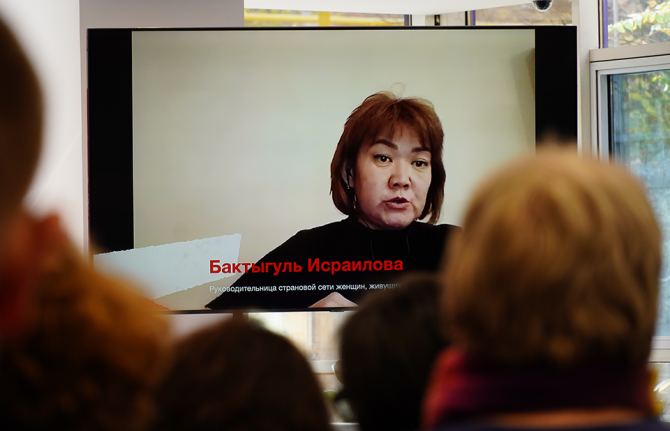
According to the UNAIDS report, COVID-19 exposed an epidemic of violence against women across the region. Baktygul Ismailova, Director of the Network of Women Living with HIV in Kyrgyzstan, emphasized that women living with HIV need protection from violence at all levels.
The report’s recommendations for the region include maximizing the availability of community-led, people-centred services; removing punitive and discriminatory laws, especially those criminalizing HIV and people from key populations; national action; and international solidarity in providing sustainable financing.
“Over the past two years, community organizations have proven their ability to adapt quickly to new challenges, address problems quickly in crisis situations, and provide people with the necessary HIV services. We are ready to take on all the work of providing services to key groups. We have people, experience, knowledge and understanding of what exactly and how exactly needs to be done. Give us this opportunity!” urged Nurali Amanzholov, Leader of the Central Asian Association of People Living with HIV.
Recent developments in the region, including the war in Ukraine, massive waves of refugees and migration, humanitarian challenges and economic slowdown, bring additional challenges in providing HIV and other health-care services to all people in need and ensure sustainable financing. Domestic funding for the HIV response in the region may slow down, and countries that still depend on international resources will not be able to ensure the sustainability of AIDS programmes.
“Consolidated efforts of countries and increased support from the international community are urgently needed,” said Eamonn Murphy.
Watch: launch event (English interpretation)
Watch: launch event (Russian)
Region/country
- Eastern Europe and Central Asia
- Albania
- Armenia
- Azerbaijan
- Belarus
- Bosnia and Herzegovina
- Bulgaria
- Croatia
- Cyprus
- Czechia
- Estonia
- Georgia
- Hungary
- Kazakhstan
- Kyrgyzstan
- Latvia
- Lithuania
- Montenegro
- Poland
- Republic of Moldova
- Romania
- Russian Federation
- Serbia
- Slovakia
- Slovenia
- Tajikistan
- North Macedonia
- Türkiye
- Turkmenistan
- Ukraine
- Uzbekistan
Related
 UNAIDS, WHO and Unitaid bring manufacturers and governments together in Geneva as HIV financing enters a new era
14 September 2026
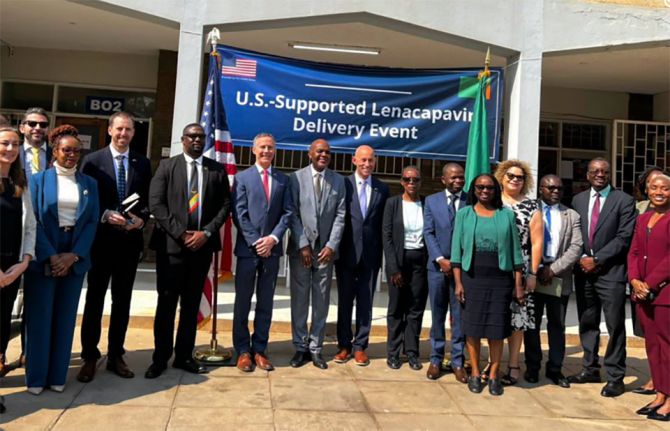 UNAIDS works with partners and communities to support Zambia's rollout of Lenacapavir to prevent new HIV infections
09 September 2026
 Built on trust - Community-led HIV responses in Thailand
26 August 2026




Feature Story
The First Fallen but We Will Overcome
03 November 2022
03 November 2022 03 November 2022Standing outside of the cinema house, Rodrigo de Oliveira felt exhilarated by his attendance at more than 40 film festivals around the world to promote his HIV-themed feature film, “The First Fallen.”
“A sense of community is an abstract thing but I have seen the faces of many LGBTQI people during my tour,” he said. “And in a way that is what I tried to show in my movie.”
The film opens on New Year’s eve in 1983. A young man is back in his Brazilian hometown having returned from Paris. He is feeling a bit gloomy and distant. He fears he has come down with something. There are rumblings of an unknown illness but AIDS or HIV is never mentioned until the last scene. De Oliveira chronicles the slow unravelling of the young man’s health who “disappears” and hides in a country house. He is joined by a transgender woman and another acquaintance also feeling ill. They get various pills from a boyfriend in Paris. Some are early anti-retroviral pills but there are also vitamins and shark fin pills. All three despair at being struck down by a random disease.
“For me there is hope in knowledge, that is fundamental, but as you can see community and support are key to overcome anything,” Mr de Oliveira said.
Rubbing his bald head with his hand he reflected that after seven feature films, this was his first one addressing LGBTQ and HIV issues.
"It took longer for my films to come out of the closet than myself,” he said. “In 2021 I was still fresh-faced on the scene as an out gay man and I lost people to AIDS so this felt like a responsibility to the people I saw disappear in my life.”
Born in 1985, Mr de Oliveira said he thought about HIV every week of his life. For him (as shown in the film) HIV meant death in the 80s and 90s. Since life-saving HIV treatment became readily available, living a healthy life with HIV has become the norm.
Mr de Oliveira explained that during one film screening young people did not know what it meant when two of the characters in his movie showed signs of Kaposi’s Sarcoma (flat, discolored reddish patches on the skin, an indication of cancer triggered by a weak immune system in people living with HIV who are not taking medicine.)
“It was a shock for me this gap in knowledge,” he said. Showing a slice of life from the mid-80s in his native country made even more sense to him following that conversation.
“The LGBTQI community is so used to being left out, we have to document ourselves and this is a testimony of this,” Mr de Oliveira said. “My film with its three main characters approach their ‘random illness’ differently...one is a fighter, the other an archivist and the third an artist/scientist,” he explained.
The three perspectives were important for him to document the fear, the dread and the conscious effort to overcome the crisis. By barely mentioning HIV, de Oliveira wanted to illustrate the ‘grand silence’ around the illness at the time.
In one scene, the young man’s sister demands to see her brother in a run-down clinic but she is frozen out with staff saying, ‘shame will close them down.’
“I wanted to talk about the stigma and discrimination, but I could not imagine staging actual aggression,” he said.
Suki Beavers, UNAIDS Director of Gender Equality, Human Rights and Community Engagement, who shared the stage with Mr de Oliveira at a recent film screening in Geneva during the Everybody’s Perfect film festival, said that the movie reflected people’s lack of rights. And that intersecting inequalities like being poor or being transgender or being gay or not having gone to school only compounded the hardships (the transgender character is fuming at being thrown off a bus after an altercation in one scene.)
“You see a clear violation of rights in Brazil during the 80s as well as activism to reclaim those rights,” she said. “This phenomena is still very much alive in many parts of the world to this day, which is why we cannot give up on the fight to end AIDS.”
Mr de Oliveira added that despite his film’s more sombre note, he wanted people to walk away with the feeling that love is universal. “The kiss between budding friends exemplifies that we will overcome,” he said.
He said that he would like to do two more feature films focusing on the evolution of the AIDS response like chronicling the 90s and then the last two decades.
“It takes me four to five years to make a film but know that I am on the same page as UNAIDS... ending AIDS,” he said. “I just wish I could make a film a day like you save a life a day.”
Watch trailer
Region/country

Feature Story
A Quilt in the Making: UNAIDS shares learnings from its journey of Culture Transformation
26 October 2022
26 October 2022 26 October 2022To help reflect on the progress made and the work still under way in the process of Culture Transformation, UNAIDS has produced a new brochure that is being shared with staff, stakeholders and other UN organizations.
The brochure, Building a Workplace Culture of Equality—a Reflection on UNAIDS Culture Transformation Journey to Date reviews some of the processes undertaken since 2020 to build an equal, safe and empowering workplace culture. UNAIDS Culture Transformation is grounded in feminist thinking and practice and supports UNAIDS staff through a change process, helping them to develop positive working practices that can be taken forward and embedded within organizational policy and practice.
Back in 1996, UNAIDS became the only Joint Programme of the United Nations. The small team grew over the years leading and inspiring the world to achieve its vision of zero new HIV infections, zero discrimination and zero AIDS-related deaths. Currently, some 650 staff members from over 120 nationalities work across 80 duty stations to end AIDS as a public health threat as part of the Sustainable Development Goals. In 2018, an external review noted the need for action to transform organizational culture to ensure an empowering and inclusive workplace.
The two-person team leading the work along with dedicated change agents inspired themselves with the powerful NAMES Project AIDS Memorial Quilt to visually show the key concepts essential to an empowering culture. The original AIDS quilt had stitched names on tiles to recall the lives of people who had died of AIDS-related illnesses and to honour them. The quilt became a beloved symbol for friends and family to remember their loved ones since social stigma had denied many people a proper remembrance.
The UNAIDS Culture Transformation team created its own virtual quilt showing the long-term journey necessary to transform and sustain a culture of equality and social justice.
“We have been so inspired by the determined work of staff across the organization to advance building a culture of equality,” said Mumtaz Mia and Juliane Drews who have led UNAIDS Culture Transformation. “We have been so moved by the lessons learnt in the process of change and hope that taking stock will help staff as they continue to pursue this journey.”
In other words, keep adding tiles to the UNAIDS quilt.
All of UNAIDS Cultural Transformation documents can be downloaded here.
Read Juliane and Mumtaz’s very powerful and personal OpEd in IPS News.
Related


Feature Story
Asia-Pacific youth demand robust action to lower the HIV risk of young key populations
25 October 2022
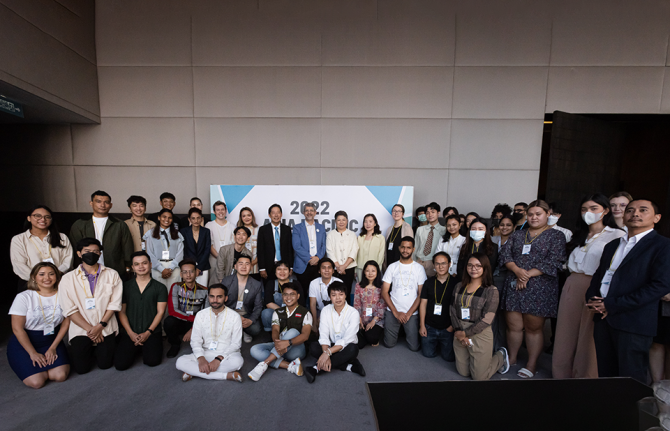
25 October 2022 25 October 2022Youth advocates from 14 countries have called on governments and development partners in the Asia-Pacific region to adopt a comprehensive approach to addressing the high HIV risk now borne by young key populations. (Key populations are groups that are particularly vulnerable to HIV. They include men who have sex with men, people who use drugs, sex workers and transgender people.)
Held on October 20 and 21 in Bangkok, the 2nd Asia Pacific Youth Forum was co-organized by the Thailand Ministries of Public Health and Foreign Affairs, the UNAIDS Regional Office for Asia and the Pacific and Youth LEAD. Among other priorities, delegates advocated for more youth leadership, equitable access to quality and youth-friendly healthcare services, stronger strategies to tackle stigma and discrimination and increased access to funding for youth-led and key population programming.
UNAIDS data reveal that in 2021 there were an estimated 260 000 new HIV infections in Asian and Pacific countries. According to a recent report by UNAIDS, UNICEF, UNFPA and Youth LEAD, young people aged 15–24 years accounted for 26% of these cases. In some countries including Cambodia, Indonesia, Laos, the Philippines and Thailand, more than 40% of new infections were among youth. HIV transmission to young people rose for seven countries in the region since 2010—Afghanistan, Fiji, Malaysia, Pakistan, Papua New Guinea, the Philippines and Timor-Leste. Strikingly, in the 15 - 24 age-group, almost all (99%) new infections regionally were among people from key populations and their partners.
“Preventing HIV, STIs and all emerging diseases among young people requires addressing the root causes that put young people at risk, including gender-related, socio-economic inequalities, and stigma and discrimination,” said Mr. Satit Pitutacha, Thailand’s Deputy Minister of Public Health.
Ms Eksiri Pintaruchi, Director-General of the Department of International Organizations in the Thailand Ministry of Foreign Affairs highlighted the work of the Thai Network of Young People Living with HIV including providing peer support for young key populations, linking them to services, offering life skills training, mental health support and psychosocial care.
UNAIDS Asia and Pacific acting Regional Director, Mr Taoufik Bakkali said: “We need to address the inequalities that create vulnerability. By investing in youth today we will not only achieve a win for the HIV response, but also significant progress for the Sustainable Development Goal agenda.”
Youth LEAD’s Project and Networking Officer, Legee Tamir, noted the crucial need to increase spaces for youth leadership, especially as young key populations are still left behind in national, regional and global decision-making spaces where their voices would make a difference.
On day one of the forum youth delegates convened to share experiences. They noted legal and policy barriers including the age of consent, concerns about privacy and confidentiality and stigma and discrimination among healthcare providers. The opening hours of public clinics are not convenient for young people and services are not tailored to meet their needs.
The consultation resulted in nine recommendations which were presented to government and development stakeholders on the forum’s second day. They are as follows:
- Strengthen the leadership and meaningful engagement of young people, including young key populations and young people in all their diversity, within the HIV response
- Increase awareness about existing HIV and sexual and reproductive health and rights programmes for young key populations
- Engage and collaborate with stakeholders (including governments, the private sector, communities, media) in advocacy campaigns
- Ensure equitable and convenient access to HIV services, including for youth in rural areas, and modernise HIV services
- Tackle harmful stigma and discrimination in household, education and healthcare settings through funding and partnering with efforts led by young key populations that address deeply rooted traditional beliefs and practices
- Review and reform laws and policies that affect young key populations and ensure they are aligned with international human rights norms and recommendations
- Ensure the availability and accessibility of quality, youth-friendly and non-discriminatory programmes and services that ensure the mental wellbeing of young key populations
- Invest in the organisational strengthening and sustainability of youth-led organisations at different capacities
- Empower youth-led organisations and create more conducive, flexible and simpler processes to access opportunities for external and domestic funding
UNAIDS and its regional partners through the Asia Pacific Inter Agency Task Team on Young Key Populations will use this set of recommendations to inform future initiatives for young key populations in the region.
Region/country
- Asia and Pacific
- Australia
- Bangladesh
- Bhutan
- Brunei Darussalam
- Cambodia
- China
- Democratic People's Republic of Korea
- Federated States of Micronesia
- Fiji
- India
- Indonesia
- Islamic Republic of Iran
- Japan
- Kiribati
- Lao People's Democratic Republic
- Malaysia
- Maldives
- Marshall Islands
- Mongolia
- Myanmar
- Nauru
- Nepal
- New Zealand
- Pakistan
- Palau
- Papua New Guinea
- Philippines
- Republic of Korea
- Singapore
- Solomon Islands
- Sri Lanka
- Thailand
- Timor-Leste
- Tonga
- Tuvalu
- Vanuatu
- Viet Nam
- Samoa
Related

Feature Story
Six cities and a Ukrainian community-led organization recognized at Fast-Track Cities 2022 Conference
11 October 2022
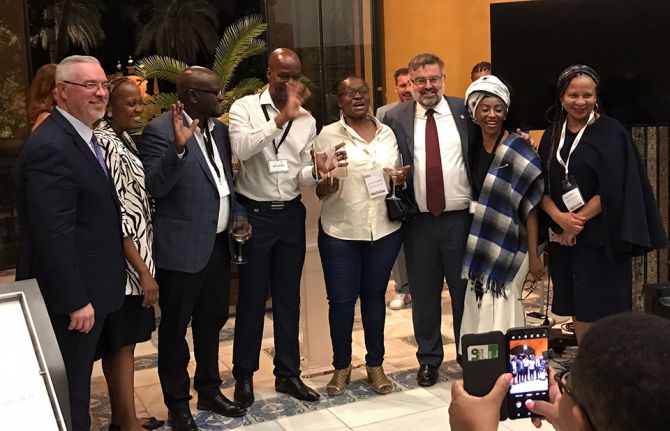
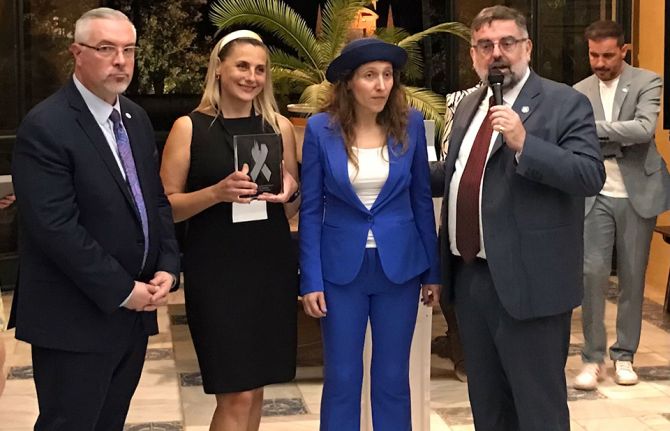
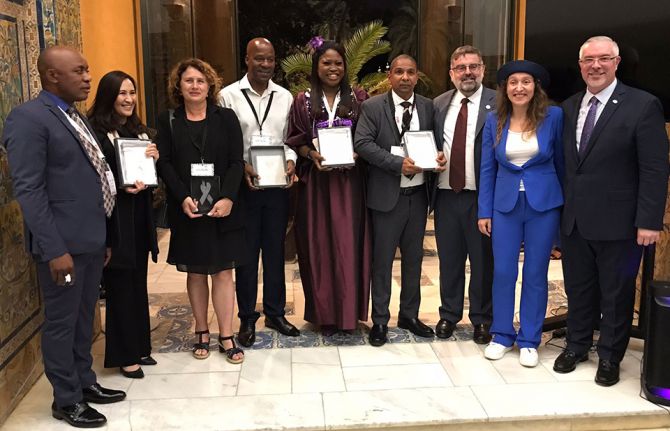
11 October 2022 11 October 2022At a Fast-Track Cities 2022 conference reception held today in Seville, Spain, six Fast-Track Cities and 100% Life, a Ukrainian community-based organization, received 2022 “Circle of Excellence Awards” and the “Community Leadership Award,” respectively, in recognition of their political, public health, and community leadership.
Earlier this year, the International Association of Providers of AIDS Care (IAPAC) and Fast-Track Cities Institute (FTCI), in collaboration with the Joint United Nations Programme on HIV/AIDS (UNAIDS), launched a nomination process to identify cities from six geographic regions whose work exemplifies the Fast-Track Cities mission. Both IAPAC and UNAIDS are core partners of the Fast-Track Cities initiative, which was launched in 2014 and today comprises more than 400 cities engaged in ending their urban HIV epidemics by 2030. The six cities selected to receive the 2022 “Circle of Excellence Awards” include:
- Asia-Pacific: Quezon City, Philippines
- Europe: Amsterdam, Netherlands
- Latin America/Caribbean: Kingston, Jamaica
- North America: New York City, NY, USA
- Southern/Eastern Africa: Johannesburg, South Africa
- Western/Central Africa: Lagos State, Nigeria
The Mayors of Quezon City (Ms. Ma. Josefina Belmonte), Kingston (Mr. Delroy Williams), and New York City (Mr. Eric Adams) accepted their cities’ 2022 “Circle of Excellence” awards in-person (Mayors Belmonte and William) and via video (Mayor Adams). Public health department officials accepted awards on behalf of Amsterdam, Johannesburg, and Lagos State.
100% Life was recognized both for its efforts during the ongoing war in Ukraine, as well as that of other community-led organizations in that country who have advanced humanitarian and public health efforts on behalf of Ukrainians living with and affected by HIV. Ms. Valeria Rachynska, who is Human Rights, Gender, and Community Development Director at 100% Life, accepted the 2022 “Community Leadership Award” on behalf of her organization and partner organizations across Ukraine.
“Political, public health, and community leadership are at the heart of the Fast-Track Cities movement and are integral to averting AIDS-related deaths, stemming new HIV infections, and eliminating HIV-related stigma,” said Dr. José M. Zuniga, President/CEO of IAPAC and FTCI, which launched the two awards at the Fast-Track Cities 2021 conference. “Congratulations to 100% Life and the six cities honored for their exemplary leadership. May they serve as an inspiration for other community-led organizations and cities as they respond to their urban HIV epidemics with bold leadership.”
“Among the lessons that we have learned in tackling HIV is the need for bold political leadership, global solidarity, ensuring communities are at the center of the response, and a commitment to human rights. This has been true for COVID-19 and will be true for other pandemics to come,” said Winnie Byanyima, Executive Director of UNAIDS. “Ending inequalities is the most effective way to ensure that we are more prepared for the next pandemic. We look to city leadership to do this.”
In 2021, the “Circle of Excellence Awards” recognized five Fast-Track Cities: Bangkok, Thailand; London, England, UK; Nairobi City County, Kenya; San Francisco, CA, USA; and São Paulo, Brazil. The 2021 “Community Leadership Award” recognized GAT, a community-led organization providing health and social services to people living with and affected by HIV in Portugal.
Additional information from our partner
Related
Feature Story
Sevilla Declaration on the centrality of affected communities in urban HIV responses unveiled at Fast-Track Cities 2022 conference
11 October 2022
11 October 2022 11 October 2022At a Fast-Track Cities 2022 conference reception held today in Seville, Spain, several Mayors and a Deputy Governor in attendance were joined virtually by peers from across the Fast-Track Cities network to sign their names to a declaration aimed at defining and facilitating the placement of affected communities at the center or urban HIV responses.
- The Mayors of Blantyre (Wild Ndipo), Kingston (Delroy Williams), Libreville (Issa Malam Salatou), Quezon City (Ma. Josefina Belmonte), and Sevilla (Antonio Muñoz Martínez) signed the Sevilla Declaration on the Centrality of Affected Communities in Urban HIV Responses (Sevilla Declaration) along with Johannesburg Mayor (Dada Morero), New York City Mayor Eric Adams, and other Mayors who participated via video or virtually.
- The Deputy Governor of the Bangkok Metropolitan Administration (Dr. Tavida Kamolvej) also affixed her signature to the declaration during the Sevilla ceremony, and a representative from GGD Amsterdam signed on behalf of that city’s Mayor (Femke Halsema). Multiple county and provincial officials from Fast-Track Cities in other countries also signed the declaration via video or virtually.
- Moreover, Mayors and representatives from an additional 22 Fast-Track Cities in Spain signed the declaration. Of note, the reception’s signing ceremony was witnessed by Carolina Darias, Minister of Health of Spain, in whose country more than 150 cities have joined the Fast-Track Cities network, with Sevilla having been the first Spanish city to sign the Paris Declaration on Fast-Track Cities Ending the HIV Epidemic in 2015.
According to Dr. José M. Zuniga, President/CEO of the International Association of Providers of AIDS Care and the Fast-Track Cities Institute, the Sevilla Declaration will supplement the Paris Declaration on Fast-Track Cities, which more than 400 cities and municipalities worldwide have signed since the network’s launch in 2014, thus joining the Fast-Track Cities network. The new declaration includes 10 commitments Fast-Track Cities are asked to make that range from safeguarding the dignity and rights of communities affected by HIV to meeting the United Nations goals for community-led HIV responses.
“An amorphous and overly malleable term such as ‘placing people at the center’ of the HIV response has little effect if it can be interpreted in a million different ways or worse actioned as mere tokenism that disenfranchises those whose voice at the table and leadership are critically needed,” said Dr. Zuniga. “The 10 commitments that Fast-Track Cities are making in signing the Sevilla Declaration reflect an important step forward in clearly defining, operationalizing, and facilitating what we mean by ‘placing people at the center’ of urban HIV responses at a time when it is most critical to do so.”
The Sevilla Declaration was shaped by organizations representing people living with HIV, including the Global Network of People Living with HIV (GNP+), as well as through regional listening sessions involving local communities of people living with HIV across the Fast-Track Cities network. Also providing input were the four core partners of the Fast-Track Cities initiative: IAPAC, the Joint United Nations Programme on HIV/AIDS (UNAIDS), United Nations Human Settlements Programme (UN-Habitat), and the City of Paris.
“The Sevilla Declaration provides structure for communities of people living with HIV to more formally play a leadership role in HIV responses at city and municipal levels,” said Sbongile Nkosi, Co-Executive Director of GNP+, which formally endorsed the declaration at the Fast-Track Cities 2022 conference. “We talk a lot about ‘placing people at the center of the HIV response,’ but the Sevilla Declaration does more by articulating commitments local governments and institutions must make to create the space for and empower people living with HIV and their community-based organizations to lead urban HIV responses.”
In its Global AIDS Strategy, 2021-2026, UNAIDS emphasizes the critical nature of community engagement and leadership to regain momentum against HIV that was lost during the COVID-19 pandemic. Through its advocacy on community engagement, UNAIDS has consistently stressed that the call for “nothing for us without us” must be made more than just a slogan.
“In line with the Global AIDS Strategy and the Sevilla Declaration, empowering and integrating community engagement is the cornerstone to ending AIDS and having people at the center of the response, said UNAIDS Deputy Executive Director for Programme, Eamonn Murphy.
Additional information from our partner
Related

Feature Story
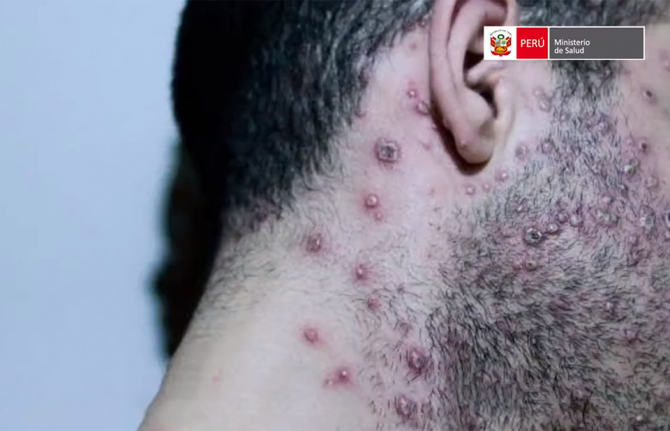
Communities at the centre of an orchestrated emergency response to monkeypox in Peru
10 October 2022
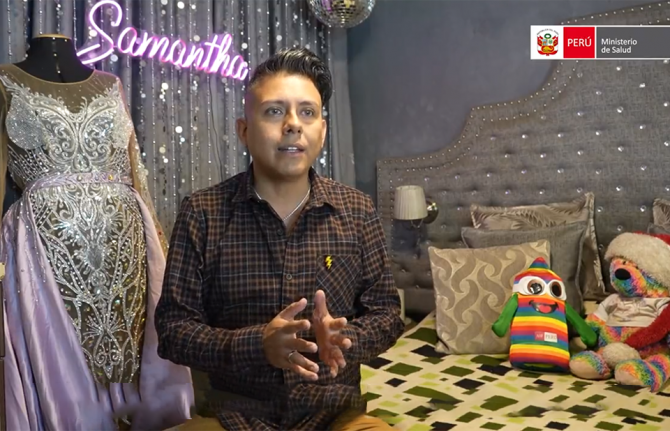
10 October 2022 10 October 2022"My name is Jonathan. Today I'm not going to tell you how I got monkeypox, but how complicated it is to carry this disease", says the activist and crossdresser Jonathan Albinagorta. He is also known as Samantha Braxton, one of the influencers supporting the Ministry of Health in its video campaigning on monkeypox prevention in Peru.
With more than 2300 confirmed cases of Monkeypox by the end of September, Peru had the world's highest infection rate per million people, according to Our World in Data, a collaborative online platform led by researchers at the University of Oxford.
The response to the outbreak in Peru was set up under the leadership of the national HIV strategy team, which developed a plan to raise awareness of the disease. Its public real-time data dashboard, inspired by the COVID-19 response, provided concrete evidence for the rapid of an awareness campaign. However, the same data, mainly from HIV-specialized centres, also had the unwelcome side-effect of increasing stigma and discrimination for some groups of people.
"The data created a biased sample at the beginning. Evidence showed that people living with HIV and some key populations, such as gay men, were among the most affected in Peru", recalls Andrea Boccardi, UNAIDS director for Peru, Bolivia, Ecuador and Colombia. "But these are the very people who have the culture of going to the HIV-friendly services for consultations, for periodical examinations and HIV treatment."
Referral Centers for Sexually Transmitted Infections, known as Cerits, and Periodic Health Care Units provide HIV services for Peru's most vulnerable and key populations. "These groups of people do not go to hospitals where they tend to suffer discrimination. They go to these centres, where the greatest number of monkeypox diagnoses came from at first", explains Boccardi.
Experience in dealing with the HIV pandemic shows that data must be accompanied by adequate information-sharing to the public and impacted groups in a non-stigmatizing way. An inclusive approach and the correct use of language are key to engage with communities so that they become an integral part of the response instead of being driven away.
UNAIDS supported the country in quickly setting up a strategy that included meetings between health officials and civil society representatives. Community leaders also contributed by reviewing messages coming out of the ministry of health. People also received training to act as spokespeople in media interviews.
“Often, the communication from the ministry of health ends up being very institutional or quite distant. Something that the community cannot fully digest”, says Mauricio Guitierrez, a GayLatino network activist. “We elaborated friendly visual materials for dissemination. It is important to translate and personalize the information for people and that was what we tried to do by supporting the ministry in these campaigns.”
”As well as informing and clinically diagnosing the most at-risk populations in saunas, hotels, and other sites, monkeypox working group convinced mayors to keep these establishments open and to use them as critical platforms for the dissemination of relevant information on monkeypox directing people to the information and services made available.”
In Peru, LGBTIQ+ people and people living with HIV are the most discriminated against, with 71% and 70% of them, respectively, reporting to have suffered discrimination at some level, according to the National Human Rights Survey released in 2021 by the Ministry of Justice and Ipsos Peru.
“Out of fear of stigma and of what people will say, a lot of us don’t ask and fall into the same trap of ignorance”, says Albinagorta. “It was great that the Ministry placed QR codes in LGBT establishments, for example.”
Alliances with telecom companies and social networking apps, such as Grindr, created opportunities to inform the most vulnerable populations through an estimated 40 million messages focused on monkeypox prevention and treatment. Former COVID-19 spaces were also used for the 21-day isolation period for people not able to comply with thisrequirement, including migrants and refugees.
Despite some early signs of stabilization, the Pan American Health Organization (PAHO) said recently that it is too early to proclaim victory. It called on countries "to intensify the response actions, prioritizing detection, surveillance and community engagement to reduce new cases and put an end to the outbreak in the region." The United States still accounts for more than half of cases, but rapid increases have been witnessed in Brazil, Peru, Colombia, Mexico and Chile in the past month.
The Ministry of Health of Peru is purchasing vaccines through the PAHO Strategic Fund, but the total number of vaccines available for the entire region is 100 000. The main challenges are the criteria for prioritization as the expected number of vaccines per country will be no more of 5000.
"Many people contacted me after my first video for the ministry of health in Peru. For those who are suspicious, it inspires more confidence to approach someone like me, who has had monkeypox and talks freely about it, than to go to a hospital, an institution or the ministry itself, " says Samantha. "Of course, there are also haters. Some people believe that when a gay man shares that he has had monkeypox, he is stigmatizing himself. But that's not it.”
Region/country
Related

Feature Story
Indonesia: Helping one family at a time through Lentera Anak Pelangi’s One Child One life program
10 October 2022
10 October 2022 10 October 2022Estimates indicate that in Indonesia in 2021, only 25% of the 19,000 children living with HIV received life-saving antiretroviral therapy and 2,400 children died from AIDS-related causes.
Despite global scientific breakthroughs providing more effective treatment for adults and children, for many children living with HIV in Indonesia access to antiretroviral therapy remains elusive. Exacerbating the situation is the entrenched societal and gender inequalities that present barriers to women, adolescents and children to access quality prevention and care services.
With many competing priorities, national and local commitment of resources to scale-up efforts to eliminate vertical transmission of HIV and increase ARV coverage among children living with HIV remain limited. This has resulted in insufficient investment in community-based services for women, adolescents and children living with HIV.
To reduce AIDS-related deaths among children, and ensure children and adolescents living with HIV have access to high quality comprehensive care and support, Indonesia must expand community-based services and community-led programmes tailored to the needs of these very vulnerable yet often left-out groups.
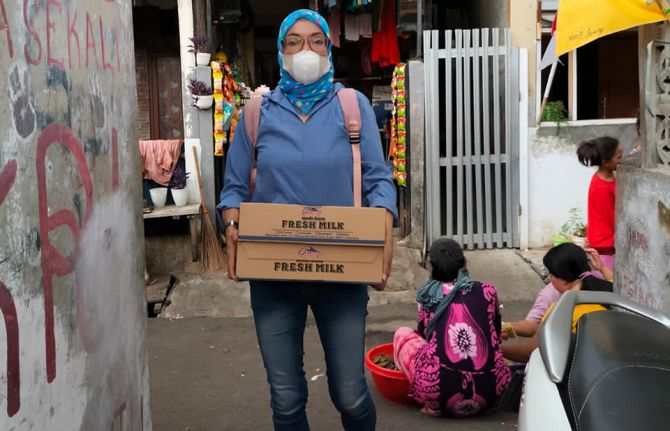
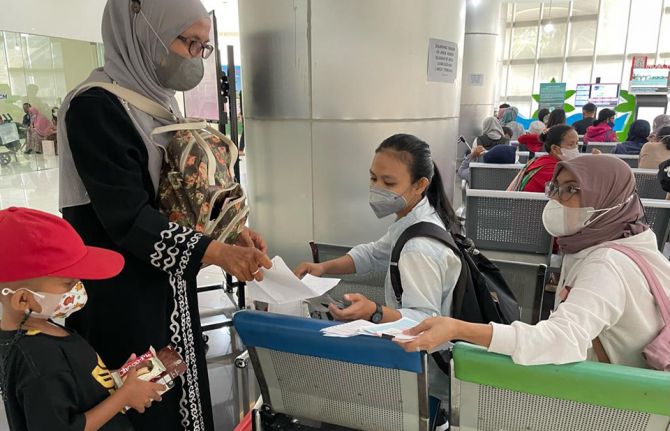
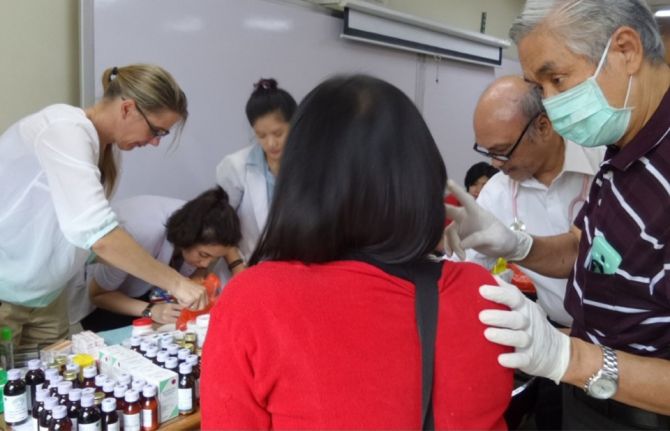
Lentara Anak Pelangi (LAP), an organization that provides HIV services, including psychosocial support, for children and adolescents living with HIV in Jakarta has seen some successes through their One Child One Life program.
“We want these adolescents to be the next generation of positive leaders and influencers who inspire other teens living with HIV” said Prof. Irwanto, founder of Lentera Anak Pelangi.
The One Child One Life program provides disclosure and post-disclosure support, mental health assessment and care as well as education.
“Lentera Anak Pelangi has supported my daughter since she was very young. LAP’s in-person and online activities have been very helpful for her. Through Sekolah LAP, my daughter has started to learn how to build her self-confidence and open her mind to learn more things. I also learned the meaning of this illness and find friends facing the same struggle and fight to continue to be healthy,” Explained the mother of one LAP beneficiary.
“My son and I have been greatly helped by LAP’s education support. During the pandemic, we often received sembako (staple foods). My son loves to be part of LAP because he gets to meets other teens who share similar circumstances. We also receive information on how to provide care for our family,” another mother said.
Through the One Child One Life program, children living with HIV have been supported to suppress their HIV viral load, return to school and participate in youth support groups. LAP also supports children with special needs and supplemental nutritional support when required. However, their coverage remains small due to funding and human resource constraints.
“Science has made it possible to diagnose and treat HIV. We have come a really long way in 40 years. In Indonesia, we must eliminate vertical transmission of HIV and ensure that all children living with HIV access life-saving antiretroviral therapy and quality care including psychosocial support when needed.” said Krittayawan Boonto, the UNAIDS Country Director for Indonesia.”
UNAIDS Indonesia together with Lentera Anak Pelangi and other implementing partners continue to call for optimized investments in community-based services and community-led programmes for women, adolescents and children living with HIV.