Feature Story
International Youth Day 2022: creating a world for all ages
12 August 2022
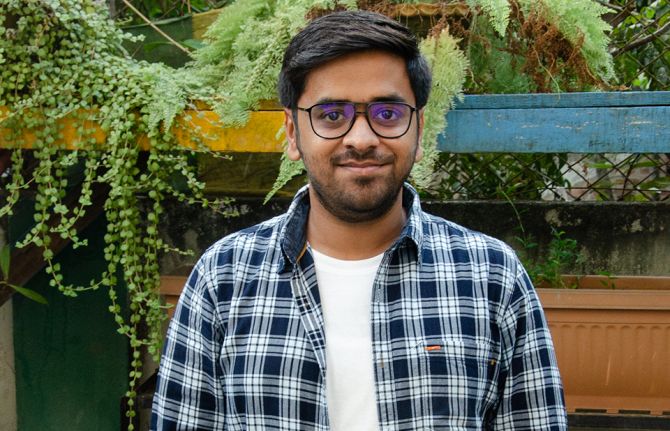
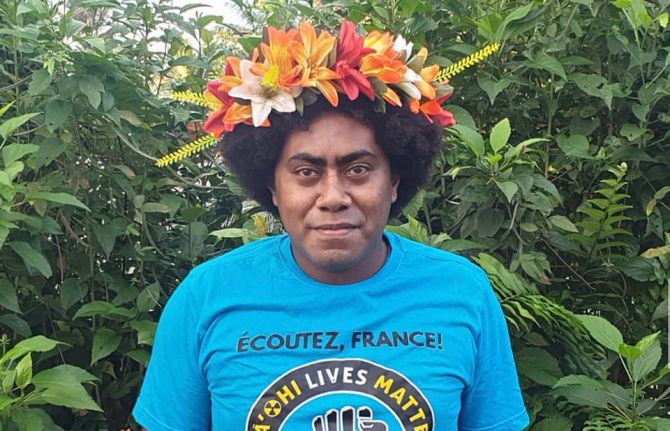
12 August 2022 12 August 2022KALISITO BIAUKULA, GENENDIT, FIJI
What does International Youth Day mean to you? International Youth Day means highlighting youth voices and a call to action of our voices so that our point of view is integrated across programs and policies. In addition, there should be an emphasis on investing in youth-led organizations and supporting youth activism.
What does a world for all ages look like in the context of the HIV response? Young people should have a say or agency regarding decisions that affect their bodies and life. In the Asia Pacific region where I come from, there are many punitive laws and criminalizations. This fuels stigma and discrimination among young key populations and in my mind increases barriers to much needed HIV services.
We must ensure an intersectional, intergenerational and human rights-based approach to achieving gender equality and the empowerment of young people in all our diversities across the region. We fully recognize the principles of “Do No Harm” and “Leave No One behind.'' I cannot insist enough on consulting all communities in the region.
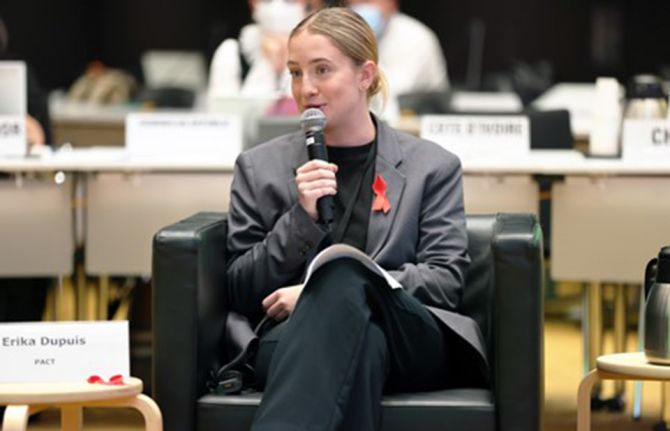
ERIKA DUPUIS, THE PACT, VICE-CHAIR, CANADA
What does International Youth Day mean to you? International Youth Day is a global celebration of young people’s contributions, innovations, and leadership. It is a day of celebration and reflection on how stakeholders can better sustain and strengthen youth movement-building.
What kind of activism are you doing? The PACT, a global coalition of over 150 youth-led and youth-serving organsaitions, has recently concluded another cycle of the Universal Periodic Review, where we have been supporting youth-led organizations to analyze and address current gaps in HIV response not only with young key populations, but across all generations. The UPR is a key mechanism for highlight human rights violations happening at the country level in the multilateral space, and through our partnership with Sexual Rights Initiative we have been harnessing intergenerational learning to ensure young people have their voices heard in this space too.
What does a world for all ages look like in the context of the HIV response? A world for all ages in the context of the HIV response is the understanding and promotion of intergenerational solidarity and partnerships to guide future community-based activism.
CHINMAY MODI, GLOBAL NETWORK OF YOUNG PEOPLE LIVING WITH HIV (Y+ GLOBAL), INDIA
What does International Youth Day mean to you? International Youth Day is the day when young people are the ‘cherry on the cake’ and we hear a lot of noise about young people globally. It is the day when all partners recognize youth and their contributions to the world. It is our day of visibility. Our day to sensitize the world on the issues affecting us and our day to showcase the work we have done as youth.
What activism are you doing at Y+ Global? As a global network of young people, we are tasked with advocating against issues that adolescents and young people living with HIV face including various groups. We design, plan and execute campaigns that raise awareness of the issues faced by young people and hold global leaders and health institutions accountable. We partner with country networks of young people living with HIV and support them in developing their advocacy strategies while also sourcing for small grants to support capacity-strengthening efforts. We embrace unique adult youth partnership models by advocating for slots for young people in key decision-making spaces such as the Global Fund Country Coordinating Mechanism (CCMs) and the delegations to the Global Health Institutions.
What does a world for all ages mean to you? A world for all ages is a world where young people are not only treated as beneficiaries but as key stakeholders. A world where we have access to equal opportunities to contribute to the HIV response in a fully funded space that is full of trust and investment in youth leadership. It is a world where youth are leading the response in tackling youth issues.
FEDERICO VILLALBA, J+LAC, NATIONAL COORDINATOR, ARGENTINA
What does International Youth Day mean to you? International Youth Day is a celebration of the joint efforts made by organized youth in civil society at the international level to improve the world we live in. This day is a recognition of our power to transform our society and also to leverage our needs into realities
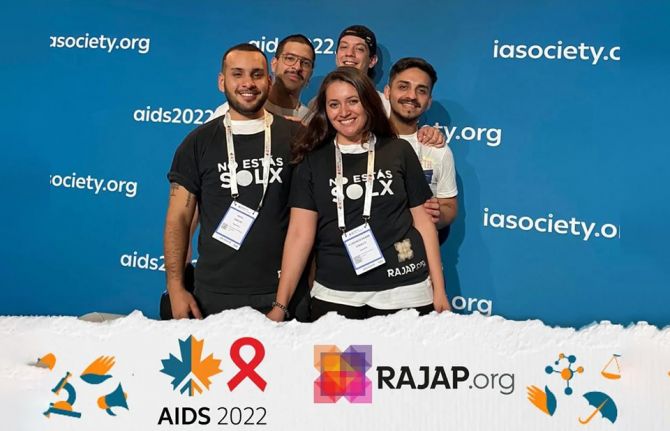
What kind of activism are you doing? The Argentine Network of Positive Youth and Adolescents (RAJAP) is an organization of young people living with HIV throughout Argentina. Since its founding in 2009, it has built a nationwide platform that reaches more than a thousand members ages 14 to 30. Its main mission is to create a safe space for all adolescents and young people living with HIV+. We support, train and teach people about their rights as well as do advocacy around HIV.
This year’s theme is ‘Intergenerational Solidarity: Creating a World for All Ages’, what does that mean to you? Although our work and efforts focus on young people and adolescents, intergenerational dialogue seems fundamental to us so that our present objectives are informed by the experiences of young people. As you know there are cross-cutting problems such as stigma and discrimination so intergenerational dialogue is very important not only to carry over past knowledge but for the sustainability of our organization in the medium and long term.
What is your hope regarding the future? I wish for a world in which older adults are not perceived as a social risk and where public policies are clearly oriented towards their care and meeting their needs, if not most of the time informal care networks is usually taken care of by women. Basically, I would like a world in which older adults are not made invisible and they are not perceived as asexual. Ultimately, it would be a world where there is no age bias in which we can join forces and work together for a better world.
Our work

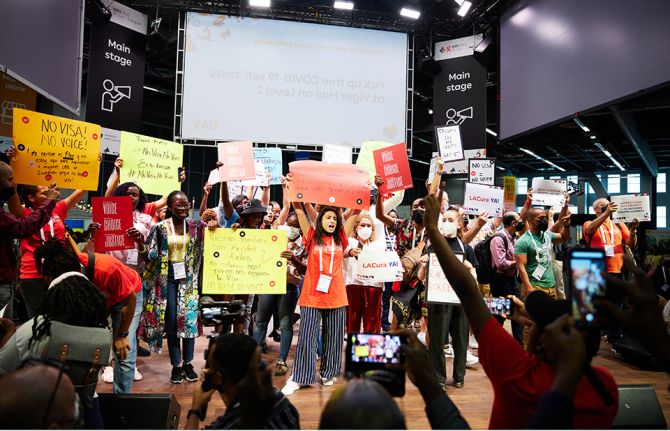
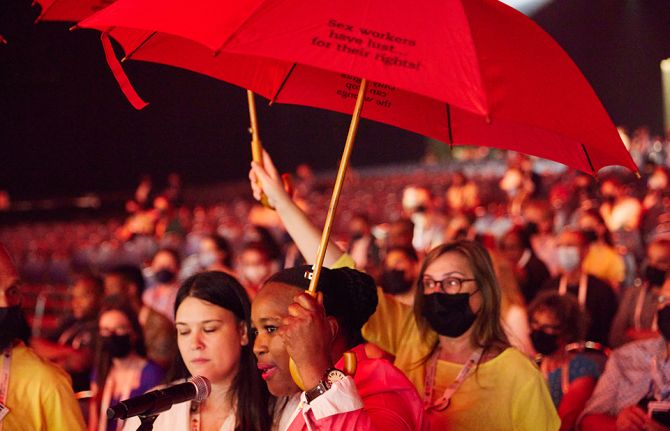
Feature Story
Pandemics are not fate: Concrete actions to tackle inequalities can overcome AIDS, Monkeypox and COVID-19
10 August 2022
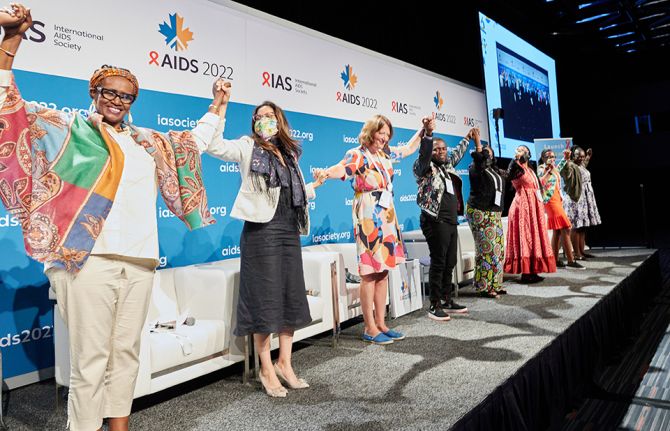
10 August 2022 10 August 2022We do not need to accept pandemics as fate, experts gathered at the International AIDS Conference concurred. By taking specific, well-evidenced, concrete actions to tackle the inequalities driving them, today’s health threats can all be overcome.
As the latest data reveals that progress in the HIV response is stalling, putting millions of lives in danger, as the COVID-19 crisis drags on, and as Monkeypox presents new risks, all are being held back by inequalities, and all three viruses are in turn further exacerbating those inequalities. However, a focus on tackling underlying drivers of pandemic risk can enable a successful response, scientists, economists and heads of AIDS programmes concurred.
“There are Monkeypox vaccine doses in Europe but none in Africa. Most people at risk of dying from COVID-19 in lower-income countries have still not received a COVID-19 vaccine. New game changing prevention medicines for HIV will not be widely available in lower income counties for years unless there is a dramatic course correction,” said Winnie Byanyima, Executive Director, UNAIDS, and Under-Secretary-General of the United Nations. “An effective response to disease outbreaks and pandemics means tackling inequalities. That means empowering women and girls to shift power relations between men and women. It means tackling inequalities in access to health services between rich and poor. And it means removing punitive laws that push away from life-saving services LGBTQI+ people, people who use drugs, and sex workers.”
The application of scientific advancements is currently being undermined by inequalities, delegates at the International AIDS Conference noted. They recalled how, at the turn of the millennium, civil society and generic manufacturers teamed up to demand access to antiretrovirals for people living with HIV and their victory against the odds helped save millions of lives. But whilst that battle was won, delegates highlighted that the overall process of research and development, innovation and how that translates into manufacturing, pricing and distribution has remained untransparent and heavily skewed to the interests of rich countries. This played out during the COVID-19 pandemic as tests, vaccines and now antivirals are widely available in rich countries while still scarce in lower-income countries. And now this is repeating again with Monkeypox.
Inequality is not only about differential risks but is about cycles of power, the imbalance in how laws and policies are implemented, who is empowered by these policies, and who is disempowered.
“The AIDS movement is one of the best examples of how groups of people experiencing intersecting inequalities can unite to overcome them, leading to millions of lives being saved,” said Professor Joseph Stiglitz, Nobel laureate in economics. “But those gains were not permanent. Now a heating world combined with systemic inequalities mean that new disease outbreaks are becoming more frequent and while technological advancement is important, if there’s not a serious move to tackle inequality, the pattern of prolonged pandemics will only continue.” Professor Stiglitz was speaking at the AIDS Conference’s flagship session entitled “How Inequalities Perpetuate Pandemics: Why We Need a New Approach to End AIDS.”
New HIV infections occurred disproportionately among young women and adolescent girls, with a new infection every two minutes in this population in 2021. The gendered HIV impact, particularly for young African women and girls, occurred amidst disruption of key HIV treatment and prevention services, millions of girls out of school due to pandemics, and spikes in teenage pregnancies and gender-based violence. In sub-Saharan Africa, adolescent girls and young women are three times as likely to acquire HIV as adolescent boys and young men.
Worldwide, only half (52%) of children living with HIV have access to life-saving medicine, and the inequality in HIV treatment coverage between children and adults is increasing rather than narrowing.
Racial inequalities drive HIV too. In the United Kingdom and the United States, declines in new HIV diagnoses have been smaller among Black populations than among White. In Australia, Canada and the United States, HIV acquisition rates are higher in Indigenous communities than in non-Indigenous communities.
Sbongile Nkosi, Co-Executive Director of the Global Network of PLHIV stated “Our experiences to date remind us that responding to pandemics such as HIV and COVID-19 is not just about dealing with a medical condition, it’s also about the environment in which we live and how my social status will determine the care I receive. It means centering interventions around the needs of people, listening to people. When we talk about key populations, we tend to group people. But then we misunderstand inequalities. People live intersecting lives and inequalities affect them differently.” During the disruptions of the last few years, key populations have been particularly affected in many communities – with rising prevalence in many locations. UNAIDS data have shown increasing risk of new infections faced by gay men and other men who have sex with men (MSM) globally. As of 2021, UNAIDS key populations data show MSM have 28 times the risk of acquiring HIV compared to people of the same age and gender identity while people who inject drugs have 35 times the risk, sex workers 30 times the risk, and transgender women 14 times the risk.
Just as tackling inequalities has been key to progress in tackling HIV, so it is in tackling COVID-19. But too many COVID-19 responses have ignored this. “We have failed to learn a lot of the lessons from HIV/AIDS in the way we responded to COVID-19. And we need to be honest about that and reflect on where we go from here,” noted Executive Director of the Global Fund, Peter Sands.
“It's time not only to know your gaps but to close those gaps,” said Ambassador John Nkengasong, US Global AIDS Coordinator and Special Representative for Global Health Diplomacy.
Today’s inequalities are bleak. But the most important message is a hopeful one. We know how to end AIDS by 2030 and also how to overcome Monkeypox, COVID-19 and other current and future health threats: when we tackle the inequalities which drive health risks, we can keep everyone safe.
UNAIDS
The Joint United Nations Programme on HIV/AIDS (UNAIDS) leads and inspires the world to achieve its shared vision of zero new HIV infections, zero discrimination and zero AIDS-related deaths. UNAIDS unites the efforts of 11 UN organizations—UNHCR, UNICEF, WFP, UNDP, UNFPA, UNODC, UN Women, ILO, UNESCO, WHO and the World Bank—and works closely with global and national partners towards ending the AIDS epidemic by 2030 as part of the Sustainable Development Goals. Learn more at unaids.org and connect with us on Facebook, Twitter, Instagram and YouTube.
Related
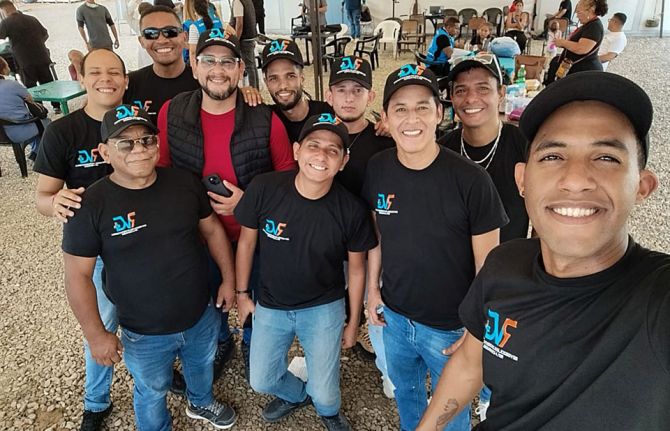 Communities, authorities and UNAIDS coordinate to maintain HIV care during emergencies in Colombia and Venezuela
23 September 2026
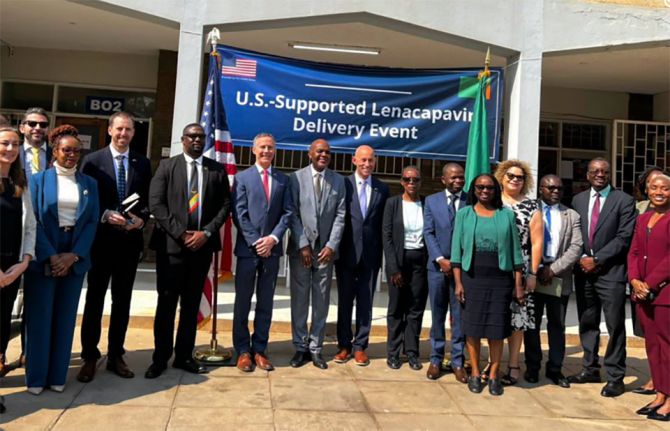 UNAIDS works with partners and communities to support Zambia's rollout of Lenacapavir to prevent new HIV infections
09 September 2026
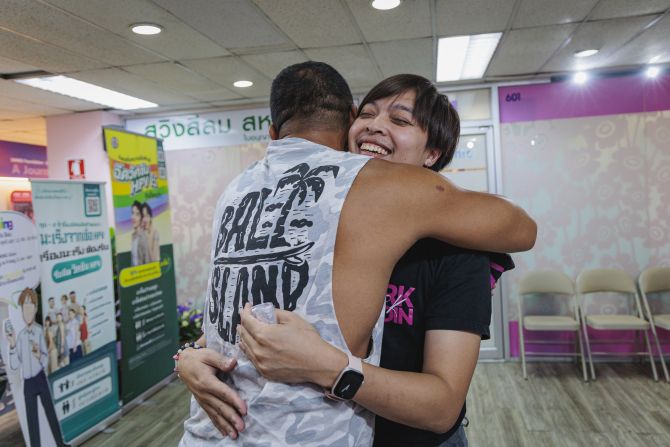 Built on trust - Community-led HIV responses in Thailand
26 August 2026
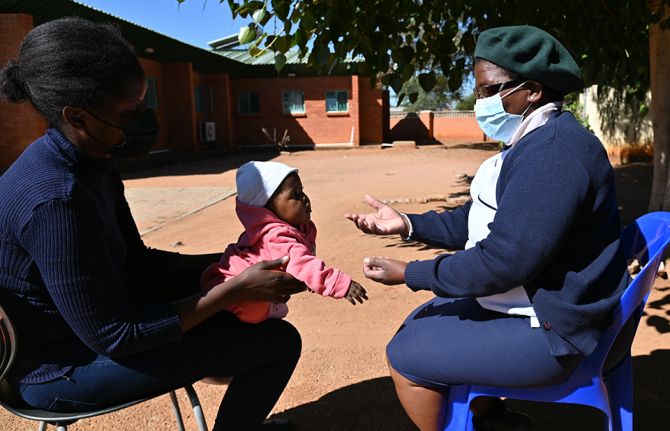
Feature Story
Botswana leads the way for high HIV burden country certification on the path to eliminate vertical HIV transmission
27 July 2022
27 July 2022 27 July 2022In December 2021, Botswana became the first high HIV burden country to be certified by the WHO Global Validation Advisory Committee (GVAC) as having achieved a critical milestone along the path to eliminating vertical HIV transmission. As striking as what Botswana has achieved, however, is how it went about documenting this achievement—using the certification process as an avenue to empower women living with HIV and reinforce their fundamental rights.1
Botswana is the first high HIV burden country to be certified for achieving the required indicators for the Silver Tier on the “Path to Elimination of HIV” criteria that were introduced in 2017. The Silver Tier requires an HIV case rate of fewer than 500 per 100 000 live births, a vertical HIV transmission rate of under 5% and the provision of antenatal care and antiretroviral treatment to more than 90% of pregnant women.
UNAIDS data show that over 95% of pregnant women in Botswana were receiving antiretroviral therapy in 2021, up from 77% in 2010. Vertical transmission rates were only 2.2%, down from 9.0% a decade earlier. According to a woman living with HIV in Kgalagadi South, “I have three children...I breastfed all three, and all of them were given medication for prevention of HIV.”
Botswana placed women living with HIV at the centre of the process of documenting the country’s prevention success. With the support of UNAIDS, the International Community of Women living with HIV oriented networks of women living with HIV to administer the human rights assessment tool to their networks in 10 of Botswana’s districts.2 These networks led the process, and the Government of Botswana provided logistical support to ensure the engagement of women living with HIV within a safe space. Women living with HIV, who are represented on the National Validation Committee, also reviewed a draft of the national validation report.
GVAC validated that Botswana’s programmes and services to eliminate vertical HIV transmission are consistent with international, regional and national standards on human rights, gender equality and community engagement. As one woman living with HIV in Kweneng West remarked, “the nurses and health-care officers give the option for all to test-and-treat. It is always a clear choice, and not a forced one.”
95% OF PREGNANT WOMEN IN BOTSWANA WERE RECEIVING ANTIRETROVIRAL THERAPY IN 2021
The Botswana Ministry of Health, with the engagement of women living with HIV and the support of the Joint Programme, convened a workshop in May 2022 to foster partner and stakeholder involvement for ensuring that rights-based approaches are used to maintain the country’s Silver Tier certification—and its possible progression to the Gold Tier.
1 As of December 2021, 15 countries and territories—Anguilla, Antigua and Barbuda, Armenia (HIV only), Belarus, Ber- muda, Cayman Islands, Cuba, Dominica, Malaysia, the Maldives, the Republic of Moldova (syphilis only), Montserrat, Sri Lanka, St Kitts and Nevis and Thailand—have been certified for eliminating vertical HIV and syphilis transmission. Countries apply using standardized criteria for the assessment of programme performance, data and laboratory sys- tems, and they ensure the integration of human rights, gender equality and community engagement under a process overseen by the United Nations Children’s Fund (UNICEF), UNFPA, WHO and UNAIDS.
2 These included the Botswana Network of People Living with HIV (BONEPWA+), Bomme Isago (a local partner of the International Community of Women living with HIV) and the Botswana Network on Ethics, Law and HIV/AIDS (BONELA).
The path to elimination of vertical transmission of HIV
- PATH TO ELIMINATION VALIDATION
- BRONZE: 90% antenatal care coverage (at least one visit), 90% HIV testing coverage among pregnant women, 90% antiretroviral treatment coverage among pregnant women living with HIV Case rate of new paediatric HIV infections due to MTCTa of ≤750 cases per 100 000 live births MTCT rate <5%
- SILVER: 90% antenatal care coverage (at least one visit), 90% HIV testing coverage among pregnant women, 90% antiretroviral treatment coverage among pregnant women living with HIV Case rate of new paediatric HIV infections due to MTCT of ≤500 cases per 100 000 live births MTCT rate <5%
- GOLD: 95% antenatal care coverage (at least one visit), 95% HIV testing coverage among pregnant women, 95% antiretroviral treatment coverage among pregnant women living with HIV Case rate of new paediatric HIV infections due to MTCT of ≤250 cases per 100 000 live births MTCT rate <5%
- FULL VALIDATION: 95% antenatal care coverage (at least one visit), 95% HIV testing coverage among pregnant women, 95% antiretroviral treatment coverage among pregnant women living with HIV Case rate of new paediatric HIV infections due to MTCT of ≤50/100 000 cases per 100 000 live births MTCT rate <5%
Source: Adapted from: Global guidance on criteria and processes for validation: elimination of mother-to-child transmission of HIV, syphilis and hepatitis B virus. Geneva: WHO; 2021 (https://www.who.int/publications/i/item/9789240039360).
a MTCT = mother-to-child transmission of HIV.
The path to elimination of vertical transmission of HIV
Region/country
Related


Feature Story
Empowering young people at youth festivals in Indonesia
03 August 2022
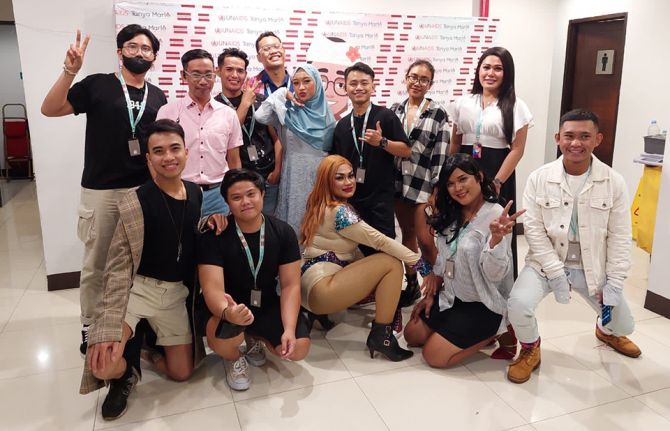
03 August 2022 03 August 2022“This is the first time I feel comfortable expressing my true identity," said Yogi one of the youth festival participants in Bali, Indonesia. "I am currently involved in this youth festival, and I feel safe being among new friends who are in a similar situation as me," Yogi added. "I also received new information about HIV as well as gaining access to counselling services that are a comfort.”
In a conservative country like Indonesia, sex is considered a taboo subject. Whether with parents, teachers or other adults, discussing sex and sexual health with young people is strongly discouraged. Accessing comprehensive information on sex and sexual and reproductive health and rights (SRHR) is even more challenging for young key populations, who do not have many safe spaces for discussion and are not adequately empowered with knowledge due to marginalization and discrimination.
Data shows that the level of knowledge on HIV and the level of comprehensive sexuality education (CSE) among adolescents in Indonesia are still very low. According to the 2017 Demographic and Health Survey (IDHS), 82% of women and 83% of men have heard of HIV and AIDS. Unfortunately, only 14% of women and men aged 15-24 have comprehensive knowledge of HIV. The lack of comprehensive knowledge about HIV contributes to the low demand for and access to HIV prevention and testing services, making it more difficult to curb new HIV infections in Indonesia.
“I gained access to HIV-related services only after I had been diagnosed, so I was feeling quite hopeless then," said a youth participant in a focus group discussion held by Inti Muda, the national young key population network. "I used to think that once you are infected with HIV, you will certainly die, so I used to feel scared seeking help by going to HIV services,” the participant added.
With the intention of addressing the challenges experienced by young key populations in accessing health information and services, Inti Muda and UNAIDS Indonesia, with support from the Government of Australia’s Department of Foreign Affairs and Trade (DFAT), initiated a series of Youth Festivals in various cities in Indonesia.
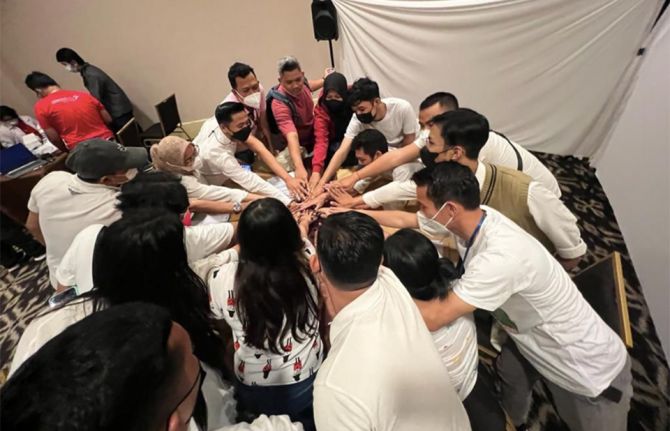
These festivals provided young key populations with a safe and comfortable space for collective discussion, expression and learning about issues important to their sexual health and well-being. The event not only included education about HIV and SRHR, it also provided opportunities for young people the to show off their talents while raising the topic of HIV and sexual and reproductive health and rights. Moreover, youth participants were able to access free HIV testing on site, with youth-friendly counselling free from judgment and discrimination.
“The festivals allowed us to bring out our talents in public speaking, poetry reading, and storytelling towards HIV and SRHR issues. This showed that we can be empowered, creative and have talents to be leveraged,” expressed Febri, another participants in the youth festival in Jakarta.
Having activities tailored for young key populations and connecting young people with their peers to learn about HIV and SRHR contributes to the HIV response in Indonesia, as young people who are informed about their bodies are more empowered to protect themselves from HIV. This is especially crucial in Indonesia where young people (15-24) account for almost half of new HIV infections in the country.
“Educational methods or outreach activities that are too conservative sometimes can make youth reluctant to actively participate,” explained Sepi Maulana Ardiansyah, National Coordinator for Inti Muda Indonesia.
From February to April 2022, youth festivals were successfully held in 7 provinces in Indonesia, including Jakarta, South Sulawesi, Papua, Bali, North Sumatra, East Java, and West Java. Over 700 young people from key populations participated in these festivals and 140 participants accessed HIV testing services provided by Inti Muda in collaboration with local health provinces and Primary Health Centres.
"As we want to reach more young key populations as targeted beneficiaries, it is crucial for UNAIDS to be able to listen and believe in the approach that is used by Inti Muda Indonesia as a partner that is youth-led. This is done to ensure that youth empowerment, participation, leadership as well as activities and approaches are meeting the needs of young key populations,” said Krittayawan Boonto, the UNAIDS Country Director for Indonesia.
Region/country
Related
Feature Story
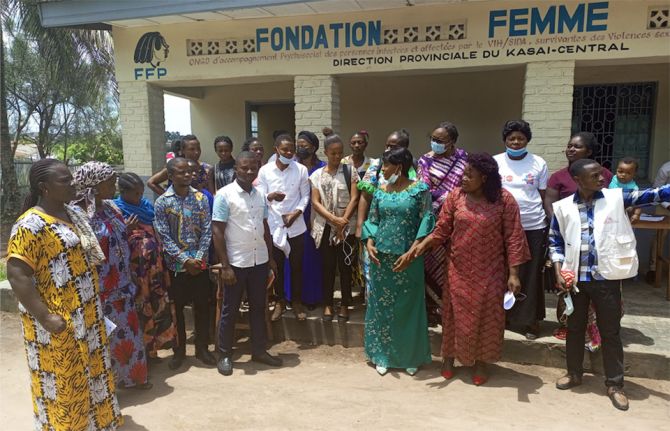
In the Democratic Republic of Congo, Thérèse Omari maintains her commitment to ending AIDS and providing a fulfilling and harmonious life for people living with HIV
28 July 2022
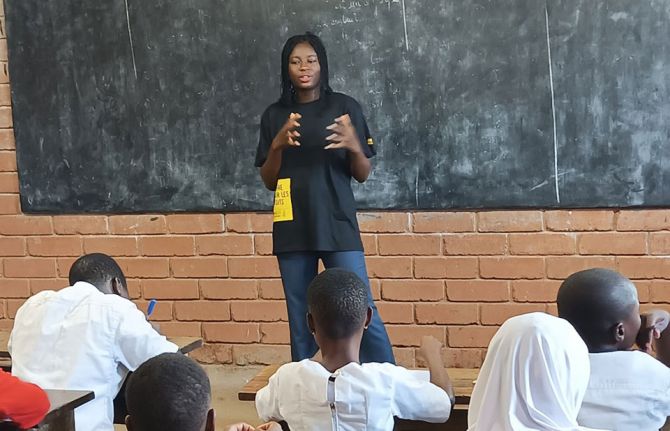
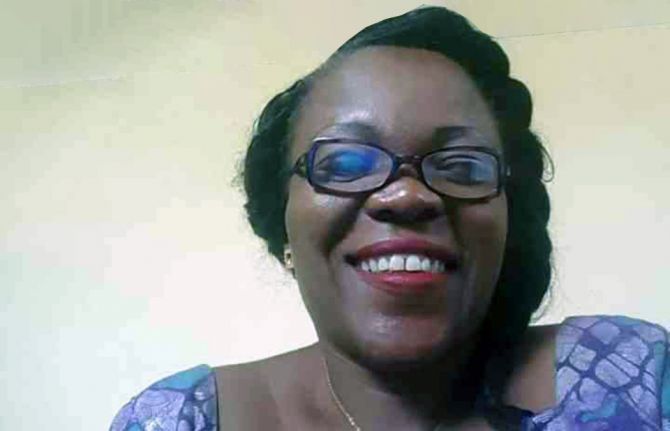
28 July 2022 28 July 2022"We are here, we are not giving up". These are the encouraging words of Thérèse Omari, an activist who has been involved in the fight against AIDS for more than 20 years within the Femme Plus organisation, of which she is the co-founder and National Director in the Democratic Republic of Congo.
Femme Plus, true to its motto "Positive Life", works to improve the quality of life of people living with HIV. "The objective is for our beneficiaries to live in harmony with themselves, with their environment and with their beliefs," explains Ms Omari.
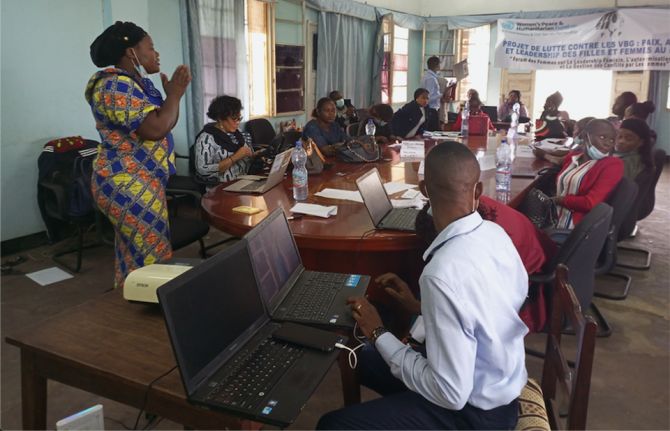
To this end, the organisation provides psychosocial support to people living with or affected by HIV through counselling, care and support services. Femme Plus also carries out numerous activities in communities to free people living with HIV from the burden of stigma. "There is still a lot to be done to change behaviours towards people living with HIV," says Ms Omari. In the Democratic Republic of Congo, HIV-related stigma is still very present, especially in community settings. "Many people living with HIV say they no longer participate in family gatherings and other events fearing discrimination. It is therefore essential that people who come to Femme Plus feel that they are considered normal people with rights and obligations," she explains. In order to raise awareness, the organisation runs workshops to provide communities with the knowledge to better support people living with HIV, without isolating them or treating them differently.
Ms Omari also deplores the persistence of stigma and discrimination in health care settings despite the numerous HIV-related trainings for health care workers. In particular, she receives testimonies from pregnant women who have tested positive for HIV in one facility and wish to give birth in another, fearing of being stigmatised and treated differently. This is problematic as it can be detrimental to the provision of appropriate care for the mother and baby.
Ending discrimination and ensuring that the rights of people living with HIV are protected is therefore one of Femmes Plus' priorities to help them assert themselves and make the right choices about their health. "We encourage people living with HIV to empower themselves, to speak up about their condition, for their own well-being," says Ms Omari.
Ms Omari also raises other obstacles to the AIDS response. The lack of access to prevention and treatment, and the low rate of people with an undetectable viral load, are among the shortcomings of the fight against HIV in the Democratic Republic of Congo. "Not everyone has access to testing. There are still people with HIV who live in anonymity," warns Ms Omari.
To overcome this gap, Femme Plus works with community leaders to teach them how to stay healthy with HIV. Among other activities, it also engages with pregnant and breastfeeding women, providing them with the knowledge to protect their babies and thereby stop vertical transmission.
"As long as there are people who do not know their HIV status, who do not have access to treatment and who have not reached an undetectable viral load, the fight of Femme Plus will remain meaningful," insists Ms Omari.
She concludes by pointing out that the fight against AIDS in the Democratic Republic of Congo is taking place in a context where resources are limited. "The local population must be involved in psychosocial care and prevention activities to make HIV an electoral issue," she explains. While waiting for more substantial funding from the State and better traceability of funds, community-led services have a crucial role to play with people living with HIV. They are at the heart of the fight against AIDS, advocating for access to prevention and life-saving care, calling for respect for human rights and addressing the specific needs of their beneficiaries. Their support is therefore pivotal in meeting the challenges of the HIV response and ending AIDS by 2030.
Region/country
Related
Communities, authorities and UNAIDS coordinate to maintain HIV care during emergencies in Colombia and Venezuela
23 September 2026
 UNAIDS, WHO and Unitaid bring manufacturers and governments together in Geneva as HIV financing enters a new era
14 September 2026
Built on trust - Community-led HIV responses in Thailand
26 August 2026
Feature Story
Martine Somda, an activist committed to the fight against HIV in Burkina Faso, continues her fight to defend the rights of people living with HIV
26 July 2022
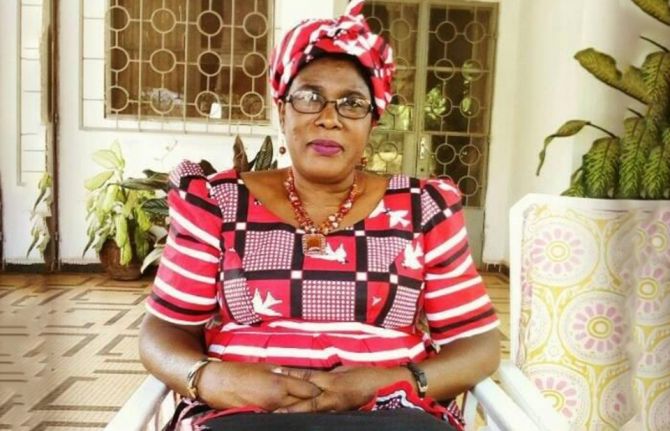
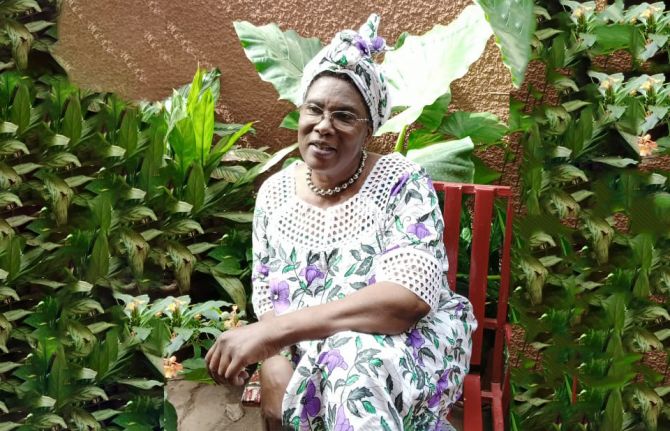
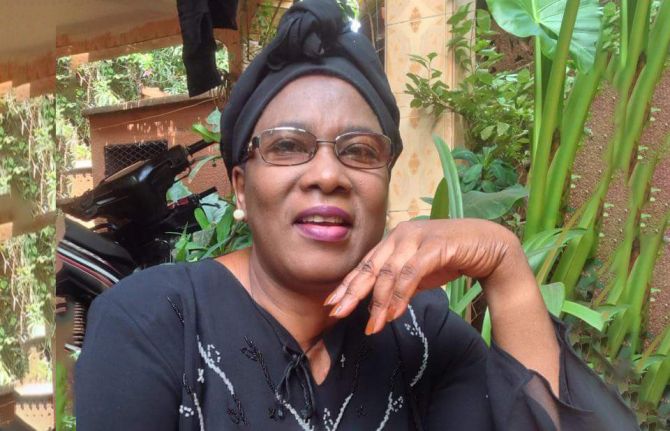
26 July 2022 26 July 2022Ms Martine Somda Dakuyo was 34 years old when she was diagnosed with HIV. The news, which she describes as traumatic, suddenly shattered all the hopes and plans of this mother of four. "I suffered a lot from the fear of dying prematurely and in deplorable conditions," she says. Despite a deep sense of anger and injustice, she finally came to terms with her status and even went public in the media to encourage people living with HIV to accept themselves and get help.
Today, with her treatments controlling her viral load and keeping her healthy, Martine can look forward to a happy and productive life. She is one of the pioneers in the fight against AIDS in Burkina Faso, having fought for nearly 29 years with the NGO Responsabilité Espoir Vie Solidarité (REVS+). This association, of which she is the initiator and President of the Board of Directors, works for the prevention of HIV, the care of people exposed to the virus and the promotion of their human rights.
"The fight against AIDS in West and Central Africa remains a health emergency," says Ms Somda. Although the HIV prevalence rate is 0.7% in Burkina Faso, Ms Somda asks us about the situation of key populations, who are more exposed to the dangers of HIV, and the reasons that lead to this sad reality. In particular, she mentions the political and security context in the region, proposed laws that discriminate against key populations and the low involvement of people affected by HIV in the fight against AIDS as obstacles to effective care.
In order to protect key populations from the dangers of HIV, Martine’s ambition is to provide universal access to prevention methods, which are a crucial aspect of the fight against AIDS.
"Focusing on effective access to health and rights for people in situations of social rejection and criminalisation is the challenge for the fight against AIDS," she says.
In order to achieve universal access to prevention, care and follow-up services, Ms Somda advocates, among other things, greater involvement of people affected by HIV in the development of national AIDS strategies, better recognition of actions carried out on the ground and the elimination of social and economic inequalities that fuel the epidemic.
In addition, Martine expressed concern about conservatism and cultural, religious and traditional pressures that lead to stigma and discrimination against people living with HIV. This discrimination manifests itself in various forms; through verbal or physical attacks, threats, harassment, arbitrary arrests, she observes. Such behaviour is dangerous and represents a major obstacle to the fight against AIDS, as it discourages people living with HIV from seeking appropriate services. There is an urgent need to stop such violence in order to create a climate where the rights of people living with HIV are respected and protected. Establishing a more inclusive discourse, free of discriminatory and erroneous prejudices, will allow for a more effective response guided by values of respect, integrity and equality.
With this in mind, in 2015 REVS+ set up workshops and training for decision-makers, religious and customary leaders, health professionals, police and the media. The aim of these activities is above all to denounce stereotypes about people living with HIV and to put an end to discrimination.
"The contribution of community services to the response to HIV is well known and proven, as they complement the services offered by the public health system," explains Ms Somda. Ensuring the continuity of their activities and allowing the greatest number of people to benefit from them, is a necessity for effectively combating AIDS in the region. The resilience of networks such as REVS+, which ensured that prevention activities and care services for people affected by HIV were maintained, was one of the reasons why the impact of the COVID-19 pandemic on people living with HIV was minimised.
Finally, to ensure the effectiveness of the fight against AIDS in the region, and more specifically in Burkina Faso, Ms Somda hopes to see more funding that is "more field-oriented, aligned with policies, strategies and in line with the needs of marginalised groups".
Through this exchange with Martine Somda, we see once again that there is still a long way to go to end AIDS in the region. However, this goal is within reach if all actors in the HIV response work together to develop multi-sectoral strategies. Implementing measures to achieve universal access to prevention services, eliminating HIV-related inequalities and stereotypes, and better managing investments are key priorities for ending AIDS by 2030.
Region/country
Related
Communities, authorities and UNAIDS coordinate to maintain HIV care during emergencies in Colombia and Venezuela
23 September 2026
UNAIDS, WHO and Unitaid bring manufacturers and governments together in Geneva as HIV financing enters a new era
14 September 2026
Built on trust - Community-led HIV responses in Thailand
26 August 2026
Feature Story
It is time to end AIDS in children once and for all: Global Alliance launched
30 July 2022
30 July 2022 30 July 2022MONTREAL, 30 July 2022—More than two decades ago at the 13th International AIDS Conference (IAS) in Durban, Nkosi Johnson from South Africa stood up as the first child to speak publicly about HIV.
”Hello, my name is Nkosi Johnson, I am 11 years old and I have full-blown AIDS,” he said in front of a packed auditorium.
“I get very sad when I think of all the other children and babies that are sick with AIDS. I just wish that the government could start giving HIV treatment to pregnant HIV+ mothers to help stop the virus being passed on to their babies.”
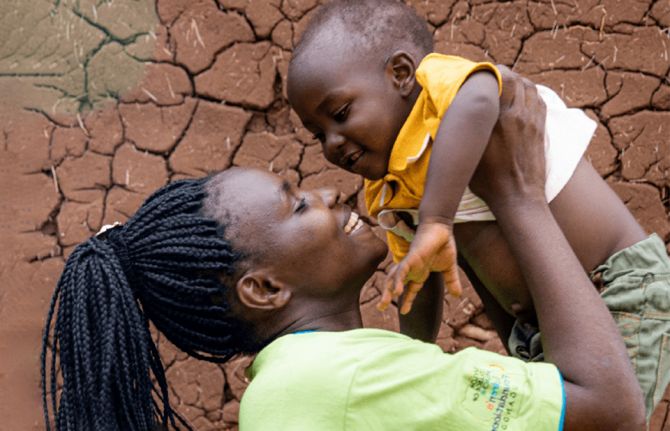
Since Nkosi’s call for help in 2000, remarkable progress has been made. In a decade, coverage of HIV treatment to prevent vertical transmission for pregnant women living with HIV has increased to 85% from 45% and there has been a 53% reduction in new child HIV infections.
Last year, Botswana became the first high-burden country to be certified by the World Health Organization (WHO) for achieving an important milestone on the path to eliminating vertical transmission of HIV from mother to child.
But it’s still not enough.
Global targets towards reaching an AIDS-free generation have been missed year after year. In 2020, there were 1.7 million children living with HIV globally, almost half (46%) of whom were not receiving life-saving HIV treatment. In the same year there were 150 000 new HIV infections among children.
On the sidelines of this year’s IAS conference in Montreal, UNAIDS, networks of people living with HIV, UNICEF and WHO, together with technical partners, PEPFAR and The Global Fund are launching a new Global Alliance to End AIDS in children by 2030. The Alliance will be co-created with the broad participation of stakeholders, national governments, implementing agencies, regional and country-based organizations, faith-based and community partners including women, children and youth living with HIV. The aim is to measure and coordinate progress towards the bold targets of the Sustainable Development Goals (SDGs) and mobilize leadership, funding and action to end AIDS in children by 2030 by tracking work globally, regionally, nationally and at community levels.
“It is unacceptable that children are lagging far behind adults in accessing HIV treatment and that progress on eliminating vertical transmission has stalled in recent years,” said Winnie Byanyima, Executive Director of UNAIDS.
“The committee of co-sponsoring organizations of UNAIDS has approved the Global Alliance to End AIDS in children by 2030, co-led by UNAIDS, WHO and UNICEF as a Global Strategic Initiative. We are united in our commitment to reach this goal,” she added.
Most of these new infections could have been prevented if adolescent girls and women had universal access to HIV testing, prevention and treatment services and the support they need to stay in prevention care or on HIV treatment throughout pregnancy and breastfeeding. In addition, stigma, discrimination, punitive laws and policies, violence and entrenched societal and gender inequalities hinder access to care for women, adolescents and children.
Renewed political commitment and leadership is needed to eliminate vertical transmission and end AIDS in children once and for all. The launch of a new Global AIDS Strategy in 2021 and the Political Declaration on HIV and AIDS provide an opportunity to redirect global attention and redouble efforts to end AIDS in children

Feature Story
Meet a Vaccine Champion overcoming vaccine hesitancy in Ghana
14 July 2022
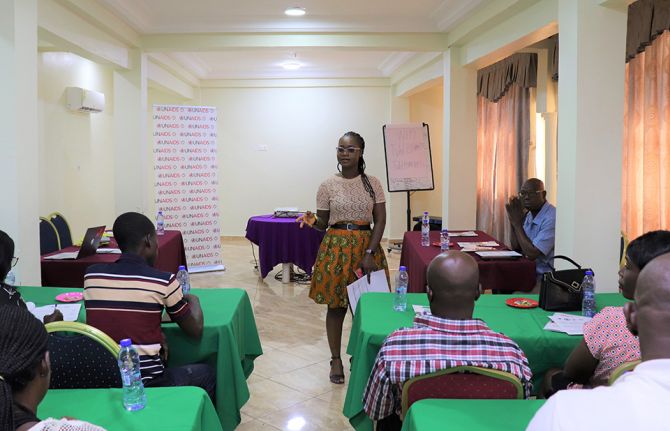
14 July 2022 14 July 2022On 24 February 2021, Ghana became the first recipient of a shipment of 600 000 COVID-19 vaccines under the COVAX initiative, a global effort to provide access to vaccination and curtail transmission of the virus in developing countries.
Joshua Appiah, who is living with HIV, was apprehensive about getting the Covid vaccine because he had been influenced by misinformation: “Some of what was circulating on social media frightened me. I was scared the jab would compromise my immune system and kill me!”.
After coming to learn that it is a lack of vaccination which poses a threat to health, particularly for people living with HIV, Joshua is angry at those who have promoted “misleading stories about the vaccine, its effects, the motivations behind its creation”. That is why Joshua decided to play his part. In June this year, he became one of 40 Vaccine Champions to undergo COVID-19 vaccination advocacy training, aimed at reinforcing their capacity to spread positive messaging and debunk “fake news”, myths and lies in their discussions with local community members. In turn, the programme hopes to increase vaccine uptake in local communities and among people living with HIV at ART sites, as Ghana continues to battle vaccine hesitancy.
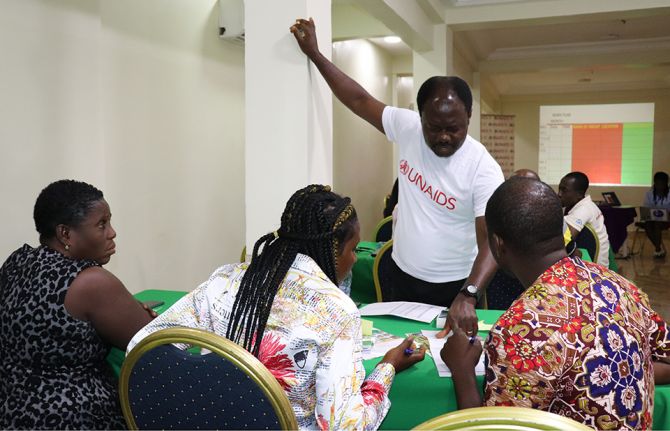
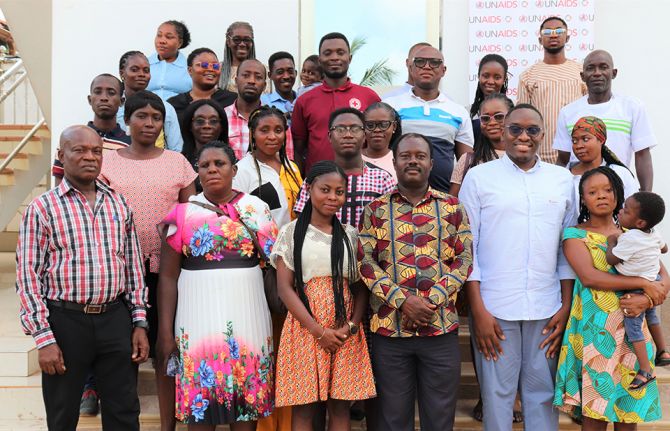
The two-day training for Vaccine Champions was organised by Hope for Future Generations (HFFG), in partnership with the National Association of Persons Living with HIV (NAP+) Ghana, Young Health Advocates Ghana (YHAG), and the Ghana Red Cross Society (GRCS), with technical support from the Ghana Health Service. This activity falls under the Partnership for Accelerated COVID-19 Testing (PACT) 2.0 project, supported by UNAIDS and funded by the Government of Germany.
For Joshua, the topics covered, such as public sensitization on COVID-19, debunking myths and misconceptions, developing effective communication strategies, investigating the role of Vaccine Champions and working with data collection tools, have been enlightening and have empowered him to spread the word on vaccine uptake. “I took particular interest in the sessions on COVID-19 vaccine myths and misconceptions. I am now convinced that vaccines do not contain microchips, nor render people infertile, and I also feel comfortable spreading scientifically sound facts among the communities I am in contact with.”
In her opening remarks for the training in Accra, Executive Director of HFFG, Cecilia Senoo, described the current state of vaccine hesitancy as worrying, reinforcing the urgency of the project. She commended the Vaccine Champions for embarking on a “worthy cause” and encouraged the Vaccine Champions to remain devoted to their mandate. UNAIDS Ghana Youth Programs Officer, Eric Sinayobye, stated that, “vaccine hesitancy is a stumbling block to achieving mass immunity in Ghana, hence the need for Vaccine Champions to help educating members of the community”.
After the training, the 40 Vaccine Champions were deployed at ART sites and inside communities to provide education on the importance of getting vaccinated, as well as to help debunk myths surrounding the vaccines in the next three months. With funding from the Government of Germany, UNAIDS continues to work with the Africa Centers for Disease Control (Africa CDC) to strengthen community-led response against COVID-19 and HIV in Africa.
Region/country
Related
 Impact of US funding cuts on HIV programmes in Ghana
08 April 2025
Feature Story
The communities behind Antigua and Barbuda’s decriminalization win
12 July 2022
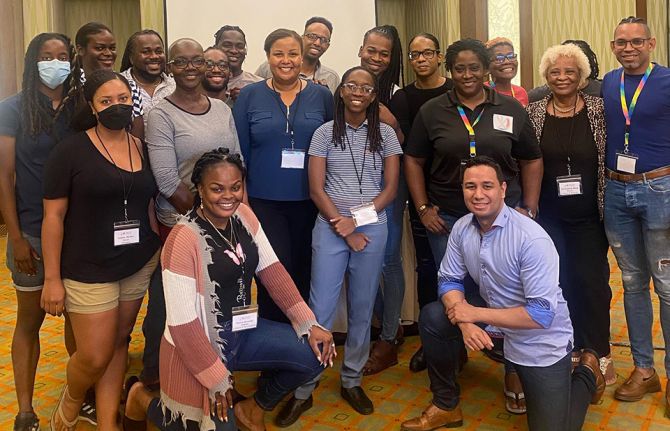
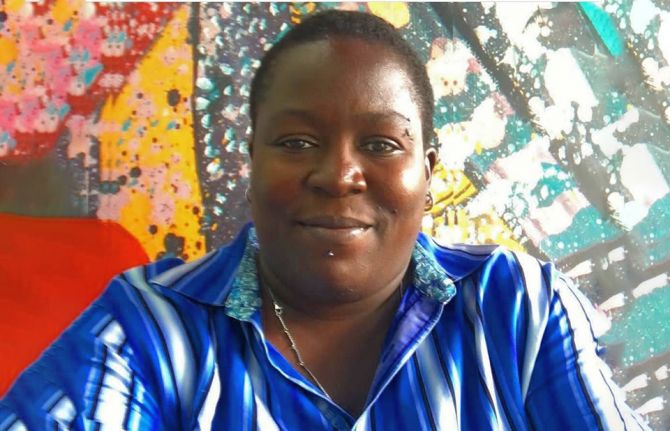
12 July 2022 12 July 2022Last week Antigua and Barbuda’s High Court struck down laws criminalizing sexual acts between consenting, adult, same sex partners. Orden David, a gay man, brought the case.
In some ways, he’s an unlikely candidate. He describes himself as “private” and “quiet”—characteristics that make him an excellent HIV counsellor and tester. By day he works for the Health Ministry of the very government he challenged. For the past eight years clients have trusted him to treat their interactions with care and confidentiality. He almost seems wired for discretion.
When asked about the personal experiences that compelled him to become the face for a challenge to his country’s “buggery” laws, he’s reluctant to recount them. But the laundry list is included in the judgment.
Slurs.
Insults.
Bullying throughout school.
Photos taken by strangers and posted to social media.
Two unprovoked physical attacks: one on the street at night, another at work.
And most upsetting for Mr David, a string of interactions with police officers who either harassed him or seemed entirely unmotivated to offer the protection afforded to other citizens. Once when he tried reporting a robbery, an officer responded, “Why are you gay?”. Another time police officers neglected to notify him about a court appearance and the case against his assailant was thrown out.
Throughout the Commonwealth Caribbean, homophobic attitudes are not just a matter of personal opinion or conservative religious teaching. In many minds they are sanctioned by states that have retained laws dating back to the 19th century which criminalize same-sex relationships.
A 2014 online survey of men who have sex with men in the Caribbean commissioned by UNAIDS found that within the past month one-third (33%) of respondents had been stared at or intimidated while almost a quarter (23%) experienced verbal abuse. About one in ten (11%) reported being physically assaulted in the past five years.
Mr David has a unique perspective on how these dynamics—intolerant social attitudes, homophobic abuse, punitive laws and a lack of legal protection—affect the LGBT community’s access to HIV services. He’s had clients refuse to accept calls or show up to treatment after testing positive.
“Because the country is so small and everybody knows everybody, there is a lot of fear,” he explains. (Antigua and Barbuda has a population of 98,000 people.) “People are scared to access services on their own or even pick up their medicines. I normally pick up stuff for people. At the Ministry of Health we distribute condoms and lubricants for free, and the test is free. The access is good, there is no doubt. But persons are sometimes not brave enough.”
The second claimant in the case was the non-governmental organization Women against Rape (WAR). For many years WAR has provided counselling to people from key and vulnerable communities. The group submitted that members of the lesbian, gay, bisexual and transgender (LGBT) population were often fearful of being treated in a hostile manner by healthcare workers, resulting in some avoiding HIV testing, treatment and follow-up care.
“HIV has been branded by society as a disease linked to immoral behaviour,” said Alexandrina Wong, WAR’s Executive Director. “Coupled with the stigma entrenched in our laws and policies, this creates a hostile environment for vulnerable populations, especially men who have sex with men, sex workers and transgender people who have already been pushed to the very margins of society. There is every indication that this contributes to the transmission of HIV.”
A 2021 round-up of research on human rights, HIV and men who have sex with men (MSM) by UNAIDS found worse outcomes across the testing and treatment cascade for LGBT people in countries where they are criminalized. Those living in states with the most repressive laws were three times less likely to be aware of their HIV status than counterparts in other places. And MSM in countries with criminal penalties were found to be between two to five times more likely to be living with HIV as those in countries without punitive laws.
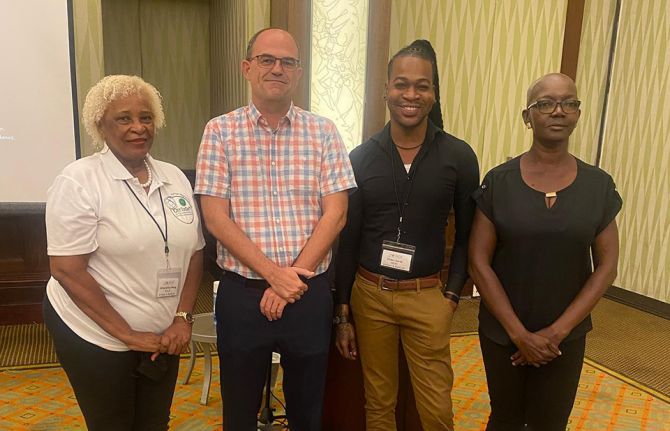
The Antigua and Barbuda case was one from a five-country litigation strategy coordinated by the Eastern Caribbean Alliance for Diversity and Equality (ECADE). ECADE Executive Director, Kenita Placide, reflected that the initiative started in 2015 when activists gathered to discuss how punitive laws in the Caribbean increased stigma, discrimination and even violence.
“The process of litigation is important, as it underscores how these laws contribute to the stigmatisation of LGBT people, how they legitimise hate speech, discrimination and violence and tear at the fabric of our society. Our governments have sworn to protect and uphold the rights of all and act in a manner that promotes the prosperity and well-being of all. This judgment is in keeping with this commitment,” they said.
The partners in Antigua and Barbuda know law reform isn’t a magic bullet. But they consider it an important step forward toward ending the inequalities that drive HIV, injustice and lack of access to opportunities.
“We now have safety under the law. We have to look at how we get members of the family and church to see people as equal regardless of sexual orientation, class, creed or anything like that. The judgement paves the way for higher levels of acceptance for inclusion and diversity,” Ms Wong ended.
Region/country
Feature Story
Thousands take part in the Kabaka Birthday Run to support the HIV response in Buganda
04 July 2022
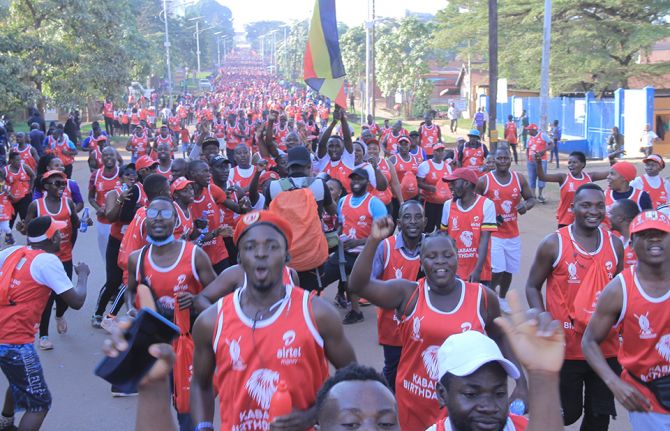
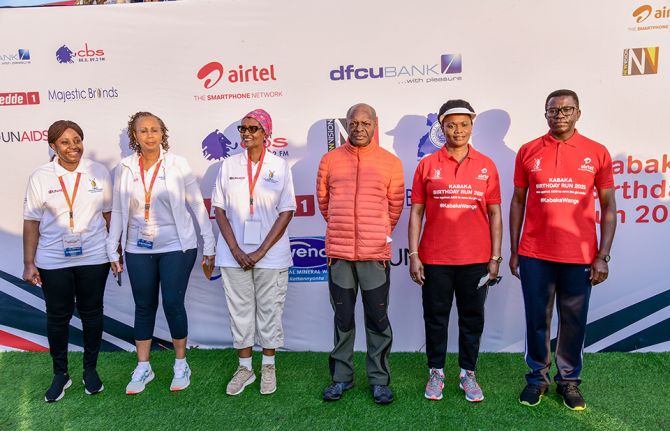
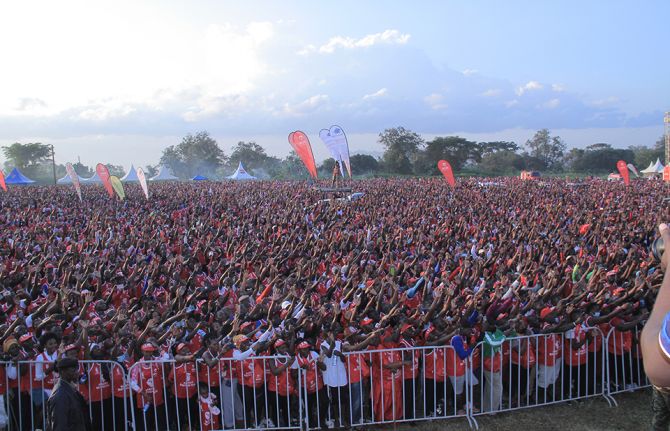
04 July 2022 04 July 2022An estimated 80 000 people have taken part in the Kabaka Birthday Run, an annual event that forms part of the celebrations to mark the birthday of Kabaka Ronald Muwenda Mutebi II of Buganda. For the last three years, the run’s theme has been “Men for Good Health and Ending AIDS by 2030.”
The run is part of the Kabaka’s five-year campaign to increase the uptake of HIV testing and treatment services, with a particular focus on men and boys. It has yielded remarkable results in the Buganda region, with new HIV infections down more than in any other region of Uganda over the last few years.
The campaign is called “Men are Stars - Abaami Munyeenye” and connects men and boys aged 15—49 years old to HIV testing, treatment and care services, especially in the areas most affected by the pandemic. Through events such as the Kabaka Birthday Run, the Masaza football cup, the royal boat regatta, traditional campfire centres, school camps, radio and television shows, men and boys learn about the importance of going for regular health check-ups, including for HIV testing.
UNAIDS Executive Director, Winnie Byanyima, who attended the run in Mengo paid tribute to the Kabaka’s contribution to reducing the impact of HIV in Buganda.
“Your Majesty, under your leadership and through your messages to men and boys, Buganda has made remarkable progress against the AIDS pandemic in the last five years,” said Ms Byanyima, “UNAIDS looks forward to strengthening our partnership to reach other vulnerable groups such as young women and adolescent girls and to get Africa on track to end AIDS as a public health threat by 2030.”
In recognition of his significant contribution to the AIDS response, Ms Byanyima confirmed the Kabaka in his role as UNAIDS Africa Goodwill Ambassador.