Feature Story
Kryvyi Rih AIDS centre continues to provide HIV services despite the war in Ukraine
25 May 2022
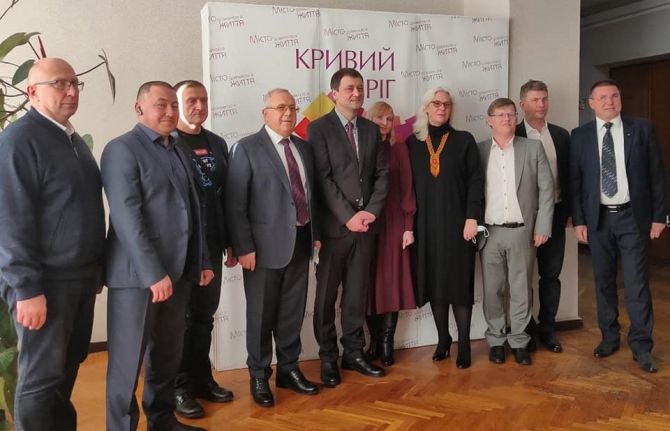
25 May 2022 25 May 2022On 25 November 2021, the city of Kryvyi Rih, the fourth largest city in Ukraine, signed the Paris Declaration to end the AIDS epidemic in cities. The city is an important economic and industrial centre, a major transport hub and the birthplace of the Ukrainian President, Volodymyr Zelensky.
A group created by the city administration to develop and implement the Paris Declaration determined the main areas of work, which included the expansion of HIV prevention services for key populations through community organizations and the scale-up of HIV testing through family doctors, among others.
Physicians across the city were trained in HIV, while Gennady Kruglenko, the chief doctor at the Kryvyi Rih municipal AIDS centre, visited Odesa and Dnipro to learn about their experience with implementing the Paris Declaration.
“We were seriously preparing to start this work,” said Mr Kruglenko. “But the war slowed down our plans. Our region borders the areas of active military operations, but our centre continues providing full-scale HIV services, and we are not going to stop. And we have not abandoned the main goal of the Paris Declaration: ending the AIDS epidemic.”
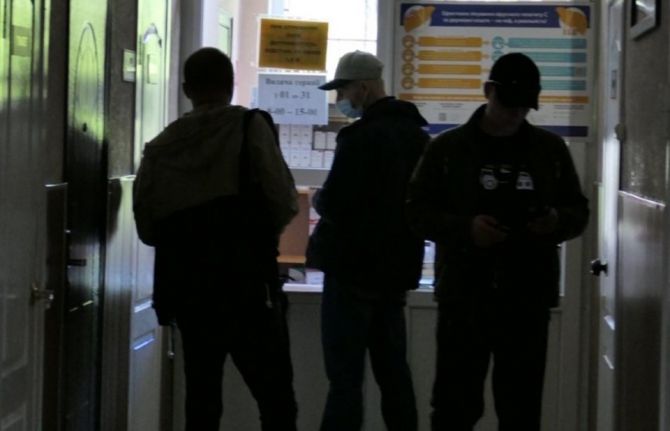
The Kryvyi Rih AIDS centre has been operating since 1994, and today there are about 10 000 people living with HIV accessing HIV treatment from it. People can get HIV treatment from five different sites, which makes it much easier for people living in different parts of Kryvyi Rih. Kryvyi Rih is the longest city in Europe, the length of which exceeds 120 km.
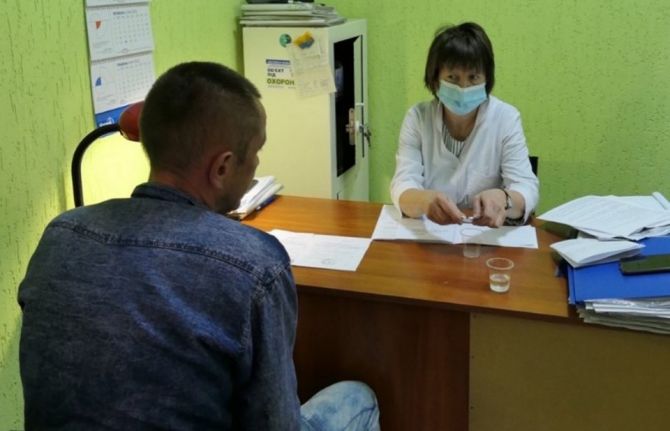
The AIDS centre continues to work as a reference laboratory for several regional centres. Its modern equipment allows the performance of all necessary tests, including diagnosis confirmation, CD4 counts, viral load and others, to be performed. People living with HIV with complex cases, for example opportunistic infections, that require the attention of experienced doctors are referred to the centre.
Marina Baidachenko, an infectious diseases doctor at the AIDS centre, says that the centre currently also provides services to people who have fled the war. “There are people who move within the country, who apply for services through a network of our social workers. The system in Ukraine is such that no matter where the patient is, he or she can receive treatment through the general system,” she said.
Each doctor providing specialized HIV care in Ukraine has access to the medical records of patients in a general electronic registry, with strict confidentiality measures in place. This ensures that the records of people living with HIV who move from one region to another can be accessed in the new region, thereby allowing the maximum number of displaced patients to remain on antiretroviral therapy, despite the war.
According to Ms Baidachenko, the war is felt every minute. “Air raids are very frequent, missiles are flying,” she said. The employees of the AIDS centre must go to the first floor or basement, which have been adapted as bomb shelters, every time the air raid siren sounds.
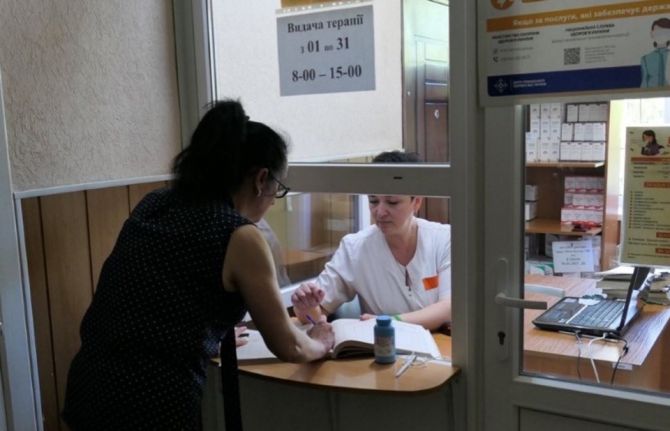
“To issue antiretroviral therapy to a person, you need to open his or her electronic card in the computer, create an electronic prescription through the registry and send it to the warehouse where the medicines are issued. When there are 200–300 patients in the centre, it’s hard to tell them to wait until the alarm is over,” said Ms Baidachenko.
With the help of a UNAIDS emergency grant, the centre equipped additional workplaces with laptop computers, office equipment and Wi-Fi. Now prescriptions take only minutes and doctors can move to a safe place when the siren sounds and take their computers and continue to serve people.
Close cooperation with community organizations, such as the Public Health Charity Foundation of Krivyi Rih, has become even more important during the war.
“Each of our doctors has about 2000 people on antiretroviral therapy. Now with the war, there are only two doctors left. They have to give a prescription, check the tests, explain the medical aspects—they simply don’t have time for other important issues, such as psychological support,” said Mr Kruglenko.
According to Alexander Lee, the Project Manager of the Public Health Charity Foundation, the war has changed the format and scope of the organization’s work. “Many of our clients were left alone with their problems and fears because family members left Ukraine. The response required increased mobility of the organization’s employees for consultations and assistance to clients in remote areas of the city,” he said.
Social workers are also helping to connect medical facilities with people who use drugs, gay men and other men who have sex with men and members of other communities, who have become even more vulnerable.
“Therefore, in the chain of services, everyone does a small, but very “big”, thing,” Mr Kruglenko added.
Raman Khailevich, the UNAIDS Country Director for Ukraine, emphasized that UNAIDS supports the city’s efforts to continue providing all HIV services in close cooperation with civil society organizations. “Such interaction in peacetime was one of the most important components of the successful AIDS response in Kryvyi Rih, and in wartime it is the only way not to lose what has been achieved but also to continue moving towards the goal of ending AIDS, saving every life,” he said.
Region/country
Feature Story
Addressing the vulnerabilities and challenges facing LGBTI people in and fleeing from Ukraine
17 May 2022
17 May 2022 17 May 2022On 17 May, people around the world came together to celebrate the International Day against Homophobia, Transphobia and Biphobia (IDAHOBIT) to champion inclusion and build a better world for the lesbian, gay, bisexual, transgender and intersex (LGBTI) community. In many countries, lack of adequate legal protection against discrimination on grounds of sexual orientation and gender identity exposes many LGBTI people to violations of their human rights. This is even more the case within the context of war and humanitarian crisis, as currently experienced in Ukraine.
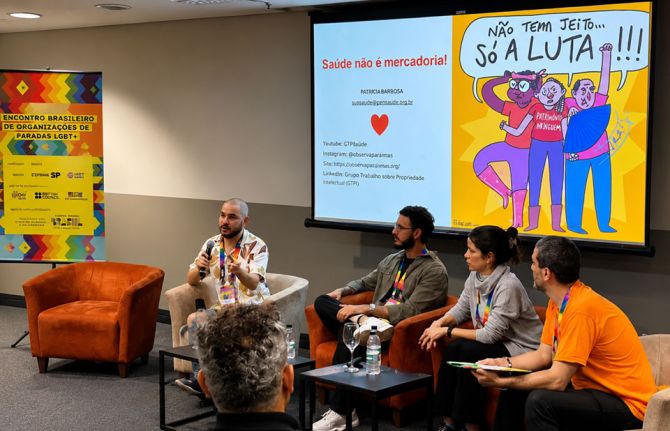
UNAIDS and ILGA-Europe co-hosted an event, moderated by Cianán B. Russell, Senior Policy Officer, ILGA-Europe, to mark IDAHOBIT. The event brought together LGBTI representatives and a wide range of thought leaders, policymakers and practitioners.
The panellists highlighted the multiple vulnerabilities and challenges facing LGBTI people in and fleeing from Ukraine during the war. These vulnerabilities and challenges were clearly articulated by two LGBTI representatives.
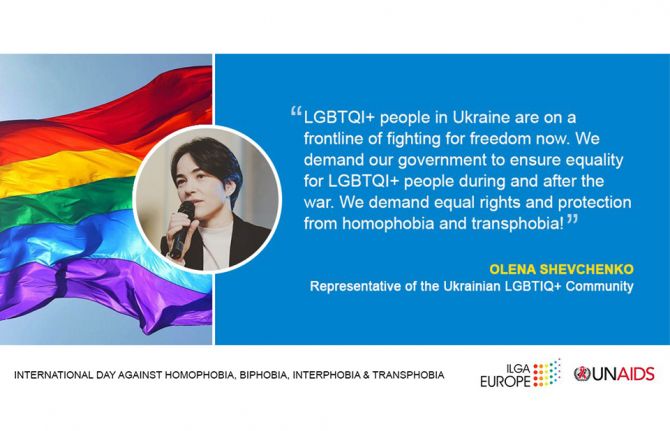
“Levels of discrimination, violation of rights and hate crimes have risen in Ukraine since the start of the war. Meanwhile, no regulations or specific measures have been put in place in shelters to protect key populations. LGBTI people have no safety net since the war started,” said Olena Shevchenko, from Insight. “Go to local organizations and ask them what they need if you are intent on helping Ukraine. Ensure the accountability of humanitarian missions to fulfil the needs of the local community,” she added.
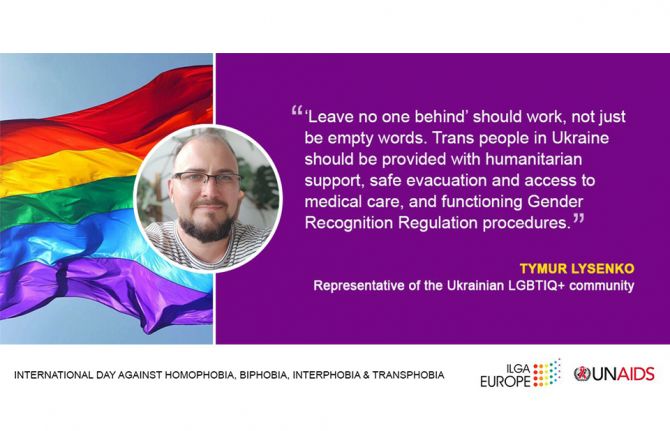
Tymur Lysenko, a Ukraine crisis consultant working for Transgender Europe, spoke about the essence of leaving no one behind, saying ““Leave no one behind” should work, not just be empty words. Trans people in Ukraine should be provided with humanitarian support, safe evacuation and access to medical care, and functioning gender recognition regulation procedures. Foster direct connections that are strong and sustainable between local organizations and international humanitarian missions. Stick to organizations that have a track record in providing direct support to LGBTI people.”
Reflecting on their own work and experiences, the panellists also reviewed the actions taken to date to protect the human rights of LGBTI people in and fleeing from Ukraine and the existing gaps within the humanitarian response and concluded with recommendations and commitment to better protect the human rights of LGBTI people staying in Ukraine or who have left.
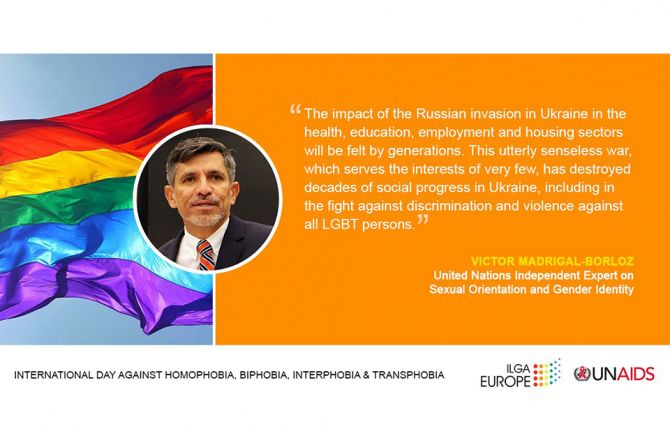
“Humanitarian agencies must ensure that civil society organizations with expertise are included in the planning and implementation of all humanitarian assistance and in recovery efforts,” said Victor Madrigal-Borloz, a United Nations Independent Expert on Sexual Orientation and Gender Identity.
This was echoed by Kate Thomson, Head of the Community, Rights and Gender Department at the Global Fund to Fight AIDS, Tuberculosis and Malaria (Global Fund), who referred to the need for all partners to work collectively to build back resilient health and community systems. “All partners to work together to support access to HIV services in Ukraine, including those led by LGBTI communities, inside Ukraine and abroad. Let’s work collectively to help Ukraine build back better its health and community systems,” she said.
Matthew Kavanagh, UNAIDS Deputy Executive Director, a.i., spoke about the importance of maintaining and increasing the funding for the AIDS response. “We stand with the Ukrainians who are fighting so hard to make sure that their responses—the AIDS response, the community response, the rights response, the LGBTI response—are not destroyed by the moment that we are in now. There is an urgent need to move funding towards that, and an urgent need to fund the Global Fund at the same time. We cannot choose between these two things or we will end up in a less safe world—we have to do both,” he said.
Joanna Darmanin, Head of the Humanitarian Aid Thematic Policies Unit, European Union Directorate-General for European Civil Protection and Humanitarian Aid Operations, reiterated the European Union’s commitment for an inclusive humanitarian response. “Supporting Ukraine and neighbouring countries remains the priority for the European Union, and we remain committed to providing humanitarian support in an inclusive manner, taking into account the specific needs and vulnerabilities faced by the LGBTI community,” she said.
This commitment was re-echoed by Katalin Cseh, Member of the European Parliament Committee on Foreign Affairs, who pledged to fight for inclusiveness of the LGBTI community. “I pledge to fight with all my means to ensure better consultation with the LGBTI communities on the ground in Ukraine and also within the European reception area.”
Maria Arena, Chair of the European Parliament Subcommittee on Human Rights, highlighted the need to position the humanitarian response to the needs of LGBTI people, saying, “The conflict zones are putting at risk people with these vulnerabilities, so we have to be really aware of the situation and to adapt our answers for the needs of these people, including with traceability of these funds.”
Marc Angel, Co-President of the European Parliament LGBTI Intergroup, emphasized the importance of ensuring that promises made correspond with funding. “Action and money must follow words and promises,” he said.
Valeriia Rachynska, from the Global Partnership against All Forms of HIV-Related Stigma and Discrimination, spoke about the Global Partnership’s commitment to fight for and save all lives, saying, “Our main target is to save and fight for life; we will do everything in our power to save the lives of LGBTI people in Ukraine.”
Indeed, to champion and build a better world for the LGBTI community, and to end inequalities for an effective AIDS response, especially in a humanitarian crisis context, institutional actors with differing responsibilities must ensure that no one is left behind. This among others, includes directed action to: combat discrimination targeting LGBTI people and people living with HIV, rebuild or reinforce the HIV response system, meaningfully engage LGBTI civil society both in crisis planning and in crisis response systems, ensure that LGBTI-led humanitarian efforts are adequately resourced and ensure that human rights violations faced by LGBTI people are documented, investigated and result in access to justice.
Region/country
Related
 UNAIDS expands humanitarian support in Ukraine
16 September 2026
 Ukraine: Keeping people in care
23 February 2026


Feature Story
Young women leaders in Senegal push for more education for their peers
24 May 2022
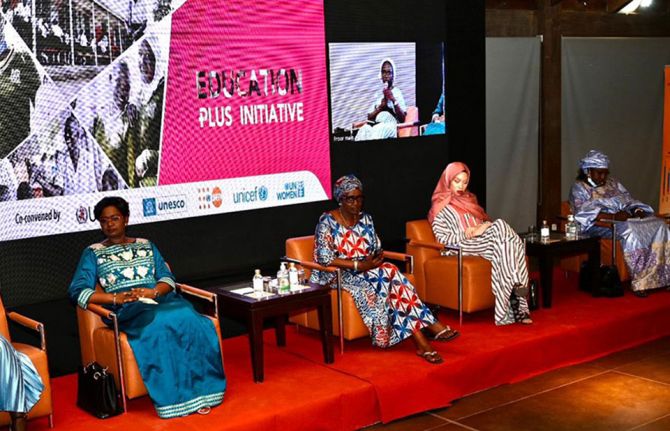
24 May 2022 24 May 2022As part of the Education Plus initiative, young women advocates in Senegal have met with key female figures in the region to discuss the education of girls in sub-Saharan Africa and the challenges they face.
A social work student in her second year of professional training said young women like her who are living with HIV still face stigma and economic marginalization in most spheres of life “Sometimes, the medicines are not in stock, and young women living with HIV often have to share their medication with each other while waiting for a new supply.” According to her, education guarantees a better future for young people, as it did for her in helping her to overcome the challenges she faces because of her HIV status and her difficult upbringing.
Another participant, Maah Koudia Keita (known as Lady Maah Keita), a Senegalese woman with albinism, and a musician, said that women with albinism are victims of harassment and the majority of them have experienced rape and sexual violence.
She is one of three professional female bass players in Africa and the only one in Senegal. She said, “People like me who were lucky to get an education now have to do the work of dispelling myths around women with albinism that drive the violence.” According to Ms Keita, the more educated and aware the community is, the better women and people with albinism can defend themselves.
Adama Pouye, a feminist activist and member of the Senegalese feminist collective that led the Buul Ma Risu (Don’t Mess with Me) movement, spoke at length during the meeting about raising awareness on sexual assault on public transport.
“Every day, you hear violent words and women come to believe that’s what they deserve,” she said. “You are told how far you can go by standards put in place by a patriarchal society, by men, and by religious standards, but our religious interpretations cannot be about oppressing women,” Ms Pouye said.
Young women are key advocates who the Education Plus initiative is working with to rally political leadership, development partners and communities in order to fulfil every adolescent girl’s right to education and health by enabling all girls to complete a quality secondary education in a violence-free environment.
As UNAIDS Executive Director Winnie Byanyima stressed at the meeting, “In this region of western and central Africa, the vulnerability of girls is high.”
She also said that four out of 10 young women are married before the age of 18 years, saying that children becoming brides is a gross violation and a failure to harness the full potential of girls.
“Keeping girls in a classroom, if she stays and completes secondary school, has a protective effect for girls from HIV. What we fought and won for primary school is what is needed for secondary education,” Ms Byanyima said.
Fatou Nar Mbaye Diouf, the Deputy Executive Secretary of the National AIDS Council, Senegal, could not agree more. “We know that allowing girls to complete secondary education protects them from HIV and improves many other health and development factors,” she said.
Sharing key data from Senegal, Ms Nar said the level of comprehensive knowledge about HIV increases with the level of education. “Among young women, it is 10% among those with no education and 41% among those with secondary education or higher, while among young men knowledge of HIV varies from 9% among those with no education to 51% with education,” she said. “Education is key.”
The Regional Director for West and Central Africa for UN Women, Oulimata Sarr, concluded the intergenerational dialogue by saying that girls’ education is not a threat, nor should it be seen as that. “We want to move the needle and move it together with young women,” she said.
Ms Sarr wants the next generation to be supported as they seek more space in decision-making. “We need to pass the baton to young people, who organize differently from us, create an intergenerational legacy with young people holding us to account.”
Learn more
Region/country



Feature Story
Generating income from rag dolls in Brazil—helping women living with HIV during the COVID-19 pandemic
24 May 2022
24 May 2022 24 May 2022Iranilde Pereira Fonseca and Michele Almeida are two middle-aged women who come from different parts of Brazil but share a common childhood memory: they used to collect scraps of cloth to make dresses for the few dolls they had. It was a way to revive their handmade toys since their families rarely had spare money for new ones.
But it was not until the COVID-19 pandemic that they had the opportunity to reconnect with their past and use it as a source of survival and income. They are among the 35 women who participated in the Mulher Empreendedora (Women Entrepreneur) project, a social entrepreneurship project implemented by the Movimento Nacional das Cidadãs Posithivas (MNCP) Brazilian HIV nongovernmental organization as a part of the UNAIDS Solidarity Fund. Along with Ms Fonseca and Ms Almeida, they were trained in artisanal doll techniques and in entrepreneurship, so that they could sell their products and obtain resources to address the impact of COVID-19 on their household incomes.
“I used to get scraps of cloth from my mother and loved to make clothes for the dolls I had, but I had not done any of that for many years,” remembered Ms Fonseca. “Now, with the MNCP project, I learned the process of making a doll completely from scratch. With the isolation imposed by COVID-19, it was important to be able to connect, even if only virtually, with women from various parts of Brazil and exchange ideas and experiences through this initiative.”
Of the initial group, 28 women are already selling their handmade dolls independently. The initiative was funded by the Solidarity Fund, launched in 2020 by UNAIDS to support entrepreneurship activities led by people living with HIV and key populations.
Ms Almeida agrees on the importance of connection and mutual support. “I really enjoyed meeting and interacting with the group of women participating in this project. In addition to reconnecting with my origins and my childhood, the techniques I learned helped me to develop a product that people enjoy. I sell my dolls to relatives and friends and through social networks,” she said.
The initiative emerged from the realization that the COVID-19 pandemic had a disproportionate impact on women. The pandemic has especially affected the service sector, such as hospitality, food, beauty and domestic services, for which the majority of the workforce is female. In 2020, the absence of jobs in those areas reduced the active participation of women in the workforce in Brazil to less than 45%.
“The project was extremely important for women living with HIV, as many of them were unable to access the job market, lived with an overload of domestic work, experienced situations of violence and had to deal with the interruption of specialized health services,” said Fabiana Oliveira, the MNCP Secretary of Communication and Technical Coordinator of Mulher Empreendedora.
Claudia Velasquez, the UNAIDS Country Director for Brazil, highlighted that the Solidarity Fund’s support to MNCP is in line with the strategic vision of putting people and communities at the centre of the HIV response while building sustainable income-generating mechanisms. “This approach is particularly important for the most vulnerable populations, such as these women living with HIV served by the MNCP, who have strongly felt the drop in income caused by the COVID-19 pandemic. Providing these women with their own access to financial resources and financial security ends up having a positive impact on their adherence and permanence in the HIV monitoring and treatment processes,” she said.
Ms Oliveira highlighted that Mulher Empreendedora had created an opportunity for participants to restructure and rewrite their personal stories. “Rag dolls have this power to stimulate imagination and creativity and even offer the equivalence of a real hug,” she said.
Region/country

Feature Story
Helping Ukrainian refugees with HIV treatment and support in Berlin
20 May 2022
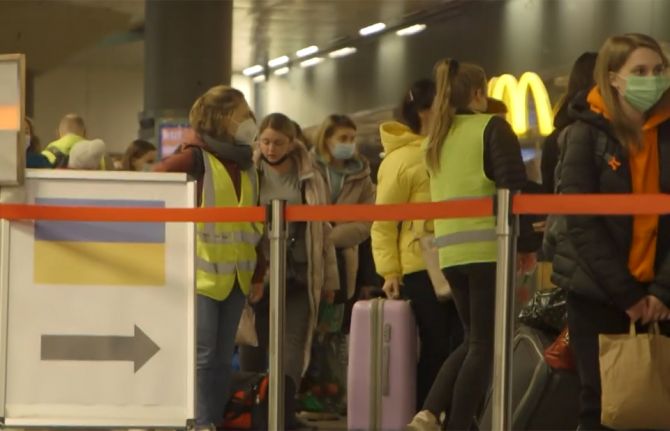
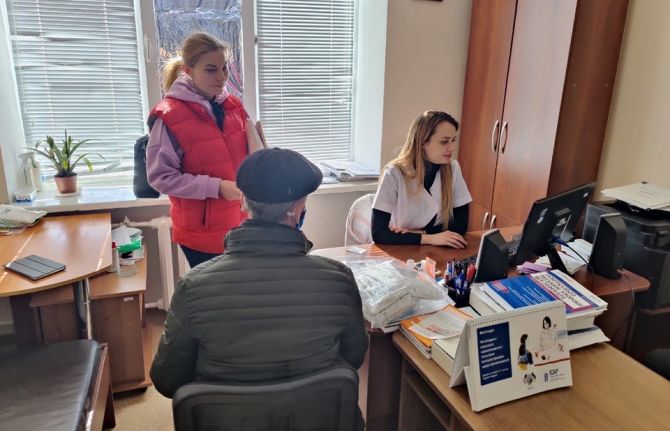
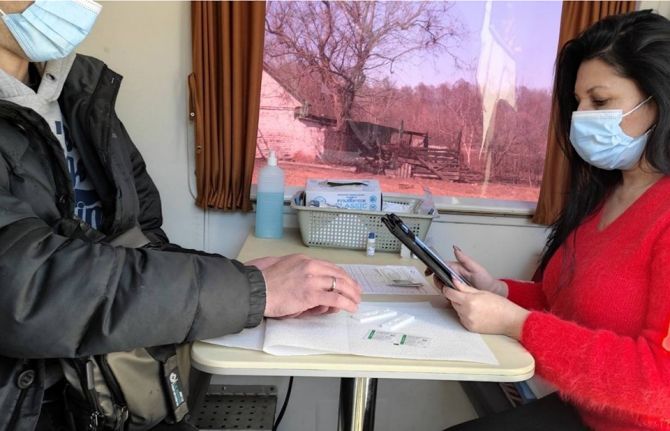
20 May 2022 20 May 2022More than 600 000 Ukrainian refugees arrived in Germany since the war broke out. Among them many people living with HIV – mostly women.
In the beginning many needed shelter and then there were lots of requests about obtaining HIV treatment. Many refugees had left their supply behind or took the bare minimum.
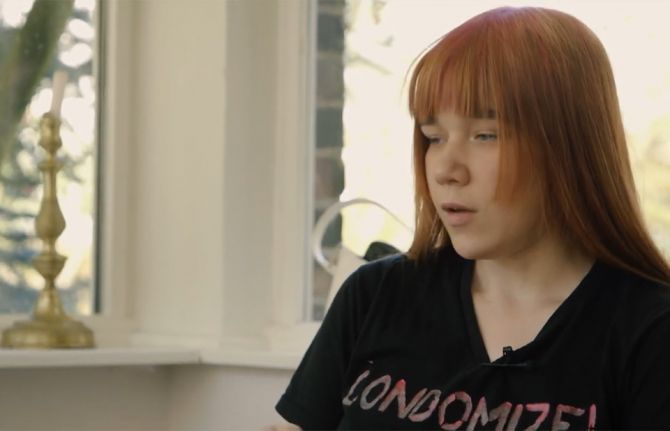
Vasilisa Sutushko, who was born with HIV, arrived in Berlin at the beginning of March and had only one month of HIV medicine with her. She also had no clue navigating the German health system. A local NGO, Berliner AIDS Hilfe, one of Germany’s oldest HIV organizations, was flooded with an influx of calls for help.
“I got these pills for €10 for three months,” Ms Sutushko said, pointing at a box of HIV treatment. “When I came to Berlin, I had to understand whether I received medicine for myself here for free or for a fee,” she said.
Unlike in her native country, she explained, in Germany you need a prescription for almost all medicines.
“In Ukraine, I can get any pills I need without any problems at the pharmacy,” Ms Sutushko said.
Berliner Aids-Hilfe’s migration consultant, Sergiu Grimalschi, said when the first refugees began to arrive there were few organized structures, so they had to improvise across the country. “We had to find an urgent solution,” he said.
They helped countless refugees with medicine, paperwork, housing, and other pressing health issues.
According to Berliner AIDS Hilfe, most of the refugees living with HIV won’t be able to go back until the bombed medical facilities are rebuilt.
Ms Sutushko, founder of Teens Ukraine – an NGO that helps young people who live with HIV- and others are now trying to set up a network to further help people living with HIV. Stigma and discrimination in Ukraine regarding one’s HIV status has made many refugees hesitant about seeking help or open about living with HIV in their adopted countries. "I'm happy to see people like me here who need help, I can also be helpful," she said.
UNAIDS estimates that 260 000 Ukrainians live with HIV. Up to 30 000 fled their country since the start of the war and need HIV treatment.
Interrupting treatment, even temporarily, can lead to drug resistance and increased risk of progression to AIDS.
Feature Story
Grass-roots providers stay mobile in Ukraine
12 May 2022
12 May 2022 12 May 2022Many life-saving health services could not operate after the breakout of the war in Ukraine.
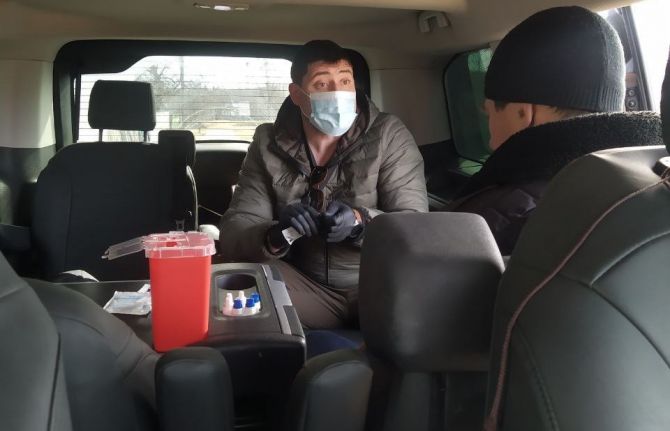
But grass-root providers such as the Alliance for Public Health found ways to keep going. Despite roads being mined and many bridges blown up, the Mobile HIV Case-Finding project used its 16 vans to deliver food, HIV treatment and other essentials around the country. It also helped people find shelter.
Iryna, the Coordinator of the mobile clinic team in the Chernihiv region, said the war had complicated its work immensely. Chernihiv borders the Russian Federation and Belarus in northern Ukraine.
“Many people were on the move, going from one place to another,” she said. “It was very difficult to work.”
But since mid-March, the Alliance for Public Health has restored many of its services. The nongovernmental organization works mainly with people who inject drugs and their partners.
“The substantial number of new HIV cases in Ukraine are registered among injecting drug users because of unsafe injecting practices,” explains the UNAIDS Country Director for Ukraine, Raman Hailevich.
He knows that reaching drug users was a challenge before the war, and it’s an even greater challenge now. The credit, he said, goes to civil society groups.
“Community-based organizations working with this type of hard-to-reach population provide the most essential outreach to these groups. Without them, the delivery of prevention programmes among people who use drugs would not be possible,” he said.
Because of the insecurity, the Alliance for Public Health saw a drop in testing for HIV and hepatitis C. Iryna, however, is proud because, she said, the teams delivered treatment to more than 1400 people in March and April through the mail and/or personal home delivery.
The Mobile HIV Case-Finding project, founded in 2019, is implemented by the Alliance for Public Health and the Global Fund to Fight AIDS, Tuberculosis and Malaria and is funded by the CDC and PEPFAR.
Watch
Region/country
Related
UNAIDS expands humanitarian support in Ukraine
16 September 2026
Ukraine: Keeping people in care
23 February 2026
 Women, HIV, and war: a triple burden
12 September 2025
Feature Story
Unboxing self-esteem among transgender women in Brazil and their dreams for a dignified life
17 May 2022
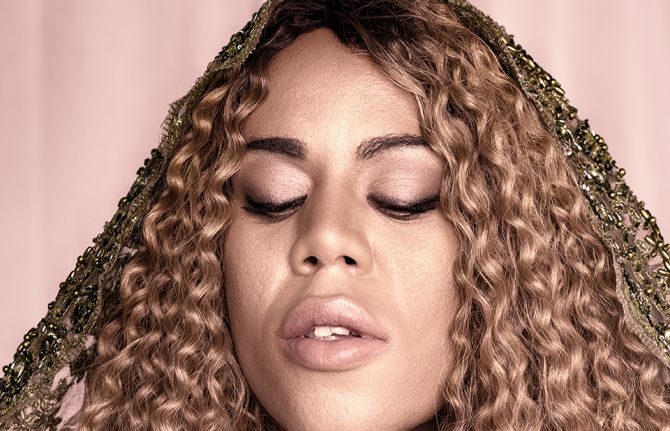
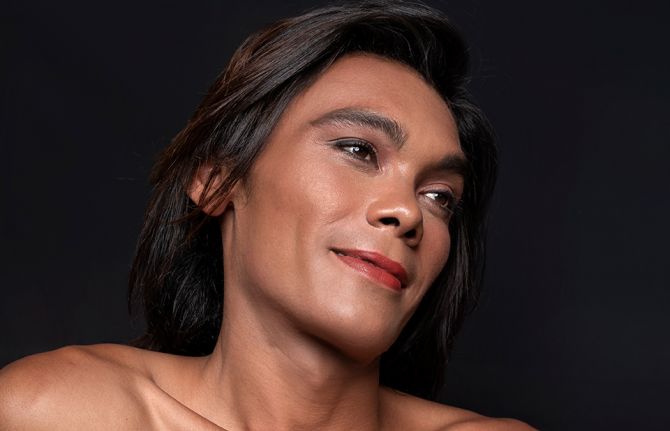
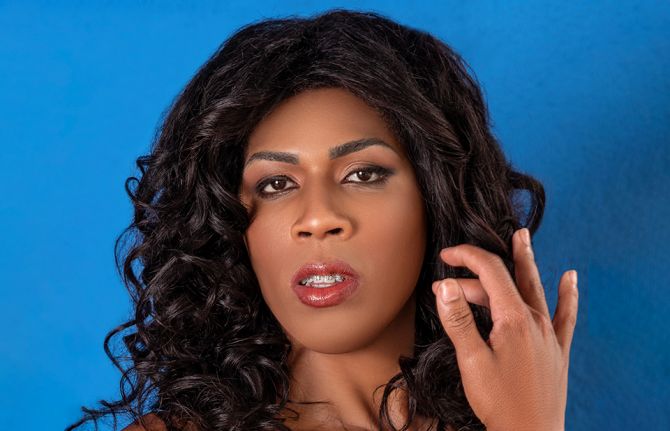
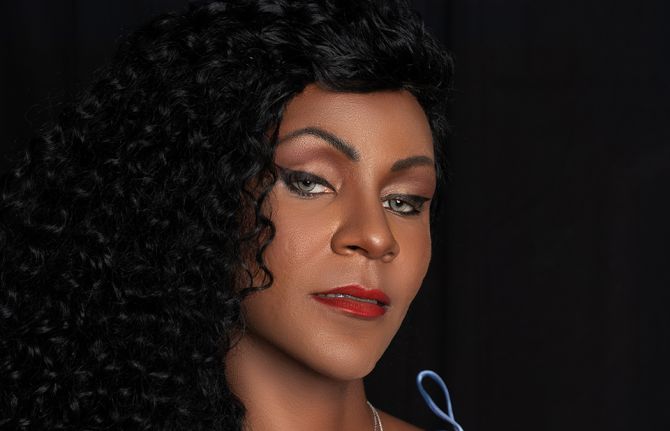
17 May 2022 17 May 2022Sasha wishes to have two children. Deusa wants to go to business school. Rihanna's dream is to be respected and be who she wants to be. And all Alicia wants is to fulfill her dreams. In the lead-up to the May 17 celebrations of the International Day against Homophobia, Transphobia and Biphobia (IDAHOBIT), UNAIDS echoes the voices and dreams of four transgender women. They, like many others, are in search of a dignified life, full of opportunities able to love who they wish to love, and not endure violence, stigma and discrimination.
Inspired by the Unbox Me campaign, launched by UNAIDS on the International Transgender Day of Visibility, 31 March, UNAIDS gave four Brazilian transgender women a small box with their portraits from a photo shoot session in 2021 with Sean Black, a photographer from the United States who specializes in LGBTQI+ subjects. As the portraits were revealed to the transgender women, they reflected on the importance of their bodies, of self-care, and of their right to live healthy and empowered lives.
"This insecurity comes from our experiences, and from our past. But with each passing day I had the opportunity to strengthen myself, to discover the beauty that I sometimes thought I didn't have, so I felt more confident," recalled Alicia Kalloch, when unboxing her self-portraits.
“There are so many bad things that we go through,” said another participant, Sasha Santos. “My portraits from the photo sessions gave me the certainty that I'm capable of many things like going to college, owning a house and having children,” she added.
Alicia, Sasha, Rihanna and Deusa were chosen to represent the 24 women from the transgender shelter, Casa Florescer, in São Paulo, who participated in the FRESH Project. Developed by UNAIDS in partnership with Black and Casa Florescer, the initiative included photo sessions as part of a therapeutic approach to provide positive reinforcement and stimulate behavior change. All the photos are being released virtually today in cooperation with the United Nations Educational, Scientific and Cultural Organization (UNESCO) office in Brazil, marking the IDAHOBIT celebrations.
"When I saw my picture, I saw an empowered woman,” said Rihanna Borges, who currently works with other transgender women to provide counseling and peer support. “I think the role I play today is incredible, working with other sisters, talking to them about the importance of self-care and HIV combination prevention." Their plea is to have society see transgender people for who they are. “I want us to feel empowered and say, ‘Today I am somebody’ and leave this invisibility behind,” she added.
Inequalities, stigma, and discrimination disproportionately affect populations in situations of greater vulnerability, such as transgender women. A report by the Brazilian National Association of Transsexuals and Transgender People (ANTRA) shows that 140 transgender people were murdered in 2021 in the country, 99% of whom were transgender women. HIV prevalence among transgender women in Brazil is above 30%, whereas for the general population prevalence is at 0.4%.
Most of the transgender women at Casa Florescer were forced to leave their homes against their will and many ended up using drugs or suffering various types of violence.
"At the shelter we seek to work with people in a cycle of self-discovery and empowerment so that they can overcome past vulnerabilities,” explained Beto Silva, Coordinator of Casa Florescer. “Photographic art, which was an important part of the FRESH Project, was an efficient way to mobilize and engage them.”
"Participating in the photo shoot not only served to show the internal and external beauty of this group of transgender women, it was also an important step to help them gain control over their bodies and their lives," said Claudia Velasquez, Director and Representative of UNAIDS in Brazil. Deusa de Souza could not agree more. As a participant in the photography workshop, she said, she felt recognized as a beautiful transgender woman. “It was important for me to see myself in these photos and how they reflect my empowerment and my own personality and beauty.”
Video
Region/country
Feature Story
Report highlights that women and marginalized people need urgent access to health-care services in Ukraine
11 May 2022
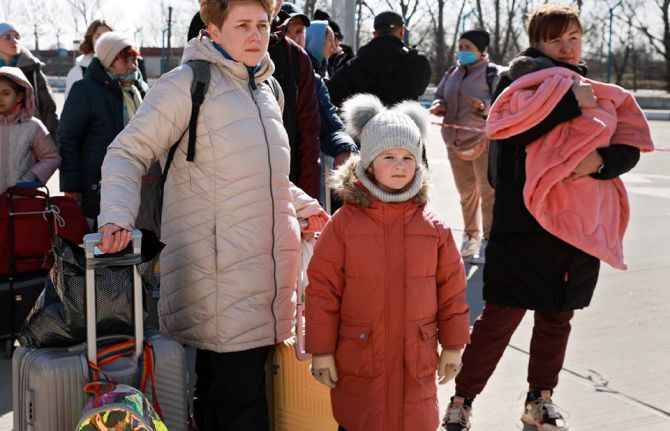
11 May 2022 11 May 2022A new report by UN Women and CARE International highlights the urgent need to provide health-care services to women in Ukraine and sets out why the international community needs to support a gendered response to Ukraine’s humanitarian crisis.
The report also emphasizes the need for an intersectional approach to the crisis that addresses the exacerbated risks for marginalized communities—lesbian, gay, bisexual, transgender and intersex (LGBTI) people, Roma people, people living with disabilities and people living with chronic diseases—who face immense hardship and have particular needs with regard to their health and safety.
“This powerful report illustrates why and how humanitarian responses need always to be gendered and need also to address the particular needs of marginalized communities,” said Winnie Byanyima, the Executive Director of UNAIDS. “The courage and commitment of women leaders who continue to serve their communities, even in the face of war, in Ukraine and across the world is an inspiration.”
The report’s analysis, which was based on surveys and interviews with people in Ukraine, was conducted in April and details some of the gender dynamics of the crisis and sets out practical and actionable recommendations for the international humanitarian response.
Women and girls interviewed for the report highlighted challenges in access to health-care services, especially for survivors of gender-based violence and pregnant women and new mothers, as well as rising fears of gender-based violence and lack of food, especially for those in conflict areas.
Many respondents referred to the health risks, including the spread of COVID-19, linked to unsanitary shelters.
The war has also impacted access to sexual and reproductive health, including family planning and maternal, newborn and child health. Many media reports have noted that conditions as a result of the war have increased the risk of premature birth.
Transgender people also require regular access to medicines, but many have had to stop hormone therapy due to supply shortages. Several LGBTI organizations are providing access to medicines to members of the transgender community, but their help does not cover all the needs.
“The Rapid Gender Analysis allows us to consult directly with affected populations in order to accurately identify what specific needs different groups of people have, and how to best meet them,” said Sofia Sprechmann Sineiro, the Secretary General of CARE International. “What we are hearing from the people of Ukraine is that certain groups—such as those with disabilities, Roma and other ethnic minorities, single mothers and unaccompanied children—are each in need of different forms of protection and assistance. To keep our response effective and relevant, such groups must be consulted and prioritized across the aid ecosystem as this truly devastating situation continues to evolve.”
The report calls for support for women-led and women’s rights organizations that provide financial resources and for their voices to be amplified at national and international platforms.
Gaps in services to respond to gender-based violence need to be filled, according to the report, while sexual and reproductive health, including the clinical care of survivors of sexual assault, and maternal, newborn and child health care, including access to contraception, should be made a priority.
“It’s critical that the humanitarian response in Ukraine takes into account and addresses the different needs of women and girls, men and boys, including those that are furthest left behind,” said Sima Bahous, the Executive Director of UN Women. “This timely analysis provides the evidence of those needs, and their urgency. Women have been playing vital roles in their communities’ humanitarian response. They must also be meaningfully involved in the planning and decision-making processes to make sure that their specific needs are met, especially those related to health, safety and access to livelihoods.”
Region/country
Related
UNAIDS expands humanitarian support in Ukraine
16 September 2026
Ukraine: Keeping people in care
23 February 2026
Women, HIV, and war: a triple burden
12 September 2025
Feature Story
Review recommends law reform on HIV testing to help Angola reduce new HIV infections among young people and ensure treatment
11 May 2022
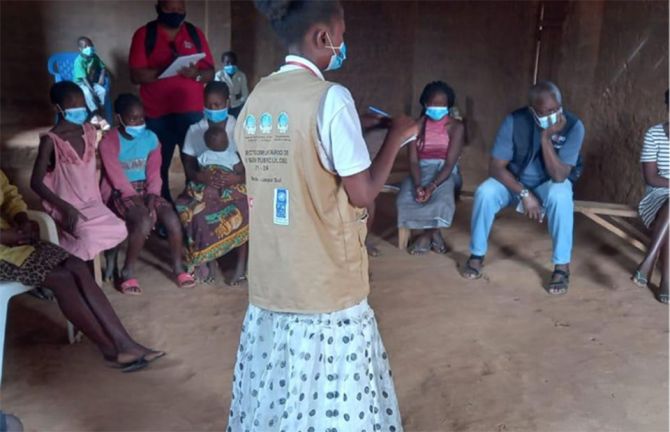
11 May 2022 11 May 2022Angola faces a considerable challenge of new HIV infections among young people. In 2020, there were 7000 new HIV infections among young people aged 15–24 years. One of the barriers to reducing new HIV infections among young people and ensuring treatment are restrictions on their ability to get tested to learn whether they have HIV.
As in several countries, young people under the age of 18 years cannot be tested for HIV without first asking their parents to consent to it. As young people often fear discussing HIV testing with parents, many decide instead to not seek testing, and so remain unaware of their HIV status, putting them at grave risk and negatively impacting public health efforts.
As part of efforts to remove these barriers, Angola received support from the Technical Support Mechanism, a UNAIDS managed, country-driven mechanism, funded by USAID, which supports countries to overcome HIV policy and programmatic challenges.
A review carried out by the Technical Support Mechanism assessed the alignment of Angolan laws, regulations and policies regarding age of consent to HIV testing and counselling with public health and human rights norms and standards and the extent to which they create barriers to access to services.
The review produced evidence that informed a recommendation for Angola to remove the legal barriers preventing young people, including young members of key populations, from accessing HIV and tuberculosis testing services. This would allow young people aged 14 years, and those below 14 years if they are sufficiently mature, to seek and access HIV testing and counselling without requiring them to ask their parents first. This will help to establish an enabling legal environment for early diagnosis of HIV. In turn, access to information and HIV services would reduce the likelihood of HIV transmission and contribute to a decrease in new HIV infections and AIDS-related deaths.
By enabling more young people to access HIV testing services, Angola will also be able to leverage resources from the Global Fund to Fight AIDS, Tuberculosis and Malaria to reach young members of key populations—a priority for achieving national HIV targets. Strategic learning from this experience could also provide valuable insight for similar technical support in eastern and southern Africa and in other regions.
“Ensuring that young people know their HIV status is vital. Rules that effectively bar many young people from accessing HIV testing by requiring parental consent delays them from knowing their HIV status and holds them back from accessing life-saving HIV services. The laws imposing an age of consent for HIV testing need to be removed in the interests of everyone’s health. This will save lives and help Angola end AIDS,” said Michel Kouakou, the UNAIDS Country Director for Angola.
Region/country
Related

Feature Story
Keeping LGBTI people safe in times of war
16 May 2022
16 May 2022 16 May 2022Ahead of the International Day Against Homophobia, Biphobia, Interphobia and Transphobia (IDAHoBiT) held annually on 17 May, UNAIDS talks to Evelyne Paradis, Executive Director of ILGA-Europe, the Europe-based Lesbian, Gay, Bisexual, Trans and Intersex Association about protecting the rights of LGBTI people in humanitarian crises.
How do humanitarian crises particularly affect LGBTI people?
Humanitarian crises affect everybody, however, some communities sometimes need a targeted response because of pre-existing vulnerabilities. These particular vulnerabilities make people feel unsafe when dealing with humanitarian organisations providing safe shelter, basic necessities food and medical aid. Not knowing if they will be treated without discrimination, simply welcomed and be taken care of, is a barrier for people in accessing humanitarian support.
ILGA-Europe is heavily involved in the Ukraine crisis. What are the main challenges facing LGBTI people affected by the war?
In the Ukraine crisis, what we are seeing is that LGBTI people are not de facto integrated in first aid supply chains. Transition-related and intersex-specific medication, such as hormone replacement therapy, and to a certain extent medicines for people living with HIV, are not ensured in humanitarian packages at the moment. On top of this, a significant portion of the LGBTI community cannot meet their basic needs, due to pre-existing socioeconomic inequalities.
Trans women with a male gender marker on their documents can be obliged to join the army or cannot leave the country along with other women, which puts them in a potentially very harmful situation.
Having access to safe shelter is also an issue. In Ukraine, many LGBTI people don’t feel safe to be ‘out’ in regular shelter, while some who are displaced in the country are reporting facing discrimination when trying to rent an apartment. As a result many of the LGBTI groups have set up shelters to support their communities. Some of those who are staying and are visible have been physically attacked, as LGBTIphobia was already an issue in Ukraine before the war.
This is all happening while LGBTI people face the same struggles everyone else is facing; money, food, caring for loved ones, and so much more.
What are organizations like ILGA-Europe doing to help?
We are sending direct financial support to groups who are staying in Ukraine and are providing direct support to their communities, as well as to LGBTI groups in hosting countries. We’re also actively working to mobilise resources for all the LGBTI groups working in support of LGBTI people in Ukraine and abroad. We’re working with large humanitarian groups and organisations like UNAIDS and connecting them to the needs on the ground, while advocating with European institutions and governments to take action both in support of LGBTI communities in Ukraine and for LGBTI people who have left the country.
What can be done to better address the unique needs of LGBTIQ+ people in humanitarian crises?
What we are seeing is that an LGBTI perspective is really not integrated into humanitarian work and the development of protection measures, such as protection from gender-based violence or access to medicines. In many ways we have had to start from zero, including having to establish contacts with actors in the humanitarian sector.
While it is still early in this particular crisis to have specific recommendations, there will be no doubt be a lot of learning to be done from the work currently happening, so that we make sure that in future LGBTI perspectives and needs are integrated in the way humanitarian actors respond from the start.
Many civil society and community organizations are supporting LGBTI people affected by the war in Ukraine. What challenges do they face in carrying out this important work?
Most LGBTI organisations are not set up to be doing humanitarian work, and yet they are supporting basic needs in addition to the work they continue to do for their communities. But they cannot do it all. If they become the first point of support and assistance, there’s a lot of other work, like advocating for rights, that will not be done. This is true in Ukraine as well as in hosting countries.
Inequalities, stigma, discrimination and human rights violations against are continuing to prevent LGBTI people from being able to access the HIV and health services they need. How can we achieve positive political, legal and social change?
The work that has started with the humanitarian sector shows there’s a need, but it’s also an opportunity. If the humanitarian sector incorporates an LGBTI perspective and LGBTI people in their work from the start, this can mean a positive change for these communities, especially in times of crisis.
Evelyne Paradis will be one of the speakers at an IDAHOBIT event held on the 17 May focusing on how to better protect the rights of LGBTIQ+ people, particularly in the context of the war in Ukraine, and how to ensure equal rights for all. More information