Feature Story
HIV on the agenda of the World Urban Forum in Poland
01 July 2022
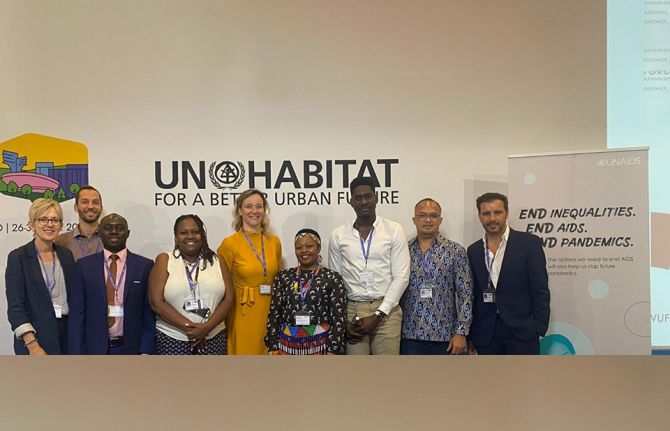
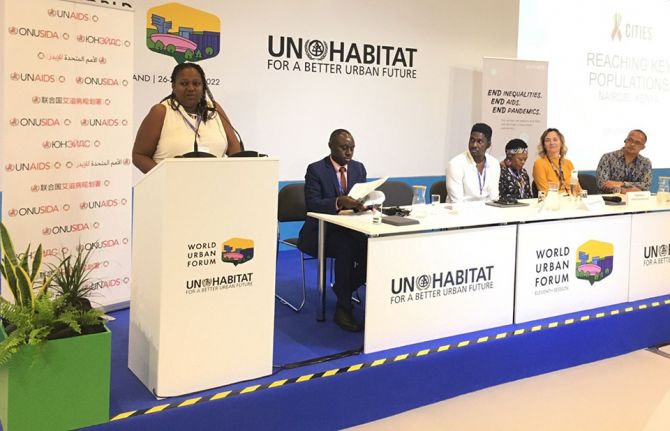
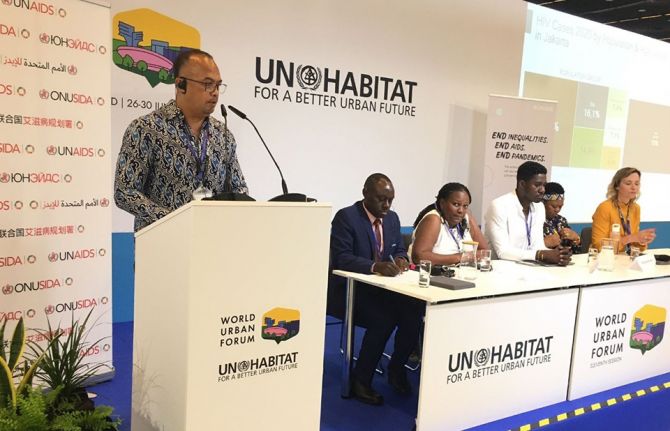
01 July 2022 01 July 2022At the recent four-day World Urban Forum 11th Session (WUF11) in Katowice, Poland, more than 20,000 people gathered to discuss the impact of rapid urbanization on cities, economies, communities and policies. In an attempt to keep the HIV response and other health services in cities high on their agenda, UNAIDS, IAPAC and UN-Habitat co-organised a special session on Fast-Track Cities, focusing on innovation and the power of partnerships in accelerating the HIV response towards ending AIDS by 2030.
Eleanor Gouws, Senior Advisor at UNAIDS and Gonçalo Lobo, Vice-President at IAPAC, opened the session emphasizing the leading role cities have in addressing rights issues, reducing inequalities, protecting against risks and vulnerabilities, and keeping people healthier.
Five cities shared innovative examples to address HIV service gaps, more specifically how to reach key and vulnerable populations.
For example, in the municipality of eThekwini -Durban, South Africa, reaching and retaining in care young people infected with HIV remains a key challenge. A community-based project implemented in the high HIV burden district of Inanda, focuses on capacity building, peer education and support, as well as working with community leaders to reduce HIV-related stigma. Their goal has been to improve the uptake of HIV prevention, testing and treatment services among 10- to 35-year-olds. Close to 3,000 young people were reached and tested for HIV in the first six months of the project.
“A lot of effort has been put into building capacity of healthcare workers to ensure our project’s sustainability,” said Sibongile Mzulwini, Regional Manager at the National Association of Child [and Youth] Care Workers.
Similar efforts have been undertaken in Kenya. Since the city of Nairobi joined the Fast-Track Cities initiative, there has been a sharp increase in the number of clinics providing integrated care and drop-in centers where key populations and young people can access friendly and stigma free services. Testing uptake among young people increased by more than 5-fold between 2018 and 2021 in four informal settlements. Dr. Carol Ngunu, Deputy Director of Health at the Nairobi Metropolitan Services, highlighted the importance of, “understanding our local epidemics and gaps, knowing where the quick wins are and building ownership of communities in our local HIV responses.”
In Jakarta, Indonesia, artificial intelligence is leading the way to reach young people, notably men who have sex with men. With a reach of over 4 million people on social media in a seven-month period, Tanya Marlo, is an interactive mobile application in the form of a chatbot that gives HIV information and can also link users to a trained counsellor. “Tanya Marlo creates a bridge between the healthcare system and key populations at high risk of HIV infection,” said Tono Permana Muhamad, Program Director at the Kasih Suwitno Foundation. “These are people who usually do not access health services for fear of stigma and discrimination,” he said. The foundation currently manages the application to ensure its sustainability.
Stigma and discrimination also affect the HIV response in Kingston, Jamaica. As a result, the Jamaica Network of people living with HIV (JN+), with support from UNAIDS, is implementing a stigma-free spaces project to ensure that places of business, health, education, justice, entertainment and worship are respectful, inclusive and transformative. “We are building a stronger city HIV response in Kingston, thanks to the inclusion of communities through community-led responses and monitoring,” said Jumoke Patrick, the Executive Director of JN+.
Reporting from the host country’s perspective, Magdalena Ankiersztejn-Bartczak, President/CEO of the Foundation for Social Education in the capital city of Warsaw, which recently joined the Fast-Track Cities Initiative said that, “the influx of Ukrainian refugees in Poland had posed many challenges, including the continuity of life-saving treatment and support to people living with HIV.”
Despite the obvious challenges, Ms Ankiersztein-Bartczak said it has encouraged them to do more for people living with HIV and at high risk of HIV infection in Poland. “We count on the support of other Fast-Track Cities,” she said.
Concluding the session, the moderator, Robert Ndugwa from UN-Habitat, reminded participants that, “Cities face a myriad of challenges but also hold the key to solutions. They can act locally but influence globally.”
Feature Story
OHCHR report: human rights interventions are indispensable to ending AIDS for everyone by 2030
29 June 2022
29 June 2022 29 June 2022A new report presented to the Human Rights Council at its 50th session entitled “Human Rights and HIV/AIDS”, confirms that implementing societal enablers and fully respecting human rights are indispensable to ending AIDS as a public health threat by 2030.
Presenting the report, the United Nations High Commissioner for Human Rights, Michelle Bachelet described the report as a tool to help catalyze more determined efforts towards meeting the targets for 2025 and protecting the rights of people living with or affected by HIV.
“A human rights-based approach should be adopted in order to ensure that all policies relevant to the HIV response respect, protect and fulfil human rights, ensuring that key and other marginalized populations are empowered to claim their rights,” said Ms Bachelet.
The report recommends action necessary to achieve the societal enabler targets adopted by the General Assembly in its Political Declaration on HIV and AIDS: Ending Inequalities and Getting on Track to End AIDS by 2030. These include removing punitive legal and policy frameworks; reducing stigma and discrimination; and addressing gender inequalities and gender-based violence.
Societal enablers are structural and systemic factors, including legal, cultural, social and economic, that are critical to the effectiveness of the AIDS response. Implementing them would remove barriers in access to health services and enable individuals and communities to better protect their health and well-being. The main gaps and challenges remaining in the HIV response are in large part due to a continued failure to uphold human rights. The presented report makes it clear that upholding human rights and reforming laws or reducing stigma and discrimination is possible and is happening. However, in order to bring about such change we need to ensure action is long-term, led by community-led organizations and adequately funded. Acknowledging this, the report makes clear recommendations to ensure there is funding and support to community-led organizations, particularly those led by key populations who are often criminalized, and to reduce stigma and discrimination through multi-stakeholder platforms such as the Global Partnership for Action to Eliminate all Forms of HIV-related Stigma and Discrimination.
Commenting on the release of the report, Dr Tlaleng Mofokeng, Special Rapporteur on the Right to Health stated:
“In light of advancing health equity, people who experience multiple intersections of oppression, and health status that often leads to discrimination such as HIV, must be centred. This provides motivation for human rights-based approaches to HIV and thus for national laws and legislative frameworks to be examined not only for their protection of human rights, but to the extent that a life of dignity is supported in the realization of the right to health. Hostile laws and criminalization have no place in HIV care and related issues.”
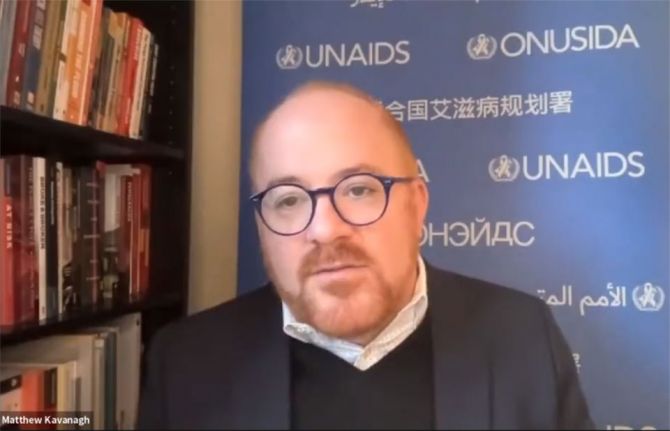
Speaking at the event, UNAIDS Deputy Executive Director, a.i., Policy, Advocacy and Knowledge Branch, Matthew Kavanagh, said
“This is the first time that UN member states around the world have committed to specific targets on law reform and removing punitive laws. Laws and policies are critical HIV interventions. They can support people to access services and reduce risk, or they can drive discrimination and stigma. This is both urgent and necessary to get us back on track to ending AIDS by 2030. We have a unique opportunity right now to create significant and lasting change for our communities.”
Community activists welcomed the report and called on countries to implement the report’s recommendations in full to get the world on track to end AIDS as a public health threat by 2030.
“We, communities of people living with and affected by HIV have spoken out from the very beginning of this epidemic about our needs. We have campaigned for our rights and led the way, looking for innovative solutions to the challenges we face,” said Harry Prabowo, Project Coordinator at APN+ and GNP+ Regional Coordinator for Global Partnerships, “We are not just advocates, we are legal experts, peer educators and counsellors. We do not just access services, we design, implement and monitor them.”
“Investing in delivering a commitment that shapes the future of Africa that proves young people especially young girls and women have the ultimate power to change the narrative and bring about change on the issues affecting them including HIV/AIDS and gender-based violence is a long-term goal,” said Youth Representative from Education Plus, Rahma Seleman.
The closing comments at the event were made by Mikhail Golichenko of the HIV and Human Rights Reference Group.
“Criminalization of HIV non-disclosure and unintended HIV transmission, as well as the criminalization of drug use related behavior, sex work-related behavior, and the consensual same sex-related behavior, are among the major challenges to stop and reverse the global HIV epidemic.”
Related

Feature Story
UNAIDS and Africa CDC tackle misinformation around COVID-19 and HIV in Africa
30 June 2022
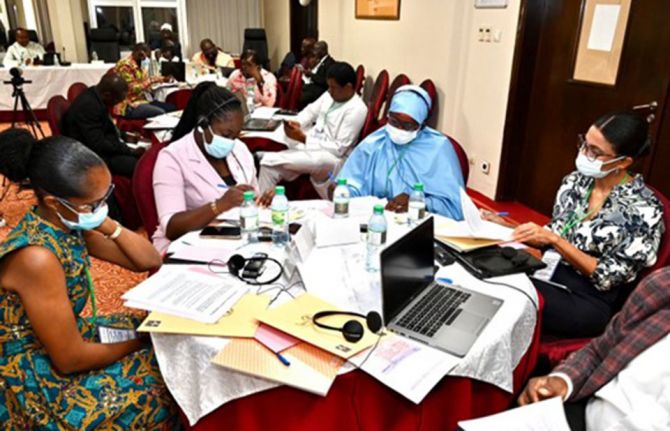
30 June 2022 30 June 2022Two years into the COVID-19 pandemic and there is still much misinformation around the disease. This is fuelling vaccine hesitancy and undermining efforts to respond effectively and protect the most vulnerable.
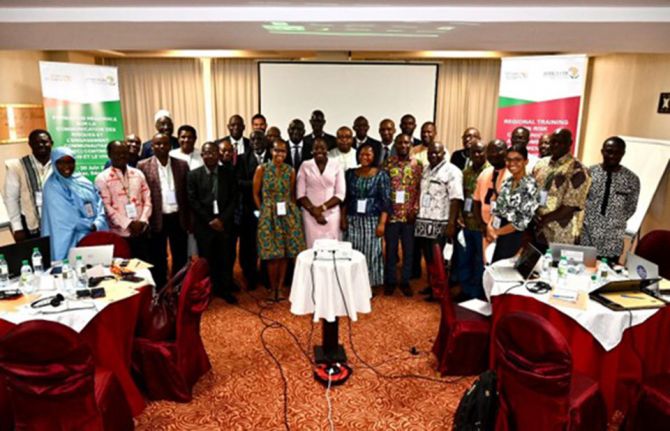
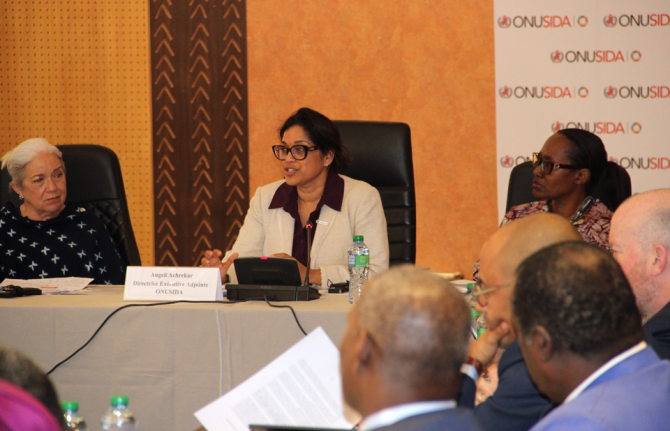
To respond to misinformation around COVID-19 and HIV, UNAIDS and the Africa Centers for Disease Control and Prevention (Africa CDC), with support from the German Ministry of Health, are organizing a series of training sessions to strengthen the capacities of African Ministries of Health and National Public Health Institutes. The sessions cover key areas of risk communication and community engagement on COVID-19 and HIV such as strategic communication planning, media engagement, familiariziation with continental and regional guidelines, social media and rumour management.
“These trainings aim at harmonizing and coordinating our risk communication and community engagement interventions on COVID-19 and HIV, and better engage our communities in the response to pandemics” said Benjamin Djoudalbaye, Head of Public Health Diplomacy at Africa Centers for Disease Control.
According to the World Health Organization, in the first three months of 2020, nearly 6 000 people around the globe were hospitalized because of coronavirus misinformation. Rumors on COVID-19, HIV, and most recently Monkeypox are reinforcing stigma and discrimination affecting populations which are already marginalized due to their race, economic status and/or gender identity.
To track and address rumors and fake information surrounding COVID-19 and HIV, UNAIDS and Africa CDC are running a rumor management system—a software that uses machine learning combined with human expertise to collect and analyze rumour data from open source traditional media (web-based, broadcast) as well as social media (Facebook, Twitter, Whatsapp). The system enables the identification of false and misleading narratives and sentiments related to COVID-19 and HIV. Weekly reports are then consolidated and used by Africa CDC as an alert system across the continent.
The first training session was held on 28 June in Dakar, Senegal for eleven countries of the West Africa Region. Two other training sessions will be held in the central and north African regions in July 2022.
Related resources
Region/country

Feature Story
Ensuring sustainability of community-led HIV service delivery in Thailand
24 June 2022
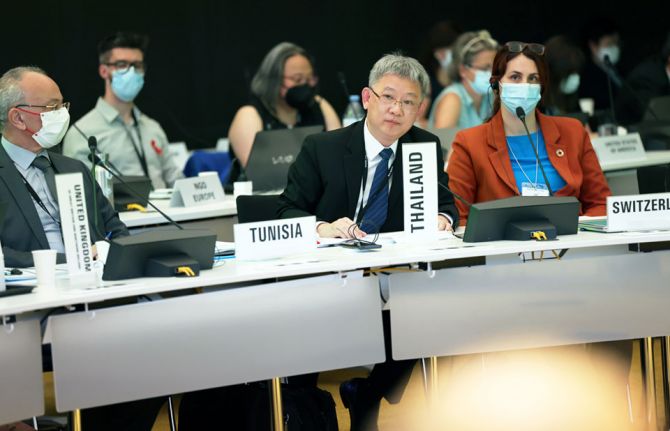
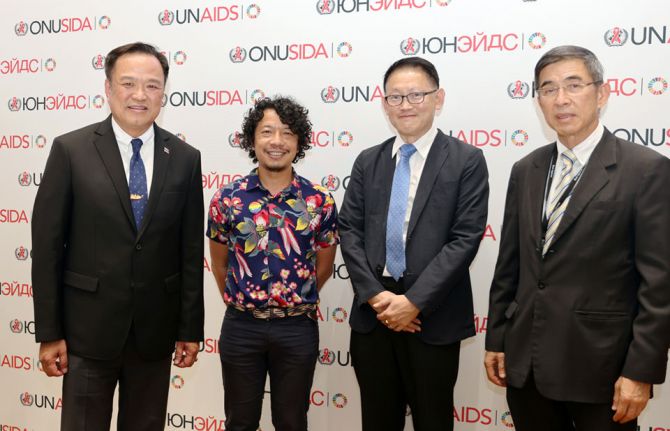
24 June 2022 24 June 2022During the 50th Programme Coordinating Board meeting held in Geneva, Thailand announced formally funding community-led health services (CLHS) as public health services. The National Health Security Board of Thailand has approved HIV prevention, treatment, and care to be directly reimbursed by the Universal Health Coverage scheme.
“This is a key milestone for Thailand regarding sustainable community-led service delivery and sustainable financing for community-based organizations. It is a model for the region and countries globally,” said Winnie Byanyima, Executive Director of UNAIDS.
The role of community-led organizations in providing HIV services is well recognized as an essential component leading to ending AIDS by 2030. Using people-centered, rights-based and stigma-free approaches by and for key population community and people living with HIV has shown to lead to an increased uptake of essential HIV services.
Since 2016, Thailand has started to fund project-based community-led HIV services through the Universal Health Coverage scheme. The allocation of the national budget has increased over time to support community-led organizations (CLO) working with people living with HIV and key populations.
However, until now, year-to-year contracting mechanisms led to operational gaps affecting the provision of HIV services. The formal recognition of community-led health services under the UHC scheme will allow for faster access to funding, continuity of service delivery, and increase CLOs capacity for greater coverage of HIV services.
“To reach the ambitious goal of ending AIDS, we have partnered with community-based organizations who play a vital role in HIV service provision to hard-to-reach populations and marginalized communities,” said Anutin Charnvirakul, Deputy Prime Minister and Minister of Public Health of Thailand.
Organizations led by communities who are eligible to provide HIV and STI services in their communities can register as service providers under the National Health Security System. To get this recognition, they need at least one year of service experience and require an accreditation by the Ministry of Public Health or other certified bodies. Community health workers with relevant experience also have to be certified by a government agency or accredited organization.
The UNAIDS Thailand office has been working with different partners to support the scale-up of community health workers' certification and other accreditations as well as strengthening the sustainability of the community response.
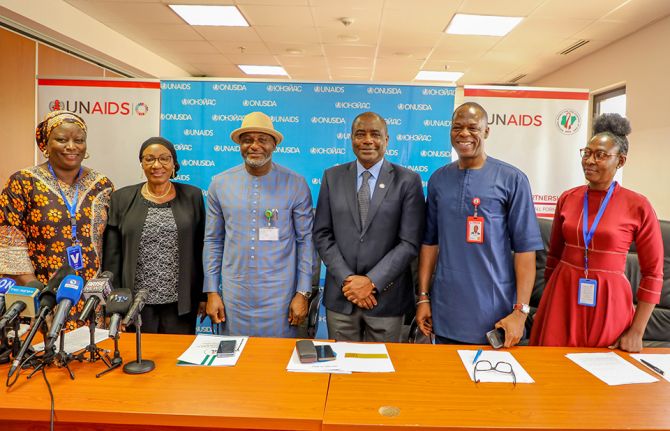
In attendance at the 50th PCB were Dr Jadej Thammatacharee, Secretary General, National Health Security Office, Dr Opart Karnkawinpong, Director General, Department of Disease Control, Ministry of Public Health, Dr Suwit Wibulpolprasert, Advisor to the Office of the Permanent Secretary, Ministry of Public Health and the entire three day meeting was chaired by H.E. Mr Anutin Charnvirakul, Deputy Prime Minister and Minister of Public Health.
Region/country




Feature Story
Oslo joins the Fast-Track Cities initiative
20 June 2022
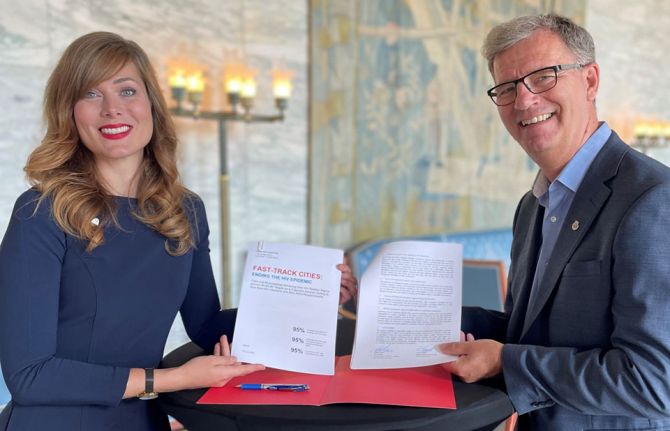
20 June 2022 20 June 2022On 20 June during a signing ceremony at the City Hall, Oslo became the second Nordic city to join the Fast-Track Cities initiative by signing the Paris Declaration on cities ending the AIDS epidemic.
Oslo is joining a network of over 400 cities and municipalities around the world who are working to drive forward locally the global goal of ending AIDS as a public health threat by 2030.
Over half of all people living with HIV in Norway live in Oslo, and it is also the city where most new infections in Norway are being diagnosed.
Robert Steen, Vice Mayor for Health, Ageing and Municipal Services in The City of Oslo, remarked:
“By signing this agreement, the City of Oslo acknowledges that to end the epidemic we need a holistic approach that provides everyone access to HIV prevention and life-saving and life-improving treatment, care and support services for HIV. It is not enough only to treat people for HIV if they still have poor health and quality of life. I am proud to say that the City of Oslo stands with cities around the world in the fight to eradicate this disease.”
The civil society organisation of people living with and affected by HIV in Norway, HIVNorge, advocated with the City Council in Oslo to become a part of the Fast-Track Cities initiative for more than three years, and are excited about the new partnership.
Addressing the event in the Oslo City Council, the Secretary General of HIVNorge Anne-Karin Kolstad said that “Stigma and self-stigma is a major problem for those among us who live with HIV in Oslo. It reduces the quality of life and makes people less able to protect themselves and others. We need new instruments to eliminate stigma for people who live with HIV.”
HIVNorge will encourage the city to assess and prepare a status report on the HIV epidemic and response in Oslo, which can form the basis for the city's multistakeholder strategy to achieve the goals and objectives of the Fast-Track Cities initiative. To adequately prioritise the HIV response, the city will first assess access and barriers to service uptake and provision, as well as measures supporting the HIV response under the auspices of both municipal and state actors together with non-governmental organisations.
The Fast-Track Cities initiative was launched in 2014 with support from four core partners: UNAIDS, the International Association of Providers of AIDS Care (IAPAC), UN-Habitat and the city of Paris. Signatories to the initiative commit to ending AIDS at the municipal level, through an accelerated HIV response, by providing leadership, putting people at the centre, addressing the causes of risk and vulnerability to HIV, using the AIDS response for positive social transformation, and mobilizing resources for integrated public health and sustainable development.
As a core technical partner to the Fast-Track Cities initiative, IAPAC is supporting member cities and municipalities in their efforts to optimize equity-based, data-informed HIV responses. Having worked with local stakeholders to facilitate Oslo becoming a Fast-Track City, Tanja Dittfeld, IAPAC’s Regional Director for Europe will work with HIVNorge to develop and implement a strategy aimed at closing gaps in HIV testing, prevention, and treatment, as well as addressing HIV and intersectional stigma and discrimination.
“We warmly welcome Oslo as the second Nordic city to join the global network of Fast-Track Cities committed to ending their urban HIV epidemics by 2030,” said Dr. José M. Zuniga, President/CEO of IAPAC and the Fast-Track Cities Institute. “We look forward to working with Oslo’s political, public health, and community stakeholders to advance an equitable and inclusive HIV response that leaves no person behind as the city aims to attain Fast-Track Cities objectives and targets.”
Cooperation and exchanges of experience with other European cities, including increasing support to cities in Eastern Europe, is critical at this point. In addition to a lack of resources, stigma and discrimination are major barriers to preventing new HIV infections and ensuring people living with HIV can access treatment and quality care.
UNAIDS Executive Director Winnie Byanyima said
“We are at a critical time in the HIV response where we need determined leadership from communities, CSOs, governments and the UN, together. The role of cities is key. With the brilliant facilitation by IAPAC, more and more cities are becoming Fast Track Cities. I congratulate Oslo and look forward to its engagement in the Fast-Track Cities initiative. Well done HIVNorge for this success in Oslo joining. Communities are the drivers of bold action to end inequalities.”
Region/country
Related
 Government ensures continuity of treatment in Malawi
10 February 2025
Feature Story
One year into the bold new strategy on HIV/AIDS, it is vital to speed up progress, say UN Member States
10 June 2022
10 June 2022 10 June 2022One year after adopting a new Political Declaration on HIV and AIDS: Ending Inequalities and Getting on Track to End AIDS by 2030, United Nation’s Member States have highlighted the need to work together to speed up progress on implementation.
In advance of the meeting, the UN Secretary General released a report entitled Tackling inequalities to end the AIDS pandemic on the implementation of the political declaration on HIV/AIDS. The report sets out how inequalities and insufficient investment “leave the world dangerously underprepared to confront the pandemics of today and tomorrow”
The AIDS pandemic is responsible for more than 13,000 deaths every week.
The Joint United Nations Programme on HIV/AIDS (UNAIDS) data show that HIV infections and AIDS-related deaths are not currently declining fast enough to end the pandemic by 2030 as pledged.
The Secretary General’s report highlights solutions including (a) HIV prevention and societal enablers; (b) community-led responses; (c) equitable access to medicines, vaccines and health technologies; (d) sustainable financing for the AIDS response and wider pandemic prevention, preparedness and response; (e) people-centered data systems and (f) strengthening global partnerships.
The UN Secretary General’s statement to the General Assembly, delivered by Chef de Cabinet Courtenay Rattray, outlined three immediate steps to reverse current trends and get back on track. “First, we need to tackle intersecting inequalities, discrimination and the marginalization of entire communities, which are often exacerbated by punitive laws, policies and practices”. He called for policy reforms to reduce the HIV risks of marginalised communities including sex workers, people who inject drugs, prisoners, transgender people and gay men. He noted how stigma is obstructing public health: “Stigmatization hurts everyone. Social solidarity protects everyone”.
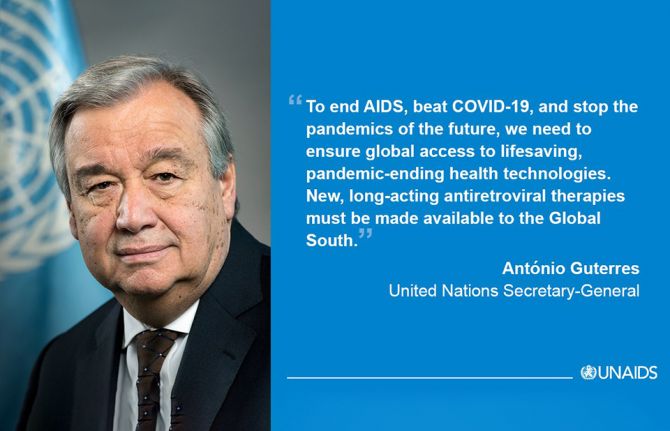
The second step is ensuring the sharing of health technologies, including long-acting antiretrovirals, to make them available to people in all countries of the world.
The third step is to increase the resources made available to tackle AIDS. “Investments in AIDS are investments in global health security. They save lives – and money.”
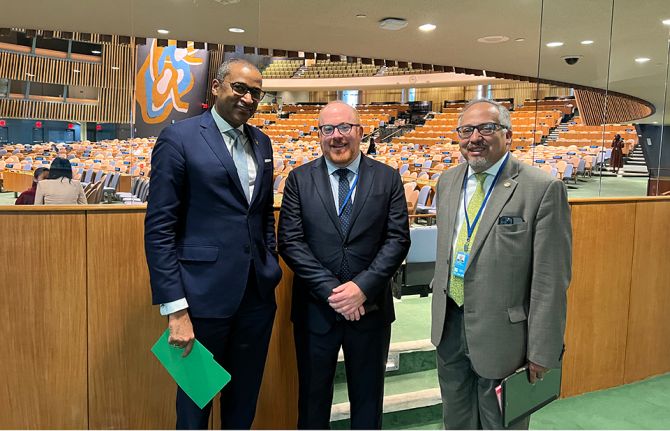
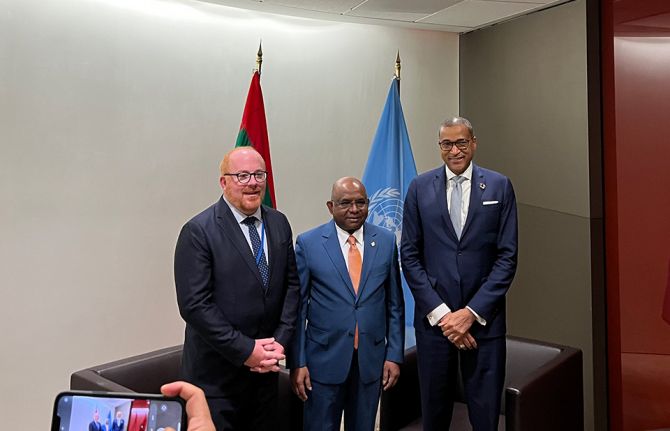
In his opening remarks, the President of the General Assembly, Mr. Abdulla Shahid, noted that “equal access to healthcare is an essential human right to guarantee public health, for all. No one is safe until we are all safe. Striving to achieve the 2025 AIDS targets is an opportunity to work together to increase investments towards public health systems and pandemic responses, and to draw on the hard-learnt lessons from the HIV/AIDS crisis for our recovery from COVID-19, and vice versa.”
Over 35 Member States and Observers made statements during the AIDS review, which included contributions on behalf of the Africa Group, the Caribbean Community and the Central American Integration System and the European Union.
Statements emphasised the urgency of stepping up collective action to get on track to meet the 2025 targets, and the importance of an inequalities lens to ensure a successful HIV response.
The President of the General Assembly, the Secretary General, the Africa group, the EU and several Member States stressed the importance of fully financing the HIV response and strengthening investment in Global Health.
The Africa Group, along with many others, spoke about addressing stigma and discriminatory laws which keep people from accessing health care and social services.
The debate made clear that the end of AIDS is possible, but only if countries worked together and were courageous in addressing inequalities. “The most important message today,” noted the Secretary General’s conclusion, “is that if we work together to tackle the inequalities that perpetuate HIV/AIDS, we can still end it as a public health threat by 2030.”
All said in under one minute. This is huge and unequivocal.
— Ben Phillips (@benphillips76) June 10, 2022
The Chef de Cabinet delivers to the UN General Assembly the urgent insistence from the UN Secretary-General that the technologies for new long-acting HIV medicines must be shared globally now. There is no time to lose. pic.twitter.com/t1DWlPsdB3
Related



Feature Story
Popular and dedicated singer Samba Peuzzi calls for ending HIV infections among children
16 June 2022
16 June 2022 16 June 2022In his recording studio, Samba Peuzzi chats with his musicians with the energy that characterizes him. He is one of the rising stars of the Senegalese music scene. With a growing popularity, concerts everywhere, millions of followers on social networks, Samba is an artist that young people in Senegal and West Africa admire and respect. His lyrics have impact and his opinions matter to his fans.
Samba is also a man worried about the challenges his country faces; a man moved by the plight of all those people deprived of everything.
This is what prompted the singer to get involved with UNAIDS in the fight against HIV in Senegal and West and Central Africa. He is particularly concerned about ending paediatric HIV in the country and the region. He therefore decided to lend his voice to this cause on the International Day of the African Child.
Despite his busy schedule, Samba takes a break and records a message for the youth in Senegal and the region. He warns them against complacency and asks them not to forget about AIDS, which is still devastating and causes a death every minute in the world. "In the region, 4.7 million people are living with the disease and 150,000 people died of AIDS-related causes in 2020," he says. "We will only be safe once everyone is safe." He stresses the importance of testing and particularly emphasizes the issue of children, who are often left to fend for themselves.
In 2020, 24% of children living with HIV were living in West and Central Africa, where the rate of newborn testing is the lowest in the world. In the same year, an estimated 39,000 children and adolescents aged 0-14 died of AIDS-related illnesses in the region—which represents 39% of global AIDS-related deaths in this age range. Samba adds that vertical transmission of the virus is the highest in the world, a transmission that can be prevented with appropriate treatment. "We must do better! Let's get involved," he insists.
For UNAIDS, collaborating with artists like Samba is particularly important. "Few people doubt of the validity of our messages," says Patrick Brenny, UNAIDS Regional Director for West and Central Africa. "AIDS is a problem that needs to be addressed, everyone can agree on that. But getting that message across to the right people remains a challenge. Samba Peuzzi, thanks to his visibility and reputation among young people, helps us raise awareness and invite them to get involved in the fight against HIV. This action is essential."
Samba Peuzzi's message confronts young people with a painful reality, but also has the power to generate positive change. It reminds young people that it is possible to live a normal and productive life with HIV today. Early detection is the starting point for living a long and healthy life with HIV by quickly accessing treatment that can stop the progression and transmission of the virus. "You don't have to die from AIDS nowadays," says Samba. Someone living with HIV today does not have to renounce a fulfilling emotional and sexual life, nor considering having children.
At a time when the region is facing multiple crises related to COVID-19, the conflict in Ukraine and rising prices, it is essential to maintain the efforts invested in the response to HIV and restore access to testing and treatment as soon as possible. With Samba, we look to the future with optimism and ambition.
Find Samba Peuzzi's clips on our Twitter, Facebook and Instagram platforms as well as on Trace Senegal's TV and radio channels.
Region/country

Feature Story
A poster exhibition highlights progress and gaps in the HIV response in eastern Europe and central Asia
13 June 2022
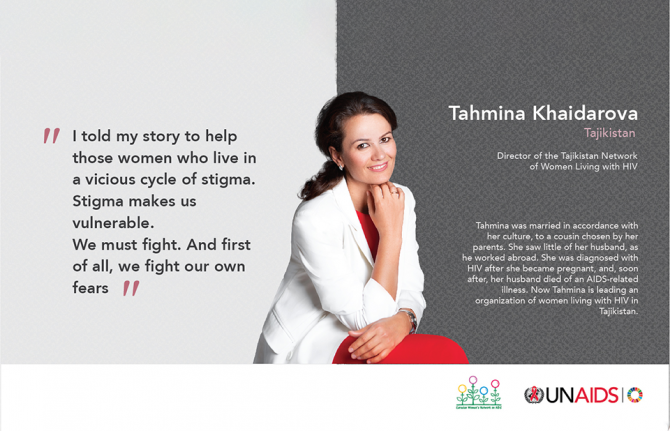
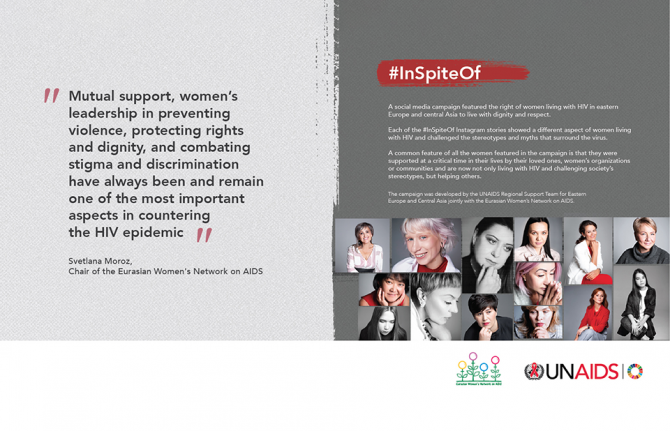
13 June 2022 13 June 2022A poster exhibition entitled YES…BUT! highlights the disparities existing in the HIV response in eastern Europe and central Asia (EECA). Some posters display important key facts and figures on the progress made as well as the current gaps hindering progress in the region. Others focus on the impact that AIDS-related stigma and discrimination has on people living with HIV in eastern Europe and central Asia.
For example, one poster highlights that while all people living with HIV are eligible to start HIV treatment immediately regardless of their CD4 count, there has been a 32% increase in AIDS-related death in the region since 2010. Another one focuses on the fact that, even though HIV self-testing and free anonymous HIV testing are available and accessible in most countries, every second an HIV diagnosis is made late—and one in three is made very late.
Tahmina Khaidarova, Director of the Tajikistan Network of Women Living with HIV is convinced that one of the reasons for widespread late diagnosis and increased number of deaths is the stigma that continues to prevent people from accessing HIV testing. “I told my story to help women who live in a vicious cycle of stigma. Stigma makes us vulnerable. We must fight. And first of all, we fight our own fears.” says Mrs Khaidarova in one of the posters.
The EECA region has the fastest-growing HIV epidemic in the world. The war in Ukraine places under huge strain the hard-won gains made in recent years in the HIV response in the countries involved and in the entire region.
“We must keep the HIV epidemic in the region in the spotlight and support the resilience of people, community-led organizations, and countries to ensure the AIDS response succeeds,” said Eamonn Murphy, Deputy Executive Director, Regional Director for Eastern Europe and central Asia a.i.
The posters will be shown at the UNAIDS Regional Cluster Meeting for eastern Europe and central Asia to take place in Geneva, from 14 to 17 June 2022.
Watch: Poster exhibition highlights progress and gaps in the HIV response in eastern Europe & central Asia
Watch: In Spite Of...
Region/country
- Eastern Europe and Central Asia
- Albania
- Armenia
- Azerbaijan
- Belarus
- Bosnia and Herzegovina
- Bulgaria
- Croatia
- Cyprus
- Czechia
- Estonia
- Georgia
- Hungary
- Kazakhstan
- Kyrgyzstan
- Latvia
- Lithuania
- Montenegro
- Poland
- Republic of Moldova
- Romania
- Russian Federation
- Serbia
- Slovakia
- Slovenia
- Tajikistan
- North Macedonia
- Türkiye
- Turkmenistan
- Ukraine
- Uzbekistan
Feature Story
How UNAIDS helped in the response to COVID-19 in the Islamic Republic of Iran
08 June 2022
08 June 2022 08 June 2022From the beginning of the COVID-19 pandemic, it was clear that life would be even more difficult for people living with HIV.
“When experts identified how COVID-19 affected people, it was clear that people with compromised immune systems needed to get a heightened level of care and attention,” said Fardad Doroudi, the UNAIDS Country Director for the Islamic Republic of Iran. “We needed to be quick and agile to mobilize our resources and expertise to make sure that no person living with HIV was left behind.”
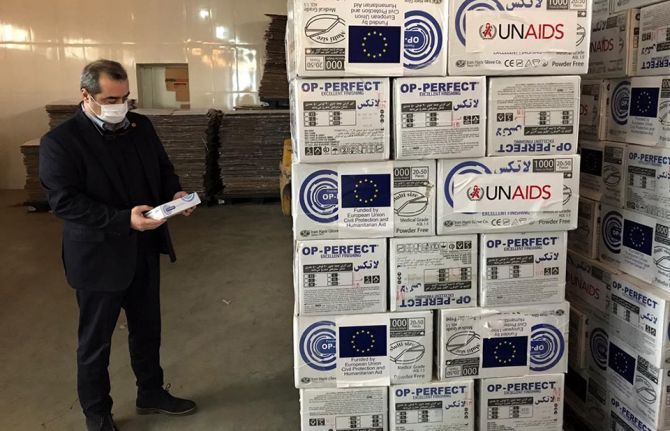
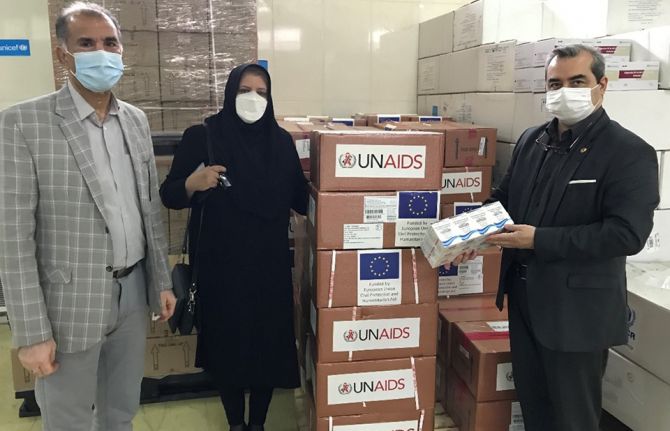
Throughout the multiple waves of COVID-19 in the country, UNAIDS has provided critical support to people living with and affected by HIV, providing personal protective equipment and medicines, supporting nongovernmental organizations with small grants to help communities, developing information, education and communication materials and developing a community-based monitoring and evaluation framework.
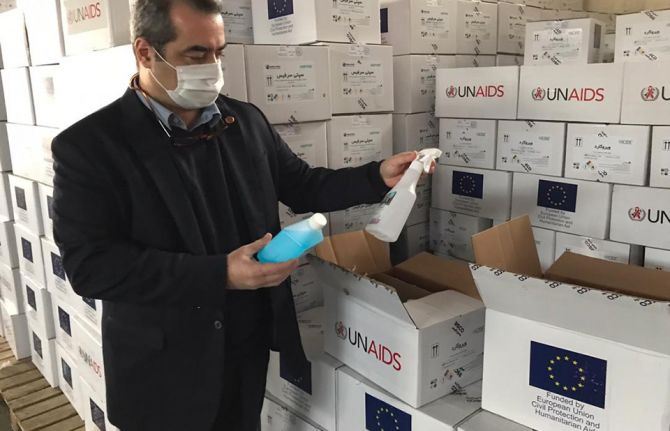
Personal protective equipment, such as masks, shields, gloves and sanitizer, is a key tool in preventing the spread of viruses such as the virus that causes COVID-19. UNAIDS provided 95 tonnes of personal protective equipment to the Ministry of Health and Medical Education and the State Welfare Organization to be distributed through HIV-related nongovernmental organizations. Items provided included 1.8 million face masks, 60 000 bottles of hand sanitizer and 40 000 boxes of latex gloves, among other equipment.
Multimonth dispensing, ensuring that people living with HIV who are on HIV treatment receive enough treatment to last several months in order to avoid frequent visits to health centres, is a key pillar of an HIV response in humanitarian crises and was at the centre of UNAIDS’ efforts during the pandemic in the Islamic Republic of Iran.
To ensure that people on HIV treatment received their life-saving medicines, UNAIDS procured and delivered more than 650 000 doses of Vonavir, which covered the needs of more than 7000 people living with HIV for nearly three months, and more than 520 000 doses of Truvada, which covered the needs of nearly 3000 people living with HIV for six months. The more than 10 000 people helped with treatment received their medicines through treatment centres across the country.
Ten nongovernmental organizations working on HIV were awarded 26 small grants to increase community engagement and help people living with HIV adapt to life during the COVID-19 pandemic, and reached more than 14 000 people. Some of the activities funded by the grants include income generation schemes, home-care services, online sales and commerce, mental health support, the development of e-learning platforms, the distribution of hygiene kits, food and medicines and holding virtual events and forums for awareness-raising and stress reduction.
UNAIDS also helped in creating impactful information, education and communication material to enhance knowledge and build awareness of the COVID-19 pandemic. In collaboration with the national AIDS programme, UNAIDS supported the production and dissemination of a series of animations by a local nongovernmental organization. The 16-minute animation series, split into three episodes, covers topics such as the basics of HIV in relation to COVID-19, prevention of the virus in the context of HIV, the importance of continuing HIV treatment and addressing stigma and discrimination. The videos were featured across a number of online channels and platforms, receiving more than 15 000 views to date.
UNAIDS also developed and piloted a community-based monitoring and evaluation framework. This was born out of field monitoring activities carried out together with government partners and civil society organizations.
Online training sessions were organized for more than 200 people living with HIV and service providers. The sessions covered the basics of monitoring and evaluation of HIV-related COVID-19 programmes for nongovernmental organizations. The goal was to improve the effectiveness of monitoring and evaluation practices for HIV within the framework of the national strategic plan in order to improve the quality of HIV programmes in the country.
“Relying on strong collaborations and partnerships was key for our fast response during a rapidly changing time,” said Mr Doroudi. “With the support of donors, a strong liaison with national counterparts and effective collaboration with other United Nations agencies, we managed to be a part of the overall support to people living with HIV, who had to deal with the health, social and economic challenges associated with the COVID-19 pandemic.”
UNAIDS’ response to COVID-19 in the Islamic Republic of Iran was funded by the European Union’s humanitarian aid budget and was facilitated in partnership with the United Nations Children’s Fund. The Islamic Republic of Iran’s Ministry of Health and Medical Education and the State Welfare Organization were the key governmental partners for the wide range of activities undertaken as part of the project.
Region/country


Feature Story
Kryvyi Rih AIDS centre continues to provide HIV services despite the war in Ukraine
25 May 2022
25 May 2022 25 May 2022On 25 November 2021, the city of Kryvyi Rih, the fourth largest city in Ukraine, signed the Paris Declaration to end the AIDS epidemic in cities. The city is an important economic and industrial centre, a major transport hub and the birthplace of the Ukrainian President, Volodymyr Zelensky.
A group created by the city administration to develop and implement the Paris Declaration determined the main areas of work, which included the expansion of HIV prevention services for key populations through community organizations and the scale-up of HIV testing through family doctors, among others.
Physicians across the city were trained in HIV, while Gennady Kruglenko, the chief doctor at the Kryvyi Rih municipal AIDS centre, visited Odesa and Dnipro to learn about their experience with implementing the Paris Declaration.
“We were seriously preparing to start this work,” said Mr Kruglenko. “But the war slowed down our plans. Our region borders the areas of active military operations, but our centre continues providing full-scale HIV services, and we are not going to stop. And we have not abandoned the main goal of the Paris Declaration: ending the AIDS epidemic.”
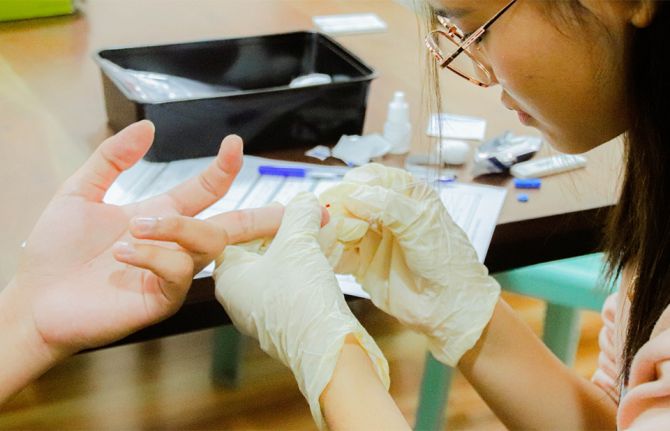
The Kryvyi Rih AIDS centre has been operating since 1994, and today there are about 10 000 people living with HIV accessing HIV treatment from it. People can get HIV treatment from five different sites, which makes it much easier for people living in different parts of Kryvyi Rih. Kryvyi Rih is the longest city in Europe, the length of which exceeds 120 km.
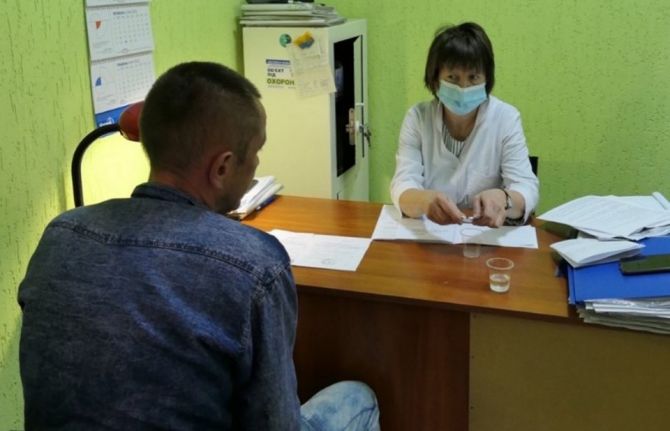
The AIDS centre continues to work as a reference laboratory for several regional centres. Its modern equipment allows the performance of all necessary tests, including diagnosis confirmation, CD4 counts, viral load and others, to be performed. People living with HIV with complex cases, for example opportunistic infections, that require the attention of experienced doctors are referred to the centre.
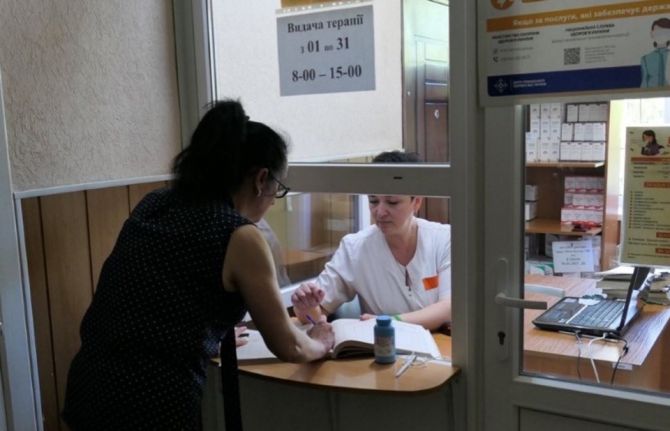
Marina Baidachenko, an infectious diseases doctor at the AIDS centre, says that the centre currently also provides services to people who have fled the war. “There are people who move within the country, who apply for services through a network of our social workers. The system in Ukraine is such that no matter where the patient is, he or she can receive treatment through the general system,” she said.
Each doctor providing specialized HIV care in Ukraine has access to the medical records of patients in a general electronic registry, with strict confidentiality measures in place. This ensures that the records of people living with HIV who move from one region to another can be accessed in the new region, thereby allowing the maximum number of displaced patients to remain on antiretroviral therapy, despite the war.
According to Ms Baidachenko, the war is felt every minute. “Air raids are very frequent, missiles are flying,” she said. The employees of the AIDS centre must go to the first floor or basement, which have been adapted as bomb shelters, every time the air raid siren sounds.
“To issue antiretroviral therapy to a person, you need to open his or her electronic card in the computer, create an electronic prescription through the registry and send it to the warehouse where the medicines are issued. When there are 200–300 patients in the centre, it’s hard to tell them to wait until the alarm is over,” said Ms Baidachenko.
With the help of a UNAIDS emergency grant, the centre equipped additional workplaces with laptop computers, office equipment and Wi-Fi. Now prescriptions take only minutes and doctors can move to a safe place when the siren sounds and take their computers and continue to serve people.
Close cooperation with community organizations, such as the Public Health Charity Foundation of Krivyi Rih, has become even more important during the war.
“Each of our doctors has about 2000 people on antiretroviral therapy. Now with the war, there are only two doctors left. They have to give a prescription, check the tests, explain the medical aspects—they simply don’t have time for other important issues, such as psychological support,” said Mr Kruglenko.
According to Alexander Lee, the Project Manager of the Public Health Charity Foundation, the war has changed the format and scope of the organization’s work. “Many of our clients were left alone with their problems and fears because family members left Ukraine. The response required increased mobility of the organization’s employees for consultations and assistance to clients in remote areas of the city,” he said.
Social workers are also helping to connect medical facilities with people who use drugs, gay men and other men who have sex with men and members of other communities, who have become even more vulnerable.
“Therefore, in the chain of services, everyone does a small, but very “big”, thing,” Mr Kruglenko added.
Raman Khailevich, the UNAIDS Country Director for Ukraine, emphasized that UNAIDS supports the city’s efforts to continue providing all HIV services in close cooperation with civil society organizations. “Such interaction in peacetime was one of the most important components of the successful AIDS response in Kryvyi Rih, and in wartime it is the only way not to lose what has been achieved but also to continue moving towards the goal of ending AIDS, saving every life,” he said.