

Feature Story
“An HIV diagnosis should not be a guilty verdict—it’s just a diagnosis"
01 March 2022
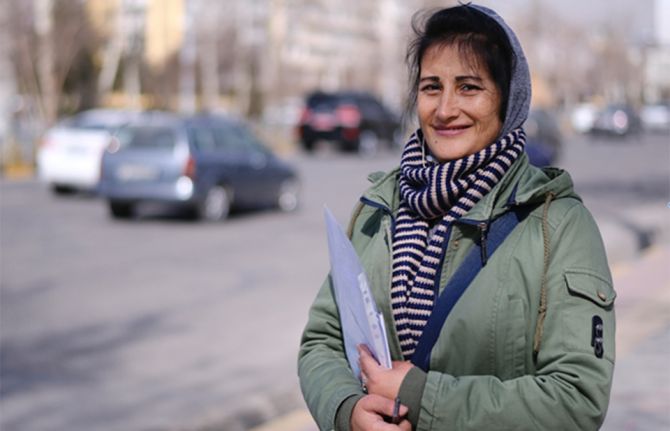
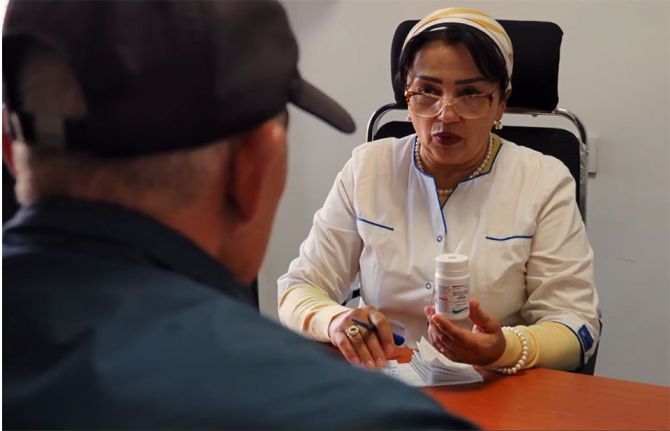
01 March 2022 01 March 2022Nargis was born in Dushanbe, Tajikistan, into a large family. Life was not easy, and she was sent to a boarding school for low-income families. Her favourite subject at school was physical education, excelling at basketball and swimming. She hoped that after graduating from school in 1991 with a diploma in physical education she would continue her studies at a technical school.
However, because of unrest in the country, she couldn’t carry on with her schooling. “I cried for six months, I really wanted to continue my studies, but instead of going to a technical school, my parents married me off. I was not yet 16 years old then,” said Nargis. When she was 17 years old, she gave birth to a son; five years later, while pregnant with her second child, she learned that her husband was involved in drug trafficking, and he was sent to prison.
From that time on, Nargis had to provide for herself and her family on her own. She got a job in a casino. The earnings were good, but it was there that she started taking drugs. “I was a shy girl, so to make me feel relaxed, I used drugs. From there, I became a drug addict. I didn’t even notice how it happened,” she recalled.
She was eventually fired from her job because of her drug-taking and was forced to look for other ways to survive.
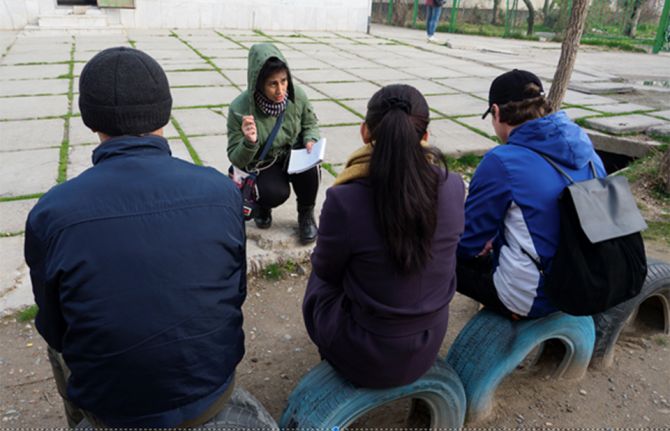
Nargis injected drugs for 14 years, but she started on opioid substitution therapy when it was made available in the country. “While I was on methadone, I was hired as a peer counsellor. I worked with drug users, with people living with HIV. I worked as a consultant in several HIV prevention projects,” said Nargis.
Nargis remained on methadone until May 2021. “Last year, I had to stop methadone because I was sent to prison and there was no methadone in prison. It was very hard, I was in the prison hospital for several months, but as a result I got off methadone and, so far, I am holding on.”
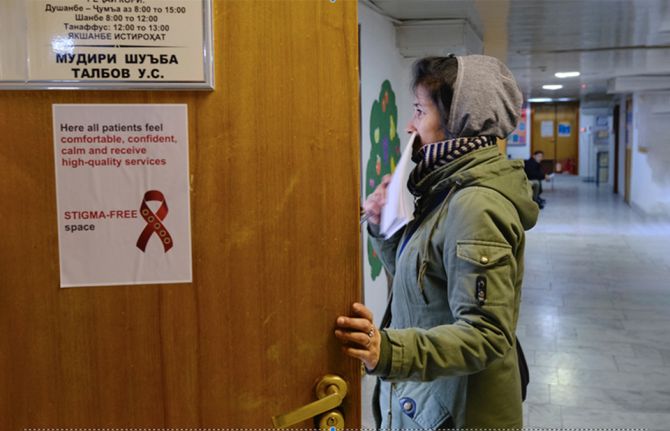
Nargis was imprisoned under Article 125 of the Criminal Code of Tajikistan, under which it is a criminal offence to infect someone with HIV or to put them at risk of HIV infection. Based on this article, law enforcement agencies initiate criminal cases against people living with HIV just on the basis of the potential threat of HIV transmission or simply just based on their HIV-positive status.
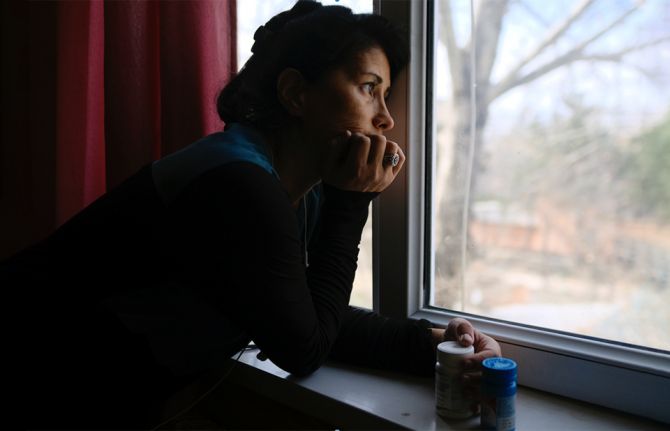
“I have been taking antiretroviral therapy since 2013. I have never interrupted it. I have an undetectable viral load. No one wrote a statement against me. I did not infect anyone. The accusation was made on the basis of a note from a man I knew, because we were dating,” Nargis said.
The legislation does not take into account the informed consent of the other sexual partner, regardless of whether there was a risk of HIV infection, or whether the person living with HIV takes precautions against HIV transmission. In addition, the legislation does not define how someone living with HIV should declare their HIV status. In effect, all people living with HIV who have sex can be held criminally liable.
Nargis explained her shame, “Law enforcement agencies called everyone, doctors, my colleagues, relatives, and told them about my HIV diagnosis, asked what kind of relationship we were in, dishonoured me.”
“Article 162 of the Health Code gives doctors the right to disclose the status of HIV-infected patients at the request of the investigating authorities, and does not contain any justification for this. Some criminal cases under part 1 of Article 125 were initiated after the HIV clinic disclosed information about HIV to law enforcement agencies. During the investigation and trial, the defendants’ right to confidentiality regarding their HIV status is not ensured, since investigators, officials, court clerks and judges can request medical information in accordance with the provisions of the Health Code without any specific conditions,” said Larisa Aleksandrova, a lawyer.
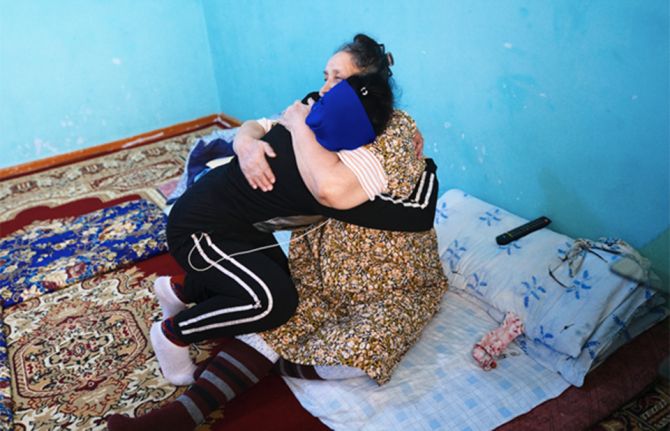
Nargis is now free, but she said that she was just lucky. “I was released under an amnesty in connection with the 30th anniversary of the republic.”
She is out of prison, but there are still dozens of other people convicted under Article 125. Now that everyone knows that she is living with HIV, Nargis is ready to fearlessly fight for the right to live, work and love, despite her HIV status.
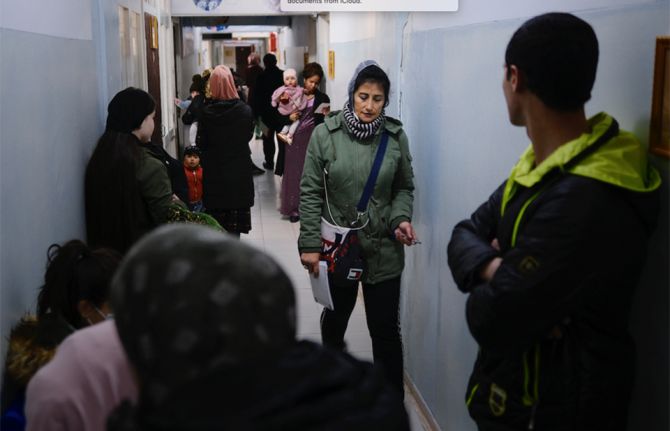
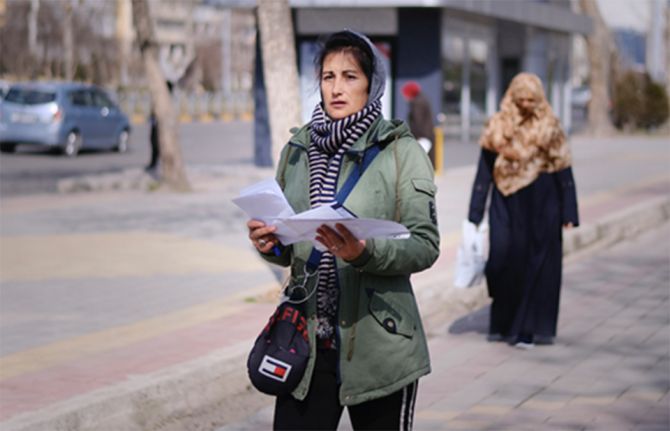
Nargis continues to work as a volunteer peer consultant on HIV prevention. She has many plans, but the main goal that she is striving for is the revision of articles criminalizing HIV in Tajikistan.
“I always say that there should be more information about HIV, about people living with HIV, so that they don’t fear us the way they do now. Now everything has changed, there is treatment, there is prevention. An HIV diagnosis should not be a guilty verdict—it’s just a diagnosis.”
Most countries in the eastern Europe and central Asia region have criminal penalties and various types of punishment, including imprisonment, for concealing a source of HIV infection, for putting someone at risk of HIV or for transmitting HIV. HIV criminalization disproportionately affects marginalized populations, especially women. Women are more likely to find out their HIV status when accessing health care, such as for pregnancy, and are more likely to be criminalized and punished.
“We know for certain that laws that criminalize HIV are counterproductive, undermining rather than supporting efforts to prevent new HIV infections. We hope that by consolidating the efforts of governments and public organizations it will be possible to revise outdated laws in the near future, taking into account the latest data on HIV, which will allow people living with HIV, or those who are most at risk of infection, to be open in their relationships with medical organizations, to disclose their HIV status and use affordable medical services,” said Eleanora Hvazdziova, Director, a.i., of the UNAIDS Regional Support Team for Eastern Europe and Central Asia.
Region/country
Related
Feature Story
“My life’s mission is to end stigma and discrimination, and that starts with U = U”: a story of HIV activism in Thailand
01 March 2022
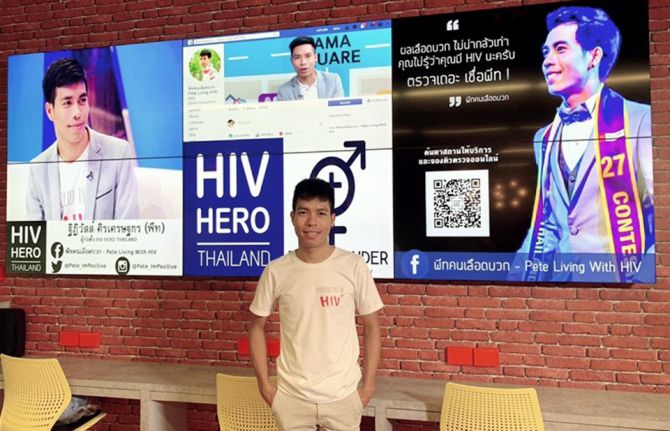
01 March 2022 01 March 2022Like any other regular day in Bangkok, Thailand, Pete went to work and was living a pretty normal life. He had a business that imported and exported fresh vegetables from neighbouring countries in South-East Asia, a family business that he shared with his sister. He was happy and in a serious long-term relationship with his boyfriend, and everything seemed perfect. That day, he and his partner went to get tested for HIV, and that’s when his life suddenly began to change.
“I found out about my HIV status in 2016 and soon after left my business because I didn’t know if I was going to live much longer. Without guidance and mental health support, I had many misconceptions about HIV, and I started to suffer from depression,” he said.
“I blamed myself for contracting HIV, and I couldn’t cope with this thought. I became a drug user, was engaging in chem sex, broke up with my partner and survived suicide attempts,” he continued. “But after receiving support from local organizations of people living with HIV, I decided to retake control of my life. I started to talk openly about HIV to help other young people live with a positive diagnosis. Even though this was never my plan, I knew I had to do it. That’s why I became an HIV activist,” he added.
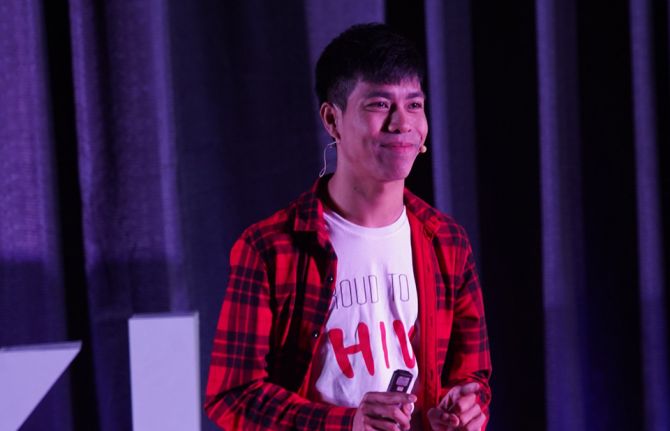
Nowadays, Pete (famously known online as Pete Living with HIV) is a well-known HIV activist in Thailand and has come far since his diagnosis. He has spent the past few years building an online community for people living with HIV. In this safe space, people can connect and be comfortable enough to share their stories and experiences in an open environment free from stigma and discrimination. His Facebook group, which has strict membership requirements (for obvious reasons), has more than 1300 members.
“I created this space because I didn’t have a place to share my story. I wanted to create a platform where people living with HIV can be proud of themselves and be reminded they are not alone. No one deserves to be stigmatized, bullied, dehumanized or disrespected. Everyone deserves to be loved, respected and accepted,” he said.
In 2019, the country announced the Thailand Partnership for Zero Discrimination, which calls for intensified collaboration between the government and civil society to work on stigma and discrimination beyond health-care settings, including workplaces, the education system and the legal and justice system. UNAIDS has been involved since the outset of the initiative by providing technical assistance to formulate the zero discrimination strategy and the five-year action plan, develop a monitoring and evaluation plan and operationalize the strategy as a joint effort between the government and civil society.
Pete thinks this initiative is a cornerstone to ending the AIDS epidemic, as stigma and discrimination continues to be the main barrier to HIV services. “Although it has improved a lot over the years, I still experience stigma and discrimination when I go for regular sexually transmitted infection check-ups. I still receive judgement from nurses and doctors,” he said.
Pete has also become a passionate activist for, and speaks about the importance of, U = U (undetectable = untransmittable) at international forums and conferences. “U = U changed my life. I continue to fight for and promote U = U because its messages have the power to change the lives of people living with and affected by HIV. Still, more importantly, it can change social attitudes and tackle stigma and discrimination,” he said.
With U = U, HIV treatment has transformed the HIV prevention landscape. The message is clear and life-changing: by being on HIV treatment and having an undetectable viral load, people living with HIV cannot transmit HIV to their partners. The awareness that they can no longer transmit HIV sexually can provide people living with HIV with confidence and a strong sense of agency in their approach to new or existing relationships.
Pete launched a campaign in 2020 focusing on U = U and mental health advocacy. “Through my social media channels, I raise awareness about the importance of listening to people and their experiences and respecting them. U = U is key to helping people living with HIV overcome self-stigma and negative feelings like shame, which discourage them from accessing and/or remaining on treatment. U = U is encouraging; it can help remind people living with HIV to be proud of themselves,” he said.
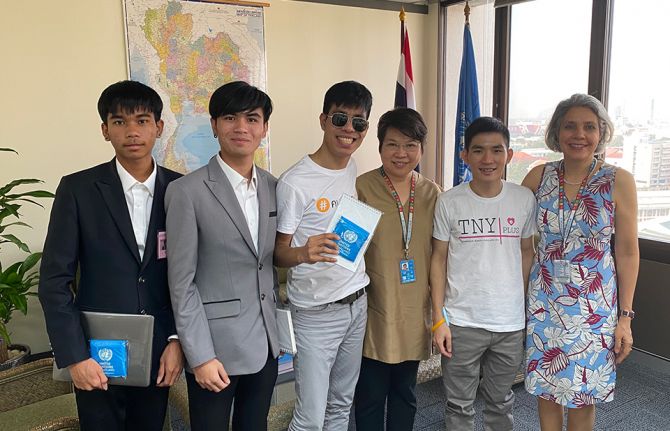
Pete is now strengthening partnerships with national stakeholders and allies of the HIV response to ensure that messages related to U = U, HIV prevention and zero discrimination are amplified and reach different audiences. He is also a representative on a multisectoral task force to design and implement the People Living with HIV Stigma Index in Thailand, which will be conducted this year. He has supported the United Nations in Thailand on various campaigns, including the Everybody Deserves Love Valentine's Day campaign and the zero discrimination campaign, in which he is engaging young people from across Thailand.
Region/country

Feature Story
Guyana’s transgender community calls for protection under anti-discrimination laws
28 February 2022
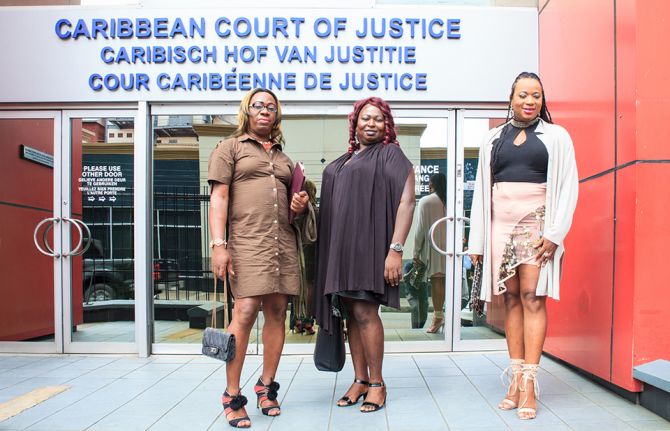
28 February 2022 28 February 2022Marcia John (not her real name), a Guyanese transgender woman, readied to leave a transgender support group meeting. She slipped off her black wig, replacing it with a bandana and hat. Her employer only allows her to perform her duties if she presents as a man.
“I have no choice,” she said. “I have to work.”
In 2018, the Caribbean Court of Justice ruled that an 1893 Guyana law that prohibited cross-dressing was unconstitutional. Last August, lawmakers formally removed that section from the law books. But for Ms John and other transgender women, this has not been enough to transform the way they navigate social spaces. Intolerant attitudes remain, with sometimes dire implications for transgender people’s welfare and livelihoods.
Led by the University of the West Indies Rights Advocacy Project, the cross-dressing law challenge started with a constitutional action filed in the Guyana High Court in 2010. Eight years and two appeals later, the litigants earned a historic win.
“At the heart of the right to equality and non-discrimination lies a recognition that a fundamental goal of any constitutional democracy is to develop a society in which all citizens are respected and regarded as equal,” the Caribbean’s final appellate court ruled in 2018.
Reflecting on the impact of the landmark law reform effort, Alessandra Hereman, Guyana Trans United (GTU) Project Coordinator, said that the main benefit has been more visibility.
“The community’s increased media presence in the lead-up to the case brought transgender issues into the public space. People realized that transgender Guyanese exist and are part of our society. Some thought we should be treated equally and others held on to their religious beliefs. But transgender issues were brought to the fore and were part of public discourse,” she said from GTU’s Georgetown office.
Formed in 2012, GTU has worked over the past decade to facilitate the dialogue and sensitization that are needed alongside key law and policy reforms to create a safe and empowering social context for transgender people. They contribute to the ongoing effort to shift the attitudes and perceptions of health-care providers around sexual orientation and gender identity. This work strengthens the community’s access to health services, including HIV prevention, testing and treatment. With support from UNAIDS, GTU also trained journalists on covering transgender people and issues ethically and accurately.
“Law reform is essential, but it is not a stand-alone,” said James Guwani, the Director of the UNAIDS Caribbean Sub-Regional Office. “Alongside strategies like judicial review and political advocacy, there must be ongoing community dialogue and targeted efforts to increase social inclusion.”
At present, GTU has two high law and policy reform priorities. First, Guyana’s Prevention of Discrimination Act of 1997 makes no mention of sexual orientation or gender identity.
“Employers use the lack of this protected status to discriminate against lesbian, gay, bisexual and transgender (LGBT) persons. Amending that legislation would mean that if you violate the rights of an LGBT person there would be some mechanism for redress. Having that in place will tell people you can’t discriminate because there will be consequences,” Ms Hereman explained.
The CARICOM Secretariat, through the Pan Caribbean Partnership against HIV and AIDS (PANCAP), has developed a model anti-discrimination bill to guide Caribbean countries in creating anti-discrimination laws. PANCAP continues to advocate with regional stakeholders, including policymakers, for countries to adopt the model as it provides for the protection of persons against discrimination, including discrimination involving harassment, victimisation and vilification on the grounds of HIV status, sexual orientation, etc. It is hoped that the model will lead to more access to health care for key populations with the overarching goal of a Caribbean free of AIDS and new HIV infections, in which all people are happier, healthier, productive, safe and respected. Next on GTU’s list is the revision of the Teachers’ Code of Conduct to be inclusive of the needs of LGBT students.
“They must know that they have a duty to create an enabling environment for all students so that LGBT pupils have an opportunity to learn without bullying,” Ms Hereman said.
Lack of gender recognition legislation and the criminalization of sex between people of the same sex remain challenges in the Guyana and wider Caribbean contexts. The United Caribbean Trans Network has mounted a campaign around gender identity recognition, while the Society against Sexual Orientation Discrimination is working to remove Sections 351 to 353 of the Criminal Law (Offences) Act, which make sex between men punishable with life imprisonment. However, GTU is first prioritizing issues that it says go to the heart of transgender’s people’s ability to get an education and access employment. Exclusion from these spaces compounds their vulnerability to poverty, violence and disease.
“We occupy the lowest socioeconomic level in society. Guyana is now an oil-producing nation. LGBT people should have opportunities as well,” Ms Hereman insisted.
Region/country
Feature Story
What’s the impact of the new HIV variant on the HIV response?
22 February 2022
22 February 2022 22 February 2022In the light of the recent identification of a new variant of HIV, we spoke to Lycias Zembe, a medical virologist and technical officer at UNAIDS, about whether the new variant will have an impact on the global HIV response.
What is different about this new HIV variant?
HIV is one of the fastest-mutating viruses ever studied—versions of the virus can vary from person to person and sometimes even in a single individual. Its ability to mutate rapidly and evolve between and within individuals is a major obstacle to the development of an HIV vaccine—there is still no HIV vaccine available and no cure.
Up until now, HIV mutations have not been covered widely in the media because of the effectiveness and availability of antiretroviral therapy in responding to them.
The recently reported variant of HIV, subtype B, can cause more severe infection. According to a study by Chris Wymant and team, people infected with the variant have an average viral load that is about four times higher than is usual for HIV infection, and their immune system declines twice as fast, placing them at risk of developing AIDS more quickly. Fortunately, as with other HIV mutations discovered to date, it is readily amenable and treatable with all the standard antiretroviral medicines available today.
So, the main message is that there is no need to panic, mutating is what viruses do, and, fortunately for HIV, the current treatments still work for the variant of HIV subtype B.
However, 10 million people living with HIV worldwide are still not on antiretroviral therapy, so immense efforts are needed to reach those people, who are often marginalized and stigmatized, to ensure they have access to the life-saving treatment, which also prevents transmission of HIV.
How should the global HIV response react?
It is important to identify people who may be infected with HIV quickly and start treatment early, because treatments work well, even against this variant. It is equally important to ensure that people on treatment keep virally suppressed by reinforcing and supporting adherence to treatment regimens. Furthermore, the findings underscore the need for pandemic preparedness and surveillance to detect, characterize and respond to new versions of pathogens quickly.
What lessons can be learned from the discovery of the new variant?
The HIV response should not lose focus on preventing a resurgence of HIV, especially during a time when a lot of attention has been focused on the COVID-19 pandemic and huge resources and infrastructure for HIV have been repurposed for COVID-19.
HIV is the deadliest pandemic of recent times and remains a serious public health concern. There are 38 million people living with HIV, 10 million of whom are not on treatment. In 2020, around 680 000 people died of AIDS-related illnesses and 1.5 million became newly infected with HIV.
During the COVID-19 pandemic, HIV prevention efforts have been disrupted and fewer people have been initiating HIV treatment. Efforts must be massively stepped up in these areas, as well as investments in research and development to find a vaccine and a cure, to ensure we can get on track to end the AIDS pandemic by 2030 as part of the Sustainable Development Goals.
Feature Story
Towards a life of dignity for people living with disabilities
15 February 2022
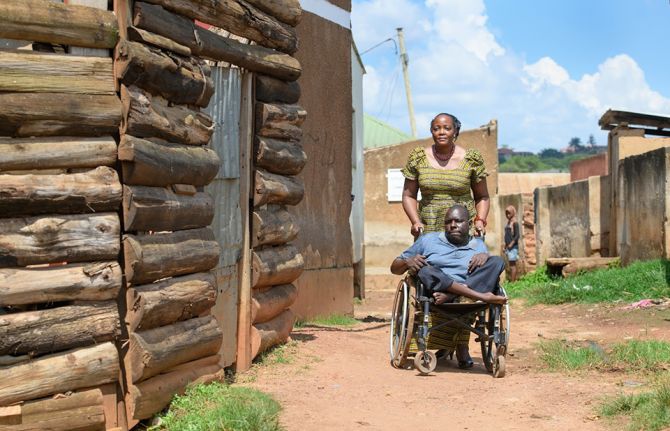
15 February 2022 15 February 2022Arriving at a health centre but not being able to physically access it. Needing information about your health but not being able to read it. Asking your doctor for family-planning advice but having to have the advice translated into sign language by a third party, resulting in a lack of confidentiality and privacy. These are only a few of the challenges faced by the 1 billion people who live with disabilities worldwide when trying to access health-care services. However, people living with disabilities have the same right to health as everyone else.
Disability prevalence is rising, owing to ageing populations and the increase in chronic health conditions, among other factors. Through long-term access to antiretroviral therapy, living longer with chronic HIV is increasingly possible, but may occur alongside other co-morbidities and the risk of disability.
People living with disabilities are at a heightened vulnerability of poverty, legal and economic inequalities, gender-based violence, sexual exploitation and abuse, exclusion from health care and human rights violations, all of which increase their risk of contracting HIV. In western Africa, women and girls living with disabilities may fall victims to harmful myths such as virgin rape—the belief that having sex with a virgin living with a disability will cure HIV—and other sexual violence supposed to bring wealth or power to its perpetrator.
Young people living with disabilities are also at greater risk. Because of the expectation that they are not sexually active, young people living with disabilities are often omitted in discussions about comprehensive sexuality education and excluded from sexual and reproductive health services.
It is within this context that the Governments of Norway and Ghana and the International Disability Alliance (IDA) will be holding the second Global Disability Summit on 16 and 17 February in Accra, Ghana. The first Global Disability Youth Summit will also take place on 14 February, co-hosted by IDA, the United Nations Children’s Fund and Atlas Alliance.
“Since the last Global Disability Summit, as a result of the COVID-19 pandemic the situation of the most vulnerable groups of society has deteriorated —and in particular, people with disabilities have suffered heightened violence, exclusion and disarray. Our mission is to turn words into actions to realize the rights of persons with disabilities everywhere,” said Anne Beathe Tvinnereim, Minister of International Development, Norway.
Data from sub-Saharan Africa suggest that there is an increased risk of HIV infection of 1.48 times among men and 2.2 times among women living with disabilities compared to those without disabilities. In western Africa, several studies have shown that HIV prevalence among people living with disabilities was on average two to three times higher than among the general population.
“Young people with disabilities, estimated to be 200 million around the world, want tailored health care, inclusive education, access to employment, and better access to new technologies. They are agents of change of their own future—and we stand ready to hear them and support them,” said Hon Kwaku Agyeman-Manu, Minister of Health of the Republic of Ghana.
The COVID-19 pandemic has made the situation worse. Because of interrupted health services and lockdowns, women living with disabilities in particular are suffering acute financial pressure—many are raising children on their own and hence are even more likely to experience sexual violence.
UNAIDS has long advocated for a three-track approach to advance the inclusion of people living with disabilities in HIV responses:
- Disability-specific activities and mainstreaming disability across all aspects of HIV responses.
- The authentic participation and active involvement of people living with disabilities in all elements of programmes.
- Disability-inclusive policies, programmes and implementation strategies that ensure appropriate funding and resources.
Specifically, UNAIDS is advocating for five actions:
- More research and better disaggregated data—the world needs to know and understand the health needs of all people living with disabilities at a more granular level.
- Adequate funding to be allocated to mainstreaming disability across systems for health and disability-sensitive HIV services. Services need to be accessible to all and respond to the specific vulnerabilities and needs of people living with disabilities.
- The international community must commit to the meaningful inclusion of people living with disabilities and their representatives at all levels of policies and programmes, from design to planning, implementation, monitoring and evaluation. It must also invest in strengthening the capacities of community-based organizations led by people living with disabilities and delivering services to people living with disabilities.
- Policymakers and health providers must guarantee rights-based, people-centred, non-discriminatory health services. Traditional or cultural stigma needs to be rectified by appropriate training and the sensitization of health-care staff around disability.
- Global leaders must address the intersecting structural determinants, such as poverty, exclusion and gender-based violence, that further aggravate the vulnerability of people living with disabilities. Only interventions that end entrenched inequalities and establish more supportive environments can improve the overall health of people living with disabilities and give them a chance of a life lived in dignity.
Ending AIDS without including people living with disabilities is impossible.
“I hope, along with the summit’s organizers, that governments, policymakers and organizations around the world will commit to change and come together to create a more inclusive society,” said Angela Trenton-Mbonde, UNAIDS Country Director for Ghana.
Related
Feature Story
Many key populations avoid health services
21 February 2022
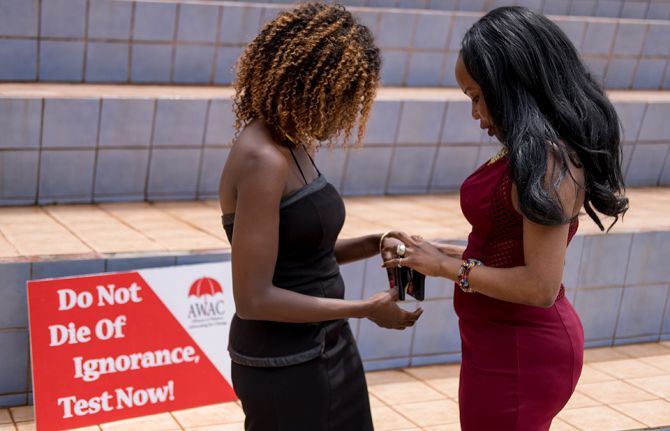
21 February 2022 21 February 2022Discriminatory experiences within health-care settings can be especially common and pernicious. Country data reported to UNAIDS show that the proportions of people belonging to key populations who avoid health-care services due to stigma and/or discrimination remain disconcertingly high. Across all key populations, at least one in three reporting countries stated that more than 10% of respondents avoided health care, including three in four countries for people who inject drugs.
Removing laws that harm, such as laws on sex work, same-sex sexual relations, the use or possession of drugs for personal use and the non-disclosure, exposure or transmission of HIV, is one way of overcoming stigma and discrimination and hence increasing the uptake of services by key populations.
Our work
Related




Feature Story
“Play with your heart”— Kazakh women living with HIV tell their stories from the stage
14 February 2022
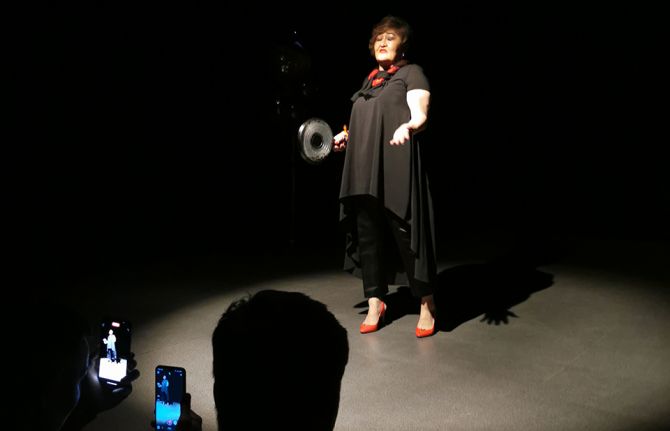
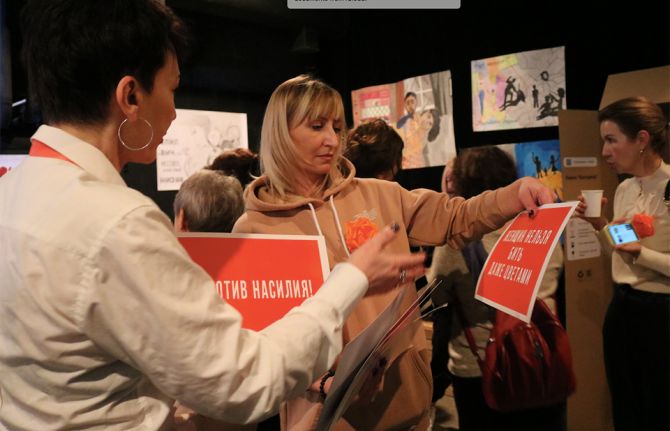
14 February 2022 14 February 2022The ARTiSHOCK Theatre in Almaty, Kazakhstan, recently premiered an extraordinary performance: all its actresses were women living with HIV, ex-prisoners and women who use drugs. They played the role of women who faced stigma, discrimination and violence, an echo of their own life stories.
The performance, the script for which was written by female activists, was the idea of the Revanche Center for Comprehensive Care (also known as the Revanche Foundation), supported by the UNAIDS Country Office for Kazakhstan and the Eurasian Network of Women Living with HIV.
“The idea of a social theatre was a dream that has finally become a reality,” said Anna Kozlova, a social worker for the Revanche Foundation. “We decided to talk about the experience of violence. After all, it is not only physical or sexual. To be rejected by society and discriminated against is also violence, but psychological.”
Nadezhda Plyaskina, the play’s director, said that it was not easy to work with the aspiring actresses. “I was afraid: these women have such considerable life experience; what can I teach them? In addition, it was necessary to teach acting in a way that did not hurt: they are all vulnerable. Each rehearsal revealed them to me as real, amazing, wonderful people. I told them: “Play with your heart.””
And they played with their hearts, telling their stories of imprisonment, abuse, stigma, loneliness and hope. The performance was a great success and was widely covered by Kazakh media.
Ms Kozlova began using drugs when she was 17 years old, which landed her in prison for 17 years. “All women who come out of prison are already victims. They are broken, vulnerable, don’t know how to live, where to go. They need help to become strong.” Four years ago, she went to the Revanche Foundation for help, and there she found a job, a family and a purpose. “I know from my experience that things can change,” she said.
Zulfiya Saparova has been living with HIV for 15 years; she is on antiretroviral therapy and works as a peer consultant for Equal to Equal Plus. She faced abused and violence and tells her story from the stage. “My heroine in the performance comes on stage holding a frying pan. This story is imprinted in my memory: my neighbour constantly walked around with black eyes. She was beaten by a drunken husband. Once her daughter came to visit her, and a black eye appeared on the husband’s face—she had protected her mother by beating him with a frying pan.”
Natalya Kovaleva, a social worker for the Revanche Foundation, spent eight years in prison. Her last term was three years and compulsory treatment for drug addiction. Currently, she works with young people who use drugs on HIV prevention. “If it wasn’t for the Revanche Foundation, I would either be behind bars or dead,” she said. “I have a mission here.”
The heroine she plays faces physical and psychological violence, total control, prohibitions and beatings. “I don't want to arouse pity, so I played a strong, independent woman who refuses to endure bullying. All this was in my own life,” said Ms Kovaleva.
The Revanche Foundation helps women in difficult situations, including women living with HIV, women who use drugs, children who lived in orphanages and former prisoners.
Elena Bilokon, the director of the Revanche Foundation, says that her work is focused on the most vulnerable and socially unprotected women, as there are no state support programmes for them. “Yes, the state provides patients with HIV drugs, but there is no psychosocial and social support. This year alone, 285 women living with HIV applied for our help,” she added.
“There is a clear link between violence against women and HIV. Studies show that women living with HIV are more likely to have experienced violence, and women who have experienced violence are more likely to be living with HIV,” said Gabriela Ionescu, the UNAIDS Country Director for Kazakhstan. “For this reason, UNAIDS highlights the need to address violence against women as a key human rights issue and the need to provide support to the most vulnerable women, including social and psychological help.”
The next performance will take place on 1 March, Zero Discrimination Day. The activists also plan to perform the play in several prisons in Kazakhstan.
Region/country
Related


Feature Story
Four years of the Fast-Track cities project—what have we achieved and learned, and what is next?
21 February 2022
21 February 2022 21 February 2022Implementation of the joint UNAIDS–International Association of Providers of AIDS Care (IAPAC) Fast-Track cities project started in 2018 under the management of UNAIDS and IAPAC, with financial support from the United States Agency for International Development. Recognizing the important role that cities play in achieving national and global HIV targets and in ending AIDS by 2030, the project aims to provide essential and strategic technical support to 15 high-burden cities to accelerate their HIV responses. The 15 cities (Blantyre, eThekwini, Jakarta, Johannesburg, Kampala, Kigali, Kingston, Kinshasa, Kyiv, Lagos, Lusaka, Maputo, Nairobi, Windhoek and Yaoundé) account for about 3 million people living with HIV. The project is implemented in close collaboration with local governments and stakeholders and takes into account the local contexts, epidemics and priorities. Technical support is provided for the development and implementation of city HIV strategic plans, creating an enabling environment for optimized HIV service delivery, strengthening data collection, analysis and use and building clinician and community capacity to facilitate service optimization and to eliminate stigma in health-care facilities.
Implementation over the past four years has achieved important results and led to significant changes at the city level. With the sustained support and commitment of mayors and city leaders, the project has catalysed action at various levels. Improved coordination, strengthened partnerships, civil society engagement and innovation to reach key and vulnerable populations have led to an increased uptake of HIV services, and cities have showed leadership during the COVID-19 pandemic to ensure that services continued to be delivered. Improved strategic information and monitoring and evaluation systems are now allowing cities to track the HIV response and to report on their epidemics. Close to 10 000 people have been reached with IAPAC-led training activities.
During a recent UNAIDS webinar, UNAIDS country staff providing support to four of the participating cities shared some of their experiences.
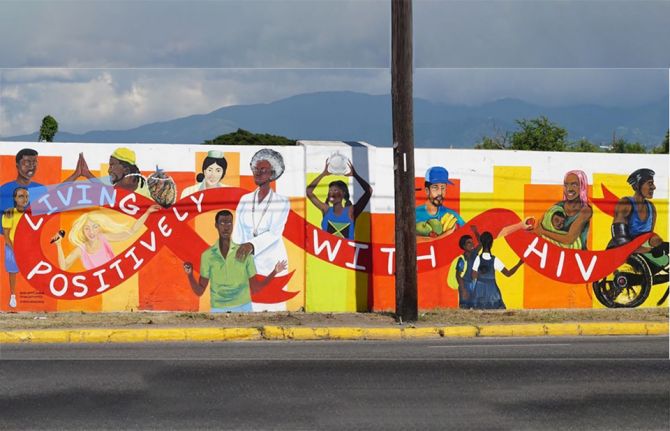
The city of Kingston, Jamaica, home to 35% of all people living with HIV in the country, is implementing activities to address some of the remaining challenges related to laws and policies that have affected society.
“One of the routes that we have taken through the Fast-Track cities project is to work more closely at the community level, as this is where we see the biggest challenge related to stigma and discrimination,” said Ruben Pages Ramos, UNAIDS Community Support Adviser for Jamaica.
In an attempt to address stigma, UNAIDS, in partnership with the Jamaica Network of People Living with HIV, initiated stigma-free spaces to sensitize the public and to ensure that places of business, health, education, justice, entertainment and worship are respectful, inclusive and transformative. Kingston municipality has been declared as the first stigma-free space in Jamaica and the mayor is committed to make Kingston a stigma-free city.
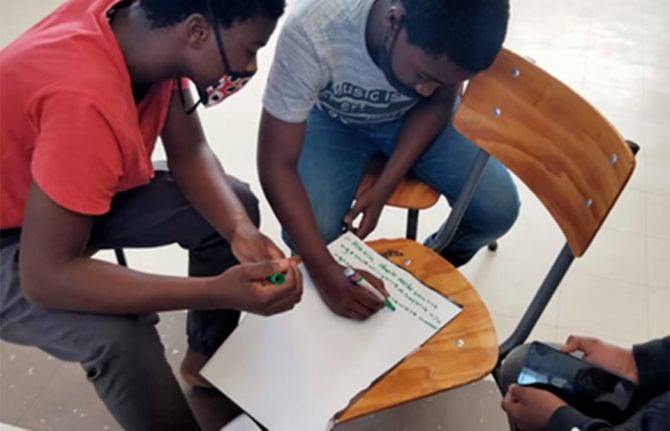
In eThekwini (Durban), South Africa, the National Association of Child Care Workers was contracted as part of a community project to support children and young people in Inanda, the largest township in Durban. The main objective was to reach children and young people with HIV services, ensuring that people living with HIV remain in care, and to address stigma in the community.
“This catalytic project achieved amazing results, and if taken to scale we could do amazing things,” said Miriam Chipimo, UNAIDS Fast-Track Adviser, South Africa.
Key results during a short, five-month, period of implementation included the initiation of four community action groups for young people to provide counselling and behaviour change communication support, reaching close to 2500 young people with HIV testing services (with people who are HIV-positive initiated on antiretroviral therapy), while close to 2000 community members were reached with anti-stigma messages on HIV, tuberculosis and COVID-19.
Through the mayor’s office and the department of health, key stakeholder engagement and linkages to United States President’s Emergency Plan for AIDS Relief and community-based organization activities in Inanda were also supported.
In Lusaka City, Zambia, the Fast-Track cities project has been catalytic in strengthening the coordination mechanisms for a multisectoral approach to the HIV response in the city. Lusaka has established a Project Technical Committee with representation from the District HIV and AIDS Committee, the District Medical Team, civil society, HIV implementing partners, networks of people living with HIV and the Key Population Consortium.
“Given the legal environment in Zambia, it’s very difficult to bring the lesbian, gay, bisexual, transgender and intersex and sex worker communities to the table, but under the Lusaka City Fast-Track project they have been brought together and they engage with civic leaders, the management teams and various stakeholders,” said Kenneth Mwansa, UNAIDS Community Support Adviser for Zambia.
Recognizing the need for innovative approaches to reach populations at higher risk of HIV, Lusaka City has also established and capacitated an Innovations Team, with representation from sex workers, lesbian, gay, bisexual, transgender and intersex people, people living with HIV and adolescent and young women organizations.
Linked to the development of a five-year strategic action plan to guide the city’s HIV response, a functional monitoring and evaluation unit was established, for the first time in the city, to coordinate HIV data collection at the district level and to better monitor the HIV epidemic and response.
Coordination of the HIV response in Kampala, Uganda, has improved owing to the full functionality and involvement of the Division AIDS Committee, while strong partnerships have been built with the Kampala Capital City Authorities (KCCA) and the Alliance for Mayors and Municipal Leaders on AIDS in Africa.
As part of the activities to reach and engage key populations and young people in Kampala, maps were produced on key population-friendly HIV services within the city, and a mobile app was launched in 2021 to increase the uptake of HIV prevention and treatment services among key and vulnerable populations. KCCA staff and key population representatives participated in the development of the app and were trained in its use. The app is hosted on the official city website to ensure sustainability. “In addition to the mapping of services, the app includes a section on recommendations and review of services. It also provides information by type of services, such as pre-exposure prophylaxis, for example,” said Tseday Alemseged, from the UNAIDS Country Office for Uganda.
Additionally, activities are ongoing in Kampala to sensitize the community around HIV prevention, vulnerability to severe COVID-19, equity and stigma and discrimination.
Good practices and strategic information from the other participating cities are being published on the Fast-Track cities interactive map, available at https://fasttrackcitiesmap.unaids.org/.
The project will continue until mid-2023. Lessons learned from the project will be used to inform the development of an action framework to guide and support the HIV response in urban settings, in line with the Global AIDS Strategy 2021–2026: End Inequalities, End AIDS.
Resources
Related
Feature Story
“They [the transgender community] don’t have to be products. They can be producers too”
23 February 2022
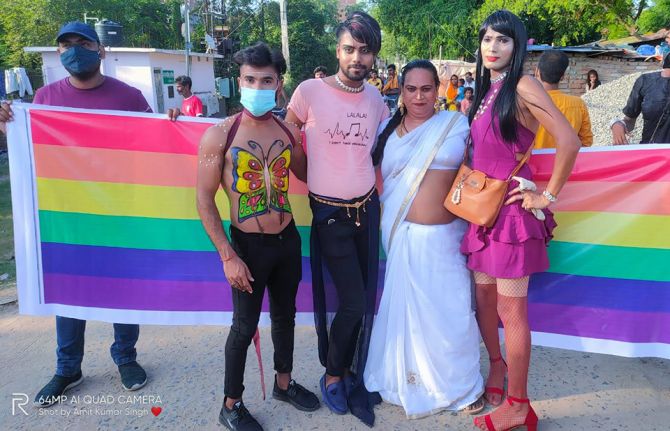
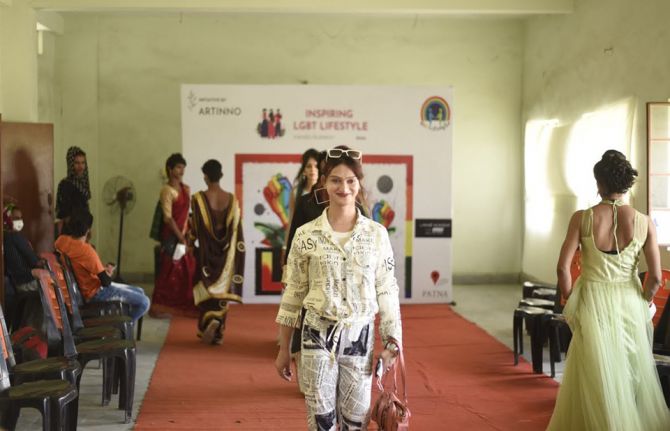
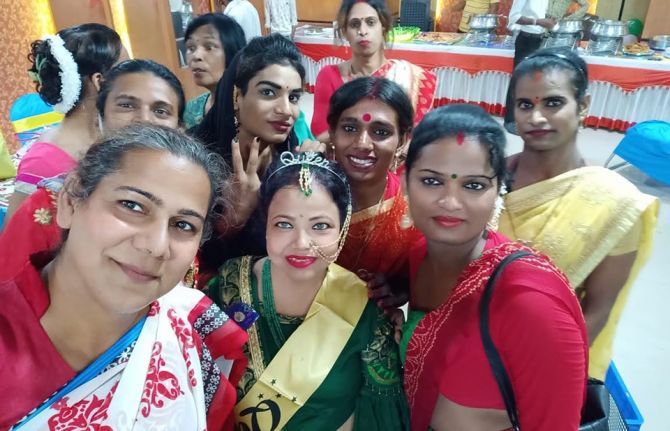
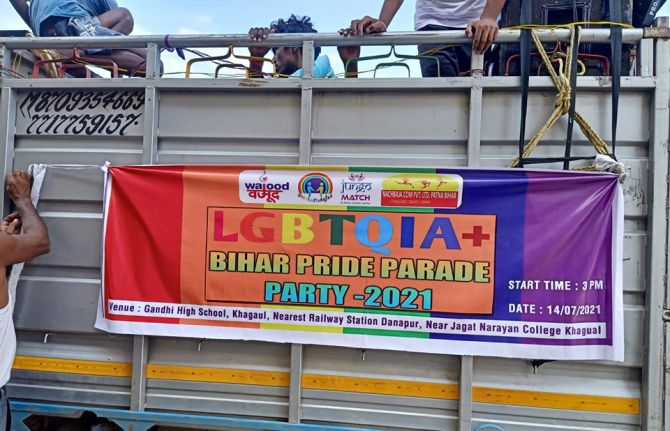
23 February 2022 23 February 2022Nachbaja.com is one of the first transgender-led start-ups in India. One of seven grantees of the UNAIDS Solidarity Fund from India, it is an artist aggregator platform that aims to empower talented artists from the transgender and wider lesbian, gay, bisexual, transgender and intersex (LGBTI) community across the country. Since Nachbaja.com’s start-up in 2017, the aim has been to leverage India’s growing event organization market to set up direct linkages between artists and customers, alleviating the need for brokers, who may take a share of the artists’ income.
Operational in an offline capacity primarily so far in Uttar Pradesh and Bihar, the start-up has shown the way for economic empowerment to many among the transgender community. Leveraging the grant received through the UNAIDS Solidarity Fund in 2021, Nachbaja.com aims to create a first-of-its kind online app that will allow artists and customers to register directly and enable them to receive fair and complete remuneration for their services. The journey of Nachbaja.com has symbolized the amalgamation of innovation with determination and has already brought change even before its implementation.
One of the key figures behind the social enterprise is Reshma Prasad, the founder of Nachbaja.com, an activist and advocate for the rights of the transgender community in India. For this interview, Ms Prasad joined us virtually from Nachbaja.com’s new office, which her team has now set up using the grant received from the Solidarity Fund. When asked how she felt about this office, Ms Prasad said with a smile, “Earlier, we didn’t even have a place. Now, we can call our community members, customers and other partners to this office. This is developing faith among these stakeholders. If we can develop the app successfully, I think it will be revolutionary for the community.”
Ms Prasad has been actively engaging the community, leading economic empowerment projects such as the production of sanitary pads, which were distributed among slum-dwellers in Bihar, and spreading awareness about the rights of the transgender community in India. She said that the idea of leading a start-up started brewing in her mind when she saw the first few community engagement activities spark interest and motivation among community members to do more.
In India, it is common for members of the transgender community to perform in events. In fact, Ms Prasad notes that they have been a historical part of the culture of India. However, due to the relatively unorganized nature of the work, she said that brokers or agents normally take a significant share of the artists’ income. In 2017, she decided to set up Nachbaja.com to connect artists to customers directly (and digitally), allowing them to take ownership of their skills and services without the need for a broker.
From 2017 to being able to register the start-up in 2020, the journey was long and arduous for Ms Prasad. In 2017, she applied to the Government of Bihar’s Start-Up Ideas scheme and her application was accepted. While she received support from the government, she was unable to register the company due to the need for a Permanent Account Number (PAN) Card, which at the time only included two gender options, male and female. At that time, Ms Prasad realized that the issue was bigger than herself—she was fighting a battle for the community. A legal petition was filed by her, which was successful in making provisions for transgender people to acquire a PAN Card in India. Ms Prasad became the first transgender woman to have a PAN Card in her name. Overcoming this challenge was not just a victory for Ms Prasad and Nachbaja.com, it had a ripple effect across the transgender community in India. About the opportunities this reform presents, she said, “So far, over 1 to 1.5 lakh [100 000 to 150 000] members of the transgender community have received a PAN Card. They can now successfully open bank accounts, purchase property and take out loans.”
The next challenge for her were the hardships imposed by the COVID-19 pandemic. With events coming to a standstill during the lockdown and limited-capacity events being run after the lockdowns, there was initial apprehension. But just like any other challenge, the community was able to tackle it with the use of some innovation. Nachbaja.com recorded videos of artists’ performances and screened them through a projector virtually during events.
“The COVID-19 pandemic wasn’t an easy time for us. Events came to a halt and, with that, our source of income. But when Nachbaja.com came up with the idea to screen our performances through a projector virtually, we were relieved. We could use our talents to continue earning a livelihood without putting ourselves at risk of catching the virus,” said Hansika, an artist associated with Nachbaja.com.
Discrimination and prejudice are battles that the transgender community fight every day. Ms Prasad believes that the reason we still do not see many transgender-led enterprises is because of misplaced apprehension about them. Through Nachbaja.com, she hopes to set an example that a social enterprise, when supported economically, can generate sustainable economic and social value. She wants people to realize that, “They [the transgender community] don’t have to be products. They can be producers too.”
Ms Prasad’s vision for the distant future of Nachbaja.com is for it to become a community-driven online platform that also encompasses infotainment. She hopes to connect with communities of LGBTI people, sex workers and people living with HIV and to promote user-generated content on the app. She has also discussed adding information on HIV awareness and prevention on the platform.
Chandni, another artist from the transgender community associated with Nachbaja.com, is optimistic about the potential of an online app, since it would alleviate the need for agents, who charge large commissions. She said, “When the app comes to fruition, we would be able to interact with customers and other artists directly so that they can see us for who we are. Moreover, we would not need to travel long distances to get our payments and negotiate, since everything would be online.”
Ms Prasad is confident about the potential of the app due to the growth of online apps in India. So far, her team has spoken to about 27 app developers in India to find someone who can align with their vision. The next immediate goal for the team is to find someone who understands not only the technological expectations but also the nuances of the community in order to deliver the best product possible.
The app development is the next step in this journey of innovation, creativity and determination that fuels Nachbaja.com.
Related
Feature Story
Stronger Africa–Europe partnerships key to advancing education and health rights of adolescent girls in Africa
18 February 2022
18 February 2022 18 February 2022Adolescent girls and young women in sub-Saharan Africa continue to be disproportionately affected by the AIDS epidemic. Approximately 4200 adolescent girls and young women in sub-Saharan Africa acquire HIV every week. In 2020, five in six adolescents aged between 15 and 19 years newly acquiring HIV in the region were girls. An estimated 23 300 adolescent girls and young women died from AIDS-related illnesses in 2020 in sub-Saharan Africa, making it the second leading cause of death of adolescent girls and young women after maternal mortality in sub-Saharan Africa. The figures represent lives disrupted and lost as AIDS remains a public health threat to survival, well-being, human rights and fundamental freedoms.
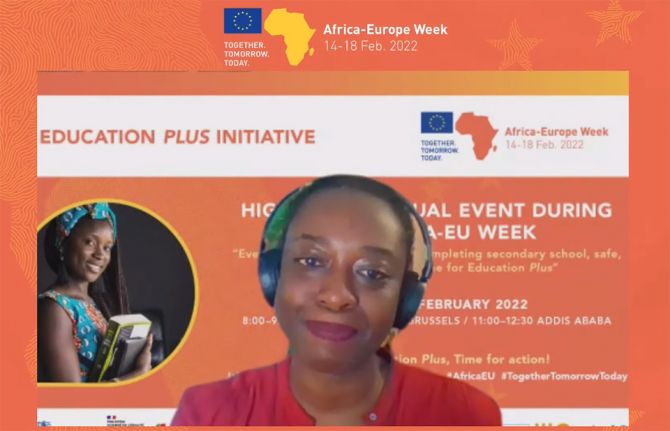
At an African Union–European Union pre-summit event, Adolescent Girls in Africa Completing Secondary School, Safe, Strong, Empowered: Time for Education Plus, speakers called for robust action to respond to the impact of the COVID-19 pandemic on girls’ education in Africa.
The event, held as part of the Education Plus initiative, drew participants from the African Union, the European Union, African champion countries (Benin and Sierra Leone), the cosponsoring Governments of Finland, France, Portugal and Spain, the Global Network of Young People Living with HIV and the United Nations co-lead agencies.
The Education Plus initiative, launched in 2021 and co-led by UNAIDS, the United Nations Educational, Scientific and Cultural Organization, the United Nations Population Fund, the United Nations Children’s Fund and UN Women, responds to the aggravated risk of HIV infection, high incidences of teenage pregnancy, sexual and gender-based violence and early marriage as well as school-to-work transitions, by calling for the completion of quality secondary education by adolescent girls and young women in Africa. Through the initiative, countries will work to guarantee free and universal access to quality secondary education while providing a Plus package to protect health rights and deliver on gender equality and the empowerment of girls and young women in Africa.
As a high-level political advocacy drive, the Education Plus initiative rallies for accelerated action and investments to prevent HIV, centred on the empowerment of adolescent girls and young women and the achievement of gender equality in sub-Saharan Africa, with secondary education as the strategic entry point.
The pre-summit event reflected on old and emerging challenges to the education and health rights of adolescent girls and young women and the opportunity for countries on both continents to collaborate and make transformative changes.
Quotes
“The newly identified highly transmissible HIV variant is an urgent reminder that we cannot drop the ball on AIDS. The data are alarming, particularly for adolescent girls and young women in Africa and other marginalized groups and communities. Every week, 4200 adolescent girls and young women in sub-Saharan Africa are newly infected with HIV.”
“The biggest problem we have now is more on the transition from primary to post-primary. That’s why the work on secondary education is extremely important. Looking at the learning environment and how we make it conducive for girls, how we mobilize communities and society around social norms that are hampering access and continuation of education and how we find ways for girls to catch up from the impact of COVID-19.”
“Education is at the heart of collective Africa–Europe. The European Union will pay particular attention to the inclusion of girls and women and to reducing gender disparities in enrolment, progression and retention in education and lifelong learning.”
“We need to work together so that we do not lose the gains over the last decades. In moving forward, girls and young women must all acquire—at the minimum—secondary education. The universal secondary education package should entail providing the necessary skills and competencies to address the issues they face, such as sexual harassment, rape, early pregnancy, early marriage, discrimination at work, limited livelihood opportunities.”
“In Benin, we commit to investing in full and equal access to education for both girls and boys. This is enormous, but it is a smart investment. Maintaining girls in school contributes to preventing new HIV infections, early marriage and unwanted pregnancies. The Education Plus initiative has the potential of transforming the lives of adolescents and young women, strengthening society and the nation.”
“Stigma and discrimination in education and health settings for young people in all their diversity is not new. The situation has been protracted because we are not angry enough; if we were, the issues would have been addressed with more urgency. Retain focus on ensuring that adolescent girls and young women in all their diversity are ethically and meaningfully engaged in development.”
“The rights of women and girls and quality inclusive education are top priorities in our development policy. This also means a focus on sexual and reproductive rights, comprehensive sexuality education and freedom from gender-based violence and harassment. These are top on our agenda for cooperation in our new Africa strategy towards stronger political and economic partnership with African countries and the African Union.”
“We are currently finalizing the Education Plus national operational plan, aligned to the National Development Plan and the Education Sector Plan. Because of our experience from Ebola, we saw that a lot of girls were getting pregnant, and we were able to strengthen messages on sexual and gender-based violence on radio and also passed the radical inclusion policy, which allows pregnant girls back to school so that they don’t drop out.”
“Access to health care is a fundamental human right, inalienable and non-negotiable. We need to change the paradigm if we want to change the status quo. We all know that to do so, education is an absolutely fundamental axis.”
“We need young women-led programmes that put girls and young women as key players to the change they want to see. When young women are part of the solution, it empowers them and gives them a purpose of advancing change and transforms not only their lives but also the lives of their peers.”
“Spain is part of the global partnership for education and finances programmes. In this we see that for every additional year that a girl stays in the education system, her income will increase between 10% and 20% for the remainder of her life.”
“Promoting young people’s access to health services and universal access to sexual and reproductive health and rights is a fundamental constituent of health care in Portugal. We focus on overcoming a set of barriers that make access to such services easier and less awkward for young people, including boys and girls.”
Watch
Related
 Government ensures continuity of treatment in Malawi
10 February 2025