Feature Story
Prioritizing human rights to end inequalities and end AIDS
09 June 2021
09 June 2021 09 June 2021Inequalities and human rights barriers, which have been magnified by the COVID-19 pandemic, are preventing progress towards ending AIDS as a global public health threat by 2030. They facilitate the transmission of HIV by increasing vulnerability to HIV and limiting access to health services, particularly for gay men and other men who have sex with men, transgender people, people who use drugs, sex workers, women and girls.
Ending inequalities is both a human rights imperative and a public health necessity. Yet, despite repeated commitments, human rights barriers that drive inequalities, such as stigma, discrimination, violence and punitive laws, continue to undermine the HIV response.
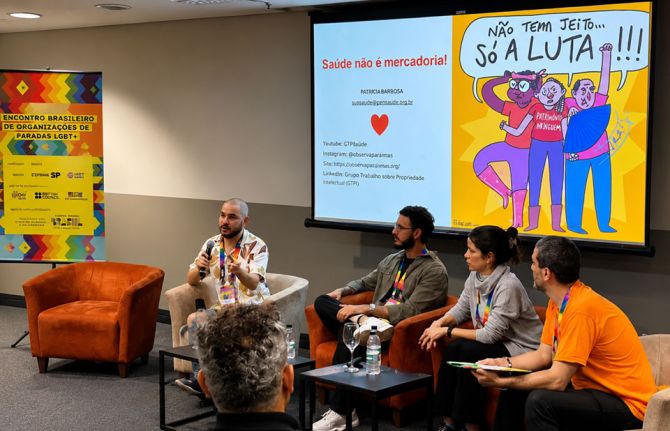
To highlight the critical need for progress on human rights barriers, and to call on all stakeholders to play their part to increase action, UNAIDS convened civil society partners, United Nations Member States, jurists and development organizations on the sidelines of the United Nations High-Level Meeting on AIDS in New York. At the event, From Promises to Action: Scaling Up Efforts against Human Rights Barriers, including HIV-Related Stigma and Discrimination, which took place on 9 June, the panellists emphasized the critical need to generate long-term investment and transformative action on human rights and stigma and discrimination, particularly on discriminatory criminal laws, in order to change structural and social barriers and, ultimately, reduce inequalities.
The panellists exchanged best practices, discussed how human rights-based and gender-transformative approaches could reduce inequalities and issued a call for a rapid scale-up of funding, commitment and action in this area to reach the people most left behind.
The event served as a reminder that 62% of new HIV infections in 2019 were among key populations, who are still criminalized in many countries, and their sexual partners, that due to gender inequality and harmful gender norms, AIDS is still one of the leading causes of death among adolescent girls and young women in sub-Saharan Africa and six out of seven new HIV infections among adolescents (aged 15 to 19 years) in the same region are among girls.
The event also provided hope that action and change is possible. During the event, the Governments of Angola, Costa Rica and the Gambia announced that they are joining the Global Partnership for Action to Eliminate all Forms of HIV-Related Stigma and Discrimination.
At the event, Winnie Byanyima, the UNAIDS Executive Director, called on the international community to rally behind the bold new targets and commitments laid out in the Global AIDS Strategy 2021–2026. She highlighted that the strategy was a crucial development, as it set for the first time specific targets to reduce the societal enablers driving inequality, giving them the same priority and commitment as biomedical interventions.
Having new targets means that there is a need for new tools and guidance, and Ms Byanyima unveiled a new series of human rights fact sheets to support action by all stakeholders on removing human rights barriers, such as criminal laws, stigma and discrimination. The series is available in multiple languages: in addition to English, French, Russian and Spanish (follow the language menu on the top right), it's also available in Portuguese (1, 2, 3, 4, 5, 6, 7).
Quotes
“Failure to make any progress across all societal enablers would undermine prevention, testing, treatment and viral suppression targets, resulting in an additional 1.7 million AIDS-related deaths and 2.5 million additional new HIV infections between 2021and 2030. Failure is therefore not an option.”
“Community leadership is an important component in empowering the community to speak out and raise their issues of concern as to the root causes and drivers of stigma and discrimination. These issues can only be addressed if stakeholders across all levels work together in strong partnership with the community.”
“Reaching this vision, however, requires increased and long-term funding for human rights programmes. We know that breaking down human rights-related barriers to health is key for a healthier, fairer and more resilient world. So let’s seize the opportunity and build back better.”
“If our actions in the AIDS response had been more focused on rights and non-discrimination, gender, socioeconomic integration and universal access, the response to COVID-19 would have been significantly stronger.”
“The HIV pandemic is not over. Our strategy to end it must focus on addressing stigma and eliminating inequalities that are impeding full access to health-care services.”
Our work
Related
Feature Story
Kingston declares World AIDS Day as a commemorative day of public interest
10 November 2021
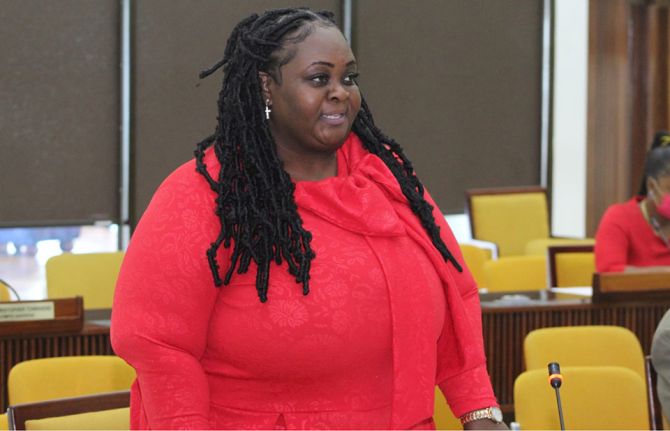
10 November 2021 10 November 2021A resolution calling on the Kingston and Saint Andrew Municipal Corporation to declare World AIDS Day as a commemorative day for the City of Kingston, received unanimous approval by the City’s Councilors today.
The resolution, which reaffirms Jamaica’s commitment with the Sustainable Development Goals, the Fast Track City Initiative, and the 2021 Political Declaration on HIV and AIDS: Ending Inequalities and Getting on Track to End AIDS by 2030, resolves that on December 1st of every year, the City of Kingston, in partnership with the public and private sector and affected communities, will commemorate World AIDS Day.
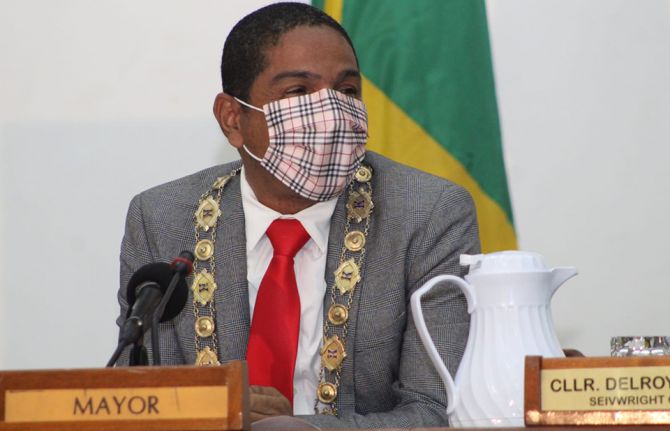
The Mayor of Kingston, Senator Councilor Delroy Williams lauded the resolution as an important step towards transforming Kingston into a stigma-free city. “This resolution stems from a commitment by the Municipality to keep contributing to the end of AIDS, which will only be possible if we effectively tackle the root causes, including stigma, discrimination, and violence that put Jamaicans at risk of acquiring HIV and not adhering to their medications”, stated Mayor Williams.
Acknowledging that “ending discrimination, stigma and marginalization will result in more persons getting tested, accessing treatment and reducing HIV in the municipality”, the resolution further resolves that “events be held each year within the Municipality of Kingston and St Andrew to raise awareness and to end discrimination, stigma, and HIV related violence”.
According to Jamaica’s latest People Living with HIV Stigma Index, launched in 2020, a third of people living with HIV have experienced at least one form of stigma and/or discrimination due to their HIV status in the last 12 months. Furthermore, more than half of the participants reported experiencing self-stigma, and the majority expressed that they find it difficult to tell others about their HIV status.
“Strong partnerships and commitments from local governments are critical to enhance our efforts to end discrimination. As we continue to work towards an equitable and enabling Jamaica for our brothers and sisters living with HIV who continue to be marginalized, I am heartened and welcome this move by the Municipality, led by the Mayor. The passing of this declaration brings awareness and local buy-in,” stated Jumoke Patrick, Executive Director of JN+.
Manoela Manova, UNAIDS Country Director, highlighted these commitments are a step in the right direction. “We have a lot of work to do to end inequalities, discrimination, and AIDS. The commitment shown by the Municipality and the Councilors, through the passing of this resolution, are both a gesture of solidarity and leadership that must be nurtured and replicated across all levels of government.”
Region/country
Feature Story
UNAIDS is deeply saddened by the sudden death of Ly Penh Sun
10 November 2021
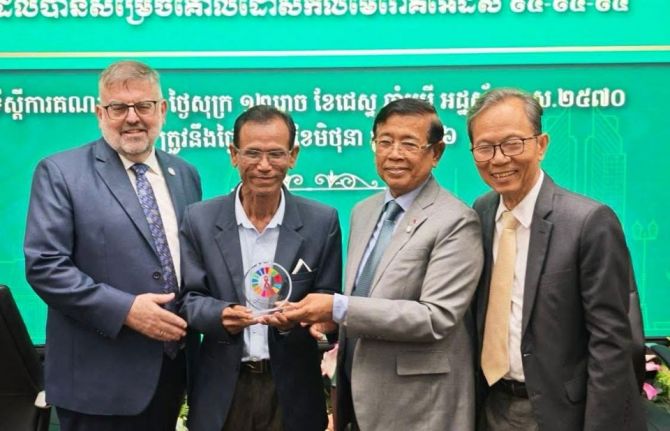
10 November 2021 10 November 2021UNAIDS is deeply saddened by the sudden death of Ly Penh Sun, Director of the National Center for HIV/AIDS, Dermatology and STD (NCHADS) Cambodia, who passed away on 9 November 2021. UNAIDS expresses its sincere condolences to his family, his friends and the country.
Ly Penh Sun was instrumental to the success of the commendable HIV response in Cambodia. He spearheaded and strived towards the last mile of ending AIDS through listening to science and embracing innovations. Under his leadership and in close partnership with civil society, Cambodia set the historical milestones of being one of the first countries globally to achieve 90-90-90 targets in 2017. Together, they set the ‘zero to roll-out PrEP’ model in the region, introduced HIV self-testing and scaled-up multi-month dispensing of ARV treatment to mitigate service disruptions during the COVID-19 pandemic.
“His leadership championed the welfare of people living with HIV and supported communities to be meaningfully involved in the HIV response,” says Khin Cho Win Htin, UNAIDS Country Director a.i. for Cambodia. Ly Penh Sun worked tirelessly to confront HIV-related stigma and discrimination and was a trendsetter for community engagement and people centred approaches. As part of his work, he supported community-led service delivery for HIV prevention tailored to the needs of key populations.
“Ly Penh Sun was a tireless champion for HIV prevention in Cambodia and Asia and the Pacific. He was very influential in the region. He has always promoted and fostered partnership, South-to-South collaboration and sharing of best practices and knowledge. He will forever be remembered as the friend of the community, an innovator and a legend of the AIDS response in Cambodia,” said Taoufik Bakkali, UNAIDS Regional Director for Asia and the Pacific. “He will stay in the memory of the UNAIDS family forever.”
Region/country

Feature Story
Brandy Rodriguez leaves legacy of courageous advocacy and community support
29 October 2021
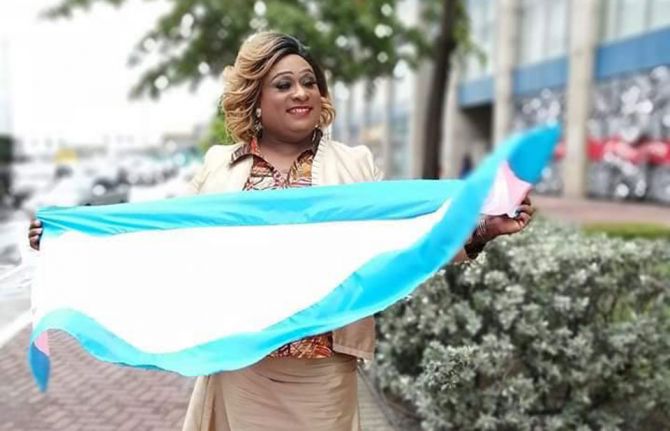
29 October 2021 29 October 2021The Trinidad and Tobago transgender activist and community leader Brandy Rodriguez has died.
Ms Rodriguez was a stalwart of national and regional efforts to advance the rights of lesbian, gay, bisexual and transgender people. She was the President of the Trinidad and Tobago Transgender Coalition (TTTC). Through her collaboration with the United Caribbean Trans Network (UCTRANS) and the Latin American and Caribbean Network of Transgender People, she contributed to the movement for increased visibility, advocacy and community organization around gender identity issues. She also contributed to policymaking and workplace engagement efforts, including as a member of the Pan Caribbean Partnership against HIV and AIDS.
But her impact went even deeper. As a peer navigator for many years at the Family Planning Association of Trinidad and Tobago (FPATT), Ms Rodriguez provided direct support to members of the transgender community, including street-based sex workers.
She also supported transgender people living with HIV to access testing, treatment and care services. Among Caribbean countries that have reported on HIV prevalence for transgender people, the median HIV prevalence is more than 27%, far higher than that among any other key population group. Ms Rodriguez worked to ensure that members of this community not only started treatment but stayed the course.
From the base of the TTTC in Tunapuna, Trinidad and Tobago, Ms Rodriguez worked to ensure that the most marginalized people in her community had access to food, health care and mental health support. During the COVID-19 pandemic, her organization coordinated relief for transgender people who had lost their means of generating income.
This May she was recognized by Queen Elizabeth II for her advocacy and service when she received the 180th Commonwealth Point of Light award.
“Brandy fought fearlessly against discrimination. And in this fight, she didn’t just ask for recognition or plead for equal access to quality health care, but she made the point that it was a right that must come without conditions. She was determined to settle for nothing less,” a release from FPATT said.
In 2018, she addressed journalists at a regional media sensitization hosted by the UNAIDS Caribbean Sub-Regional Office and the Caribbean Vulnerable Communities Coalition. For most of the reporters it was their first time speaking to a transgender person and hearing how stereotypes and prejudice in their reporting were harmful to the community.
“For 22 years it has been an uphill battle, especially in the Caribbean. My conviction to not be silenced and to help vulnerable people keeps me committed to my goal of a better, more inclusive future for all,” Ms Rodriguez said.
The Director of the UNAIDS Caribbean Sub-Regional Office, James Guwani, recognized Ms Rodriguez for her work as a voice for the voiceless.
“She shows why it is imperative that we support community organizations with the ability to connect to those who are hardest to reach. At a time that the global HIV response is focusing on ending inequalities and supporting community-led interventions, we draw inspiration from Ms Rodriguez’s life and work,” he noted.
“The mother of the LGBTI community of Trinidad and Tobago has gained her wings,” said Alexus D’Marco, UCTRANS’ Executive Director. “The work of Brandy Rodriguez will not be forgotten and we must ensure that it continues.”
Region/country
Feature Story
Invest in adolescent girls’ and young women’s rights, education and health to end AIDS in Western and Central Africa
02 November 2021
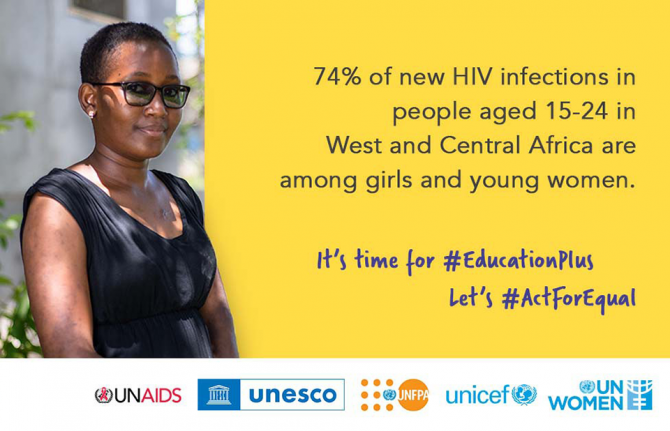
02 November 2021 02 November 2021Leaders from governments, civil society and the United Nations have renewed their commitment to make urgent and strategic investments in adolescent girls’ and young women’s rights, education and health. At a three-day regional summit on HIV/AIDS held in Dakar, Senegal that concluded with a call to action, the Education Plus initiative was applauded as a timely intervention to address the high number of adolescent girls and young women acquiring HIV in the Western and Central Africa region.
The Education Plus Initiative, a high-level political advocacy drive to accelerate actions and investments to prevent HIV, was launched as a joint commitment of UNAIDS, UNESCO, UNFPA, UNICEF and UN Women at the Generation Equality Forum in July this year. The Education Plus initiative is centred on the empowerment of adolescent girls and young women and the achievement of gender equality in sub-Saharan Africa—with secondary education as the strategic entry point for providing the multi-sectoral plus package. The initiative calls for free and quality secondary education for all girls and boys in sub-Saharan Africa by 2025; universal access to comprehensive sexuality education; fulfilment of sexual and reproductive health and rights; freedom from gender-based and sexual violence; school-to-work transitions, and economic security and empowerment.
While the Western and Central Africa region has progressed in girls’ education over the last two decades, the UNICEF 2019 report found that “the region still has the highest gender gaps in education in the world”. One in four adolescent girls aged 15-19 who have ever been married or in union, has experienced emotional, physical, or sexual violence at the hands of a husband or partner.
HIV/AIDS remains a major public health threat in the Western and Central Africa where 4.7 million people are living with HIV—12% of those living with HIV globally—but experiences 22% of all AIDS deaths in the world. Adolescent girls and young women (aged 15-24) in West and Central Africa are twice as likely to acquire HIV than their male peers. Five in six new HIV infections (82% / 18,237 females) among adolescents 15-19 years are among females. Three-quarters (74%) of new HIV infections in the age group 15-24 in the region are in females (40,432 females / 13,860 males). Every week, approximately 800 adolescent girls and young women in WCA are newly infected with HIV.
Secondary education offers protection to adolescent girls and young women from HIV—with reductions in HIV incidence among girls who complete secondary education by as much as one-third to one half in some countries.
However, most countries in Western and Central Africa are falling short of meeting the target of allocating 20 percent of government resources to education as required under the African Union’s Dakar Commitment on Education for All. Before the COVID19 pandemic, only Burkina Faso, São Tome and Principe, Senegal, Sierra Leone and Togo allocated at least 20 percent of their national budgets to education. As a percentage of GDP, education spending varies from 1.1 percent in Central African Republic to 7.7 percent in Sierra Leone.
Before COVID-19 struck, around 34 million secondary school-aged girls in sub-Saharan Africa were being denied a full 12-years of education and an estimated 24% of adolescent girls and young women (15–24 years) in the region were not in education, training or employed, compared to 14.6% of young men. UNICEF estimates that in 2020 school closures due to COVID-19 impacted around 250 million students in the sub-Saharan Africa region, millions of whom may never return to the classroom-especially girls.
To date, five countries—Benin, Cameroon, Gabon, Lesotho and Sierra Leone—have signed on to champion the initiative with a wide range of commitments that will tackle the urgency of effectively addressing the alarming numbers of adolescent girls and young women acquiring HIV and dying from AIDS-related illnesses, among other threats to their survival, well-being, human rights and freedoms, including sexual and gender-based violence and teenage pregnancy.
The Education Plus initiative is committed to advancing young women’s leadership as key to ending AIDS as a public health threat and in rebuilding communities and countries during and post pandemic.
Quotes
“The lessons learned from the success in accelerating gender parity in primary education, need to be implemented for secondary education. Guaranteeing the completion of quality secondary education for every adolescent girl is a must-do. That is why we are excited about the ground-breaking Education Plus Initiative on the empowerment of adolescent girls and young women in sub-Saharan Africa, that I am co-leading with my sister Executive Directors of UNESCO, UNICEF, UNFPA and UN Women.”
“The evidence has shown us that HIV epidemic in West and Central Africa is feminized with women and girls bearing the brunt of new HIV infections and care of people living with HIV. The disproportionately high HIV infection among women and girls is fuelled by the systematic, structural and institutionalized gender inequalities that put women and girls at a disadvantage throughout the life cycle.”
"In The Gambia we have a lot of government schools. Apparently, it’s free. But that just means not paying tuition. Some families are worried about buying three meals a day - and yet they need to worry about buying schoolbooks. To donors investing in secondary education and governments who are supposed to be doing that, I’d say you should be investing specifically in what students need. "
“One pathway to women’s empowerment is through Education Plus. If a woman is not educated, she will be unable to take up any of the 30% quota of leadership positions reserved for women in Gabon, who will in turn make decisions and pass laws that empower girls. The country is intensifying efforts to increase access to education, by breaking down barriers and enabling adolescent girls and young women to take advantage of all the measures put in place by the government for access to quality education.”
“To reduce girls’ vulnerability to HIV, there is need to leverage health sector funding to catalyze cross-sectoral impact in the education sector, particularly to ensure access to sexual and reproductive health services for adolescent girls and young women.”
"Benin is committed to increasing funding for secondary education for girls and training teachers to facilitate a supportive environment."
"We know the solutions; we have the means. Now leaders must be ready to take radical measures. This emergency requires radical measures!"
“Adolescent girls who reach upper primary and lower secondary school face multiple barriers. To address them, we need to take a multi-sectoral approach which not only addresses their education, but also their economic, protection, nutrition, menstrual health and hygiene and HIV prevention needs.”
Related
Feature Story
Funding the AIDS response and reforming health systems in western and central Africa
03 November 2021
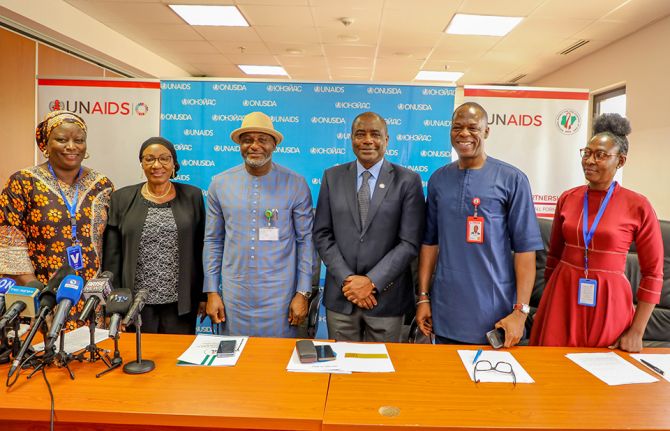
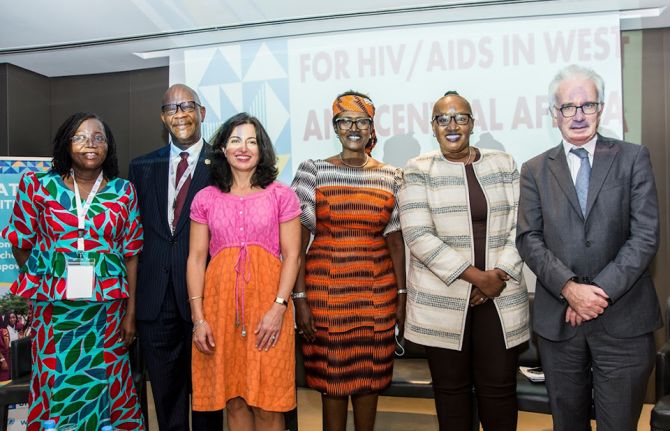
03 November 2021 03 November 2021During the West and Central Africa Summit on HIV in Dakar, several international partners and ministers gathered to discuss the pressing situation around health financing in the region, exacerbated by the economic crisis due to COVID-19. When it comes to funding HIV responses, WCA is facing a perfect storm: resources available for HIV in the region in 2020 were approximately three quarters of the amount needed. In addition, total HIV resources in the region declined by 11% in the last decade. While PEPFAR and the Global Fund have increased their commitments to the region, domestic resources have slowed down since 2018 and dropped dramatically in 2020.
COVID-19 epidemic did not help. Most African governments have responded to the economic shock by increasing government spending last year however, but with revenues hit by the slow-down, the pandemic will leave many countries with large deficits and unmanageable debts.
Winnie Byanyima, UNAIDS Executive Director, stressed the importance of focusing on these challenges by also re-thinking and reforming overall health systems. She urged countries, as did many other panellists, to use dwindling funds more efficiently, and to ensure additional resources be dedicated to health. “Healthy people means healthy economies,” she said. She also called for more space to be given urgently to community-led services.
“We need to properly fund community infrastructure and response to be strongly integrated with formal health systems. This is critical as we think about preparing and coping with future pandemics,” Ms Byanyima said.
PEPFAR Deputy Coordinator for Multi-Sector Relations Mamadi Yilla wholeheartedly agreed. "COVID-19 acted like a catalyst and everyone recognized civil society’s role in getting services to the people,” she said. Mentioning that PEPFAR has invested billions in Africa since 2003, she said that the partnerships have to be re-invented and urged governments to work hand in hand with civil society as well as deploy funds in a targeted fashion.
“We have to challenge ourselves to make each dollar count,” said Global Fund Executive Director Peter Sands, "COVID-19 has indeed highlighted the obvious: investing in health makes sense.” He added, “It is important to have finance and economic ministers as part of the answer because health ministers will not be able to solve this on their own.”
Recognizing the need for increased domestic spending on health, the Senegalese Minister of Economy, Planning and Cooperation, Amadou Hott, noted that the current economic slump limits countries' ability to invest more of their resources in the sector. He, like Ms Byanyima, said additional resources must be drawn from debt cancellation, additional international financing mechanisms such as augmenting international liquidity (Special Drawing Rights (SDRS) from the IMF), and fight tax evasion to help increase domestic tax collection.
The Sierra Leone Health Minister, Austin Demby, said that earmarking disease specific resources does not build sustainable health systems, citing an example of a recent measles outbreak in his country. He had to immediately deploy funds to contain it. “We have to create broader platforms to be more flexible,” he said. “Make sure some of the systems around community engagement, and services used every day for HIV, tuberculosis, and malaria can be used for other diseases.”
In addition, financing shouldn’t be tied to specific implementing partners. Both Ministers stressed that to transform health systems, they needed to be given more leeway to implement models that can be self-sustaining on domestic resources, which was not currently the case.
Finally, climate change must be taken into account as it impacts the planet and inevitably people’s wellbeing. The West and Central Africa region, hit hard by desertification and drought, will only feel more pressure on already overwrought health systems.
“Linking funding for climate change and health is crucial because one will inevitably impact the other and increase vulnerabilities to pandemics and diseases,” Mr Hott said in his closing remarks.
Related
Feature Story
Zero Discrimination Platform relaunched in Central African Republic
29 October 2021
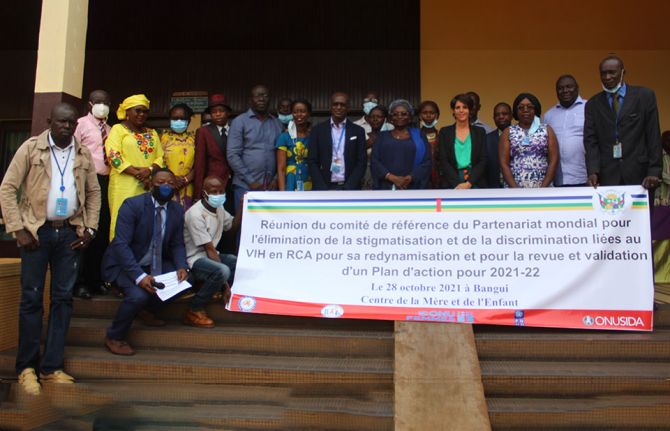
29 October 2021 29 October 2021The goal of zero discrimination still eludes the Central African Republic. HIV-related stigma is pervasive in the lives of people living with HIV in the country. According to the 2018 People Living with HIV Stigma Index, discrimination affects almost all of the people living with HIV surveyed (more than 87%). And more than 45% of people living with HIV have experienced some form of stigma because of their HIV status. Stigma affects women (49%) more than men (37%).
“But the fight against HIV remains a public health priority for the government, which was the first country to join the Global Partnership for Action to Eliminate all Forms of HIV-Related Stigma and Discrimination, in December 2019,” said Marguerite Ramadan, the Minister of Gender Promotion, Women’s Protection, Family and Children, Central African Republic.
Since its engagement in the Global Partnership for Action to Eliminate all Forms of HIV-Related Stigma and Discrimination, the Central African Republic has implemented several key activities.
A memorandum of understanding was signed between the Ministry of National Defence and Reconstruction, the Ministry of Health and Population, the AIDS Control Council (CNLS) and UNAIDS to implement programmes aimed at eliminating gender-based violence and accelerating HIV prevention, treatment and care within the defence and security forces. A national charter of patients’ rights has been launched and is being disseminated progressively in health centres. A series of key human rights activities have been included in the Global Fund to Fight AIDS, Tuberculosis and Malaria’s grant for 2021–2023.
A Zero Discrimination Platform, composed of some 30 partners representing ministries, CNLS, United Nations agencies, technical and financial partners, civil society, human rights organizations and other organizations was launched in 2020 and is supporting these efforts, including through identifying synergies.
During the COVID-19 pandemic, initiatives have slowed down, so in order to relaunch the momentum of the Zero Discrimination Platform and agree on collective priorities for the end of 2021 and 2022, a validation workshop and launch of a joint workplan took place in Bangui, Central African Republic, on 28 October under the chairmanship of the Minister of Gender Promotion, Women’s Protection, Family and Children.
Priorities include the adoption of a revised law on HIV, the revision of training programmes for health professionals to include ethics and human rights, the signing of a memorandum of understanding between organizations of lawyers and networks of people living with HIV and key populations to provide free legal services and training on knowing your rights, the development of radio and television spots on discrimination issues and high-level advocacy for better integration of HIV issues in humanitarian interventions.
“The denial of health services to people living with HIV remains unfortunately common in the country, and the prevalence and effects of discrimination are often particularly severe for members of key populations, who face multiple and overlapping forms of discrimination,” said Marie Engel, Director, a.i., of the UNAIDS Country Office for the Central African Republic.
Region/country

Feature Story
Five questions about the HIV response in the Gambia
31 October 2021
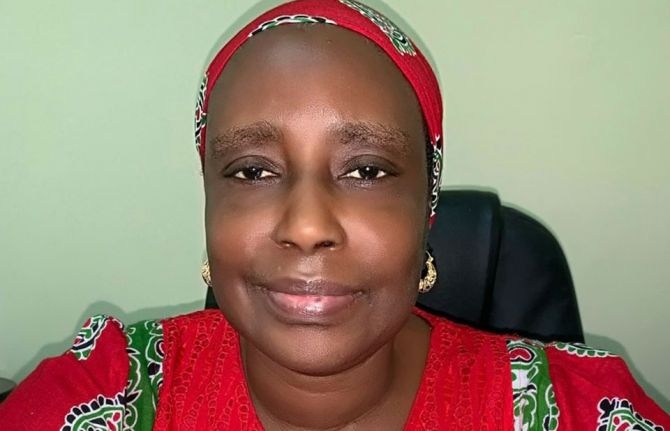
31 October 2021 31 October 2021In the lead up to the West and Central Africa Summit on HIV/AIDS taking place in Dakar from 31 October to 2 November 2021, UNAIDS asked its country directors across the region five questions about the AIDS response in their country. Here are the replies of Ms. Sirra NDOW, UNAIDS country director in the Gambia
“Existing resources, skills and medical equipment designed for the HIV response proved essential to address COVID-19 when it emerged in the Gambia. Going forward, the country will need to refocus its efforts on providing tailored support to the most at-risk key populations which have often discontinued their treatment during the pandemic. Committing to the protection and fulfillment of their rights is the first crucial step.”
Similar to other western African countries, the Gambia has a low but highly concentrated HIV epidemic, affecting heavily key populations such as men who have sex with men and female sex workers. While impressive progress towards reducing new adult and paediatric infections have been observed in recent years, COVID-19 has caused a lot of complications. Repurposing HIV medical equipment and health personnel to address the fast-rising epidemic was necessary to limit COVID-19 related deaths. It also came with a cost—reducing the capacity to deliver HIV prevention and treatment services.
Lessons must be learned from the dual HIV/COVID-19 epidemics. Effort must be invested in better prevention services, especially tailored to key populations. Health personnel must be better trained and better supported to manage their workload and prevent bottlenecks. The approach of task shifting/sharing must continue and be further complemented by the strengthening of community health workers and decentralization of services. Finally, no progress will be truly radical unless stigma, discrimination and violence against people living with HIV and other marginalized groups are eradicated.
1. What are the main areas of progress in your country’s response to the HIV epidemic in the last five years?
The HIV epidemic in The Gambia mirrors those prevailing in other West African countries: the epidemic is overall low—less than 2% of the general population—but highly concentrated among key populations. The most recent Integrated Biological Behavioural Surveillance Study (IBBS.2018) estimates that prevalence is over 35% among men who have sex with men (MSM) and over 10% among female sex workers (IBBS 2018).
In 2018, the Gambia started implementing WHO’s recommendation to provide all people living with HIV with lifelong antiretroviral therapy (ART) regardless of clinical status or CD4 cell count. Between 2015 and 2020, impressive progress happened as new infections were cut by half and new infections among children were reduced by 75% (National AIDS Strategic Plan,2020-2025). All pregnant women attending antenatal clinics are routinely offered HIV tests, and all pregnant women living with HIV are eligible for ART (Option B+). Until the COVID-19 epidemic started, ART uptake had increased significantly. The country also adopted task shifting for HIV/AIDS and malaria—typically enabling nurses to dispense ART and capacitating community health workers to deliver a range of HIV services.
2. What are the main challenges that still need to be addressed?
Despite increased outreach activities, the testing coverage remains very low with less than 40% of the estimated PLHIV knowing their status. Inadequate investment in HIV prevention programmes and lack of access to prevention services, especially among key population groups, continue to impede progress in the national HIV response. HIV prevalence has increased more than three-fold among MSM from less than 10% in 2011 to over 35% in 2018 (IBBS, 2018) and no program have been designed to accelerate the uptake of pre-exposure prophylaxis as a prevention strategy among MSM.
HIV-related human rights and gender situation in the Gambia has not improved in the past five years. Key populations suffer multiple burden of frequent human rights violations, systematic disenfranchisement, stigma, and discrimination. The existence of punitive laws perpetuates barriers to accessing HIV services for key populations and further contributes to their social and economic marginalization. There remains lots to be done on promoting human rights literacy, putting in place mechanisms to monitor and report human rights violations, and advocate for policy reform and sensitization of lawmakers on human rights and gender-related issues.
Inadequately trained human resources for health coupled with frequent transfers of experienced and trained staff continue to threaten the national response. Decentralizing services, engaging community health services sites should be prioritized to further expand prevention, treatment, and care services. Finally, tracking patients at ART centres is a challenge due to inadequate cross-border programmes. There is need to strengthen cross-border initiatives to enhance follow-ups, defaulter tracing and referral of patients on treatment.
3. How has COVID-19 affected the HIV response in your country?
In the Gambia, there was no public health facility adequately equipped to treat COVID-19 cases and patients were treated at the Medical Research Council. There was no public health laboratory for COVID-19 testing, so health professionals repurposed PCR machines, which were originally intended for HIV testing, to test for COVID-19. HIV laboratory staff were also requested to provide COVID-19 services in addition to routine HIV and TB services While such urgent actions were required by the emerging pandemic, it led to a severe disruption in HIV diagnosis and the delivery of HIV and TB treatment services.
Social unrest caused by the COVID-19 pandemic also impeded access to regular healthcare, including for people living with HIV (PLHIV) and resulted in disruptions of ART availability. Rapidly, a multi-month dispensation of ARVs was initiated to try to maintain continued availability of treatment for all stable PLHIVs. During this period, a sharp decline in the number of PLHIV on ART was observed as well as a decline in HIV testing services in the general population.
4. Who are the unsung leaders of the AIDS response in your country?
We commend the admirable work delivered by community health workers in the Gambia, and the outstanding solidarity displayed by the community of people living with HIV.
5. If you could ask your Head of State to change one thing to strengthen the HIV response, what would it be?
To be a champion for the AIDS responses and to commit to mobilize adequate resources for the response.
Region/country

Feature Story
Five questions about the HIV response in Nigeria
31 October 2021
31 October 2021 31 October 2021In the lead up to the West and Central Africa Summit on HIV/AIDS taking place in Dakar from 31 October to 2 November 2021, UNAIDS asked its country directors across the region five questions about the AIDS response in their country. Here are the replies of Dr. Erasmus Morah, UNAIDS country director in Nigeria
“Recent years have been marked by positive trends when it comes to knowing the HIV epidemics. Thanks to better data, more efficient decisions were taken to address the needs of people living with HIV and place more than 80% of them on life-saving treatment. Going forward, we need to invest more efforts in domestic financing and protecting the rights of key populations.”
The National response in Nigeria is growing more ambitious and efficient—better information and high-level political commitment have led to increased antiretroviral therapy coverage. Communities, networks of people living with HIV and key populations are given more space to be actors in the response. The private sector is stepping up to play its part in funding the response.
Despite such effort, Nigeria is failing children living with HIV and vertical transmission is on the rise. Violent arrests are still routinely carried out against key populations. And user fees continue to impede access to HIV care and hinder adherence to treatment. Resilience in times of the COVID-19 epidemics gives hope that more effort will be invested to address these systemic barriers to truly turn the tide on HIV and end AIDS.
1. What are the main areas of progress in your country’s response to the HIV epidemic in the last five years?
First, the availability of data has expanded to enable the country to truly know its epidemic and its response. Several surveys took place since 2017 which provided precious support to national decision-makers to prioritize, track program performance and mobilize resources to end the epidemic.
In 2017, the Nigerian President committed to treating 50,000 Nigerians annually and has since honored his commitment. HIV treatment coverage has leapt from 55% in 2016 to over 85% in 2020. Currently, we estimated that 90% of people living with HIV (PLHIV) know their status, 86% of them receive antiretroviral therapy (ART), and among those, 72% have a suppressed viral load—meaning they have no risk of transmitting it.
To put communities at the centre of the response, the network of persons living with HIV and key populations are engaged in community-led monitoring to assess the quality of services they are receiving and to use data to influence policy and lead to programmatic changes.
To reduce Nigeria’s over reliance on international resources, the Nigeria Business Coalition Against AIDS has worked with the National Agency for the Control of AIDS (NACA) and UNAIDS to set up a trust fund of 150 million US dollars for HIV to be launched on World AIDS Day 2021. A sustainability plan is also being developed for HIV, tuberculosis and malaria.
2. What are the main challenges that still need to be addressed?
Unfortunately, children are still being left behind, and their treatment coverage remains much lower compared with adults. Only 45% of children living with HIV know their status, 45% of them receive antiretroviral therapy (ART), and among those, 31% have a suppressed viral load. It is sad to note that prevention of mother-to-child-transmission has been less effective over the past five years.
We continue to deplore the frequent arrest of key populations. Criminalization of the behaviour of key populations, violence and widespread stigma and discrimination continues to feed their avoidance of health care centers.
Finally, some health facilities are still demanding user fees from patient—despite evidence from western and central Africa showing that user charges undermine uptake of antiretroviral therapy, hinders the retention of people in care and reduce the quality of care. Studies specifically carried out in Nigeria have also shown that user fees undermine adherence to HIV treatment (Global AIDS report, 2020).
3. How has COVID-19 affected the HIV response in your country?
Despite the initial negative impact of lockdowns, the contingency measures put in place has ensured that Nigeria was able to successfully put about 300,000 people on treatment by the end of 2020. Through the one UN Basket Fund, about 10,000 households of PLHIV in needs were provided with cash transfers, personal protective equipment, and hygiene products to help prevent and mitigate the impact of COVID-19.
To ensure service continuity, the National AIDS and STI Control Program (NASCP) issued a policy directive from the Minister of Health for multi-month dispensing of ART, meaning that all clinically stable patients were provided with 3 months of treatment at once. NASCP set up a situation room to track HIV commodity stocks. Furthermore, NASCP regularly updated the UNAIDS HIV service disruption portal with programmatic data to monitor HIV service delivery during the COVID-19 pandemic. PLHIV networks provided home delivery ART services for their peers who could not access health services.
4. Who are the unsung leaders of the AIDS response in your country?
First, we need to recognize the outstanding work delivered by communities of key populations and networks of Persons Living with HIV in Nigeria. They truly are unsung heroes of the AIDS response. We also need to laud the support and commitment of international partners such as PEPFAR and the Global Fund.
5. If you could ask your Head of State to change one thing to strengthen the HIV response, what would it be?
I would call on Nigeria to take forward its commitments by investing its fair share in the AIDS response and by increasing domestic financing.
Region/country
Feature Story
Adapting to keep people living with HIV taking their treatment in the Central African Republic
31 October 2021
31 October 2021 31 October 2021To counter the low level of people living with HIV in Central African Republic (CAR) on treatment, the country has been testing new treatment approaches.
One is distributing up to 6 months of medicine, known as multi-month dispensing. The other is community ARV dispensation. CAR’s 2021-2025 National HIV Strategic Plan, identified these differentiated approaches at the community and hospital level and has been trying it out.
In the capital, Bangui, four pilots opened and 15 sites will progressively offer MMD (multi-month dispensing), health check-ups and community outreach thanks to funding from the Global Fund. This follows on the success of community-based treatment groups (CAGs) introduced by the Ministry of Public Health and Population and the National AIDS Control Council (CNLS) in 2015, with the support of the NGO Médecins Sans Frontières.
Certain community members deliver antiretroviral treatment to people living with HIV, especially in rural or conflict-stricken areas. Results showed that treatment intake was much more regular and people living with HIV had a rate of 75% viral suppression.
In addition, with UNAIDS support under a Luxembourg grant, the country has set up a steering committee to oversee the scale up of differentiated services, developed and validated national guidelines on the provision of differentiated services and two guides on multi month dispensing and the possibility of getting refills in a non-hospital setting.
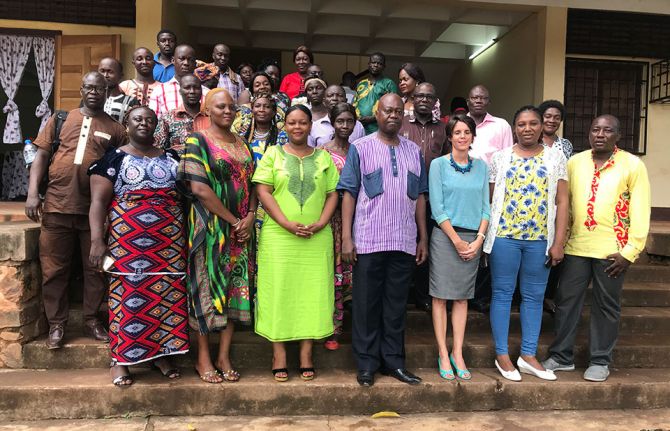
At the end of October, clinicians, lab technicians, health care providers, community health care workers from the four pilot health centers participated in a workshop to go over the new approaches and guidelines. The CNLS and the country’s Division of Communicable Disease Control (DLMT) were confident adapting to the HIV epidemic in this way was a right step to keep patients on treatment. Currently, less than half of the people living with HIV take life-saving medicine (88,000-100,000 people live with HIV in CAR.)
Dr Marie-Charlotte Banthas from the DLMT said that "differentiated treatment models have demonstrated consistent improvement in patient engagement and retention of care, while freeing up time for the care of people with advanced disease.” She then added, ”It's a model of care for people living with HIV and staff working in the HIV field, a model of life."
These approaches came at the right time considering the lockdowns due to COVID-19, remarked UNAIDS CAR Country Director a.i. Marie Engel.
"With the long projected trajectory of the Covid pandemic, there is an even greater need to adapt the system to reduce service disruptions and not have recent gains in the HIV response stymied,” she said.