Feature Story
A Dose of Reality: How rich countries and pharmaceutical corporations are breaking their vaccine promises
21 October 2021
21 October 2021 21 October 2021Developing countries have been hit with an endless tide of inadequate gestures and broken promises from rich countries and pharmaceutical companies, who are failing to deliver billions of doses they promised while blocking the real solutions to vaccine inequality, according to a new report published today by the People’s Vaccine Alliance.
The report, “A Dose of Reality,” found that of the 1.8 billion COVID vaccine donations promised by rich nations only 261 million doses – 14 per cent – have been delivered to date, while western pharmaceutical companies have delivered only 12 per cent of the doses they allocated to COVAX, the initiative designed to help low- and middle-income countries get fair access to COVID vaccines.
At the same time, the EU and other rich nations have refused to support the proposal of over 100 nations to waive patents on vaccines and COVID related technologies while leading pharmaceutical companies have failed to openly share their technology with the World Health Organisation to enable developing countries to make their own vaccines and save lives.
Winnie Byanyima, Executive Director of UNAIDS, said: “Rich nations and corporations are shamefully failing to deliver on their promises whilst blocking the actual solution; ensuring developing nations have the ability to make their own vaccines.
“It is painfully clear that the developing world cannot rely on the largesse and charity of rich nations and pharmaceutical companies, and hundreds of thousands of people are dying from COVID-19 as a result. This is beyond appalling.”
The UK Government, which has been actively blocking calls from countries like South Africa and India to be allowed to make their own vaccines, has only delivered 9.6 million – less than 10 per cent - of the 100 million doses it promised to poorer nations. Meanwhile it has itself taken half a million doses from COVAX, despite extreme vaccine shortages in developing countries and having already secured more than enough doses for British people from direct deals with the pharmaceutical companies. Canada has taken over 970,000 doses from COVAX, while delivering only 3.2 million – or 8 per cent – of the 40 million doses it promised. Germany, another country blocking the waiver, has delivered 12 per cent of the 100 million doses it promised and France has delivered just 9 per cent of the 120 million it promised. The US has delivered the most doses - nearly 177 million doses – however this is just 16 per cent of the 1.1 billion promised.
The Alliance said that while COVAX failed to acknowledge that relying on pharmaceutical companies may not deliver doses, the companies have undermined the initiative, first by not allocating it enough doses and second by delivering far less than they agreed. Of the 994 million doses allocated to COVAX by Johnson & Johnson, Moderna, Oxford/AstraZeneca, and Pfizer/BioNTech, only 120 million -12 per cent- have actually been delivered, which is fifteen times less than the 1.8 billion doses delivered to rich countries from these companies. Both Johnson & Johnson and Moderna are yet to deliver a single dose they promised to the initiative.
Oxfam’s Robbie Silverman said: “The failure of rich country donations and the failure of COVAX have the same root cause – we have given over control of vaccine supply to a small number of pharmaceutical companies, who are prioritising their own profits.
“These companies can’t produce enough to vaccinate the world, they are artificially constraining the supply, and they will always put their rich customers at the front of the line.
“The only way to end the pandemic is to share the technology, and know-how with other qualified manufacturers so that everyone, everywhere can have access to these lifesaving vaccines.”
During the UN General Assembly in September, President Biden rallied support for the goal to vaccinate 70 per cent of people in every country by September of 2022. While this target is rightly ambitious, the People’s Vaccine Alliance says it should be achieved much more quickly, and there is still no plan to achieve it.
The WHO stated that it must be a global priority to get doses to developing countries by the end of this year, but the Alliance says rich countries are not listening and working to a timetable of delivering an inadequate supply of doses by some time in 2022, which is likely to lead to countless unnecessary deaths.
Maaza Seyoum, of the African Alliance and People’s Vaccine Alliance Africa, said: “Across the world health workers are dying and children are losing parents and grandparents. With ninety-nine per cent of people in low-income countries still not vaccinated, we have had enough of these too little too late gestures.
“Governments must stop allowing pharmaceutical companies to play god while raking in astronomical profits and start delivering actual action that will save lives.”
To deflect growing pressure to share their vaccine technology free of intellectual property restrictions leading western pharmaceutical corporations have consistently over-exaggerated their projected production volumes, claiming there will soon be enough for everyone while delivering the overwhelming majority of their stock to rich nations. Collectively, the four companies claimed they would manufacture an estimated 7.5 billion vaccines in 2021, yet with less than three months until the end of the year, they have only delivered half of these. Forecasts suggest the companies will produce 6.2 billion vaccines by the end of the year, a shortfall on their projections of more than 1.3 billion doses.
With a week to go before leaders meet for the G20 summit in Rome, The People’s Vaccine Alliance - which has 77 members including ActionAid, the African Alliance, Global Justice Now, Oxfam and UNAIDS – is calling on them to stop breaking their promises to vaccinate the world and to:
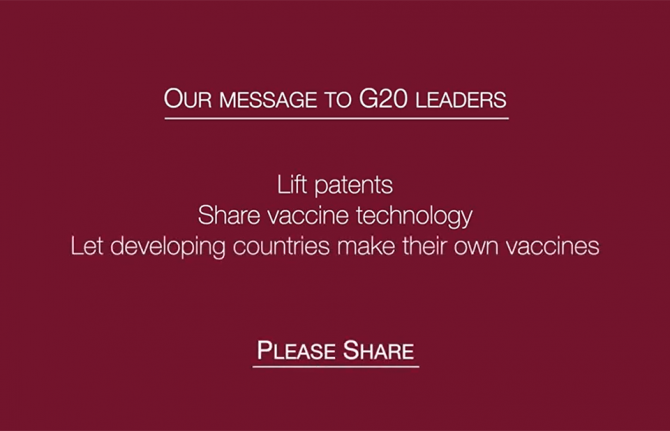
- Suspend intellectual property rights for COVID vaccines, tests, treatments, and other medical tools by agreeing to the proposed waiver of the TRIPS Agreement at the World Trade Organisation.
- Demand, and use all their legal and policy tools to require pharmaceutical companies to share COVID-19 data, know-how, and technology with the WHO’s COVID-19 Technology Access Pool and South Africa mRNA Technology Transfer Hub.
- Invest in decentralised manufacturing hubs in developing countries to move from a world of vaccine monopolies and scarcity to one of vaccine sufficiency and fairness in which developing countries have direct control over production capacity to meet their needs.
- Immediately redistribute existing vaccines equitably across all nations to achieve the WHO target of vaccinating 40 per cent of people in all countries by the end of 2021 and 70 per cent of people in all countries by mid-2022.
Related
Feature Story
“Realizing the right to reproductive health and the future starts with sexual education”
18 October 2021
18 October 2021 18 October 2021“I am 18 years old, and I am already thinking about getting married. In our area, girls get married early. I’m afraid that with my positive HIV status I won't be able to find a boyfriend, which means I won’t have a family,” said Sayora Akmatova (not her real name), a participant of a training on sexuality education for adolescents living with HIV, held in Osh, Kyrgyzstan.
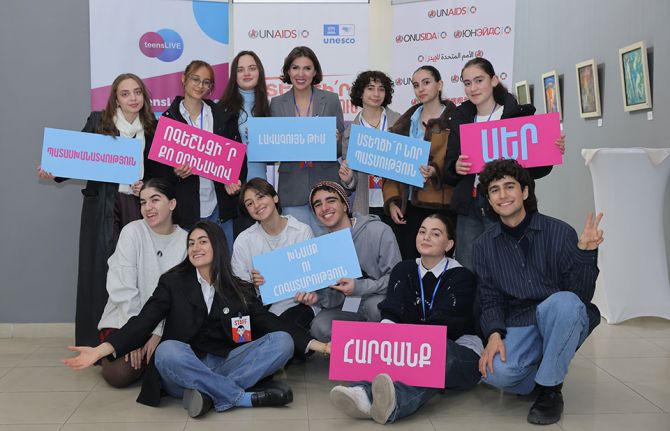
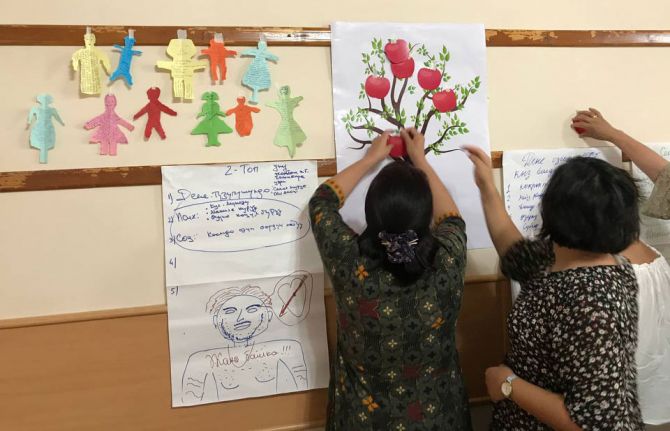
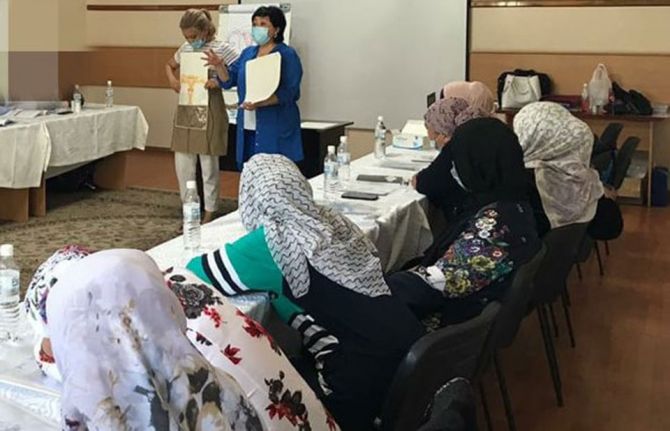
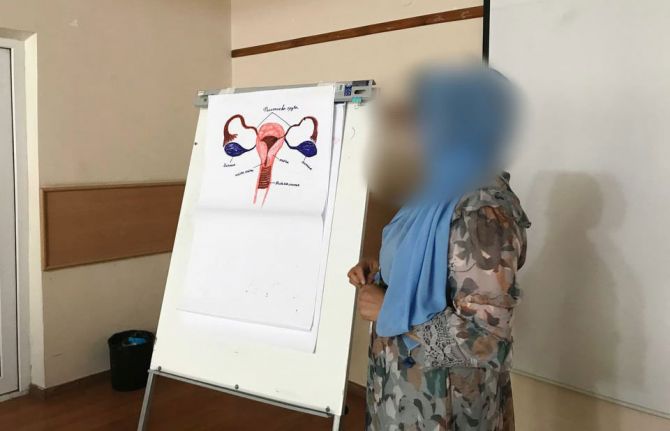
More than 60 young people living with HIV and their parents from different regions of Kyrgyzstan recently participated in a series of trainings for adolescents and young people living with HIV on sexuality education, reproductive health and prevention of violence conducted by Araket Plus and the Reproductive Health Alliance Kyrgyzstan.
“Adolescents and young people living with HIV are exposed to various types of violence, so there is a need to integrate HIV prevention and treatment programmes with programmes on sexuality education, reproductive health and gender equality. Through such courses we wanted to ensure that teenagers living with HIV received a comprehensive training package, including leadership skills, how to identify and address violence and how to overcome self-stigma,” said Meerim Sarybaeva, the UNAIDS Country Director for Kyrgyzstan.
During the parallel training for parents of adolescents living with HIV, issues such as psychological challenges and personal boundaries, the importance of interpersonal communication and the need to communicate difficult and sensitive topics with children, such as contraception, condom use and sexually transmitted infections, were discussed.
Uluk Batyrgaliev, a sexual and reproductive health trainer at the Reproductive Health Alliance Kyrgyzstan worked with a group of parents and talked about how the fears of parents of children living with HIV are most often associated with their future.
“I was surprised to hear those parents of HIV-positive children agree in advance between themselves to marry their children to each other, so not to infect the “clean”,” said Mr Batyrgaliev. “The word “clean” is used by the parents to describe people who are HIV-negative. This is incredibly self-stigmatizing.”
Galina Chirkina, the Executive Director of the Reproductive Health Alliance Kyrgyzstan, emphasized that the relationship between sexual and reproductive health problems and HIV is evident to professionals but is not always apparent to others or adolescents living with HIV.
“We teach young people living with HIV to have a common understanding of how they can have a successful sexual life, and how they can plan their future and family. Realizing the right to reproductive health and the future starts with sexual education.”
The education system in Kyrgyzstan doesn’t include sexuality education courses for young people in schools. However, as optional courses, teachers can choose healthy lifestyle courses that include special sexuality education lessons for high school students. A healthy lifestyle curriculum was developed in 2014 with United Nations system support in Kyrgyzstan and was recommended for all schools in the country.
The trainings were organized within the regional cooperation programme on infectious diseases, implemented by the UNAIDS Country Office for Kyrgyzstan and funded by the Government of the Russian Federation.
Region/country
Related

Feature Story
Getting unconditional cash to marginalized households during COVID-19
29 October 2021
29 October 2021 29 October 2021COVID-19 has underscored the crucial need for pandemic responses to include social protection measures that reach and benefit marginalized populations.
As the pandemic swept across western and central Africa in early 2020, the region was already grappling with socioeconomic distress and humanitarian crises. Social restrictions imposed to contain the pandemic exacerbated those challenges. Impoverished and vulnerable populations, including people living with HIV and key populations, were hit hard.
Surveys conducted between June and August 2020 in 17 countries in the region on the situation and needs of people living with HIV—with support from UNAIDS, in partnership with the Network of African People Living with HIV West Africa—revealed that up to 80% of people living with HIV were experiencing livelihood losses, and more than 50% of them needed financial and/or food assistance.
These findings convinced UNAIDS and the World Food Programme (WFP) to launch a pilot project on unrestricted cash transfers in July 2020 to help people living with HIV and key populations cope with the socioeconomic impact of HIV and COVID-19 in four priority countries: Burkina Faso, Cameroon, Côte d’Ivoire and Niger. The initiative was designed to capitalize on WFP’s existing arrangements with service providers and on UNAIDS’ community engagement and relationships with civil society networks in the four priority countries.
Cash transfers are increasingly recognized as an effective form of social protection, with positive social and economic effects. They provide income support and help households avoid selling off assets or removing children from school, and they have multiplier effects on local economies. They constituted approximately 40% of global social safety net expenditures in 2018, but less than 20% in western and central Africa.
As the pandemic spread across western and central Africa, only a few countries (Côte d’Ivoire and Senegal among them) allocated additional support for vulnerable households in the form of cash transfers or social grants.
The immediate objective of the pilot was to reach about 5000 households with one-off, unconditional cash transfers, which ranged from US$ 88 per beneficiary (in Côte d’Ivoire) to US$ 136 (in Cameroon).
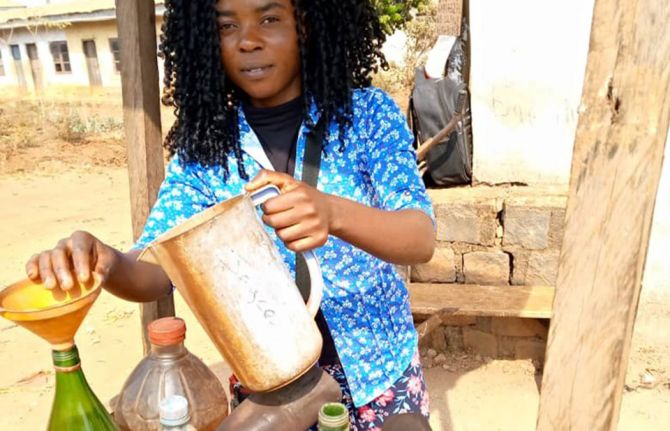
“I am so grateful for this support. I used it to pay the fees for my sewing course and to buy a sewing machine to start my own business. I also helped my mother who lost her job due to the pandemic,” said a young woman living with HIV in Cameroon.
Civil society organizations and financial service providers were engaged during the planning of the pilot. Eligibility for the transfers was decided based on a variety of vulnerability criteria, and beneficiaries were identified with the support of community-led organizations. Additional steps involved sensitizing beneficiaries, distributing the cash transfers, troubleshooting and monitoring the process. Specific attention was made to ensure confidentiality and to mitigate any potential stigma for beneficiaries.
Across the four countries, almost 4000 beneficiaries were reached, and it is estimated that a further 19 000 household members also benefited from the cash transfers, most of which went towards food, health care, education and housing expenses, or for income-generating activities. Country experiences varied in terms of the depth of their collaboration with community partners and the extent to which government actors were involved.
The experience of the pilot demonstrated that delivering rapid cash transfers to marginalized people living with HIV and key populations in very difficult circumstances is possible, and that it provides valuable emergency support.
Critical lessons learned include the need for inclusive and flexible approaches, working in ways that are clear and transparent to community partners and systematically involving community partners throughout the process. Defining clear and unbiased eligibility criteria, applying them consistently and sensitizing beneficiaries and communities are also vital.
Capacity-building and other support (including funding) for community partners is another critical element. Community-level organizations, trusted counsellors and peer educators were essential for establishing trust, identifying and reaching the intended beneficiaries, minimizing stigma and assessing the impact of the cash transfers. Engaging with government structures from the beginning helps to create the potential for long-lasting improvements.
One-off cash transfers of this kind can help households withstand short-term shocks, but they do not do away with the need to fully integrate vulnerable and marginalized populations into crisis responses and comprehensive social protection systems. It is imperative that countries across Africa expand inclusive, multipurpose social protection that is accessible and sustainable. Enhancing the people-centredness of cash transfers and slotting them in with other forms of social provisioning and support that are not necessarily cash-based—such as free or subsidized primary health care, education, water and energy—is part of this process.
Following this pilot experience on the use of cash transfers to support the most vulnerable people living with HIV and key populations, UNAIDS and the Civil Society Institute for Health have further strengthened their collaboration on advancing HIV-sensitive and inclusive social protection in western and central Africa. Recently they organized, with the support of LUXDEV funding and in collaboration with several UNAIDS Cosponsors, a capacity-building workshop to mobilize and build the capacity of civil society and communities and to promote dialogue and collaboration among civil society organizations, partners and governments to advance inclusive, HIV-sensitive social protection in the region.
Building on the recommendations of the workshop, a number of follow-up activities were agreed to enhance the role and positioning of communities in advancing HIV-sensitive social protection within their countries and the region.
“The cash transfer initiative in Niger came at the right time. The cash transfers were used by the beneficiaries to stockpile food and pay rent, but most importantly to allow the children to continue their schooling. This initiative demonstrated the value and importance of working together with the communities and our Cosponsors to achieve a common goal,” said El Hadj Fah, the UNAIDS Country Director for Niger.
Video
Related


Feature Story
Bangkok Metropolitan Administration receives award for innovations on PrEP and key population-led services
28 October 2021
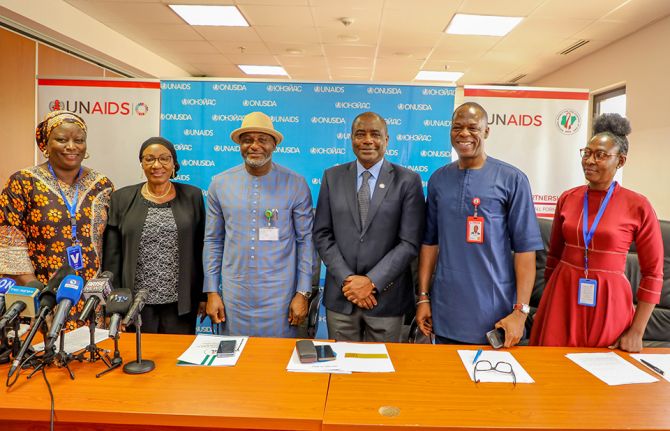
28 October 2021 28 October 2021The Bangkok Metropolitan Administration (BMA) in Thailand has been awarded the inaugural Circle of Excellence Award at the Fast-Track cities 2021 conference, held recently in Lisbon, Portugal. The Circle of Excellence Award showcases outstanding work in fast-tracking the HIV response and advancing innovative programming to end the AIDS epidemic in cities by 2030.
“To receive the Circle of Excellence Award for Bangkok is a great honour. It demonstrates not only the past achievements but, moreover, the future commitment to accelerate the HIV response and towards ending AIDS in Bangkok. We are proud that innovations have produced remarkable results, particularly same-day antiretroviral therapy and key population-led health services, such as specialized and holistic services for transgender people and the scale-up of pre-exposure prophylaxis (PrEP) programmes. These innovations are not only applied in Bangkok but have become models for the region,” said Parnrudee Manomaipiboon, the Director-General of the Department of Health, BMA, during the award ceremony.
Organized by the International Association of Providers of AIDS Care, in collaboration with UNAIDS, the Fast-Track Cities Institute and other partners, the Fast-Track cities conference highlighted successes achieved across the Fast-Track cities network, addressed cross-cutting challenges faced by local stakeholders and shared best practices in accelerating urban HIV, tuberculosis and hepatitis B and C responses.
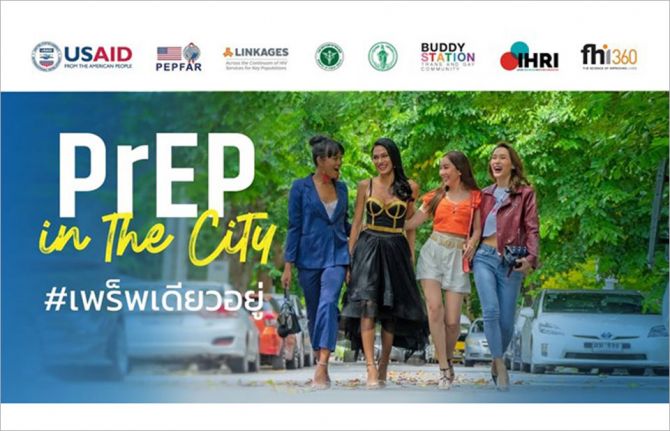
“Bangkok has put in place a 14-year strategic plan for ending AIDS from 2017 to 2030, which is under the leadership of the Bangkok Fast-Track Committee,” said Pavinee Rungthonkij, the Deputy Director-General, Health Department, BMA. “During COVID-19, BMA and partners have introduced innovations such as multimonth antiretroviral therapy, an express delivery of antiretroviral therapy service, sexually transmitted infection self-sampling and PrEP,” she added. Among other achievements, Bangkok has expanded its PrEP services to 16 municipal public health centres and eight city hospitals and implemented citywide awareness campaigns. PrEP in the City was the first citywide PrEP campaign focusing on transgender people in Asia.
“Significant progress has been made in the HIV response since Bangkok joined the Paris Declaration to end the AIDS epidemic in cities in 2014. It shows that mutual commitments and a strengthened partnership between stakeholders at all levels are key to an effective HIV response. Bangkok will continue to leverage support, scale up innovations and Fast-Track solutions to achieve the 2025 targets and end AIDS by 2030,” said Patchara Benjarattanaporn, the UNAIDS Country Director for Thailand.
Our work
Region/country
Related
 Communities, authorities and UNAIDS coordinate to maintain HIV care during emergencies in Colombia and Venezuela
23 September 2026
 UNAIDS works with partners and communities to support Zambia's rollout of Lenacapavir to prevent new HIV infections
09 September 2026
 Built on trust - Community-led HIV responses in Thailand
26 August 2026
Feature Story
ASEAN cities protecting the gains of the HIV response during the COVID-19 pandemic
26 October 2021
26 October 2021 26 October 2021Fast-Track cities in South-East Asia have been stepping up efforts during the COVID-19 pandemic to ensure that HIV treatment and prevention services remain unaffected by the pandemic and to protect the gains made in the HIV response. The dynamic city-based infrastructures that have been built up around the HIV response are being leveraged to implement innovative programmes to safeguard people living with HIV and other vulnerable populations and contain the spread of COVID-19.
Jakarta, Indonesia, provides a clear example of how cities are accelerating their HIV responses, enabling continued progress while taking into account the effects of the COVID-19 pandemic. Since the first COVID-19 outbreak, Central Jakarta, with more than 10 000 people living with HIV on antiretroviral therapy, ensured treatment continuity with the implementation of multimonth antiretroviral therapy dispensing and community-led home-based delivery. In collaboration with partners, the Provincial Health Office of Jakarta developed the Jak-Anter service, which connects people living with HIV with health facilities across the metropolitan area, allowing for direct client-organized antiretroviral therapy delivery, benefiting nearly 30% of people living with HIV in the area.
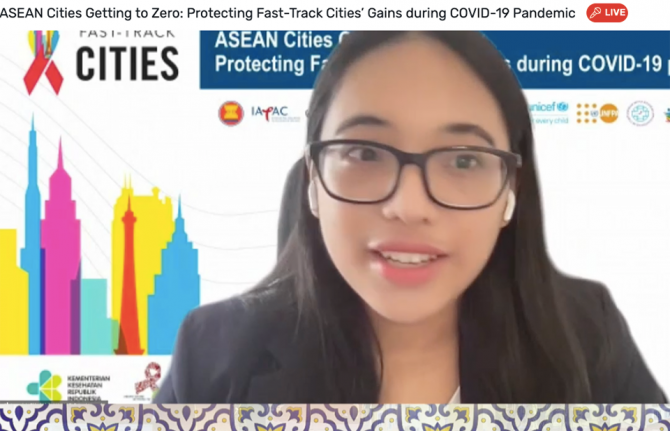
This best practice was shared at an event, ASEAN Cities Getting to Zero: Protecting Fast-Track Cities’ Gains during the COVID-19 Pandemic, which brought together five cities from the Association of Southeast Asian Nations (ASEAN) on the margins of the Fast-Track cities 2021 hybrid conference in Lisbon, Portugal, on 21 October.
“Cities play a critical role in delivering on the United Nations Political Declaration on AIDS. As we make our collective steps towards the next phase of achieving the three zeroes, we must work in partnership to address the variety and complexity of HIV epidemics. Evidence-informed national regulations will ensure effective collaboration between national and subnational governments,” said Budi Gunadi Sadikin, the Minister of Health of Indonesia.
The event allowed ASEAN cities to share innovative practices in implementing HIV programmes amid the COVID-19 pandemic.
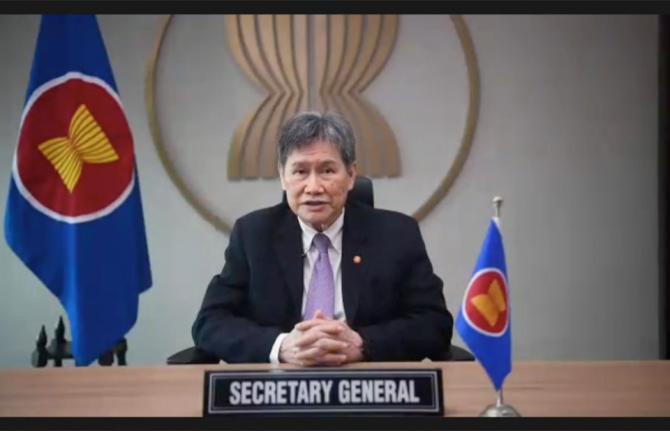
“ASEAN is committed to fast-tracking the HIV response to end AIDS by 2030. We must continue to work hand in hand and to ensure equitable access to HIV services and solutions, break down barriers and improve resource mobilization for efficient and sustainable HIV responses,” said Dato Lim Jock Hoi, the Secretary-General of ASEAN.
A recurring theme during the session was how quickly ASEAN cities utilized virtual platforms to scale up access to HIV services, especially during lockdowns. In the Philippines, Pasig City delivered quality services to key populations by increasing investments in HIV programmes and treatment facilities and the use of virtual platforms. Like Jakarta, Pasig City partnered with community-based organizations to deliver antiretroviral therapy, condoms and lubricants by establishing a service delivery network with service providers and health facilities to provide core packages of health-care services during the COVID-19 pandemic.
Can Tho, a city in Viet Nam, piloted a project to deliver self-test kits to key populations, in particular gay men and other men who have sex with men and people who use drugs, through virtual platforms. In collaboration with the World Health Organization and civil society partners, Can Tho quickly responded to COVID-19 by training community outreach workers to conduct community-based HIV rapid testing and by scaling up HIV self-testing.
Bangkok’s innovations included same-day delivery of antiretroviral therapy and the scale-up of key population-led health services. Bangkok, a regional leader in pre-exposure prophylaxis (PrEP) and a provider of specialized and holistic services for transgender people, expanded its PrEP services to 16 municipal public health centres and eight city hospitals during the COVID-19 pandemic.
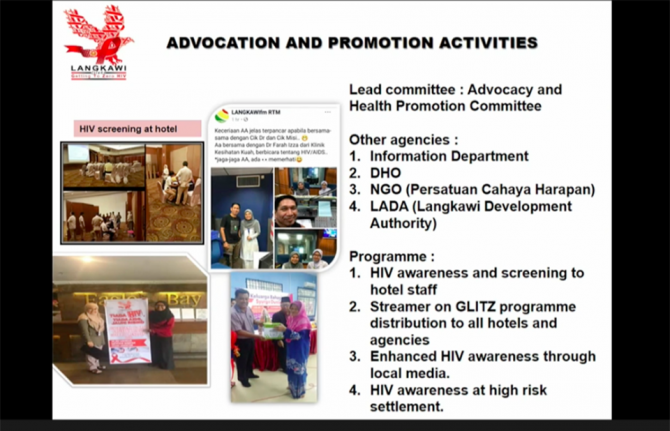
Young people were noted as being at the forefront of the HIV response in ASEAN cities. In an effort to reduce the number of new HIV infections among young people in Langkawi, Malaysia, the Kedah State Health Department established the GLITZ project. The programme focuses on young people, including young key populations, through various outreach activities, mentor–mentee programmes and school and university visits to educate young people on HIV prevention.
As the Fast-Track cities network continues to grow in the ASEAN region, the complexity of HIV in urban areas is better understood. The network offers a way for cities to share best practices and experiences at a time of increasing urbanization and globalization.
“It has been 10 years since the ASEAN Cities Getting to Zero project was initiated. Since then, the project has successfully expanded to 76 cities in the region. As we see more participating cities and significant signs of progress in the HIV response, I encourage avenues for South–South collaboration. Together, in partnership, we can end AIDS as a global health threat by 2030,” said Taoufik Bakkali, the Director, a.i., of the UNAIDS Regional Support Team for Asia and the Pacific.
Our work
Region/country
- Asia and Pacific
- Australia
- Bangladesh
- Bhutan
- Brunei Darussalam
- Cambodia
- China
- Democratic People's Republic of Korea
- Federated States of Micronesia
- Fiji
- India
- Indonesia
- Islamic Republic of Iran
- Japan
- Kiribati
- Lao People's Democratic Republic
- Malaysia
- Maldives
- Marshall Islands
- Mongolia
- Myanmar
- Nauru
- Nepal
- New Zealand
- Pakistan
- Palau
- Papua New Guinea
- Philippines
- Republic of Korea
- Singapore
- Solomon Islands
- Sri Lanka
- Thailand
- Timor-Leste
- Tonga
- Tuvalu
- Vanuatu
- Viet Nam
- Samoa
Feature Story
Strengthening the response of health systems to pandemics in the Commonwealth of Independent States
19 October 2021
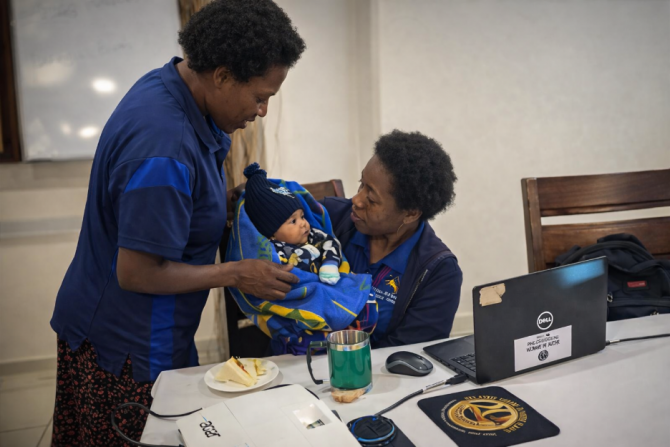
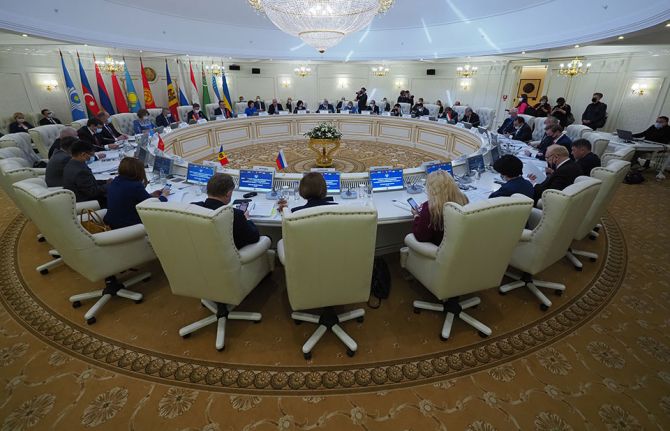
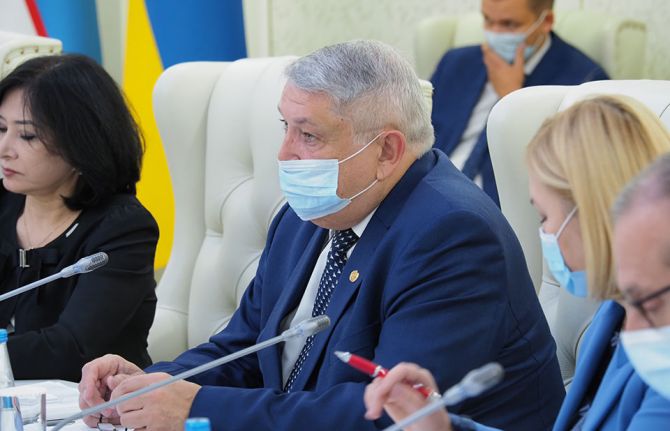
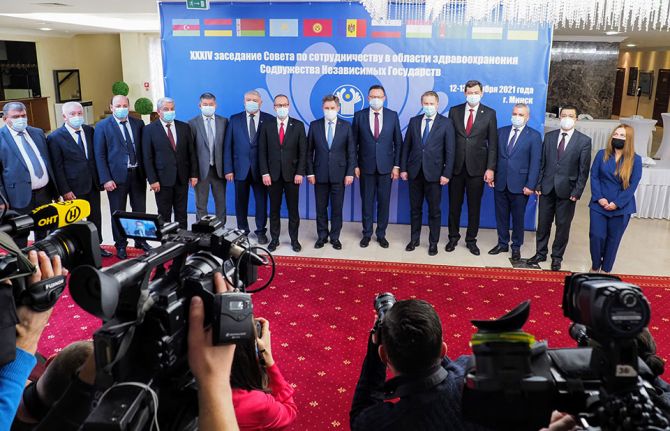
19 October 2021 19 October 2021Representatives of ministries of health of the Commonwealth of Independent States (CIS) countries, health-care experts and representatives of UNAIDS and the World Health Organization (WHO) convened to discuss the priorities of CIS countries in addressing new pandemic challenges and other health-care issues in Minsk, Belarus, at the 34th meeting of the Council for Health Cooperation of the CIS.
A memorandum on deepening cooperation between the Council for Health Cooperation of the CIS and the WHO European Office was signed during the meeting. “We are stronger when we are united. A global problem such as the COVID-19 pandemic cannot be solved by national measures only,” said Hans Kluge, the WHO Regional Director for Europe.
Igor Petrishenko, the Deputy Prime Minister of Belarus, noted the importance of joint operational decision-making, “so that there is consistency in the CIS on eliminating and counteracting the spread of COVID-19, as well as continuing vaccination and implementation of the Travelling without COVID-19 app within the CIS.”
The Minister of Health of the Russian Federation, Mikhail Murashko, noted that countering infectious diseases requires ensuring that health systems are stress-resistant. “They must quickly adapt to new challenges,” he stressed.
Alexander Goliusov, Director, a.i., of the UNAIDS Regional Support Team for Eastern Europe and Central Asia, presented the new priorities for the HIV response in the region outlined in the Global AIDS Strategy 2021–2026: End Inequalities, End AIDS and the new United Nations Political Declaration on AIDS, taking into account the COVID-19 pandemic.
He outlined the directions in the new strategy, on which there is consensus among all the CIS countries, among them: achieving the 95–95–95 targets by 2025, ending inequalities in access to HIV services and health technologies, the active engagement of civil society and community organizations and ensuring the financial sustainability of the HIV response.
Mr Goliusov thanked the Russian Federation, which since 2013 has been providing financial assistance in strengthening health systems and counteracting HIV and other infectious diseases in five countries of the region, Armenia, Belarus, Kyrgyzstan, Tajikistan and Uzbekistan, having allocated more than US$ 49.5 million in financial assistance.
The participants decided to prepare and send to the Government of the Russian Federation a letter recognizing the efforts made under the framework of the regional programme of technical assistance in combating infectious diseases, including HIV, hepatitis and sexually transmitted infections, as highly effective, noting that they had directly reduced the HIV burden in the region, and requesting the Government of the Russian Federation to consider the continuation of the programme in 2022–2025.
UNAIDS also supported proposals from representatives of the Russian delegation on research on mental health and HIV and on oncological pathology among people living with HIV on antiretroviral therapy.
The CIS is a regional intergovernmental organization that was formed following the dissolution of the Soviet Union in 1991. It encourages cooperation in economic, political and military affairs and has certain powers relating to the coordination of trade, finance, law-making and security. The Council for Health Cooperation of the CIS consists of ministers of health and chief state sanitary doctors of the CIS member states. The council maintains relations with WHO, UNAIDS, the World Health Assembly and the United Nations Children’s Fund.
Region/country
- Eastern Europe and Central Asia
- Albania
- Armenia
- Azerbaijan
- Belarus
- Bosnia and Herzegovina
- Bulgaria
- Croatia
- Cyprus
- Czechia
- Estonia
- Georgia
- Hungary
- Kazakhstan
- Kyrgyzstan
- Latvia
- Lithuania
- Montenegro
- Poland
- Republic of Moldova
- Romania
- Russian Federation
- Serbia
- Slovakia
- Slovenia
- Tajikistan
- North Macedonia
- Türkiye
- Turkmenistan
- Ukraine
- Uzbekistan
Related
Feature Story
Capitalizing on experiences to improve HIV care for key populations in western Africa
18 October 2021
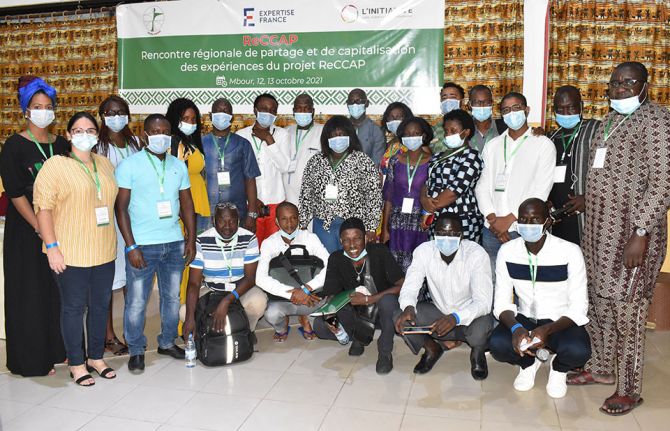
18 October 2021 18 October 2021Participants from four countries—Côte d’Ivoire, Guinea, Guinea-Bissau and Senegal—recently met in Saly, Senegal, to capitalize on the know-how developed during the implementation of the Capacity Building and Capitalization of Experiences for Improved HIV Care among Key Populations in West Africa (ReCCAP) project, implemented by ENDA Santé and funded by L’Initiative through Expertise France.
The project aims to strengthen local people so that they are able to map sites and estimate the size of key populations on a continuous basis at the local level, conduct detailed analyses of HIV services and needs, and use the results to adapt the services offered and increase their effectiveness.
“The lack of data on key populations hinders the development of interventions that address their specific needs. Programmatic mapping and size estimates are usually conducted by international consultants and are not always adapted to the needs of field actors, and data may exist but are often quickly outdated because targets are dynamic and mobile,” said Sidy Mokhtar Ndiaye, Research Manager at ENDA Santé.
Guinea-Bissau, for example, was able to share its experience in estimating the size and/or needs of four key population groups, including a needs analysis of prisoners in three prisons in the country. “This is the first time that a study on HIV has been done in prisons in the country. The data will be used for the development of the new national HIV strategic plan,” said Miriam Pereira, Monitoring and Evaluation Officer at ENDA Santé Guinea-Bissau. The country has completed the deployment of two national trainings, including on community-based surveillance, which has been useful for monitoring the COVID-19 pandemic, and on the implementation of key population mapping in four regions—Bissau, Bafatà, Bubaque and Mansôa—in sites including bars, restaurants, hotels and public spaces.
The meeting, which welcomed members of partner entities and people who had benefited from two regional trainings in 2019 and 2021, was an opportunity to share South–South operational experiences and to develop recommendations for scaling up lessons learned and extending the project, particularly in terms of geographic coverage, with the support of UNAIDS.
“Key populations and their sexual partners account for 69% of new HIV infections in western and central Africa. And yet in the region the funding received for programmes for key populations represents only 2.4% of funding between 2016 and 2018. Projects like ReCCAP are essential for advocating for greater investment in key populations and evidence-informed programming,” said Marie Engel, UNAIDS Regional Adviser.
Region/country
Feature Story
Community mobilization and digital technologies accelerate the response to HIV and COVID-19 in Gabon
13 October 2021
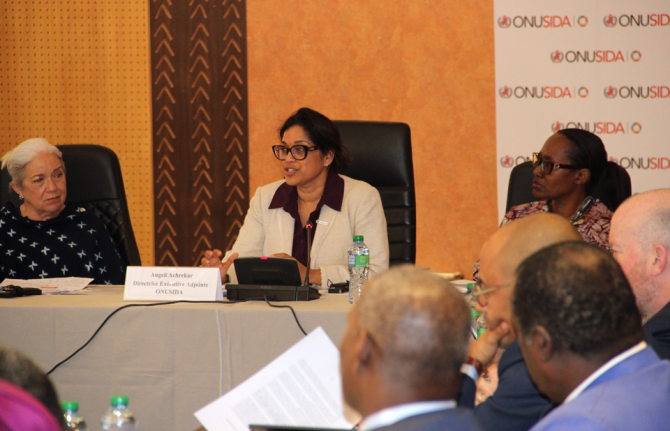
13 October 2021 13 October 2021Gabon is one of the partnering countries involved in the Partnerships to Accelerate COVID-19 Testing (PACT) initiative in Africa. The project, developed under a partnership between UNAIDS and the Africa Centres for Disease Control and Prevention, aims at fostering collective action to respond to the colliding HIV and COVID-19 pandemics through strengthened community engagement, including the deployment of community health workers.
The UNAIDS Country Office for Gabon, in collaboration with other stakeholders, has chosen, as a starting point, to involve community actors to support the most vulnerable populations, in particular people living with HIV and the lesbian, gay, bisexual, transgender and intersex (LGBTI) community, in the context of COVID-19.
To increase coordination, ensure successful implementation and minimize the risks, all the stakeholders were involved from the design phase of the project. From the government, the Ministry of Health and the national steering committee of the pandemic response plan were involved at the highest level and appointed representatives to follow the development process and launch the project. In addition to a cabinet minister, representatives of Ministry of Health specialized national programmes joined the project, along with representatives of civil society and development partners.
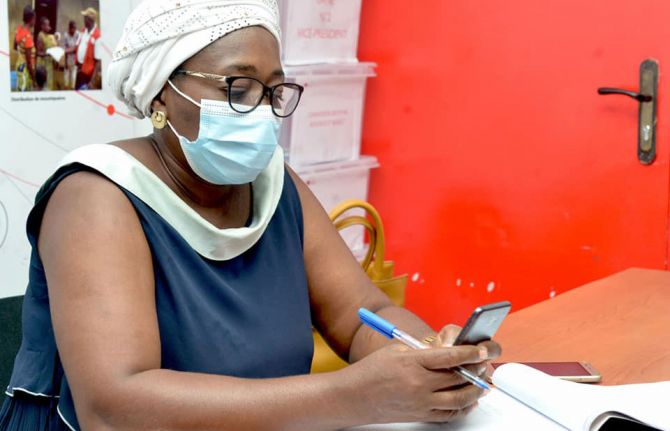
The project will support the deployment of more than 70 people to accelerate the response to COVID-19 among vulnerable populations and to mitigate the impact of COVID-19 on the HIV response and services for other diseases, sexual and reproductive health and gender-based violence. In particular, it will contribute to supporting the continuity of services through increased community engagement. The project will cover four regions of Gabon, Libreville, Lambaréné, Port-Gentil and Franceville, that are severely impacted by COVID-19 and that have the highest HIV prevalence in the country.
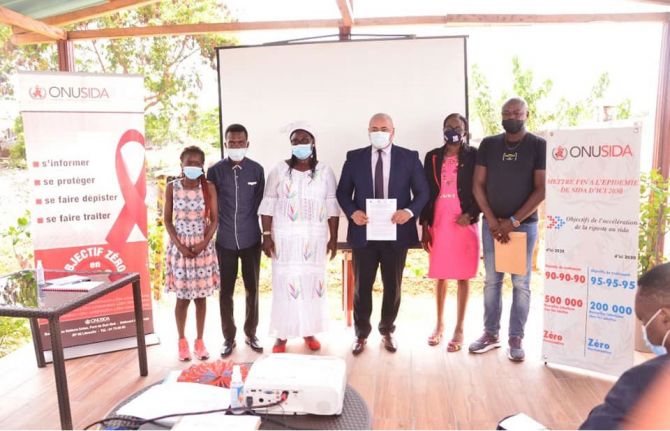
Before the official launch of the project, UNAIDS signed an agreement with the Gabonese Red Cross, which in turn signed agreements with the selected community health workers, members of six associations and networks involved in the response to HIV and gender-based violence and that work with the LGBTI community and on sexual and reproductive health.
“The partnership with the Africa Centres for Disease Control and Prevention and support through UNAIDS has given a glimmer of hope to communities in Gabon that are often left to fend for themselves. It has shown that with even a little support, communities can innovate and make a difference. The involvement of communities should always be at the heart of the response to pandemics. We hope that this support can be sustained over time as the needs are still tremendous,” said the UNAIDS Country Director for Gabon, Françoise Ndayishimiye.
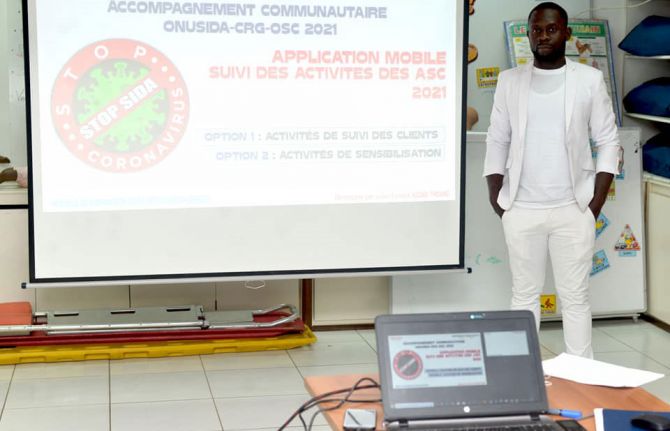
The project also has an innovative component in the monitoring of community actors. A mobile digital app was developed to support the community health workers with real-time data collection for monitoring and reporting on their activities. The app will ease reporting by allowing them to provide regular weekly reports on awareness and to support activities for people living with HIV and people living with tuberculosis, including on sexual and reproductive health, prevention of early pregnancies, HIV, gender-based violence, COVID-19 and discrimination.
Region/country
Feature Story
Partnering to strengthen community engagement in the HIV and COVID-19 responses in Namibia
12 October 2021
12 October 2021 12 October 2021In the response to the colliding COVID-19 and HIV pandemics, communities continue to demonstrate resilience, agility and innovation. To empower, train and protect communities, UNAIDS, in collaboration with the Namibian Ministry of Health and Social Services and the Africa Centres for Disease Control and Prevention, is supporting civil society organizations to implement the Partnership to Accelerate COVID-19 Testing (PACT) initiative in Namibia. In addition, community sensitization activities to reduce the spread of COVID-19, and the associated stigma and discrimination, and to minimize its effects on people living with HIV, are being implemented.
In May 2021, Namibia experienced an exponential increase in community transmission of COVID-19 cases owing to the emergence of the delta variant, which derailed the country’s containment efforts and severely stretched its health system. The nation rose to the challenge with strong political leadership and commitment. Evidence-informed and high-impact interventions led to a marked decline in cases, positivity rates and deaths.
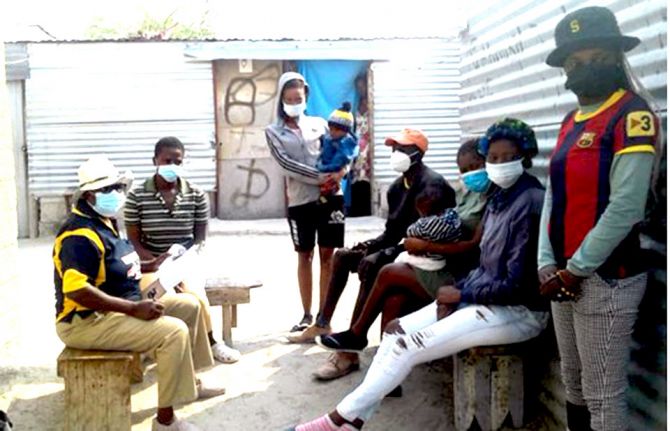
Through the PACT initiative, four civil society organizations with experience in working with vulnerable communities and networks of people living with HIV in informal settlements were supported by the Ministry of Health and Social Services and UNAIDS to implement the PACT project. The project focuses on COVID-19 prevention and contact tracing, mitigating the impact of COVID-19 on the HIV response and facilitating access to quality health care in all 14 regions of the country and will ultimately deploy 270 community health workers.
UNAIDS is partnering with three of the four civil society organizations, working in the three regions with the highest burden of HIV and COVID-19, Oshana, Erongo and Khomas, which account for 36% of people living with HIV, 52% of COVID-19 cases and 42% of COVID-19-related deaths nationally. These civil society organizations have done remarkable work to address the needs of key populations, adolescent girls and young women, and people living with HIV using existing HIV infrastructure and systems.
“Ending the two pandemics requires greater data-driven involvement of communities, partnerships, integration of COVID-19 and HIV services and reaching underserved and vulnerable communities. This is the approach that the PACT initiative has taken in Namibia to mitigate the spread of COVID-19,” said Alti Zwandor, UNAIDS Country Director for Namibia.
To adapt, harmonize and sustain the training of community health workers, UNAIDS has been working with the National Health Training Centre, which has adapted the Africa Centres for Disease Control and Prevention training curriculum on COVID-19 to include information on vaccines, HIV and sexual and reproductive health and rights. Forty senior trainers from the training centre were trained to deliver multiple trainings across the country. A further 250 community health workers and 25 supervisors were subsequently trained and deployed to implement community outreach activities. In addition to the house visits and community sensitization activities, one of the nongovernmental organizations, the Tonata people living with HIV network, has incorporated bulk text messages with COVID-19 information in local languages to support groups for people living with HIV, thus spreading awareness of the PACT initiative to a much larger audience.
“The community health-care workers in the field experienced situations where community members were aggressive when given information on COVID-19. In some hotspots, the population also complained of hunger and indicated that they would only engage with community health-care workers once provided with some food hampers so they could concentrate,” said Agatha Kuthedze, Director of the Namibia Planned Parenthood Association (NAPPA). She added that the organization had referred people in need of social welfare to the authorities for further help.
The initiative will continue to build on the successes and integrate critical HIV and sexual and reproductive health and rights programming while continuously exploring innovations for a sustained and comprehensive HIV response. The partner nongovernmental organizations involved are Tonata, the Walvis Bay Corridor Group, NAPPA and Project Hope.
Region/country

Feature Story
Helping Haiti build a sustainable HIV response
11 October 2021
11 October 2021 11 October 2021At the GHESKIO (Groupe Haïtien d'Étude du Sarcome de Kaposi et des Infections Opportunistes) clinic in Port au Prince, Haiti, a young woman learns that she is HIV-positive. Along with counselling, she is offered immediate enrolment into a treatment programme at the facility.
Same-day treatment initiation is among the approaches Haiti has used to turn the tide on its HIV epidemic. HIV prevalence among adults is now 1.9%, down from a high of 3.2% in the mid-1990s. According to government statistics, of the estimated 154 000 people living with HIV, 89% know their status. Ninety-three per cent of diagnosed people are on antiretroviral therapy and 87% of people who are on antiretroviral therapy are virally suppressed. Over the past decade, deaths due to AIDS-related illnesses fell by 63% in the Caribbean country.
These achievements are the result of collaboration between the Government of Haiti, civil society and international development partners.
But they are also due to considerable donor investment. The vast majority of total HIV expenditure in Haiti comes from international sources.
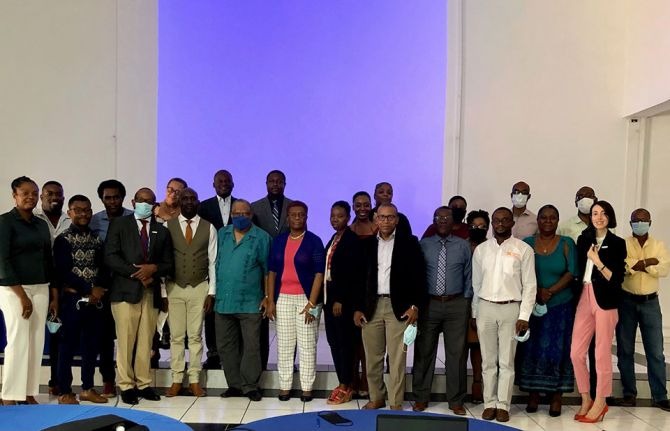
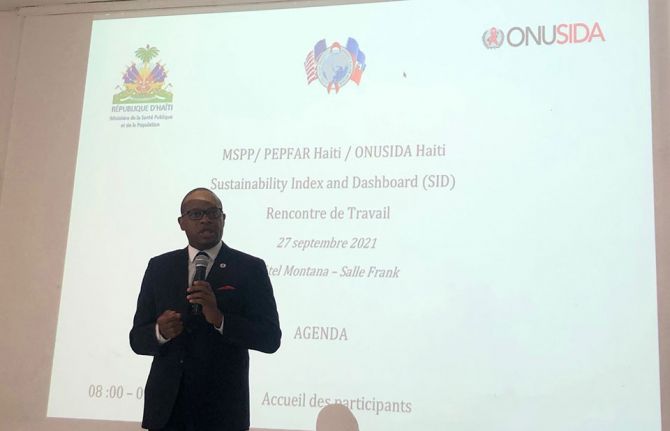
The UNAIDS Country Office for Haiti is currently supporting the United States President’s Emergency Plan for AIDS Relief (PEPFAR) and the Ministry of Public Health and Population to conduct the Sustainability Index and Dashboard (SID) exercise in Haiti. This is a tool completed every two years to sharpen understanding of countries’ sustainability landscapes and inform HIV investment decisions. Through the exercise, stakeholders assess national HIV responses from the point of view of sustainability and across four thematic areas. This is Haiti’s fourth SID.
“The impressive gains Haiti has made over the past decade can be compromised in the future by overreliance on external funding. UNAIDS is pleased to support the Ministry of Public Health and Population along with PEPFAR and the Global Fund to Fight AIDS, Tuberculosis and Malaria through this exercise to build a more sustainable response,” said the UNAIDS Country Director for Haiti, Christian Mouala.
UNAIDS will continue to work together with the national leadership, PEPFAR, the Global Fund to Fight AIDS, Tuberculosis and Malaria, civil society and other key partners of the HIV response to ensure that national interventions are equitable. The focus is on reaching the most vulnerable communities through coordinated programming and implementation and consistent inclusion of people living with HIV and key populations, including in humanitarian contexts.
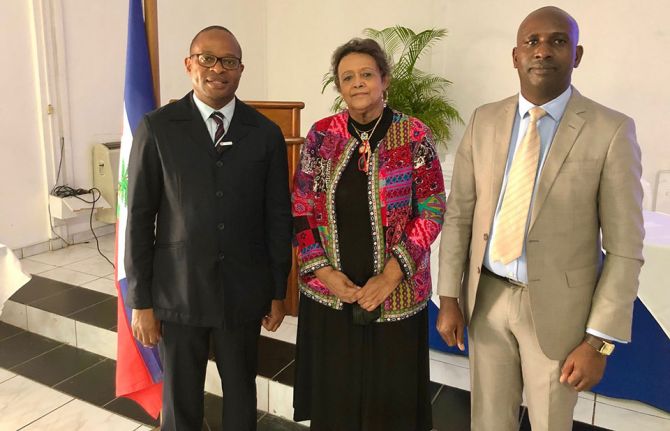
The Executive Director of the Unit for the Control of Infectious and Transmissible Diseases (UCMIT), Pavel Desrosiers, noted that the SID exercise is crucial to identifying weaknesses in the current HIV response.
According to Hamfrey Sanhokwe, the PEPFAR Coordinator for Haiti, the SID also helps donors, “Measure progress on programmatic and financial sustainability and focus efforts for an optimal HIV national response.”
The optimum participation of all HIV stakeholders is key to the process. “People living with HIV were represented in and contributed to all the thematic meetings during the week and the exchanges were productive,” said Maria Malia Jean, a representative of the Haitian Federation of the Associations of People Living with HIV (AFHIAVIH).
The results of Haiti’s 2021 SID will be finalized and validated by all stakeholders before the end of October. HIV stakeholders will then be able to visualize and focus on areas that need further strengthening, while noting the successes they have worked so hard to achieve.
“Haiti has achieved much progress in the fight against HIV; however, efforts must be sustained and increased to ensure that targets are achieved by 2030,” said the Director-General of the Ministry of Public Health and Population, Lauré Adrien.