Feature Story
Community-led projects reach vulnerable populations in Latin America and the Caribbean
15 September 2021
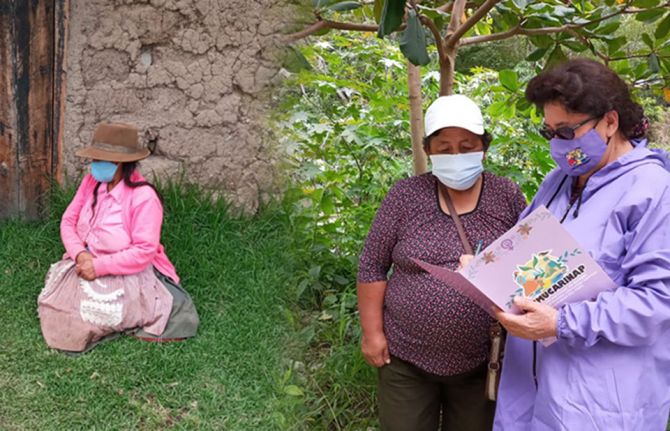
15 September 2021 15 September 2021“We have changed our way of thinking and our attitude towards people living with HIV. In the jungle, we don’t talk about it, and every day we see more and more people living with the virus,” said Aurora Coronado, a member of the National Federation of Peasant, Artisan, Indigenous, Native and Salaried Women of Peru.
Fenmucarinap, as it is known by its acronym in Spanish, is among the 61 organizations that have received grants from UNAIDS through an initiative called Soy Clave: de las Comunidades para las Comunidades (I Am Key: from Communities to Communities) since its launch in May 2020. The funds support community-led solutions in the response to HIV during the COVID-19 pandemic. “The project allowed us to share knowledge and learn more about HIV. Now knowledge is being passed on. Now we speak from the heart to young people living with HIV and many are taking care of themselves and taking their treatment,” Ms Coronado added.
Almost 5000 kilometres away from the project in the Peruvian jungle, in the Santa Martha Acatitla Penitentiary in Mexico, another community-led initiative was also implemented in the first year of the pandemic. “We can basically say that we saved the lives of people who are generally forgotten, especially in moments like these,” said Georgina Gutiérrez, from the Mexican Movement for Positive Citizenship, whose project was implemented in the same institution in which her husband had been imprisoned for eight years. “Through this initiative, we were able to support a population that lacks basically everything, especially dignity.”
These projects are examples of how small catalytic funds can make a difference and bring a positive impact for entire communities, especially in moments of extreme vulnerability and exacerbated inequalities. Through the Soy Clave initiative, UNAIDS and its partners focus on offering support to community-led projects around three pillars: prevention of the transmission of COVID-19, continuation of the HIV response and upholding human rights and preventing stigma, discrimination and violence towards people living with or affected by HIV and COVID-19.
The Latin America and Caribbean region experiences inequalities that are both deep and widespread and includes countries that are more unequal than those in other regions with similar levels of development, according to recent reports from the Inter-American Development Bank and the Latin American and Caribbean office of the United Nations Development Programme (UNDP).
The first phase of the US$ 300 000 initiative was launched in July 2020 in response to evidence from several regional online surveys conducted by UNAIDS since the onset of the COVID-19 pandemic. Grants were initially distributed among 31 projects, 10 of which were also funded with the support of UNAIDS Cosponsors through their regional offices—the United Nations Population Fund (UNFPA) helped fund four projects, whereas the United Nations Children’s Fund (UNICEF), the World Food Programme (WFP) and UNDP funded two projects each.
Data from the 31 initiatives of the first round of grants collected up to July 2021 by the UNAIDS Regional Support Team for Latin America and the Caribbean show that more than 700 000 people in the region had already been reached through the projects’ activities. Altogether, the community-led projects have delivered more than 270 community solutions that have had a direct impact on, for example, the strengthening of health services, the training of vulnerable communities and populations, awareness-raising of key HIV and COVID-19 issues and COVID-19 prevention and mitigation.
Recently, UNAIDS launched a second tranche of funding for 30 community-led initiatives, reaching a total 61 projects in 19 countries (Argentina, Brazil, Bolivia (Plurinational State of), Chile, Colombia, Costa Rica, Dominican Republic, Ecuador, El Salvador, Guatemala, Guyana, Honduras, Mexico, Nicaragua, Panama, Paraguay, Peru, Uruguay and Venezuela (Bolivarian Republic of).
“From 40 years of experience in the HIV response, we have learned that civil society and community-led initiatives are essential to reach the most vulnerable. We were right when we decided to invest in these organizations during the COVID-19 pandemic because they have delivered results and have proven that they are crucial to the response to both pandemics,” said Alejandra Corao, Director, a.i., of the UNAIDS Regional Support Team for Latin America and the Caribbean. “I congratulate the organizations selected in 2020 and hope that the 30 selected for the second phase of funding will also have the same success in reaching the most vulnerable people in these challenging times for our region.”
The implementing phase for these newly selected projects will run until December 2021. All the initiatives were selected by a joint committee formed by the UNAIDS Regional Support Team for Latin America and the Caribbean and the regional offices of UNICEF, WFP, UNDP, UNFPA, the United Nations Educational, Scientific and Cultural Organization and the Pan American Health Organization.
More than 200 Spanish-speaking and 70 Portuguese-speaking organizations participated in virtual workshops organized by UNAIDS to guide community-led organizations in applications for the Soy Clave initiative and in the creation of projects and the definition of objectives for a US$ 5000 grant.
Impact on communities
HIV activist Marcela Alsina, who is from Honduras and who implemented a regional project with the Asociación para una Vida Mejor (APUVIMEH) and the Latin American Movement of Positive Women (MLCM+), noted that the funds allowed the organizations to carry out an online survey in eight countries and to gather data to define their strategic lines of action.
“We learned that 35% of the women surveyed in these countries suffered some type of gender-based or institutional violence during the COVID-19 pandemic,” she said.
At least 23% of all the funding was directed towards women. Funds were also distributed among projects focused on key and vulnerable populations, including indigenous people, Afro-descendant communities and people on the move.
“Thanks to this funding, our project, Hablemos Positivo (Let's Talk Positively), delivered 450 sexual and reproductive health kits and organized talks on health promotion, HIV prevention, sexually transmitted infections and COVID-19,” said Danilo Manzano, of Diálogo Diverso in Ecuador. “We also disseminated a communication campaign on social media to raise awareness about the human rights of lesbian, gay, bisexual, transgender and intersex people on the move, as well as people living with HIV.”
“It is not easy to get funding to work with women, especially women living with HIV in Latin America”, said Kattia López, from the International Community of Women Living with HIV/AIDS in Costa Rica, who developed virtual working groups with more than 60 women living in vulnerable conditions and who suffered violence from their partners during the early stages of the pandemic. “We saw that this project gives us the light to reach women that no one else reaches, and to transform their realities. We are not going to leave any of them behind. Investing in women always pays.”
Feature Story
More than 140 former heads of state and Nobel laureates call on candidates for German chancellor to waive intellectual property rules for COVID vaccines
14 September 2021
14 September 2021 14 September 2021More than 140 former heads of state and government and Nobel laureates today called on the candidates to be the next German chancellor Annalena Baerbock, Olaf Scholz, and Armin Laschet to declare themselves in favour of waiving intellectual property rules for COVID 19 vaccines and transferring vaccine technologies, and “to make these the policies of any future coalition government”.
The signatories underlined that ending German opposition to waiving patents is vital to overcoming vaccine monopolies, transferring vaccine technology and scaling up vaccine manufacturing around the world to prevent millions more deaths from Covid-19.
Former world leaders including former President of France François Hollande, former Prime Minister of the United Kingdom Gordon Brown, former President of Colombia Juan Manuel Santos, former President of Malawi Joyce Banda and Nobel prize winners including Professor Joseph Stiglitz, Professor Francoise Barre-Sinoussi and Elfriede Jelinek express that they are “deeply concerned with Germany’s continued opposition to a temporary waiver of the World Trade Organization’s (WTO) intellectual property rules”, at a time in which “the artificial restriction on manufacturing and supply is leading to thousands of unnecessary deaths from COVID-19 each day”. Less than two per cent of adults are fully vaccinated in low-income countries compared to almost 50 per cent in high income countries.
Signatories urge the three candidates to support a wide and comprehensive waiver of the TRIPS intellectual property agreement on all COVID-19-related technologies at the WTO, and join over 100 countries including the United States and France in doing so. Despite that, Germany continues to oppose a waiver of the trade-related aspects of intellectual property (TRIPS) agreement for Covid-19 vaccines and treatments at the WTO. First proposed by India and South Africa in October 2020, a waiver is now supported by more than 100 nations, with France and the United States announcing their support earlier this year.
The letter emphasizes that “Having helped create the most successful vaccine technology against COVID-19, by overcoming pharmaceutical monopolies and insisting that the technology be shared, Germany has the ability to help end this pandemic”. In addition to supporting the waiver they call on the next Chancellor to ensure that German pharmaceutical companies openly and rapidly share life-saving mRNA vaccine technology with qualified producers around the world.
Helen Clark, former Prime Minister of New Zealand, said: “Germany’s support for a TRIPS waiver in the exceptional circumstances presented by COVID-19 would send a clear signal that all peoples should be able to benefit speedily from available vaccines and therapeutics. Widespread vaccination now and further scaling up of vaccine production will play a significant role in curbing the pandemic.”
Joseph Stiglitz, Nobel Economics Prize Laureate, said: “The new Chancellor of Germany will hold extraordinary power to turn the tide on this horrific pandemic and can be the world leader remembered for helping save millions of lives. Intellectual property rules are today locking out people across the world from the benefits of life-saving science - it is time for Germany to ensure the transfer of vaccine technologies and join the rest of the world in backing a temporary waiver at the World Trade Organization”.
As the Heads of State and Government and Nobel Laureates write to the candidates for Chancellors, activists around the world have organized protests to demand the German government to stop blocking efforts to vaccinate the world. Protests will take place from the city of Nairobi to the Sydney Opera House in Australia, from the Union Buildings in Pretoria to Brazil's famous Cristo Rei and the famous Golden Gate Bridge in San Francisco.
The letter, which was coordinated by the People’s Vaccine Alliance, a coalition of more than 70 organizations including Club de Madrid, Oxfam and UNAIDS, warned that extreme vaccine inequity is bound to last as long as there will be no remarkable increase in vaccine production. While high-income countries are now starting to offer their citizens booster shots, the global supply falls far short of the levels needed to provide global vaccination coverage.
Notes to editors
Read the full letter and list of signers.
The letter was coordinated by the People’s Vaccine Alliance, a coalition of more than 70 organizations including Club de Madrid, Physicians for Human Rights, Oxfam, UNAIDS, the Nizami Ganjavi International Center, Global Justice Now, the Yunus Centre and Avaaz, as well as Progressive International.
Our work
Related
Feature Story
Community-based organizations call for scaled up Internet-based HIV prevention services in China
14 September 2021
14 September 2021 14 September 2021Networks of key populations and community-based organizations in China have called for strengthened collaboration to improve and increase access to Internet-based HIV prevention services.
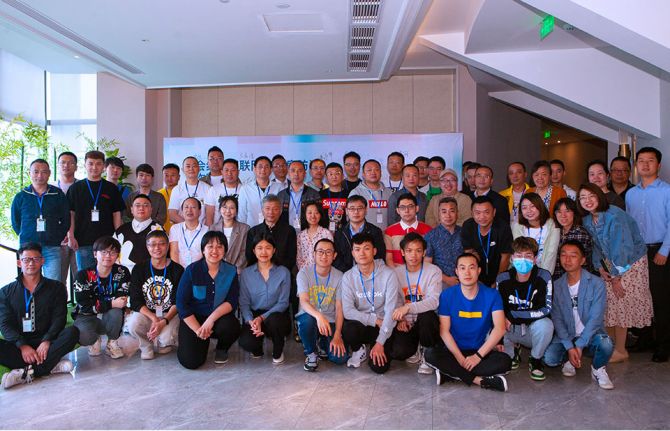
At the Seminar on Social Organization’s Involvement in Internet-Based HIV/AIDS Prevention, held in Chengdu, China, more than 60 representatives of 45 community-based organizations came together for two days to discuss how to utilize technology and innovations to support the HIV response. In particular, they explored how HIV prevention services can reach a wider range of people and how to encourage key populations to get tested for HIV and initiate treatment if needed.
With the Internet increasingly being used as a source of health information, its potential for delivering HIV prevention services is significant, especially given that services can be delivered anonymously and with minimal cost.
In 2018, according to the government there were 1.25 million people living with HIV in China: 69% of those were aware of their HIV status and 83% of those were accessing treatment. The HIV epidemic in China is concentrated among key populations, particularly among gay men and other men who have sex with men.
Yuan Jizheng, from the Chinese Foundation for Prevention of STD and AIDS, recognized the significant role that Internet companies play in HIV prevention, especially corporations that serve the lesbian, gay, bisexual, transgender and intersex community, such as Blued, the world’s largest gay dating app. “Companies should continue to advocate for protected sex and HIV prevention and testing, including counselling for key populations and care and support for people living with HIV,” she said.
With more than 8 million active monthly users, apps such as Blued play an important role in promoting HIV services on the Internet among gay men and other men who have sex with men. Such services provide information on HIV prevention through chat room outreach, online partner notifications, online test slips, banner ads, interactive targeted interventions and websites, focusing on populations at higher risk of HIV, including gay men and other men who have sex with men, adolescents and young adults.
Danlan Goodness, a community-based organization affiliated with Blued, launched the Internet + HIV Response initiative four years ago to provide online and offline HIV prevention and treatment services for gay men and other men who have sex with men. Since its inception, 150 community-based organizations from 90 cities in China have joined the platform to provide HIV prevention services through Blued’s new media channels.
The UNAIDS Country Office for China has been working closely with Danlan Goodness to conduct research on Internet-based HIV prevention service strategies for young people and key populations in order to understand better how online services can help to improve service delivery. The research looks at the benefits of Internet HIV prevention services, such as the low cost of delivering content, the ability to reach hidden populations, the potential to erase geographic and social barriers caused by stigma and marginalization and the relative anonymity it provides in seeking information and support online.
“The research findings will be shared with community-based organizations and other related partners to facilitate capacity-building and policymaking in this area,” said Liu Jie, the Community Mobilization Adviser for the UNAIDS Country Office for China.
“The importance of Internet HIV prevention interventions has been magnified during the COVID-19 pandemic, when conventional HIV testing and treatment services were disrupted,” said Kong Lingkun, the President of the Beijing Love without Borders Fund and Chairman of the U = U Anti-AIDS Network of China. “Community-based organizations are willing to work with the government and the private sector, tapping into the potential of Internet HIV prevention interventions to benefit more people,” he added.
At the seminar, community-based leaders and participants exchanged ideas about the challenges and advantages of Internet HIV prevention services, sharing views on overcoming specific difficulties such as data privacy and confidentiality, Internet inaccessibility and ways to enhance cooperation between community-based organizations and the government, international organizations and private corporations.
The forum was co-organized by the Chinese Foundation for Prevention of STD and AIDS, Danlan Goodness, Blued, the UNAIDS Country Office for China, the Chengdu Tongle Social Work Service Centre, the China AIDS Fund for Non-Governmental Organizations and the Sichuan Association of STD and AIDS Prevention and Control.
Our work
Region/country

Feature Story
Central African Republic adopts plan to address gender inequality in the AIDS response
08 September 2021
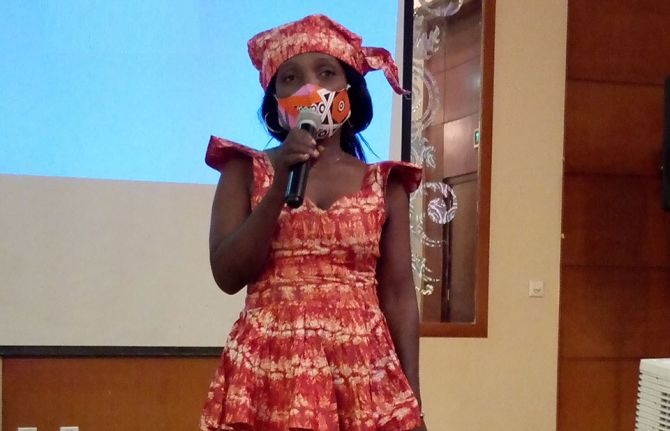
08 September 2021 08 September 2021Alida Nguimale is a survivor. She has been living with HIV for 21 years in the Central African Republic. Some 10 years ago, she lost two of her children to AIDS-related illnesses. At the time, she was unaware that she was living with HIV, and life-saving antiretroviral therapy and medicine to prevent mother-to-child transmission of HIV were rare in the Central African Republic.
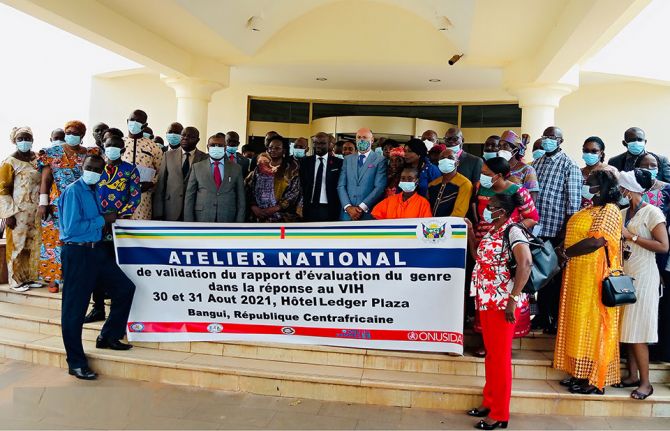
Speaking at the opening ceremony of a national workshop on HIV and gender, co-organized by the Ministry of Gender, the Ministry of Health, the National AIDS Council and UNAIDS, in Bangui, Central African Republic, on 30 and 31 August, Ms Nguimale explained how she was expelled from her home by her abusive partner, who accused her of bringing HIV into the household. She also recounted her helplessness in the face of denial and violence by her partner, who had refused to accept his own HIV-positive diagnosis.
Ms Nguimale’s story illustrates the vulnerability to HIV of women in the Central African Republic and the barriers that they face in accessing health services. More than 56% of all new HIV infections in the country in 2019 were among women and girls, and 60% of all people living with HIV in the country are women. According to data from the MICS-6 survey published in 2021 by the government, with the support of the United Nations, 23.6% of women and girls between the ages of 15 and 49 years were married or entered into a marital union before the age of 15 years. More than 21% of central African women had undergone female genital mutilation. In January 2021 alone, 340 cases of gender-based violence, including 72 rapes, were collected by the gender-based violence information management system in the Central African Republic.
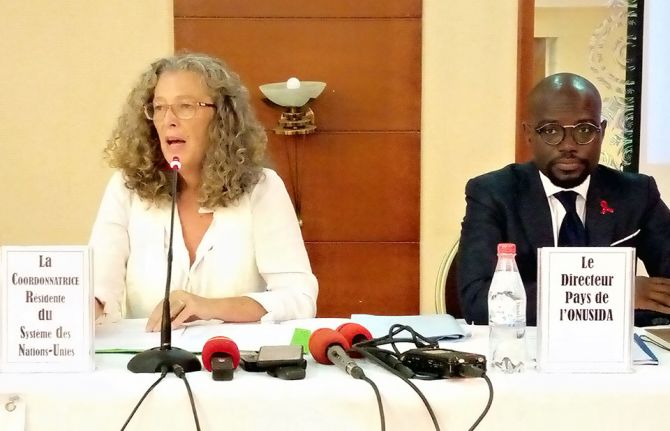
“The vulnerability of women and girls to HIV in the Central African Republic is the consequence of protracted insecurity, violence and humanitarian crises compounded with toxic masculinities and negative social norms. There can be no end of the AIDS pandemic without renewed action and accountability to end this plague of gender-based violence and the social marginalization of women,” said Denise Brown, the Deputy Special Representative of the United Nations Secretary-General in the Central African Republic, Humanitarian Coordinator and United Nations Resident Coordinator.
For the first time, the Government of the Central African Republic, with the support of UNAIDS, conducted a thorough assessment of the gender dimensions of the HIV epidemic and response in the country. The assessment report, which was discussed and adopted during the national workshop on gender and HIV, warned that women, girls and key populations are being left behind in the recent progress made against HIV in the country. HIV prevalence is highest among sex workers, at 15%, and among gay men and other men who have sex with men, at 6.4%, compared to 3.6% among the general population. Access to prevention of mother-to-child transmission of HIV services also remains worryingly low, with less than 25% of women accessing such services in three of the country’s seven health regions.
“The gender assessment report alerts us on a blind spot in our response. We must refocus our efforts on transformative interventions that work for women, girls and key populations,” said Pierre Somse, the Minister of Health of the Central African Republic.
Building on the recommendations of the gender assessment, the participants of the meeting developed and adopted an action plan to implement key interventions in 2021–2023. The action plan includes a combination of structural, biomedical and behavioural interventions to promote gender-transformative education and sensitization, to address the legal, social and cultural barriers to access to HIV services by women, girls and key populations, to implement differentiated models of care that promote access to health, social and psychosocial services for women, including for prevention of mother-to-child transmission of HIV, and to ensure accountability for progress on gender, HIV and tuberculosis. The Minister of Gender, Marguerite Ramadan, noted that the assessment report and the action-oriented operational plan that ensued are essential to implement the vision of equality in the 2021 United Nations Political Declaration on AIDS.
Expressing satisfaction after the adoption of the operational plan, Patrick Eba, the UNAIDS Country Director for the Central African Republic, said, “UNAIDS is at its best when it brings together government, civil society, development partners and other stakeholders to critically assess the national response to HIV and articulate a collective agenda for action. There is no better way to vindicate the rights of those millions of women like Ms Nguimale who demand dignity, justice and health.”
Our work
Region/country
Feature Story
Anambra, Nigeria, commits to eliminating vertical transmission of HIV by end of 2022
06 September 2021
06 September 2021 06 September 2021New HIV infections among children declined by more than half (53%) globally from 2010 to 2020, but the momentum has slowed considerably. There are particularly large gaps in services to prevent vertical (mother-to-child) transmission of HIV in western and central Africa, home to more than half of pregnant women living with HIV who are not on treatment.
Nigeria accounts for 24% of pregnant women living with HIV worldwide who are not on antiretroviral therapy and is the largest contributor among the seven countries that account for half of all new HIV infections among children globally. One in every seven babies born with HIV in the world is a Nigerian baby. Because of this, there is an urgent need to scale up sustainable programmes for the elimination of vertical transmission of HIV in the country, and the government has committed to end vertical transmission by the end of 2022.
The Nigerian Minister of Health, Osagie Ehanire, chaired a national consultation on vertical transmission of HIV in May 2021 and pledged the government’s full support and commitment to work with all partners in order to ensure that no baby is born with HIV, directing the National AIDS, Sexually Transmitted Infections Control and Hepatitis Programme (NASCP) to provide technical support to all Nigerian states to develop actionable operational plans to meet the objective. In addition, the Federal Ministry of Health has delivered 1.7 million of the 4 million HIV and syphilis test kits ordered as a step towards ensuring that all pregnant women are screened, regardless of where they live in the country.
“The procurement of the HIV test kits is a powerful demonstration of political leadership and country ownership by the Government of Nigeria for an AIDS-free generation. As a priority, the United Nations Joint Team on AIDS remains committed to fully support the government in its efforts to eliminate vertical transmission of HIV in the country,” said Erasmus Morah, the UNAIDS Country Director for Nigeria.
NASCP, supported by the National Agency for the Control of AIDS (NACA), is providing technical support to all Nigerian states, but with a priority given to five states—Abia, Anambra, Ebonyi, Kaduna and Taraba. The Joint Team has provided financial and technical support, including support for data analysis for each state. Each state is driving its own planning process and choice of strategy and key activities.
According to the government, Anambra state has an HIV prevalence of 2.2%. In 2020, less than 30% of pregnant women were tested for HIV and less than a quarter of pregnant women living with HIV accessed antiretroviral therapy, even though more than 90% of pregnant women attended a health facility for antenatal care in Anambra. There was a 73% increase in the estimated number of new HIV infections among children in the state from 2015 to 2020. Given its HIV prevalence, and the increase in new HIV infections among children, Anambra was recently supported to develop an operational plan for the elimination of vertical transmission of HIV.
The state’s leadership, including the Secretary of the State Government, Solo Chukwulobelu, and Anambra’s Commissioner for Health, Vincent Okpala, met together with representatives of NASCP, NACA and the United Nations Joint Team. The resulting Framework for Anambra State Action to Eliminate Mother-to-Child Transmission of HIV provides a summary of the current provision of services to prevent vertical transmission of HIV in the state and outlines strategies to reach every pregnant woman in the state, the state government’s commitments and key activities, along with timelines. The framework provides specific action by service providers from both the private and public sectors to reach every pregnant woman in the state with HIV testing services and provide antiretroviral therapy and viral load testing to every pregnant women who tests HIV-positive. The framework also commits to ensuring antiretroviral therapy prophylaxis at birth and early infant diagnosis of HIV for every infant, along with continuity of care for both mothers and their babies. The federal and state governments and existing donors will fund the initiative.
Akudo Ikpeazu, the National Coordinator of NASCP, said, “It’s important to work extensively with the First Lady of the State as a Champion for Eliminating Mother-to-Child Transmission of HIV to ensure every pregnant woman is reached in Nigeria.”
Region/country
Feature Story
Key population-led social enterprises awarded UNAIDS Solidarity Fund grants begin implementation
24 August 2021
24 August 2021 24 August 2021The COVID-19 pandemic has forced many community-led organizations working on HIV to shift their work and focus on mobilizing funds to provide basic humanitarian assistance, such as food, shelter and medicines to people living with HIV and members of key populations severely impacted by the pandemic.
In order to enhance the capacity of key populations and community organizations to face hardship, UNAIDS launched a US$ 250 000 Solidarity Fund in January 2021 to support social enterprises led by people living with HIV and members of key populations, including sex workers, transgender people, people who use drugs and gay men and other men who have sex with men, as well as young women from key affected communities or facing special hardship, during the COVID-19 pandemic. Twenty-four local social entrepreneurs across five countries have been selected for grant seed funding to empower them to scale up existing or develop new business initiatives that can generate economic value and social impact for their communities.
The first call for proposals from the Solidarity Fund saw applications from a diverse range of social enterprises led by networks and organizations of key populations. A global Solidarity Fund Review Committee, composed of representatives of UNAIDS, the United Nations Children’s Fund (UNICEF) and partners, including community representatives and country, public and private sector representatives, reviewed and assessed high-potential proposals for social enterprises. The 24 final grantees have demonstrated their commitment towards developing sustainable solutions to address the socioeconomic barriers that key populations face.
“The pilot phase of the Solidarity Fund will allow for the testing of innovative models, providing key communities with an opportunity to adequately address the immediate impact of the COVID-19 pandemic and create sustainable income-generating activities,” said Pradeep Kakkattil, the Director of the UNAIDS Office of Innovations, as social entrepreneurs from Brazil, Ghana, India, Madagascar and Uganda begin the establishment of their enterprises.
Movimento Nacional das Cidadãs Posithivas, Brazil
Since the beginning of the COVID-19 pandemic in Brazil, Movimento Nacional das Cidadãs Posithivas (MNCP) has been working to minimize the challenges posed by the social isolation measures imposed in the country and the subsequent economic impacts on the lives of women living with HIV. “In general, people who sought help are mostly in need of food, including poor people, people living with HIV and who had no formal work and were unable to continue working during the pandemic,” said Jacqueline Côrtes, an Executive Coordinator at MNCP. With the support of the Solidarity Fund, MNCP is aiming to train and fund more than 35 women living with HIV across Brazil on sewing and marketing traditional cloth dolls. The goal is to support the women to establish and lead a production network with regional representation. MNCP will also promote economic empowerment and female entrepreneurship through online courses and vocational training.
Nachbaja.com, India
As one of India’s first transgender-led start-ups and online artist aggregator platforms, Nachbaja.com aims to ensure that artists from the community receive fair and complete remuneration for their services. Keeping up with the ever-evolving needs of markets, Nachbaja.com will integrate its offline operations and create a new artist platform by developing an online application through the support received from the Solidarity Fund. It aims to directly connect talented artists with event organizers, alleviating the need for agents, who would normally take a significant share of the artists’ income. “The growth of India’s events industry presents an opportunity to set up Nachbaja.com as a digital platform allowing artists from the community to take increased ownership of their skills and reduce dependence on agents,” said Reshma Prasad, the founder and Chief Executive Officer of Nachbaja.com. In addition to providing opportunities to earn a livelihood, Nachbaja.com will also integrate Global Positioning System-enabled tracking to ensure the safety and security of the artists from the transgender community.
Fikambanana Vehivavy Miavotena eto Madagasikara, Madagascar
Fikambanana Vehivavy Miavotena eto Madagasikara (FIVEMIMAD), a network of sex workers, has been working since the beginning of the COVID-19 pandemic to improve the living conditions of sex workers in Madagascar and to increase their social reintegration at the national level. “We believe it is important to leverage our network of association subsidiaries in the cities of Toamasina, Foulpointe, Toliara and Diégo to implement social entrepreneurship projects to ensure the ownership of the diverse social enterprises led by the sex worker community across Madagascar,” said Germaine Razafindravao, President of FIVEMIMAD. Through this network of association subsidiaries in four cities, FIVEMIMAD will promote the establishment of sex worker-led social enterprises. It will provide training on mosquito net production, Malagasy art-making, sewing and embroidery skills and fruit processing to provide local community members with an opportunity to achieve financial independence and improved living conditions.
Let’s Walk Uganda, Uganda
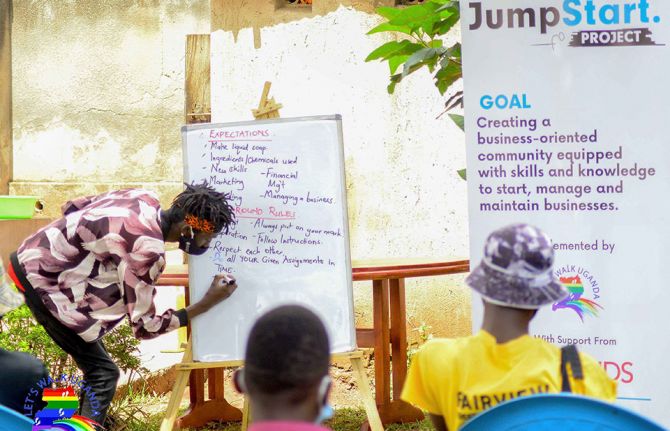
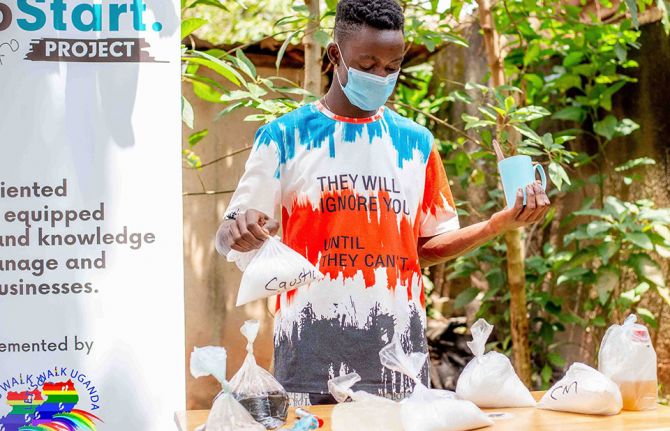
Let’s Walk Uganda (LWU) was established to support gay men and other men who have sex with men facing discrimination and marginalization, which has been enhanced by the impact of the COVID-19 pandemic. To improve living standards, create more sustainable economic revenue mechanisms and reduce exposure to harmful practices, LWU started its Jump Start Project, which aims at creating a business-oriented community of 20 gay men and other men who have sex with men living in three urban slums in Kampala equipped with the necessary skills to start, manage and maintain a social business. They will be engaged in fashion and design, handicraft and liquid soap production training and will be helped to set up sustainable small social enterprises. “In addition to entrepreneurial skills, we recognize that it is important to nurture financial literacy and inclusion among men who have sex with men. Therefore, LWU will also support the set-up of small savings and investment groups to improve access to group loans and savings to ensure the sustainability of these enterprises,” said Ndawula Eric, the Executive Director of LWU.
Hope for Future Generations, Ghana
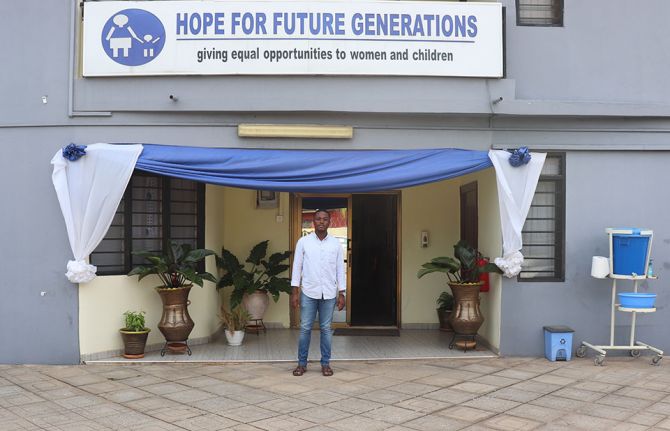
Using a strategic amalgamation of empowerment, a rights-based approach and innovative participatory strategies, Hope for Future Generations (HFFG) has facilitated and worked towards improving the health, education and socioeconomic status of women, children and young people in Ghana since 2001. Through a specially constituted youth network under its purview called the Young Health Advocates Ghana (YHAG), HFFG empowers young people living with HIV to use their voices in advocacy for their rights and to build their entrepreneurship capacity. “Our social enterprises will be developed, led and sustained by young people living with HIV and young female sex workers. It is great to see ideas such as a greenhouse farm and a fashion design enterprise come to life from this network of young people,” said Cecilia Lodonu-Senoo, the founder and Executive Director of HFFG. The enterprises established will be specially designed to promote leadership, equitable employment and income-generation opportunities to fellow members of the YHAG community.
Community organizations and their networks require sustainable resources and technical support to be able to continue to play their roles, scale innovative community-led solutions, create sustainable revenue mechanisms and reduce widening inequalities. As grant-implementation efforts are under way, UNAIDS is working closely with community networks and partners such as UNICEF and Social Alpha to create and provide tailored support around capacity development and mentoring to the social entrepreneurs.
The complete list of grantees of the UNAIDS Solidarity Fund is:
- Aastha Parivaar, India.
- Alliance of Women Advocating for Change, Uganda.
- Asha Darpan, India.
- Associação de Apoio e Amparo as Pessoas Vivendo com HIV/AIDS do Estado do Espírito Santo, Brazil.
- Associação Social Anglicana de Solidariedade do Cerrado, Brazil.
- Fikambanana Vehivavy Miavo-Tena eto Madagasikara, Madagascar.
- Gaurav Trust, La Beauté & Style, India.
- Grupo de Trabalhos em Prevenção Posithivo, Brazil.
- Health and Rights Initiative, Uganda.
- Hope Alliance Foundation and OHF Initiative, Ghana.
- Hope for Future Generations, Ghana.
- Lady Mermaid, Women-Up Social Enterprises, Uganda.
- Let's Walk Uganda, Uganda.
- Movimento Nacional das Cidadãs Posithivas, Brazil.
- Nachbaja.com, India.
- Réseau Association des Femmes Samaritaines, Madagascar.
- Simma Africa Creative Arts Foundation, Uganda.
- Solidarity Foundation and Navajeevana Sanghatane, India.
- Thozi, India.
- Tranz Network Uganda, Uganda.
- Uganda Harm Reduction Network, Uganda.
- Usha Multipurpose Cooperative Society Limited, India.
- Vijana Na Children Foundation, Uganda.
- Women of Dignity Alliance, Ghana.
Our work
Feature Story
The humanitarian activist supporting Venezuelan migrants living with HIV in Brazil
23 August 2021
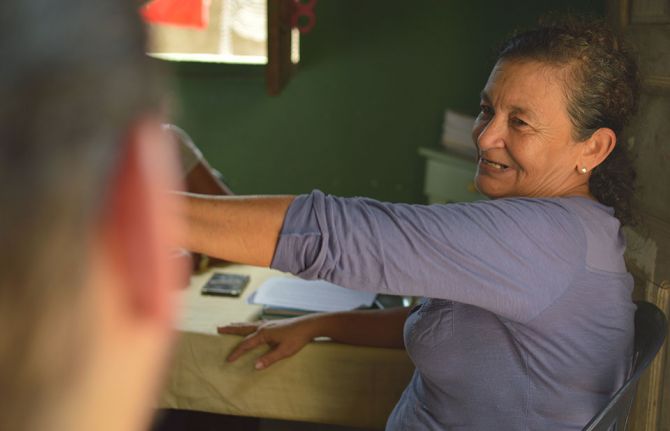
23 August 2021 23 August 2021Nilsa Hernandez, 62, used to work as an informal greengrocer in Venezuela to help increase her family income and provide for her children, grandchildren and great-grandchildren. As a person living with HIV for 16 years, Nilsa had managed to reduce her viral load to undetectable until everything changed suddenly when the political-economic crisis took hold in Venezuela. Health services were severely affected and people living with HIV gradually lost access to regular care, treatment and medication.
"I went about two years without access to treatment. My body started to feel the consequences and I realized that I needed to do something urgently. It was a live or die situation, and I decided to live!", remembers Nilsa.
Nilsa crossed the border and emigrated to Brazil, where HIV treatment is available to everyone through the public health system. It took her a year to prepare for the journey. In 2018, she arrived in Roraima, the Brazilian state bordering Venezuela, with her partner, who also lived with HIV, and her 12-year-old grandson.
They ended up in the streets after suffering all kinds of discrimination and violence. Thanks to the support of people she met, she finally managed to rent a small house in the outskirts of Rio Branco, the capital of Roraima, and resume her HIV treatment. As soon as she recovered immunity, she had no doubt: it was time to become an activist and create Valientes por la Vida (Brave for Life), a voluntary initiative to support other Venezuelans living with HIV who, like her, arrived in Brazil with scarce resources and little information.
"We are brave because it takes a lot of courage to leave your country, often with only the things we had to hand, in search of treatment and in search of life."
Today, as a humanitarian activist, Nilsa has mobilized a network of other Valientes who joined her to spread the word about the arrival of new Venezuelan migrants in search of HIV treatment.
The COVID-19 pandemic has severely affected this process, especially when the borders between Brazil and Venezuela were closed in March 2020. “The closure made it very difficult for my compatriots to access HIV treatment that could save their lives. With the reopening of the border, we are now putting these services back on track."
According to the 2020 Annual Report on Epidemiology issued by the state of Roraima’s medical authority, in the years 2018 and 2019, a combined total of 1,137 cases of HIV/AIDS were reported in the state. Among the foreign population, migrants from Venezuela represent the most significant number of the combined HIV/AIDS cases for the same period: 383 people.
Just like Nilsa, many of the Venezuelan people living with HIV migrate to Brazil in search of access to HIV treatment that they are no longer able to have in many parts of the country. In this context, UNAIDS established a partnership with UNESCO in December 2020 in a joint, collaborative and intersectoral strategy to grant Venezuelan migrants access to health education, prevention, and health promotion, and to support the responses of Roraima to HIV and COVID-19.
Claudia Velasquez, UNAIDS Representative and Country Director in Brazil, explains that the proposal is to reduce prejudice, stigma and discrimination related to migrants and refugees, and more vulnerable populations, such as sex workers and LGBTQIA+ population, youth and indigenous peoples.
"We want to promote the empowerment of vulnerable populations through the dissemination of information about HIV and the rights of people living with HIV”, says Ms. Velasquez. “Nilsa Hernandez is an example of a humanitarian activist. And people like her, who are Brave for Life, show the enormous impact that civil society's mobilization has on supporting and welcoming people living with HIV and on the efforts to face stigma and discrimination, which enhance the inequalities that prevent us from ending the AIDS pandemic by 2030."
For the future, Nilsa's dream is for Valientes por la Vida to become an international organization, with volunteers dedicated to supporting people living with HIV to have access to treatment and a healthy life. "I also want people to stop seeing us as HIV positive. This creates a horrible stigma that weighs on us all. We are not HIV positive. We are brave and impatient because we are in a hurry to live like everyone else."
Feature Story
Defending rights and overcoming fear in Kyrgyzstan
10 August 2021
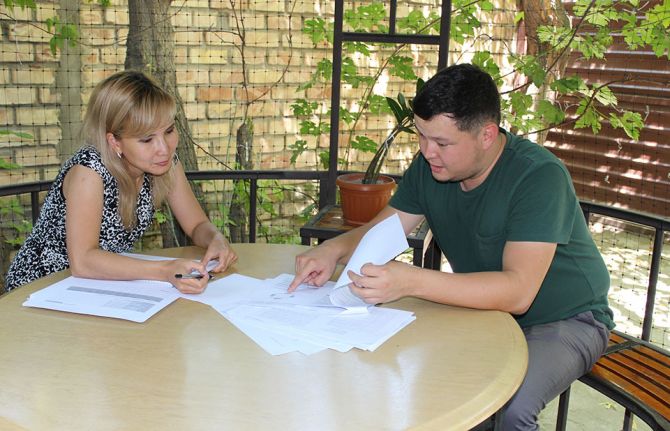
10 August 2021 10 August 2021"I was a drug user for 16 years – I know how society pressures you and puts you in a tight corner… Some people can’t get a passport, some don't have a place to live, some don't take antiretroviral drugs because they continue using drugs... It is impossible to break out of this terrible circle without outside help,” recalls Evgeny Yuldashev, a social worker and HIV peer counsellor in Kyrgyzstan.
Currently, he provides HIV prevention and care services to vulnerable groups of people, including people who use drugs.
"There are former prisoners living with HIV who lost their rights to housing while they were serving their sentences”, says Mr Yuldashev. “Some are migrant workers living with HIV who were deported and now have no idea where to start again. It is not easy for sex workers who are constantly subjected to illegal detention. They all need HIV services and they all need support in getting their rights back.”
This coercive legal environment and the violence experienced by key populations impacts the HIV epidemic in Kyrgyzstan because fear stops people from seeking and adhering to HIV prevention, treatment, care and support services.
Ainura Osmonalieva is a lawyer and deputy director of Adilet, the largest human rights and legal services organization in Kyrgyzstan. She says that people are not always ready to defend their rights even when they are told it’s possible.
"We have been providing legal services to key populations free of charge for over fifteen years. Still, there are cases when people from communities come to us, we prepare documents to submit to the court, but at some stage, the person disappears or tells us that he is afraid of the consequences and refuses to take further steps. They may experience tremendous pressure if they decide to go to trial. The main reason in my opinion is the high level of stigma and discrimination that exists in society. "
But when all players are ready to fight till the very end, there can be dramatic change.
With the help of Adilet's lawyers, Kyrgyz' activists managed to remove the barrier to parenting for people living with HIV in the country, which had been in effect for many years. As a result, the Country's Constitutional Court excluded HIV from the list of diseases that prevent people from adopting children or becoming guardians or foster parents.
It took lawyers four years and hundreds of hours of analytical work on the conventions, agreements and declarations ratified by Kyrgyzstan for the Constitutional Court to finally decide the issue.
"We collected the evidence base, then a plaintiff came forward and we were able to file a lawsuit on their behalf," says Ms Osmonalieva.
In July 2021, adolescents living with HIV in Kyrgyzstan who were infected in state medical institutions between 2006—2009 filed lawsuits against the state for compensation for moral damage. Families who had battled for justice for more than a decade were given hope when lawyers won a case and a child was awarded $23,000 in compensation.
The Public Foundation "Positive Dialogue" is another non-governmental human rights organization in the south of the country that provides free legal assistance to vulnerable groups.
"We work closely with the Republican AIDS Center and the Osh Regional AIDS Center to monitor the situation regarding patients' rights, including patients who are in prisons, and conduct assessments of the legal environment to understand what legal norms can be applied," says lawyer Arsen Ambaryan.
According to Mr Ambaryan, all players - state bodies, nongovernmental organizations, and human rights defenders must work as a team to eliminate the legal barriers that still exist in the country.
New global targets for 2025 put a special emphasis on creating the enabling environment for ending AIDS, identified in the 10-10-10 targets: that less than 10% of countries have punitive legal and policy conditions that prohibit or restrict access to services; less than 10% of key populations and people living with HIV face discrimination and stigma; and less than 10% of women, girls, people living with HIV and key populations face violence and gender inequality.
“Kyrgyzstan has a lot of work ahead,” says UNAIDS country director, Meerim Sarybaeva. “It will require consistency from all sides and UNAIDS stands ready to provide any support required in this important area."
Video: Evgeny Yuldashev, a social worker and HIV peer counsellor in Kyrgyzstan, answers questions on how we can protect people who inject drugs
Our work
Region/country
Related
 Women, HIV, and war: a triple burden
12 September 2025

Feature Story
UNAIDS strongly supports calls for the rejection of draft law targeting LGBTI people in Ghana
12 August 2021
12 August 2021 12 August 2021UNAIDS fully backs calls made today by an eminent group of United Nations experts that Ghana should reject a proposed “family values bill” that targets the country’s lesbian, gay, bisexual, transgender and intersex community.
After analyzing the draft legislation, the independent experts appointed by the United Nations Human Rights Council concluded that adopting the legislation in its current or any partial form would be tantamount to a violation of a number of human rights standards, including the absolute prohibition of torture.
The experts said that the proposed law seeks to establish a system of State-sponsored discrimination and violence against the LGBTI community.
UNAIDS has already called for the law to be rejected as a gross violation of human rights. It has also warned that the legislation would be a grave setback for the HIV response in driving vulnerable people further away from essential HIV treatment, care and prevention services.
Ghana: Anti-LGBTI draft bill a “recipe for violence” – UN experts
GENEVA, 12 August 2021 — UN human rights experts* urged Ghana’s Government to reject a proposed ‘family values’ bill, saying it seeks to establish a system of State-sponsored discrimination and violence against the LGBTI community. The first reading of the bill took place on 2 August 2021, and its consideration is expected to resume in October 2021.
“The draft legislation argues that any person who deviates from an arbitrary standard of sexual orientation or gender identity is immediately to be considered dangerous, sick or anti-social,” said the experts. “Such laws are a textbook example of discrimination.
“The proposed law promotes deeply harmful practices that amount to ill-treatment and are conducive to torture, such as so-called ‘conversion therapy’ and other heinous violations like unecessary medical procedures on intersex children, and so-called corrective rape for women,” they added.
The independent experts, appointed by the Human Rights Council, presented an analysis of the draft bill to the Ghanaian Government, concluding that adopting the legislation in its current or any partial form would be tantamount to a violation of a number of human rights standards, including the absolute prohibition of torture.
For example, attempts to prevent human rights defenders from organising themselves to defend LGBTI people, and the absolute prohibition of public debate on sexual orientation and gender identity, raises grave concerns about rights to freedom of opinion and expression, and of association. Moreover, the bill in question would essentially legitimize the above instances of violence against LBTI women and reinforce existing gender stereotypes and discrimination against women, which are both cause and consequence of violence against women and girls.
“The consideration of this legislation is deeply perplexing in a country that has been regarded as a champion of democracy in Africa, with an impressive record of achieving certain Millennium Development Goals by 2015,” they said. They cited specific concerns about the MDG goals on health, education, employment, housing and gender justice.
“The draft legislation appears to be the result of a deep loathing toward the LGBTI community. It will not only criminalise LGBTI people, but anyone who supports their human rights, shows sympathy to them or is even remotely associated with them.
“Given that LGBTI people are present in every family and every community it is not very difficult to imagine how, if it were to be adopted, this legislation could create a recipe for conflict and violence.”
ENDS
*The experts: Victor Madrigal-Borloz, Independent Expert on protection against violence and discrimination based on sexual orientation and gender identity; Reem Alsalem, Special Rapporteur on violence against women, its causes and consequences; Koumbou Boly Barry, Special Rapporteur on the right to education; Irene Khan; Special Rapporteur on the promotion and protection of the right to freedom of expression; Mary Lawlor, Special Rapporteur on the situation of human rights defenders; Nils Melzer, Special Rapporteur on Torture and other Cruel, Inhuman or Degrading Treatment or Punishment; Tlaleng Mofokeng, Special Rapporteur on the right of everyone to the enjoyment of the highest attainable standard of physical and mental health; Elina Steinerte (Chair-Rapporteur), Miriam Estrada-Castillo (Vice-chairperson), Leigh Toomey, Mumba Malila, Priya Gopalan, Working Group on arbitrary detention Clément Nyaletsossi Voule, Special Rapporteur on Rights to Freedom of Peaceful Assembly and Association
The Special Rapporteurs, Independent Experts and Working Groups are part of what is known as the Special Procedures of the Human Rights Council. Special Procedures, the largest body of independent experts in the UN Human Rights system, is the general name of the Council's independent fact-finding and monitoring mechanisms that address either specific country situations or thematic issues in all parts of the world. Special Procedures' experts work on a voluntary basis; they are not UN staff and do not receive a salary for their work. They are independent from any government or organization and serve in their individual capacity.
UN Human Rights, country page: Ghana
For more information and media requests please contact Catherine de Preux De Baets (+41 22 917 93 27/ cdepreuxdebaets@ohchr.org) or write to ie-sogi@ohchr.org
For media enquiries regarding other UN independent experts, please contact Renato de Souza (+41 22 928 9855 / rrosariodesouza@ohchr.org).
Follow news related to the UN's independent human rights experts on Twitter @UN_SPExperts.
Our work
Region/country



Feature Story
We must scale up support for an HIV response led by young people in eastern Europe and central Asia
27 July 2021
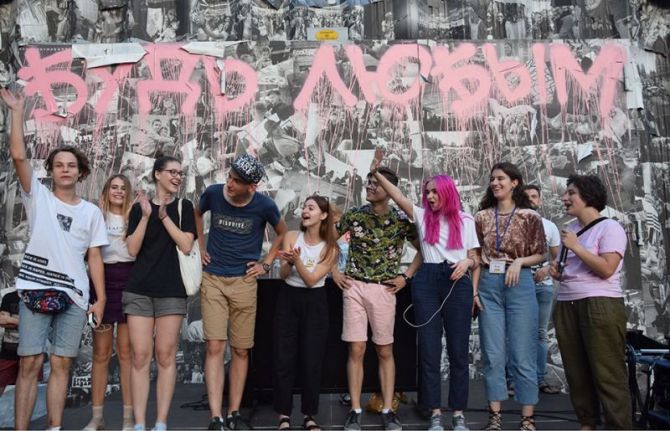
27 July 2021 27 July 2021“We are demanding that you step up and finally do your part,” said Yana Panfilova, a young female activist from Ukraine who is living with HIV, at the United Nations High-Level Meeting on AIDS in June 2021.
A leader of the regional adolescent-led movement Teenergizer, she emphasized the vulnerability of young people to HIV and the need to provide care and support to adolescents living with HIV and she called on world leaders to keep young people at the forefront of the AIDS response.
“If we are going to make real change, these four things must become a reality: comprehensive sexuality education in all schools, in all countries; psychosocial support and peer support for every adolescent with HIV and young key populations; community-led HIV services immediately as the reality, not the exception; and an HIV vaccine and a functional cure,” Ms Panfilova added.
All these recommendations are critical in eastern Europe and central Asia, which is facing the world’s fastest growing HIV epidemic. At end of 2020, there were 60 000 young people aged 15–24 years living with HIV in the region. Many young people remain unaware of their HIV status, and late HIV diagnosis remains a significant challenge in the region.
There are multiple barriers and obstacles in almost all countries in eastern Europe and central Asia for adolescents and young people to access HIV services and care. In many countries there is an absence of adolescent-centred HIV testing and counselling, there are requirements for parental consent for HIV services, there is a lack of access to modern contraceptives and there are confidentiality issues and stigma and discrimination. Harmful norms, taboos related to sexual and reproductive health, inequalities, gender-based violence, COVID-19-related obstacles and mental health problems are further barriers to access to HIV services.
Although significant progress has been achieved over the past 30 years in providing adolescents and young people in eastern Europe and central Asia with access to sexual education and other services, the level of knowledge about HIV prevention among people aged 15–24 years in the region remains low—as low as less than 3% in Tajikistan.
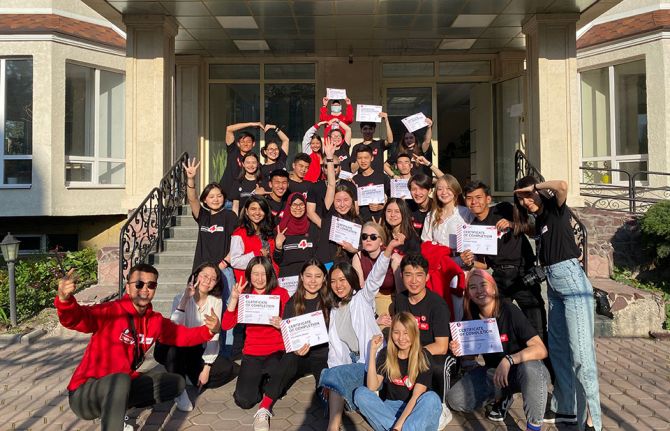
Different approaches have been used by civil society and community-led organizations to reach young people who are vulnerable to HIV. For example, the Dance4life project in Belarus, Kyrgyzstan, Kazakhstan, the Republic of Moldova, the Russian Federation and Ukraine reaches vulnerable young people with the Journey4Life Programme (J4L). J4L helps adolescents aged 14–18 years develop healthy interpersonal relationships that are free from violence and coercion and based on respect for gender equality and teaches them how to maintain their sexual and reproductive health, focusing on the prevention of HIV, unplanned pregnancy and sexually transmitted infections. It aims to reach 1400 young people by the end of 2021 in Kazakhstan and Kyrgyzstan, with support from UNAIDS and the United Nations Educational, Scientific and Cultural Organization.
A recent survey among adolescents run by Teenergizer showed that the availability of HIV treatment for adolescents is not enough to keep them alive. Treatment interruption is a significant reason why adolescents continue to die in the region. According to the survey, HIV-related fears, psychological vulnerability, treatment fatigue and stigma are significant risk factors for treatment interruption among adolescents. The survey noted that they need support from their peers, communities and doctors, and they often need professional psychological help.
In her United Nations High-Level Meeting on AIDS speech, Yana Panfilova remembered Diana, who recently died of an AIDS-related illness. “This year, I was angry when we lost Diana. She was only 19, born with HIV. But she had pills that were impossible to take, no mental health support and no confidentiality. Like millions of people with HIV, she was killed by inequalities. Millions of people with HIV may have HIV pills, but they live in a world where their families and their societies do not accept them for who they are.”
Svetlana Izambayeva, who organizes It’s simple! summer camps for children and adolescents living with HIV in the region, explained that adolescents living with HIV are often socially isolated and lonely—they are scared to talk about their diagnosis and fear for their future. The camp’s attendees receive psychological care and support, create networks and support others.
“We need more political leadership, more data on adolescents and young people, more programmes to address the gaps and more funds for the youth response. But here in the region we already have a growing movement of adolescent and young leaders which we must nurture, fund and further support,” said Lena Kiryushina, the UNAIDS Youth Officer for eastern Europe and central Asia.
Our work
Region/country
- Eastern Europe and Central Asia
- Albania
- Armenia
- Azerbaijan
- Belarus
- Bosnia and Herzegovina
- Bulgaria
- Croatia
- Cyprus
- Czechia
- Estonia
- Georgia
- Hungary
- Kazakhstan
- Kyrgyzstan
- Latvia
- Lithuania
- Montenegro
- Poland
- Republic of Moldova
- Romania
- Russian Federation
- Serbia
- Slovakia
- Slovenia
- Tajikistan
- North Macedonia
- Türkiye
- Turkmenistan
- Ukraine
- Uzbekistan