



Feature Story
ArtPositive—art to raise awareness around HIV-related stigma and discrimination
01 October 2021
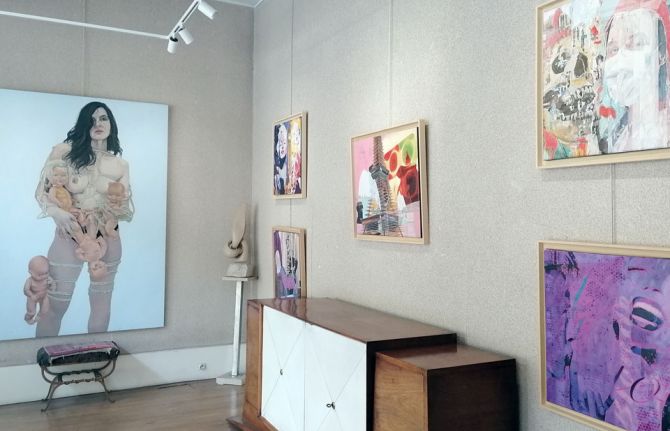
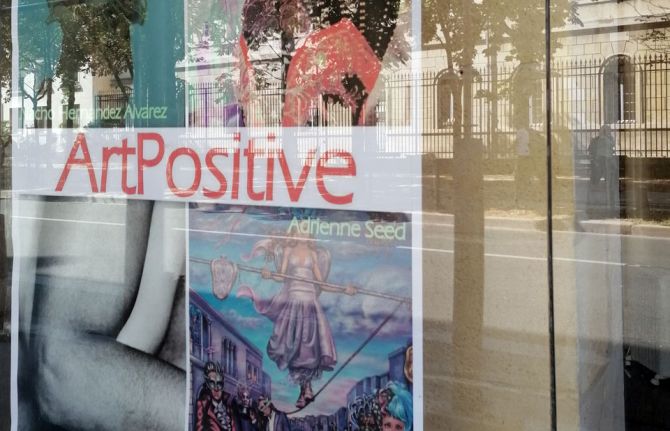
01 October 2021 01 October 2021The Gallery Marie de Holmsky, in the heart of Paris, recently hosted the ArtPositive exhibition, an artistic project by visual artists living with HIV. The initiative aimed to use art as a tool to tackle the stigma, discrimination and isolation that people living with HIV still face.
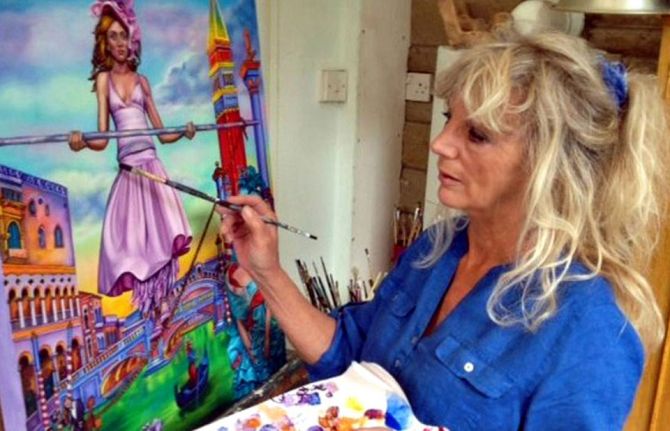
ArtPositive featured works by visual artists Boré Ivanoff, Adrienne Seed and Nacho Hernandez Alvarez and by photographer Philipp Spiegel.
“We want to remind the world that AIDS is not a thing of the past. We want to remind everyone that all people living with HIV, even though thanks to advances in science they are not as threatened by death as they used to be years ago, today still face extremely cruel and unfair stigma, isolation and even discrimination,” said Mr Ivanoff. “I am convinced that art is the best way to overcome any stigma, isolation and discrimination based on differences and health status.”
About two years ago, after Mr Ivanoff, a Bulgarian-born Parisian artist, decided to make his HIV status public he received many messages of solidarity and support, but some close friends distanced themselves from him. “But this fact convinced me even more that I must continue to fight to open people’s eyes and to overcome this hypocritical way of thinking and treating people who have dared to reveal their HIV status,” he said. He emphasized that along with the creation of art, advocacy and activism are the only things that keep him in some psychological stability and give some existential impulse and a sense of doing something really important and useful for the good of humanity.
Adrienne Seed, an artist, writer, sculptor and HIV activist from Manchester, United Kingdom, who has been living with HIV for almost 10 years, recalled, “Back then, there were very few women speaking openly about living with HIV. I began to speak out via my website, via the media and, of course, via my art.”
“People living with HIV also live with stigma. We are judged by society and we are seemed to deserve some kind of punishment,” said José Manuel González Peeters, an artist living with HIV from Barcelona, Spain.
Philipp Spiegel, a photographer living with HIV from Vienna, Austria, explained that his work is part of a long-term project entitled The Privilege of Intimacy. “My HIV diagnosis stripped me of my feeling of intimacy for a long time; something that was once so natural to me had been taken away, after which I had to embark on a journey to rediscover what intimacy means to me, and to learn to appreciate it even more,” he said. “Reflecting upon this, I realized the absence of intimacy is more widespread than I had thought. Not only people living with HIV, but all people who live in fear of being ostracized or stigmatized for a wide range of reasons. Single mothers, LGBTQ+ people in certain environments or anyone who feels they need to hide out of societal reasons.”
“We, the artists living with HIV would like to express our sincere gratitude to all our official partners and all media around the world who have helped us popularize our cause, the fight against HIV stigma and the awareness that AIDS is not over yet,” said Mr Ivanoff, speaking on behalf of all the participants of ArtPositive.
“Stigma and discrimination results in people being treated differently, excluded from essential services or being subject to undue restrictions on how they live their lives, simply because of who they are. It is great to see how a community of artists living with HIV uses art as a medium to raise awareness and to challenge the drivers of stigma and discrimination among the wider public,” said Laurel Sprague, UNAIDS Special Adviser for Community Mobilization.
Region/country
Feature Story
Multicountry People Living with HIV Stigma Index 2.0 study launched in Latin America
05 October 2021
05 October 2021 05 October 2021The Latin America and Caribbean region has deep and widespread inequalities and includes countries that are more unequal than those in other regions with similar levels of development. This affects access to health and HIV services, particularly by key populations. Social and structural barriers are important drivers of inequalities.
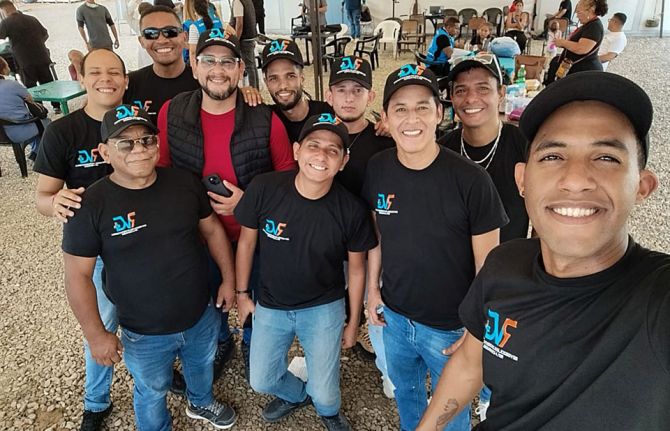
To understand these social and structural barriers better, Alianza Liderazgo Positivo y Poblaciones Clave (ALEP) is leading the multicountry People Living with HIV Stigma Index 2.0 study in four countries in the region: the Plurinational State of Bolivia, Ecuador, Peru and Nicaragua. Another five similar studies funded by the Global Fund to Fight AIDS, Tuberculosis and Malaria (Global Fund) and in coordination with civil society, the United States President’s Emergency Plan for AIDS Relief, Global Fund principal recipients, the United Nations Population Fund and UNAIDS are independently under way in El Salvador, Honduras, Guatemala, Panama and Paraguay.
The results of the joint initiative are expected to strengthen regional and global efforts to eliminate HIV-related stigma and discrimination through community-centred policies and programmes that are informed by evidence.
“For the first time since the first People Living with HIV Stigma Index study in 2008, nine countries in the same region will be conducting the study in coordination and within the same time frame. This is unprecedented and will be instrumental in addressing HIV-related stigma and discrimination both at the country and regional level,” said Rodrigo Pascal, ALEP’s People Living with HIV Stigma Index 2.0 Study Coordinator.
The People Living with HIV Stigma Index 2.0 gathers evidence on how stigma and discrimination impacts the lives of people living with HIV, including key populations. It was developed to be used by and for people living with HIV, including key populations, and was created to support the principle of the greater involvement of people living with HIV, under which networks are empowered to lead the implementation of the study. The study is a first, as it is the first time that networks of people living with HIV have coordinated action with networks of key populations to promote human rights and access to comprehensive and differentiated HIV care in Latin America.
“The motivation I have is to be part of the solution regarding the challenges imposed by stigma and discrimination, which are the main problems we, people living with HIV, are confronting since the beginning of the epidemic,” said HIV activist Gracia Violeta Ross Quiroga, who is coordinating the implementation of the stigma index study in the Plurinational State of Bolivia. “I have hope in this research because it is coming from the community, and such responses have proved to be the most effective in the history of HIV.”
ALEP is an innovative effort that combines the leadership, vision, capacities and strengths of regional networks in the Plurinational State of Bolivia, Colombia, Costa Rica, Ecuador, El Salvador, Guatemala, Honduras, Nicaragua, Panama, Paraguay and Peru. It works in partnership with Country Coordinating Mechanisms where there is a Global Fund programme in place, UNAIDS and the Pan American Health Organization.
“This is a solid example of how peers are contributing to their own communities while tackling key intersecting issues, such as human rights, stigma and discrimination, and other structural barriers. It’s essentially by communities, for communities,” said Guillermo Marquez, the Senior Community Support Adviser for the UNAIDS Regional Support Team for Latin America and the Caribbean.
Watch launch event (in Spanish)
Follow ALEP’s updates on the multi-country Stigma Index 2.0 initiative
Watch launch event (in Spanish)
Feature Story
Don’t be silent on gender-based violence
04 October 2021
04 October 2021 04 October 2021Larisa Aleksandrova is a legal expert at the Center for Human Rights and has been protecting the rights of women living with HIV in Tajikistan since 2011.
For the past few months, she has been helping a lawyer to open a criminal case against a man who attacked his wife, Amina Khaidyrova (not her real name), and repeatedly threatened to rape her daughter from her first marriage. The prosecutor's office has so far refused to open the case, considering it a private family matter. According to the prosecutor’s office, if there are only minor injuries, the victim must seek to open a criminal case against the attacker by filing an application to the court by herself. The man is now in hiding and the prosecutor's office continues to refuse to open the case, now claiming that he cannot be found.
Ms Khaidyrova, who is living with HIV, will stop at nothing to get justice. She says that she has nothing to lose and fears for her life and the life of her daughter.
Ms Aleksandrova says that women who have been victims of violence often either do not report the assault to the police or withdraw the allegation, fearing the consequences. She says that women don’t report violence for a variety of reasons—some want to keep their family together, no matter what, others do not want publicity, but the majority are afraid of finding themselves without economic support, since women in Tajikistan are often economically dependent on their husbands.
“In general, women are ready to endure. And women living with HIV are even more willing to endure,” said Ms Aleksandrova.
She emphasized that there were rare cases when women living with HIV have sought help, but fear of disclosure of HIV status, stigma and discrimination, lack of support from family and friends, the vulnerability of people living with HIV because of the criminalization of HIV transmission, legal illiteracy and insecurity prevent women from asserting their rights in court.
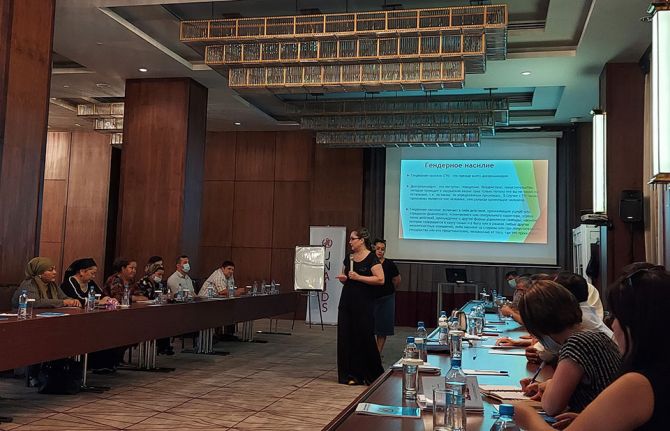
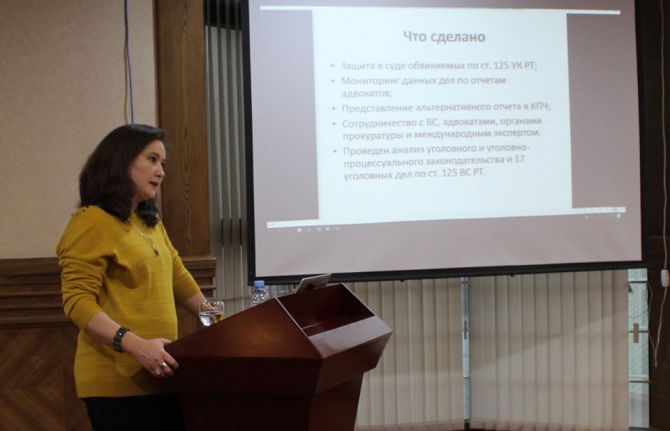
Speaking at a training jointly organized by UNAIDS, the United Nations Development Programme and the United Nations Office on Drugs and Crime for 35 representatives of nongovernmental organizations working on human rights and gender-based violence prevention, Ms Aleksandrova presented the legal norms governing the legal status of people living with HIV. She also discussed the criminal legislation of the country on HIV, international and national standards for the protection of women’s rights and sexual and gender-based violence and mechanisms for the protection of women living with HIV who are victims of violence.
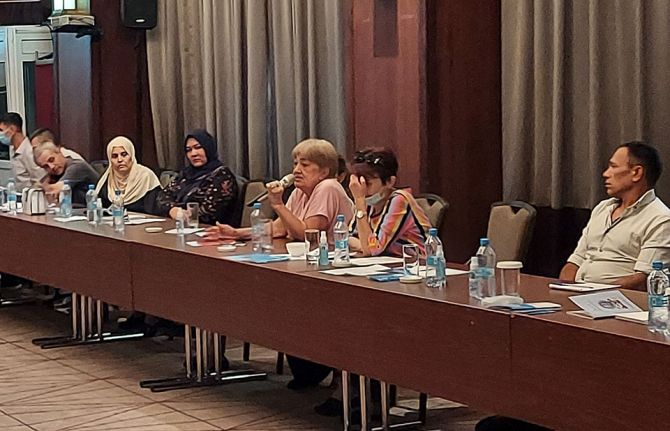
The participants analysed cases related to sexual and gender-based violence against women, reviewed and worked out strategies for prosecuting such cases and gave practical advice on strategies for dealing with gender-based violence. According to the participants, such training for nongovernmental organizations in Tajikistan is crucial if they are to reach more women, particularly women living with HIV.
“Community-based monitoring of violations of the rights of people living with HIV and their ability to access confidential HIV services is an important component of community empowerment to speak up and raise questions about the root causes that drive the spread of various forms of violence. These problems can only be resolved if communities are literate in the field of civil and international human rights and are ready to stand up for their rights and seek the proper implementation of the law against domestic violence,” said Nisso Kasymova, the UNAIDS Country Manager for Tajikistan.
Ms Aleksandrova believes that legal literacy is critical, but it is insufficient to solve the problem. She said that if a woman is economically dependent, she will not use her legal knowledge. “I always say that women need to be given confidence in the future, the confidence that they will not be thrown out into the street, that they will be able to protect themselves, they will be supported and they will be able to live on and realize themselves in life.” But you need to start small, she added, “Do not be silent, talk about the problem, demand and defend your right to life, health and economic independence.”
Region/country
Related
Feature Story
Launch of advocacy explainers on western Africa model drug law
28 September 2021
28 September 2021 28 September 2021Since the West Africa Commission on Drugs launched a groundbreaking model drug law in 2018, civil society across the region and beyond has been engaging stakeholders on the need to use the model law as a blueprint for national reform.
The model drug law promotes, among other things, the availability of harm reduction services as well as the decriminalization of possession of drugs for personal use, which have long been called for by UNAIDS.
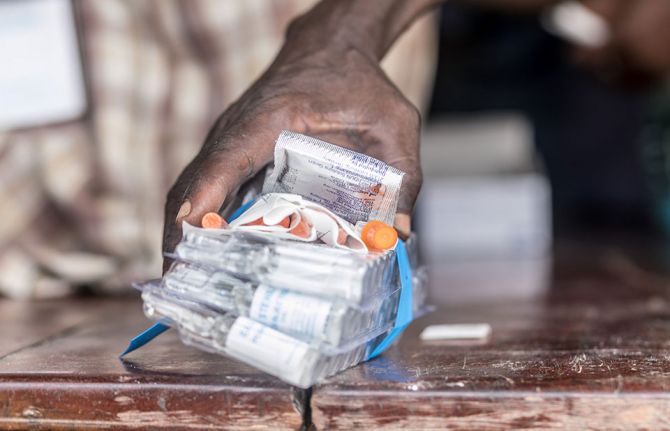
As the model drug law is, by design, a long and technical document, UNAIDS supported the West Africa Drug Policy Network and the International Drug Policy Consortium to develop and disseminate two important new tools for civil society: a shorter and more accessible resource that summarizes the key points of the model drug law and a short guide for local nongovernmental organizations to explore how to use the model drug law in their work. In other words, the first advocacy explainer is about the key “ingredients” of the model drug law and the second contains a list of methods and strategies on how to use these ingredients to better integrate the law in their advocacy and to advance drug policy reform, based on experiences from the region.
The documents were launched on 27 September during a virtual webinar live on Facebook and can be found in English, French and Portuguese at https://www.wadpn.org/resources.
“These new tools will directly support and empower civil society advocacy for more health- and rights-based drug policies in western Africa and, in turn, strengthen the response to HIV among people who use drugs,” said Patrick Brenny, the Director of the UNAIDS Regional Support Team for West and Central Africa.
Adeolu Ogunrombi, a West Africa Commission on Drugs Commissioner, underlined that the needs and demands for drug dependence treatment and harm reduction are high, but service provision is low in the region, and specified that the law provides guidance on this. He also noted that criminalizing the possession of equipment and materials, such as needles, syringes and other paraphernalia, has been demonstrated to undermine harm reduction service provision and uptake and to have a damaging impact on public health.
A case study was presented by Chinwike Okereke, a civil society organization representative and focal point for the West Africa Commission on Drugs in Nigeria, on the use of the model drug law. In 2020, a coalition of civil society organizations made presentations on the model drug law to key policymakers, including the Federal Ministry of Justice, the Drug Law Reform Commission and the National Drug Law Enforcement Agency. “The model drug law presented an opportunity to have face-to-face discussions and drive a buzz on the reform that led to a drug law reform round table where all key federal, criminal justice and state actors and civil society made a case for the adoption of the law as a template for reform,” he said. Further engagement with the Drug Law Reform Commission then led to the setting-up of a working group that is actively working on reshaping drug laws in the country. He also encouraged civil society to use the new explainers and urged technical and funding partners to invest more funding for this effort across western Africa, as law reform takes some time to achieve.
Our work

Feature Story
Partnering to get back on track to end AIDS by 2030
24 September 2021
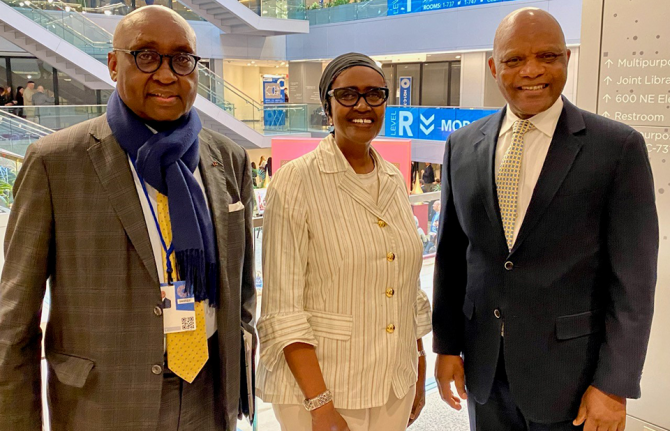
24 September 2021 24 September 2021UNAIDS, the United States President’s Emergency Plan for AIDS Relief (PEPFAR) and the Global Fund to Fight AIDS, Tuberculosis and Malaria (Global Fund) came together this week to co-host an event on the powerful partnership between the three organizations, countries and communities. The event, held on the sidelines of the 76th session of the United Nations General Assembly, highlighted the millions of lives saved through the partnership but warned that COVID-19 has hit hard and risks derailing efforts to end AIDS by 2030.
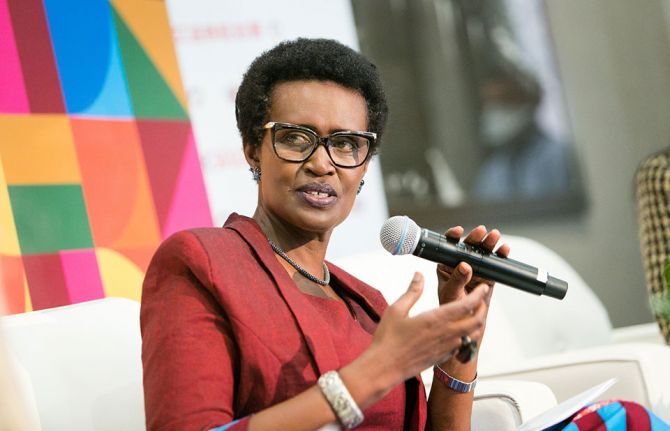
“We are in one of the most challenging moments in the history of HIV and global health,” said Winnie Byanyima, the Executive Director of UNAIDS. “We must act urgently. Our partnerships are strong and flexible and we must use what we have learned together to prevent a resurgent AIDS pandemic, to end inequalities and to tackle COVID-19.”
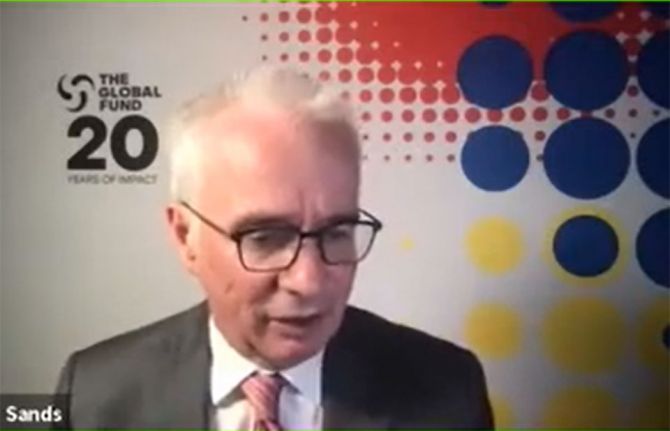
COVID-19 has had a hugely damaging impact on HIV services over the past 18 months. Peter Sands, the Executive Director of the Global Fund, said that the number of mothers receiving prevention of mother-to-child transmission of HIV services dropped by 4.5%, the number of people reached with HIV prevention programmes declined by 11%, HIV testing declined by 22% and voluntary medical male circumcision for HIV prevention dropped by 27%. “We were off track against our targets before COVID-19 hit and COVID-19 has knocked us further off track,” he said. “It’s going to be incredibly difficult to get fully back on track on HIV until we have got on top of COVID-19.”
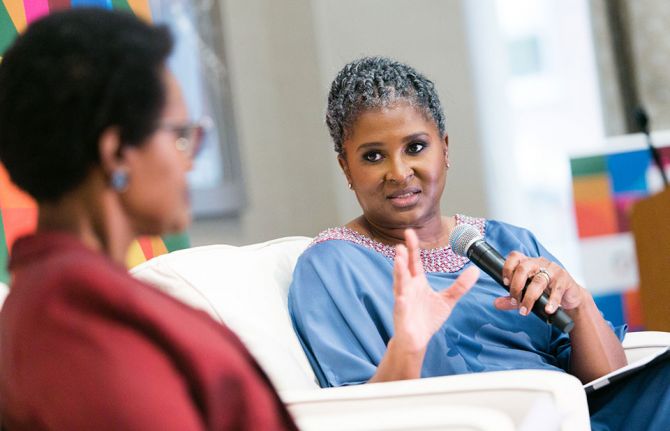
Widening inequalities due to COVID-19 were highlighted by the First Lady of Namibia, Monica Geingos, who joined Ms Byanyima in a live discussion from New York, United States of America. “After lockdown we are seeing a doubling of adolescent pregnancy rates, and we are assuming that new HIV infections among 15–24-year-olds will also increase,” she said. “When you remove children from a school environment, when you remove sex education you compromise education outcomes.” UNAIDS data show that if girls complete secondary education, it can reduce their risk of HIV infection by up to half in some countries.
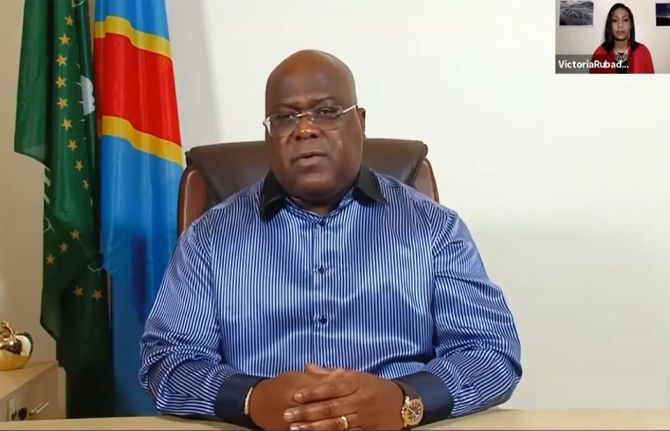
Felix-Antoine Tshisekedi Tshilombo, the President of the Democratic Republic of the Congo and Chair of the African Union, joined the event with a powerful video message, saying, “We have been fighting HIV for 40 years and our successes and failures have taught us that we cannot conquer a pandemic without ending inequalities, promoting people-centred approaches while respecting human rights.”
The need for strong and continued partnerships to tackle both HIV and COVID-19 was strongly emphasized. Angeli Achrekar, the Acting United States Global AIDS Coordinator, who joined the event live in New York, said, “Nothing is possible without partnership. The partnership we have with PEPFAR, the Global Fund and UNAIDS is absolutely essential because we work hand in hand with countries and communities, the private sector and multilateral organizations to make things happen.”
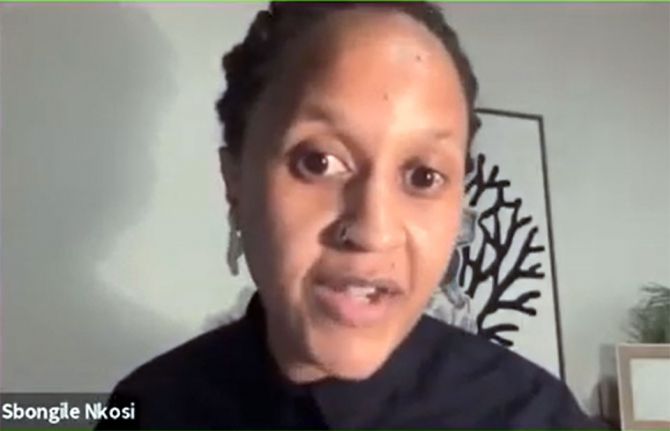
The speakers urged bold political leadership, global solidarity and strategic partnerships that engage the people most affected by HIV. “What we need from governments is that they know that without us they cannot reach communities and achieve the ambitious goals,” said Sbongile Nkosi, the Co-Executive Director of the Global Network of People Living with HIV, who joined live from South Africa. “Governments must understand that we are the best allies in the response. We know the struggle, we know the solutions and we are committed to ending AIDS.”
The event was held at a landmark moment, 40 years since the first AIDS cases were reported and at the 25th anniversary of UNAIDS and the 20th anniversary of the Global Fund. “Forty years ago, a new virus emerged and sparked the HIV/AIDS pandemic,” said Tedros Adhanom Ghebreyesus, the Director-General of the World Health Organization. “Life-saving medicines were developed but the world’s poorest had no access to them and addressing this dire crisis of inequity took more than a decade. The multisectoral efforts often led by communities of people living with or affected by HIV were supported by unprecedented levels of international assistance from UNAIDS, the Global Fund and PEPFAR. Since then, millions of lives have been saved.”
There have been major successes in stopping new HIV infections among children and reducing AIDS-related deaths, but despite a 59% decline in AIDS-related deaths among children between 2010 and 2020, Omar Abdi, the Deputy Executive Director of the United Nations Children’s Fund, stressed that much more needs to be done. Just 54% of children living with HIV were accessing HIV treatment in 2020, compared to 74% of adults. “Ending AIDS in children needs our collective action to link the 1.7 million children living with HIV globally to HIV treatment to keep them healthy and alive. That’s why we are proposing a global framework to drive commitment and catalyse global action to end paediatric AIDS,” he said.
Usha Rao-Monari, the Associate Administrator of the United Nations Development Programme, highlighted the inequalities preventing key populations from accessing HIV services. She said that HIV services for key populations are “uneven or entirely absent” and underscored that key populations and their sexual partners account for 65% of new HIV infections worldwide, and for 93% of infections outside of sub-Saharan Africa. “Our work is absolutely not done,” she said. “Gender and other intersecting inequalities as well as punitive and discriminatory laws make people more vulnerable to HIV and hinder access to services. We need to address the inequalities that for decades have fuelled the spread of HIV.”
The hybrid event was a mixture of in-person discussions from the live venue in New York, video messages and live video link-ups from around the world. It was moderated from Nairobi, Kenya, by award-winning journalist Victoria Rubadiri, with live moderation of in-person discussions in New York by Regan Hofmann, Director, a.i., of the UNAIDS Liaison Office in Washington, DC, United States.
Related

Feature Story
The first but not the last: Indonesian transgender man fights for recognition
29 September 2021
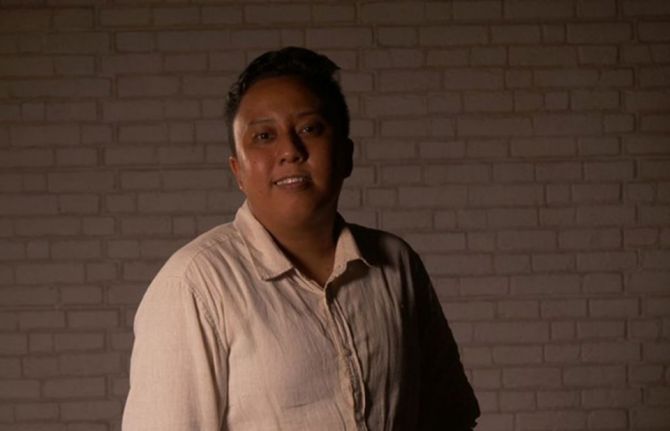
29 September 2021 29 September 2021“This is the name I identify with, and I was determined to have it recognized legally,” said Dimas Cahya (his real name isn’t used in this article), a transgender man from Medan, Indonesia.
Medan, a city of more than 2.4 million people, is a long way from Indonesia’s capital, Jakarta. In Jakarta and Java, Indonesia’s most populated island, many transgender people have successfully changed their legal name to match their gender identity. However, this had never been done in Medan. Similar to the rest of the country, Medan is conservative, with lesbian, gay, bisexual, transgender and intersex (LGBTI) people and issues deemed “immoral”. This was the challenge that Amek Adlian, the paralegal assigned to this case, had to face.
Mr Amek saw Mr Cahya’s strong will and determination and started on research on the process of legally changing one’s name. “I wanted to get all the steps right, from gathering the required documents to preparing for the court hearing. I used my connections to consult with friends who have gone through the process in Jakarta, and got some very useful tips,” he said.
Unfortunately, not everyone who was consulted was supportive or helpful. Mr Amek recalls meeting with a legal aid organization in Medan where Mr Cahya was asked invasive questions, leaving them feeling discouraged and ridiculed. “We reached out for legal advice, but instead we got judgements,” Mr Amek said.
Despite that, Mr Cahya’s determination never faded, and after more consultations with people in Jakarta, Mr Cahya and Mr Amek decided to go through with the court process to apply for the name change, citing “bullying” as the reason for the request. The court process stalled due to incomplete documentation. The court required an official document that shows the preferred name for Mr Cahya. “We were scrambling around looking for something that the court would accept. I asked friends in Java for their guidance, but they had never been asked for such a document before. I feared that this was an effort to complicate our case,” said Mr Amek. Eventually, they submitted a certificate from a public-speaking training that Mr Cahya had just participated in, and, unexpectedly, this certificate was approved.
“Facing the judge was nerve-wracking. The judge stressed that my request to change my full name (as opposed to just the spelling), would “erase my identity”. I had my mother with me as a witness, and she was also very nervous, despite us having briefed her prior. It was a such a relief and a surprise that the judge did not dig out any information about my gender. He stayed out of LGBTI issues completely,” Mr Cahya said.
After a six-week court process, their application was granted by the Medan District Court, and Mr Cahya became the first transgender man in Medan to legally change his name to match his identity.
Mr Cahya is not unfamiliar with being first: he was also the first transgender man to undergo medical transition in Medan, a process which came with its own set of challenges. Despite the many obstacles throughout the whole process, Mr Cahya’s optimism never faltered. “If it had not been approved, I would simply try again in Jakarta,” he said. This is only the beginning of his journey. “Next for me is to change the gender on my identity card,” he said, as his current identity card still uses the gender assigned to him at birth.
The whole process was supported by the Crisis Response Mechanism (CRM) Consortium, which is a consortium made up of the UNAIDS Country Office for Indonesia and four civil society organizations (Community Legal Aid Institute, Sanggar Swara, Arus Pelangi and GWL INA) whose mission is to respond to and mobilize resources for LGBTI emergency crises. Mr Amek himself is a paralegal with the CRM Consortium as well as a community organizer for Cangkang Queer, an LGBTI community organization based in Medan.
Mr Amek credits the CRM Consortium for supporting this work. “Not only did CRM fund the process, but they also capacitate us as paralegals to be able to do such work and learn from each other. For me, learning from other cities was very useful. Now that Medan has done it too, I am happy to share my own lessons with paralegals working with LGBTI communities,” he said.
“Transgender communities are one of the most vulnerable groups in Indonesia. Legal recognition in the form of an identity card, particularly one that matches with the person’s true identity, is a human right that sadly is not enjoyed by everyone equally. This success gives us hope that progress is possible despite the unfavorable environment we are in,” the UNAIDS Country Director for Indonesia, Krittayawan Boonto, said.
Since Mr Amek and Mr Cahya’s experience is the first in Medan, it is no surprise that some transgender men and women have reached out to them to discuss the process of name change, medical transition, etc. Mr Cahya and Mr Amek both agree that the first and most important step is self-acceptance. “The process will be difficult, especially in a country like Indonesia where we are not yet embraced,” Mr Amek said.
Mr Cahya echoed this sentiment, adding, “You should never give up. Set targets for yourself and remember that despite the challenges, you should not assume the worst will happen.” Mr Cahya’s infectious optimism gives light and hope to the lives of gender-diverse people all around the country beyond his hometown of Medan.
Our work
Region/country
Feature Story
Community-led initiative helps LGBTI migrants to learn their rights in Ecuador
21 September 2021
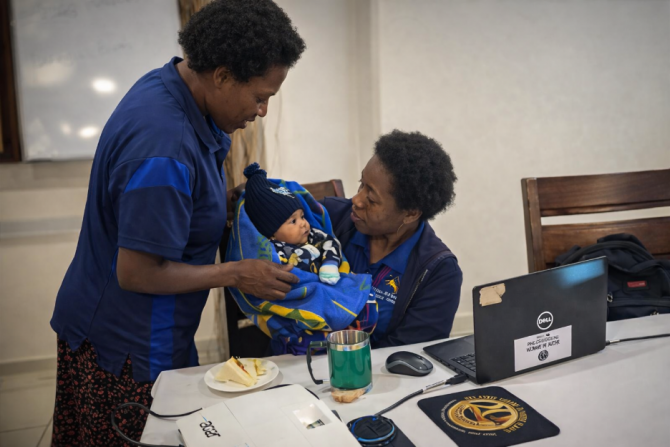
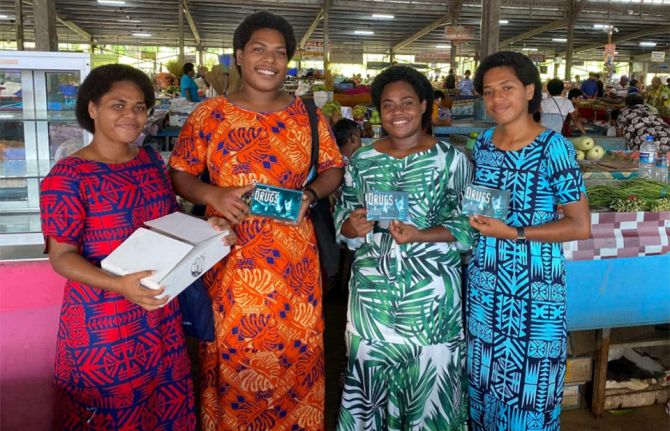
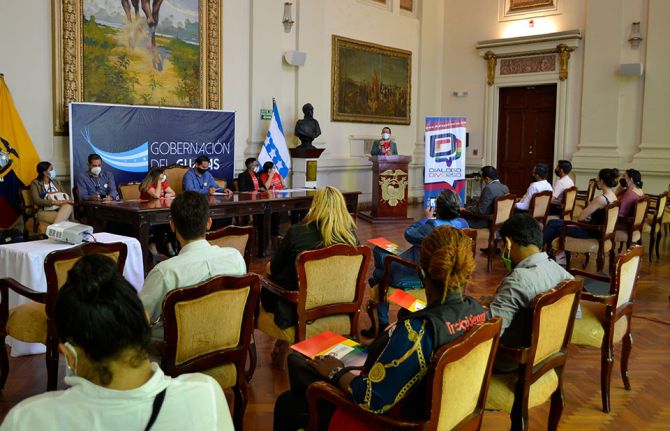
21 September 2021 21 September 2021“My life is now in my hands,” says Erick González, a Venezuelan who has been living in Ecuador for almost a year. For a long time, he has looked for a place where he could feel part of society—he has found that place in Diálogo Diverso.
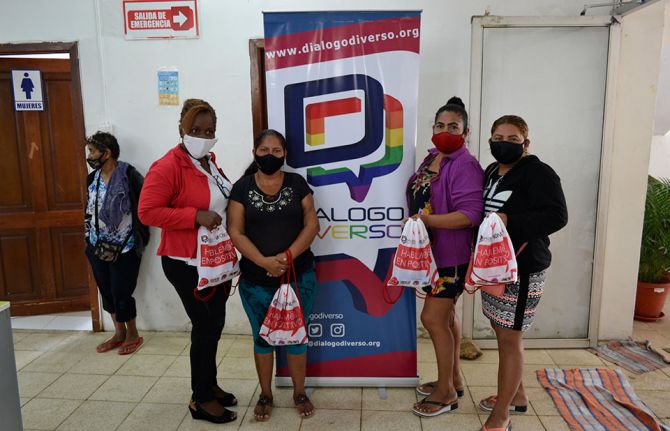
Based in Quito, the civil society organization created in 2018 works on the protection and promotion of human rights, with an emphasis on gender and lesbian, gay, bisexual, transgender and intersex (LGBTI) people. Through the Hablemos Positivo (Let’s Talk Positively) initiative, supported by UNAIDS, Diálogo Diverso increased its capacity to respond to the needs of LGBTI migrants during the first year of the COVID-19 pandemic.
“There are very few entities working on HIV prevention as well as the other health issues to which we are exposed as part of the LGBTI and migrant community,” said Mr González.
Diálogo Diverso is among the 61 organizations that received grants from the UNAIDS Regional Support Team for Latin America and the Caribbean as part of the Soy Clave: de las Comunidades para las Comunidades (I Am Key: from Communities to Communities) initiative, a platform that aims to promote community-led social solutions to respond to HIV during the COVID-19 pandemic.
“We have received requests from different LGBTI people: Venezuelans, Cubans, Colombians, among others. And we have identified that they all face a very similar migration process,” said Danilo Manzano, the Director and co-founder of Diálogo Diverso, which counts on a team of more than 40 people working in the cities of Quito, Guayaquil, Manta and Cuenca. “But on top of the collective needs as migrants and key populations, it was important to take into account the intersectionality with human rights and the impact of the individual challenges they face in a new country.”
“HIV is one of the reasons why LGBTI people leave the Bolivarian Republic of Venezuela, given the difficulties in accessing antiretrovirals on a permanent basis, the invisibility of their rights and, on other occasions, hate crimes,” said Andrés Alarcón, an activist with Diálogo Diverso. “This project was born from our experience in serving thousands of LGBTI migrants. And during the pandemic, we identified a particular trend among those living with HIV: lack of information and access to different health services.”
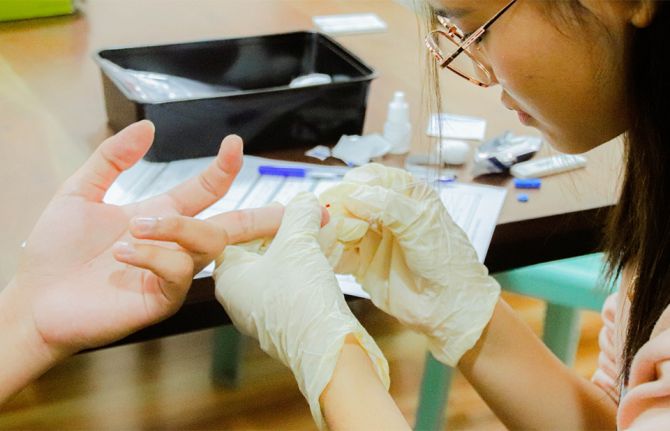
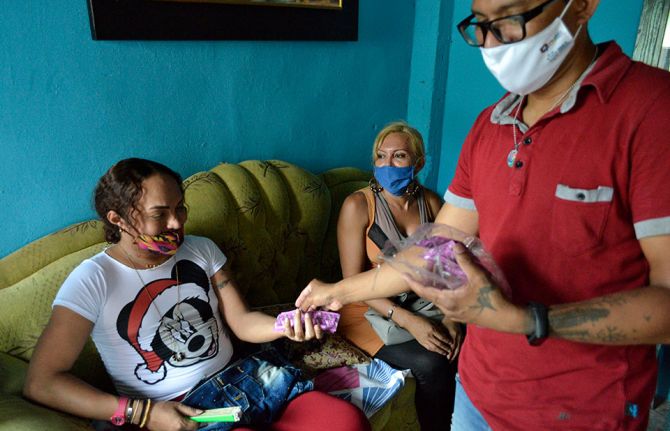
Thanks to a grant provided by UNAIDS, the project delivered hundreds of sexual and reproductive health kits, organized several conversations on health promotion, HIV prevention, sexually transmitted infections and COVID-19 and disseminated a campaign on social networks focused on raising awareness and promoting the human rights of migrant LGBTI people.
“This is a great example of how international organizations, donors and governments can invest in communities so that they can bring social solutions to their own communities while tackling key intersecting issues such as LGBTI rights and migration,” said Guillermo Marquez Villamediana, Senior Community Support Adviser for the UNAIDS Regional Support Team for Latin America and the Caribbean. “Their expertise and outreach capacity have been crucial to keeping the HIV response alive for those most vulnerable during the COVID-19 pandemic.”
One of the highlights of the project was the creation of an alliance between two community-based organizations that work with migrants and refugees in Ecuador, Alianza Igualitaria and Construyendo Igualdad, which extended their reach and allowed them to work with other populations, such as sex workers and young people.
Exclusion based on sexual orientation and gender identity compounds the violations of the human rights of LGBTI migrants and refugees in the Bolivarian Republic of Venezuela. According to a study carried out by Diálogo Diverso and the International Organization for Migration in 2020, 43% of LGBTI migrants in the country had experienced exclusion, discrimination or violence. The same study pointed out that LGBTI migrants and refugees find it difficult to access the health system due to lack of information and awareness about it.
“This project gave me knowledge about the possibilities to avoid HIV infection and transmission,” said Reinaldo Mendoza, a Venezuelan migrant who received support from Hablemos Positivo.
Reina Manteña, the President of the Women’s Association of Cantón Milagro, in Ecuador, said that the partnership with Diálogo Diverso in providing technical advice to LGBTI women has been rewarding. “Many compañeras benefited from the kits and the dialogues. Let’s not forget that in the face of this pandemic, health centres were not providing care nor condoms, which are vital for sex workers,” she said. “In addition, we have provided technical support to Venezuelan sex workers so that they could regularize their situation in the country.”
For Mr Manzano and his team in Diálogo Diverso it is gratifying to see these results. “It has never been about quantity, but the quality of the assistance we can offer and its real impact on their lives.”
Region/country
Feature Story
New report outlines the impact of United Kingdom aid cut on the global HIV response
21 September 2021
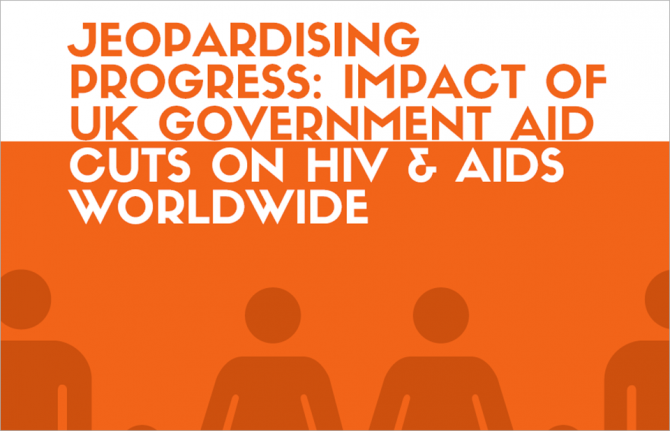
21 September 2021 21 September 2021A new report released today highlights the impact of the United Kingdom’s decision to cut its level of official development assistance from 0.7% to 0.5% of gross national income. The report, Jeopardising Progress: Impact of UK Government AIDS Cuts on HIV/AIDS Worldwide, is the work of the All-Party Parliamentary Group on HIV/AIDS, Stop AIDS and Frontline AIDS.
The report warns that the world is sleepwalking towards a new AIDS emergency and says that urgent action is needed to get the HIV response back on track. It shows how COVID-19 has disrupted HIV services, leading to significant declines in HIV testing and referrals to treatment around the world.
The UNAIDS Executive Director, Winnie Byanyima, met British parliamentarians to discuss the findings of the report during her visit to London earlier this month.
Ms Byanyima also met the Secretary of State for Health, Sajid Javid, and the Minister for European Neighbourhood and the Americas at the Foreign, Commonwealth and Development Office, Wendy Morton. During the meetings, Ms Byanyima praised the United Kingdom’s own progress against the HIV epidemic and said the country’s leadership and participation in the global AIDS response was needed now more than ever.
Our work
Region/country
Related
Feature Story
Empty promises will not save the world from COVID, campaigners warn ahead of Biden Global Vaccine Summit
21 September 2021
21 September 2021 21 September 2021Leaders already failing to meet previous commitments as only 1 in 8 of doses promised at G7 have been delivered
On the eve of President Biden’s global COVID summit on the side-lines of the UN General Assembly, campaigners from the People’s Vaccine Alliance are calling for world leaders to go beyond empty promises of charity and deliver bold action to increase manufacturing and access to COVID vaccines around the world.
The Alliance, which is a coalition of more than 75 organizations around the world united under a common aim of campaigning for a people’s vaccine for COVID-19, says President Biden’s ambitious goal to vaccinate 70 percent of the world by this time next year will not be met with the trickle of charity currently on offer from rich countries.
“World leaders have made big promises to vaccinate the world, yet they have failed to deliver on all promises. Instead, they allowed pharmaceutical companies to deprioritise poor countries in vaccine allocation. That’s why we have vaccine apartheid,” said Winnie Byanyima, the Executive Director of UNAIDS. “We need a new paradigm that rests on sharing the technology and know-how of vaccine manufacturing around the world, we need action, not promises.”
The Alliance called on President Biden and other Summit participants to work to end existing vaccine monopolies, waive intellectual property rules, mandate the sharing of vaccine technologies and know-how, invest in manufacturing capacity in developing countries as well as in research and development, and reallocate existing vaccine doses as soon as possible.
“We are at a crucial point in this pandemic. While rich countries have administered 80 per cent of global doses, poor countries have had only 0.5 percent. This shocking inequality is a public health, economic, gender justice, and moral disaster,” said Abby Maxman, President and CEO of Oxfam America. “President Biden’s pledge to vaccinate 70 percent of the world by this time next year will not be met by empty promises, but with bold action. That starts by sharing the vaccine knowledge and technology now, so that developing nations can make their own doses.”
The Alliance estimates that only 13 percent of the one billion doses promised by G7 leaders in June have been delivered so far. Meanwhile, the international vaccine initiative COVAX has announced it is half a billion doses short of meeting even its already low target of enough doses for 23 percent of people in developing countries. At the same time, the G7 are on track to waste 100 million doses of the vaccines by the end of the year.
“Rich countries continue to offer pathetic trickles of charity while protecting the monopolies of pharmaceutical corporations and denying billions of people protection,” said Maaza Seyoum of the African Alliance and the People’s Vaccine Alliance in Africa. “With up to 10,000 people dying every day, nothing short of redistributing the rights to produce the vaccines will be enough.”
The Alliance is calling for a fast-track intensive process to urgently agree a TRIPS waiver at the World Trade Organization with full backing of the US before November, and for President Biden and other world leaders to use every legal and policy tool available to insist pharma work with the WHO COVID-19 Technology Access Pool (C-TAP) and the South African mRNA tech transfer hub to build up manufacturing capacity and ramp up production.
“The US government has the recipe for the world’s most effective COVID vaccine and can choose to share this knowledge to help make billions more doses in the year ahead,” said Peter Maybarduk, Director of Public Citizen’s Global Access to Medicines Program. “The World Health Organization has established an mRNA manufacturing hub in South Africa and will need far more ambitious support than wealthy countries have offered so far. Ending the pandemic is a choice.”
“India and South Africa proposed a TRIPS waiver nearly one year ago and have faced nothing but obstruction at every turn. Shameful inaction by President Biden is resulting in countless preventable deaths across the global South," said Asia Russell, Executive Director of Health Global Access Project (Health GAP). “President Biden must use his global stage at the COVID-19 Summit to call for rapid passage of a robust TRIPS waiver at the WTO. The world can't tolerate another day of his deadly delays.”
The People’s Vaccine Alliance is calling for President Biden and world leaders to:
- Reach an urgent agreement on a waiver of intellectual property rules ahead of the TRIPS council in October, so that all qualified manufacturers, especially those in developing countries, are able to produce COVID vaccines.
- Make legally binding commitments to share vaccine doses immediately, so that the most vulnerable and those working on the front line in developing countries are protected, before rich countries give third shots to healthy adults.
- Use every power available to make it a requirement for pharmaceutical companies to share technology and know-how with the C-TAP and the mRNA Hub in South Africa and ensure there is enough funding to make the technology transfer happen.
“Rich countries are selfishly looking out for themselves but short-changing all of us. We need bold solutions now, not more empty gestures,” said Dinah Fuentesfina, Campaigns Manager at ActionAid International. “Enough is enough, we must put people before profits. We need a People’s Vaccine—now.”
Feature Story
Forty years of campaigning for equal access to life-saving medicines
17 September 2021
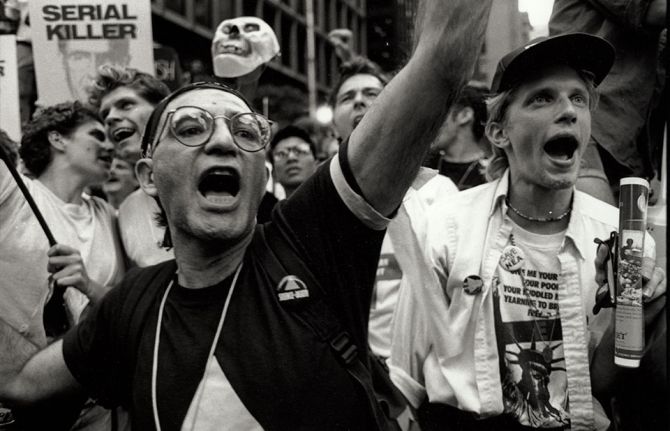
17 September 2021 17 September 2021A look back at the early days of AIDS activism highlights stark parallels with the global response to COVID-19.
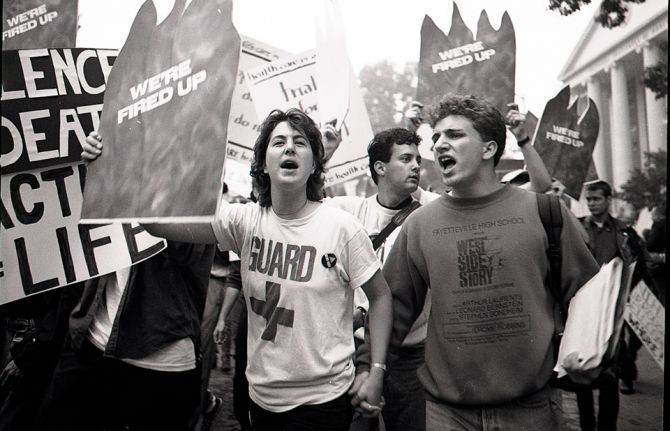
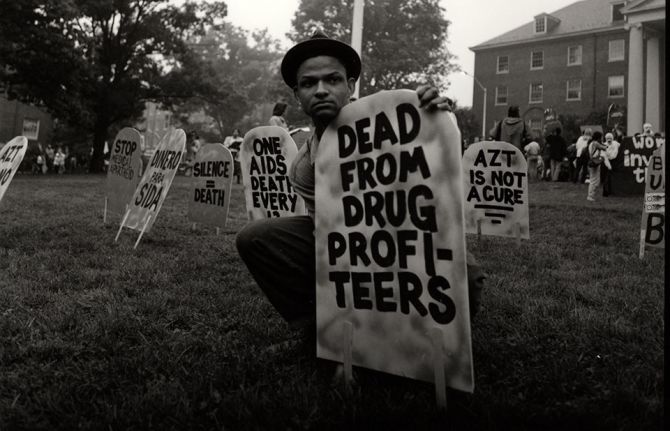
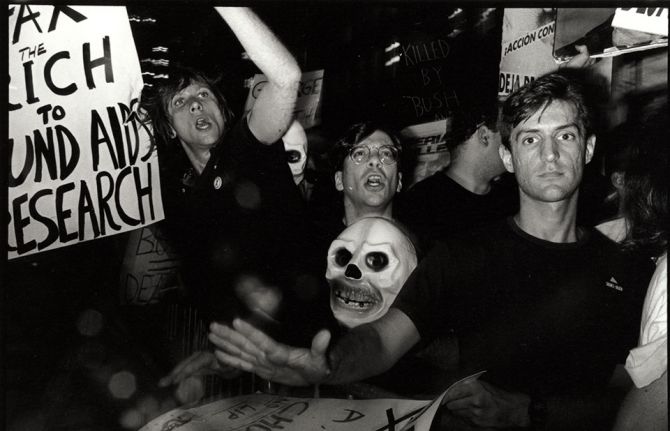
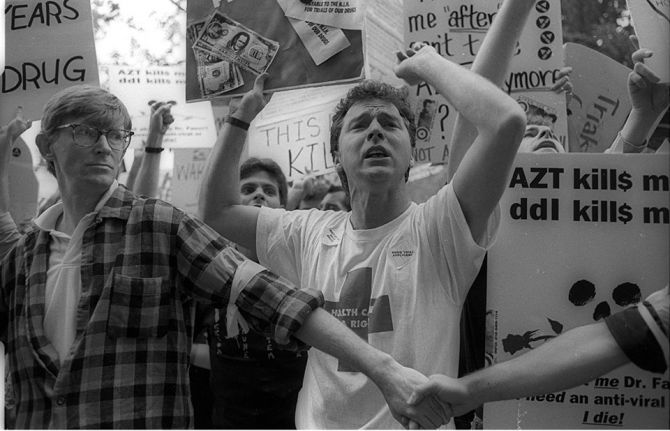
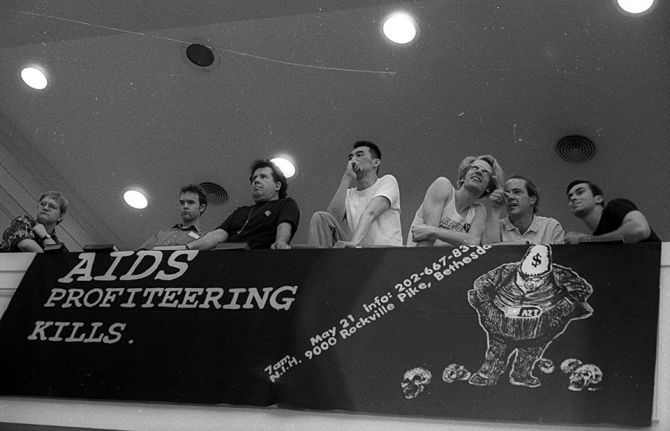
Previously unseen images from the early 1990s of AIDS activists campaigning for life-saving medicines show that, with slogans such as “Dead from drug profiteers” and “AIDS $ now”, the AIDS activists of yesterday mirror today’s activists in their demand for equal access to COVID-19 vaccines.
However, the photos also highlight how, 40 years after the discovery of the first AIDS cases, the world is repeating the same mistakes in its response to COVID-19, as inequalities continue to be the driving force of infections and deaths.
The photos, taken by French photographer Elizabeth Carecchio, show people marching for HIV treatment at a demonstration in May 1990 at the National Institutes of Health in Washington, DC, United States of America. They are a reminder of the central role played by activists over the years, including today as they continue to advocate for fairer access to treatment and vaccines. In short, they are campaigning for the world to put people before profits, a central call of the People’s Vaccine for COVID-19, which UNAIDS is proud to be part of.
Photos: Elizabeth Carecchio