Feature Story
Cervical cancer and HIV—two diseases, one response
01 October 2018
01 October 2018 01 October 2018Cervical cancer—an illness that can be prevented by vaccination against the human papillomavirus (HPV) and that is curable if detected and treated early—is developed by more than 500 000 women each year, half of whom die of the disease. If cervical cancer prevention, screening and treatment efforts are not urgently scaled up, it is projected that this number could double by 2035.
Cervical cancer is an AIDS-defining illness, since women living with HIV who become infected with HPV are more likely to develop pre-invasive lesions that can, if left untreated, quickly progress to invasive cancer—women living with HIV are four to five times more likely to develop invasive cervical cancer. HPV infection has been found to significantly increase the risk of HIV transmission for both men and women.
Thanks to HIV treatment, many more women living with HIV are living long and healthy lives, but it is imperative that women living with HIV do not succumb to other illnesses, including cervical cancer. “It makes no sense to save a woman’s life from AIDS, only to let her die from treatable or preventable cancer,” President George W. Bush, whose George W. Bush Institute is leading efforts to end AIDS and cervical cancer, said in October 2015.
Nine out of 10 women who die from cervical cancer live in low- and middle-income countries. Given that the burden of HIV is primarily felt in low- and middle-income countries, and particularly by adolescent girls and young women, responding to both cervical cancer and HIV together in those countries is vital. Unfortunately, however, most low- and middle-income countries with a high prevalence of HIV have limited programmes for cervical cancer prevention and control.
There is a growing awareness of the need to maximize synergies between the AIDS response and efforts to prevent, diagnose and treat cervical cancer through HPV vaccination, education, screening and treatment. Likewise, existing HIV programmes can play a strategic role in expanding cervical cancer prevention services.
Reducing deaths from cervical cancer requires a wide-ranging approach that includes the following:
- Health education, including age-appropriate comprehensive sexuality education.
- HPV vaccination for adolescent girls.
- Screening all women at risk of developing cervical cancer. Screening programmes should include HIV counselling, testing and treatment, as well as other sexual and reproductive health services and treatment of precancerous cervical lesions and invasive and advanced cervical cancer.
- Ensuring access to palliative care, when needed.
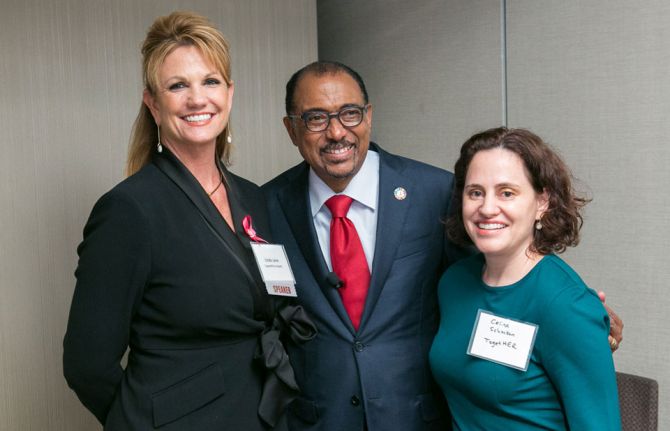
“All women living with HIV need access to information on HPV and should be offered cervical cancer screening and treatment if necessary,” said Michel Sidibé, Executive Director of UNAIDS.
In May 2018, the United States President’s Emergency Plan for AIDS Relief, the George W. Bush Institute and UNAIDS launched a joint effort through a US$ 30 million partnership to accelerate efforts in eight sub-Saharan African countries to ensure that women and girls living with HIV are a priority in national cervical cancer prevention and control programmes.
“Thanks to the generosity of the American people, the United States President’s Emergency Plan for AIDS Relief has saved the lives of millions of HIV-positive women around the world,” said Deborah Birx, United States Global AIDS Coordinator and Special Representative for Global Health Diplomacy, at the launch of the partnership in May 2018. “We must ensure these same women—mothers, daughters, aunts and grandmothers—who are living with HIV and thriving do not succumb to cervical cancer.”

Feature Story
UNAIDS joins United Nations and world leaders to stand together against sexual exploitation and abuse
01 October 2018
01 October 2018 01 October 2018As part of the United Nations Secretary-General’s strategy to prevent and respond to sexual exploitation and abuse, global leaders have come together to issue a statement reaffirming their personal commitment to eliminate sexual exploitation and abuse across the United Nations system.
In the statement, the leaders recognize the unique responsibility of the United Nations to set the standard for preventing, responding to and eradicating sexual exploitation and abuse within the United Nations system, address its impact effectively and humanely and safeguard and empower survivors.
The leaders are 48 heads of state or government from the Secretary-General’s Circle of Leadership and 22 United Nations entities, including UNAIDS. UNAIDS is firmly committed to zero tolerance for sexual exploitation and abuse anywhere and recently hosted a high-level event with the African Union during the 73rd session of the United Nations General Assembly to tackle sexual and gender-based violence in humanitarian crises.
In the statement, the leaders recognize the shared responsibility of the United Nations and its Member States to protect survivors and whistle-blowers and take appropriate action against perpetrators. They also express their commitment to working together to implement the United Nations Secretary-General’s strategy, which outlines four main areas of action: putting victims first; ending impunity; engaging civil society and external partners; and improving strategic communications for education and transparency.
Click here to read the full statement.
Related
Feature Story
REDLACTRANS’ struggle for transgender rights
01 October 2018
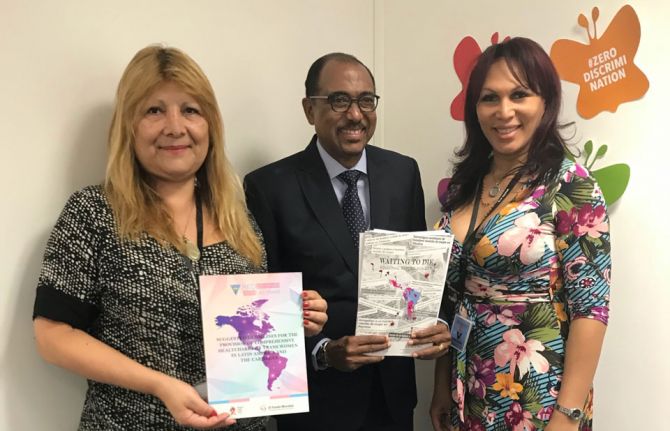
01 October 2018 01 October 2018There are still alarming levels of violence against transgender people, and a lack of recognition of their rights. During a visit to UNAIDS headquarters in Geneva, Switzerland, on 18 September, Marcela Romero and Venus Tejada, representatives of the Latin American and Caribbean Network of Transgender People (REDLACTRANS), shared the startling fact that transgender women in the region have a life expectancy of only 35 years.
During the visit, Ms Romero and Ms Tejada met with the UNAIDS Executive Director, Michel Sidibé, and spoke about REDLACTRANS’ work in 13 countries. A grant to REDLACTRANS from the Global Fund to Fight AIDS, Tuberculosis and Malaria helped to establish a centre that collects testimonies and follows up cases of human rights violations committed against transgender women in Latin America and the Caribbean.
“Stigma, discrimination and violence against sexual and gender minorities prevent them from accessing health services,” said Mr Sidibé. “Everyone has the right to health, no matter their gender or sexual orientation. For that, we need zero discrimination for everyone, everywhere.”
Ms Romero and Ms Tejada also presented Mr Sidibé with a copy of REDLACTRANS’ report, Waiting to die, which compiles cases of human rights violations against transgender people and gives recommendations to decision-makers.
“Stigma and discrimination is a barrier to the services we need to stay healthy. Some transgender women are dying due to lack of access to treatment. Without comprehensive health care, there are no equal rights nor true democracy,” said Ms Romero
Since its creation in 2006, REDLACTRANS has promoted the development of gender identity laws. In Argentina, the Plurinational State of Bolivia, three federal districts of Mexico and Uruguay, where gender identity laws have been enacted, transgender rights are increasingly enforced and, consequently, transgender people can access health-care services. Such laws have brought about positive changes in the services provided to transgender people and resulted in less stigma and discrimination in health-care settings. “Without identification, one cannot travel, register for school or access many services that are essential to function in society,” said Ms Tejada.
Ms Romero and Ms Tejada called on UNAIDS to address how forced migration, persistent inequalities and poverty affect the quality of life of transgender women.
Feature Story
First ladies of Africa working to stop new HIV infections among children
25 September 2018
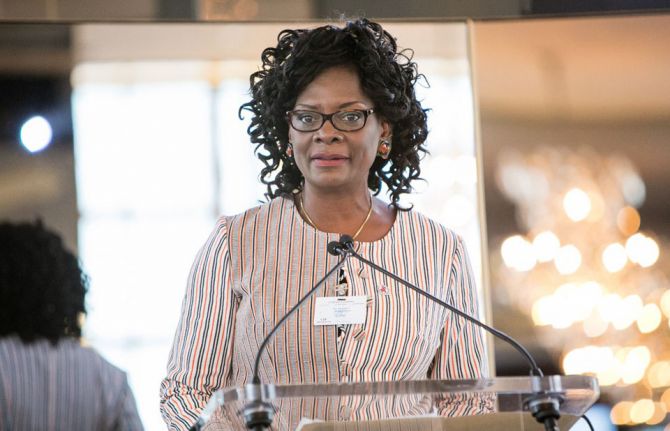
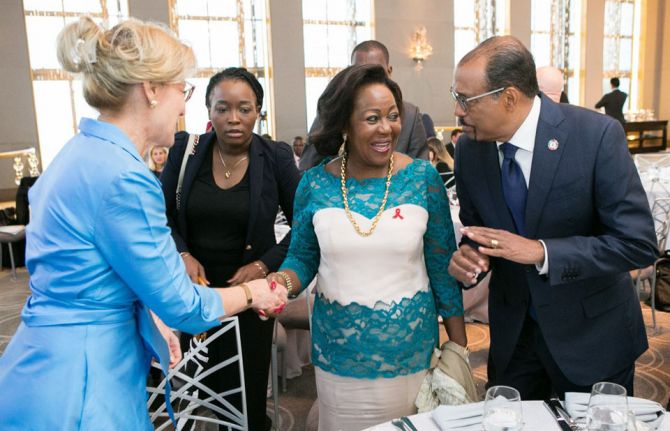
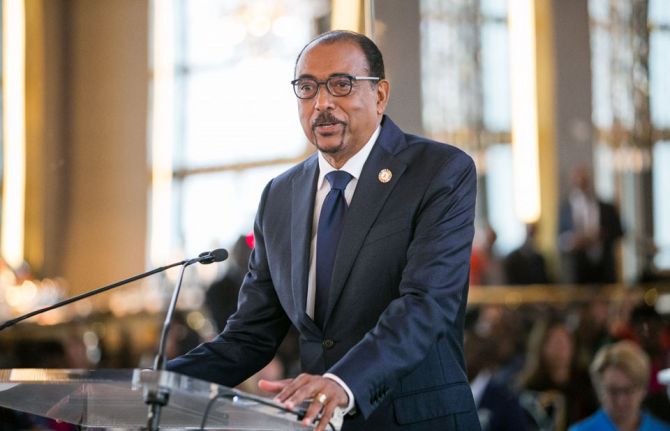
25 September 2018 25 September 2018Of the 1.8 million children aged 0–14 years living with HIV globally, 1.7 million are in Africa. As part of efforts to eliminate mother-to-child transmission of HIV in Africa, the African Union and the Organisation of African First Ladies against HIV/AIDS (OAFLA), with support from UNAIDS, and partners launched a campaign called Free To Shine in early 2018.
Now the campaign is ready to be rolled out across 42 African countries but urgently needs funding. To enable the roll-out, the African Union and OAFLA held an event on the margins of the 73rd session of the United Nations General Assembly to help raise much-needed resources to support the campaign.
The roll-out of the campaign will allow OAFLA members to engage in community-level activities to help reduce stigma and discrimination at home and in the community, raise community awareness about the importance of adherence to treatment and retention in care for pregnant women and women who are breastfeeding and to promote male involvement.
As part of the campaign, the first ladies will also leverage their unique position to influence policy-makers and agenda-setters to better address the needs of women living with HIV—advocating for policies and laws that discourage stigma and discrimination based on HIV status and for the removal of user fees for pregnant women and women who are breastfeeding, as well as other barriers that limit access to HIV and health services.
The session was moderated by television and radio journalist Zeinab Badawi.
Quotes
“We are at a critical stage in eliminating new infections among children, particularly in areas of emergency, notably western and central Africa. I thank our founding partner, UNAIDS, for its unwavering commitment to ending AIDS in Africa and around the world."
“Everything changed when I found out I was pregnant and had an HIV test. What was meant to be one of the best days of my life came to be one of my hated moments. There was no psychosocial support. Mothers to Mothers was the missing link—it taught me how to take my medicines and how to fight the stigma around HIV. The best thing is that my baby was born free from HIV. Mothers to Mothers empowered me and together we are building healthier societies. We are raising the future, one mother, one baby, one community at a time.”
“AIDS is not over. It is the last mile, and the last mile is not easy. We need to be strong and ensure that this partnership with the Organisation of African First Ladies against HIV/AIDS is the one to end mother-to-child transmission of HIV. Your efforts will be critical to whatever we will be able to achieve.”

Feature Story
An opportunity to end two of the world’s deadliest infectious diseases: TB and HIV
26 September 2018
26 September 2018 26 September 2018The World Health Organization recently released its Global tuberculosis report 2018. Although it shows encouraging pockets of progress in responding to tuberculosis (TB) and HIV in some areas, it paints a rather bleak picture on ending the dual epidemics by 2030.
HIV is a relatively recent epidemic, having first been identified in the early 1980s; however, TB has been around for thousands of years. Archaeologists believe that TB affected the ancient Egyptians, with King Tutankhamun himself having possibly been affected.
Many famous people have fallen ill or died of TB over the years, including John Keats, Frédéric Chopin, Charlotte and Emily Brontë, Nelson Mandela and Franz Kafka, to name but a few. In the early twentieth century, supposed cures for TB included day-long bracing outdoor siestas in Swiss mountain sanitoriums, freezing cold showers and diets of up to 12 meals a day washed down with litres of milk and wine, and even staying in cowsheds, where the warmth and ammonia gases given off by the animals’ urine was supposedly a balm for infected lungs.
Effective medicinal treatment for TB became available in the mid-1940s and has changed little since. Today’s medicine, although toxic and antiquated, is incredibly effective and relatively cheap. However, finding people with TB to treat and ensuring that they stay on treatment poses problems and is particularly urgent for people living with HIV.
The World Health Organization estimates that in 2017 there were around 10 million people with active TB disease, 9% of whom were people living with HIV. Of the 10 million, approximately 3.6 million, or 36%, are “missing”, meaning that they may not have been diagnosed or properly treated. Among people living with HIV, the gap is wider, at 49%.
People living with HIV with latent TB are around 20 times more likely to develop active TB. Untreated TB is rapidly fatal among people living with HIV.
Fewer than 60% of TB patients are screened for TB, precluding treatment and resulting in preventable deaths. TB is the leading infectious killer globally and the leading killer of people living with HIV, accounting for one in every three AIDS-related deaths. In 2017, around 1.6 million people died of TB, including 300 000 people living with HIV.
Many breakthroughs can be achieved by improving collaboration between HIV and TB programmes to find and treat TB and HIV, including investing in diagnostics, vaccines and medicines, including preventive medicine and medicine to treat TB, including multidrug-resistant TB.
However, more commitment, investment and action are needed.
It is estimated that US$ 10.4 billion is required in 2018 for an effective response to TB in the 118 low- and middle-income countries that account for 97% of reported cases globally. The actual amount available in 2018 was US$ 6.9 billion—a shortfall of US$ 3.5 billion.
To respond effectively to HIV, UNAIDS estimates that US$ 26.2 billion will be required for the AIDS response in 2020. In 2017, US$ 21.3 billion was available in low- and middle-income countries—a shortfall of around US$ 5 billion. Only by filling the funding gaps will ending the epidemics start to become a reality.
With around 1.7 billion people, or 23% of the world’s population, infected with latent TB, of whom 5–10% have a chance of developing active TB disease, the world needs to take urgent action.
On 26 September, world leaders will come together at the United Nations in New York, United States of America, for the very first United Nations High-Level Meeting on Tuberculosis. As TB takes centre stage for one important day, the world has the opportunity to set some bold actionable targets to end two of the world’s leading infectious killers: TB and HIV.
To seize this opportunity would not only stop more than 6000 people dying every day from TB and HIV, but it would prevent new infections and bring the world a giant leap closer to improving global health, reducing poverty and achieving the Sustainable Development Goals.
Related
Feature Story
Learning lessons from the AIDS response to control NCDs
27 September 2018
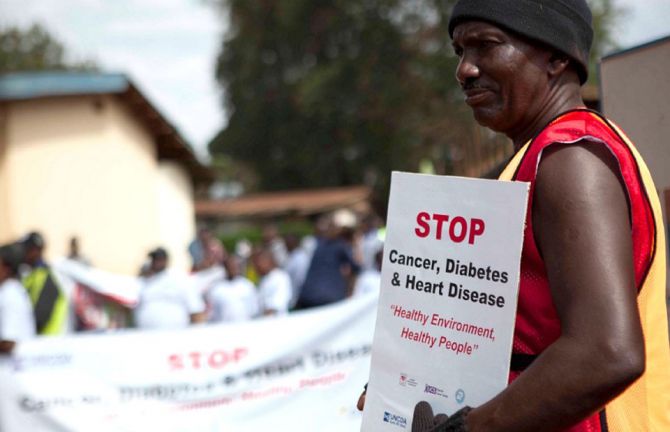
27 September 2018 27 September 2018Noncommunicable diseases (NCDs) are by far the biggest killers of people worldwide, responsible for 71% of all deaths globally. Defined by the World Health Organization as diseases of long duration and generally slow progression, the four main types of NCDs, which account for 80% of all NDC premature deaths, are cardiovascular diseases, cancer, chronic respiratory diseases and diabetes.
People of all ages can be affected by NCDs, but they tend to affect older people. With increasing numbers of people living with HIV accessing treatment and hence living longer, people living with HIV are increasingly falling ill with NCDs. Being HIV-positive, however, also increases the risk of developing NCDs, either because of the infection itself or owing to side-effects of the medicines used to treat HIV. The care that people living with HIV receive therefore increasingly needs to include care for NCDs.
Since people in many low- and middle-income countries are smoking more, drinking alcohol more and becoming less active, and their diets are changing, rates of NCDs are increasing. Age-adjusted death rates from NCDs are nearly twice as high in low- and middle-income countries as in high-income countries.
However, the successes to date in the AIDS response show what can be done if countries take decisive action. It is becoming increasingly clear that if the world is to control NCDs, the lessons of the AIDS response need to be learned and applied to the response to NCDs.
Health-care systems in regions that are home to most people living with HIV were designed to primarily address acute, rather than chronic, illnesses. However, HIV programmes in those same countries can be good models for how to step up services for NCDs, showing how to provide continuity of care, support adherence to treatment and engage communities.
The AIDS response has had a huge impact on global health. The impact of early diagnosis and treatment, HIV services being in many countries the entry point for broader health services, the importance of tackling poverty and other social determinants of health, raising community awareness and creating demand for services, the importance of putting civil society and communities in the centre, with their engagement, activism, advocacy and mobilization—these are all key lessons from the AIDS response that can guide the response to NCDs.
“The response to HIV has shown that the impossible is possible,” said Michel Sidibé, the Executive Director of UNAIDS. “UNAIDS will work with our partners in the United Nations system to share best practices from the AIDS response to guide countries, communities and other partners.”
As part of the world’s effort to combat NCDs, on 27 September countries will come together in New York, United States of America, at the United Nations for the Third High-Level Meeting on the Prevention and Control of Noncommunicable Diseases. UNAIDS is a part of the United Nations Interagency Task Force on the Prevention and Control of Noncommunicable Diseases and will be sharing its knowledge at the high-level meeting.
Feature Story
Uniting for every woman and every child
26 September 2018
26 September 2018 26 September 2018The health of women, children and adolescents is the cornerstone of public health. Healthy women and children create healthy societies and if adolescents are helped to realize their rights to health, well-being and education they become equipped to attain their full potential as adults. However, each year approximately 5.9 million children die before the age of five years and 289 000 women die in pregnancy and childbirth.
As part of the United Nations response to this crisis, the former United Nations Secretary-General, Ban Ki-moon, launched an initiative during the 2010 United Nations Millennium Development Goals summit to save and improve the lives of millions of women, children and adolescents around the world.
The initiative, Every Woman Every Child, was an unprecedented global movement that mobilized action by governments, the private sector, academia and civil society to address the major health challenges facing women, children and adolescents. As part of its work, the movement put into action a Global Strategy for Women’s and Children’s Health, a road map to galvanize political leadership and resources and to create a powerful multistakeholder movement for health.
The technical work of the movement is done by the H6 partnership, currently chaired by UNAIDS, which puts to work the collective strengths of UNAIDS, the United Nations Population Fund, the United Nations Children’s Fund, UN Women, the World Health Organization and the World Bank Group to operationalize the Global Strategy for Women’s and Children’s Health.
Today, spearheaded by the current United Nations Secretary-General, António Guterres, Every Woman Every Child is a multistakeholder platform that is saving millions of lives by placing women, children and adolescents at the centre of universal health coverage and the Sustainable Development Goals.
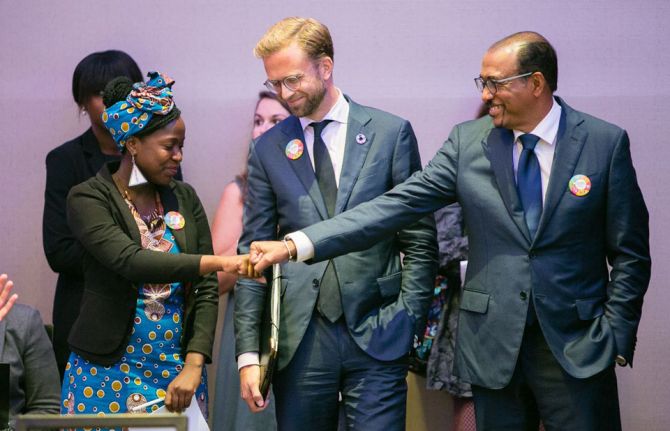
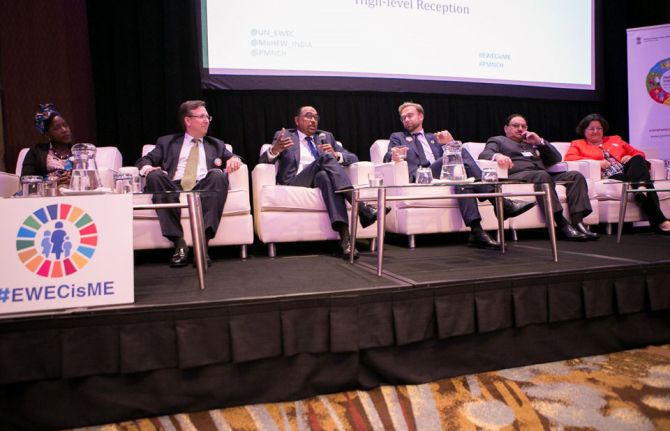
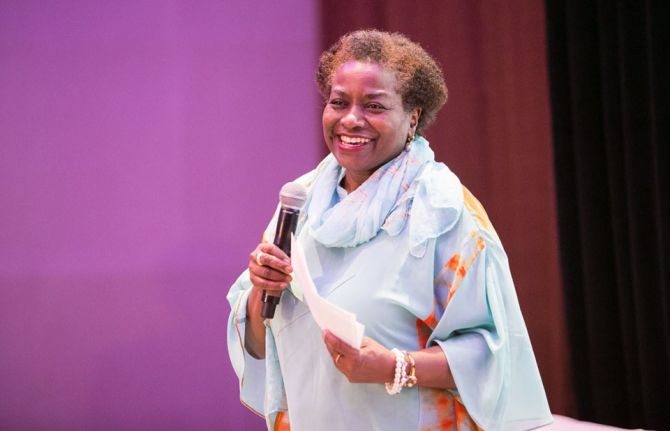
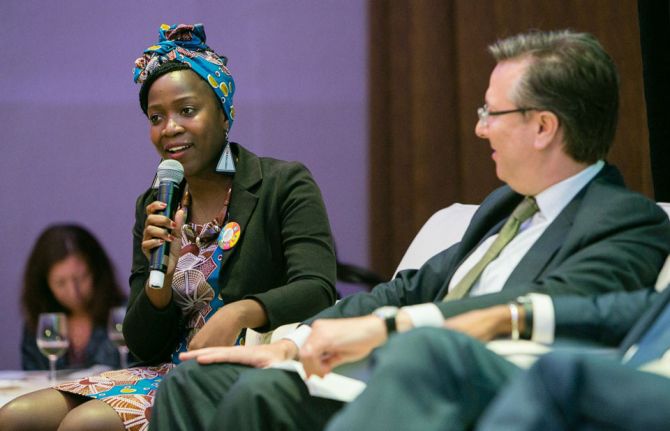
To highlight the need for continued political momentum around the movement, Every Woman Every Child held a high-level reception during the 73rd Session of the United Nations General Assembly in New York, United States of America, to underscore the importance of commitment, action and accountability by high-profile global leaders and influencers.
At the 2010 launch, more than US$ 40 billion was pledged, with numerous partners making additional financial, policy and service delivery commitments. However, speakers at the event highlighted that more help is urgently needed.
They stressed that the international community must pledge additional commitments to take Every Woman Every Child past the tipping point, which, the organizers say, would save the lives of 16 million women and children, prevent 33 million unwanted pregnancies, end stunting in 88 million children and protect 120 million children from pneumonia.
Quotes
“Today’s challenges require a new response. Every Women Every Child and the deep commitment of its partners will be critical to this.”
“We say that it is teamwork that makes the dream work and our partnership is one of the best examples of how we can deliver together, the United Nations delivering as one.”
“We are doing a lot of work in India—from birth to adolescence, we are putting in place numerous health programmes and initiatives. We are proud that our Prime Minister has taken a bold decision to help the most deprived and the most marginalized. One hundred million families have been identified across India, all of whom will benefit from support for health care so that they are not out of pocket for taking care of their health.”
“For too long we have simply not done enough. More than 5 million children die every year. That is like the whole population of my country being wiped out. We know that 35 million lives can be saved between now and 2030, but only if the Global Financing Facility is fully funded. We will be holding a replenishment in November—there is no better reason to come to Norway.”
“It is a transformative moment. It’s about leadership and about transforming leadership in the global health arena. It’s also about innovation, about how we do things differently. Which is why the H6 is so important—it is an entry point for United Nation reform—one results framework, one vision—demonstrating what we can do differently.”
“It’s so important that young people are engaged in these programmes, involved in these programmes and leading these programmes. With young people taking the lead, you will have the greatest impact. We need to do business differently, and to do this we need to take a people-centred approach and, most importantly, work together.”
Feature Story
National human rights institutions in eastern and southern Africa emphasize the right to health
19 September 2018
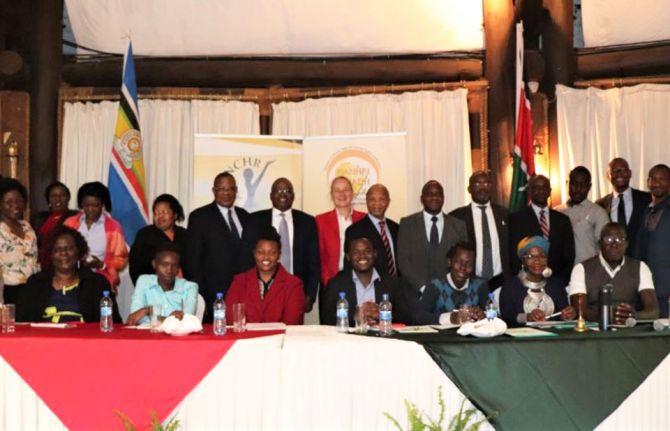
19 September 2018 19 September 2018We must protect, promote and fulfil human rights if we are to achieve HIV and health targets on the African continent and ensure access to HIV prevention, treatment, care and support services for all. This was the main call to action during a recent regional consultation for national human rights institutions and parliamentarians held in Nairobi, Kenya.
“This conference is indeed very timely for Africa, as it offers an opportunity to deliberate on how best national human rights institutions can work with parliaments in fostering the right to health through building strong partnerships,” said Enid Muthoni, the International Development Law Organization’s Country Director in Kenya.
National human rights institutions play a key role in promoting and protecting HIV-related human rights, including the right to health, and in ensuring that these are effectively addressed at the local and national levels. They serve as an important bridge between government, civil society and other stakeholders, helping to empower duty-bearers to respond to issues related to the right to health and rights-holders to realize these rights.
“Human rights and health are inherent for everyone. National human rights institutions, parliament and civil society and everyone at an individual level has a role to play in promoting the right to health,” said Madeleine Nirere, Chair of the Network of African National Human Rights Institutions.
The right to health is especially important to promote among people being left behind by the AIDS response, including key populations—such as gay men and other men who have sex with men, sex workers, transgender people and people who inject drugs—to claim their rights to non-discrimination, HIV prevention and treatment services, information and education and freedom from sexual coercion and violence.
“If you have no health, you have nothing else. Everyone should therefore have a right to health,” said Miriam Were, former Chairperson of Kenya’s National AIDS Control Council and Champion for an AIDS-Free Generation.
The call to action from the consultation focused on a broad-reaching range of human rights issues, including promoting public–private partnerships and policies and actions to end stigma and discrimination in health-care settings and other institutional settings, such as schools and workplaces. The participants also called for the repeal of punitive laws, policies and practices that create barriers to access HIV and health services and appealed to countries to ratify and domesticate the many existing African human rights mechanisms.
“The call to action will enable national human rights institutions and parliamentarians to firmly express their determination to help achieve the health and HIV targets and operationalize the resolutions and mechanisms at our disposal,” said Jantine Jacobi, UNAIDS Country Director in Kenya.
Related resources
Region/country
Related

Feature Story
World AIDS Day 2018 theme encourages everyone to know their HIV status
17 September 2018
17 September 2018 17 September 2018This year’s theme for World AIDS Day, which will be marking its 30th anniversary on 1 December, will be “Know your status”.
Significant progress has been made in the AIDS response since 1988, and today three in four people living with HIV know their status. But we still have miles to go, as the latest UNAIDS report shows, and that includes reaching people living with HIV who do not know their status and ensuring that they are linked to quality care and prevention services.
HIV testing is essential for expanding treatment and ensuring that all people living with HIV can lead healthy and productive lives. It is also crucial to achieving the 90–90–90 targets and empowering people to make choices about HIV prevention so they can protect themselves and their loved ones.
Unfortunately, many barriers to HIV testing remain. Stigma and discrimination still deters people from taking an HIV test. Access to confidential HIV testing is still an issue of concern. Many people still only get tested after becoming ill and symptomatic.
The good news is that there are many new ways of expanding access to HIV testing. Self-testing, community-based testing and multidisease testing are all helping people to know their HIV status.
HIV testing programmes must be expanded. For this, we need political will and investment, as well as novel and innovative approaches to HIV testing that are fully leveraged and taken to scale.
Join us this World AIDS Day in raising awareness about the importance of knowing one’s status and calling for the removal of all barriers to accessing HIV testing.
About World AIDS Day
World AIDS Day originated at the 1988 World Summit of Ministers of Health on Programmes for AIDS Prevention. Since then, every year United Nations agencies, governments and civil society join together to campaign around specific themes related to AIDS.
World AIDS Day 2018
Related
Feature Story
New model drug law launched in western Africa
12 September 2018
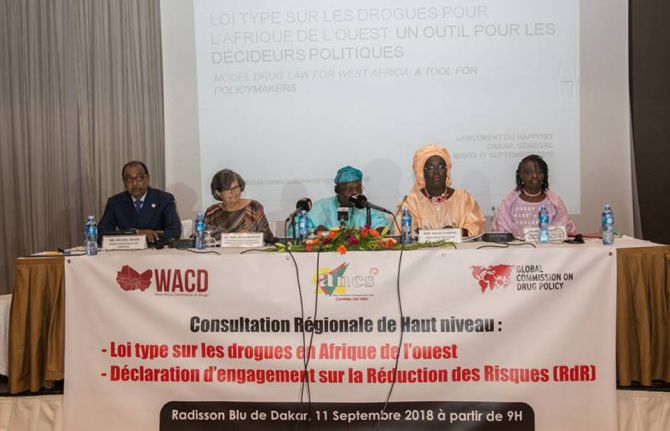
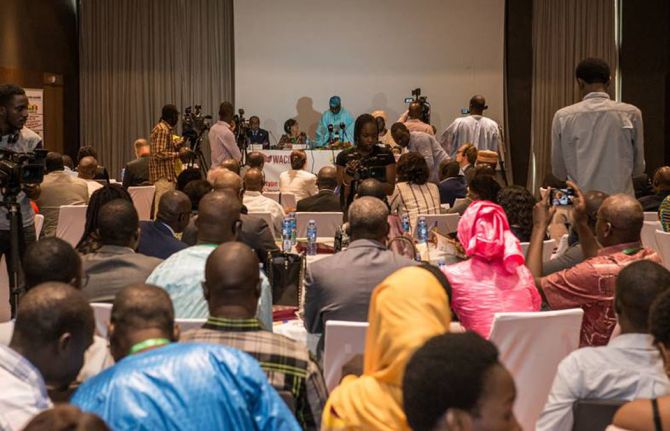
12 September 2018 12 September 2018Unjust laws can prevent people from accessing the services they need to prevent or treat HIV, and people who use drugs need help and care, not punishment—these are two of the messages from the new Model Drug Law for West Africa. Launched on11 September in Dakar, Senegal, the model drug law aims to guide policy-makers in the region on how to better frame their drug laws.
It is increasingly recognized that the current drug laws are not effective and result in enormous costs. The model drug law shows how countries can modify their laws in order protect the health and welfare of people while at the same time allowing law enforcement to focus on the most serious drug offences.
“The risk of acquiring HIV is 23 times higher among people who inject drugs, yet they still face human rights abuses, punitive legal environments and are left out of health and HIV programming,” said Michel Sidibé, Executive Director of UNAIDS. “It is essential that countries take a human rights-based approach that is grounded in scientific evidence and includes critical harm reduction services to protect the health and welfare of people who inject drugs and their communities.”
Drawn up by the West Africa Commission on Drugs, a group convened by Kofi Annan comprising experts from western Africa, the model drug law notes that barriers to accessing health services for people who use drugs need to be removed. People who inject drugs are one of the groups at highest risk of exposure to HIV, but they remain marginalized and often out of reach of health and social services.
The model drug law suggests removing criminal penalties for people who use drugs and making harm reduction measures available. It has been shown that harm reduction works—when harm reduction services are made available, new HIV infections fall sharply. For drug use, and possession of drugs for personal use, the model drug law sets out alternatives to conviction and punishment.
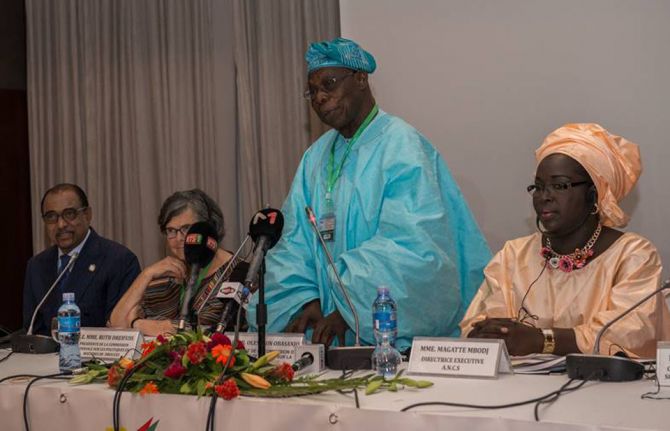
“Our current drug laws stigmatize and penalize drug users. However, pushing them to the fringes of society or locking them up in ever increasing numbers will not solve the problem. On the contrary, it worsens health issues and puts enormous pressure on the already over-stretched criminal justice systems,” said Olusegun Obasanjo, former President of Nigeria and Chair of the West Africa Commission on Drugs.
The model drug law also seeks to enhance access to essential medicines such as morphine and other opioids to manage pain. Many people in western Africa are denied the pain-relieving medicines that they need because doctors and other health professionals are not prescribing opioids for fear of prosecution. The model drug law suggests special protection for medical staff to help remove barriers to accessing pain relief.
Experience around the world has shown that it is possible to change drug laws for the better. The new model drug law is a step towards making such changes in western Africa.