Feature Story
UNAIDS again commended as the only UN body to meet or exceed all requirements of the UN Action Plan on Gender Equality
13 September 2018
13 September 2018 13 September 2018For the second year in a row, UNAIDS has been recognized for meeting or exceeding all of the performance indicators of the United Nations System-Wide Action Plan on Gender Equality and the Empowerment of Women (UN-SWAP). UNAIDS was the first United Nations entity to achieve this and remains the only one to date.
In a letter sent by Phumzile Mlambo-Ngcuka, Executive Director of UN Women, to Michel Sidibé, Executive Director of UNAIDS, she congratulates UNAIDS for achieving gender parity at the professional and higher levels, as well as for having mainstreamed gender equality work objectives and learning objectives into its performance management tools.
Since the inception of UN-SWAP in 2012, UNAIDS has demonstrated continued progress and remains committed to continuing to improve its UN-SWAP scoring. In the UNAIDS Secretariat Gender Action Plan 2018–2023, launched in June of this year, the organization set a series of targets that will help to ensure that UNAIDS sustains and advances its commitment to gender equality and the empowerment of women in the workplace.
The targets include:
- Target 1: 50:50 gender parity across all staff levels and categories.
- Target 2: 100% of staff at all levels set a work and learning objective on gender.
- Target 3: 100% of eligible UNAIDS female staff to participate in the UNAIDS Women’s Leadership Programme and 100% of eligible UNAIDS staff to participate in the Mentoring Programme for Women.
- Target 4: 100% compliance with the UN-SWAP 2.0 framework.
UN-SWAP is a United Nations system-wide accountability framework designed to measure, monitor and drive progress towards a common set of standards for the achievement of gender equality and the empowerment of women.
Quotes
“UNAIDS is proud to have not only achieved full compliance with UN-SWAP, but to also continue to improve year on year. We are committed to building an organization where gender equality is at the centre of what we do and how we operate, and UN-SWAP is helping us to do that by providing us with concrete benchmarks.”
System-wide reporting results between 2012 and 2017
Related


Feature Story
Leaders from China and Africa come together to build stronger and healthier communities
10 September 2018
10 September 2018 10 September 2018Leaders from African countries and China met in Beijing, China, during the 2018 Beijing Summit of the Forum on China–Africa Cooperation (FOCAC) on 3 and 4 September to accelerate the social and economic development of Africa. Under the theme of “China and Africa: toward an even stronger community with a shared future through win–win cooperation”, the two-day summit served to further enhance Africa–China collaboration in eight key areas: industrial promotion, infrastructure connectivity, trade facilitation, green development, capacity-building, health care, people-to-people exchanges and peace and security. China’s President, Xi Jinping, also announced a US$ 60 billion package of aid, investments and loans to Africa.
During the official opening, the President of China emphasized that Africa has a lot of potential and is a continent full of hope. He said that China would launch a health-care initiative and that information cooperation and exchange on public health would be intensified. Cooperation programmes will be launched on the prevention and control of emerging and re-emerging communicable diseases, schistosomiasis, HIV and malaria.
The current Co-Chair of FOCAC, Cyril Ramaphosa, the President of South Africa, welcomed the new FOCAC initiatives, which will have a significant and lasting impact on peace, stability and sustainable development on the African continent. The current Chairperson of the African Union, Paul Kagame, the President of Rwanda, said that African countries will intensify work on industry, infrastructure and trade. Antonio Guterres, the United Nations Secretary-General, described FOCAC as an embodiment of two major priorities of the United Nations: to pursue fair globalization and to promote development that leaves no one behind. The Chairperson of the African Union Commission, Moussa Faki Mahamat, highlighted the need to further create synergy between the African Union’s Agenda 2063 and China’s Belt and Road Initiative.
Leaders agreed the Beijing Declaration and the Beijing Action Plan, which will serve as a blueprint for further cooperation between China and Africa in the next three years. The outcome documents, which list ending AIDS and halting and reversing HIV (together with tuberculosis and malaria) as part of the China–Africa health cooperation, also focus on sustainability in health and included the local production of medicines in Africa, strengthening systems and developing public health worker capacity as essential to achieving universal health care.
In bilateral meetings with the Presidents of Côte d’Ivoire, Equatorial Guinea, Mali and Sierra Leone, Michel Sidibé, the Executive Director of UNAIDS, highlighted the important contribution that China–Africa health cooperation can make to improving access to medicines and local pharmaceutical production in Africa.
The African Union endorsed the 2 million community health workers for Africa initiative, which was raised in the bilateral meeting with the President of Sierra Leone. Explaining to Mr Sidibé that he had recently visited a maternity hospital and learned that there are just two gynaecologists in the entire country, the President sees the community health worker approach as a key way to ensure that people are reached with essential health services.
Mr Sidibé met with the China–Africa Business Council, which also chairs the China–Africa Health Industry Alliance. China–Africa cooperation can generate transformational changes in health and provide a platform to find people-centred solutions for ending AIDS and expanding universal health coverage.
Resources
Region/country
Feature Story
Russian Federation commits to reach 75% antiretroviral therapy coverage in 2019
12 September 2018
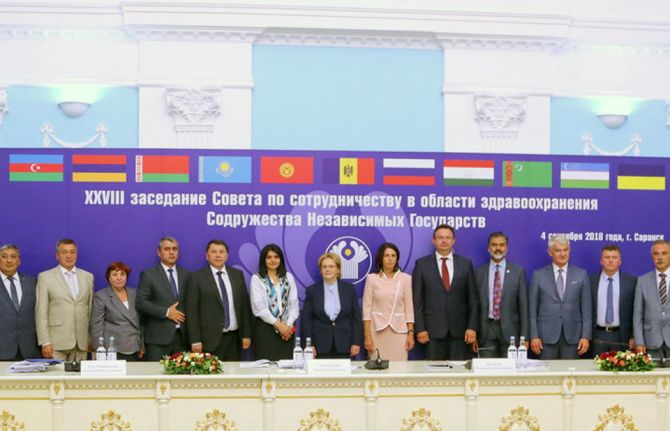
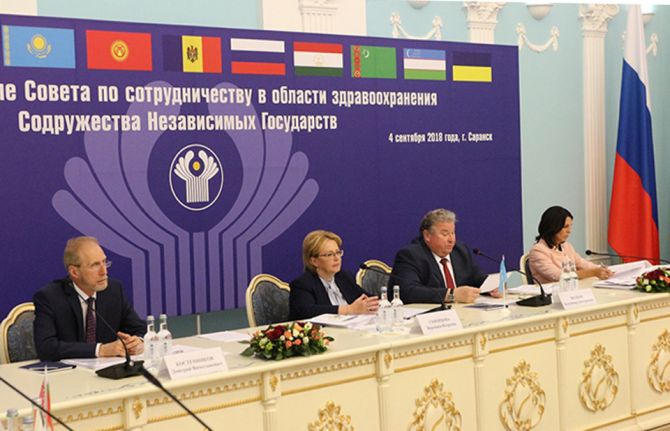
12 September 2018 12 September 2018The Russian Minister of Health, Veronika Skvortsova, has reiterated the commitment to reach the targets agreed at the 2016 United Nations General Assembly High-Level Meeting on Ending AIDS.
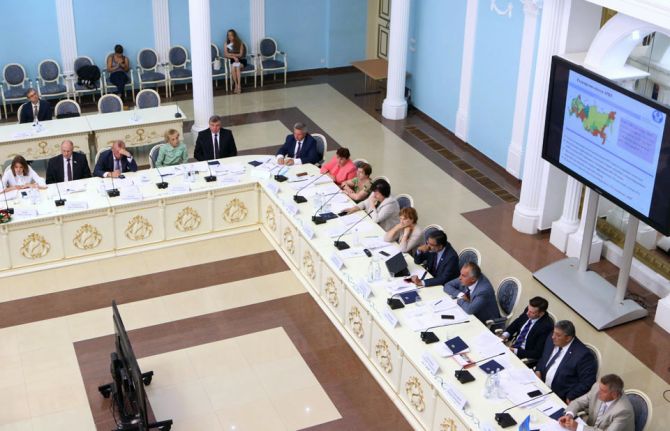
“We have to provide every person living with HIV with quick access to the correct treatment. The Ministry of Health plans to increase the coverage of people living with HIV who know their status on antiretroviral therapy to 75% by 2019, and by 2020 the figure should reach 90%,” said Ms Skvortsova at the 28th meeting of the Health Council of the Commonwealth of Independent States, held in Saransk, Russian Federation, on 4 September 2018.
In 2018, the Russian Federation reported for the first time on national progress towards the 90–90–90 targets—in 2017, 81% of people living with HIV in the Russian Federation knew their status, 45% who knew their status were on treatment and 75% who were on treatment were virally suppressed.
In order to improve strategic information and build evidence for decision-making at the local level, the Russian Ministry of Health recently conducted a workshop on HIV estimates for representatives of 10 Russian regions. Regional experts were trained on modelling HIV estimates, which will help to ensure a more complete picture of the number of people living with HIV and of the 90–90–90 targets at the subnational level.
Eastern Europe and central Asia is the only region in which the numbers of new HIV infections and AIDS-related death are still on the rise. At the end of 2017, the number of new HIV infections in the region reached 130 000. At the end of 2017, it was estimated that the 90–90–90 cascade in the region was 73%, 50% and 72%.
“The Russian Minister of Health’s statement is another important step in a series of consistent actions undertaken by the Government of the Russian Federation to accelerate the country’s Fast-Track approach to reach 90–90–90 by 2020,” said Vinay P. Saldanha, Director of the Regional Support Team for Eastern Europe and Central Asia.
Region/country

Feature Story
First ladies from Africa and China working towards a future free from AIDS
05 September 2018
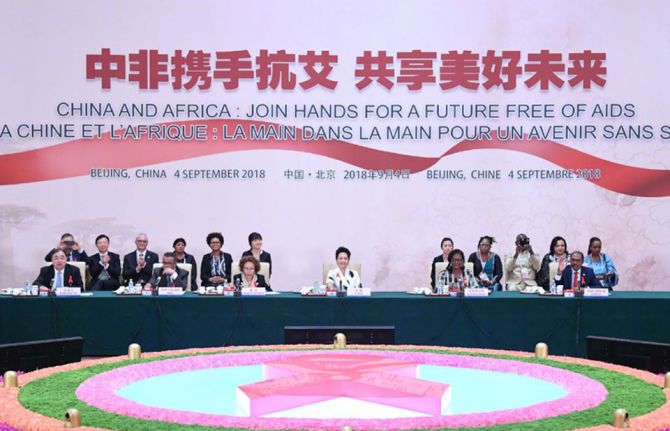
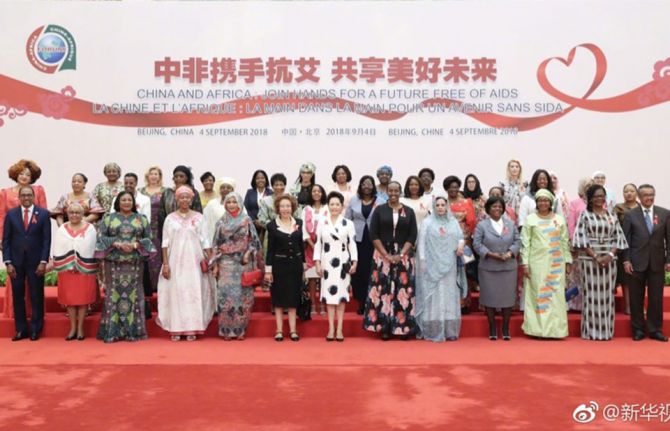
05 September 2018 05 September 2018First ladies from across Africa and the First Lady of China, Peng Liyuan, have reaffirmed their commitment to a future free from AIDS by spearheading a new joint initiative to prevent HIV among young people. China will work with African countries and international organizations to implement a three-year health promotion and HIV prevention advocacy programme for adolescents, starting in 2019.
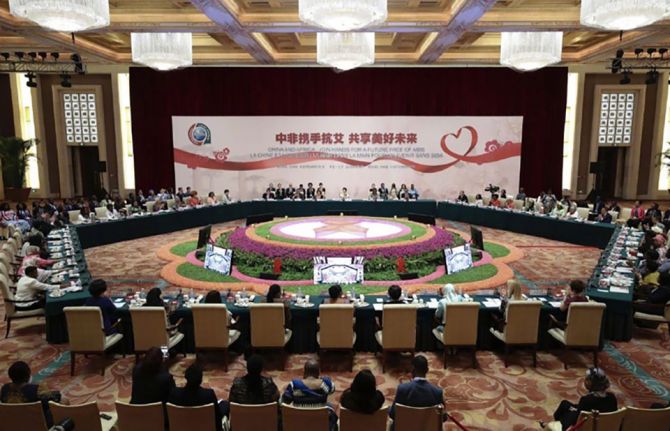
The China–Africa advocacy campaign was launched on 4 September on the margins of the 2018 Beijing Summit of the Forum on China–Africa Cooperation (FOCAC), in Beijing, China. The campaign aims to increase young people’s access to integrated sexual and reproductive health and HIV services and strengthen their engagement in the AIDS response.
Globally, there are around 3.9 million young people between the ages of 15 and 24 years living with HIV. Around 1600 young people acquire HIV every day and a young person dies every 10 minutes from of an AIDS-related illness.
Michel Sidibé, the Executive Director of UNAIDS, thanked the first ladies for their collective action in the AIDS response and urged them to continue their high-level advocacy to mobilize resources to support youth engagement for HIV prevention, treatment and care. “Engaging young people means supporting them as partners and leaders in the AIDS response,” said Mr Sidibé. “We will only pick up the pace if we work closely with young people.”
Discussions during the event focused on addressing what puts young people at risk of HIV, including stigma, discrimination, gender-based violence and limited access to reproductive health services and information. The first ladies recognized that ending the AIDS epidemic among adolescents and young people requires amplifying investments where they can make the most difference, such as comprehensive sexuality education, and fostering innovative and multisectoral HIV prevention programmes.
During the event, Tedros Adhanom Ghebreyesus, the Director-General of the World Health Organization, spoke about HIV/tuberculosis coinfection. Tuberculosis is a leading cause of death of people living with HIV.
The first ladies of Africa and China will join forces to stop new HIV infections among young people by sharing information, helping each other to build expertise and mobilizing resources for joint advocacy for HIV prevention.
The first ladies’ HIV advocacy event concluded with the endorsement of a joint statement that calls on governments to ensure HIV prevention, treatment, care and support services and universal health coverage, especially for young people, in order to ultimately reach the goal of ending the AIDS epidemic by 2030.
On the sidelines of FOCAC, Mr Sidibé and the First Lady of Malawi, Gertrude Mutharika, met with StarTimes to explore how best to harness new technologies to reach young people with HIV prevention services. StarTimes is using its platform to share HIV prevention and awareness messages through digital television and its new social media application.
Resources
Region/country

Feature Story
Smithsonian exhibition features UNAIDS data in a look at various viruses
21 August 2018
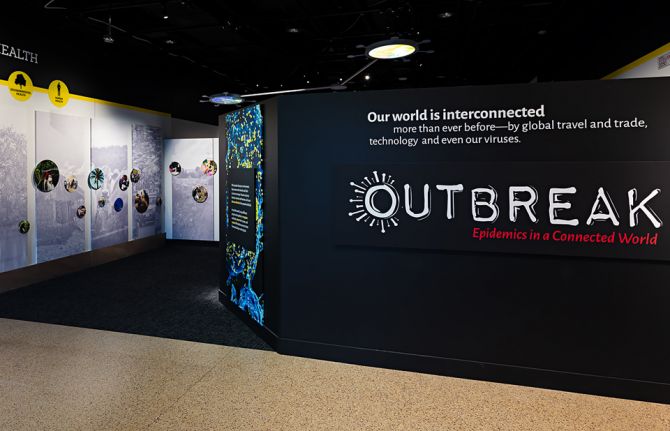
21 August 2018 21 August 2018An infectious disease can spread around the world in days. Human factors that have quickened the pace of virus transmission include the growing global population, urbanization and the industrialization of food production. The Smithsonian’s National Museum of Natural History in the United States of America features nine diseases that have spilled over from animals to humans in its newly opened exhibition, Outbreak: Epidemics in a Connected World.
One hundred years after the influenza pandemic, the three-year-long exhibition sheds a light on the causes of disease outbreaks such as Nipah virus and severe acute respiratory syndrome (SARS) and the various responses to epidemics.
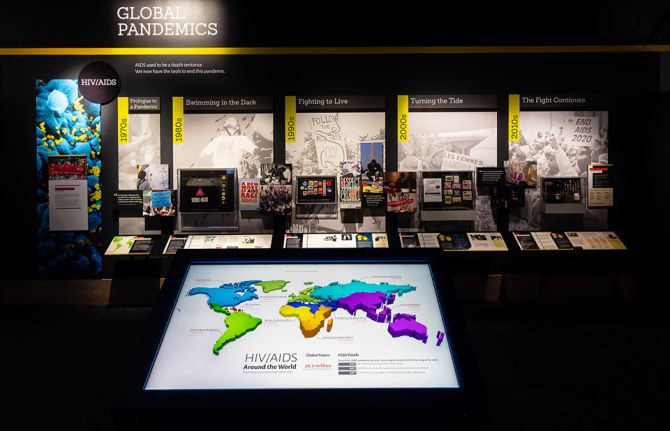
“The 2014 Ebola outbreak in western Africa was the catalyst, but we wanted to have HIV—the pandemic of our time—as a big focus of the exhibition,” said Sabrina Sholts, the lead curator. For HIV, the museum created a three-dimensional timeline showing the landmarks of the AIDS response in the United States, from the activism to the science to the policy changes and treatment. Objects such as red ribbon pins, ACT UP T-shirts with a pink triangle with the saying Silence=Death, condoms, antiretroviral medicine bottles and photos guide visitors from the start of the HIV epidemic until now. A large touch table allows for people to explore new infections around the world today based on the latest UNAIDS data.
“We didn’t want to leave the impression that AIDS is over and limited to one place, so the interactive component resonates with people as to where we stand right now,” said Ms Sholts.
The UNAIDS Strategic Information Department worked with Ms Sholts’ team and provided specific epidemiological data. Timely and accurate data on diseases are the clues to trends in an epidemic. Displaying and using those data are critical pieces of our work,” senior UNAIDS epidemiologist Mary Mahy said.
Ms Sholts admits that making the data visually engaging was a challenge, but by simplifying the language and adding context, the digital interactive centerpiece works well.
The curator’s aim was to have visitors understand the varying difficulties of getting people to know their HIV status and ultimately the long-term benefits that that entails.
“Diseases are scary stuff, so for every dire challenge or obstacle, we created an “on the upside” component to highlight a success story or uplifting angle,” she said. For the HIV pandemic, the upsides focus on various organizations serving people in need, like the Ponce de Leon Center in Georgia, United States.
She explained that the main goal of Outbreak is to raise public awareness about pandemic risks with the perspective that human, animal and environmental health are all connected as one.
The exhibition also showcases a mock-up of an Ebola treatment ward and a game, played on touch screens, that has visitors simulate a variety of roles—epidemiologist, wildlife biologist or community worker—to complete tasks as a team to end an outbreak.
Part of Outbreak focuses on the detective work involved in tracking down and containing diseases. Future viruses are inevitable, which is why understanding human influence on their emergence and development is key.
Touching wild animals, a lack of vaccination, unprotected sex and travelling when sick all contribute to a virus’ proliferation, linking distant and diverse populations to each other beyond their communities, countries and continents. The response to these diseases, therefore, must also involve everyone.
“We are all connected, we all matter and we have to think holistically, collaboratively and collectively,” Ms Sholts said.
For those not travelling to Washington, DC, the Smithsonian has a free pared-down version of the exhibition—including the UNAIDS interactive display—available for translation and customization worldwide.
Related
Feature Story
Botswana to revitalize HIV combination prevention
28 August 2018
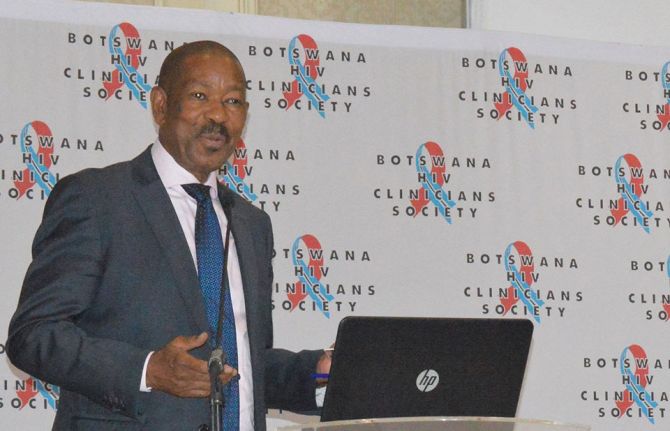
28 August 2018 28 August 2018The National Coordinator of Botswana’s National AIDS Coordinating Agency, Richard Matlhare, has warned that complacency risks derailing the country’s AIDS response.
“The government is committed to ending the AIDS epidemic,” he said at the Botswana International HIV Conference, which took place in Gaborone, Botswana, from 23 to 25 August. “The new National HIV and Strategic Framework 2018–2023, to be launched later, has positioned HIV prevention as a game-changer to achieve epidemic transition.”
In the 16 years since HIV treatment was first made available in its public health sector—one of the first countries in Africa to do so—Botswana has made significant progress on HIV treatment, with 84% of people living with HIV accessing treatment in 2017. However, fewer gains have been made in the area of HIV prevention, with the number of new HIV infections increasing from 13 000 in 2010 and to 14 000 in 2017.
In the face of these figures, Botswana is making efforts to revitalize its HIV prevention response. It has recently joined the Global HIV Prevention Coalition and the President, Mokgweetsi Masisi, has expressed his commitment to ending AIDS in Botswana. “How Botswana succeeds as a country will impact on the success of the Global HIV Prevention Coalition as a whole,” said Sheila Tlou, Co-Chair of the Global HIV Prevention Coalition, during the opening of the conference.
Efforts to revitalize HIV prevention in the eastern and southern African region include galvanizing high-level political leaders, policy-makers, community leaders, researchers, academic institutions, civil society and development partners for increased accountability and investment in HIV prevention. It requires countries to Fast-Track implementation and service delivery along the five pillars of HIV prevention, focusing on young women and adolescent girls, key populations, condoms, voluntary medical male circumcision and pre-exposure prophylaxis.
“The global AIDS response is at a precarious point. We’ve achieved partial success in saving lives, but these successes are giving way to complacency in HIV prevention,” said Jyothi Raja Nilambur Kovilakam, the UNAIDS Country Director in Botswana.
Region/country

Feature Story
Situation rooms bring actionable data to decision-makers
27 August 2018
27 August 2018 27 August 2018Health situation rooms—software platforms designed to support decision-making on countries’ health responses—are opening up across Africa, bridging data and decision-making in order to improve the health and lives of tens of millions of the world’s most vulnerable people.
Data integration, data warehousing and data visualization are the core of the situation room concept, providing transparent and improved information on a range of diseases. While situation rooms are virtual working space, some countries also use physical rooms in which the analytics can be discussed and acted upon.
The idea of a health situation room is that data—whether on the availability of HIV medicines, the effects of a strike by health-care workers or diagnoses of cervical cancer—are centralized, yet accessible to everyone. Whereas in the past health data on different diseases would be spread around several databases in assorted government ministries, disease-specific organizations, etc., situation rooms collect the data in one place, on one system, in a form that is easily shared. The information held by the situation room can be utilized on tablets or computers throughout the country.
“We must continue to innovate in our response to HIV,” said Michel Sidibé, the UNAIDS Executive Director. “Having reliable and up-to-date information is vital if the world is to meet its commitment to end AIDS and reach the Sustainable Development Goals.”
By pooling the health data in the virtual situation room, better and more focused health services can be made available to the people who need them. For example, having data on specific parts of a city helps to drive a location–population approach to HIV prevention services, ensuring that the right people are reached in the right place with the right services.
Through combining data on, for example, HIV, tuberculosis and cervical cancer, interlinkages between the diseases can be seen and responded to. Data can be viewed in real time, so, for example, levels of HIV medicines can be monitored in order to anticipate and respond to medicine stock-outs. Studying the effects of HIV test and treat campaigns in Uganda, the effectiveness of cervical cancer screening in Côte d’Ivoire and malaria testing and new diagnoses in Zambia are other examples how health situation rooms are benefiting health responses.
Five countries—Côte d’Ivoire, Kenya, Lesotho, Zambia and Uganda—have launched situation rooms. Data on indicators, including on HIV, tuberculosis, malaria, noncommunicable diseases and reproductive, maternal, newborn and child health are gathered, with different countries collecting different information depending on the local situation. Namibia, Mozambique and Zimbabwe are preparing to launch situation rooms, and several other countries are in the planning stage.
As part of its work, UNAIDS has been helping countries to set up their situation rooms, with UNAIDS working with countries to select the specific indicators and connecting data in the country to their situation room. Countries with existing data collection systems, that collect data separated by age and sex and at the local level, that have good Internet connectivity and that have qualified local staff are best placed to establish their own situation rooms.
The situation room programme has resulted in UNAIDS’ support to countries being enhanced, with UNAIDS able to support health information systems in a way unique in the United Nations system. UNAIDS is therefore supporting country and programmatic monitoring in a more meaningful way in those countries that have invested in situation rooms.
“For us, its strength is in bringing multiple data sets together, and sharing powerful analytics in a visual and understandable way,” said Andrew Kashoka, Deputy Director of Information Technology, Zambia Ministry of Health.
For the future, UNAIDS plans to ensure that countries have technical support so that they can continue to operate their situation rooms without support from UNAIDS. UNAIDS will also work with partners, including the Africa Centres for Disease Control and Prevention, the private sector and others, to reduce the dependency of countries on UNAIDS’ support in setting up and running the platforms.
Such investments in technology and collaboration between UNAIDS, governments and partners are driving innovative approaches to responding to AIDS and to ultimately ending the AIDS epidemic as a public health threat by 2030.
Resources
Related
Feature Story
Strengthening China–Africa cooperation
17 August 2018
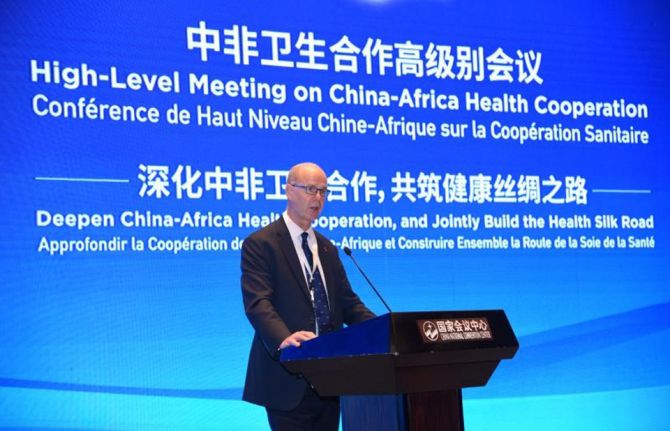
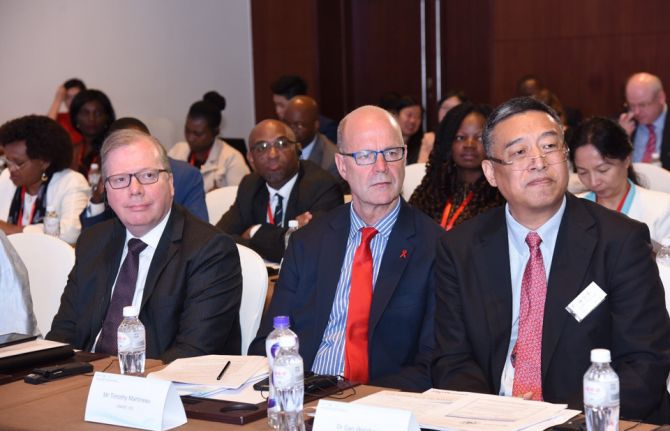
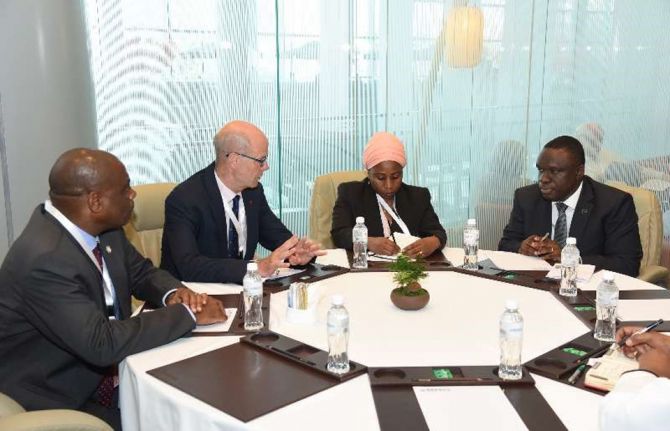
17 August 2018 17 August 2018African ministers of health, the Chinese Minister of Health and others have examined ways in which China can be instrumental in building capacity for the local production of health commodities in Africa and in strengthening regulatory capacities. The participants met at the 2018 High-Level Meeting on China–Africa Health Cooperation, held on 16 and 17 August in Beijing, China.
Africa is hugely dependent on imported medicines and other health technologies. It is estimated that 70% of the pharmaceutical and medical products market is served by imports. Demand for health commodities is growing rapidly and cannot be met with Africa’s existing manufacturing capacity and sources of supply.
During the event, the Chinese participants learned about African best practices, including the progress made in expanding HIV treatment, responding to the HIV epidemic in rural areas and reducing new HIV infections among children.
“We are creating the enabling environments for investments in Nigeria and closing the gap in supply shortages for essential commodities. Now is the time to stimulate access and increase local production of essential medicines and health technologies in line with our goal of achieving universal health coverage,” said Isaac Adewole, the Nigerian Minister of Health.
The participants signed a six-point document, the China–Africa health cooperation 2018 Beijing initiative, which focuses on building a strong public health surveillance and response system in Africa and supporting the response to public health emergencies. The plan also includes a special focus on strengthening cooperation on HIV prevention, in particularly among young people and key populations.
Region/country


Feature Story
Cities in Philippines pledge to lower HIV infections and improve their track record
14 August 2018
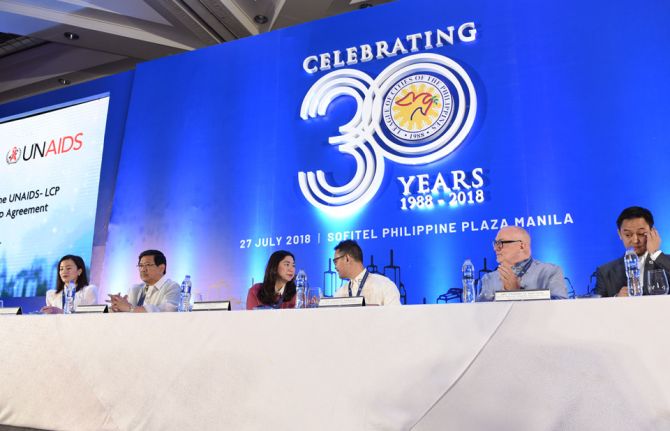
14 August 2018 14 August 2018The League of Cities of the Philippines (LCP) pledged to fast-track the AIDS response in the cities, by signing a partnership agreement with UNAIDS to reduce the number of new HIV infections in the country. The signing event took place on the fringe of the LCP’s 30th anniversary celebrations on 27 July 2018. More than 145 mayors and local representatives from cities attended the event, which included a gala dinner.
UNAIDS’ newly released report, Miles to go: closing gaps, breaking barriers, righting injustices, shows that the annual new infections have more than doubled in the Philippines in the past seven years to an estimated 12,000 in 2017. With a 174% increase since 2010, the Philippines is the country with the fastest growing HIV epidemic in the Asia and the Pacific region. New infections have now overtaken Thailand, Viet Nam and Myanmar, placing Philippines number 5 in terms of new infections in 2018 in the region. Cities and urban areas are particularly affected. Health authorities say that 70 cities, including the 17 cities in metro Manila, accounted for 80% of reported HIV cases in the country.
“The AIDS epidemic in the country is an issue that needs urgent action among local governments, especially since key populations at risk of infections reside mostly in the cities,” said Laarni L. Cayetano, National Chair of the League of Cities of the Philippines.
Most agreed that there is a need to scale-up services tailored to key populations that go beyond female sex workers. More than 90% of new HIV infections are occurring among men who have sex with men (MSM) and transgender people (TG). Condom use among men who have sex with men and transgender people hovers at 50% and 37% respectively and HIV testing is low. Only 16% of MSM knew their HIV status in 2015.
Local governments in the Philippines have earmarked resources and started more innovative HIV prevention services. For example, Quezon City has opened three Sundown clinics (Klinikas) that provide rapid HIV testing and counseling in a non-stigmatizing environment for gay men, men who have sex with men and transgender people. The city has also increased its HIV funding nine times since 2012 and has been urging other provinces to follow suit.
“Philippines has a small window of opportunity to act fast and stop a major HIV epidemic from taking hold,” said Eamonn Murphy, UNAIDS Regional Director for the Asia and the Pacific. He added, “This commitment is achievable if cities where the epidemic is having a big impact take the lead.” He also reaffirmed UNAIDS commitment to work in close partnerships with national and local authorities to support their efforts to bring HIV infections under control and provide technical expertise in how best to invest funds and reach people.
For the National President of the League of Cities of the Philippines, Edgardo D. Pamintuan, time is of the essence. “I strongly believe that if we effectively implement HIV response strategies in our localities though our partnership with UNAIDS, our efforts at the city level can make a significant impact in reaching the country’s targets,” he said.
Fast-Track cities
Region/country


Feature Story
Youth voices count and safe spaces do too
09 August 2018
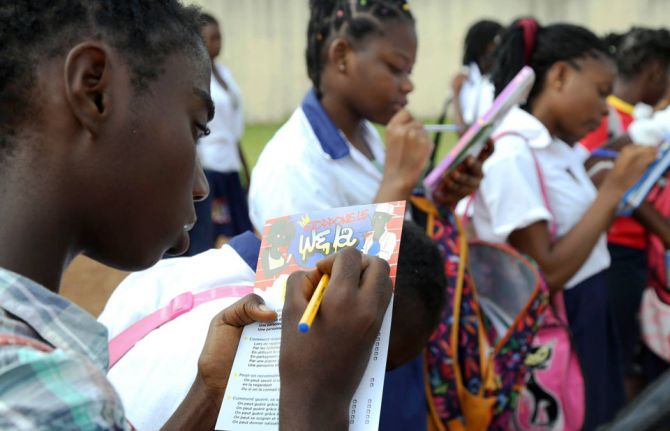
09 August 2018 09 August 2018A global coalition of more than 80 youth organizations working on HIV (the PACT), and Youth Voices Count (YVC) launched a poll to get a sense of what young people know about sexual reproductive health.
More than half of the 270,000 young people aged 10-24 from 21 countries who responded to the U-Report poll (54% of boys and young men, and 58% of girls and young women) sought HIV and other services at a health centre or clinic in the previous three months. About 36% of young people aged 10-24 who did not seek services reported feeling uncomfortable visiting a health centre or clinic, and more than 28% of young people (both sexes) said they felt scared to seek services.
“Even though we have the most up-to-date tools to end AIDS including ARTs, PeP, PrEP, HIV self-testing, and more, we still experience a huge challenge in ending AIDS among adolescents and young people. The HIV response is not only about pills and testing, it is about creating a friendly space where adolescents and young people feel safe and empowered.”
The poll with support from UNAIDS, UNICEF and UNFPA was complemented by an in-depth survey and interviews led by YVC, which showed that approximately 15% of those who accessed any sexual health services in the past 6 months experienced refusal or mistreatment because of their age, sexual orientation, gender identity or HIV status. And of those who felt mistreated because of their age, 55% identified as gay, bisexual, and 25% identified themselves as living with HIV. Further, 32% of young gay, bisexual men and other young men who have sex with men, and 50% of young transgender people, felt that they had been discriminated against because of their gender identity or sexual orientation. Finally,16% of young people who identified themselves as living with HIV said they had been mistreated because of their HIV status.
“An AIDS-free generation is impossible where exclusion, marginalization, and discrimination have room to flourish and thrive. We can no longer afford to be complacent — these barriers will not be resolved on their own or with the passage of time. Not unless we actively join forces to end them.”
Although healthcare settings should be safe spaces for those receiving care, this is not the case. Policies and attitudes remain barriers to youth-friendly HIV and sexual and reproductive health services. Indeed, 37% of respondents who reported having visited a clinic were not willing to recommend doing so to their peers.
This year’s theme for International Youth Day is Safe Spaces for Youth, highlighting the need of young people for safe spaces to come together, hang out, and participate in decision making processes as well as freely express themselves. This includes in healthcare settings, which should be places of safety and refuge, free from stigma, maltreatment, and violence.
“AIDS is far from over, but it can be if young people are informed, free and able to access services that are safe and responsive to their specific needs.”
Every day, approximately 1600 young people are infected with HIV, while one young person dies of AIDS-related illnesses every 10 minutes. Young women aged 15-24 are particularly affected. In sub-Saharan Africa, young women are twice as likely to be infected with HIV as their male counterparts. And young key populations (including gay men and other men who have sex with men, bisexual people, transgender people, young sex workers and young people who inject drugs) are at a high risk of HIV around the world due to rights violations, discrimination, exclusion, criminalization and violence. Of the young people living with HIV globally, most do not know their status.
Download more slides like this from 2018 Global AIDS Update Miles to Go