


Feature Story
Catalysing zero discrimination in health-care settings in Thailand and Viet Nam
23 July 2018
23 July 2018 23 July 2018Stigma and discrimination in health-care settings is a major obstacle to ending AIDS. Widespread across the world, stigma and discrimination seriously reduces the quality of life of people who experience it and hinders their access to health and HIV services.
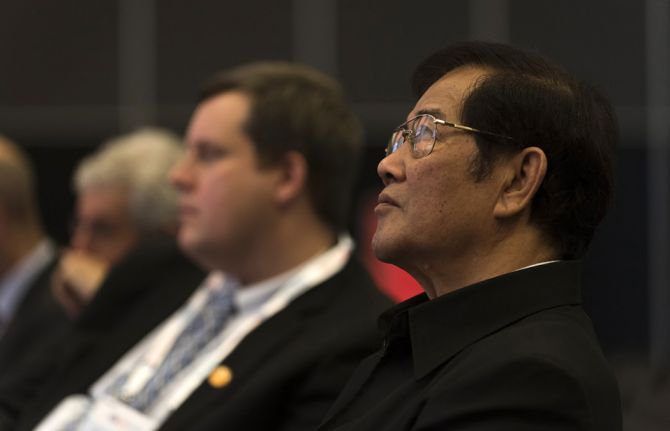
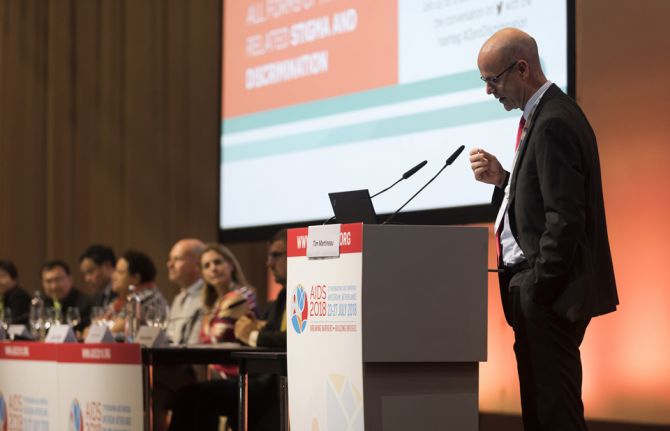
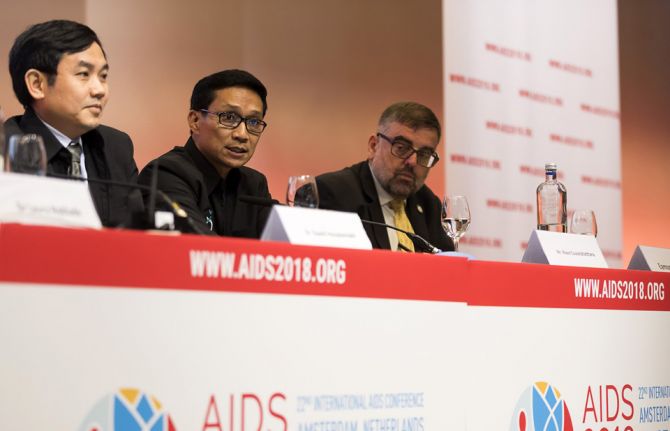
How to catalyse country initiatives and reduce stigma and discrimination in health-care facilities was the focus of a session at the International AIDS Conference on 23 July in Amsterdam, Netherlands. The session, Catalyzing Thailand and Regional Initiatives on Zero Discrimination in Healthcare Settings and Building Bridges Towards a Global Compact to Eliminate all Forms of HIV-Related Stigma and Discrimination, brought together representatives of the Governments of Thailand, Viet Nam and the Netherlands and representatives of regional civil society networks, the United States Centers for Disease Control and Prevention and UNAIDS.
Thailand is acknowledged as a pioneer in reducing stigma and discrimination in health-care settings in Asia through its innovative system-wide response. The event heard that the Thai stigma and discrimination reduction package is based on global measuring tools and contains a permanent monitoring system, evidence-informed actions at health facilities and community engagement at all levels.
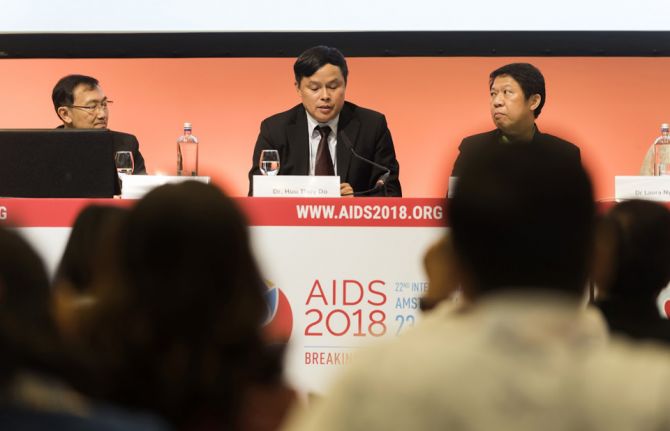
Viet Nam piloted a stigma and discrimination reduction programme in Ho Chi Minh. At the session, Huu Thuy Do, Head of the Information, Education and Communication Department of the Viet Nam Administration for AIDS Control, explained how Viet Nam learned from cooperation with Thailand and how the Thai model was translated to the city level in Viet Nam.
Based on the experiences of Thailand and Viet Nam, speakers encouraged countries to foster cross-border links on stigma and discrimination reduction efforts in health-care settings in order to achieve more effective and efficient joint global action.
The participants also learned from the Dutch approach, which directs attention to the inequality of access to HIV prevention and treatment services while promoting an enabling legal environment to prevent stigma and discrimination.
The participants heard that the greater engagement of communities, people living with HIV and key populations in the development and monitoring of programmes against stigma and discrimination is a core element for successful stigma and discrimination reduction programmes. Their participation not only increases access by hard-to-reach communities, but also helps ensure that a rights-based approach is used.
The event concluded with the presentation of the Global Framework for Action, an initiative led by civil society that aims to catalyse and accelerate the implementation of commitments made to end HIV-related stigma and discrimination in different settings.
Quotes
“Thailand is a pioneer in the Asia region in developing a comprehensive programme to create health-care settings free from stigma and discrimination, leading to better health outcomes that go beyond HIV. In Thailand, we developed an intervention package that adapted global tools to our local context to stop stigma and discrimination. Stigma and discrimination is now systematically measured through surveys as part of that intervention package. The collected data are subsequently used to increase awareness, inform interventions and serve as a catalyst for system-wide actions.”
“What we should do is talk with religious leaders and talk with traditional leaders to make them see that discrimination and stigmatization is also a threat to society.”
“Discrimination at work links with health care. We find that people living with HIV all over the world face huge fears about disclosure, losing their jobs. Young people living with HIV have extremly high levels of unemployment.”
“Human rights, including stigma and discrimination and gender related vulnerabilities, are among the reasons for the serious HIV prevention gap and the insufficient progress that has been made in reducing new HIV infections in many regions of the world.”
"While HIV related stigma and discrimination are far from over, our experiences show that stigma and discrimination are both measurable and actionable. Reduction tools are available and when combined with collective leadership from key stakeholders and partners, we can end HIV related stigma through evidence based monitoring and effective interventions. Vision without action is just a dream but with action can make a difference. The world should unite to eradicate stigma and discrimination in all its forms."
"In the Thai model, the involvement of CSOs, PLHIV and KP’s goes beyond just an invitation to speak at a S&D reduction training. Communities are significantly involved in the entire process, from the programme consultation, planning over the implementation to the monitoring of progress."
Related
Feature Story
Monaco becomes a Fast-Track city
09 July 2018
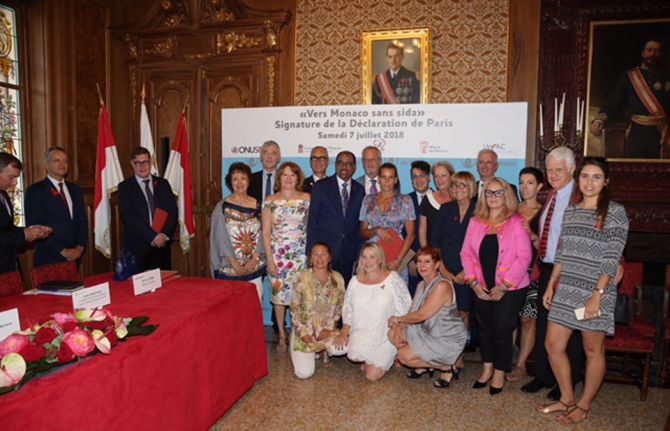
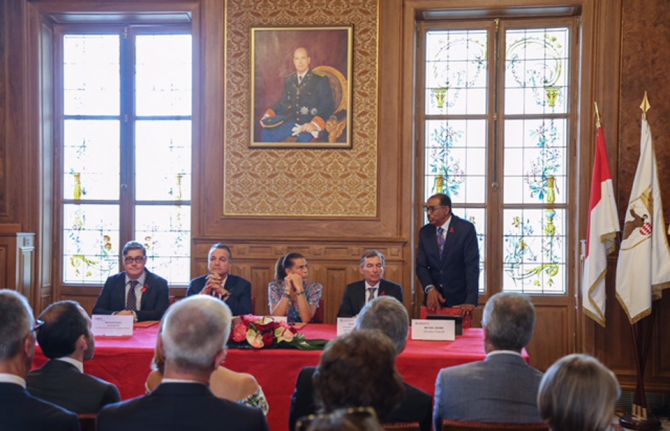
09 July 2018 09 July 2018Monaco has joined a network of more than 250 cities worldwide by signing the Paris Declaration, making a commitment to Fast-Track its response to the HIV epidemic and adopt the 90–90–90 targets.
The 90-90-90 targets are that, by 2020, 90% of all people living with HIV will know their HIV status, 90% of all people living with HIV will have access to antiretroviral therapy and 90% of all people on antiretroviral therapy will have viral suppression.
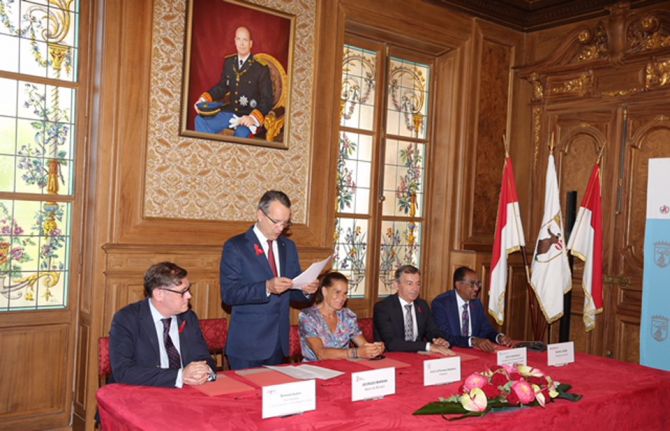
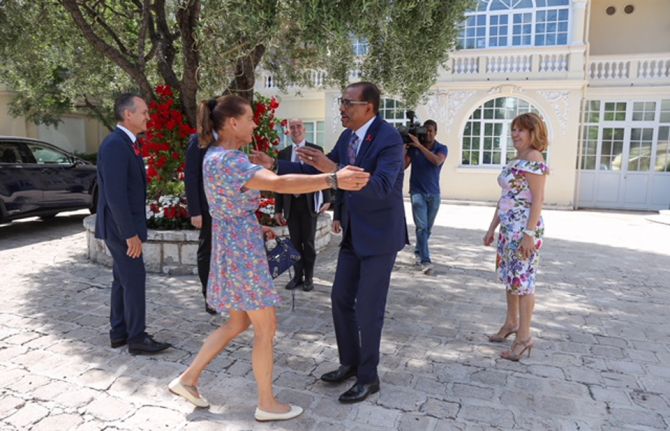
At a ceremony attended by Princess Stephanie of Monaco, who is also the President of Fight AIDS Monaco and a UNAIDS International Goodwill Ambassador, the Mayor of the Principality, Georges Marsan, stressed the importance of testing as the entry point to getting people on treatment and keeping them healthy.
Twice a year since 2012, Monaco has taken its HIV testing campaign to the streets of the principality through its Test in the City campaign. In his speech, the mayor also underlined the importance of preventing new HIV infections.
In his remarks at the event, UNAIDS Executive Director Michel Sidibé recalled visiting South Africa with Princess Stephanie in 2009, when just several hundred thousand people in the country had access to antiretroviral therapy to keep them alive and healthy. Today, he said, that number has expanded to 4.3 million people.
Mr Sidibé added that cities had a vital role to play as hubs of innovation and research and that they could help reach forgotten groups of people at risk of HIV infection.
Also present at the event were Monaco’s Minister of Health and Social Affairs, Didier Gamerdinger, and the Vice-President of the International Association of Providers of AIDS Care, Bertrand Audoin.


Feature Story
Love in the Sunshine in South Sichuan
29 June 2018
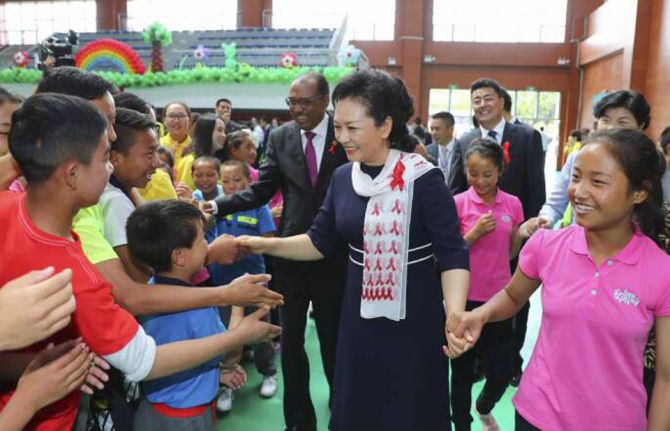
29 June 2018 29 June 2018The China children’s summer camp kicked off it’s annual activities this year in Liangshan, an autonomous prefecture in the south of the Chinese province of Sichuan. Sichuan is one of the largest provinces in China, it is also one of the most affected by HIV which is why this camp is so important. The camp brings together children who are living with HIV and runs under the theme “love in the sunshine”. At the camp the children are encouraged to participate in a wide range of activities in an environment they feel safe in, where they won’t be judged and where they will be respected by the other children and staff.
The event was one of a series of activities the Executive Director of UNAIDS Michel Sidibé was invited to participate in by the First Lady of China as part of UNAIDS and China’s strengthened cooperation and joint commitment for a robust response to HIV both in China and around the world.
One such activity was a visit to the Xichang University. Universities are playing a key role in the response to HIV. Xichang University for example, is encouraging students to actively engage in HIV prevention efforts in the community. During the visit the group, which included the Chinese Vice Minister of Health, joined in Red Ribbon Youth activities and spoke to students about their experiences as HIV prevention volunteers going out into villages to raise awareness of HIV prevention.
Mr. Sidibé also met with Governor of Sichuan Province Yin Li in Chengdu, who governs over the 80 million strong population who live in the Province. He said that in recent years, HIV prevention and control efforts in Sichuan have made positive progress, a significant step forwards for a province which is home to more people than France or the United Kingdom. He also said that he would like Sichuan to further strengthen its cooperation with UNAIDS to explore more effective ways of stopping HIV and ensuring access to treatment.
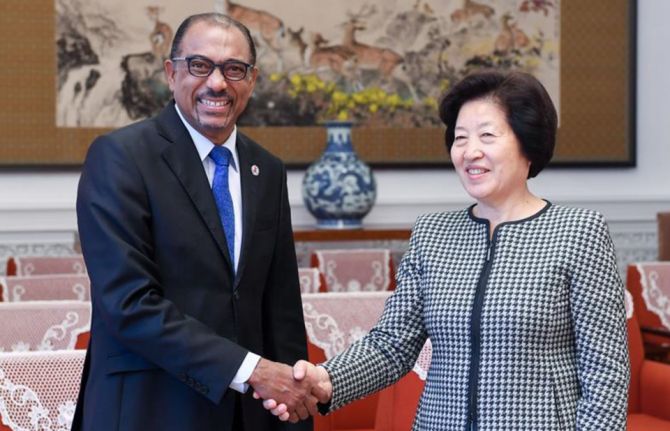
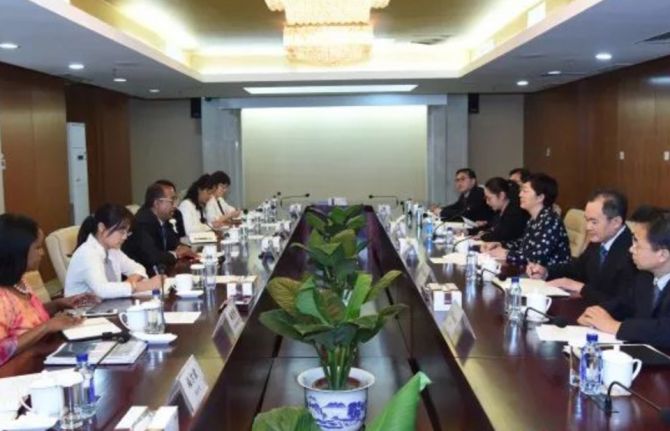
Before arriving in Liangshan, the Executive Director of UNAIDS attended serval important meetings in Beijing including a meeting with the Chinese Vice Premier Sun Chunlan who commended UNAIDS on the robust response to HIV. She said that China stood ready to work together with UNAIDS on HIV prevention and treatment efforts to improve the health and well-being of people around the world.
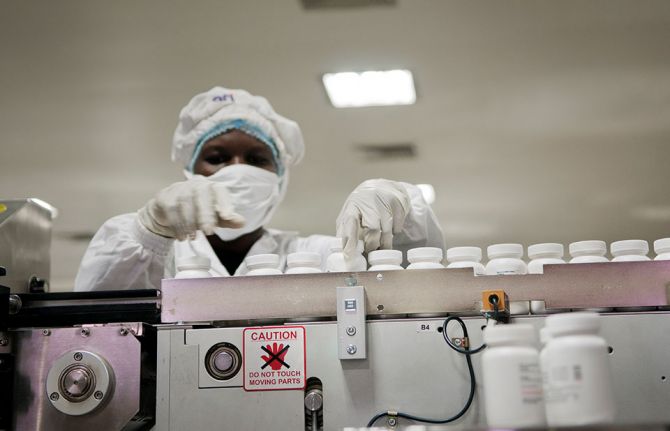
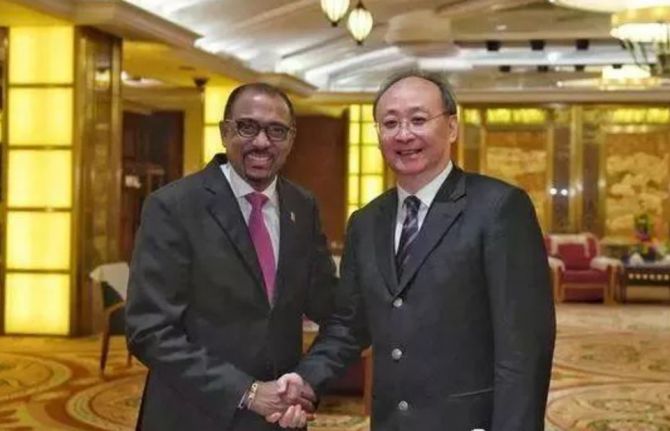
Mr Sidibé also met with the Chinese National Drug Administration and congratulated the Chinese government for its achievements in drug regulatory reform. China has extensive pharmaceutical production capacity and an important drug regulatory system. He stressed that there are great opportunities for China and Africa cooperation in trade, technology transfer and local production of medicines.
Also in Beijing, Mr. Sidibé joined the community of people living with HIV for a meaningful discussion on the implementation of 90-90-90 in China. He called for more efforts to make HIV testing and immediate treatment become a reality everywhere and to ensure the availability and accessibility of simplified, high quality drug regimens.
The Joint UN team in China is working hand in hand with the Chinese government, partners and communities to achieve "zero new HIV infections, zero discrimination, and zero AIDS-related deaths." On 20 June 2018 the Joint UN team launched its Joint Work Plan on AIDS in China further strengthen efforts to end AIDS in China.
Region/country
Feature Story
New UNAIDS web portal reinforces its commitment to accountability and transparency
27 June 2018
27 June 2018 27 June 2018UNAIDS has launched a revamped transparency portal, open.unaids.org, which presents current data on how UNAIDS is working to end AIDS as a public health threat by 2030.
The portal features joint results, country-level information, financial reporting, donor contributions, indicator trends and detailed information on the achievements of the UNAIDS Cosponsors.
“This portal is part of our collective efforts to ensure that we strengthen our transparency, accountability and communications around how we work and what we achieve. It provides Member States, donors, partners and staff alike with an excellent and highly accessible resource,” says Gunilla Carlsson, UNAIDS Deputy Executive Director.
The UNAIDS transparency portal for the first time presents how UNAIDS is working with the International Aid Transparency Initiative (IATI). UNAIDS became an IATI publisher in late 2016 and since then has regularly been publishing the details of financial and programme information in a standardized format in the IATI registry.
UNAIDS’ commitment to being open and accountable has been demonstrated by efforts to share programmatic and financial data with the public since 2014, when the initial transparency portal was launched at UNAIDS’ first financing dialogue. Since then, the portal has presented all information on performance and financial reporting shared with the Programme Coordinating Board annually. Adoption of the IATI standard—a format and framework for publishing data—has been another important step in ensuring that data are accessible and available to all.
The portal can be accessed at https://open.unaids.org/.
UNAIDS transparency portal
For more information
Related
Feature Story
Transgender dignity key to health and well-being
26 June 2018
26 June 2018 26 June 2018The World Health Organization released the new International Classification of Diseases, ICD-11, on 18 June.
The new version no longer defines issues associated with transgender identity as a mental disorder. Instead, there are new categories of gender incongruence of adolescence and adulthood and gender incongruence of childhood, which are classified as conditions related to sexual health.
The ICD provides a holistic look at every aspect of life that can affect health and supports decision-making for programming services and the allocation of spending.
“A shameful history of pathologization, institutionalization, “conversion” and sterilization begins to come to a close,” said Mauro Cabral Grinspan, the Executive Director of GATE, an international organization working on issues of gender identity, gender expression and sex characteristics.
Michel Sidibé, the UNAIDS Executive Director, welcomed the decision. “This is an important step to increase access to health services by transgender people,” he said.
According to the World Health Organization’s report Transgender people and HIV, transgender people are 49 times more likely to acquire HIV than all adults of reproductive age. They often face, from a young age, stigma, discrimination and social rejection in their homes and communities for expressing their gender identity. Such discrimination, violence and criminalization prevent transgender people from getting the HIV services they need to stay healthy.
Although the new ICD version will be presented for final approval at the World Health Assembly in May 2019, transgender activists are already working on the next steps, including the revision of the categories and definitions, as well as reception at the national level.
Mauro Cabral Grinspan said, “We will work with our allies to ensure effective implementation at the country level to improve regulations while ensuring full access to legal gender recognition and to gender-affirming health care.”
Feature Story
Bringing HIV services closer to people in Osh, Kyrgyzstan
14 June 2018
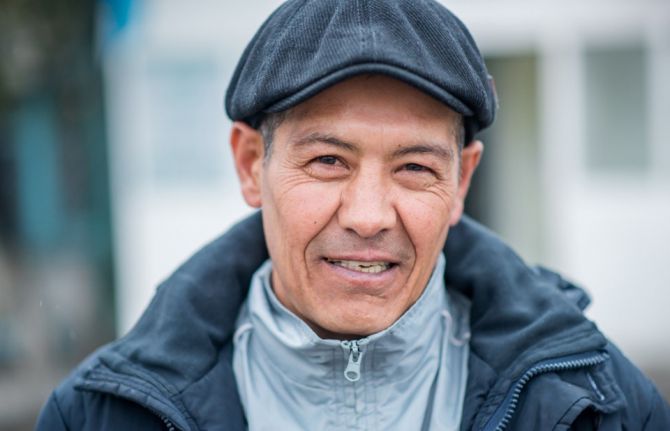
14 June 2018 14 June 2018Absamov Mannap Kamilovich works as a peer consultant in a primary health-care clinic in the city of Osh, in southern Kyrgyzstan. Mr Absamov injected drugs for more than 20 years, but, after a period of community-based treatment, stopped injecting and started a new life.
After taking an HIV test in 2013, Mr Absamov was asked to work as a peer consultant for a newly formed multidisciplinary HIV team.
In 2014, the first multidisciplinary HIV teams started work in southern Kyrgyzstan. They include a specialist in infectious diseases or a family doctor, a nurse and a peer consultant. The teams aim to improve the quality of medical and social services for people living with HIV and their families and are based in local health clinics.
The multidisciplinary HIV teams are supported by a grant from the Russian Federation through a regional cooperation programme that is implemented by UNAIDS in partnership with the Araket Plus nongovernmental organization. Ten multidisciplinary HIV teams have now been formed in Kyrgyzstan.
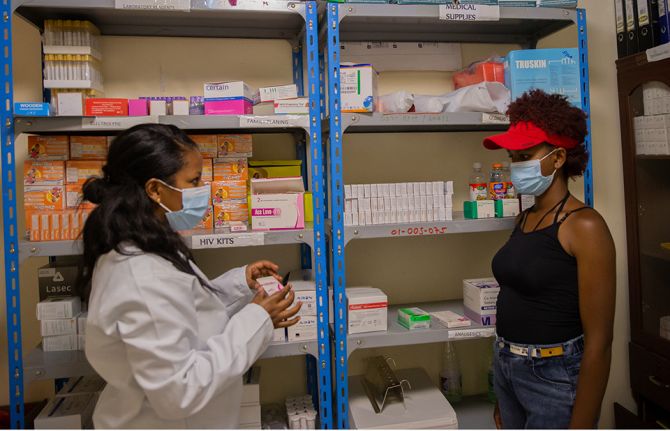
Mr Absamov works with up to seven clients a day, who go to a local clinic where they can access a comprehensive package of medical services.
Mr Absamov says that initially many people were afraid to visit the clinics, as they feared stigma and discrimination from medical personnel. “I had to persuade them, explain that it is possible to get all the medical services they needed at the local clinic.”
Ainagul Osmonova, the project manager, believes that people living with HIV have developed a genuine trust for their peer consultants.
The teams have helped to get people living with HIV on antiretroviral therapy. In 2013, only 285 people newly diagnosed with HIV started antiretroviral therapy. With the support of the multidisciplinary HIV teams, by the end of 2017 that number had increased to 885 people.
The peer consultants help the teams to recruit people living with HIV into the programme and to provide them and their families with access to social support services, which includes a psychological help desk for families and children affected by HIV. The peer consultants are in close contact with family members of people living with HIV and community organizations.
The multidisciplinary HIV teams work in close contact with the AIDS Centre in Osh. By moving many services for people living with HIV to the clinics, the role of the AIDS Centre has changed to focus more on coordination, training and seminars for general practitioners and the clinics’ medical staff.
According to the UNAIDS Country Director in Kyrgyzstan, Meerim Sarybaeva, the transfer of the AIDS Centre’s services to the primary health-care level has increased the overall coverage of clients enrolled in HIV treatment, care and support programmes. “Our experience shows that we should not be afraid of change. All people living with HIV and members of their families need to be able to access services where they live and be able to receive them freely, without experiencing stigma and discrimination,” she said.
Mr Absamov says he enjoys his job. Thanks to him, many people living with HIV have stopped using drugs, have started antiretroviral therapy and adhere to their treatment.
Region/country
Related
 Communities, authorities and UNAIDS coordinate to maintain HIV care during emergencies in Colombia and Venezuela
23 September 2026
 UNAIDS works with partners and communities to support Zambia's rollout of Lenacapavir to prevent new HIV infections
09 September 2026
 Built on trust - Community-led HIV responses in Thailand
26 August 2026
Feature Story
South Sudan: raising the profile of HIV in humanitarian contexts
15 June 2018
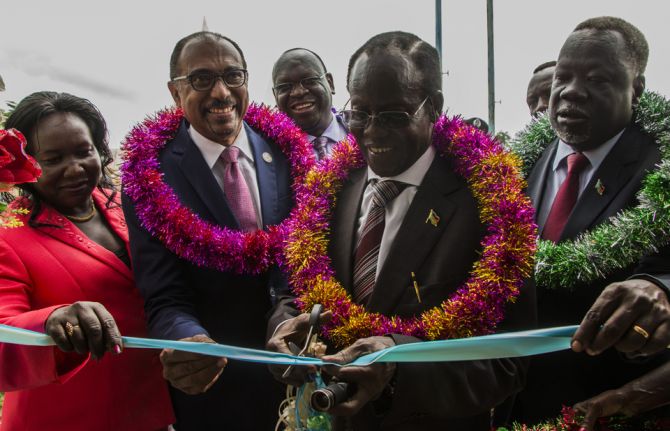
15 June 2018 15 June 2018In South Sudan, 7 million people are in need of humanitarian assistance and 5 million people need access to health services, including HIV prevention and treatment services. In this context, AIDS does not stand in isolation; rather, it is an entry point for social transformation. This was the message of Michel Sidibé, UNAIDS Executive Director, during his recent visit to the country.
“We all know the challenges that South Sudan is facing. But during this visit I have been humbled and impressed. I have seen that, despite challenges, when people on the ground are committed, anything is possible,” said Mr Sidibé.
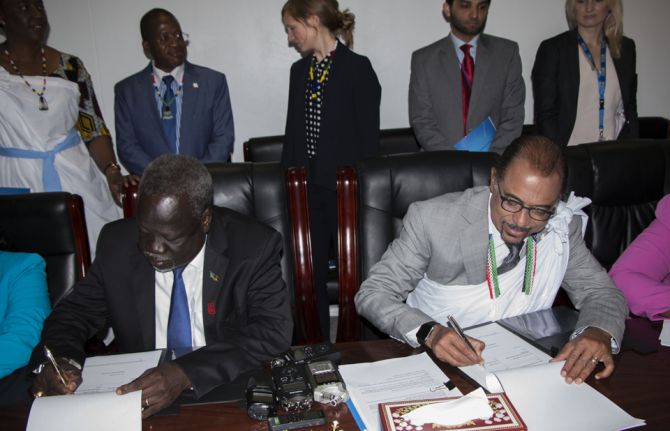
While in South Sudan, Mr Sidibé signed a memorandum of understanding on the right to health in the education sector with the Ministry of Health, the Ministry of Education and Instruction and the South Sudan AIDS Commission. The agreement commits all parties to develop and implement a strategy in line with the UNAIDS Fast-Track approach and the Ministerial Commitment on Comprehensive Sexuality Education and Sexual and Reproductive Health Services for Adolescents and Young People in Eastern and Southern African, of which South Sudan is a signatory.
In 2016, an estimated 200 000 people were living with HIV in South Sudan. In addition, only 10% of people living with HIV were accessing life-saving HIV treatment. Children are particularly vulnerable, with fewer than 1000 children living with HIV between the ages of 0 and 14 years on HIV treatment—5% of those in need.
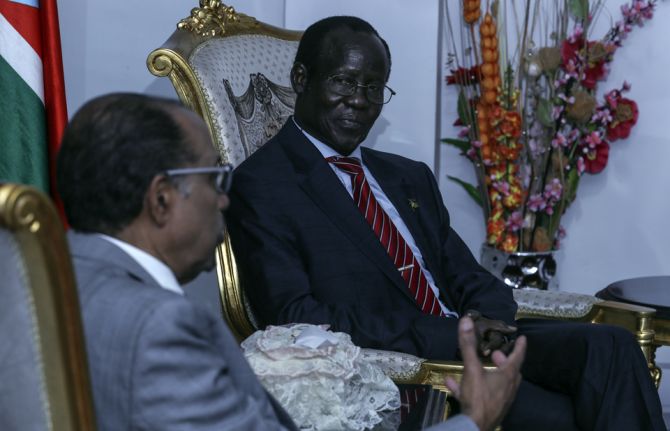
To accelerate results in the AIDS response, James Wani Igga, the Vice-President of South Sudan, in the presence of Mr Sidibé, launched the 2018–2022 South Sudan National Strategic Plan on HIV and AIDS, which will provide a solid monitoring and evaluation framework for the implementation of the national AIDS response.
“Stigma often leads to discrimination and other violations of human rights that affect the well-being of people living with HIV. HIV-related stigma is compounded for those individuals who identify with already stigmatized groups, including sex workers and men who have sex with men,” said Mr Igga.
Mr Sidibé also discussed with Mr Igga how more can be done together to address HIV in South Sudan, with a particular focus on HIV among uniformed personnel as a key entry point. They discussed how the AIDS response can build resilience, protect rights and promote freedom from violence, peace and stability in South Sudan.
Region/country
Feature Story
Celebrating the life of Calle Almedal
13 June 2018
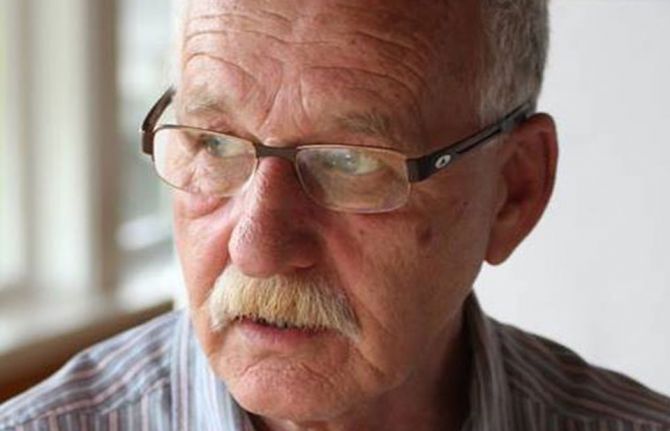
13 June 2018 13 June 2018UNAIDS is remembering the life and work of Calle Almedal, UNAIDS Senior Adviser on Partnerships with Civil Society and Faith-Based Organizations from 1997 to 2007. He was born in Sweden in 1945 and died on 7 June 2018 following a long battle with cancer.
“Calle Almedal was an outstanding professional, a passionate advocate and a personal friend and colleague. His legacy lives on in the lives of people of faith and of no faith in every corner of the world,” said Michel Sidibé, the Executive Director of UNAIDS.
Mr Almedal pioneered UNAIDS’ work with a wide range of civil society groups. Through his work, new and innovative partnerships were forged that developed the capacity of partners to respond to the HIV epidemic. For example, he brokered a partnership between the Federation of the Red Cross and Red Crescent Societies (IFRC) and the Global Network of People Living with HIV that resulted in the IFRC’s offices offering space to newly formed country networks of people living with HIV.
However, he is best known for his work with the faith community. He championed the concept of AIDS-competent churches and was a passionate advocate for human rights and justice for people living with HIV. He also championed the rights of people on the margins of society, particularly people ostracized by faith communities.
A person of faith himself, Mr Almedal challenged faith communities to address issues inside their own communities that put people at risk of HIV before addressing issues outside of the community. Without this so-called in-reach work, he explained that the church would lose its credibility—he gave the same challenge to UNAIDS.
He worked in a way that drew people towards him. He was known for his quick wit, keen sense of humour and sharp critique—a combination of qualities that, along with his dedication, passion and drive, made his work in partnerships so successful.
Mr Almedal trained in nursing and public health and theology. Prior to joining UNAIDS, he served in Lebanon, the Lao People’s Democratic Republic, Mozambique, Thailand and Yemen with the Norwegian Red Cross.

Feature Story
Resilient despite the odds: the people of South Sudan
11 June 2018
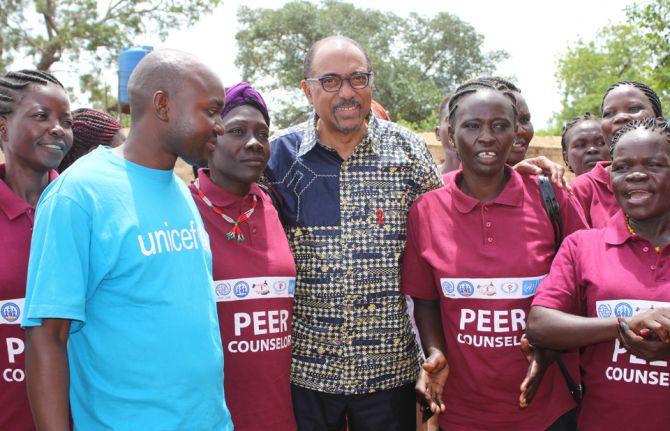
11 June 2018 11 June 2018Mother of five Regina Mateo shows us her home in Wau, South Sudan—a temporary shelter at the protection of civilians (POC) refugee site. She brought her family here to seek refuge from violence and instability in her village. However, Ms Mateo and her family are eager to return home as soon as it is safe to leave.
Everyone wants a safe place to call home. But, with conflict and violence ongoing throughout much of the country, that is too much to ask for many in South Sudan at the moment. The Wau POC holds a population of 20 880 people, but there are many other sites offering refuge. In Juba, the POC holds 39 405, in Bentiu 116 725, in Malakal 24 417 and in Bor 2296. Many people leave the POCs during the day to work but return at night from fear of violence at the hands of armed groups.
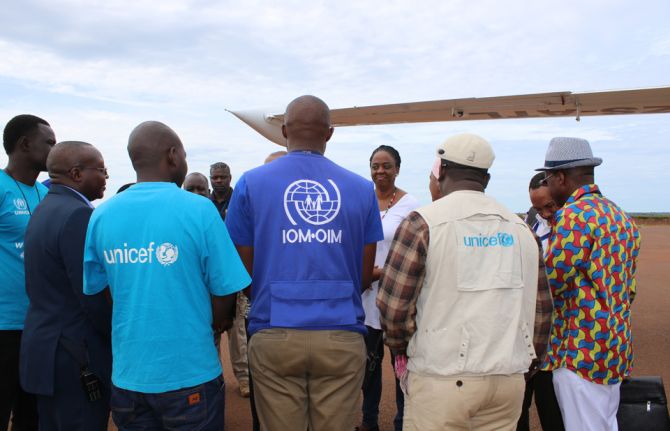
During his recent visit to Wau, UNAIDS Executive Director Michel Sidibé was welcomed by a network of women and girls living with HIV and representatives of service providers from the United Nations family and local government. He said, “With the collapse of health infrastructure and upheaval of entire communities in conflict zones, continuity of treatment and care has become difficult in the extreme. But the people of South Sudan are resilient. And this brings us hope.”
Mr Sidibé visited the Wau POC to better understand the living conditions of people who have been displaced as well as the services available to them. Living conditions are difficult, with limited basic services. Everyone is desperate for peace so that they can return home.
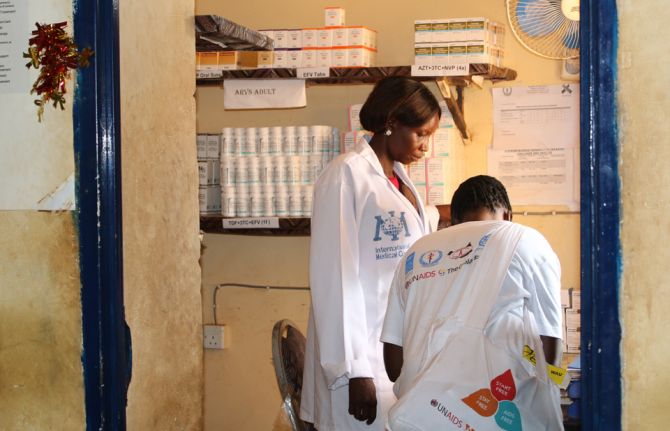
Despite these challenging circumstances, the United Nations family is working together to deliver basic services. A highlight is the delivery and stabilization units in health facilities supported by the International Organization for Migration and the United Nations Population Fund that serve both the people who have been displaced and the host community and which integrate HIV services as part of broader primary health-care services.
Survivors of gender-based violence are also able to access psychosocial support and clinical management of rape services. These services are available in part thanks to UNAIDS resources complementing resources from the Global Fund to Fight AIDS, Tuberculosis and Malaria.
Mr Sidibé met with the Governor of Wau, Angelo Taban, and, together with the State Minister of Health, they visited the Wau Teaching Hospital, where they met peer mentor mothers who are living with HIV but who have given birth to HIV-negative babies. The health personnel are doing tremendous work despite the tough working conditions.
At the Juba Teaching Hospital, the South Sudan Network of People Living with HIV described the critical challenges many people are facing. “Many people living with HIV are lost to follow-up, due to the current crisis. Many of them are in the South Sudan bush, many others are on the move to neighbouring countries without medication. Those in towns are dying in silence due to poverty.” But hope is alive. A whole new generation of midwives are being trained, making real the right to health and non-discrimination in health facilities.
Despite all the challenges, from conflict to a collapsing health infrastructure, insufficient funds and unmet basic needs, the people of South Sudan are resilient.
Region/country
Feature Story
Luxembourg committed to accelerating the AIDS response in western and central Africa
11 June 2018
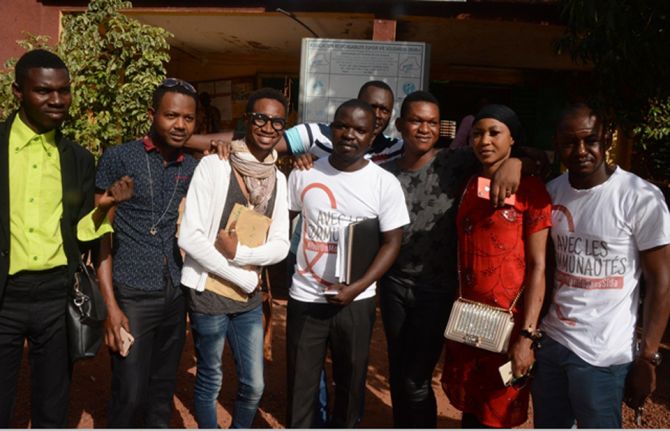
11 June 2018 11 June 2018The Government of Luxembourg has announced that it will renewal its €1 million contribution to UNAIDS for the western and central Africa catch-up plan, with the funds focused on paediatric care and treatment and human rights. Launched in December 2016, the western and central Africa catch-up plan aims to ensure that 4.5 million people living with HIV in the region will have access to HIV treatment by 2020.
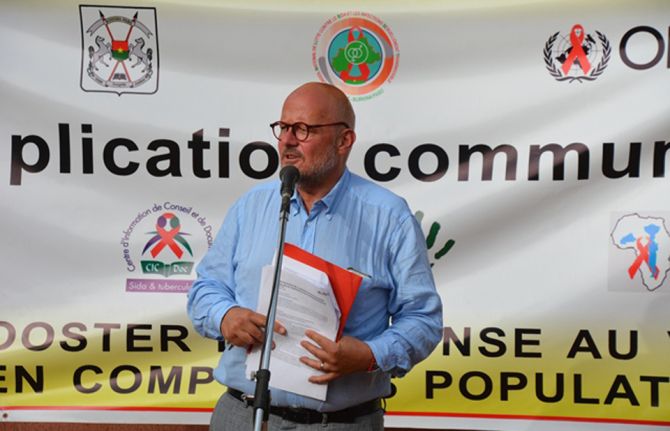
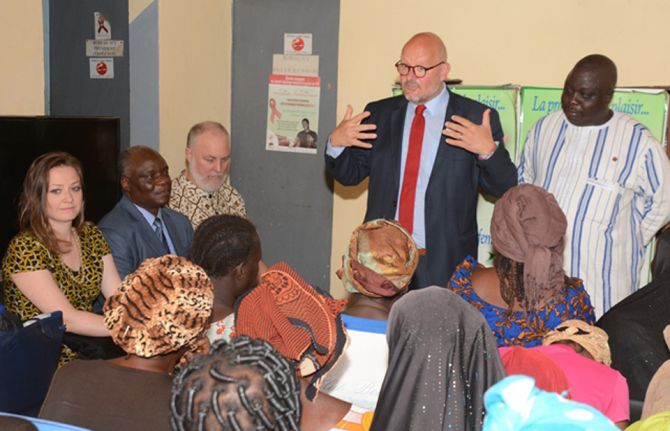
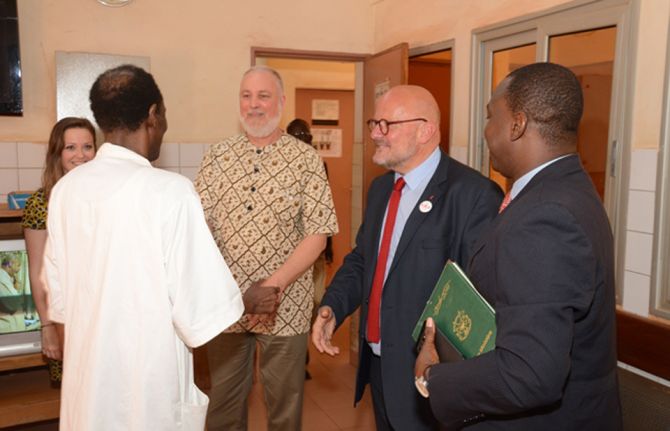
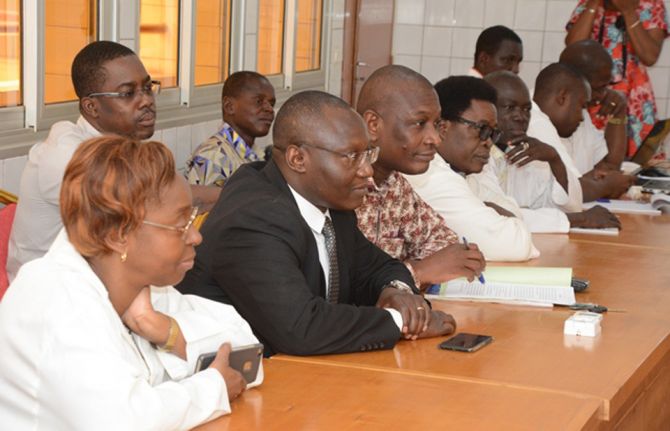
Marc Angel, Chair of the Foreign Affairs and Development Committee in the Luxembourg Parliament and UNAIDS Champion for the 90–90–90 Targets, recently undertook a three-day visit to Burkina Faso, a beneficiary of last year’s contribution. Mr Angel met with leaders from the government and civil society organizations and witnessed first-hand the successes and challenges of Burkina’s AIDS response.
“I’m impressed by what I have seen, and I believe Burkina Faso is on track for achieving 90–90–90 and for the elimination of mother-to-child transmission of HIV. I encourage the government, civil society, community-based associations and other actors to do more to reach the last mile, so that AIDS is no longer a public health threat,” said Mr Angel.