

Feature Story
Kenya: leadership and innovation for results in eliminating mother-to-child transmission of HIV
26 July 2018
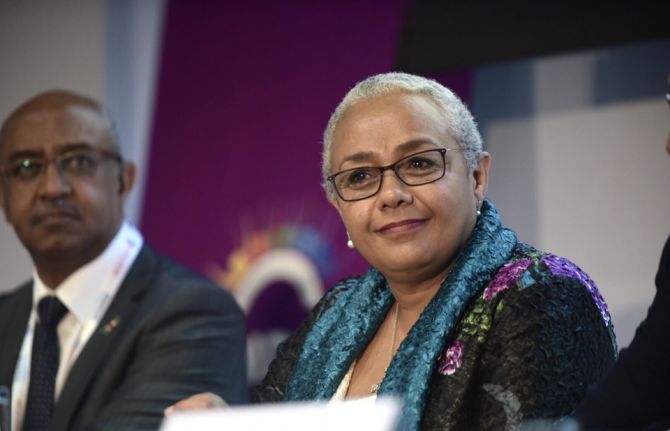
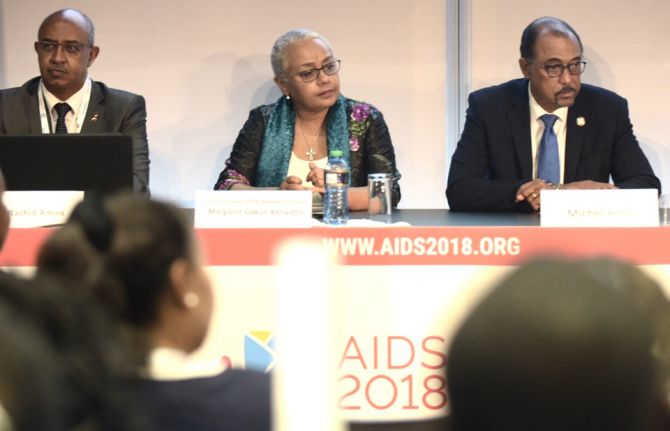
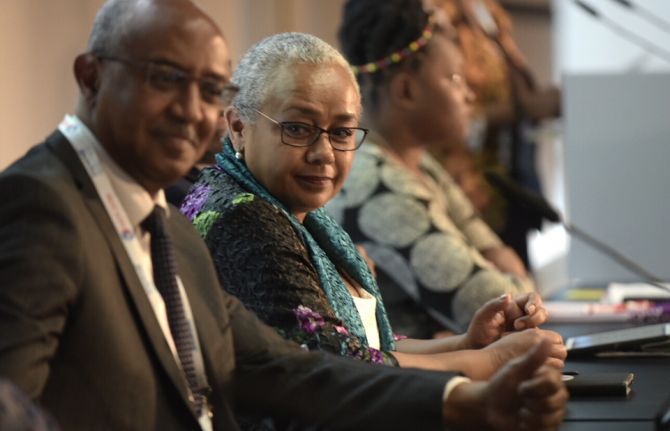
26 July 2018 26 July 2018A meeting at the 2018 International AIDS Conference, being held from 23 to 27 July in Amsterdam, Netherlands, has showcased how Kenya is responding to the challenges and opportunities on the way towards validation of the elimination of mother-to-child transmission of HIV in a high-burden context.
Building on the Start Free Stay Free AIDS Free framework, specific attention is being given in Kenya to ensuring access to treatment for children and adolescents living with HIV, while addressing inequities, particularly among adolescent girls and young women.
The participants heard about the role of high-level champions—including community leaders, parents, religious leaders and other relevant stakeholders—highlighting the need for action at all levels, based on robust programmatic data.
Kenya has made significant progress in preventing new HIV infections among children, which fell from an estimated 13 000 in 2010 to 8000 in 2017. This has been possible through programmes such as the mentor mother initiative, which supports and cares for women living with HIV, the mother–baby pair approach, which synchronizes appointments for the mother and the child at the health facility, and audits of every child exposed to HIV in order to identify barriers in accessing health facilities.
The leadership of Margaret Kenyatta, the First Lady of Kenya, and her Beyond Zero Campaign have been instrumental in raising awareness on the importance of services to promote the health of mothers and children, including HIV prevention.
The participants heard, however, that more needs to be done to ensure that progress is equal across the country. Progress has been threatened by recent challenges, such as a health workers strike, which has affected antenatal care and testing coverage, and reduced community support, which has affected demand creation for HIV services.
The participants decided that there was an urgent need to scale up HIV programmes. This would be complemented by innovations in tracking the targets for paediatric and adolescent HIV and accounting for every mother and child. Furthermore, the resilience of the health system needs to be strengthened.
The meeting, held on 24 July, was jointly organized by the Ministry of Health of Kenya, UNAIDS and the Elizabeth Glaser Pediatric AIDS Foundation.
Quotes
“As I reflect on the great gains Kenya has made, what is worrying in the last few years is the widening gap in terms of increased infections among adolescents, especially among young women. The challenges of some of the efforts made, for women especially, mean that our investments in eliminating mother-to-child transmission of HIV may be wiped out in two decades.”
“Every child has the right to be born free from HIV. And every child living with HIV should receive life-saving treatment to stay AIDS-free. And every young person should be supported to stay free from HIV. We cannot leave any child or mother behind.”
“Adopting innovations, such as point-of-care HIV testing with nearly immediate results, is critical to support us young women living with HIV to access the services we need. Programmers and service providers need to listen to our needs and concerns.”
“Progress shown by the data from Homa Bay, Kenya, to reduce new paediatric infections is a powerful message from the highest prevalence county in one of the highest burden countries. If we can do it in Homa Bay, we can do it anywhere.”
Region/country

Feature Story
Undetectable = untransmittable
20 July 2018
20 July 2018 20 July 2018Undetectable = untransmittable is the message of a new UNAIDS Explainer. With 20 years of evidence demonstrating that HIV treatment is highly effective in reducing the transmission of HIV, the evidence is now clear that people living with HIV with an undetectable viral load cannot transmit HIV sexually.
Three large studies of sexual HIV transmission among thousands of couples, one partner of which was living with HIV and the other was not, were undertaken between 2007 and 2016. In those studies, there was not a single case of sexual transmission of HIV from a virally suppressed person living with HIV to their HIV-negative partner. The Explainer cautions, however, that a person can only know whether he or she is virally suppressed by taking a viral load test.
For many people living with HIV, the news that they can no longer transmit HIV sexually is life-changing. In addition to being able to choose to have sex without a condom, many people living with HIV who are virally suppressed feel liberated from the stigma associated with living with the virus. The awareness that they can no longer transmit HIV sexually can provide people living with HIV with a strong sense of being agents of prevention in their approach to new or existing relationships.
The new UNAIDS Explainer series aims to inform readers about key or emerging issues in the AIDS response. With recommendations for programme managers and advice for national responses, they are short but informative snapshots of the current knowledge about an area of the AIDS response.
Feature Story
The youth bulge
20 July 2018
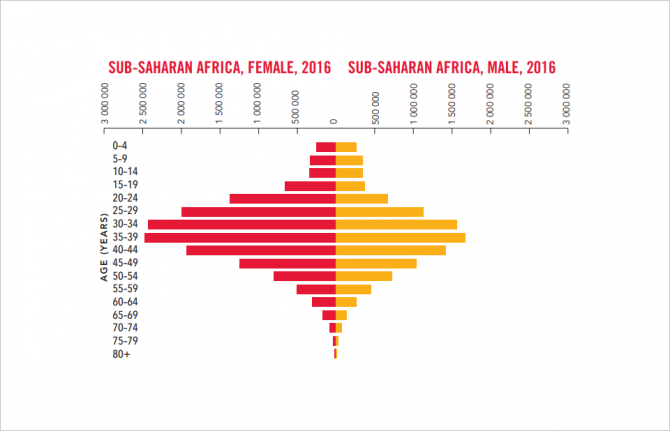
20 July 2018 20 July 2018The youth bulge is not new. Younger generations have almost always been larger than the previous generation. However, before the twentieth century, high child mortality meant that a large proportion of children did not survive to adulthood.
Huge improvements in nutrition and health services over the past 30 years have had a significant impact on population trends in sub-Saharan Africa. Thanks to remarkable decreases in child mortality—and large decreases in mother-to-child transmission of HIV—child survival rates have improved significantly.
A new UNAIDS Explainer shows the effects that the youth bulge has had on the AIDS response. As the overall number of young people has grown, and coverage of prevention services remained the same, more young people have been put at risk of HIV infection.
An analysis of UNAIDS data shows that new HIV infections among young people aged 15–24 years declined by 22% between 2010 and 2017. However, had the population size and incidence rate remained stable, the decline in new HIV infections among young people aged 15–24 years would have been 36%.
The Explainer shows the challenges of the youth bulge, explains how young people are at higher risk of HIV and calls for countries to scale up their services for young people.
The new UNAIDS Explainer series aims to inform readers about key or emerging issues in the AIDS response. With recommendations for programme managers and advice for national responses, they are short but informative snapshots of the current knowledge about an area of the AIDS response.
Feature Story
Health leaders from 10 countries in eastern Europe and central Asia reaffirm commitment to scale up the AIDS response
24 July 2018
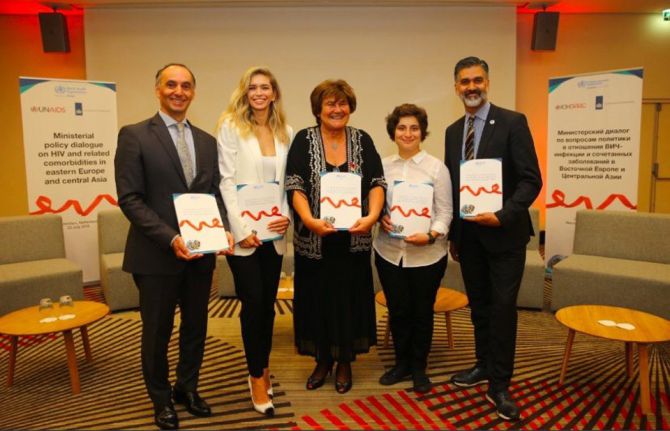
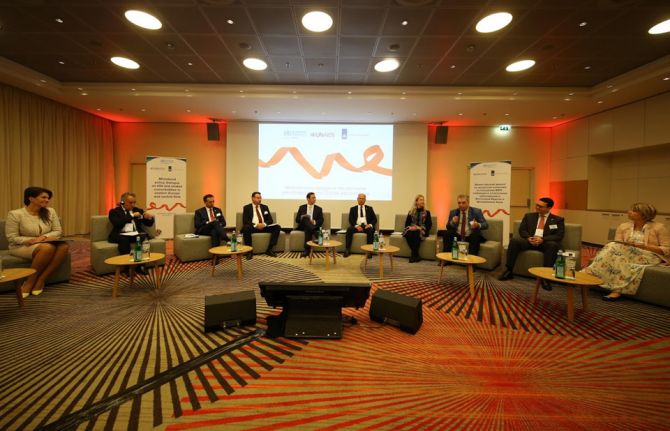
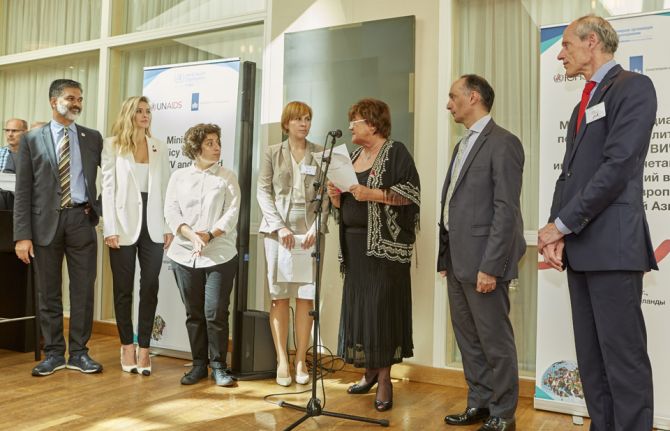
24 July 2018 24 July 2018Ministers of health and senior policy-makers from 10 countries in eastern Europe and central Asia reaffirmed their political commitment to scale up national HIV responses during a ministerial policy dialogue on HIV, which was held on the eve of the International AIDS Conference in Amsterdam, Netherlands.
The participants exchanged their experiences and the results of their national AIDS responses with a view to adapting them and scaling them up across the region. They discussed the Fast-Track priorities for achieving the 90–90–90 targets, whereby, by 2020, 90% of people living with HIV will know their HIV status, 90% of people who know their HIV-positive status will be accessing treatment and 90% of people on treatment will have suppressed viral loads. The Fast-Track priorities include the scale-up of domestic funding, the continued focus on key populations, strengthening collaboration across sectors and working in partnership with civil society and people living with HIV.
According to the recent UNAIDS report Miles to go, in eastern Europe and central Asia the annual number of new HIV infections has doubled since 2010—one of the only regions of the world in which HIV continues to increase.
Stigma and discrimination discourages HIV testing and treatment uptake. Harm reduction services remain essential in a region where nearly one third of new HIV infections are among people who inject drugs. Harm reduction programmes are in place across the region, but often at a limited scale.
At the end of 2017, among the 1.4 million people living with HIV in eastern Europe and central Asia, 73% were aware of their HIV status, an increase from 69% in 2016. A majority of the countries in the region have officially adopted test and treat, but owing to resource constraints and barriers to treatment among key populations, the pace of treatment scale-up is slow and coverage remains among the lowest in the world. About 520 000 people were accessing antiretroviral therapy in 2017, just 36% of all people living with HIV in the region.
During the dialogue, the Compendium of good practices in the health sector response to HIV in the WHO European region, featuring 52 successful examples from 32 countries, was launched.
The dialogue was organized by the World Health Organization Regional Office for Europe and UNAIDS, in cooperation with the Government of the Netherlands.
Quotes
“The time to accelerate our efforts is now. We have done much, but we have not done it all. When there are evidence-based approaches to change the course of the HIV epidemic in our region, we cannot afford business as usual.”
“We need ministers of health to convince heads of state and government to meet with people living with HIV and support key populations in order to set an example on how to end stigma and discrimination.”
“I am impressed to see an unprecedented number of ministers of health here at the International AIDS Conference. Let’s maintain this momentum after Amsterdam to get public leaders in your countries to enhance the momentum to reverse the HIV epidemic in countries across eastern Europe and central Asia.”
“Young people across eastern Europe and central Asia are calling on ministers of health to engage and empower young people in all aspects of policy development and implementation.”
“An inclusive rights- and evidence-based HIV response is cost-effective. At today’s dialogue here in Amsterdam, with the unprecedented participation of health ministries, experiences were exchanged and results discussed. Let’s use good practices as an example and scale them up to ensure an effective and inclusive response.”
Region/country
- Eastern Europe and Central Asia
- Albania
- Armenia
- Azerbaijan
- Belarus
- Bosnia and Herzegovina
- Bulgaria
- Croatia
- Cyprus
- Czechia
- Estonia
- Georgia
- Hungary
- Kazakhstan
- Kyrgyzstan
- Latvia
- Lithuania
- Montenegro
- Poland
- Republic of Moldova
- Romania
- Russian Federation
- Serbia
- Slovakia
- Slovenia
- Tajikistan
- North Macedonia
- Türkiye
- Turkmenistan
- Ukraine
- Uzbekistan
Related


Feature Story
Faith communities building bridges
24 July 2018
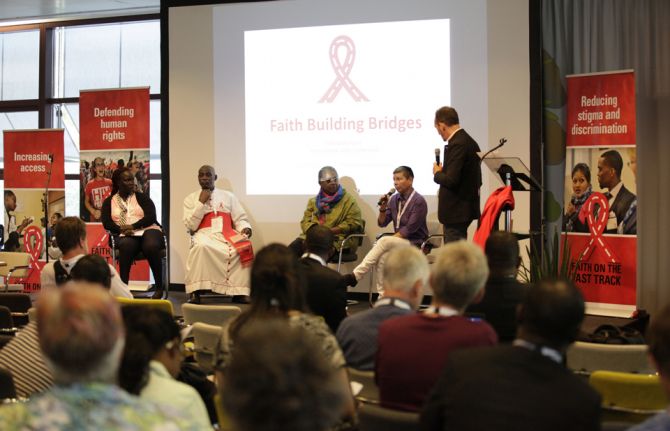
24 July 2018 24 July 2018Faith Building Bridges, the interfaith pre-conference event that was held before the International AIDS Conference, ended on 22 July. The participants joined together in a common voice to demand that the world recommit to ending AIDS and that world leaders take strong actions now, and in the future, to ensure that the AIDS epidemic is brought to an end.
Some 150 representatives of faith-based organizations, religious leaders, health-care providers, activists, policy-makers and other stakeholders attended Faith Building Bridges, which was convened by the World Council of Churches–Ecumenical Advocacy Alliance. Sessions included migration and how it puts people at risk of HIV infection, role of faith groups in ending TB, as well as how faith communities can strategically support children and adolescents living with HIV.
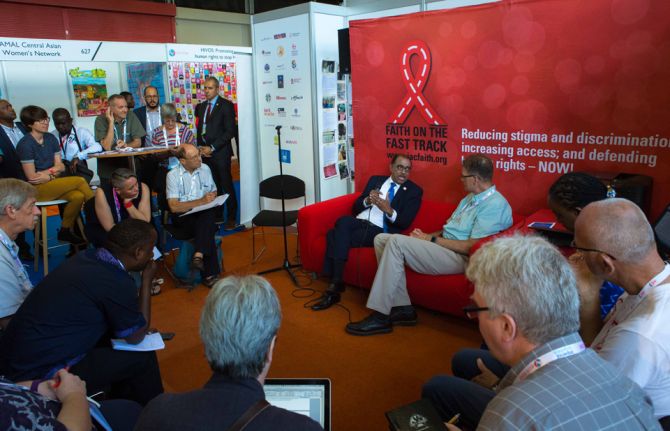
At the closure of Faith Building Bridges, faith activities transitioned to the faith networking zone in the Global Village, where UNAIDS Executive Director Michel Sidibé engaged faith leaders in a lively dialogue on 24 July. He focused on the critical role of faith communities as champions of social justice to help eliminate HIV-related stigma and discrimination.
Commemorating friends who died from AIDS-related illnesses and expressing hope and solidarity, people of diverse faiths came together in an interfaith prayer and memorial service on 23 July at the Keizersgrachtkerk in Amsterdam.
People of faith marched in solidarity with other conference delegates from the interfaith prayer service to the International AIDS Conference, expressing solidarity and commitment to the global response to HIV.
An interfaith networking zone in the Global Village will include events focusing on the importance of religious leadership in promoting HIV testing, testing and treatment for children and adolescents, addressing tuberculosis and HIV coinfection and strengthening interfaith responses to HIV.
Quotes
“No one can help us more than the church in overcoming stigma. This is your natural terrain, fighting for social justice.”
“Hope should be seen as a human right in our world today.”
“We are here at this International AIDS Conference and we come as those carrying a banner of hope and a banner of possibility for all of those in the world.”
“We have an opportunity to continue the transformative impact of faith. Diversity has to inform our debate and our actions.”
Related
Feature Story
Young people call on the world to #UPROOT the causes that put them at risk of HIV
24 July 2018
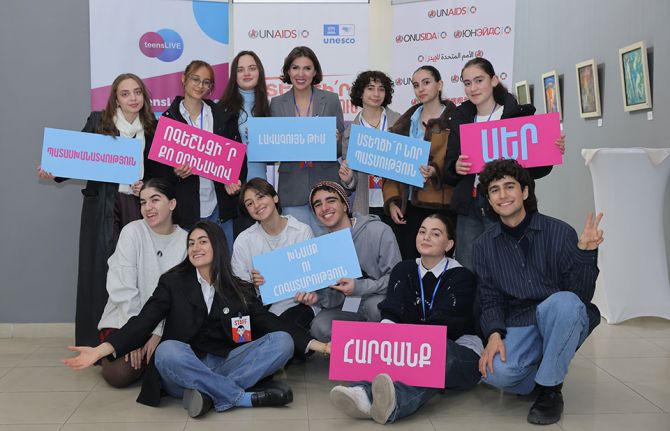
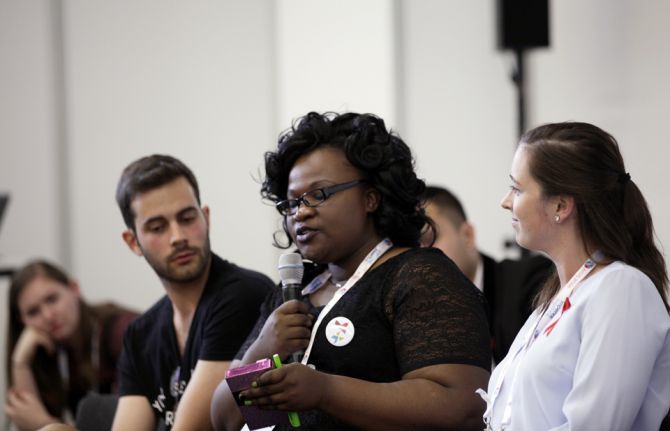
24 July 2018 24 July 2018The PACT, a global coalition of youth organizations working on HIV and sexual and reproductive health and rights, gathered in Amsterdam, Netherlands, on 24 July at the International AIDS Conference, a year after launching #UPROOT, a youth-led political agenda to end AIDS by 2030.
The session saw youth advocates share materials developed by #UPROOT to inspire and mobilize more young people to act at the country level to challenge harmful laws, advocate for youth participation in the AIDS response and build strategic and more resilient partnerships to end AIDS.
Discussions focused on persisting legal barriers that young people face to access services, including age of consent laws on HIV testing and treatment. In 2017, 73% of 125 countries reported having age of consent requirements for HIV testing, out of which 31% require consent for adolescents younger than 18 years old. The PACT, through the #UPROOT agenda, has developed a set of policy briefs aimed at youth advocates to tackle these legal and policy constrains to access services.
Young people’s participation in the HIV response was highlighted as a key determinant to ensure its effectiveness and sustainability. Youth participation in key decision-making spaces is still a challenge. A recent UNAIDS report, Youth and HIV: mainstreaming a three-lens approach to youth participation, suggests that “while young people participate in the development, consultation, validation or review of strategic documents that guide the HIV response at the country level, they participate much less frequently in spaces where decisions are made about the policy framework or resources invested in the HIV response.”
Greater technical and financial support to young people’s participation in community responses to HIV was also highlighted as a pending need of youth-led organizations and networks working on HIV.
Strengthening collaboration between medical students and young key populations to reform national medical curricula in order to tackle discrimination in health care was also a focus of the session. In 2017, under the #UPROOT agenda, the International Federation of Medical Students Associations signed a memorandum of understanding with youth organizations and networks, including networks of young key populations and young people living with HIV, to respond to discrimination in health care, resulting in stronger collaborations in several countries, including Egypt and Uganda.
All the resources developed by the #UPROOT agenda thus far, including guidance on youth organizing, advocacy and accountability in advancing the AIDS response and young people’s rights, will soon be available on an online action centre.
Quotes
“The #UPROOT agenda is grounded in young people’s frustration at being left behind in the HIV response, but also highlights our hope and optimism that by working together and tackling the underlying systemic issues that keep us at risk, we can change things for the better.”
“In this day and age, it is unacceptable that adolescents and young people still struggle to access HIV and sexual and reproductive health services. The world has the money, the know-how but unfortunately not the political will to end AIDS. We need to #UPROOT the barriers that hinder political will.”
“We have a global discrimination epidemic, and it is one of several root causes that keep putting young people at risk of HIV infection and AIDS-related deaths. The end of AIDS is possible, but we have miles to go to ensure that everyone, everywhere, has access to services and is treated with dignity and respect.”
Related
Feature Story
Breaking out of our echo chambers: cutting through the noise with creative storytelling about HIV
24 July 2018
24 July 2018 24 July 2018Analysis of social media use shows that, on the whole, most users tend to engage most with information that aligns to their existing beliefs and perceptions on the world. This phenomenon has been described as the echo chamber effect, whereby users find themselves surrounded, in general, by content from like-minded people and preferred information sources.
Echo chambers can be an opportunity as well as a barrier in the response to HIV. Some online communities offer spaces for people to access and share HIV-related information and resources in a stigma-free manner. On the other hand, echo chambers can also enhance stigmatization, promote discriminatory behaviours or spread inaccurate or false information. To some extent, the echo chamber effect can limit the ability of individuals or organizations to reach people outside of their natural audience bases.
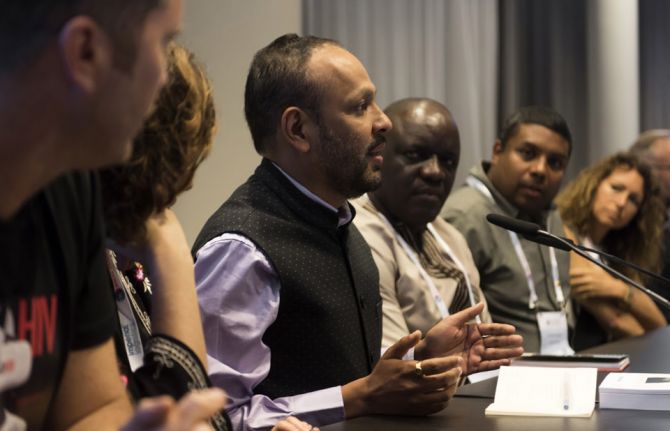
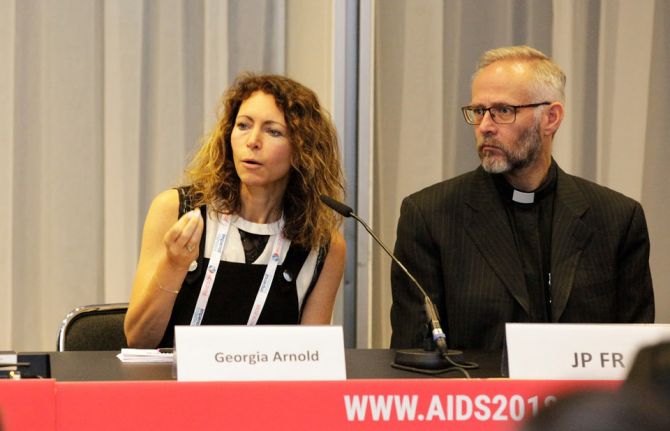
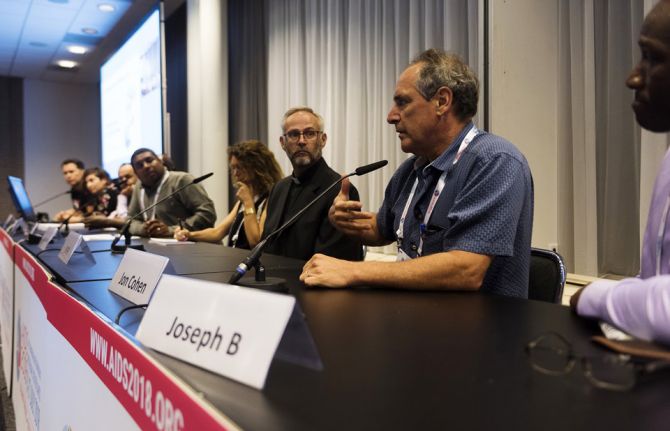
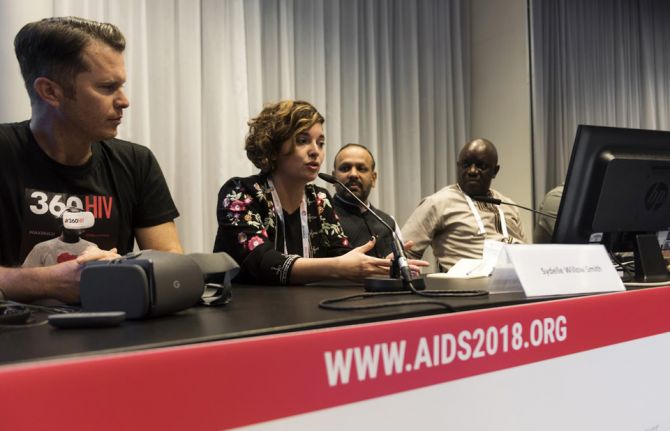
UNAIDS and ViiV Healthcare chaired a symposium on breaking out of such echo chambers at the International AIDS Conference, being held from 23 to 27 July in Amsterdam, Netherlands. The panellists discussed various ways of being heard in a cluttered digital and non-digital space that has radically changed in the past decades.
Science magazine reporter Jon Cohen explained how he uses print, radio, television and Twitter to keep up with the onslaught of news. Despite the non-stop nature of his job, he stressed the importance of quality journalism.
“A medium is a medium and sadly a lot of people do not use the vehicle they have to tell stories well,” he said, likening it to a doctor not using his sharpest tool during an operation. In his opinion, it’s easy to lose readers and viewers, so he advised people to engage as much as possible with their audience and avoid preaching to people.
“Even if I offend people, I describe the reality, because I want you to see it and feel it,” he said.
Georgia Arnold, the Executive Director of the MTV Staying Alive Foundation, explained that the HIV television drama Shuga had had such a successful run for the past nine years because the show focused on teens and spoke to them at their level. It depicts relatable characters that deal with real issues and there is constant youth-based feedback. Recently, MTV introduced a gay character, which she said demanded some adjustment because some countries outlaw homosexuality.
“Use technology to transcend boundaries,” she said, explaining how MTV had to air two versions of the show but uploaded the gay version to YouTube and followed up on Twitter and Instagram. “Flex boundaries, do not smash them,” she advised.
J.P. Mokgethi-Heath couldn’t agree more. He is a policy adviser on HIV and theology for the Church of Sweden and uses his pulpit and sacred texts to reach his audience. “I help people understand texts in a different way,” he said. For him, his style of storytelling in person leads to an immediate response, so he aims to always stay true to his beliefs.
Immediacy and immersion drove Rowan Pybus and Sydelle Willow-Smith to try their hand at virtual reality video-making. The founders of Makhulu Productions based their 3-D short films on young South Africans’ experiences and highlighted one adolescent girl’s journey with HIV, making viewers feel like they are walking into a clinic for an HIV test.
“Virtual reality can have a physical effect on people, and that is a very exciting space to be in,” Mr Pybus said. Ms Willow-Smith added that the fact that Google, UNAIDS, the Desmond Tutu HIV Foundation and the Children’s Radio Foundation all partnered to make the films possible reflects how there is real interest to “break out of individual echo chambers.”
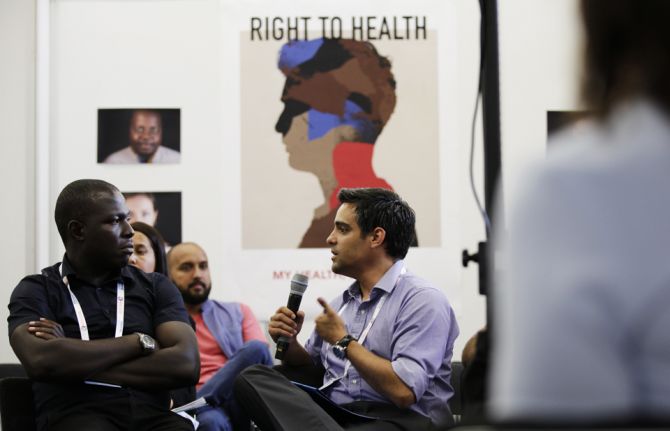
UNAIDS Communications Director Mahesh Mahalingam said that World AIDS Day provides a great opportunity to reach out to people about HIV. Last year, he said, UNAIDS wanted to communicate in a fresh way. The team produced a magazine-like report on the right to health in general, going beyond issues related to HIV. Various communities weighed-in in a series of questions and answers on what the right to health means to them.
“People got to say what they wanted through the UNAIDS mouthpiece, allowing us to break barriers and reach new audiences,” he said.
The symposium ended with ViiV Healthcare and UNAIDS announcing a new digital storytelling challenge prize. “If you feel you engage hard-to-reach groups on issues related to HIV prevention, testing, care and/or stigma, then apply,” said ViiV Healthcare Positive Action’s Jennifer Carpenter. She also recognized the two winners of the Every Footstep Counts video competition, Rogers Simiyu from the Elisabeth Glaser Pediatric AIDS Foundation and Joseph Baguma of THETA-Uganda.


Feature Story
Accelerating towards 90–90–90
24 July 2018
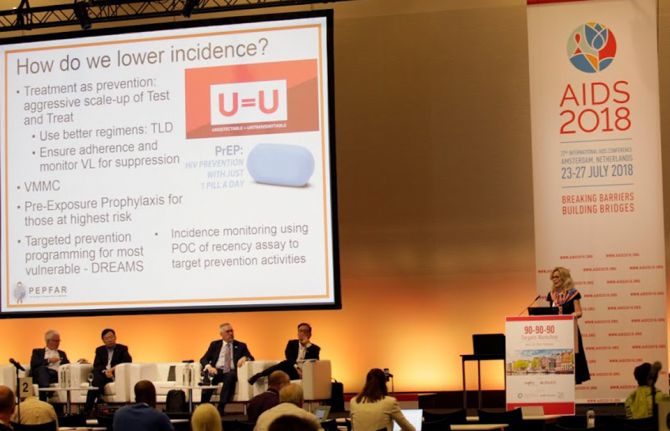
24 July 2018 24 July 2018There has been global progress in accelerating towards the 90–90–90 targets—whereby, by 2020, 90% of people living with HIV will know their HIV status, 90% of people who know their HIV-positive status will be accessing treatment and 90% of people on treatment will have suppressed viral loads—since their launch at the International AIDS Conference in 2014 in Melbourne, Australia.
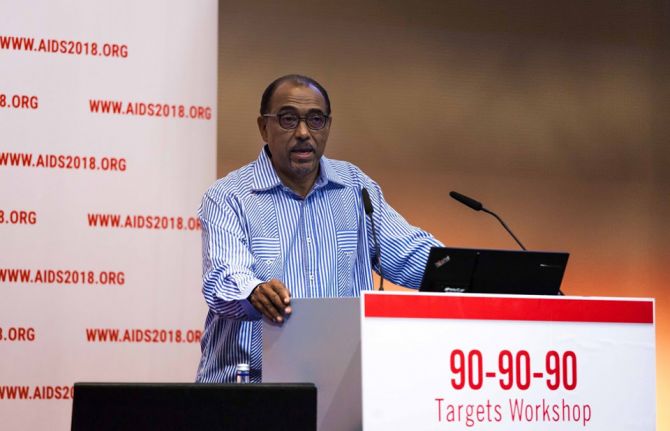
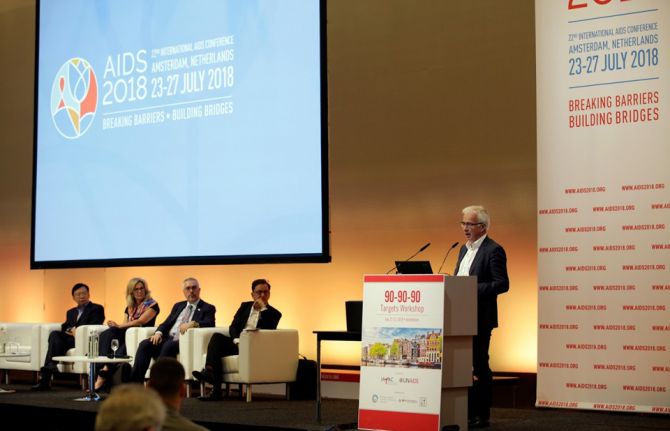
Four years later, global leaders from civil society, governments, the private sector and academia came together for a two-day workshop, on 21 and 22 July in Amsterdam, Netherlands, to highlight the successes, identify gaps and share best practices in order to reach 90–90–90.
By the end of 2017, the world had achieved 75–79–81. Globally, 75% of people living with HIV know their status, 79% of people living with HIV who know their status are accessing antiretroviral therapy and 81% of people accessing treatment had suppressed viral loads.
The participants at the workshop reviewed the progress made with the rapid adoption of global policies, political commitment, the engagement of civil society and regular evaluation of progress and gaps.
Despite the global successes, evidence presented at the workshop showed that entire regions and populations are still being left behind. Progress in eastern Europe and central Asia, western and central Africa and the Middle East and North Africa is falling behind. Key populations, adolescents and men are not being reached by traditional health facility-based HIV testing services. Lack of political commitment, user fees and stigma and discrimination are some of the barriers to progress.
During the session, the participants discussed ways to identify and correct gaps and direct resources to where they are most needed, including by investing in data collection, reducing the turnaround time from testing to treatment initiation, prioritizing adherence and retention in care, increasing access to affordable viral load testing and the meaningful engagement of civil society in order to reach the people currently being left behind.
The participants also called for the political commitment and financial resources needed to make 90–90–90 a reality everywhere.
Quotes
“It is four years since we launched 90–90–90 and it has taken us further and faster than we could ever have imagined. With 90–90–90, we have built a bridge that spans the essential elements of the HIV treatment cascade. We must not be scared of the future, we must define it. If we quicken the pace, we can reach 30 million with HIV treatment by 2020.”
“Dramatic impact is possible if the core policies are adopted quickly and continuously evolve based on a thorough evaluation of programme needs and gaps. Epidemics evolve and we must rapidly evolve our responses, using the best science and new tools and constantly evaluating why something is not working and adjusting our programmes appropriately.”
“It is important to recognize the catalytic nature of the 90–90–90 targets and leverage successes to quicken the pace in all regions and reach all populations.”
“The most sustainable investment you can make is in communities. It is the most difficult form of investment, but the most valuable way to sustain the response!”
Feature Story
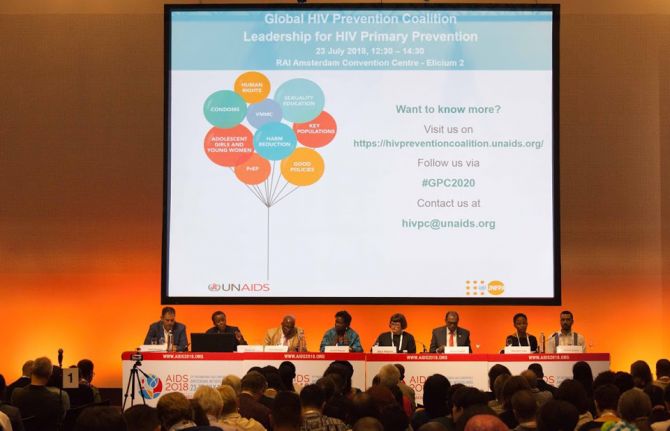
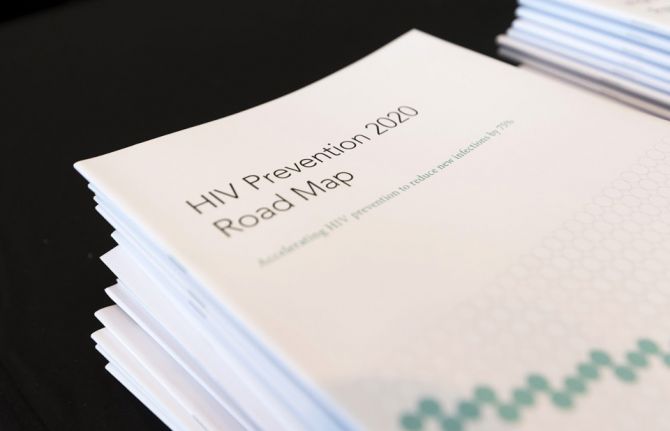
Global HIV Prevention Coalition implements the HIV Prevention 2020 Road Map
24 July 2018
24 July 2018 24 July 2018On 23 July, the Global HIV Prevention Coalition brought together HIV prevention leaders in Amsterdam, Netherlands, to discuss the urgency of scaling up HIV prevention services. They shared the progress made and looked at the challenges, including policy barriers and inadequate funding for prevention.
The speakers highlighted the initial progress made since the launch of the Global HIV Prevention Coalition in October 2017. National prevention coalitions engaging many sectors and civil society organizations have been established to better coordinate responses. Ambitious prevention programme targets have been set in many countries and newly launched HIV strategies focus on prevention.
However, the limited capacities of national programmes and a steady decline in prevention funding have put the end of AIDS at risk. Policies on age of consent in about half of all coalition countries remain major barriers to adolescents’ access to HIV and sexual and reproductive health services. Many countries lack sufficient data on key populations and hence reach few of them. Stigma and discrimination further prevent key populations from accessing services.
The heads of the Global Fund to Fight AIDS, Tuberculosis and Malaria (Global Fund) and the United States President’s Emergency Plan for AIDS Relief (PEPFAR) underlined the need for adequate investments focused on the people with the highest HIV prevention needs.
Alvaro Bermejo, the Director-General of the International Planned Parenthood Federation, made a passionate appeal to donors and programmes not to forget condoms. All young people and members of key populations need easy access, he said, which was why the current gap in condom programming has to be closed.
For prevention efforts to be sustainable, civil society should be meaningfully engaged in national coalitions and their expertise and comparative advantage in implementation used and linked to adequate funding.
Given these challenges and an ambitious prevention agenda to be implemented in only two and a half years, rapid action is required. The call made by the prevention leaders was a clear step in the right direction.
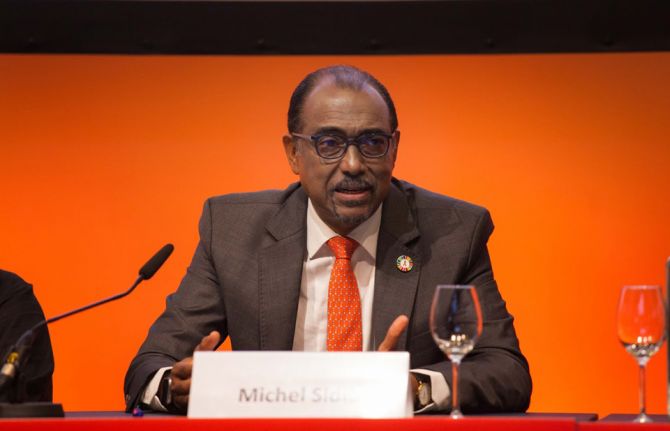
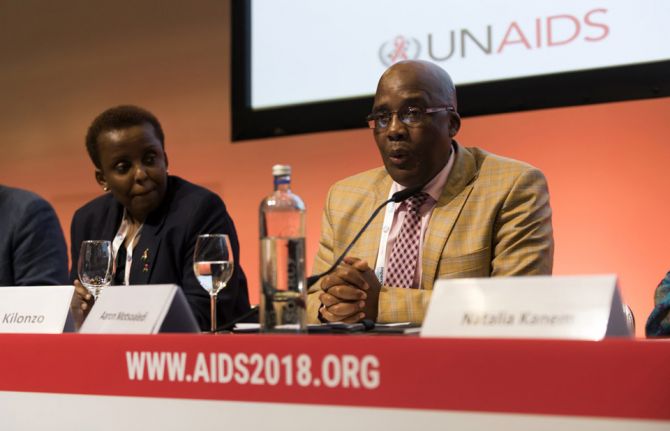
The participants of the event included the Minister of Health of South Africa, Aaron Motsoaledi, representatives of civil society and the heads of PEPFAR and the Global Fund. Michel Sidibé, the Executive Director of UNAIDS, and Natalia Kanem, the Executive Director of the United Nations Population Fund, convened the high-level panel.
Quotes
“The prevention coalition we launched together with the United Nations Population Fund has been able to create a momentum. We are seeing prevention back on national agendas, with amazing calls from the grass roots. What we need now is concrete action to scale up programmes.”
“The face of vulnerability is adolescent girls and key populations. We really do need to think about the era of sustainable development and what it means to live with full dignity. Prevention implies access to information, it implies timely respectful services and understanding that we are in a time of crisis.”
“An essential element is the question of accountability for HIV prevention and who is the duty-bearer, who should be accountable. The HIV Prevention Road Map has very clearly articulated the need for clear responsibility and it lies in the duty-bearer for the multisectorial response. Accountability in HIV prevention programming is essential to measure achievement against national and subnational prevention targets.”
“We need to put resources effectively into prevention for key populations. It is impossible to stop AIDS without stopping stigma, discrimination and criminalization of drug use and key populations.”
“There is a condom crisis inside the prevention crisis. We know how to deliver condoms. It is other things that are getting in the way of not having condoms where young people are, of not allowing young people under 18 to access condoms in the clinics, not allowing them to come near schools, of prosecuting women for carrying condoms. That is what we need to address.”

Feature Story
The 22nd International AIDS Conference opens in Amsterdam
24 July 2018
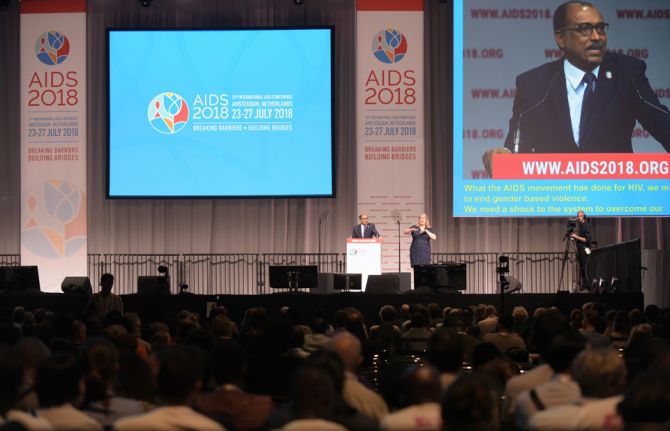
24 July 2018 24 July 2018The 22nd International AIDS Conference opened on 23 July in Amsterdam, Netherlands. Under the theme “Breaking barriers, building bridges”, the conference will draw attention to the need of rights-based approaches to more effectively reach key populations.
This year’s theme echoes one of the messages in UNAIDS’ latest report, Miles to go—that key populations are not being considered enough in HIV programming. Key populations and their sexual partners account for 47% of new HIV infections worldwide and 97% of new HIV infections in eastern Europe and central Asia, where one third of new HIV infections are among people who inject drugs.
The International AIDS Conference, which will run from 23 to 27 July, is the largest conference on any global health issue in the world and provides a unique forum for the intersection of science, advocacy and human rights. Bringing more than 15 000 participants together, the conference is an opportunity to strengthen policies and programmes that ensure an evidence-informed response to the epidemic.
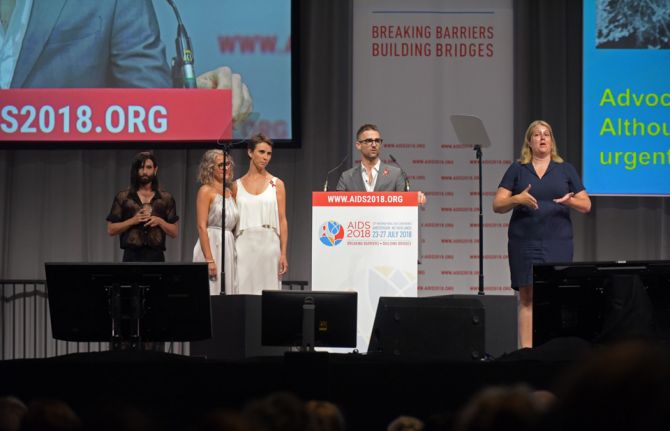
The conference was officially opened by Princess Mabel van Oranje, the International AIDS Conference Chair, Linda-Gail Bekker, the UNAIDS Executive Director, Michel Sidibé, the Director-General of the World Health Organization, Tedros Adhanom Gebreheyesus, and artist and winner of the Eurovision Song Contest in 2014, Conchita Wurst.
Speaking at the opening ceremony, Mr Sidibé stressed that the pace of progress is not fast enough to meet the 2020 targets. He sounded the alarm on the growing inequalities and intolerance for diversity that are resulting in an HIV prevention crisis. He noted the need to break barriers that exclude people from their rights.
He also highlighted the need to close the gaps, specially the funding gap. “Like you, I worry about the funding gap. There is a persistent 20% gap between what is needed and what is available. We know small cuts can have big consequences. A fully funded AIDS response is non-negotiable,” said Mr Sidibé.
The conference is set to emphasize the need to promote human rights-based and evidence-informed HIV responses that are tailored to the needs of vulnerable communities, activate and galvanize political commitment and accountability among governments, donors, the private sector and civil society and address gaps in and highlight the critical role of HIV prevention.
During the coming days there will be opportunities for sharing knowledge, ideas and good practices through plenary discussions, abstract presentations, symposia, skills-building workshops, attendance at the Global Village community space and numerous independent events.