Feature Story
Guayaquil joins the worldwide group of cities committed to ending the HIV epidemic
15 March 2024
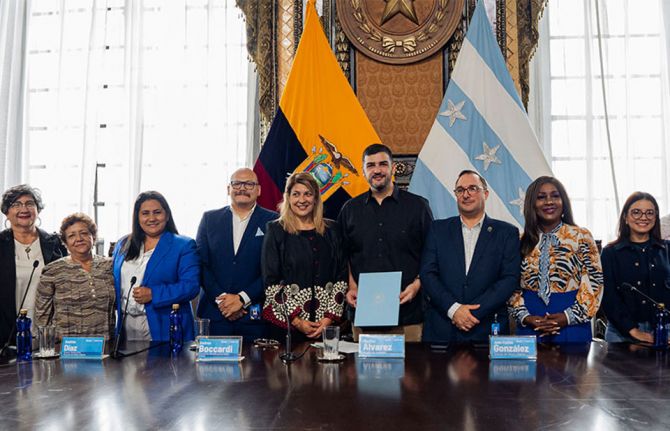
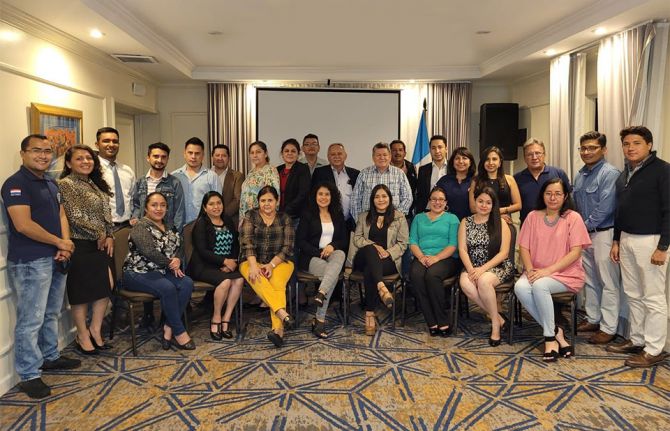
15 March 2024 15 March 2024Mayor Aquiles Alvarez Henriques of Guayaquil, Ecuador's largest city and the nation's main port, signed the Paris and Sevilla Declarations on February 28, placing the city among the almost 500 municipalities around the world that are committed to fast-tracking action at local level to improve the quality of life of people living with and affected by HIV. Through this commitment, the city pledges to contribute to the country's goal of ending AIDS as a public health threat by 2030.
Guayaquil is the capital of the province of Guayas, Ecuador's most populated province and the most affected by HIV, with over a third of all new HIV infection notifications in the country, according to the Ministry of Public Health of Ecuador. It has a concentrated epidemic among key populations, with an HIV prevalence of 7.3% among gay men and other men who have sex with men (MSM), for example.
"A significant number of cases reported with HIV in 2023 live in Guayaquil", said Andrés Díaz, Technical Director of the city's Infectious Disease Prevention Unit of the Health and Hygiene Directorate. "We know that the best way to improve HIV prevention is through education and sensitization of citizens so that they can get tested."
Guayaquil has made significant efforts to intensify HIV screening and has increased the detection of HIV-positive cases by 1.6%. Diagnosed people are immediately linked to the public health system to start first-line antiretroviral treatment, which is universally available to nationals and migrants in Ecuador.
Nonetheless, the Health Department of the Guayaquil Municipality has developed a plan with key actions to be implemented as a result of the city’s commitment to the Fast-Track initiative. Some of the most strategic priorities incorporate the scale up of HIV services, including HIV prevention, early diagnosis, and timely treatment of HIV and other sexually transmitted infections; the sensitization of civil servants on issues of stigma, discrimination, and gender-based violence linked to HIV; and facilitate the engagement of communities, specially from key and vulnerable population, in the definition and implementation of HIV programmes at community level.
Representatives of community and civil society organizations such as Corporación Kimirina, the Ecuadorian Coalition of People Living with HIV, and the Silueta X LGBT+ Trans Association attended the event. These organizations play a crucial role in the city's efforts to respond to HIV. "Citizen involvement under the local authority's leadership, with emphasis on the most vulnerable and at-risk community groups, is vital to achieving the goal of ending AIDS by 2030,” emphasized the delegates of Corporacion Kimirina Maria Elena Acosta and Lily Marquez. Similarly, Joan Morales from the Ecuadorian Coalition of People Living with HIV stressed that "By signing the Paris and Sevilla Declarations, Guayaquil joins many other cities that have committed to provide accelerated and sustained health services that allow us to eradicate not only AIDS but also TB, Malaria, and other tropical diseases, with actions that contribute to reducing discrimination towards people living with HIV and other affected communities."
Created in 2014, the Paris Declaration on Fast-Track Cities Ending the HIV Epidemic is a political declaration with commitments and targets that include ending urban AIDS and tuberculosis (TB) epidemics, as well as eliminating viral hepatitis (HBV and HCV). It also articulates a mandate to place people at the center of the response. To define and facilitate that mandate, the Sevilla Declaration on the Centrality of Communities in Urban HIV Responses was created in 2022, outlining the 10 commitments that cities and municipalities are asked to make to increase the engagement of and promote leadership by affected communities in attaining the Fast-Track Cities initiative's goals, objectives, and targets.
"We congratulate the Mayor's Office of Guayaquil for its commitment to contribute to Ecuador’s efforts to reach the 2025 Global AIDS Strategy targets, reducing the number of new HIV infections and AIDS-related deaths and eliminating stigma and discrimination in all its forms,” said Andrea Boccardi Vidarte, Director of the UNAIDS Office for the Andean Countries. "This commitment is also a recognition of the leadership of communities most affected by HIV and their support to the city's goals."
Our work
Region/country
Feature Story
Invest in women and girls’ education and health rights to end AIDS in Africa
11 March 2024
11 March 2024 11 March 2024Despite substantial declines in new HIV infections globally, the HIV/AIDS epidemic continues to disproportionately impact adolescent girls and young women in many countries, particularly in sub-Saharan Africa. In 2022, there were 3,100 new weekly infections among adolescent girls and young women aged 15-24 years. In sub-Saharan Africa, adolescent girls and young women accounted for more than 77% of new infections among people aged 15-24 years in 2022.
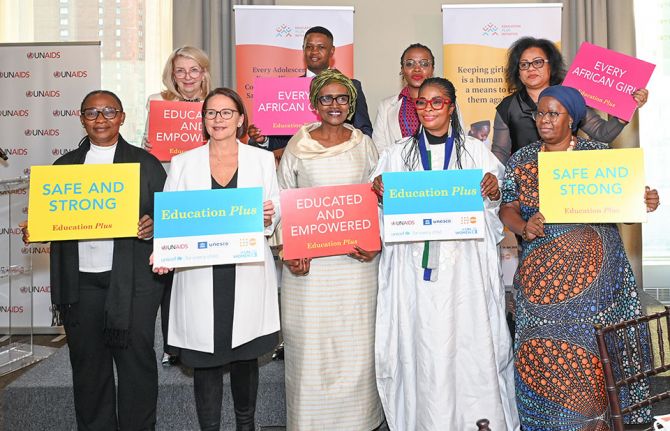
That’s why Education Plus Initiative co-hosted with the Grand Duchy of Luxembourg a high-level side event on the margins of the 68th Commission on the Status of Women (CSW68) to bring attention to the cost of inaction, calling for more consistent investment in education, health and economic rights of adolescent girls and young women in Africa. The CSW, which runs from 11- 22 March 2024, is the United Nations largest annual gathering on gender equality and women’s empowerment, with this year’s priority theme, Accelerating the achievement of gender equality and the empowerment of all women and girls by addressing poverty and strengthening institutions and financing with a gender perspective.
Speakers included four ministers from Luxembourg, Benin, Sierra Leone, and Uganda, senior government officials from Cameroon and South Africa, and heads of UN agencies who co-lead Education Plus, ATHENA network. Hannah Dolly Kargbo, a young activist from Freetown, Sierra Leone, and founder of the Girls Advocacy Development Network (GADNET), pre-recorded a video that showed her work with young people to advance rights.
The event, Education Plus investment cases for transformative results: leveraging girls completion of secondary education for gender equality and HIV prevention mobilized government, partners and key stakeholders towards accelerated actions and translate commitments to action for gender equality and HIV prevention in Africa.
The costs of inaction on the rates of HIV in adolescent girls and young women remain significant, not only counted in terms of the harmful impacts on girls’ lives but in how they undermine prospects for poverty eradication and the well-being and resilience of families, communities, societies and national economies. For instance, the lack of educational and economic opportunities that result in women’s diminished labour force participation is estimated to cost the African region US$60 billion in economic losses every year. And yet Africa could gain US$500 billion per year through multi-sectoral investments in adolescents and youth, especially girls, by capitalizing on demographic windows of opportunity.
Education Plus calls for investment in the education and empowerment of adolescent girls and young women, and 15 champion countries are already committed to using education as a means to reduce high HIV rates. Investments that guarantee education for all young people, violence-free school environments, provision of stigma-free health services, comprehensive sexuality education, access to sexual reproductive health and rights services and economic autonomy and empowerment are key to ending AIDS as a public health threat by 2030. When adolescent girls and young women complete secondary school, their risk of getting HIV is reduced significantly.
Quotes
“We must take immediate action to change this situation, get girls back to school and ensure they complete secondary education. This requires commitments made by African member states to address gender inequalities, stigma and discrimination that fuels these infections fulfilled. There is progress in Africa, but it simply isn't fast enough. That's why we have this initiative - Education Plus”
“What I find extremely worrying is the surge in extreme conservative policies on sexual and reproductive health and rights. This is across the world but also in sub-Saharan Africa. We must avoid going back in time. We need to empower girls because it's the only way that we will have women empowered.”
“We can make HIV a disease of the past, but we can't do it without listening to understanding and supporting young girls and women to take the lead. Now is the time to ensure that every girl lives a life free from violence with unhindered access to quality education, to sexual and reproductive health rights and services and with meaningful opportunities to lead a productive life.”
"We know that investing in girls' education and health is an important lever. We can't build our country's development by leaving out 53% of our population"
“Under the radical inclusion policy, we are bringing pregnant girls back to school, retain girls when they become pregnant. So, education and HIV go a long way! When they are educated and have an awareness of HIV, their well-being, and reproductive and sexual rights, they are more assertive when negotiating safer sex.”
“Adolescent girls and young women's organizations are the least funded. Only less than 5% funding of gender equality goes to women's rights organizations, even less goes to young feminist-led organizations. We need to keep the ones who are most affected, most impacted leading the response. We're not here to ask for leadership but to offer leadership to co-lead alongside you.”
"It is now a policy that when constructing a school, you must have sanitary facilities separate for both girls and boys, and girls changing rooms and space. We also have intensified education, communication and advocacy on HIV/AIDS and opened schools to give information on sexual and reproductive health. We are working with girls who have dropped out of school to skill them."
“Girls are unable to live up to their full potential because of barriers, but those barriers are dismantlable. Africa is not poor, but African women and girls are licking a spoon, a spoon they do not even own, so let's shift the discourse so that the resources also available in the countries are prioritized for investing in education, HIV prevention and investing in girls.”
Watch
Our work
Feature Story
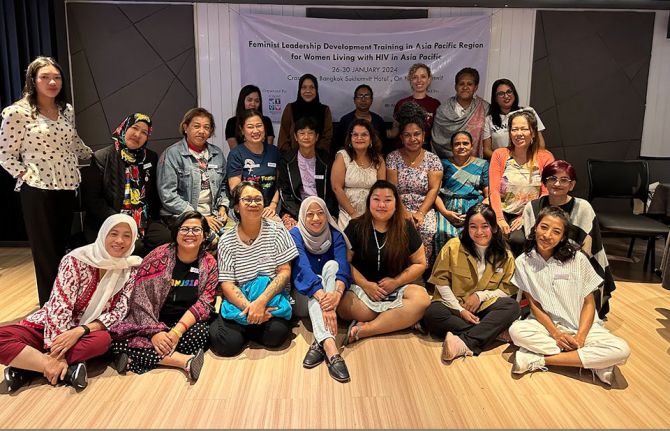
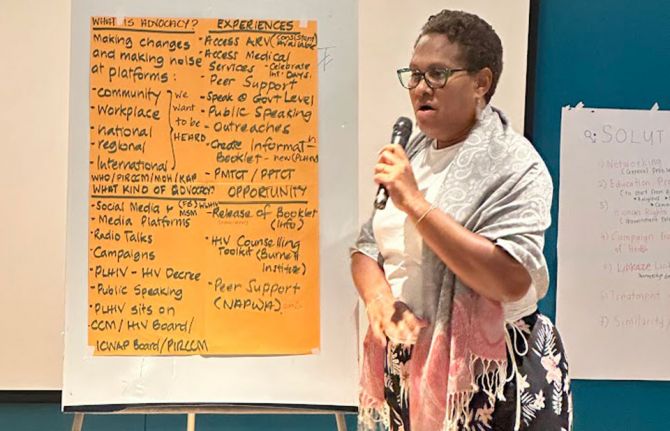
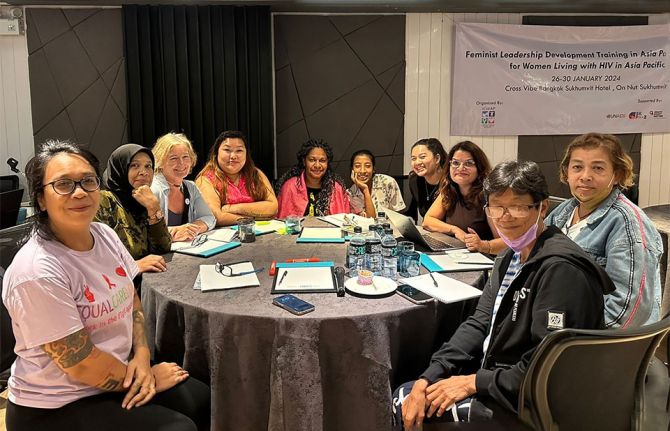
Asia Pacific women living with HIV build their power through Feminist School
08 March 2024
08 March 2024 08 March 2024One-third of people living with HIV in Asia and the Pacific are women. But their issues are often hidden.
Gender-based violence. Restricted economic opportunities. Child marriage. Underage pregnancy. Denial of property rights.
A UNAIDS-supported initiative by the International Community of Women Living with HIV Asia and Pacific (ICWAP) supports positive women’s organising. The Feminist School is a learning and consciousness raising programme that began in South Africa, and has been utilised in Asia-Pacific since 2016. The methodology, anchored in feminist principles, is specifically designed to enable women living with HIV to understand their personal experiences, locate them politically and develop strategies for community-driven advocacy.
“Marching in the month of March is not enough to realize women’s rights,” insists ICWAP Regional Director, Sita Shahi. “We need to speak up on the issue of gender inequality in the HIV response and the need for increased investments in women and girls. Women and girls living with HIV are going through serious human rights violations that, in turn, undermine their right to health.”
The Feminist School brings together women living with HIV, women from key populations, and young women from across the region. In the past two years, with support from UNAIDS, ICWAP has made adaptations to include modules on sexual and reproductive health and rights, movement building, leadership skills and the elimination of mother-to-child transmission (EMTCT).
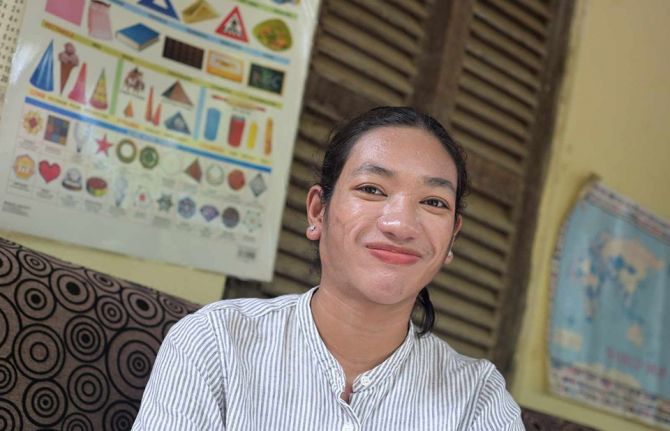
“Feminist leadership training reveals the challenges faced by women living with HIV in the region. I have gained a lot of knowledge from the cross-country discussions and learned lessons about how women from different countries are breaking down human rights-related barriers, including stigma and discrimination,” said Salina from Malaysia.
Last year, a new module on the Global Fund processes was added.
“We recognized the importance of ensuring that interventions led by women living with HIV are included in Global Fund funding requests,” explained UNAIDS Asia Pacific Regional Adviser for Community-Led Responses, Michela Polesana.
UNAIDS supported a Global Fund Grant Cycle Seven (GC7) project focused on supporting the engagement of networks of women living with HIV in Cambodia, India, Thailand and Viet Nam in the current process. It found that organizations in these countries were at different stages of readiness and involvement. For example, India’s Positive Women Network (PWN+) was already participating in the process and benefitted from ICWAP’s technical support to strengthen their advocacy and organization.
Another UNAIDS-supported strategy ICWAP employed to bolster GC7 engagement was the facilitation of peer-to-peer growth by and for women living with HIV through the roll-out of an online Feminist School training. Through this initiative, country networks were supported in engaging in the Global Fund process and learned about its gender equality strategy, including the gender equality markers (GEM). They also received training to support them in their work to hold governments accountable.
The organization partnered with Ikatan Perempuan Positif Indonesia (IPPI), the Thai Positive Women’s Network, Viet Nam’s Women’s Network, the Association of Positive Women Advocates Inc (APWAI) from the Philippines, Women affected by HIV and AIDS (WABHA) from Papua New Guinea and an informal network of women living with HIV in Cambodia.
The groups identified priority issues for advocacy and recommendations for next steps and devised country-specific advocacy plans.
The advocates agreed on a set of three shared priorities. First, a seat for women living with HIV on each Country Coordinating Mechanism. Second, for positive women networks to reclaim antenatal care activities in prevention of mother-to-child transmission programmes. And finally, for capacity building for young positive women leaders.
Feminist school is helping women living with HIV to organize to secure their human rights. To protect women’s health it is vital to protect women’s rights. And to protect women’s rights it is vital to support women’s leadership.
“This is all about bridging the gap between outgoing leaders and an incoming, new generation,” Ms. Shahi said.
Region/country
- Asia and Pacific
- Australia
- Bangladesh
- Bhutan
- Brunei Darussalam
- Cambodia
- China
- Democratic People's Republic of Korea
- Federated States of Micronesia
- Fiji
- India
- Indonesia
- Islamic Republic of Iran
- Japan
- Kiribati
- Lao People's Democratic Republic
- Malaysia
- Maldives
- Marshall Islands
- Mongolia
- Myanmar
- Nauru
- Nepal
- New Zealand
- Pakistan
- Palau
- Papua New Guinea
- Philippines
- Republic of Korea
- Singapore
- Solomon Islands
- Sri Lanka
- Thailand
- Timor-Leste
- Tonga
- Tuvalu
- Vanuatu
- Viet Nam
- Samoa
Feature Story
Community leadership driving progress to eliminate mother-to-child HIV transmission in Indonesia
07 March 2024
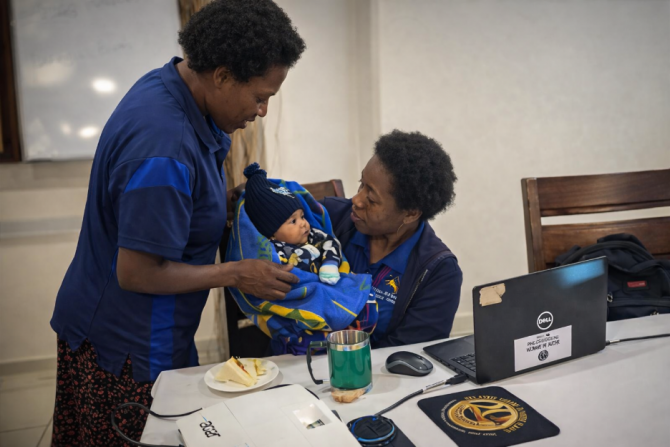
07 March 2024 07 March 2024Ibu Mawar (not her real name) learned she was living with HIV after receiving a test during an antenatal care visit.
“I was surprised, of course, when they told me. But I didn’t really doubt or deny the result,” she remembered from the Sorong City Health Office in West Papua. She immediately started treatment to prevent transmission to her son. “Even though I’m positive,” she said, “our child is not.”
In principle, since 2009 every pregnant woman receiving antenatal care in Indonesia should receive an HIV test. And every woman found to be living with HIV should receive medicines to prevent transmission to their babies just as Ms Mawar did.
But this isn’t yet the reality.
In 2022 more than one-third (37%) of all pregnant women in Indonesia did not get screened for HIV and just 18% of mothers living with HIV had access to antiretroviral therapy. There were an estimated 2800 new HIV infections among children that year.
But now stakeholders in Indonesia are mobilising. Not only will they scale-up prevention of mother-to-child HIV transmission services, but they will work toward eliminating vertical HIV transmission while assuring the health and wellbeing of women and children living with HIV. At the centre of this approach is the engagement of women, who comprise roughly one-third of the adult population living with HIV.
In June 2023 Indonesia established the National Alliance to End AIDS in Children. This partnership between government, civil society and international organizations seeks to provide access to health services and support for women and children living with HIV. It has committed to three main priorities. The first is advocacy for the needs of adolescent girls and children living with HIV. Second is promotion and dissemination of information on Prevention of Mother-to-Child Transmission (PMTCT), Early Infant Diagnosis, treatment literacy and comprehensive sexual education. And third is the empowerment of communities regarding issues pertaining to children living with HIV.
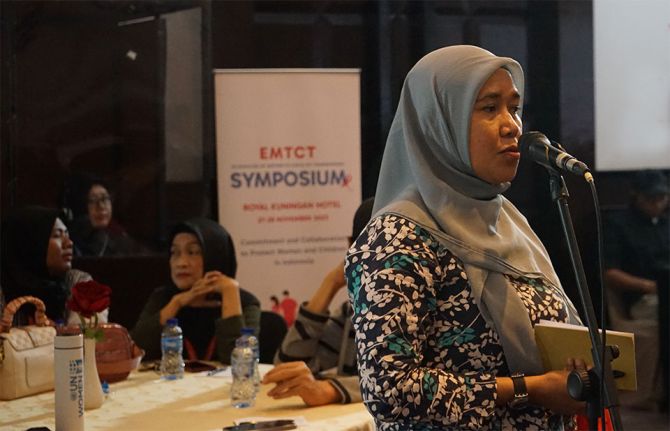
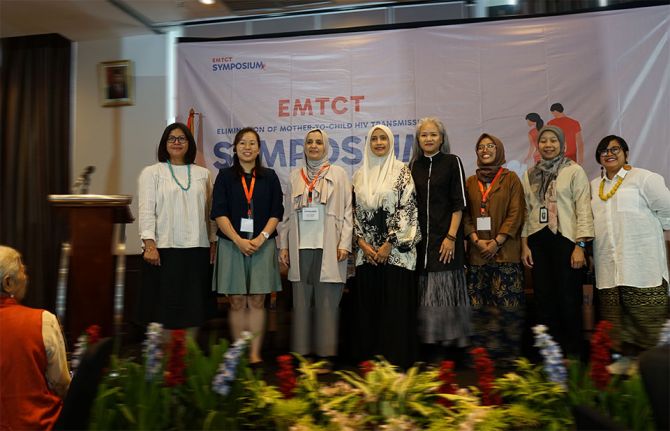
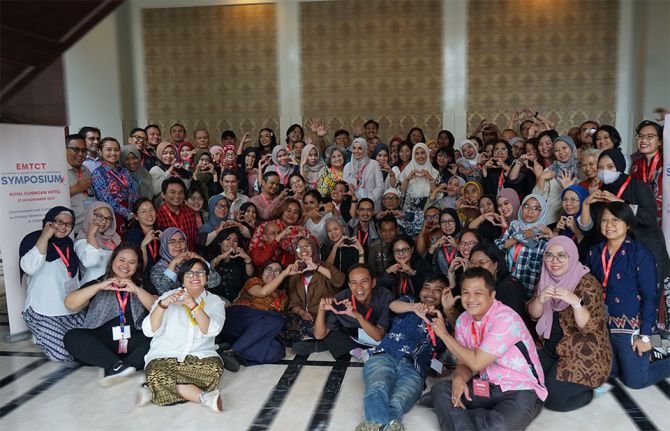
The Alliance’s first major initiative was an Elimination of Mother-to-child Transmission symposium—the first ever in Indonesia. Partners have embraced the World Health Organization (WHO) triple target of eliminating mother-to-child transmission of HIV, syphilis and hepatitis B by 2030. A series of sessions were delivered in-person and online. A total of 115 participants from the government, communities, academia, healthcare and media joined the EMTCT Symposium in Jakarta.
Dr. Laila Mahmudah, Head of the Neo Maternal Division at the Ministry of Health, underlined the importance of accelerating EMTCT efforts across the range of issues. She noted that currently 66% of pregnant women received hepatitis B early detection services while just 25% of pregnant women are tested for syphilis.
Multisectoral stakeholders and participants discussed strategies with participants from Malaysia and Thailand, which have both received EMTCT validation for HIV. Dr Anita Suleiman, Director of Disease Control of the Ministry of Health of Malaysia, pointed to the importance of effective leadership and health system governance for country-wide implementation.
“One of the lessons from countries that achieved EMTCT is that it is possible to end AIDS and vertical transmissions, especially in low-prevalence regions like Indonesia, through robust governance and good-quality performance. Indonesia can also achieve EMTCT by 2030, and I hope this symposium leverages the coordination efforts towards the elimination of HIV, syphilis and hepatitis B,” said Dr Shafflq Essajee, Senior Advisor, HIV, UNICEF New York.
However, it was emphasised that political commitment must be bolstered by community-led strategies to reach and retain mothers living with HIV. Community mobilization and community health workers are critical approaches. Ikatan Perempuan Positif Indonesia (IPPI), the national network of women living with HIV, also endorsed the Thai approach of providing free formula for mothers living with HIV in low-resource districts.
Ayu Oktariani, IPPI National Coordinator and a member of the National Alliance to End AIDS in Children reiterated her organization’s commitment to implementing the community-led strategies in support of EMTCT in the coming years.
“This Symposium means more than words I can explain,” said Ayu Raka from the Akar Cinta Kasih Foundation, a community organisation in Bali. “When I return to Bali, I will advocate for EMTCT with local multisectoral stakeholders and communities in my region. I am confident we can make a healthier society and improve health for all mothers and babies.”
UNAIDS Country Director for Indonesia, Krittayawan Boonto, promised the continuous backing of UNAIDS.
“We will continue to support not only mothers, but also fathers, in protecting babies from new HIV infections. I wish for Indonesia to become the fifth country in Asia Pacific to achieve EMTCT. But we can only do it with the leadership of communities,” she ended.
Region/country

Feature Story
Two years on: UNAIDS supports Ukraine’s commitment to the HIV response
23 February 2024
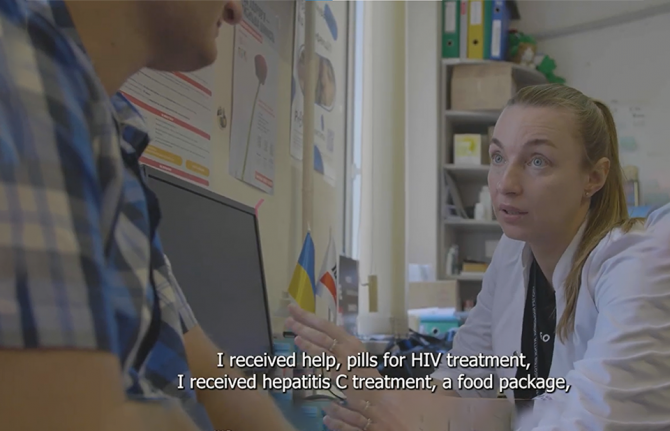
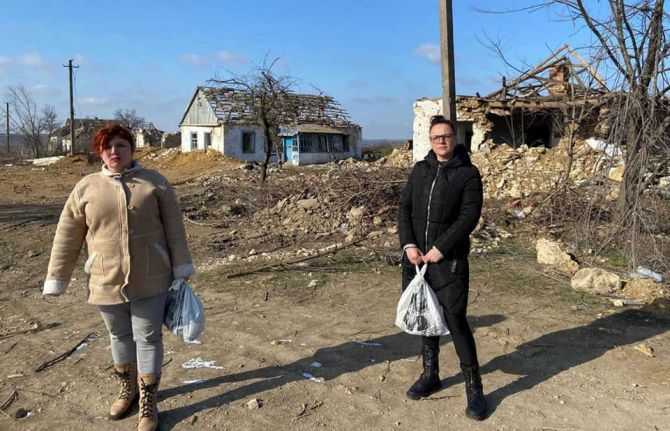
23 February 2024 23 February 2024Two years of war in Ukraine have resulted in significant humanitarian consequences. Forty percent of the current population of Ukraine,14.6 million people, are in need of humanitarian assistance, 6.4 million refugees have fled the country, and more than 3 million people are internally displaced. People living with and affected by HIV continue to be vulnerable to the effects of the war, even as HIV services have been restored and are functional in most parts of the country.
Russian strikes have continued to wreak havoc on Ukrainian cities, causing death and destruction, impacting access to water, electricity, heating, and health services for millions of civilians.
In addition, there have been 1,570 attacks on health facilities and 630 health facilities damaged.
According to the latest data from The Ukrainian Public Health Center, prior to the war, Ukraine had made significant progress in reducing HIV incidence (-47%) and AIDS-related mortality (-81%) since 2010. Despite the initial disruption to the national AIDS response at the onset of the war, the national AIDS program has gradually resumed routine operations.
As of the end of 2023, the number of patients on antiretroviral therapy (ART) was only slightly below the pre-war figure, standing at 118,348 (130,724 as of February 2022). Additionally, approximately seven thousand patients are known to receive ART abroad. In the last two years, the number of patients on opioid agonist therapy (OAT) increased by 38%, reaching 27,511 people. Pre-exposure prophylaxis (PrEP) more than doubled, reaching 12,354 people.
However, in eastern and southern occupied territories data is incomplete or not available. This is true of Donetsk, Luhansk, Zaporizhzhia, Kherson regions, AR Crimea, and the city of Sevastopol. The same occurred in 2023. Despite these challenges, the surveillance system in the government-controlled areas remains operational, ensuring the completeness and quality of data on HIV prevention, testing and treatment services.
In addition, 9.6 million people in Ukraine are estimated to be at risk of or living with a mental health condition, and 3.9 million people are estimated to suffer from moderate to severe symptoms. And there has been an increase in gender-based violence.
Ukraine remains committed to the HIV response through a strong coalition of government, civil society, international organizations, and donors, first and foremost The United States President's Emergency Plan for AIDS Relief (PEPFAR) and The Global Fund to Fight AIDS, Tuberculosis, and Malaria. This collaboration has secured vital supplies of antiretroviral therapy (ARV), tuberculosis medicines, and opioid agonist therapy (OAT), ensuring uninterrupted HIV treatment and services.
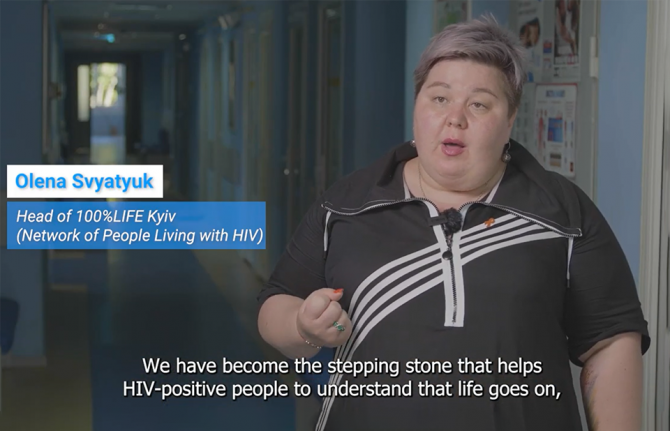
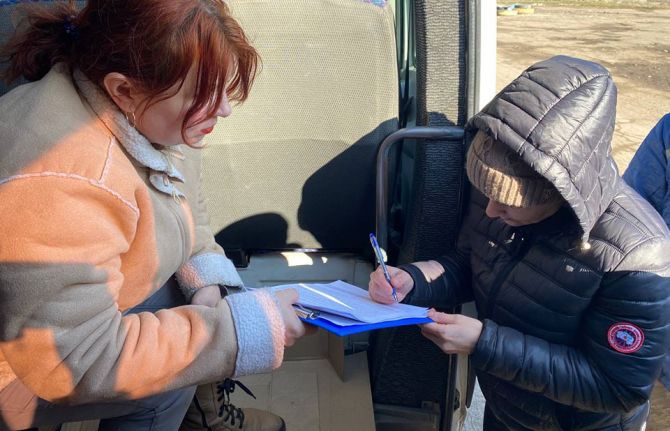
UNAIDS Secretariat, Co-sponsors and UN agencies have joined forces to provide a unified response, ensuring that vulnerable populations, including those on the frontline and in the most severely affected areas, receive comprehensive support. This collaborative effort aims to bridge gaps and address the unique challenges faced by women, people living with HIV and key populations, including the delivery of crucial humanitarian aid and HIV services.
The past two years have been very challenging. Even though the country has managed to maintain HIV services, the unpredictability of what lies ahead has many fearing the worst. Support is needed to ensure sustainability of the AIDS response and to protect key populations affected by the enduring hardships of war.
For more information and more in-depth analysis, read the Situation Report (February 2024)
Watch
Situation Report
War in Ukraine and the HIV response
Region/country
Related


Feature Story
Countries take practical steps forward towards eliminating discrimination
09 February 2024
09 February 2024 09 February 2024Countries from across the world who have taken practical steps forward towards eliminating discrimination are showing what is possible, UNAIDS has said.
The countries are members of the Global Partnership for Action to Eliminate all Forms of HIV-Related Stigma and Discrimination, which have prioritized and pledged to accelerate the removal of stigmatizing and discriminatory practices, policies and laws across six settings: community, health, justice, education, workplace, and emergency/humanitarian. Recent progress that was made by members of the Global Partnership included:
- In the Central African Republic, the law on the rights of people living with HIV/AIDS was revised with a focus on social protection, opening new opportunities for people living with HIV to access enhanced support.
- In Argentina, the National Law for Comprehensive Response to HIV, STIs and Tuberculosis committed that care and treatment be provided without discrimination.
- In Kazakhstan, the government increased domestic funding to sustain a successful community-led programme for shelter and support for women living with HIV who had been subjected to violence.
- In Ghana, a strong partnership between the government and the community enabled mothers living with HIV and caregivers of HIV-exposed infants and children to benefit from targeted interventions that foster their and their children’s well-being, leading to improved adherence to treatment and linkage to care.
- In Thailand, a national Code of Conduct on HIV prevention and management in the workplace was adopted, and both government and the private sector committed to review HIV policies in line with the new Code of Conduct.
- In Iran, the Ministry of Health issued a bylaw to tackle the stigma and discrimination faced by people living with and affected by HIV. As a result, a protocol on elimination of stigma and discrimination in health care settings was developed to advance access to HIV services without discrimination, including strengthening the referral system.
“The practical steps forward which have been taken by members of the Global Partnership provide hope through action,” said UNAIDS Executive Director Winnie Byanyima. “They show what is possible. They show how it is through protecting the rights of every person that we can protect the health of every person. Progress on rights can power progress towards the end of AIDS.”
38 countries have joined the Global Partnership for Action to Eliminate all Forms of HIV-Related Stigma and Discrimination, and more have expressed interest in joining. More information on the Global Partnership can be found here: https://www.unaids.org/en/topic/global-partnership-discrimination
On March 1st the world will mark the tenth anniversary of Zero Discrimination Day. More information on Zero Discrimination Day can be found here: https://www.unaids.org/en/2024-zero-discrimination-day

Feature Story
Tajikistan takes a positive step towards decriminalization of HIV exposure and transmission
30 January 2024
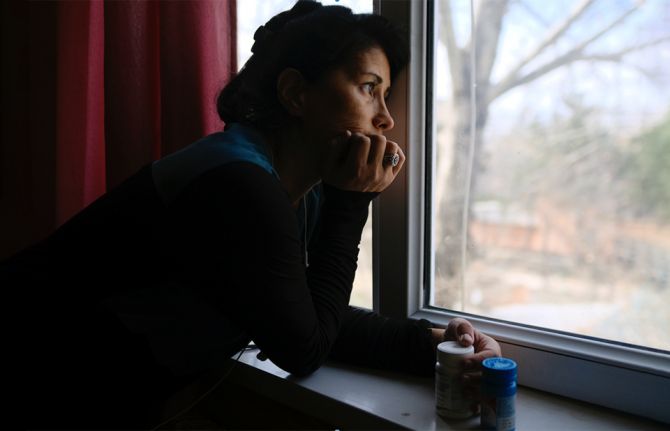
30 January 2024 30 January 2024In an important decision of the Plenum of the Supreme Court on December 26, 2023, Tajikistan has marked a significant step towards decriminalization of HIV exposure and transmission in its pursuit of justice for people living with or affected by HIV.
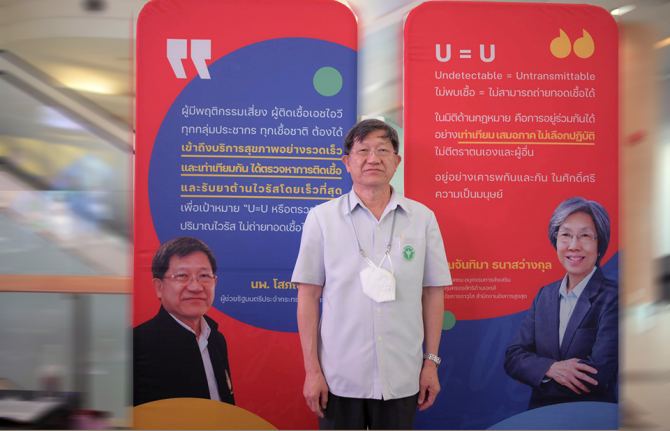
Through a new resolution, the courts are asked to examine more objectively issues related to criminal liability for HIV exposure and transmission under Article 125 of the Criminal Code. The resolution obliges judicial practice to be based on new norms that take into account international standards and recommendations including the Undetectable = Untransmittable concept endorsed by UNAIDS and WHO which asserts that people who are living with HIV who are on antiretroviral treatment and have an undetectable viral load cannot transmit HIV.
Article 125 of the Criminal Code currently criminalizes HIV transmission and exposure with a penalty of up to two years’ imprisonment (Part 1), while transmission by someone aware of their status is penalized with two to five years’ imprisonment (Part 2), increased to five to ten years’ when committed against multiple people or a minor (Part 3).
In some cases, decisions were made solely based on a person’s HIV-positive status, criminalizing people living with HIV rather than ensuring access to HIV services, treatment and support.
More than 70% of people convicted under Article 125 have been women living with HIV. Women living with HIV may be subjected to domestic violence, stigma, and discrimination and do not seek justice in courts, due to the fear of accidental disclose of their HIV status and further criminal prosecution.
“This new resolution is encouraging because it allows for more fair interpretation of existing laws (which is very important) but it does not establish new laws or change the Criminal Code which still criminalizes HIV exposure and transmission. Therefore, it is important to continue advocacy to change the Criminal Code and decriminalize HIV transmission and exposure.” said Tahmina Haidarova, Head of the Network of Women Living with HIV in Tajikistan.
The new move towards a more just legal framework has been the result of collaborative efforts of the Supreme Court and civil society organizations, as well as long-term advocacy of UNAIDS, UNDP, and the Global Fund to fight AIDS, TB and Malaria that reflects a holistic and inclusive approach to addressing the complexities of HIV-related legal matters.
The consequences of a punitive approach, where law enforcement takes precedence over medical professionals, has contributed to the growth of the HIV epidemic in Tajikistan - the number of new HIV infections has increased by 20% over the past 10 years. The percentage of new HIV cases among women has also grown - from 31% in 2011 to 36% in 2022.
International partners, including UNAIDS, UNDP, and the Global Fund, echo the call to repeal laws criminalizing HIV. The negative impact of such legislation on HIV testing rates and adherence to treatment cannot be overstated. An evidence-based approach is crucial for fostering a healthier society.
“Tajikistan's move towards HIV decriminalization marks a positive step towards commitment to justice, inclusivity, and public health,” said Eamonn Murphy, UNAIDS Regional Director for Asia-Pacific and Eastern Europe and Central Asia. “This journey is guided by the principles of compassion, cooperation, and evidence-based policymaking. UNAIDS, together with partners, welcomes the efforts of the Supreme Court to reduce prosecution and humanize the judicial system. UNAIDS will continue to support the country in its journey to fulfil the human rights of all people living with HIV.”
Resources
Region/country
Related

Feature Story
Cambodia social protection for people living with HIV
15 December 2023
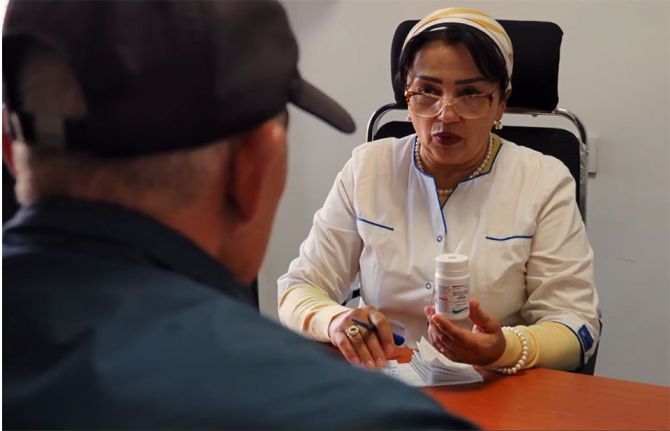
15 December 2023 15 December 2023Imagine this: you’re a person living with HIV, and your household is facing financial hardship. You decide to run a small grocery business at home, keeping your status hidden. Despite accessing free HIV treatment, you cannot afford other essential health services. And when you need to buy medicine, you don't have enough for your children’s school supplies or nutritious meals.
Low incomes.
Unaffordable healthcare.
Employment insecurity due to HIV-related stigma and discrimination.
These realities create financial hurdles for the poor among people living with HIV and the key populations—gay men and other men who have sex with men, transgender women, sex workers and people who inject drugs.
In Cambodia, stakeholders are working to ensure that the social protection safety net specifically covers people living with, and at risk of contracting, HIV.
“People living with HIV do not only need medication, but also food. If we provide only the drugs they will not survive,” said Tia Phalla, Deputy Director of Cambodia’s National AIDS Authority (NAA). He explained that nutrition support and other non-health related care are an integral part of the national policy for responding to HIV.
Cambodia is among the countries that are on-track to reach the 2025 Global AIDS Strategy testing and treatment targets. As of the end of 2022, an estimated 86% of people living with HIV in Cambodia were aware of their status. Impressively, more than 98% of diagnosed people were receiving treatment and 98% of those on treatment achieved a suppressed viral load last year.
The country hopes to further improve these results while enhancing the quality of life of people living with HIV.
“A key part of the strategy we have advocated for is to include HIV sensitivity in social protection schemes and programmes,” explained Patricia Ongpin, UNAIDS Country Director for Cambodia, Lao PDR and Malaysia. Individuals and families affected by HIV can now benefit from a range of programmes including cash transfer, food assistance, social health protection and scholarships.
Once a person living with HIV registers their household for an Equity Card, they are entitled to monthly stipends. The card also gives holders access to additional medical care. This frees individuals and families from having to choose between healthcare and expenses for other essentials such as education and food.
In 2019 Cambodia officially included people living with HIV in its IDPoor mechanism. This is a system to identify and register households living in poverty. This was followed by the HIV and Social Protection Assessment, conducted in 2020 by UNAIDS and the NAA.
“The assessment made it clear that promoting HIV-sensitive social protection could help reduce the risk of HIV, increase demand for HIV prevention services, and promote HIV testing and safe sexual behaviors, as well as adherence to treatment,” said Ms Ongpin.
To ensure a more inclusive approach for IDPoor registration there must be engagement from key stakeholders including government, local authorities, development partners, and civil society organizations.
With support from UNAIDS and UNDP, Cambodia’s Ministry of Planning launched a web-based system and mobile application for IDPoor registration in December 2022. This approach makes it easier for individuals living with HIV to register at their treatment centers. As of August this year, more than 13,600 people living with HIV have been enrolled.
By leveraging this technology-driven approach, people living with HIV feel confident revealing their HIV status and are empowered to access much-needed healthcare benefits with dignity and autonomy. The solution can also be used to register people from key population communities at risk of contracting HIV.
Community leadership is a key strategy for expanding the initiative’s reach. The Joint Forum of Networks of People Living with HIV and key populations (DFoNPAM) coordinates with the Department of Planning at district level in order to help with IDPoor registration.
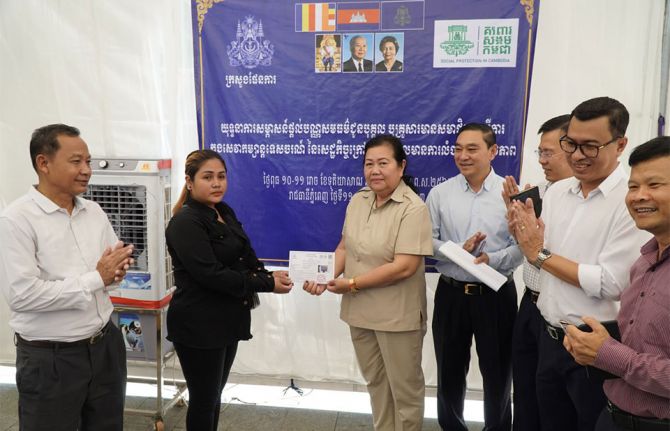
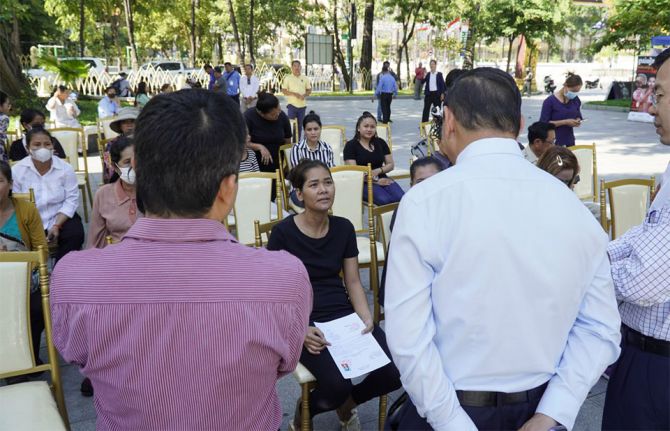
One initiative specifically targeted female entertainment workers. A national registration campaign was co-organized by the Ministry of Planning, the Phnom Penh City Hall, and the NAA, with technical assistance from UNAIDS. Around five dozen workers registered during the two-day campaign, receiving Equity Cards for their households.
According to the UNAIDS Country Director, this inclusive approach is key to creating a better future for people living with HIV and key populations.
“To mobilize their participation and register them for Equity Cards, we need to understand the barriers. And to understand the barriers, we need to listen to their experiences, in their own words. By taking this step, people living with HIV and key populations can help shape the conversation and ensure that their voices are heard,” Ms Ongpin ended.
Region/country
Feature Story
Seeking justice for HIV-related discrimination in the workplace in Guatemala
18 December 2023
18 December 2023 18 December 2023In the heart of the bustling Guatemala City, Juan used to face the daily grind of life with an unwavering spirit. He had been diagnosed with HIV several years ago and had learned to manage his health effectively. As a dedicated employee at a marketing firm, he poured creativity into every project he touched.
Life seemed to be on an upswing for him until an unexpected turn of events unfolded at the workplace. A colleague stumbled upon Juan's medical records and, in a breach of privacy, discovered his HIV status. Soon, whispers spread through the office, and Juan began to feel the cold stares and hushed conversations whenever he walked by. Ultimately, he was dismissed from his company for "restructuring reasons."
As the discrimination became more blatant, Juan decided it was time to take action. He sought advice from Líderes Profesionales, a network of lawyers specializing in discrimination cases for people living with HIV. With UNAIDS's support, this network is committed to fighting for justice and equality for marginalized communities.
Upon hearing Juan's story, the lawyers at Líderes Profesionales were appalled by the flagrant violation of privacy and the subsequent discrimination. They quickly assembled a legal team dedicated to ensuring justice for Juan. The lawyers explained the legal protections in place for individuals with HIV, emphasizing that workplace discrimination based on health status is a clear violation of the law.
Together with Juan, the legal team initiated a lawsuit against the firm. They filed a complaint citing violations of privacy, discrimination, and failure to provide a safe and inclusive work environment and asked for payment of benefits and compensation for unjustified dismissal.
Líderes Profesionales worked tirelessly to expose Juan's unjust treatment, seeking justice for him and advocating for broader change in workplace policies. They organized workshops to sensitize companies, urging them to implement comprehensive diversity and inclusion training and policy.
As of December 2023, the case is still ongoing. The legal team's goal is to seek compensation for Juan and foster an environment where such discrimination would not be tolerated in the future.
"Juan's experience and five other discrimination-related workplace cases this year inspire us to continue our advocacy work," says Julio Rodríguez, Director of Líderes Profesionales. "We redouble our efforts to support individuals facing discrimination, using each case as an opportunity to raise awareness and push for systemic change."
In Guatemala, 31,000 people are estimated to be living with HIV. HIV-related stigma and discrimination are still pervasive. According to the latest National Stigma Index (2017), 14% of people living with HIV reported losing their job or source of income due to their positive status for HIV, and 13% of people living with HIV reported being denied employment or opportunity to work because of HIV.
"Having access to legal support really represented a turning point for Juan. Empowered by it, he is a more vocal advocate for HIV awareness and anti-discrimination efforts," says Marie Engel, UNAIDS Country Director for Guatemala, Honduras and Nicaragua. "Through his journey, Juan contributes to a more just and inclusive society for all."
Let communities lead
Region/country
Related

Feature Story
Responding to gender-based violence through sorority and information
15 December 2023
15 December 2023 15 December 2023In the quiet corner of a community center in Guatemala City, 29-year-old Emma - fictitious name - sits among other women she does not know. In the faces and gestures of each of them, you can see that they all carry the weight of violence and injustice on their shoulders.
The first subtle rays of sunlight gradually fill the room; calm and comfort invite Emma and the others to feel more relaxed in their hearts and souls. With tired eyes, small hands, and a heart scarred by violence, she looks around, absorbs the energy of the place, and takes a deep breath as she awaits the start of a therapy session and an informative talk about HIV.
As the therapy session began, Emma shyly and cautiously shared her experiences with Wendi Polanco, who, since 2019, has become a helping hand for many women battered by gender-based violence. Through Latiendo Juntas, the organization she leads in Guatemala, Wendi clearly proves that sisterhood works and is transformative.
With support from UNAIDS, Latiendo Juntas coordinates a project to improve access to comprehensive health services, including sexually transmitted infections (STI) and HIV testing and care for women survivors of violence. They also contribute to their resilience and empowerment by raising awareness of human rights, including their sexual and reproductive rights, through group therapy and HIV information talks, which provide facts and a platform for open dialogue, fostering a non-judgmental environment.
"The room becomes a sanctuary where the pain of women like Emma and so many others is recognized," says Wendi. "The community center is a refuge for them, and a network of support among the women is woven with the sun's warmth. I feel relieved when I see how the weight on their shoulders begins to lessen."
Throughout these therapy sessions, Emma and other women discover comfort and empowerment. The therapeutic journeys offered at Latiendo Juntas become a catalyst for their resilience, liberation, and self-care.
The link between HIV and violence against women is a widespread problem, as gender-based violence increases women's vulnerability to HIV infection. Women who experience violence may have difficulty negotiating safe sexual practices, including the use of condoms, which increases their risk of contracting HIV. In addition, fear of violence may deter women from seeking HIV testing, treatment, and support, perpetuating the cycle of violence and silence and limiting their access to critical and essential healthcare resources.
Violence against women in Guatemala is endemic and can be described as a shadow pandemic. The country has one of the world's highest rates of femicide: the intentional murder of women because they are women.
"Addressing the intersection of HIV and violence against women requires comprehensive efforts that include education, empowerment, and dismantling gender-based power imbalances," says Irene Izquieta, UNAIDS Advisor on Rights and Gender for Guatemala, Honduras, and Nicaragua.