Feature Story
UNAIDS and the wider United Nations system supporting the COVID-19 response in Nigeria
10 July 2020
10 July 2020 10 July 2020The United Nations system in Nigeria joined the fight against COVID-19 shortly after the first case was detected in the country in late February 2020.
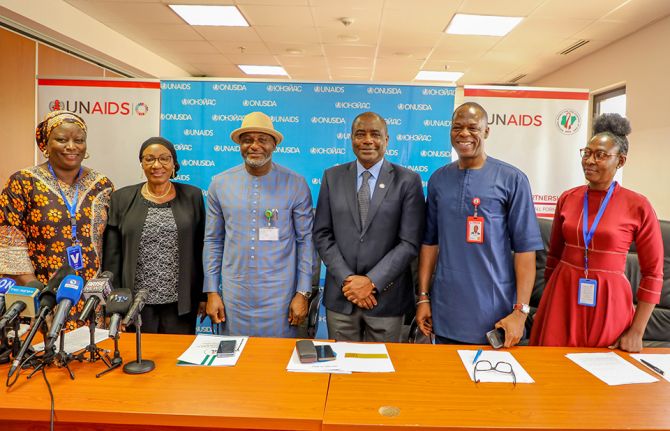
UNAIDS’ lessons learned and expertise in facilitating, linking and bringing stakeholders together have been instrumental in guiding the United Nations multi-agency response, led by the Resident Coordinator, Edward Kallon. And by proactively mobilizing its political capital and goodwill in the country, UNAIDS has helped to bring resources and better lines of communication, coordination and accountability to the national COVID-19 response.
In mid-March, the Presidential Task Force was established to develop a COVID-19 response plan for how organizations should work together. Appointed as the only development member of the task force, the Representative, a.i., of the World Health Organization (WHO), Fiona Braka, provides the overall United Nations technical leadership to the government. Lessons learned from the HIV response fed into the development of the “four ones” guiding principles for the national response to the COVID-19 pandemic—one national COVID-19 multisectoral pandemic response plan, one COVID-19 national coordinating authority, one COVID-19 monitoring and evaluation system and one COVID-19 financing and investment platform.
“The “four ones” principles will simplify and clarify roles, responsibilities and relationships, including within the government,” said the Minister of Health of Nigeria, Osagie Ehanire.
Another lesson learned from the HIV response was the importance of ensuring that marginalized and vulnerable people are given consideration at every step of the development of a response to a pandemic. The potential impact of COVID-19 on people living with HIV, key populations and the poor also had to be at the centre of decision-making.
“UNAIDS regularly coordinated with the networks since the beginning of the COVID-19 outbreak, providing technical guidance and ensuring synergy with the efforts of the government,” said Abdulkadir Ibrahim, the National Coordinator of the Network of People Living with HIV/AIDS in Nigeria.
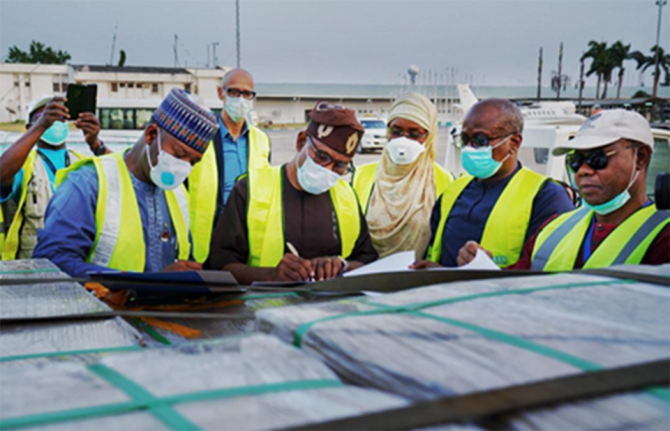
Working with the United Nations Development Programme, UNAIDS liaised with the wider United Nations system and the government and facilitated the handover of US$ 2 million worth of emergency medical commodities to the government, ensuring that the supplies and equipment were prioritized for use in public health facilities and by health-care workers.
The One UN COVID-19 Basket Fund was launched on 6 April. Part of one of the “four ones”, the one COVID-19 financing and investment platform, the Basket Fund channels the contributions of donors to the COVID-19 response. UNAIDS played a critical role in its establishment, working with the United Nations Resident Coordinator and the United Nations Development Programme to ensure that the financing platform put people and communities at the centre. UNAIDS, UN Women, WHO and the United Nations Population Fund helped to mobilize US$ 6.5 million for civil society and community engagement, social protection for vulnerable households, community-led surveillance and monitoring of COVID-19 and HIV and the documentation of community best practices.
In announcing a €50 million contribution to the Basket Fund, the Head of the European Union delegation to Nigeria, Ketil Karlsen, said, “The COVID-19 Basket Fund gives us the opportunity to cooperate and act rapidly in the deployment of assistance that can help to enhance health-care services and cushion the most vulnerable.”
Perhaps the most important contribution by UNAIDS to the COVID-19 response in the country, however, has been advocating to harness the vast HIV infrastructure in the country for the fight against COVID-19.
“We must leverage HIV assets on the ground, including not just laboratory facilities but community health workers and volunteers. To fight COVID-19 effectively we will have no choice but to engage communities to own the response,” said Erasmus Morah, the UNAIDS Country Director for Nigeria.
In a joint effort, the United States Government, the National Agency for the Control of AIDS, the United Nations Children’s Fund, WHO, UNAIDS and the Presidential Task Force mapped and initiated the engagement of approximately 100 000 community health-care workers and volunteers to undertake risk communication, social mobilization, contact tracing and home care.
COVID-19 is far from over in the country, with cases steadily rising, and United Nations staff have not been spared. However, as Mr Kallon, said, “The United Nations must stay open for business and deliver for the people while ensuring that staff members and their dependents are provided with the necessary environment for their protection against COVID-19.” Following this, a COVID-19 isolation and treatment centre as an extension of the United Nations clinic was established for staff as frontline workers, together with their dependent family members.
Moving forwards with the COVID-19 response, in addition to the continued support for the Presidential Task Force, the United Nations Country Team, including UNAIDS, is gearing up to support Nigeria to address the major gaps in subnational preparedness. Key issues such as the loss of livelihoods, heightened vulnerabilities and food insecurity, the increased risk of gender-based violence and limited access to essential health services will also be addressed in the coming months.
Our work
Region/country
Feature Story
Ensuring access to quality, safe, and non-discriminatory services for HIV key populations and migrants in the context of the COVID-19 pandemic
10 July 2020
10 July 2020 10 July 2020Statement of the Joint UN Programme on HIV/AIDS (UNAIDS) Interagency Working Group on Key Populations on the need to ensure access to quality, safe, and non-discriminatory services for HIV key populations and migrants in the context of the COVID-19 pandemic
The rapid spread of COVID-19 continues to impact billions of lives around the world. Unprecedented human and financial resources are needed to address this pandemic. UN entities, NGOs, communities of people living with HIV, sex workers, gay men and other men who have sex with men, people who use drugs, transgender people, and people in prisons and their sexual partners, as well as civil society all have a role to play in fighting COVID-19, saving lives, and tackling far-reaching social and economic consequences. Critical moments like this remind us more than ever that inequality can be a matter of life and death and that everyone is born free and equal in dignity and rights, including to the highest attainable standards of health.
Lessons learned from the global HIV response should inform COVID-19 responses: HIV has taught us that it is a shared responsibility and we need to empower communities and involve them in the response; we should never compromise on human rights; we need to remove all forms of stigma and discrimination; and we need to support vulnerable and marginalized groups.
UNAIDS estimates that 62 % of the new HIV infections are among key populations and their sexual partners. Key populations experience particular forms of exclusion, criminalisation, inequality and discrimination that render them particularly vulnerable to HIV and again now to COVID-19. People in prisons and closed settings, where physical distancing is not always an option, are extremely vulnerable to COVID-19. People in prisons also have a higher prevalence of HIV and TB which poses a higher risk of complication if infected with SARS-COV 2, as do migrants, who also face greater HIV vulnerability. LGBT people are reporting an elevated risk of domestic and family violence, increased social isolation and difficulties in accessing crucial HIV treatment and gender-affirming health services. Leaving key populations behind at this critical moment could have a grave impact on health and human lives. It could reverse the gains in the global HIV response as well.
We call on all Governments and partners to join us in,
Making quality, non-discriminatory HIV prevention, treatment, care and support services, and health services in general, available for key populations and migrants in the context of the COVID-19 pandemic.
These services must be based on respect, protection and fulfilment of human rights, regardless of existing punitive laws, policies and practices. They must be free from stigma and discrimination, based on evidence and science, and compliant with the most recent international guidance. Services must be equitable, based on informed consent, confidential and safe - for communities, as well as healthcare workers.
Rapidly adapting service provision to take into account the new realities of the COVID-19 pandemic.
Examples of adapted services are safe access to home HIV testing and remote counselling. Where possible, 3 to 6 months’ supply of ARVs, TB and viral hepatitis treatment should be supplied to ensure continuity of treatment, reduce transmission of HIV and co-infections, as well as the risk of COVID-19. People who use drugs should have access to harm reduction, including, where applicable and as advised by medical professionals, access to multiple opioid substitution doses to reduce OST site visits and COVID-19 exposure risk. Alternatives to imprisonment, where allowed, for non-violent offences could save lives, particularly for crimes not recognised under international law. Measures of early release should be taken for specific categories of people who are at particular risk of being affected by COVID-19, such as the elderly and individuals affected by chronic diseases or other health conditions, as well as pregnant women, women with dependent children, prisoners approaching the end of their sentence and those who have been sentenced for minor crimes in prisons, in-line with national policies and without compromising public health and safety. Emergency social protection measures for key populations are needed since they are often excluded from social services, including, but not limited to, housing and health insurance, and are often in precarious work situations. Service provision must continue to take into consideration intersectionality, gender and age diversity. It must be properly resourced with people, funding and materials. In order to be effective and efficient, these services must include key populations, their communities and organizations in their design and implementation.
Ensuring COVID-19 responses do not lead to the proliferation of punitive laws and measures to enforce restrictions or to criminalise transmission and exposure.
The gravely detrimental effect of such punitive measures on already marginalized or criminalized people has been well-documented in the HIV response, including by the Global Commission on HIV and the Law.
We won't stop COVID-19 if some people can’t afford or access testing or treatment. We must ensure that responses to COVID-19, or any other pandemic or health emergency, do not leave key populations, migrants and other vulnerable groups behind. As the Interagency Working Group on Key Populations we stand ready to work with all partners to ensure safe and rights-based access of key populations to quality HIV and COVID-19 services.
The Interagency Working Group on Key Populations is established under the UNAIDS Division of Labour and is co-convened by the United Nations Development Programme (UNDP), the UN Population Fund (UNFPA), and the United Nations Office on Drugs and Crime (UNODC) in partnership with the Global Network for and by People Living with HIV (GNP+), the International Network of people who Use Drugs (INPUD), MPact Global Action for Gay Men’s Health and Rights (MPact), Global Network of Sex Work Projects(NSWP), IRGT, and the UNAIDS Secretariat.
Related
Feature Story
Next global AIDS strategy: be part of making history
09 July 2020
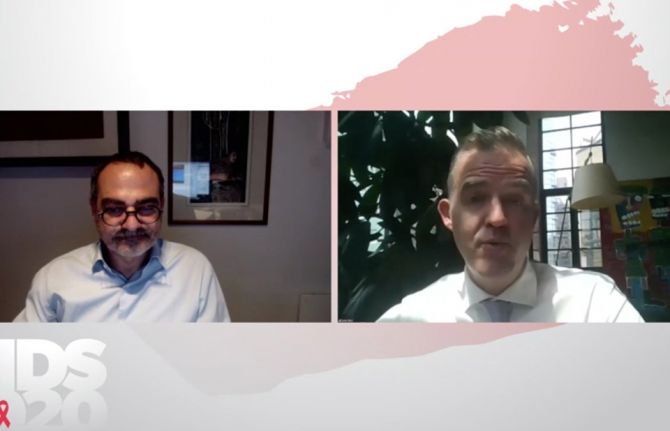
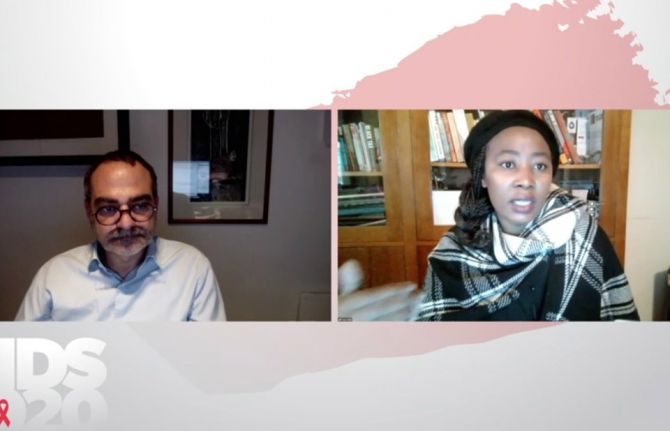
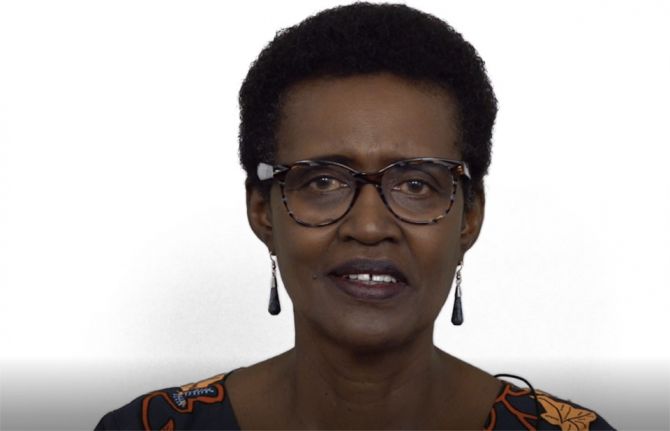
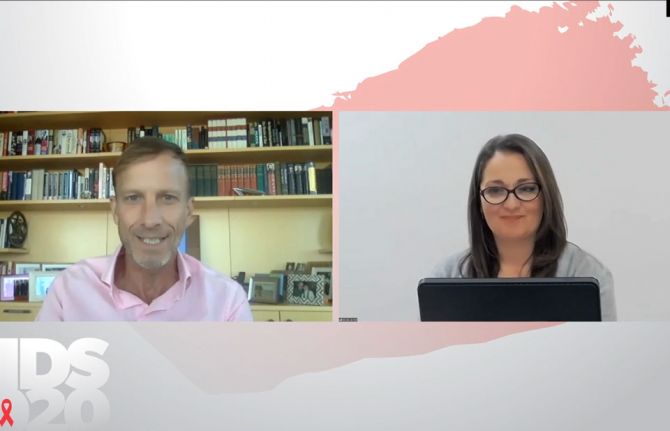
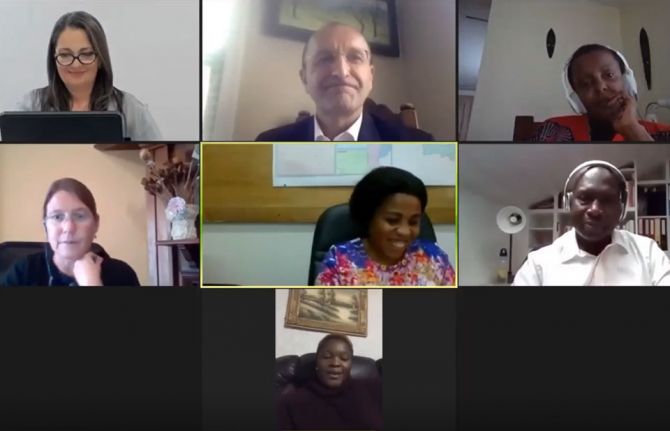
09 July 2020 09 July 2020Opening a session at the 2020 International AIDS Conference on UNAIDS’ next global AIDS strategy, UNAIDS Executive Director Winnie Byanyima presented a bold plan to put the global response to HIV back on track.
“Earlier this week, I raised the alarm that the world will miss the global HIV targets by 2020. The new UNAIDS strategy will be the road map to get the global response back on track to end the AIDS epidemic by 2030,” said Ms Byanyima. “The next UNAIDS strategy must address head-on the areas where we are still lagging, like combination prevention and human rights of key populations, and address the multiple vulnerabilities of adolescent girls and young women in sub-Saharan Africa.”
The session was an opportunity for the participants to engage in a discussion with UNAIDS on the key principles and issues that should underpin the next UNAIDS global AIDS strategy.
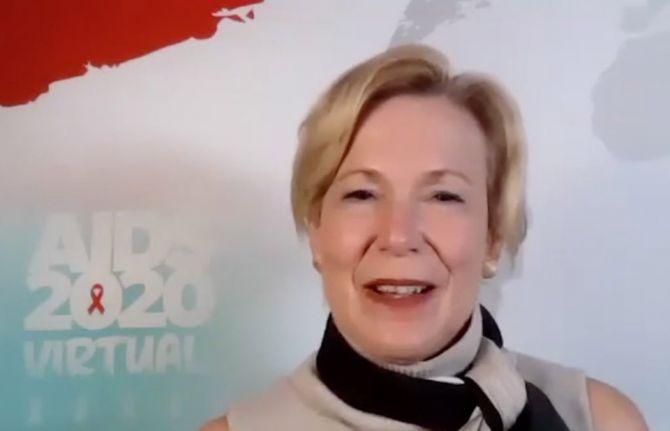
Deborah Birx, the United States Global AIDS Coordinator and White House Coronavirus Response Coordinator, stressed the need to “bring data, communities and governments together to address the issues people are confronted with every day.”
The participants agreed on the need for the strategy to address the core vulnerabilities that put people at risk, including harmful traditional gender norms, accessing livelihoods and education and reducing the exclusion and marginalization of key populations.
“Health is not only about health. Health is also about social justice. It's not enough to provide sex workers with condoms without addressing all the factors that prevent them from using them,” said Rico Gustav, Executive Director of the Global Network of People Living with HIV and Chair of the Global Fund Strategy Committee.
To close the gaps, there is a need to apply evidence to design programmes that adapt to the different epidemics and contexts. “We do have the tools to make an impact, but we need to move that to local level. We need to look at more customized solutions,” said Quarraisha Abdool Karim, from the Centre for the AIDS Programme of Research in South Africa.
There was a clear call for communities to be at the centre of the response in order to drive change. At the same time, the participants flagged the need to invest in communities to empower them to claim their leadership role, to hold everyone accountable, to help design and deliver people-centred, rights-based responses to HIV, tuberculosis and COVID-19 and to reach the hard to reach populations.
“How can we have people power when we don’t even have funding,” said Lucy Wanjiku, from the Kenya Positive Young Women Voices.
“Communities must be at the centre of the response. This means being funded, being part of decision-making and opening civic spaces for them to hold us all accountable,” added Ludo Bok, Manager of the Health and Development Group, United Nations Development Programme.
The speakers called for a serious reflection on what must be changed and a collective commitment to change the way we respond to HIV. The participants agreed on the need to focus the conversation on health as a basic right, on health as a social construct. HIV treatment and prevention cannot be delivered if there remain gaps to accessing knowledge, education, health care, harm reduction, sexual and reproductive health, secured livelihoods, economic opportunities, protection from violence and access to justice.
“I feel a renewed sense of urgency. We cannot continue to do the same things and expect a different outcome,” said Ms Byanyima. “People are expecting this strategy to set an urgent new direction for the global AIDS response—for the UNAIDS Joint Programme, for ending AIDS in every country and in every community.”
Related

Feature Story
Advancing TB services for people living with HIV during the COVID-19 pandemic
10 July 2020
10 July 2020 10 July 2020The COVID-19 pandemic has spread globally at a speed and magnitude unprecedented in modern times, claiming more than half a million lives and damaging societies and economies. In low- and middle-income countries especially, the COVID-19 pandemic and response is interacting with the global pandemics of tuberculosis (TB) and HIV, creating additional barriers to accessing essential prevention, diagnosis, treatment and care services.
During the opening plenary of the fourth TB/HIV pre-conference of the 2020 International AIDS Conference, the United Nations Deputy Secretary-General, Amina Mohammed, noted that, “COVID-19, like HIV decades before it, and tuberculosis centuries before that, brings into stark reality how inequalities of all types can hollow out our societies, institutions and systems, making us all more vulnerable to health, climate, economic and human security threats. COVID-19 is affecting everyone but not everyone is equally affected.” People must be placed at the centre of the response through rights-based and gender-transformative approaches that also put an end to stigma and discrimination of all types.
TB is the leading infectious cause of death globally and remains the main cause of death among people living with HIV, being responsible for one in three AIDS-related deaths (251 000) in 2018. World Health Organization and UNAIDS estimates suggest that the COVID-19 epidemic and response could cause hundreds of thousands of new HIV infections, a doubling of AIDS-related deaths in sub-Saharan Africa and an additional 6.3 million more TB cases and 1.4 million more TB deaths over the next five years.
The presenters emphasized the need to learn lessons from our experience with the interlinked pandemics of HIV and TB. Rapid transfer of COVID-19 innovations and technology to everyone in need is critical. “Rapid and equitable access to COVID-19 innovations is non-negotiable!” said Winnie Byanyima, UNAIDS Executive Director. “It is imperative that people come before profits, patents and intellectual property. UNAIDS is co-leading the global campaign for a People’s Vaccine to make the COVID-19 vaccine and other technologies patent-free, mass produced, distributed fairly and free at the point of use.”
Over the past decade, billions of dollars have been invested in strengthening health systems infrastructure to deliver TB and HIV services. With the support of civil society and COVID-19 investments this existing infrastructure can be rapidly employed to scale up the COVID-19 response and reach those being left behind while maintaining quality TB and HIV services. TB and HIV civil society organizations are already assisting in finding and testing people with COVID-19 and helping to deliver multimonth supplies of TB and HIV treatment in order to reduce the burden on health-care workers and reduce the risk of transmission of COVID-19.
Few low-income countries would have the capacity to test for COVID-19 without the TB and HIV investments in the multipurpose laboratory testing equipment currently used to diagnose drug-resistant TB and in early infant diagnosis of HIV and monitoring of HIV viral load.
Less than half of all people living with HIV who develop TB disease are diagnosed and treated for both HIV and TB. Increased community testing for COVID-19 provides an opportunity to test for TB and HIV to find the missing millions of cases of TB and HIV in low- and middle-income countries.
While COVID-19 threatens the fragile gains we have made in the HIV and TB response in recent decades, it also offers opportunities to strengthen the response to TB and HIV and systems for health in general.
Ms Byanyima concluded her remarks by saying, “The COVID-19 crisis is a decisive moment for all of us. The right to health has never been higher on the global agenda. This is the time to strengthen the resilience of systems for health and future-proof the health and well-being of generations to come. This is how we will overcome this crisis and finally end AIDS and TB.”
Related
 Government ensures continuity of treatment in Malawi
10 February 2025
Feature Story
Survey shows that the COVID-19 pandemic increases vulnerability of LGBTI people
10 July 2020
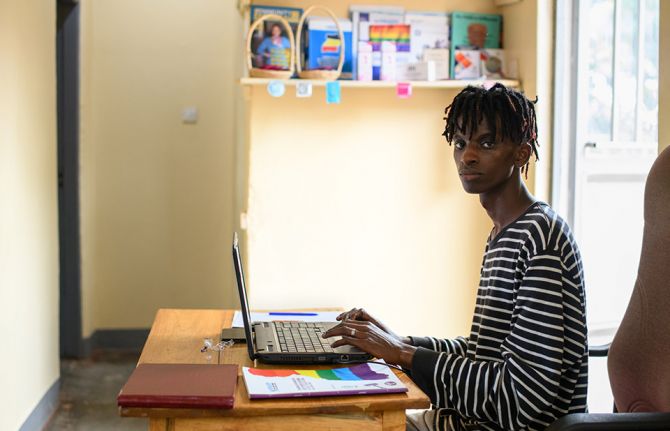
10 July 2020 10 July 2020The opening session of the 2020 International AIDS Conference shared the findings of a rapid online survey demonstrating the increased socioeconomic vulnerability of lesbian, gay, bisexual, transgender and intersex (LGBTI) people due to COVID-19.
UNAIDS, the LGBT+ Foundation and researchers from the Johns Hopkins Bloomberg School of Public Health and other universities around the globe convened a COVID-19 disparities working group. It surveyed more than 20 000 LGBTI people in 138 countries in April and May and found that three quarters (74%) were fully or partially locked down, leading to economic consequences for many.
About 13% of the survey participants have already lost their jobs in the wake of the pandemic and a fifth (21%) are expecting to lose it in the near future. Nearly half the survey participants (47%) faced economic difficulty, with a quarter unable to meet their basic needs, skipping meals or reducing meal sizes.
Of concern, 21% of participants living with HIV reported that they had experienced “interrupted or restricted access” to refills of antiretroviral therapy and 42% of those said they had less than a month’s supply on hand. Worrisome disruptions were also reported for pre-exposure prophylaxis and access to HIV testing. The study also highlights that racial and ethnic minorities consistently have lower access to HIV services.
Erik Lamontagne, Senior Economist at UNAIDS and one of the members of the working group, reported at the conference that the crisis had pushed 1% of respondents to start engaging in sex work and that 2% had to continue to sell sex during the COVID-19 pandemic, risking exposure to the coronavirus. The pandemic has reduced the ability to negotiate safer sex for 13% of respondents, potentially increasing their risk of acquiring HIV. Respondents also reported reduced access to safe injecting equipment and opioid substitution therapy.
“What worries us is that socioeconomic factors, such as limited access to health care, lower income, unemployment and food insecurity, combined with higher anxiety and depression rates, may place some at higher risk of contracting HIV and affect treatment adherence among people living with HIV,” said Mr Lamontagne.
The study shows that COVID-19 increases the vulnerability of groups that are already disproportionately affected by HIV. Solutions and targeted programmes are required from the global community and governments to sustain prevention, testing and treatment services and to help the LGBTI community not only to survive but emerge from the crisis.
Feature Story
Support for Uzbek mothers living with HIV
08 July 2020
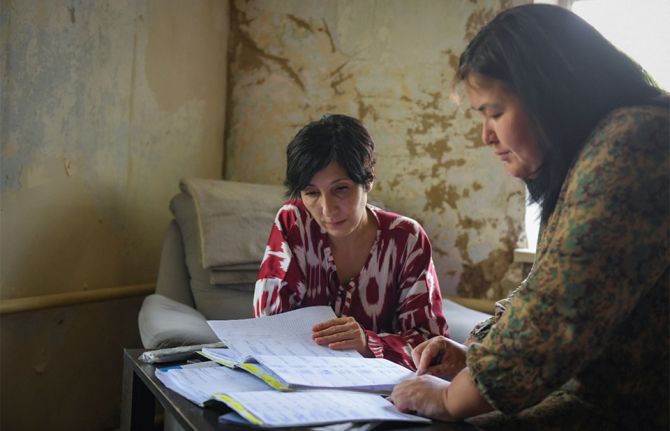
08 July 2020 08 July 2020Shakhnoz Amirova (not her real name) lives in Tashkent, Uzbekistan. She has been taking antiretroviral therapy regularly since 2017, when she discovered that she was living with HIV. She continued the treatment while pregnant with her child, so she did not have to worry about her baby’s health, which was born HIV-free. But the COVID-19 pandemic has changed everything, and the lockdown restrictions severely limited access to medical services.
The immediate anxiety about the possible disruption to her HIV treatment and that of her husband, who is also living with HIV, was allayed by the health-care facility that she attends, the Republican AIDS Center, dispensing a two-month supply of antiretroviral therapy for everyone who needs it.
However, Ms Amirova was pregnant again and worried about the impact that COVID-19 may have on her and her unborn child, since information on how COVID-19 may affect people living with HIV was scarce. She was even unsure whether the coronavirus outbreak would stop her being able to have her baby at the maternity hospital.
“Women living with HIV feel especially vulnerable during pregnancy and childbirth, as fear of virus transmission, stigma and discrimination are added to the fears for the well-being of their baby. Of course, the situation with coronavirus is an additional stress factor. At such a difficult moment, women really need help and support, and we are trying to provide this help to them,” said Evgenia Korotkova, a representative of Ishonch va Khaet, an organization that helps people living with HIV.
The Positive Maternity programme run by Ishonch va Khaet helps women living with HIV who are pregnant or have recently given birth with social support, delivering antiretroviral therapy and baby food and providing medical care. During the COVID-19 outbreak, Ishonch va Khaet and similar organizations are working doubly hard so that people who need help get it as quickly as possible.
Yuldashev Kahramon Haldarovich, the Director of the Republican AIDS Center, noted the special role of nongovernmental organizations during a pandemic. “Community involvement in HIV prevention and support for people living with the virus are very important, especially at such tense moments, when the efforts of all health professionals and doctors are concentrated on fighting another pandemic. We cannot leave people who need HIV services behind; they also need help, and they need it today. The work of volunteers from social organizations is priceless.”
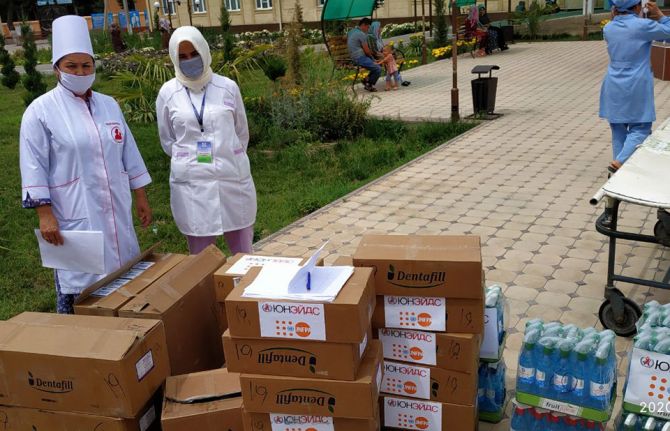
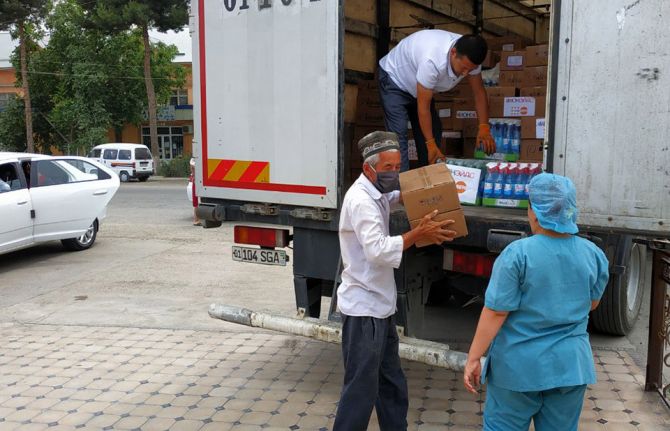
Since keeping patients and medical personnel in maternity hospitals safe from COVID-19 is such a priority, UNAIDS and the United Nations Population Fund have made a donation of a range of personal protective equipment, including masks and gloves, and disinfectant to 21 maternity hospitals in Uzbekistan.
“Protecting medical personnel in maternity hospitals from infection is as important as protecting pregnant women. The country is currently on the way to eliminating mother-to-child transmission of HIV. Preventive measures against COVID-19 are important for supporting the progress made,” said Charos Maksudova, the representative of UNAIDS in Uzbekistan.
Ms Amirova safely gave birth in the maternity hospital, happy that both her and her baby avoided becoming infected by the new coronavirus and that her baby was born HIV-free. “But fear for my children, especially for a newborn, does not leave me for a minute,” said Ms Amirova.
Now back at home, she is receiving help from peer counsellors from the Positive Maternity programme.
Our work
Region/country
Related

Feature Story
Setting the next generation of goals for the global AIDS response
08 July 2020
08 July 2020 08 July 2020Since the 2020 HIV targets are soon to elapse, UNAIDS is leading a three-year process to develop new targets for 2025 and to estimate the epidemiological impact and the resources needed for the HIV response from 2021 to 2030.
At the 2020 International AIDS Conference, a session chaired by Anton Pozniak, the President of the International AIDS Society, presented the process and main results from the consultations that have informed it, as well as the next steps. It is expected that the targets will inspire countries to develop ambitious national strategic plans and inform discussions in preparation for the United Nations high-level meeting on AIDS in 2021.
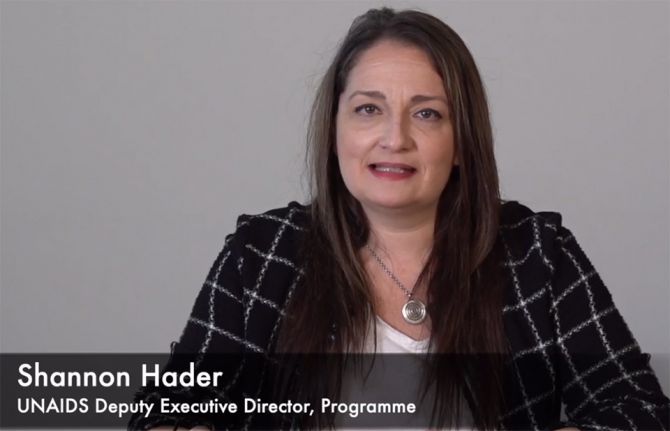
“This 2025 target-setting exercise sets itself apart from previous rounds of this work in that it includes a stronger focus on the need for social enablers to achieve targets for the AIDS response, as well as consideration for the integration of HIV services,” said Shannon Hader, UNAIDS Deputy Executive Director, Programme.
Paul De Lay, the Co-Chair of the Steering Committee of the 2025 target-setting process, highlighted that the objective is to focus on what will be needed in 2025 in order to achieve the 2030 goal of ending AIDS as a global public health threat. He stressed the broad participation and transparency of the process, which has included representation from governments, civil society, key populations, academia and others.
A representative of Avenir Health presented the model to be used in the estimation of the impact of the targets. The model includes data on population sizes, the estimated impact of each service included and the effectiveness and sustainability of the interventions.
The session heard presentations from the three co-chairs of the technical consultations on testing and treatment, primary prevention and addressing social enablers.
Wafa El-Sadr, from ICAP at Columbia University, said that according to the results of the technical consultation on testing and treatment, in order to leave no one behind the targets should be the same for all subpopulations, including key populations. There should also be specific targets for men and women adjusted by age group and specifically for children younger than 13 years of age. Pregnant women should have testing and treatment targets higher than 95%.
On primary prevention, Quarraisha Abdool Karim, from the Centre for the AIDS Programme of Research in South Africa, indicated that, globally, new HIV infections have declined, but the rate of the decline was far too slow to reach the 2020 target. HIV prevention requires a context-specific combination approach that includes behaviour, biomedicine and an enabling environment for service access and uptake, and the set of targets for 2025 should call for countries to address structural barriers to services. According to her, most parts of the world are not living up to their commitments to scale up primary prevention services, and so the 2025 targets must include a strong statement on HIV prevention.
On social enablers, the session heard that the response to HIV must be people-centred and be based on the principle of inclusion and participation, highlighting the need for community-led responses.
The target-setting process will feed into the new UNAIDS global AIDS strategy currently being developed.
Related
Feature Story
Providing support to COVID-19-hit households in Côte d’Ivoire
01 July 2020
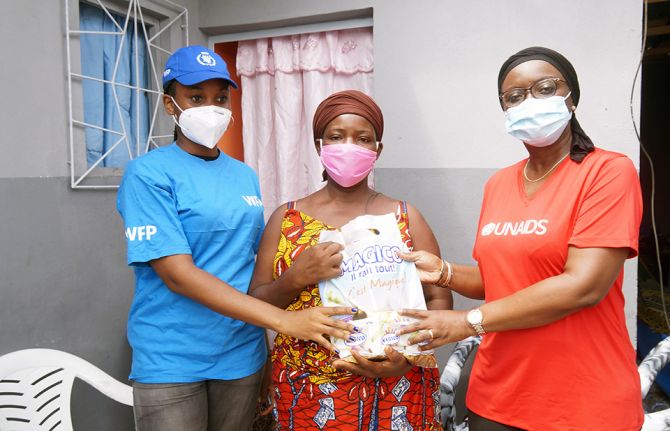
01 July 2020 01 July 2020Thousands of households have been helped in Abidjan, Côte d’Ivoire, through a joint initiative to reach vulnerable households with money for nutrition and food security and basic health kits during the COVID-19 pandemic.
Restrictions on movement imposed to stop the spread of the new coronavirus in Côte d’Ivoire have had a significant impact on the ability of people to earn a living, resulting in an increasing danger of hunger. For people living with HIV, malnutrition and food insecurity reduce HIV treatment adherence, impacting their health and increasing HIV transmission, since stopping treatment can increase a person’s viral load, which increases the chance of passing the virus on. Food insecurity can also increase HIV risk behaviours, potentially putting people at increased risk of acquiring HIV.
The partnership between the World Food Programme, UNAIDS and the Magic System Foundation—a nongovernmental organization that works in the fields of education, health, the environment and culture—allows for a cash transfer of 51 000 central African CFA francs (around US$ 89) per household to cover food needs for two months, distributes hygiene kits and protective equipment to limit the transmission of COVID-19 and gives advice on nutrition.
“The cash transfer allowed me to buy my medicine for three months and to stock up on rice for my family. It gave me the strength to live and smile again,” said one of the recipients.
The priority focus of the campaign are female-headed households and households with pregnant and breastfeeding women, young children, the elderly, people with disabilities and people living with HIV.
“UNAIDS and the Ivorian Network of People Living with HIV are working with various partners—mayors, nongovernmental organizations, the Red Cross, mosques, churches, community leaders, neighbourhood leaders and traditional chiefs—to facilitate access to especially vulnerable people living with HIV,” said Brigitte Quenum, the UNAIDS Country Director for Côte d’Ivoire.
“The health crisis has forced some households to adopt irreversible food strategies, such as selling assets or borrowing money to meet their food needs. Cash-based food aid helps build the resilience of vulnerable households and preserve their livelihoods. The cash transfer provides the opportunity to have a diversified and balanced diet for good health, while leaving recipients with a choice,” said Adeyinka Badejo, the World Food Programme Representative in Côte d’Ivoire.
A further round of assistance for vulnerable households, especially households containing members of key populations or people living with HIV, will take place soon. The second round will draw on a rapid assessment of the needs of people living with HIV during the COVID-19 pandemic, which was carried out by the network of people living with HIV with the support of UNAIDS, and on the lessons learned from the first round of assistance.
Our work
Region/country
Related
Feature Story
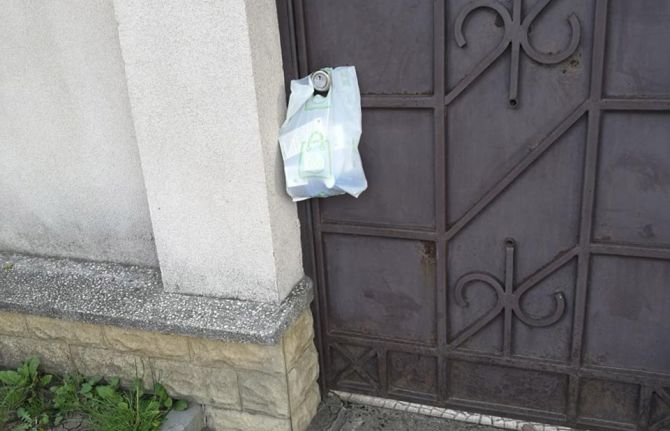
Delivery of PrEP at home in the Republic of Moldova
30 June 2020
30 June 2020 30 June 2020Mihai Ceban (not his real name) has been locked down at home since 17 March, when a state of emergency was declared in the Republic of Moldova in response to COVID-19. He is an information technology specialist, so working from home has not disrupted his daily routine too much. His was worried, however, by his inability to go out to get his supply of HIV pre-exposure prophylaxis (PrEP). He has been taking PrEP to prevent becoming infected with HIV since September 2019. Although he has a partner, he says taking PrEP makes him feel safer. “You can’t fully trust your partner,” he said.
During the state of emergency, restrictions imposed by the authorities and the fear of becoming infected with COVID-19 limited his social contacts to a maximum of two or three people. However, his partner continued to lead an active social life, which increased his risk of HIV infection.
"The fear of COVID-19 was enhanced by the fear of getting infected with HIV. That's why, when I saw I was running out of my pills, I started worrying. I wondered what I would do if no one was working? How do I protect myself? The response came from the GENDERDOC-M Information Center, which delivered my PrEP at home. And the fact that it was delivered to me during the pandemic means that my right to health was respected. It’s my right to have an active protected sex life during the pandemic. And the delivery of PrEP services at home has brought psychological relief and reduced the anxiety of becoming infected with HIV,” Mr Ceban said.
Mr Ceban is not the only beneficiary of the PrEP deliveries. Alexandru Goja, a health programme consultant at the GENDERDOC-M Information Center, said that during the pandemic more than 90 people received PrEP deliveries at home.
“At the beginning of the pandemic, everyone went into a kind of panic. Some people on PrEP discontinued taking it, but most wanted to continue. For them, we went out, into the parks, in front of their apartments blocks, where we tested them for HIV and delivered their medicine. During quarantine, people from key populations avoided going to medical institutions to pick up their medicines, trying to prevent the risk of becoming infected with COVID-19. The support provided by nongovernmental organizations helps them to exercise their right to health,” said Mr Goja.
Angela Nagît, an infectious disease specialist at the Hospital of Dermatology and Communicable Diseases, agrees with him. During the pandemic, she carried out consultations and prescribed PrEP remotely. It is very important that once enrolled on PrEP, the person should stick to it, she said.
“In the Republic of Moldova, HIV infection continues to be a major public health problem with a great medical, social and economic impact. Around half of the people who are estimated to be living with HIV don’t know their status. Unprotected sexual contact is one of the risk factors for HIV transmission. PrEP is a way to prevent infection, thus ensuring the right to health, especially for those from the key affected groups,” she said.
Our work
Region/country
Feature Story
Harm reduction continues for people who use drugs during COVID-19 in Côte d’Ivoire
26 June 2020
26 June 2020 26 June 2020It’s 10 in the morning in Abidjan, Côte d’Ivoire.
Like every morning, Arouna Bakari (not his real name), mask on his face, washes his hands before entering a “smoking room”, as people who use drugs call the open drug-taking places in Abidjan. He checks that the hand washing sink installed in front of the smoking room is working properly. He can now start his work and distribute prevention equipment against COVID-19 to the people who gather there.
Mr Bakari works for Parole Autour de la Sante (PAS), a community-led organization made up of people who use drugs and former people who use drugs, their relatives and social scientists. It operates the first “therapeutic community”, a mixed residential programme for people who use drugs, in western Africa.
Created in Côte d’Ivoire in 2016, PAS promotes the health of people who use drugs through harm reduction and services for HIV, tuberculosis, sexually transmitted infections and hepatitis. Since October 2019, thanks to funding from OSIWA (the Open Society for West Africa), PAS has strengthened its activities, with a focus on the respect of the human rights of people who use drugs—still a highly stigmatized and discriminated against community—and their access to health services. This is why Mr Bakari, in addition to his work in the smoking rooms, also trains health workers, journalists and the security forces.
There have been harm reduction programmes in Côte d’Ivoire for some years now. Community organizations have been set up and work with the national AIDS programme, the national institutions in charge of drug policy and the international nongovernmental organization Médecins du Monde.
The COVID-19 pandemic and the restrictions on movement imposed to stop it had the initial effect of freezing PAS’ work. But very quickly the commitment to continue services regained momentum at PAS.
“People who use drugs noticed that there were no associations or nongovernmental organizations out there in the field despite the fact that people who use drugs were still grouped together in places where drugs are consumed and they still shared equipment (crack pipes, joints, cigarettes, syringes, needles), with the risk of infection with HIV, hepatitis and tuberculosis. With the addition of COVID-19, people who use drugs were now also without access to reliable information and prevention equipment to fight this new health challenge,” said Jerome Evanno, a founding member of PAS.
Therefore, PAS decided to collect and distribute COVID-19 prevention materials and to continue its harm reduction work. PAS’ workers were trained in the prevention of COVID-19 and PAS produced a video clip in nouchi, the Ivorian slang that is the language of communication in the smoking rooms, on the importance of correct hand washing.
Community research was conducted on the perceptions of people who use drugs in the context of COVID-19 in order to understand the unique fears and needs in the face of the new coronavirus. The results and recommendations of the survey have been disseminated to partners in order that they can advocate and adapt their programmes in accordance with the expectations and needs of people who use drugs.
In order to reduce the risk of outbreaks of COVID-19 in prisons, PAS also has been advocating for the release of prisoners and distributing coronavirus prevention materials to inmates at the infirmary of the Abidjan prison.