


Feature Story
UNAIDS supporting people stranded in Egypt to access HIV treatment
29 June 2020
29 June 2020 29 June 2020Hundreds of thousands of people around the world have been stranded abroad due to the bans on flights and border closures imposed to stop COVID-19. As elsewhere, thousands of non-nationals have been stranded in Egypt indefinitely.
Travel restrictions have had many repercussions on the daily lives of non-nationals, putting significant economic pressure on them and potentially putting their well-being at risk.
The UNAIDS Country Office for Egypt has been working on COVID-19 from the start of the pandemic in the country, establishing a direct line of communication with the National AIDS Program and working with it to ensure the continuation of HIV treatment by everyone on it and to help non-nationals in Egypt to get supplies of antiretroviral therapy.
Sophia Bianchi (not her real name) is an Italian tourist stranded in Sharm El Sheikh. “I ordered my antiretroviral treatment in late April from Italy via a courier service. Unfortunately, the shipment was stuck at the airport customs in Cairo for weeks. I contacted UNAIDS and they have been very helpful, following up daily with the Egyptian Ministry of Health and Population to get approval for releasing the shipment and checking on me and my health. They kept pushing through the Eid holidays and it all got resolved in two weeks. It was a stressful time but now I am relieved,” she said.
Antiretroviral therapy is available in Egypt free of charge to all nationals and registered refugees. However, as there is no community-based dispensing, nor private market purchase of antiretroviral medicines, gaps remain in ensuring that non-nationals can access treatment. For this reason, UNAIDS’ work during the COVID-19 pandemic has been essential in bridging the gaps.
There are strict rules on the dispensing of antiretroviral therapy in Egypt—only close family members are able to collect it from the dispensing centre. For Fatima Ahmed (not her real name), a refugee from Yemen who because of chronic illnesses that put her at higher risk from COVID-19 cannot leave her house, this was a significant barrier to accessing her HIV treatment. UNAIDS got in contact with the Egyptian Ministry of Health and Population to get an exceptional approval to dispense her medicine through a nongovernmental organization.
“I have not left the house for more than three months. My family has not been able to support me financially, so I was left without revenue. Thanks to the support of the National AIDS Program and MENA Rosa, a nongovernmental organization, peer supporters have delivered three months of antiretroviral treatment to my doorstep,” said Ms Ahmed.
However, much still remains to be done in reaching out to the most in need in Egypt. UNAIDS in Egypt has been advocating for the right to health and universal health coverage for everyone and is working in partnership with the Egyptian Ministry of Health and Population to ensure treatment for all nationals and non-nationals in the country.
“We believe in the absolute right of everyone to have access to their basic right to health. Ensuring access to antiretroviral therapy during these exceptional times is therefore our upmost priority. We are working relentlessly with our governmental and nongovernmental partners to build long-term policies to ensure treatment and care services for people living with HIV during times of emergency,” said Walid Kamal, the UNAIDS Country Director for Egypt.
Our work
Region/country
Related
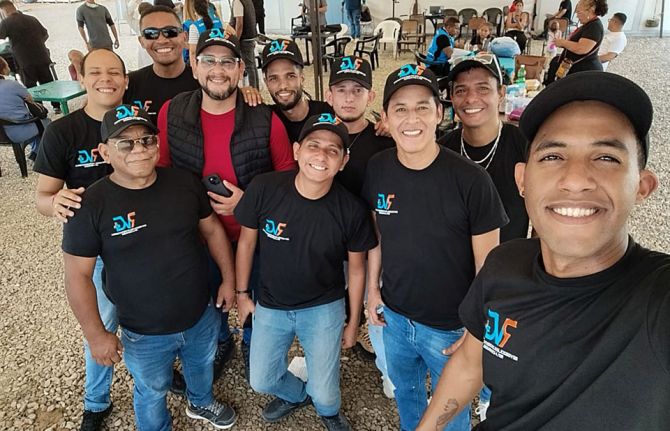 Communities, authorities and UNAIDS coordinate to maintain HIV care during emergencies in Colombia and Venezuela
23 September 2026
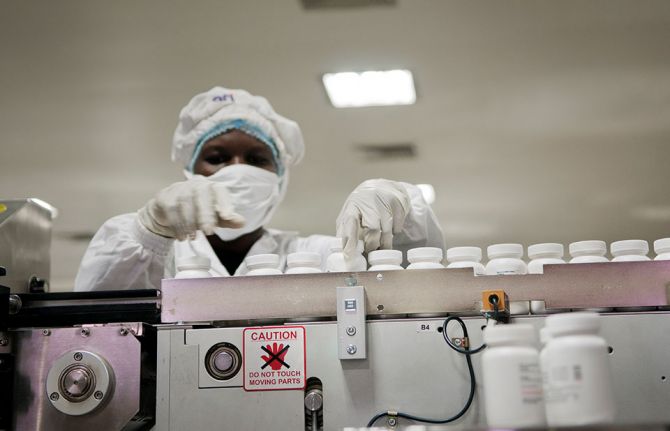 UNAIDS, WHO and Unitaid bring manufacturers and governments together in Geneva as HIV financing enters a new era
14 September 2026
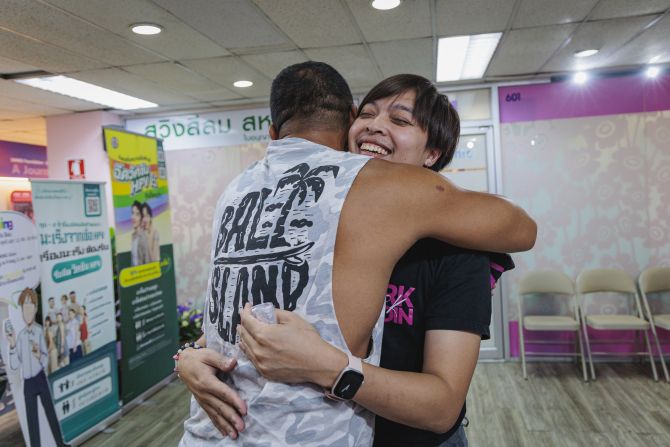 Built on trust - Community-led HIV responses in Thailand
26 August 2026

Feature Story
UNAIDS helps response to food insecurity during COVID-19 outbreak in Angola
19 June 2020
19 June 2020 19 June 2020“Angola has a long history of epidemic outbreaks,” said Michel Kouakou, UNAIDS Country Director for Angola. “From cholera, malaria, polio and yellow fever, the country is well prepared and has competent people to deal with outbreaks, including health-care workers,” he said.
As a result, the President of Angola, João Lourenço, took immediate steps early in the COVID-19 outbreak, including a nationwide lockdown, closure of the border and cessation of international flights.
While this had the effect of keeping new COVID-19 cases low, it caused many people to lose their livelihoods, especially people who work in the informal sector.
To respond to the food insecurity that this caused, especially among people living with HIV, the UNAIDS Country Office for Angola leveraged its partnerships to reach thousands of people in Luanda, the capital city of Angola, with food baskets.
Under the auspices of her Free to Shine campaign, which focuses on the elimination of mother-to-child transmission of HIV in Angola, the First Lady of Angola, Ana Afonso Dias Lourenço, in partnership with the Saham Angola Insurance Company, the Association of HIV-Positive People and UNAIDS, distributed 1000 food baskets to people living with HIV, 500 of which were given to pregnant women living with HIV.
As the lockdown proceeded, Yola Semedo, a popular Angolan singer and songwriter and a UNAIDS National Goodwill Ambassador, arranged a virtual concert, which was televised on national television. She raised funds for an additional 14 000 food baskets, which she distributed in Luanda and Benguela provinces, including 500 food baskets for people living with HIV in Luanda.
“Our people are vulnerable due to COVID-19 and at this time I feel very happy to be a daughter of this land. It is at this time that we realize that ours are here with us,” said Ms Semedo.
A long-standing civil society partner of UNAIDS, the Angola Network of AIDS Service Organizations, which supports people and families living with HIV, has distributed 1500 food baskets, and the numbers are growing as more are distributed every day.
The Association of Policewomen in Angola also joined the movement and donated 120 food baskets to the faith-based organization Associação de Solidariedade Cristã e Ajuda Mútua in order for them to distribute the packs to female sex workers, who have experienced a loss of income owing to the COVID-19 pandemic.
“While many countries in the region have used lockdown as an excuse to further criminalize key populations, including sex workers, this action has shown that solidarity is key during this time,” said Mr Kouakou.
Our work
Region/country
Related


Feature Story
“I also need to be happy”: Anna Morena’s story
25 June 2020
25 June 2020 25 June 2020Officially, she calls herself Juliana, but she also goes by the name Anna Morena and has an organization of the same name—the Anna Foundation Uganda.
The small, youth-led organization promotes sexual and reproductive health and rights, HIV prevention, advocacy, research, entrepreneurship and fundraising for the transgender community in central Uganda.
As a response to the malnutrition experienced by transgender people because of the COVID-19 outbreak, the foundation has raised US$ 1600 from a private donor to support transgender people and their dependents with food relief, which has reached more than 200 people.
Members of the foundation volunteer their time to conduct referrals for mental health and supply medical services, including deliveries of treatment and hormone therapy to transgender people who cannot currently access facilities due to the COVID-19 pandemic.
Ms Morena named herself and the foundation in memory of a friend who moved to Kampala, the capital of Uganda, at the age of 16 years. She was working as a sex worker to survive, met a man in a nightclub one night and was found dead the next day.
“I thought that maybe I could be “Anna” too, because she had a dream—to live as a normal person,” said Ms Morena wistfully.
Ms Morena doesn’t like labels, but she refers to herself as a “trans girl” because she wants people to know that she’s “not just a sex worker.”
She is open about being a sex worker so she can encourage others to come out and speak about it. She also volunteers to educate people about being transgender, which she does “out of love.” The sex work is to put food on the table.
“Most of the trans women I know are doing sex work. They are usually between the ages of 16 and 25 years, a time when hormones are high and one’s understanding of sexuality and gender identity is still developing,” she said.
Globally, transgender people are 12 times more likely to become infected with HIV than the general population. Nineteen countries worldwide, including Uganda, prosecute and/or criminalize transgender people.
In their daily lives, transgender people experience exclusion from family and society, barriers to employment and extreme forms of sexual, physical, emotional and psychological violence. According to Ms Morena, the COVID-19 pandemic is making things worse.
“COVID-19 has led to an increase in gender-based violence and a scarcity in commodities such as condoms and lubricants. Most sex workers are still doing sex work so that they can survive and we are seeing a rise in infections,” said Ms Morena.
She said prices for essentials such as mobile phone data have risen, making it harder for community-based transgender organizations to stay connected to their members.
In the absence of funding for vocational training, the only choice for transgender people who want to make a difference is to volunteer, said Ms Morena, because there is limited donor funding for transgender organizations. “Donors are very specific about what they will support, meaning there is a lot of competition for funding,” she said.
In addition, there is limited data on transgender people in the eastern and southern African region and Ms Morena believes that donors are not primarily interested in funding community-led research. But, she said, research is critical. “It is a way to help our governments understand the specific needs we have; it helps influence change and policies.”
Influencing change is something that Ms Morena does every day. During workshops run by the foundation, in partnership with other transgender and female-led community organizations, she tries to educate people about what it feels like to live in a transgender body by getting them to draw a picture of their bodies on a piece of paper they place on top of their heads.
Drawing one’s body out of sight always guarantees that it comes out a mess. This is Ms Morena’s advocacy punchline.
She holds up the drawing and tells them, “This is the pain I have to go through daily. This is how the world sees a transgender person.”
“This is not the body I want. I want to transition, but I don’t have the support of my family. I honestly love them. At times I try to do what I can to make them comfortable, but I also need to be happy,” she said.
This is the reason why the transgender community is so important, said Ms Morena. Solidarity helps.
“Trans women need safe spaces, places to stay and access to mental health services,” said Ms Morena. “The Government of Uganda is not willing to facilitate such spaces, so community-based organizations must bring these services until the fight for decriminalization has been won.”
Our work
Region/country
Feature Story
Survey shows that many people lack multimonth HIV treatment in Latin America
24 June 2020
24 June 2020 24 June 2020Once the COVID-19 lockdown in her country was put in place, Marisela Mariño (not her real name), a transgender woman living with HIV, immediately contacted her treatment provider, convincing them to supply her with antiretroviral therapy to last at least two months.
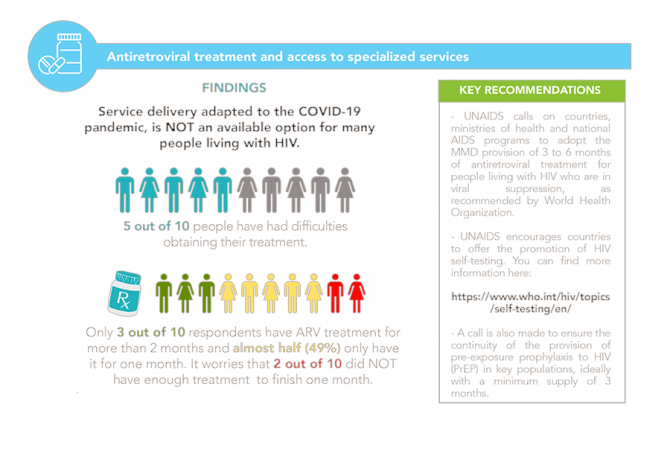
“I was saved by having the phone number of one of the health promoters at the clinic I attend,” said Ms Mariño. But now she, like seven out of 10 people who responded to a Latin American regional survey on the needs of people living with HIV during the COVID-19 pandemic, does not have enough antiretroviral medicines for a lockdown of more than 60 days.
From the online survey, which was answered by 2300 people from 28 countries in the region, it was seen that despite the communication efforts by national health authorities and the international organizations that are leading the response to COVID-19, 31% of people stated that they had not received sufficient information on preventing the transmission of the new coronavirus. More than half, 56%, expressed that they do not have sufficient personal protective equipment, while only 22% of people think that masks are a useful protection against COVID-19.
Claudia Cardenal (not her real name), another transgender woman in the region, says that the offer of services adapted to the COVID-19 pandemic is not reflected in the options for people living with HIV. Ms Cardenal only has antiretroviral treatment for one more month, despite the World Health Organization recommendation that people living with HIV have at least a three-month supply.
The survey also shows that five out of 10 people are having difficulties in obtaining their antiretroviral treatment during the pandemic and less than two out of 10 people had antiretroviral medicines delivered to their homes.
Only three out of 10 people have been offered the option of telemedicine, and four out of 10 people living with HIV in Latin America state that they need psychological support to address anxiety related to COVID-19.
Stigma and discrimination continues to be an important barrier for people living with HIV to fully access their rights. More than half of the people surveyed, 56%, believe that they could suffer physical, psychological or verbal violence due to living with HIV in the midst of the COVID-19 pandemic. Forty per cent answered that they do not know where to go or call in the event that they encounter violence or discrimination due to living with HIV and the fear of discrimination caused three out of 10 people to refrain from accessing services in the midst of lockdowns.
Confinement can increase and incentivize stigma and discrimination. For example, in countries that have rules on leaving one’s home under the lockdown based on gender, violence to people with a different gender identity or expression than that appearing on their official identification may increase.
Job loss or lack of income was a top concern in the findings of the survey. Mobility restrictions and compulsory quarantines have deprived four out of 10 people who needed to leave their homes for work of their income, which means that four out of 10 people require nutritional support and/or cash transfers.
From the results of the survey, it is clear that the response to COVID-19 should consider the realities of people’s lives and focus on removing the barriers that people face to protect themselves and their communities.
Countries, ministries of health and national AIDS programmes should ensure access to three months or more of antiretroviral therapy by all people living with HIV, including refugees and migrants. In addition, the provision of food and other social protection services, including temporary shelters for key populations, people living with HIV and other vulnerable people, must be ensured.
The provision of services and support to the populations most affected by violence, especially women and girls, also needs to be a key priority for governments.
“This evidence has been shared with Cosponsors, national AIDS programmes and civil society organizations. I urge them to push for multimonth dispensing of antiretroviral therapy, social protection measures focusing on key populations and people living with HIV and support for mental health initiatives,” said César Núñez, Director of the UNAIDS Regional Support Team for Latin America and the Caribbean.

Feature Story
Local skills and knowledge help Senegalese community-led organizations deliver
18 June 2020
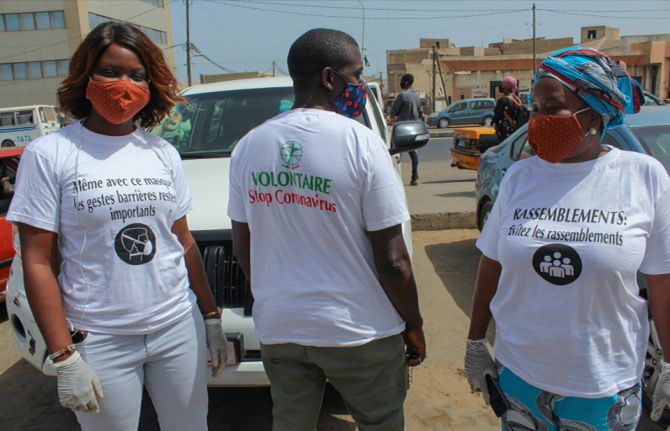
18 June 2020 18 June 2020Face masks, sanitizers and soap. Food packages and money to pay the rent. Information about how to protect yourself and your loved ones from the virus—the list goes on.
The necessities of life during the COVID-19 pandemic can be hard to come by, but communities are organizing and delivering services and much needed commodities to the people that need them the most. And communities with experience of responding to other epidemics are turning their lessons learned to COVID-19.
“Organizations led by and for people living with HIV and key populations are now spearheading urgently needed programmes to combat COVID-19 and secure the health and well-being of their communities,” said Demba Kone, the UNAIDS Country Director for Senegal.
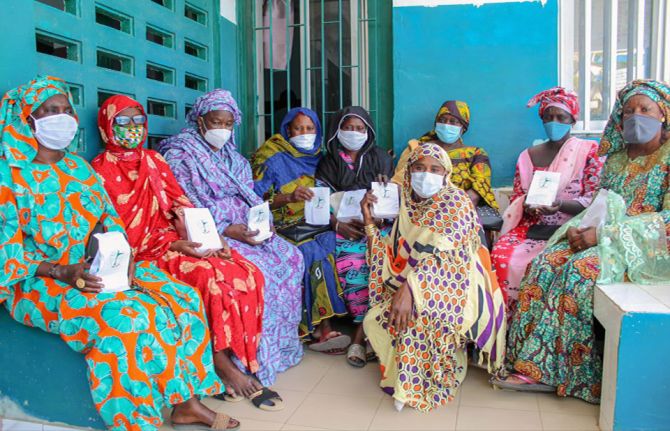
Like in many other countries around the world, face masks and other personal protective equipment are in short supply in Senegal. However, the Enda Santé nongovernmental organization had a quick and efficient solution—the many local tailors and dressmakers, who are highly skilled and had a ready access to supplies of fabric. Responding to the call of “come work with us”, the tailors and dressmakers produced thousands of high-quality masks in a record time, and at a very low cost. And the local production meant that the money stayed in the local economy, which had been badly affected by the pandemic.
Enda Santé has also begun negotiating with donors that fund HIV programmes. Funds that had been allocated to HIV-related activities that could not be carried out in the current context have been re-allocated to support COVID-19-related activities in the most-affected communities.
Focusing the right resources at the right place is crucial when responding to outbreaks that are travelling fast through communities. Enda Santé therefore went to work to identify the communities that were the most vulnerable and in the greatest need.
Drawing on statistics generated by the government, as well as their own knowledge about the demography and availability and accessibility of health services, Enda Santé looked at poverty levels among communities, the neighbourhoods where overcrowding was the worst and where people had difficulty in accessing health care. It was clear that the people who were the most vulnerable to HIV were also now very vulnerable to COVID-19.
Enda Santé focused on those communities, distributing prevention materials and mobilizing young and female leaders from the community, training them to go door to door explaining how people could protect themselves, how to identify cases and how to get people into treatment centres.
It was obvious that many of the people affected by HIV that Enda Santé worked closely with—people living with HIV, sex workers, people who inject drugs and young women and adolescent girls—had lost their incomes because of the lockdown and were now struggling with the triple impact of HIV, COVID-19 and poverty. In response, Enda Santé organized the delivery of food and cash transfers.
Daouda Diouf, the Executive Director of Enda Santé, reflected on the process. “We had already learned how to do all of this work in the context of HIV, so we were transferring the skills we learned in responding to HIV for 25 years, and we moved to apply them to COVID-19. The speed of action, engaging community members and putting them at the centre of the work, the door-to-door approach, pre-empting the risk of transmission, delivering prevention packages, and so on. We were able to act very quickly.”
Our work
Region/country
Feature Story
Remembering human rights activist Yves Yomb
17 June 2020
17 June 2020 17 June 2020Yves Yomb, a human rights activist from Cameroon, died on 15 June 2020.
His journey to becoming an activist began in his home country, in 2006. At the height of a media campaign targeting gay men and other men who have sex with men, Mr Yomb was a founding member of Alternative Cameroun, one of the first human rights organizations in western and central Africa to advocate for tolerance and social inclusion. “We told ourselves that if we didn’t act, no one would,” he once said.
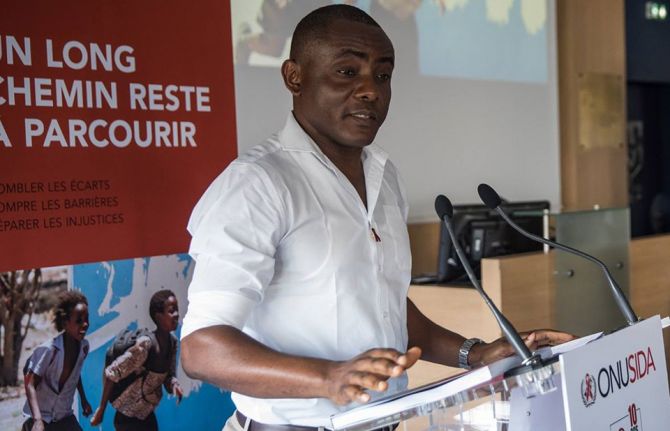
For more than a decade, Mr Yomb was at the forefront of the fight for the rights of sexual minorities and human rights in Africa, and wherever else the struggle took him. Ahead of the 2018 International AIDS Conference, he spoke at the launch of UNAIDS’ global report in Paris, France, calmly and with determination, recalling that the response to HIV is an uncompromising struggle for human rights and international solidarity.
Mr Yomb was the spokesperson of Africagay against AIDS, the first network dedicated to promoting access to rights and support for lesbian, gay, bisexual and transgender people in francophone Africa, which in 2019 became the Global Alliance of Communities for Health and Rights (GACS PLUS), a member of Coalition Plus. Always at the forefront of the fight, he called on UNAIDS to renew its support for civil society, an initiative that led to the birth of the Civil Society Institute for West and Central Africa.
“Without rights, the people most affected by the AIDS epidemic cannot have access to health services. This is what feeds the hidden epidemic we are fighting against. This is what fuels the hidden epidemic we are fighting,” he said.
"Yves Yomb was a great voice and argued in a way that left no one indifferent. I remember him speaking in 2018 in the Kofi A. Annan Conference Room at UNAIDS headquarters in Geneva, Switzerland, surrounded by senior management, representatives of UNAIDS Cosponsors and others. With the same tenacity he displayed at home in Cameroon, he advocated for the respect of human rights. He argued tirelessly for increased support for civil society in all its diversity. Rest in peace, brother. We will continue the common fight,” said Helene Badini, UNAIDS Senior Regional Community Support Adviser.
Region/country
Feature Story
Online games fighting HIV stigma and discrimination in the Islamic Republic of Iran
16 June 2020
16 June 2020 16 June 2020The UNAIDS Country Office for the Islamic Republic of Iran and the country’s branch of the International Federation of Medical Students’ Associations have been collaborating on new ways of making an impact on the national AIDS response since 2013.
In the past, the collaborations have included public awareness campaigns, educational workshops, field visits and week-long summer schools open to health-care students.
“The summer schools were more than inspiring, they made us confident about our next area of focus: acting against HIV-related stigma and discrimination,” said Aidin Parnia, one of the founders of the summer schools and of the Avecene Consultancy.
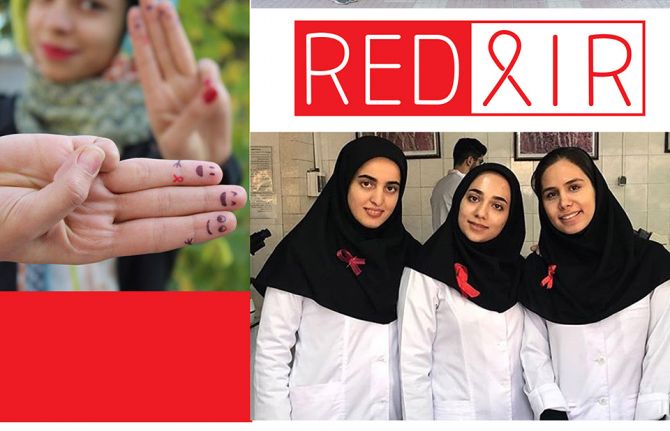
Started by people who had attended the summer schools, the Avecene Consultancy was formed to mobilize the accumulated knowledge and experience of the summer schools and to combine them with modern and up-to-date educational developments. The result is the REDXIR educational online platform, which uses games to change the attitude and behaviour of health-care students in order to bring about a future generation of discrimination-free health-care professionals.
Set in an imaginary world where the players are a young group that battles a mysterious enemy that symbolizes HIV-related stigma and discrimination, the goal of REDXIR is to fight back and defeat stigma and discrimination.
The 10 levels of the game are designed to challenge the students’ knowledge of HIV and their attitude and behaviour towards people living with the virus. For example, in the Blood Pressure level of the game, the students have to take the blood pressure of a person living with HIV to show that he or she can do so without discrimination. At higher levels, they should be able to take a blood sugar test and a blood sample for a routine laboratory test.
While some of the levels are performed virtually, others need action to be taken in the real world. For example, in the Do Not Be Silent level, the students must recognize discriminatory posts on social media, post #Zerodiscrimination below at least one of the social media feeds they see and comment on the reason why the content is discriminatory. In the Campaign level, the students participate as trainers in an HIV awareness campaign.
“New generations need new platforms. REDXIR, through its user-friendly approach where students are in direct contact with the target populations, has proved to be an effective way to help eliminate HIV-related stigma and discrimination in health-care settings,” said Parvin Kazerouni, the Head of the HIV Control Department of the Center for Communicable Disease Control of the Iranian Ministry of Health and Medical Education and the National AIDS Manager.
“REDXIR shows how creative and innovative approaches can embrace and support the novel ideas of young people to address issues such as stigma and discrimination,” said Fardad Doroudi, the UNAIDS Country Director for the Islamic Republic of Iran.
The UNAIDS country office provided technical and financial support for REDXIR.
Region/country

Feature Story
UNAIDS highlights six critical actions to put gender equality at the centre of COVID-19 responses
15 June 2020
15 June 2020 15 June 2020The AIDS response has taught the world the importance of protecting human rights and promoting gender equality when fighting a disease. COVID-19 has amplified that lesson.
Since the start of the COVID-19 pandemic, UNAIDS has repeated the call that governments must protect human rights and prevent and address gender-based violence—an issue that is even more vital now that lockdowns are putting women and girls at an even higher risk of intimate partner and sexual violence. Equally, UNAIDS has made it clear that sexual and reproductive health services should be recognized as the essential services they are.
To drive those messages to decision-making tables and to the front lines of the response, a new UNAIDS report shows how governments can confront the gendered and discriminatory impacts of COVID-19. Presenting six areas as imperatives to address the needs, and protect the rights, of women and girls during the pandemic, the report highlights the needs of women and girls in all their diversity, particularly the most marginalized, and the importance of access to essential health services. The neglected epidemic of gender-based violence, the misuse of criminal and punitive laws, the importance of education, health and well-being and the value of women’s work and making unpaid care work everybody’s work are also showcased.
“Just as HIV has held up a mirror to inequalities and injustices, the COVID-19 pandemic has put a spotlight on the discrimination that women and girls battle against every day of their lives,” said Winnie Byanyima, Executive Director of UNAIDS. “Many of the drivers of inequality in the HIV epidemic are the same as those driving inequality and injustice in the COVID-19 pandemic—both epidemics can only be successfully fought by putting gender equality at the centre of the response.”
The report underscores that sexual and reproductive health and rights are often the first to be sacrificed during epidemics and that the gains of the past decade must be protected. The report also makes it clear that scarce resources must be focused on the most marginalized women and girls, including sex workers, gender diverse people, women in prison and migrants and others without proof of employment or residence.
A selection of practical steps that UNAIDS has been taking with partners in countries to maintain essential health-care services, mobilize emergency legal protection and support populations facing human rights violations during the COVID-19 outbreak are presented.
For example, in Nigeria and Côte d’Ivoire UNAIDS is partnering with the International Community of Women Living with HIV to facilitate women living with HIV to work as community pharmacists, who help with the collection and home delivery of antiretroviral therapy and other medicines for people who were unable to access their treatment owing to COVID-19 restrictions.
In Latin America, the United Nations Population Fund and UNAIDS are offering contraceptives and HIV testing, as well as hygiene kits and information on gender-based violence and HIV, to women who are in compulsory quarantine after fleeing the Bolivarian Republic of Venezuela because of COVID-19.
In Morocco, UNAIDS, in partnership with the Ministry of Health, the Global Fund to Fight AIDS, Tuberculosis and Malaria and civil society, is mobilizing self-help groups, medical and psychosocial support and family mediation services for populations at higher risk of HIV. Collaborations between the government and civil society have helped to ensure continued access to antiretroviral therapy, opioid substitution therapy and food aid during the pandemic.
Above all, the report has the message that health, safety, dignity and rights, especially for women and girls, in all their diversity, must not be compromised and women should lead the call for change.
“Get out there and fight, use your voice to demand and take action for your communities,” added Ms Byanyima.
Six concrete measures to support women and girls in all their diversity in the context of the COVID-19 pandemic
Our work
Feature Story
New online resource for mental health services for key populations in Kazakhstan
15 June 2020
15 June 2020 15 June 2020The lockdowns and self-isolations imposed to fight the COVID-19 pandemic have affected everyone, key populations and people living with HIV included. Prolonged isolation and limited contact with family and friends have increased anxiety and depression and impacted quality of life, increasing the need for mental health services.
To respond to this need, an online platform that offers psychological services and support for people from key populations has been launched in Kazakhstan. On it, people can get answers to questions related to different aspects of mental health, request professional consultations with psychologists or psychotherapists and receive broader information about health and well-being.
“Anxiety, uncertainty, worries—these feelings are consequences of the quarantine and self-isolation during the coronavirus pandemic. For many people, the time spent in quarantine was difficult. Today, we see a greater need for psychological help and support. It was for this purpose that this platform was created for key populations,” said Nikolay Negay, Director-General of the Republican Scientific and Practical Center for Mental Health of the Kazakhstan Ministry of Health.
The platform was developed with the participation of people from community organizations, representatives of key populations and activists.
“During isolation, we supported each other as best we could through social networks, communication by phone, Skype, but there was a need for qualified professional help. We are glad that such assistance has become available, and for free. The resource is informative and answers many questions,” said Oksana Ibragimova, the acting President of the ALE Kazakhstan Union of People Living with HIV.
“An anonymous rapid needs assessment conducted by UNAIDS in Kazakhstan among people living with HIV and key populations found that around 60% of respondents needed psychosocial support during the COVID-19 lockdown. It was therefore decided to find a way to provide reliable information, advice and professional assistance to those who may need it,” said Gabriela Ionascu, UNAIDS Strategic Information Adviser for Central Asia.
The platform was created as an initiate of the Republican Scientific and Practical Center for Mental Health of the Kazakhstan Ministry of Health, with financial support from UNAIDS and technical assistance from the Kazakh Scientific Institute of Dermatology and Infectious Diseases of the Kazakhstan Ministry of Health.
Our work
Region/country
Related
 Women, HIV, and war: a triple burden
12 September 2025
Feature Story
New HIV community group in Guinea fighting COVID-19
12 June 2020
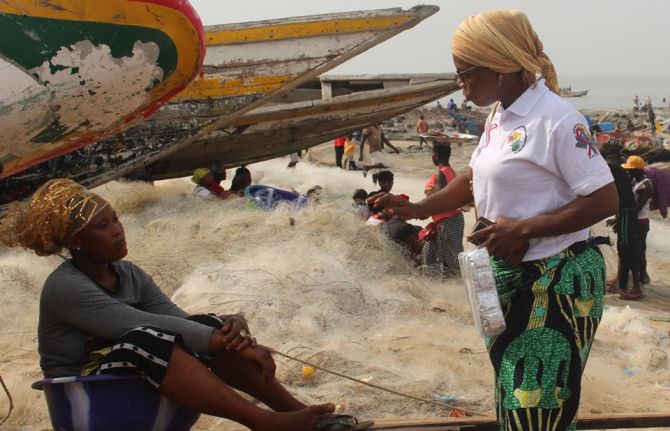
12 June 2020 12 June 2020Communities have always played an important role in the fight against epidemics in Africa. In the response to HIV, community involvement has been illustrated by a key principle: nothing for us without us. Since the beginning of the AIDS response, civil society has been on the front line, demanding access to treatment, calling for respect for human rights and supporting community-led HIV services.
In Guinea, community engagement has resulted in the continuous improvement of HIV programmes and to considerable progress in testing, prevention, treatment adherence and psychosocial support. The promotion and defence of human rights is also central to communities, and community engagement has contributed to tackling stigma and discrimination and to monitoring the quality of services and addressing challenges.
From the lessons learned from the 2013–2016 Ebola outbreak in the country, the need for the active participation of communities, alongside the public, in the COVID-19 response is clear. This is why the National Platform of Civil Society Organizations on HIV and TB (PNOSC-HIV/TB) was recently set up. Established with technical and financial support from UNAIDS and bringing together 28 associations, PNOSC-HIV/TB played a central role in the development of the Ministry of Health’s contingency plan to reduce the impact of COVID-19 on health services, particularly HIV services.
Focusing on populations that include prisoners, people in refugee camps and solidarity cities— places where people with disabilities live—PNOSC-HIV/TB is active in helping to prevent COVID-19, raising awareness about the importance of physical distancing through community mediators, local artists, the media and door-to-door outreach.
Psychosocial help is being given through a hotline run by two networks of people living with HIV, one of which is focusing on key populations. PNOSC-HIV/TB is also working to promote and scale up nationwide the multimonth dispensing strategy for antiretroviral therapy.
“PNOSC-HIV/TB will enable us to speak with one voice, to assert ourselves even more, to organize and strengthen our contribution to defeating COVID-19 and to the elimination of AIDS in Guinea by 2030,” said Mahawa Diallo Sylla, President of PNOSC-HIV/TB.
PNOSC-HIV/TB also participates in the Community Treatment Observatory, which monitors respect for human rights in the context of COVID-19 and reports violations to the government and the National Institute of Human Rights.
“I am impressed by PNOSC-HIV/TB’s willingness to close the gap in terms of their participation in the national response to HIV. I am confident that the momentum and energy generated since its establishment will have a lasting impact on the responses to HIV and COVID-19 in Guinea,” said Dado Sy Kagnassy, UNAIDS Country Director for Guinea.