


Feature Story
Reduce, reuse, recycle: young Ghanaians say yes to less
20 September 2019
20 September 2019 20 September 2019Young people in Ghana have committed to help promote a sustainable environment by reducing the amount of waste they generate, both at home and in school.
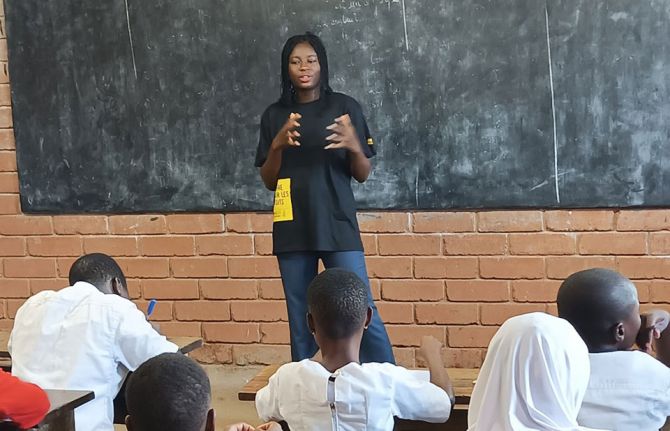
“Reduce, reuse, recycle,” was the theme when the advocates met the UNAIDS Ghana Country Director, Angela Trenton-Mbonde, in Accra, Ghana. The advocates took turns to make personal pledges to adopt better waste management practices in order to promote environmental sustainability.
“I commit to acquiring a personal reusable water bottle and to avoiding single-use plastic bottles. This, I believe, will safeguard the planet for everyone,” Pricilla Addo said.
Another advocate, Samuel Nyarko, said, “I pledge to personally ensure that waste generated in my household is well separated so that plastics can easily be collected and recycled. I will educate my schoolmates and community to do the same.”
Ms Trenton-Mbonde encouraged the young people to ensure that their commitments to the planet are fulfilled. “For a sustainable environment, each of us must take personal responsibility and make one commitment, no matter how small and insignificant it may seem in the beginning, because in the end we are all connected: people and planet,” she said.
The youth advocates comprised young people from Hope for Future Generations, a Ghanaian not-for-profit nongovernmental organization focused on empowering women, children and youth.
Region/country
Related

Feature Story
Unwavering care for people who inject drugs on the streets of Glasgow
18 September 2019
18 September 2019 18 September 2019In Scotland, United Kingdom, the widespread availability of HIV prevention and harm reduction programmes and the expansion of antiretroviral treatment have been effective in controlling the spread of HIV since the 1980s. However, in 2015 there was a worrying outbreak of HIV among people who inject drugs in Glasgow, with the number of new HIV diagnoses tripling in just three years.
UNAIDS spoke to Ruth McKenna from Waverley Care, Scotland’s leading charity providing HIV, hepatitis C and sexual health care and support to people across Scotland, who explained some of the work that the charity has being doing to respond to the outbreak.
“Glasgow has a good needle–syringe exchange programme, so initially there was uncertainty as to why the increase was happening,” said Ms McKenna. “However, evidence published recently shows the rise to be associated with homelessness, incarceration and a major shift to the injection of cocaine in Glasgow. The hit from cocaine doesn’t last very long, which can lead to people injecting more often. Using more needles also means a higher risk of sharing and therefore a higher risk of contracting HIV.”
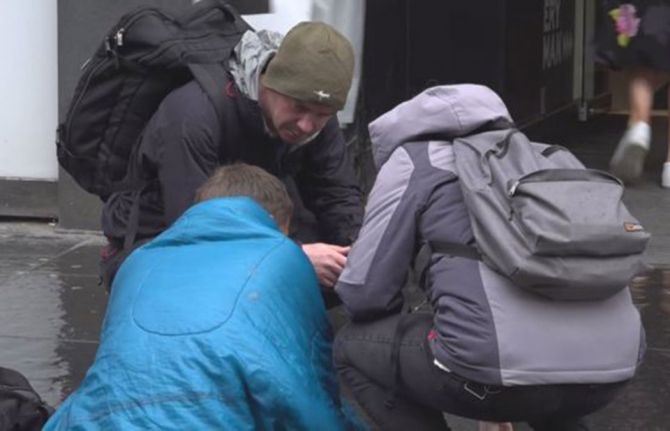
Waverley Care operates a street support team, which began working in December 2018 after special, albeit temporary, funding came through from the National Lottery Community Fund. The street team operates in pairs, walking up and down Glasgow’s grid system of streets to check on people who are begging, offering them health services, support, a friendly chat and a listening ear.
Ms McKenna explains that poverty and trauma are often at the root of why people are using drugs and have become homeless. Many of the people the street team speak to have experienced trauma, often from a very early age. Most have similar stories she says—brought up in care, having experienced physical, sexual or emotional abuse and a cycle of offending and spells in prison. The drugs are a way of coping with and escaping the trauma, if only for a short while.
There is also still a lack of knowledge about HIV in Glasgow. Many people the Waverley Care street team meet still don’t know that people who are on treatment for HIV and who have a suppressed viral load cannot transmit the virus. They found that people are much more informed about hepatitis C, because it is more prevalent among people who inject drugs.
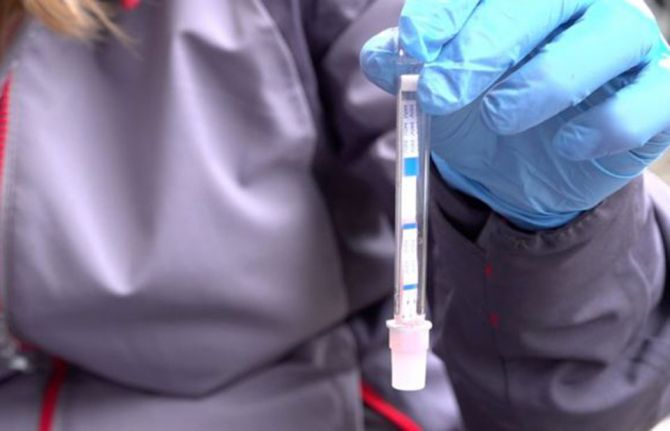
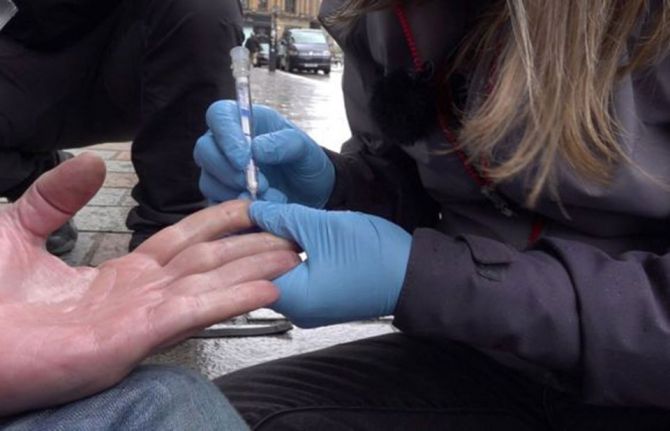
Before setting out, the pair of street support workers make sure they have their rucksacks, which are equipped with the tools they will need for the day ahead: foil, sterile injecting equipment, citric acid to clean the skin, condoms, sanitary towels, naloxone (for overdose prevention) and HIV testing kits.
“There are around 500 people who inject drugs in public places in Glasgow,” said Ms McKenna. “If we think they may be at risk of HIV we offer them a test. The 10- to 15-minute wait for the result also gives us time to chat, to let them know that the advances made in treatment mean that HIV isn’t the death sentence that people often think it is.”
The team carry out an average of three tests per week and since January 2019 the team has supported 17 people living with HIV in the city. They have had 28 referrals, but unfortunately not everyone is contactable or wants support.
HIV treatment is free on the National Health Service (NHS) in the United Kingdom and the team at Waverley Care work closely with NHS outreach nurses to ensure that necessary referrals are made and to keep people engaged with treatment.
“We’re always there to walk alongside anyone affected by HIV or hepatitis C,” says Ms McKenna. “Although they may not want our help this month, next month it might be another matter. We never give up on people.”
Related information
External links
Feature Story
How climate change is affecting people living with HIV
20 September 2019
20 September 2019 20 September 2019On the eve of the United Nations Climate Action Summit, taking place in New York, United States of America, on 23 September, it is clear that climate change is now affecting every country on every continent. Often, the impact is greatest in regions already facing other challenges, with vulnerable groups of people, including people living with HIV, the most affected.
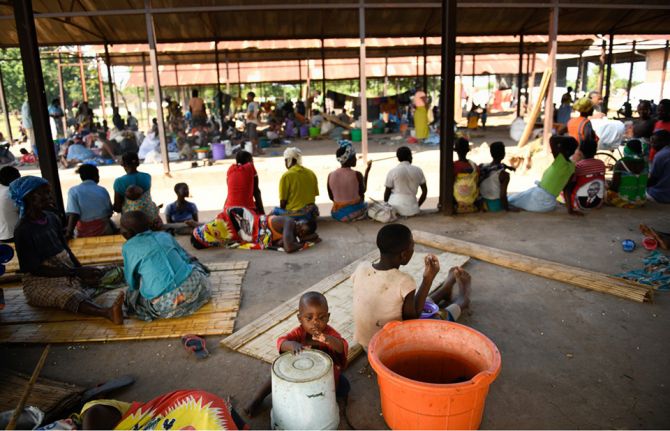
When Cyclone Idai made landfall near Beira, Mozambique, on 15 March 2019, heavy rain and strong winds caused flash flooding, hundreds of deaths and widespread damage to homes and infrastructure. By 19 March, it was estimated that 100 000 people were needing rescue. Communications in the city were down and all 17 of the city’s hospitals and health clinics suffered severe damage.
It would have been a devastating blow anywhere, but even more so in the province of Sofala, where around one in six of the adult population is living with HIV. When the floodwaters surged, many people simply saw their medication washed away.
Less than six weeks later, on 25 April, Cyclone Kenneth smashed into northern Mozambique. Overall, catastrophic flooding from the two storms affected around 2.2 million people in Malawi, Mozambique and Zimbabwe.
Warmer sea surface temperatures and rising sea levels are contributing to an increased intensity and destructive capacity of hurricanes and tropical cyclones such as Idai and Kenneth in many countries already inclined to extreme weather events.
When Hurricane Kenneth hit Zimbabwe, the acting UNAIDS Country Director, Mumtaz Mia, said that her priority was to make sure that people living with HIV, including pregnant women enrolled in prevention of mother-to-child transmission of HIV programmes, could access HIV treatment.
“In Zimbabwe, where emergencies are not a new phenomenon, people living with HIV were left stranded when their medicine got washed away.”
After the cyclone hit, Ms Mia and her team met with representatives of the government, civil society, donors and other partners to discuss the response. They quickly ensured that the specific needs of people living with HIV were embedded in relief operations. This included coordination with partners, including UNAIDS Cosponsors, the Ministry of Health and Child Care and the National AIDS Council, to ensure the distribution of antiretroviral medicines and condoms, food packages for people living with HIV and safe deliveries for pregnant women. They also established assessments to address additional health and HIV needs related to the disaster.
In Malawi, Cyclone Idai affected almost 1 million people and forced more than 100 000 to flee their homes. Many people hit by the storm in Mozambique crossed the border to seek food and shelter.
For people living with HIV, concerns about their health and access to medication compounded an already difficult situation. For many, their first thought was how to save their medication.
“When the floods came, my house was destroyed. But I managed to reach for my plastic bag, where I keep my antiretroviral medicines, because they are one of my most precious possessions,” said Sophia Naphazi.
Elizabeth Kutendi said her medicines were safe only because she stores them in the roof of her home.
Both women found safety in Bangula, a settlement in the south of Malawi, which offered refuge to thousands of displaced people from surrounding villages. The settlement’s small clinic provided HIV counselling and testing, refills of HIV treatment and psychosocial support.
In other parts of Africa, a lack of rainfall is the main challenge for many people, causing severe drought and disrupting access to essential services, such as health care. Southern Africa has experienced only two favourable agricultural seasons since 2012. Angola, Botswana, Lesotho and Namibia have all declared drought disasters.
Competition for drought-depleted resources in the Horn of Africa has led to conflict, making it more difficult to reach groups of people in need of emergency assistance, including health care. Many have no choice but to flee to urban centres, placing increased pressure on service providers there. As conditions deteriorate, large-scale migration may result.
“Climate change is a threat to all of us,” said Gunilla Carlsson, UNAIDS Executive Director, a.i. “But vulnerable groups of people, including people living with and affected by HIV, are particularly exposed to the increased intensity of extreme weather events happening in areas of the world where coping mechanisms are already threadbare. Climate change must now be regarded as one of the most significant challenges to people’s health and well-being.”
Related information
Related


Feature Story
Interview with UNAIDS PrEP expert Rosalind Coleman
16 September 2019
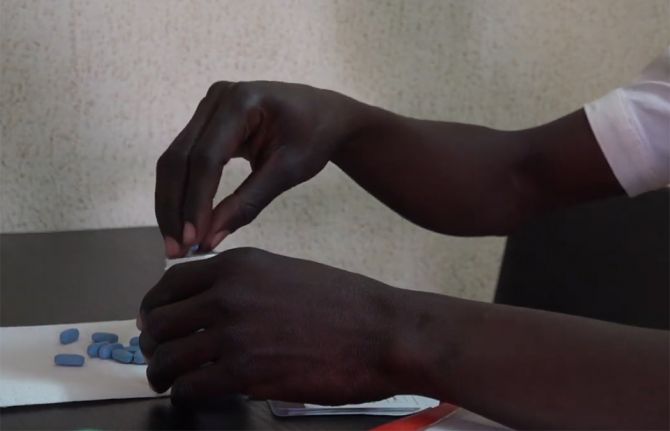
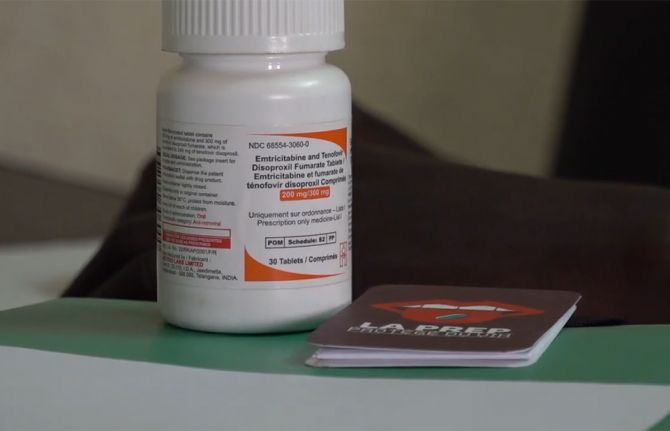
16 September 2019 16 September 2019Pre-exposure prophylaxis (PrEP) is delivered by a pill made of a combination of medicines. It has proved to be highly effective in preventing HIV-negative people from acquiring the virus. It is being rolled out or piloted in many countries across the world, including the United Kingdom. UNAIDS PrEP expert Rosalind Coleman explains.
How does the United Kingdom’s roll-out of PrEP compare with that of other high-income countries?
The United Kingdom’s PrEP programme is the largest in Europe, in terms of the number of people who have started PrEP. But the variety of ways that PrEP is made available in the country illustrates clearly that one PrEP strategy does not fit all countries. It also demonstrates how important advocates are and the key role of collaboration between all parties interested in PrEP.
In Scotland, PrEP is available free in sexual health clinics to residents of Scotland. The national-level purchasers have successfully negotiated an affordable price for them to buy PrEP.
In England, PrEP is not available routinely and advocates, progressive PrEP providers and others who support PrEP provision have had to be resourceful. Generic medicines have been purchased at competitive prices through the establishment of a large research trial that makes PrEP available in sexual health clinics. But the trial has not been able to provide PrEP to all the people who are asking for it, so online purchasing of PrEP from overseas is also a large source of PrEP. For people buying online, access to the clinical support, tests and follow-up that are part and parcel of a quality PrEP service should be provided and promoted.
Can you tell us a little more about the roll-out of PrEP in low- and middle-income countries?
The roll-out of PrEP in low- and middle-income countries is a mixed picture. Great progress has been made in providing PrEP in southern and eastern Africa and in some other regions, such as Thailand and now Viet Nam in Asia, and Brazil in Latin America. In other countries, particularly those with a growing HIV epidemic, PrEP access is extremely difficult. There is a combination of reasons for the low PrEP provision: the cost of the programme and overall low attention to primary HIV prevention certainly play a role, as does stigma and discrimination against providing appropriate services for many of the key populations that could benefit. Insufficient knowledge of PrEP and even misinformation among potential users and PrEP providers also prevent the promotion of PrEP.
Very clear and focused planning for PrEP scale-up, as part of a comprehensive HIV prevention programme, is an essential part of reducing new HIV infections
The use of PrEP is often associated with key populations, such as sex workers or gay men and other men who have sex with men, but can it be useful in other contexts?
For a PrEP programme to be effective, PrEP has to be taken by people with a real likelihood of contracting HIV and who want to take control of reducing that possibility―often members of key populations, but anyone in the situation of having a high prospect of HIV exposure should be able to discuss the use of PrEP and access it. This could include the HIV-negative member of a serodiscordant couple before the person living with HIV reaches viral suppression, or someone with a previous diagnosis of a sexually transmitted infection (STI) where there is a high rate of untreated HIV among their sexual partners.
Remaining on PrEP while in a period of potential high HIV exposure is vital and similarly depends on a personal conviction to take PrEP, good understanding of how to use and stop PrEP and ease of access.
How PrEP is messaged―this should be in a non-stigmatizing and empowering way from public advertising to health-care worker attitude―will make all the difference in effective PrEP uptake and continuation.
There has been some questioning of PrEP as contributing to the increase in STIs such as syphilis and gonorrhoea. Is there any evidence for this?
The link between PrEP use and increase in other STIs beyond HIV is a hot topic! The discussion should not become a reason to reduce PrEP access but instead should identify and encourage improved comprehensive sexual health services for prevention, identification and treatment of all STIs. A supportive and enabling discussion of STI risk and prevention should form part of PrEP provision.
The most recent systematic review confirmed that the STI rate was already high in people asking for PrEP, which is to be expected, and confirms that the people asking for PrEP are having condomless sex. Incidence of STIs is also high for people on PrEP. Whether this high incidence is due to changing sexual behaviour, or due to better detection of STIs because people are undergoing STI testing more regularly as part of a PrEP programme, is not yet resolved.
Either way, the take-home message is that the high rates of STIs that have been found among people using PrEP has identified an unmet need for STI prevention, diagnosis and treatment. In this way, the provision of PrEP is a door to the improvement of broader sexual health care and an opportunity to bring down the incidence of STIs. This is true across all populations using PrEP.
So, is PrEP a game-changer in the response to HIV?
There is currently a lot of attention, funds, brainpower and physical effort going towards PrEP in many settings, including research into future delivery methods (injections or the vaginal ring, for example) that could increase PrEP choice, uptake and continuation. If these efforts are linked to an improvement in all HIV service provision (primary prevention, testing and treatment) and their integration with other health services, such as sexual health and mental health care, then PrEP could have a greater impact beyond prevention of individual HIV infections. However, it is unwise to sit back and think that PrEP will change the game on its own.
PrEP basics by Rosalind Coleman
PrEP success in London
Region/country
Related

Feature Story
UNAIDS still ahead in implementing UN-SWAP
10 September 2019
10 September 2019 10 September 2019One year after the launch of the United Nations System-Wide Action Plan on Gender Equality and the Empowerment of Women 2018–2022 (UN-SWAP 2.0), UNAIDS has been rated as one of the best performing agencies in the United Nations system, meeting or exceeding all 17 of its performance indicators.
The updated and expanded action plan, implemented in 2018 across the United Nations system, was designed to accelerate progress on gender mainstreaming at all levels of the United Nations system and to provide the best overview of progress on gender equality work and the gender-related results of the Sustainable Development Goals.
The UN-SWAP reporting and accountability process is managed by UN Women, which receives annual reports on the implementation of the plan from all reporting United Nations organizations. In response to the annual report submitted earlier in 2019 by the UNAIDS Secretariat, UN Women, in a letter from its Executive Director, Phumzile Mlambo-Ngcuka, to Gunilla Carlsson, UNAIDS Executive Director, a.i., has commended the UNAIDS Secretariat on its results, in particular for its work to strengthen accountability mechanisms for gender equality and the empowerment of women through the development of its Gender Action Plan 2018–2023.
The letter also commended UNAIDS for promoting a culture of inclusion. A noteworthy example in 2018 was the introduction of a single parental leave policy that extends adoption and paternity to 16–18 weeks, depending on the number of children, and introduces surrogacy leave of the same duration. UN Women noted that “this more equitable policy framework supports caregiving by men and women and can help in overturning perceptions that women of childbearing age are potentially too expensive or an absentee risk when compared with similarly qualified men.”
In terms of progress to be made, UNAIDS was encouraged by UN Women to sustain and strengthen efforts to achieve the equal representation of women at all levels and to continue to promote an inclusive work culture, particularly through the implementation of its Management Action Plan.
“The UNAIDS Secretariat continues to be fully compliant with the UN-SWAP framework. Yet, as UN Women points out, progress is fragile and the gains made can quickly be reversed. We must do more and better to achieve the equal representation of women at all levels and continue to improve our organizational culture. These are not just boxes to tick but issues that require continuous consideration and attention,” said Gunilla Carlsson, UNAIDS Executive Director, a.i.
Along with the letter, UN Women shared a set of infographics summarizing UNAIDS’ progress against the UN-SWAP performance indicators, all of which have been compiled into a report. UN Women’s assessment is made on the basis of self-reporting and evidence submitted by each organization and validated by UN Women. For strengthened accountability, UNAIDS conducted a peer review with the Office of the United Nations High Commissioner for Refugees, which confirmed the accuracy of UNAIDS’ self-assessment.

Feature Story
Ending AIDS is everyone’s business
10 September 2019
10 September 2019 10 September 2019By Gunilla Carlsson, UNAIDS Executive Director, a.i. and Nancy Wildfeir-Field, President of GBCHealth
Over the past three decades, AIDS has united the international community in a way that no other health crisis has. The disease galvanized grass-roots groups to fight for the human rights of some of the world’s most vulnerable people. AIDS has generated new levels of solidarity between the North and the South. And it has inspired medical innovation.
Now the world has reached a crossroads. The number of people becoming infected with HIV and dying is decreasing, but not fast enough. Despite tremendous unmet needs, the resources needed to bolster progress declined by US$ 1 billion in 2018. There are more people living with HIV today than ever before, around 38 million women, men and children, making AIDS one of the biggest health and development threats of our time.
Responding to HIV matters to business. Unlike most other health crises, HIV largely affects people in the prime of their life. This is not only a high cost to society, but also a barrier to economic growth. Nine out of 10 people living with HIV are adults in their most productive years. In the most affected countries, HIV takes a direct toll on markets, investments, services and education.
Without proper care and support, people living with HIV may be unable to work, may need extended periods of time off work and often incur significant out-of-pocket health-care costs. AIDS-related deaths result in a tragic loss of human life, which impacts on the livelihoods of families and reduces the productivity of businesses. The epidemic slows economic growth and threatens the futures of workers and employers.
However, when companies working in countries severely affected by HIV take an active and visible role in the AIDS response, they note improvements in productivity, morale and staff retention. Being part of an effective multisectoral AIDS response generates goodwill and demonstrates a company’s values and commitment to corporate citizenship and the well-being of its employees, customers and communities. Forward-thinking businesses are needed to help develop holistic solutions and help manage risks, including by addressing HIV as a health and well-being issue in the workplace. Evidence suggests that for many businesses, investments in programmes that prevent HIV infection and provide treatment for employees living with HIV are profitable.
The Sustainable Development Goals (SDGs) provide an important shared framework through which companies can work together with suppliers, customers, communities and other stakeholders to end AIDS as a public health threat by 2030. To achieve that goal, action is required across a number of interlinked challenges spanning access to health (SDG 3), gender equality (SDG 5), ending discrimination (SDG 10), good governance (SDG 16) and partnership (SDG 17), with human rights a cross-cutting theme.
Business cannot succeed unless societies are healthy. Successful private sector leaders recognize that the well-being and security of the communities they serve are essential to their shared futures. Equally, we cannot end AIDS without the active participation of the private sector. Business innovations in products and services, relationships with employees, consumers and policymakers, core capabilities in logistics, data analytics and marketing and financial and human resources can all help to fill gaps in publicly funded HIV testing, prevention and treatment programmes.
Governments, intergovernmental organizations, civil society and businesses each possess important, unique and complementary resources and capabilities to contribute to the global AIDS response. When different sectors succeed in combining those assets, the potential for greater impact increases significantly.
UNAIDS and GBCHealth are urging businesses to join the AIDS response and reinvigorate cross-sector collaboration to save lives. Please join us in realizing a historic opportunity to end one of the major health crises of the past 100 years.
Learn more
Contact
Related

Feature Story
Five years on: 300 Fast-Track cities come together
10 September 2019
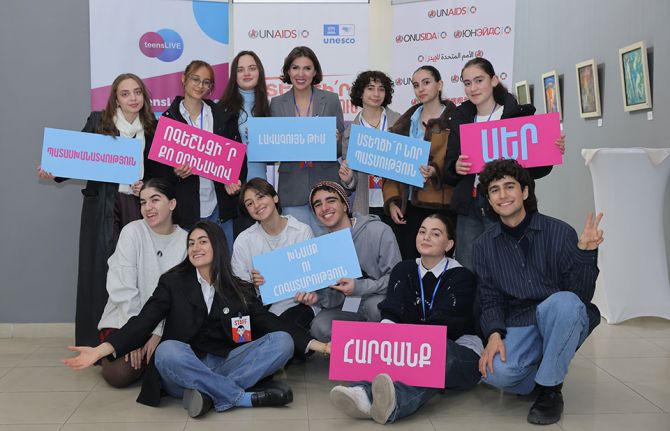
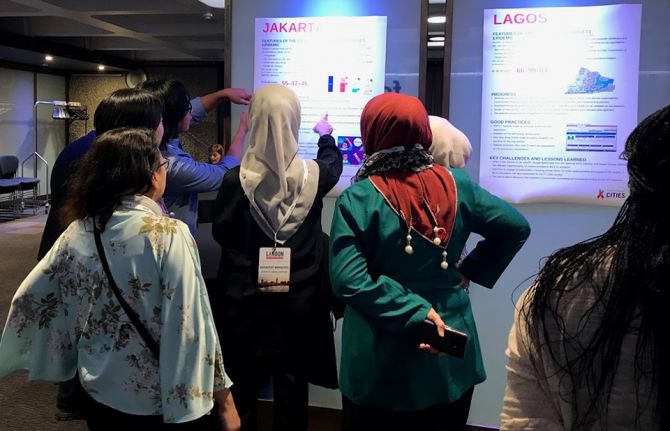
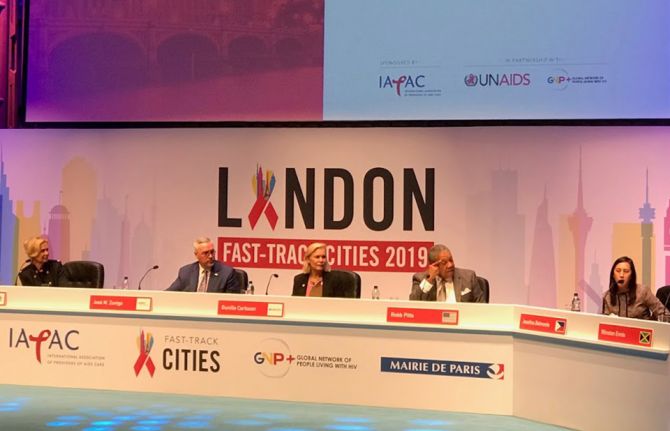
10 September 2019 10 September 2019More than 700 delegates from cities around the world have gathered in London, United Kingdom, for the first Fast-Track cities conference. The meeting, hosted by the International Association of Providers of AIDS Care (IAPAC) in partnership with UNAIDS and the Global Network of People Living with HIV (GNP+), is focusing on the efforts and progress that cities have made as well as the challenges and lessons learned over the past five years.
On World AIDS Day 2014, the Fast-Track cities initiative was launched in Paris, France, with 26 cities signing up to the initiative. It has now expanded to more than 300 cities and municipalities.
In a dialogue on the imperative of ending health inequalities in cities, a high-level panel of mayors, governors, civil society organizations, parliamentarians, United Nations agencies and other stakeholders addressed health and social inequalities in cities big and small.
Speaking at the opening of the conference, Sadiq Khan, the Mayor of London, confirmed his commitment to the HIV Fast-Track response in his city, which accounts for 38% of all people living with HIV in the United Kingdom.
“I am proud of what we have achieved, but we need to go further,” Mr Khan said. “I wholeheartedly support the United Kingdom’s bold ambition to get to zero new HIV infections, zero AIDS-related deaths and zero discrimination.”
London was one of the first cities to exceed the 90–90–90 and 95–95–95 targets, with recent figures confirming that 95% of all people living with HIV know their status, 98% of those are on treatment and 97% of people on treatment have suppressed viral loads. He also advocated for making pre-exposure prophylaxis (PrEP) widely available, saying, “No ifs, no buts, PrEP needs to be made available to everyone ... it works.”
In addition to London and Amsterdam, Netherlands, which were the first two cities to reach 90–90–90, two other cities in the United Kingdom, Manchester and Brighton and Hove, have also achieved the 90–90–90 targets. In an analysis of data from 61 cities, it was reported that 14 cities have surpassed the first 90, another 16 cities have surpassed the second 90 and 23 cities have surpassed the third 90.
UNAIDS Executive Director, a.i., Gunilla Carlsson said, “The AIDS response can be a pathfinder for fostering resilience in cities. We need continued inclusive leadership from mayors working hand in hand with communities to address the many structural and social factors that contribute to people being left behind with no access to health services.”
Other cities highlighted examples of how innovation and creating an enabling environment can increase the scale-up of services. In Melbourne, Australia, for example, the response began early with bipartisan political support at all levels of government, galvanizing a partnership between political, community and scientific leaders. This has driven the virtual elimination of mother-to-child transmission of HIV and transmission among sex workers. And in Nairobi, Kenya, the city has reached antiretroviral therapy coverage levels of close to 100% among people who have been diagnosed with HIV. The city credits the success to better data gathering, which helped to identify the needs of key populations and young people living in informal settlements.
IAPAC President and Chief Executive Officer José Zuniga reiterated the importance of cities, where more than 50% of the world’s population live. “The Fast-Track cities calculus for success requires political will and commitment, community engagement, data-driven planning and equity-based approaches so that no one is left behind,” he said.
Fast-Track Cities 2019
Related press release


Feature Story
Mr Gay England brings visibility to HIV stigma
06 September 2019
06 September 2019 06 September 2019When Phillip Dzwonkiewicz won the Mr Gay England 2018 contest, he wanted to use his platform to talk about HIV. After years of struggling with his HIV-positive status, he no longer wanted to hide.
“I now live one life,” he said. “I live openly and it’s a massive weight off my shoulders.”
The next year, when competing in Mr Gay Europe 2018―he was runner up―he again used the platform to bring more visibility to HIV. “What still surprises me is how people tell me, “You don’t look like you have HIV”. It shows how misconceptions still exist,” he said.
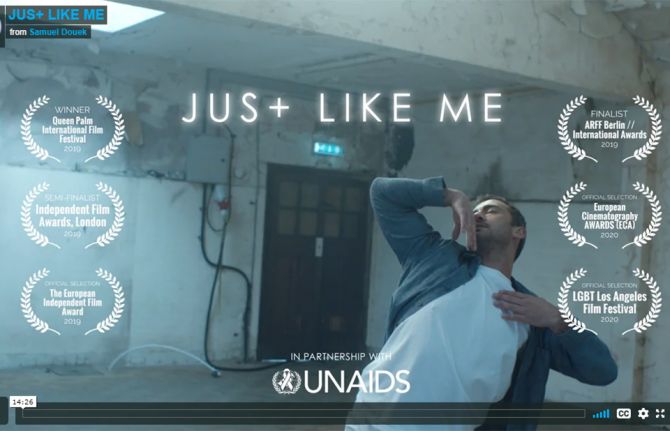
As a dancer and performer, the Londoner-at-heart jumped at the opportunity to be the subject of a documentary. The film, Jus+ Like Me, features Mr Dzwonkiewicz coming to terms with his HIV status and how it affects his relationships with partners and his family. Since its launch, the film has won the European Cinematography Awards, the Queen Palm International film festival and was a semi-finalist at the London Independent Film Awards and ARFF Berlin International Awards.
“As a South African, I was aware of AIDS, but what struck me is how many people after seeing the film came forward to share their story about living with HIV,” Tom Falck, the Executive Producer of the film, said. He felt that Mr Dzwonkiewicz’s story had a lot of potential because his non-disclosure cost him a relationship; however, he respects the notion that some people choose not to reveal their HIV status. “Phil’s story is so inspirational, authentic and relatable,” he said.
The general response has been very positive, but the producers realized how stigma still exists. “The hate messages on social media gave us 100% validation of what we sought to do,” Mr Falck said. “We cannot take a back seat; it’s important for all of us to fight the injustices and discrimination.”
In the film, Mr Dzwonkiewicz says that he hopes the documentary will help someone “just like me”. He and Mr Falck along with Director Samuel Douek started a campaign, #JUSTLIKEME, to keep the dialogue going and to raise further awareness. They hope it will encourage others to come forward and share their stories.
Mr Dzwonkiewicz explained that he has offered informal advice to friends for years but now is a peer support worker at Positive East, a nongovernmental organization focusing on HIV support services. “I want to do my little bit and help anyone any way I can,” he said. His peer work has opened his eyes to other communities.
“The demographics that I deal with are quite different than my social circle, but the journeys people describe resemble each other,” Mr Dzwonkiewicz said. He strongly believes in peer support and recalled how 56 Dean Street, the largest London sexual health National Health Service clinic, helped him along his entire journey from testing to treatment to understanding U = U (untransmittable = undetectable). Mr Dzwonkiewicz, like people who take antiretroviral therapy daily, can no longer transmit HIV because the virus is now undetectable in his blood.
“By being there with advice, support and counselling, I have gained such a quality of life,” he said, referring to 56 Dean Street.
“HIV doesn’t define me,” he said. “I am like any other person living my life to the fullest.”
Jus+ Like Me
15-minute version
Short version
Region/country
Feature Story
Osh signs the Paris Declaration
22 August 2019
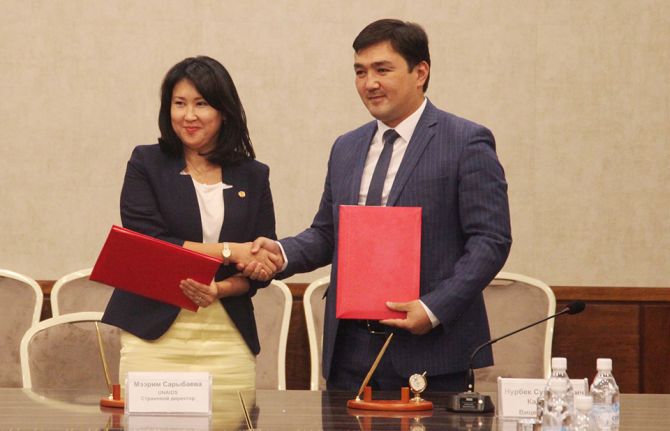
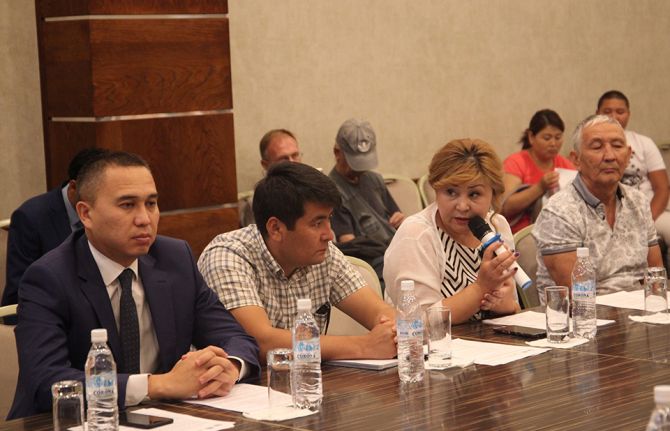
22 August 2019 22 August 2019Osh, Kyrgyzstan, has become the latest city to sign the Paris Declaration to end the AIDS epidemic in cities, becoming the second city in the country to commit to reaching the 90–90–90 targets by the end of 2020.
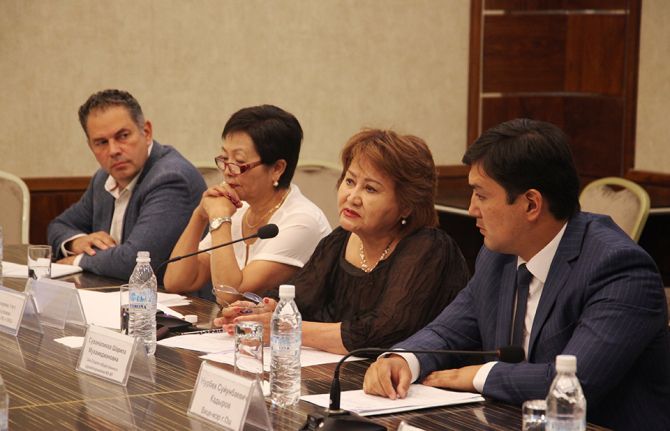
“We sign this declaration because we realize that large cities are the engine of HIV,” said Kadyrov Nurbek Suyunbaevich, Deputy Mayor of Osh. “Thanks to effective HIV testing and treatment, we can control the epidemic and people can live a healthy and fulfilling life. The city of Osh is taking steps to end AIDS and we are already allocating funds for HIV prevention.”
“UNAIDS is pleased that Osh has become a Fast-Track city. By signing the Paris Declaration, Osh will also strengthen health systems in the city,” said Meerim Sarybaeva, the UNAIDS Country Manager in Kyrgyzstan.
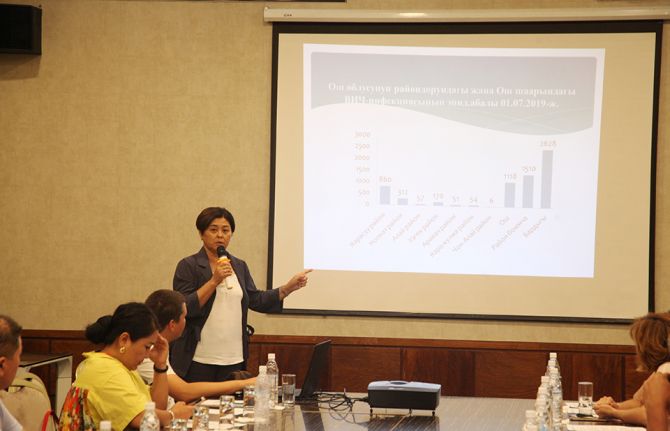
Osh is one of the oldest cities in central Asia, with a population of almost 300 000 people. It was one of the first places in central Asia to be affected by HIV, owing to the drug trafficking routes that passed through the city. From 2005 to 2007, there was a severe outbreak of nosocomial HIV infections among children in the city. According to government statistics, there are more than 1100 people living with HIV in Osh.
Osh implemented some of the first HIV prevention programs in Kyrgyzstan. The city has expanded its HIV rapid testing programme for people at higher risk of HIV, launched a treatment adherence programme for people living with HIV based on mobile technology and is scaling-up the coverage of opioid substitution therapy.
“This is an important political step, which requires that we mobilize the necessary resources, both human and financial, to ensure effective HIV prevention programmes for all key populations,” said Aybar Sultangaziev, Director of the Partnership Network Association
Since the launch of the Fast-Track cities initiative on 1 December 2014, more than 350 cities and municipalities around the world have signed the Paris Declaration. The declaration offers cities not only tools to end AIDS but also a platform to address social inclusion and public health.
Related information
Region/country
Related
Feature Story
Preparedness, proactiveness and speed are key to tackling humanitarian emergencies
15 August 2019
15 August 2019 15 August 2019When Cyclone Idai hit Mozambique and the eastern part of Zimbabwe in mid-March, it couldn’t have come at a worse time. A month earlier, Zimbabwe had issued an emergency appeal for some 5.3 million people affected by an ongoing economic crisis, and limited rainfall had ruined crops. The sudden pounding rain and wind threw everything into chaos. Three hundred people died, hundreds disappeared and 40 000 lost their homes. Food insecurity plus a lack of basic services, including health care, skyrocketed in the hardest hit province of Manicaland.
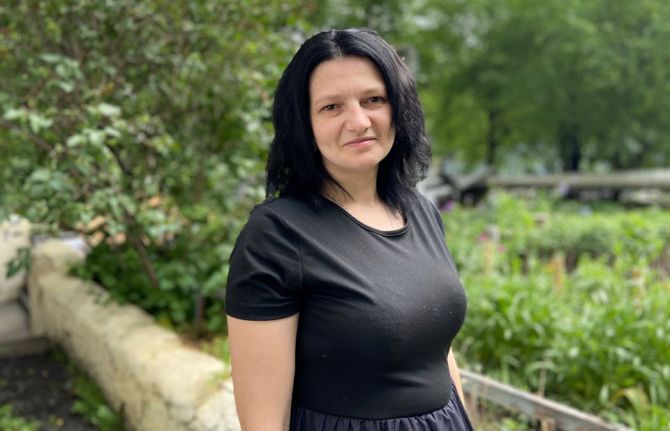
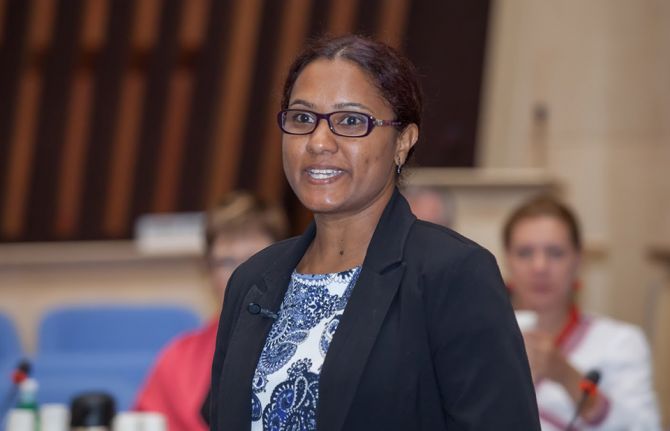
For Mumtaz Mia, the UNAIDS Acting Country Director in Zimbabwe at the time, the most pressing issue was to ensure that people living with HIV, including pregnant women enrolled in prevention of mother-to-child transmission of HIV programmes, could access HIV treatment.
“In Zimbabwe, where emergencies are not a new phenomenon, people living with HIV were left stranded when their medicine got washed away,” she said.
For her, preparedness is key. “For the AIDS response, we must anticipate any disruptions to services that emergencies bring.”
Born in Malawi, Ms Mia has dealt with droughts and floods throughout eastern and southern Africa. She also spent some time in Kenya dealing with post-election conflict and worked five years in South Sudan for UNAIDS before her stint in Zimbabwe.
She recounted that the UNAIDS country office met with the government, civil society, donors and other key stakeholders to discuss immediate action. Quickly, they made sure that HIV-specific needs were integrated in the emergency response. That meant coordinating, with UNAIDS Cosponsors, the Ministry of Health and Child Care and the National AIDS Council, to ensure the distribution of antiretroviral therapy and condoms, food support for people living with HIV and safe deliveries for pregnant women. They also set up assessments to address additional health and HIV needs following the disaster.
Almost 150 000 people living with HIV were in the cyclone-affected districts, and about 83% of them were accessing antiretroviral therapy. Most of them experienced a disruption of treatment during the crisis.
“Without a clear plan and instructions on action that needs to be taken in an emergency, precious days and weeks can be wasted trying to figure out what to do,” Ms Mia said.
She also believes that interagency contingency plans with specific tasks assigned to each agency to be taken in the event of an emergency would help action to be taken more quickly. “Using simple and clear guidance on the actions required by UNAIDS in emergency situations and the impact they can have on HIV are critical to guide country offices and managers,” she said, adding that “It’s important to earmark financial resources so that you can access and use the money right away.”
She practises yoga to help cope in times of stress and praises her supportive husband. “We try to have a semblance of a normal life at home during chaotic times,” she said, although she admits that often it is not easy. Throughout, she focuses on the people that needed her help. “I leave my door open, I listen to their stories and that gives me perspective to forge ahead.” That’s why she reiterated that in time of need, you cannot let people down. “Speed is of the essence.”
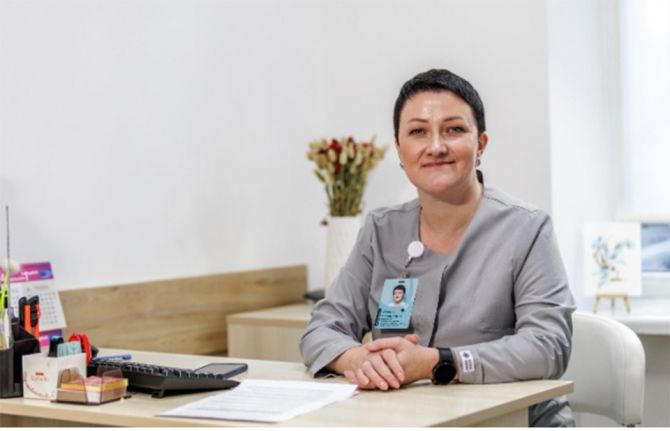
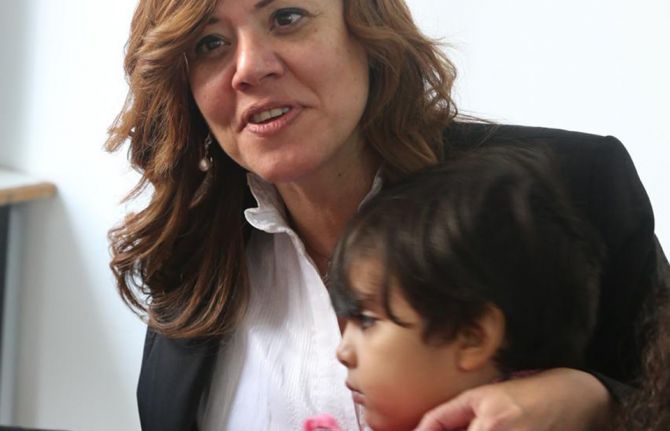
The UNAIDS Country Director for the Bolivarian Republic of Venezuela, Regina Lopez de Khalek, agrees. “In a humanitarian emergency, you have to act really quick in order to save lives, which means reinventing your everyday tasks to focus solely on the crisis,” she said.
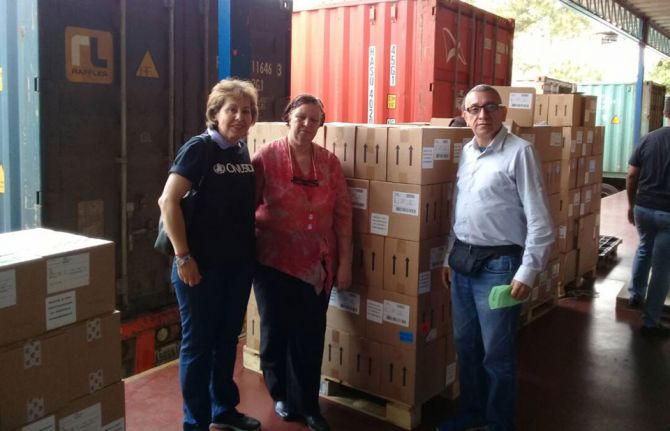
In her case, she is dealing with the impact on people living or affected with HIV, of a political and economic crisis that affects more than 80% of the population. Inflation in the Bolivarian Republic of Venezuela has exploded, making basic food items beyond reach. Shortages have plagued the country, and medicine is no exception. Since May 2019, the country has recognized that there are some “humanitarian needs”, facilitating the delivery of medicine and rapid HIV and syphilis tests. With the help of international nongovernmental organizations, almost 60 tonnes of life-saving medicine have been delivered to the country. UNAIDS also worked for the country to receive emergency funds from partner organisations.
More recently, UNAIDS, the United Nations Population Fund and the Office of the United Nations High Commissioner for Refugees have jointly focused efforts to help people affected by stigma, discrimination and sexual violence. This included distributing post-exposure preventive kits, an emergency medical response for people exposed to HIV, to health services and introducing HIV tests to maternity units, as well as supporting civil society.
For Ms Lopez de Khalek, working jointly with other United Nations agencies and partners on the ground makes all the difference. “Not only does working hand in hand make sense, but it allows the AIDS response to stay relevant in a humanitarian situation,” she explained.
She recommends following the Inter-Agency Standing Committee HIV Task Force in Humanitarian Settings guidelines, but not to overlook the local and national context. “Know and understand the situation of the country you are in,” she said, “because although emergencies may seem equal, each crisis takes on the particularities of the country in which they occur.” And be proactive. “Act accordingly in advance, so that you are not just reacting,” she said. In her mind, it’s key to set up relationships, collaborate and engage with others and build a comprehensive response so that in the event of an emergency you and the people you are there to help are not left behind.
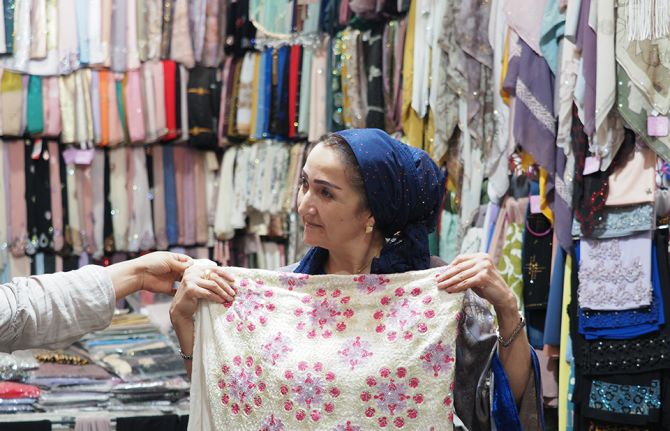
Simone Salem echoes that sentiment. “The key asset that helped me to respond to emergencies has always been the number of contacts I had across the countries as well as good relations with key people who were able to help,” the UNAIDS Community Mobilization Adviser in the Middle East and North Africa region said.
She added that when you start acting and giving concrete help, people will trust you and seek your support.
Ms Salem describes her work in Iraq, Libya and the Syrian Arab Republic as life-changing. “With each person I help, I realize the importance of my job and how crucial it is to always be alert to people’s needs,” the Egyptian said.
Recently, she helped people migrating or fleeing their homes to access HIV treatment and counselling. With the help of activists and regional networks, she supported the evacuation of lesbian, gay, bisexual and transgender (LGBT) people who had been targets of violence.
In times of crisis, she admires the solidarity that sprouts up at all levels. For example, Tunisians recently offered to give surplus HIV treatment to Libyans. The same occurred at the height of the Syrian conflict, with Lebanese people donating medicine.
Over time, she has become a much better decision-maker. Her secret? “Listen to what is said and also what is not being said, when analysing complex situations,” Ms Salem explained.
In her mind, it’s not a question of gender but of personality, although she said that women and vulnerable people she worked with came to her because they felt that she may be more supportive. The only regret she has is when she cannot help someone. “That’s very hard.”
Using her heart is how she explained she listened to people. When young LGBT people came to her saying that her comforting words had given them hope, she was touched.
“That was so precious to me and really keeps me going," Ms Salem said. “I push and push so that people are treated fairly and with compassion.”