Feature Story
Preventing HIV and sexual and gender-based violence in peacekeeping and humanitarian operations
15 August 2019
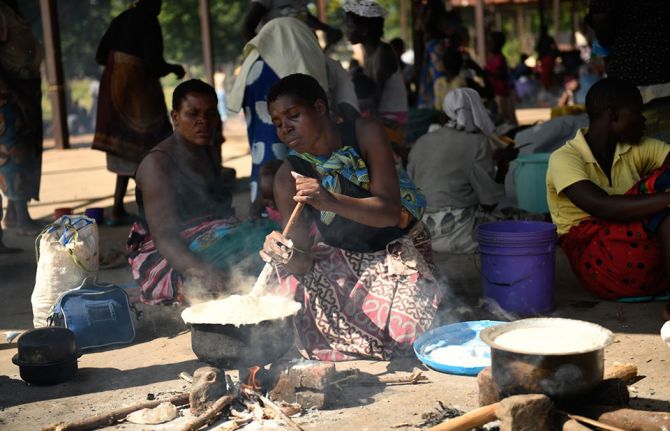
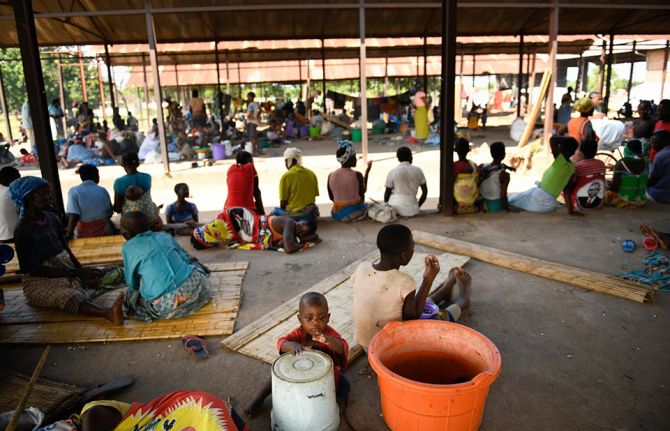
15 August 2019 15 August 2019In Africa alone, there are currently seven peacekeeping operations and a large number of other humanitarian operations. Across the continent, 600 million people live in countries affected by fragility, conflict and violence and seven out of 10 women in conflict settings and in refugee populations are exposed to sexual and gender-based violence. In certain contexts, women who have experienced violence are 50% more likely to be living with HIV.
Uniformed personnel working in peacekeeping operations are routinely exposed to a range of health risks during their work, owing to the type of work they do, the locations they are sent to and the conditions in which they often have to serve. The health and welfare of uniformed personnel is therefore a matter of concern. Of equal importance, however, is the well-being of the people among whom the uniformed personnel work.
In order to protect both deployed personnel and civilians, a new code of conduct on preventing and reporting sexual and gender-based violence, including among peacekeeping operations, was drawn up by the African Union in November 2018.
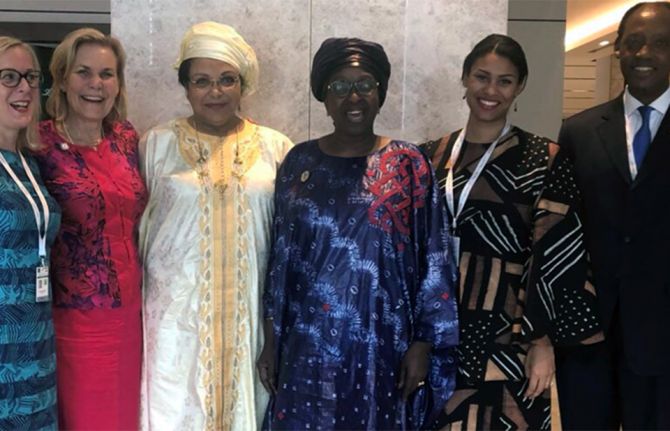
“We urgently need a more overarching, concerted and harmonized strategy to tackle the issues of sexual and gender-based violence and HIV during conflicts and in humanitarian settings,” said Bineta Diop, the African Union Special Envoy for Women, Peace and Security.
The new code of conduct, outlined in the African Union policy on the prevention of and response to sexual exploitation and abuse during peacekeeping operations, prioritizes the elimination of all forms of gender-based violence and puts peacekeeping operations at the forefront of ensuring justice and the protection of vulnerable populations. The challenge now is to implement the code of conduct.
“The African Union has zero tolerance for sexual and gender-based violence and calls for the immediate implementation of policies by member states that use a survivor-centred approach and offer the full range of support services,” said Admore Kambudzi, Director of the Peace and Security Department of the African Union Commission.
In June, the African Union Commission and the UNAIDS Liaison Office to the African Union, in collaboration with the United Nations Office to the African Union, convened the first of a series of meetings to formulate practical recommendations for a collective way forward in addressing sexual and gender-based violence and HIV in fragile settings.
The participants agreed that it is essential to develop a survivor-centred approach to conflict-related sexual violence based on developing the resilience of survivors and to provide mental health and psychosocial support. Including men and boys in ending sexual and gender-based violence will be key to success.
The participants also called for the health and well-being of the uniformed personnel of peacekeeping operations to be ensured, both before and during active service. A protocol on integrating HIV programmes in African Union peacekeeping operations will be finalized and a team of experts to map the current situation in crisis-affected countries, to identify gaps and areas of strength and to suggest a way forward to end sexual and gender-based violence and exposure to HIV will be assembled.
“I urge partners to take action to eradicate sexual and gender-based violence and HIV in fragile settings within the context of the African Union theme for 2019, the Year of Refugees, Returnees and Internally Displaced Persons,” said Clémence A. Habi Bare, the Director of the UNAIDS Liaison Office to the African Union.
Related
Feature Story
Redefining HIV prevention messages for young people in Latin America
14 August 2019
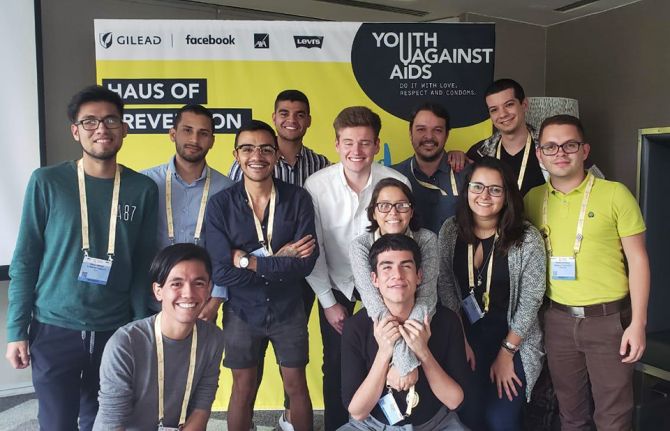
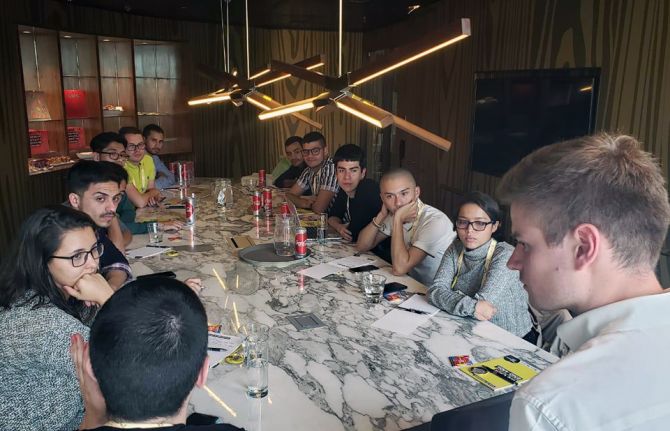
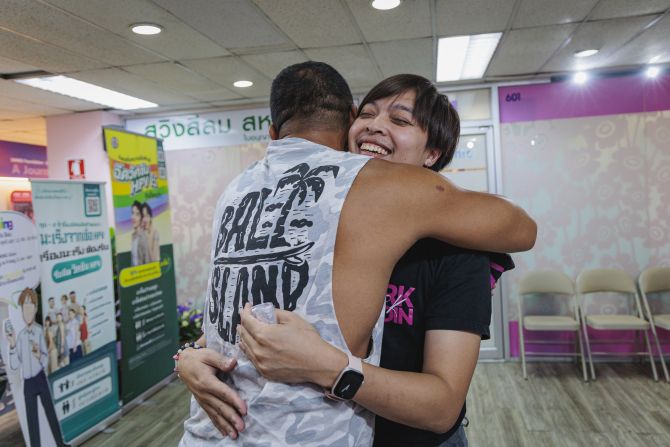
14 August 2019 14 August 2019A dozen young people from nine different countries in Latin America came together in July at the 10th International AIDS Society Conference on HIV Science in Mexico City, Mexico, to develop new youth-friendly communications strategy related to HIV prevention for young gay men and other young men having sex with men.
Although the 12 had never met face-to-face before, they had held several virtual meetings to pave the way for the conference, organized by the Latin American HIV-Positive Youth Network (J+LAC), with support from the Pan American Health Organization/World Health Organization (PAHO/WHO), UNAIDS and UNICEF.
Every year in Latin America, an estimated 100 000 people become newly infected with HIV—a number that has not changed over the past decade. In 2018, young people between the ages of 15 and 24 years accounted for one fifth of all new HIV infections in the region. Young gay men and other men who have sex with men, sex workers, transgender people and injecting drug users are particularly affected.
“We need to remind the world that we cannot talk about prevention without young people and make the world realize that we are involved and concerned,” said Kenia Donaire, a Honduran who was born with HIV.
UNAIDS, PAHO/WHO and UNICEF are strong advocates for the involvement of young people not only as beneficiaries of services but also as partners and leaders in the design, development, implementation and monitoring and evaluation of policies and programmes.
“Too often, young people are not at the decision-making tables creating the programmes they need to protect themselves from HIV. You have the potential to set an example on how young people can lead, advocate, create demand and deliver tailored services to end an epidemic that is the second leading cause of death among adolescents. We need new ways to communicate, generate demand and link young people at higher risk of HIV to services,” said Shannon Hader, UNAIDS Deputy Executive Director, Programme.
Young people living with HIV in Latin America have been working together to design an HIV prevention communications strategy for young gay men and other young men having sex with men in the region. In advance of travelling to the conference, they worked together to map existing communications campaigns and initiatives on combination prevention of HIV and other sexually transmitted infections and discussed how to translate complex scientific content into effective key messages for their peers.
“Young men who have sex with men and other vulnerable youth need access to HIV prevention information in a way that makes sense to them,” said Maeve de Mello, regional advisor on HIV prevention at PAHO. “We are very pleased to support this talented group of young people. Their personal experience and voices will better prepare us to address this public health concern in a way that adults alone cannot.”
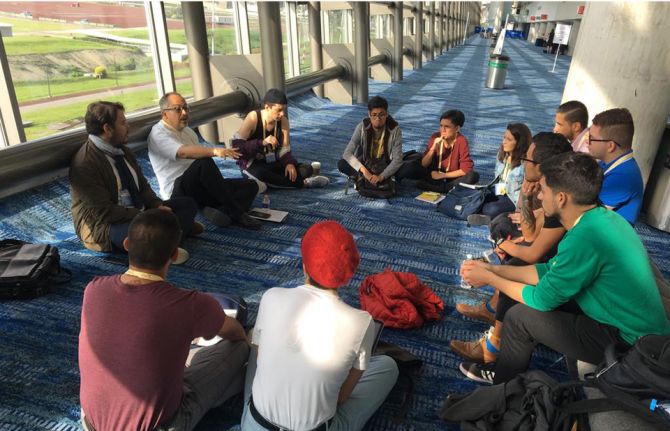
At the conference they shared their ideas with leading health and communications experts and discussed digital strategies to reach young people with compelling messages on HIV prevention and ending stigma and discrimination.
“Learning about the latest advances and successful experiences in the response to HIV, while being able to learn what goes on from the other side of the screen from digital experts such as YouTube was a really enriching experience,” said Horacio Barreda, one of J+LAC coordinators. “We need a strategy that focuses on the needs and affinities of young gay people, who live their lives in the virtual and off-line worlds.”
“This is a successful start of an important journey through which we believe we will reach Latin American youth in all its diversity.”
The group now plans to bring their strategy and advice to key stakeholders in the response to HIV, including to ministries of health, United Nations agencies, and other partners.

Feature Story
Fear of the unknown
12 August 2019
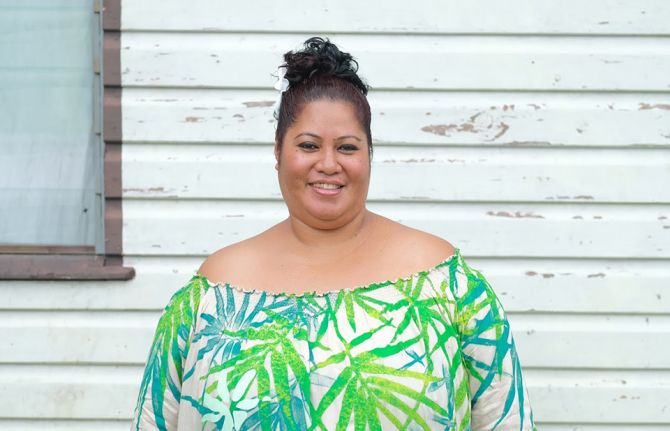
12 August 2019 12 August 2019When her husband came home with a positive HIV test, Jokapeci Tuberi Cati decided that she wanted to get tested too.
“Fear of the unknown, of the stigma associated with HIV and of rejection were all going through my mind before the test,” she said.
Once she got tested in Lami, Fiji, she sighed and said to herself, “done and dusted.”
But she had a nagging thought that her test would be positive and she started thinking about a coping mechanism. She kept playing over and over the same scenario, with one question: how will she live from this point onward?
“In fact, little happened in reality,” Ms Cati said. She recounted that an experienced doctor treated her with the utmost care when he informed her of her HIV-positive status.
She returned home and decided that she and her husband would bear the diagnosis together as a couple. No one needed to know anything.
With time, Ms Cati learned to cope with her new status and vowed to accept her new life. She now wanted to help people to understand the issue so that they would not go through the same experience.
But first she had to let people know.
“The moment I decided to disclose my HIV status to my family and friends, there was a different magnitude of support,” she said. Thinking back to 20 years ago, she still cannot forget how people reacted with such warmth.
That emboldened her to become much more proactive and share her story with a greater number of throughout the country. She is now a programme manager at the Fiji Network for People Living with HIV. Despite losing her husband, Ms Cati is thankful she found out about her status, because with medication she did not transmit HIV to her children.
“Better to know than not know—the benefits are huge,” she said.
Region/country
Feature Story
The right to disclose your own status
02 August 2019
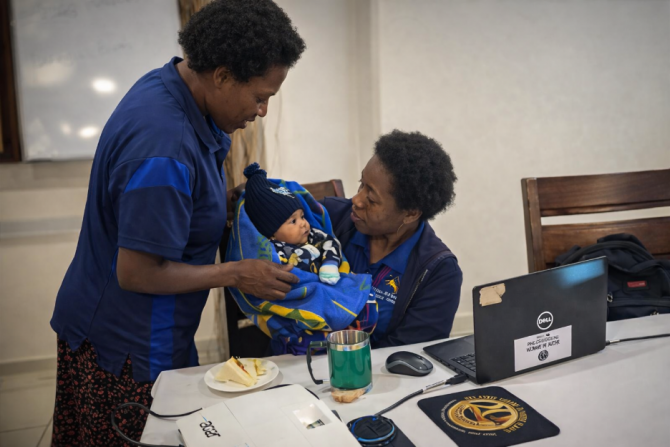
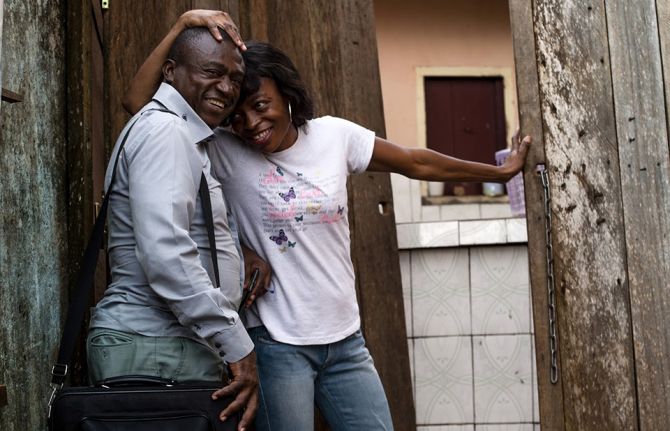
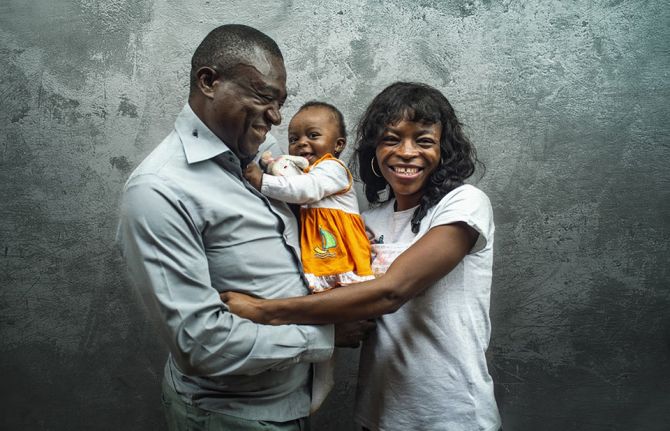
02 August 2019 02 August 2019At 17, preparing for her baccalaureate, Francine Nganhale was carefree. She followed her classmates out of curiosity to the local hospital in Yaoundé, Cameroon, since they had heard about an HIV awareness campaign with free testing.
“This was my first time getting an HIV test and I had no expectations,” she said.
When the results came back, her test was inconclusive. She retook the test and at the fourth try, her result was positive. “The explanations given to me throughout the process piqued my interest and I became much more motivated to find out more,” she said.
Ms Nganhale felt scared and she admits being clueless about what to do next. A doctor walked her through the process and gave her a lot of information about HIV. It suddenly dawned on her that her three-year old son, who was often sick, had never been tested for HIV. He tested positive and both started treatment.
The hard part for her was telling her mother. She postponed telling her, but she felt more and more isolated. And she recalls hearing negative comments from her extended family about people living with HIV. “I had decided to challenge myself and live a long and healthy life and no one would deter me,” she said. When her mother finally found out, she told others about her daughter’s HIV status. Regardless, Ms Nganhale forged ahead. She holds no grudges, saying that her mother cared for her and her son financially for years.
As a social worker, Ms Nganhale works mainly with people living with HIV, raising awareness and distributing HIV treatment.
Her husband is also a social worker overseeing 106 Cameroonian HIV associations. He can relate to his wife’s experience. Charles Noussi used to be a professional football player in the Maldives. During a routine team medical check-up, all his teammates underwent a battery of tests. The next day, when he showed up for practice, he bumped into the manager, who forbade him to train with the others.
“I had no clue what was going on,” he said. “Meanwhile I slowly realized that most people were hiding something from me.” He wanted to get to the bottom of it and asked to see the medical team responsible for the check-up. That’s when finally someone told him his HIV-positive status.
“I suddenly realized that I was the last to know,” Mr Noussi said. The news only got worse. He had 48 hours to pack up and leave the country. “Do you know how hard it is to abandon a career I loved and lose my good salary all because of my HIV status?” he asked. “It broke my heart and more.”
A sponsor helped him flee to Thailand, where he accessed health services. “So many people were supporting me and reassuring me,” Mr Noussi said. Quickly, he joined an HIV advocacy group. “After a year, I told myself that perhaps I should use my knowledge and return to my home country,” he said. Again, mentalities differed in Cameroon. He faced discrimination and despite being healthy and open about his HIV status, many of his acquaintances and friends abandoned him.
“Thank goodness my mother helped me a lot, not only on a nutritional level, but also socially and psychologically,” he said.
Two decades later, he believes HIV-related stigma has decreased in Cameroon. HIV treatment is free, unlike many years ago, when he paid for everything himself. No doubt about it, he said, knowing your status is crucial.
His wife agrees. “No need to tell someone not to worry—it's normal to worry,” she said. “What's key is reassuring someone that they are in control of their life.”
Related story: A tribute to Charles Domingo Noubissi
Region/country
Related

Feature Story
Mapping HIV laws and policies
31 July 2019
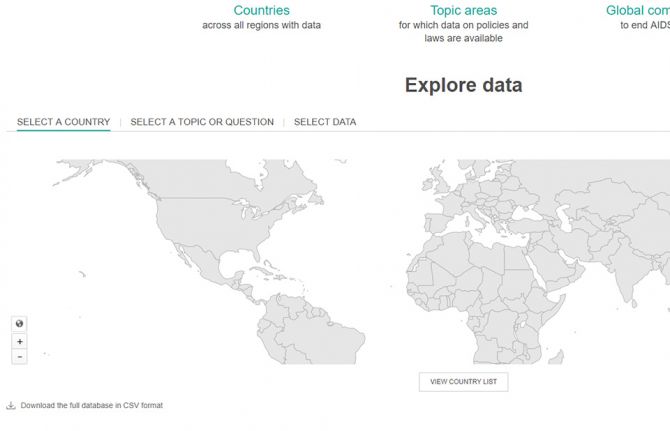
31 July 2019 31 July 2019A new website that enables people to identify national laws and policies related to the AIDS response has been launched by UNAIDS.
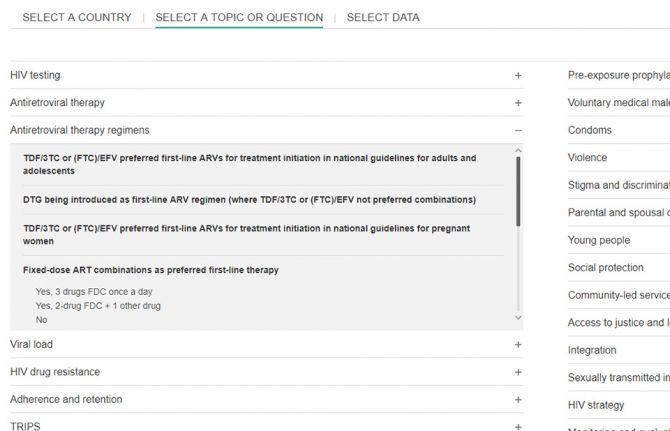
Covering areas as diverse as a country’s ability to diagnose HIV among young babies, the existence of laws that discriminate against transgender people and whether people are prosecuted for carrying condoms, the Laws and Policies Analytics website aims to give a full overview of a country’s laws and policies related to the HIV response. It also allows to view policy data jointly with other data on the HIV epidemic and response.
“We must better understand legal and policy environments to drive effective responses to the HIV epidemic. This new tool will provide access to data on national laws and policies and allow for joint analysis with data on the epidemic and response, so that we can drive more deeply-informed decision-making,” said Shannon Hader, UNAIDS Deputy Executive Director, Programme.
Under the 2016 United Nations Political Declaration on HIV and AIDS, countries committed to accelerate efforts to significantly increase the availability of high-quality data on HIV. The information used on the new website was reported since 2017 and most recently in 2019 through the National Commitments and Policy Instrument (NCPI), a part of the Global AIDS Monitoring mechanism through which countries report their progress against the commitments they made in the 2016 Political Declaration.
Data were provided by national authorities, civil society organizations and other nongovernmental partners engaged in the AIDS response. Data on HIV-related laws and policies compiled from other external official documents complement the nationally supplied data. UNAIDS carries out a thorough validation of all policy data included to ensure their accuracy. Data will be updated annually.
The website hosts data from over 140 countries. Users can search by country or region through an interactive map or can select a specific topic.
Through making policy data widely available, UNAIDS seeks to promote transparency and an increased use of policy data in analyses of the HIV epidemic and the response to HIV in countries worldwide.
The Laws and Policies Analytics website can be accessed at lawsandpolicies.unaids.org.
Laws and Policies Analytics website
Feature Story
I’m just a normal teenager living with HIV
29 July 2019
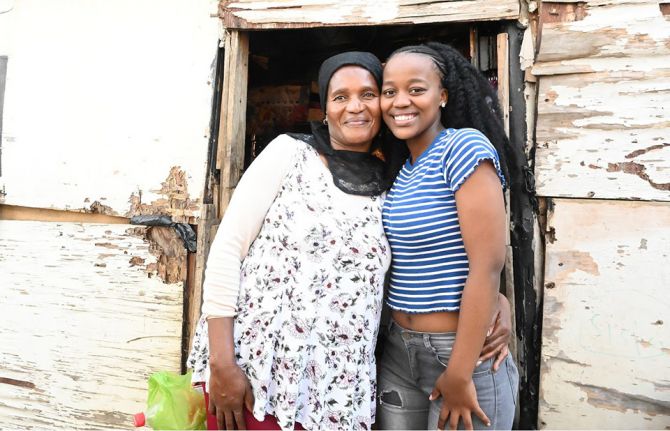
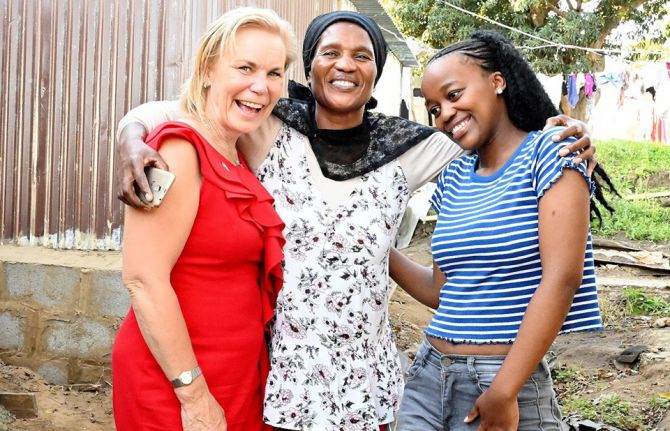
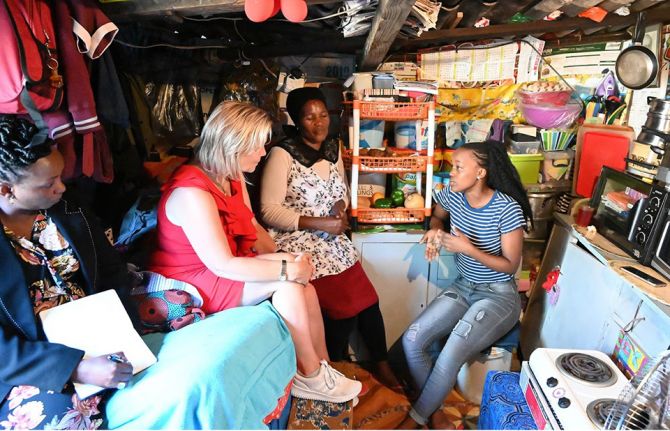
29 July 2019 29 July 2019Aziwe is 19 years old and lives with her mother, Phatiswa, in an informal settlement called Umlazi, near Durban, South Africa. Both women are living with HIV and both are full of energy, love, hope and optimism for the future.
Aziwe didn’t find out she was HIV positive until she was about 14 years old. She had already been on treatment for five years but her mother had decided not to tell her that she was HIV positive, even while making sure that her daughter stayed healthy by taking her medication every day.
When the doctor asked her if she wanted to know why she had to take medicines so regularly, Aziwe did not hesitate. As she had grown older, so had her curiosity. When the doctor told her that she was living with HIV she broke down. Her mother too.
Now, five years later, Aziwe is a happy, confident teenager who is highly articulate as she tells the family story to the UNAIDS Executive Director a.i. Gunilla Carlsson ahead of the launch of UNAIDS global report on the state of the AIDS epidemic.
Phatiswa lived in the Eastern Cape in 1999 but, like many women, left to find work as a domestic worker in Durban. She’s good at her job and has been working for the same family for 19 years.
The children stayed behind in the Eastern Cape at first. But Aziwe was a sickly child and came to live with her mother a few years later. In 2009, she became very ill and was rushed to hospital where she would remain for 2 weeks. It was there that she was tested for HIV and found to be positive. Phatiswa also tested positive for the virus.
Today, the women take their treatment and encourage others at community support groups to keep taking their medicines so that they stay well. Aziwe also challenges the stigma and discrimination that still surround HIV and has spoken about living with HIV at a church group. She says there is still too much ignorance about the virus and it sometimes upsets her. But she and Phatiswa support each other.
“I have days where I just want to cry but she speaks to me as a mother. I have good family and friends who are always there for me.”
Aziwe explains that she values life so much more because she has lost loved ones to AIDS.
“I want to live because there are so many things that I want to achieve in life—for my mother and for myself.”
Like many young people, she wants to travel and later to work as a talk-show host on television. In the future, she wants to have a family of her own.
“I’m just a normal teenager living with HIV,” she explains.
Region/country
Related
Feature Story
Botswana puts young people at the centre of its AIDS response
25 July 2019
25 July 2019 25 July 2019While Botswana has made great progress in reducing the number of new HIV infections—down around 36% in total since 2010—young people remain highly vulnerable to the virus. Adolescent girls and young women are particularly at risk of HIV infection as well as other sexually transmitted infections and unintended pregnancy.
In 2018, almost one in four new HIV infections in Botswana occurred among young women and adolescent girls aged 15-24 years old. Less than half of young women and adolescent girls say they have comprehensive knowledge about HIV.
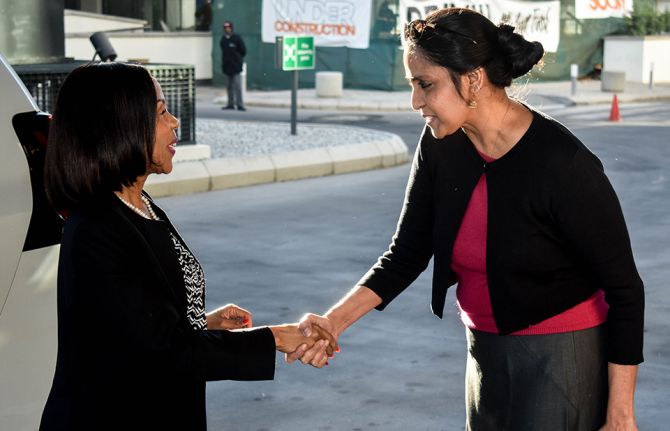
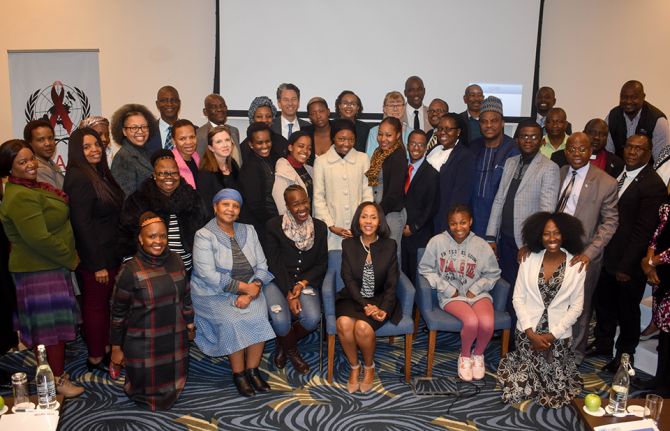
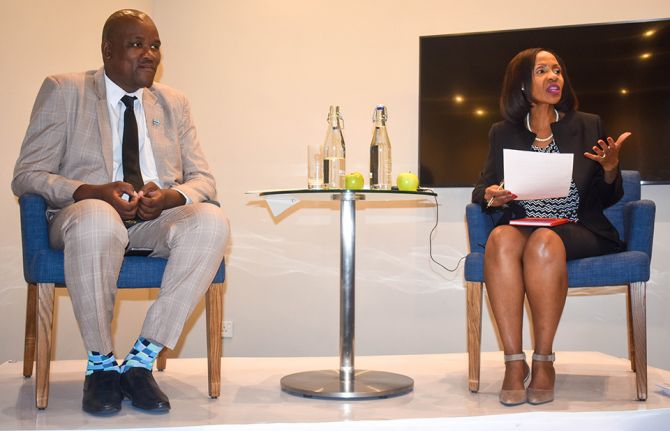
To see what more can be done to address the issues making young people more vulnerable to HIV, the First Lady of Botswana, Neo Masisi, held a retreat in July to look at the challenges confronting them.
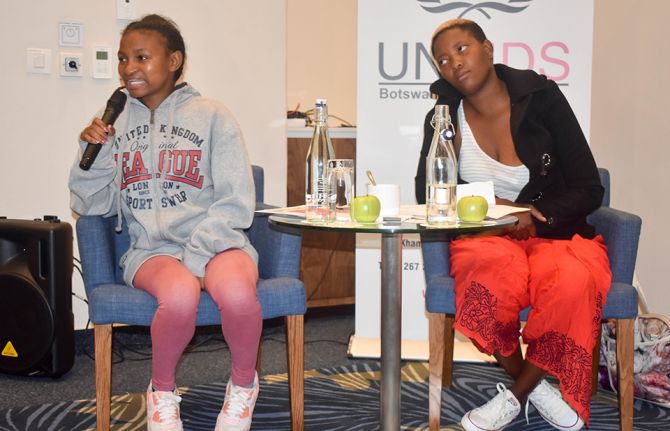
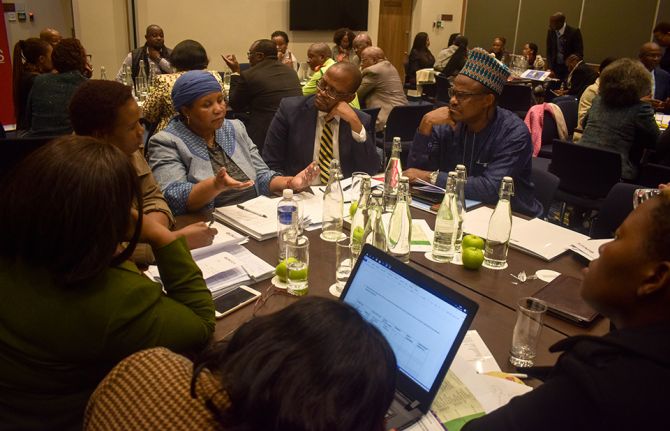
Young women participating in the retreat shared some of their experiences with the First Lady and officials from the Ministry of Health.
“I come from a strained family structure where poverty is rife. I never felt loved at home and looked for love outside. I got a boyfriend and eventually I too became a teenage mother,” said Belinda.
The discussions at the retreat will feed into a framework for the development of a national flagship programme for young people.
“Today’s young people are dealing with multiple challenges and they have to take on so much—at school, within changing family dynamics, societal expectations. They question their norms, values and their own worth,” said Ms Masisi. “We need to treat them as leaders so that they can feel valued.”
The Minister of Health, Alfred Madigele, said further consultations would be held with young people to produce the framework.
Earlier this year, the UNAIDS Executive Director a.i., Gunilla Carlsson, appointed Ms Masisi as UNAIDS Special Ambassador for the empowerment and engagement of young people in Botswana.
Region/country
Feature Story
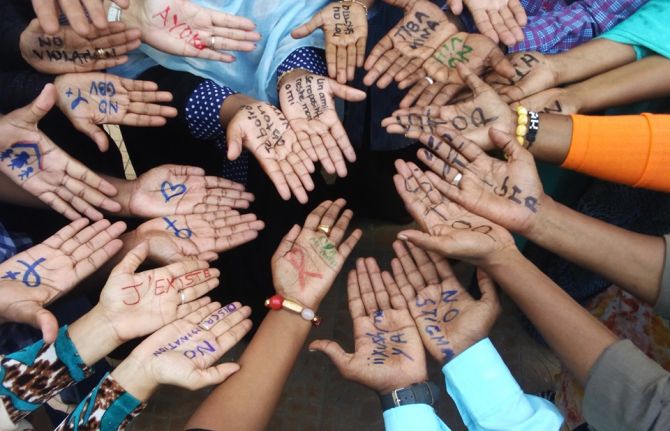
Empowering women living with HIV in Djibouti to live dignified lives
25 July 2019
25 July 2019 25 July 2019Zarah Ali (not her real name) remembers how things changed for the better. “In 2014, I received a loan of 40 000 Djiboutian francs (US$ 250) that I used to develop and improve my garment business. I was also trained in business entrepreneurship, including marketing and customer satisfaction. I import clothes from Dubai and Somaliland and earn a decent income that helps me support my 25-year-old son, my 16-year-old daughter in secondary school and my three-year-old adopted son. I am able to pay for my rent, electricity and water and have decent meals.”
Ms Ali’s loan came from an income-generation programme established by the World Food Programme in collaboration with the United Nations Development Programme, UNAIDS and the national network of people living with HIV in Djibouti (RNDP+). The programme supports the long-term empowerment of, and provides regular incomes to, women living with HIV in Djibouti City. It helps them to achieve financial security and have access to food and improves their access to health-care services. Income-generating activities such as those supported by the programme have a powerful potential to help people living with HIV adhere to antiretroviral therapy and optimize health outcomes.
The loans, ranging from US$ 141 to US$ 438 per person, are for starting or building retail businesses. The beneficiaries, who are selected from among two networks of people living with HIV affiliated to RNDP+ (ARREY and Oui à la Vie – Yes to Life), also receive training on how to run their business. Government support in the form of favourable policies and legislation has been vital to the success of the programme.
Dekah Mohammed (not her real name) now lives a fulfilling life after receiving help from the income-generation programme. Ms Mohammed, who lost her husband to AIDS, lives with six children. After she lost her job in the hospitality sector owing to her deteriorating health and to stigma and discrimination, she started her own clothing business and received a loan of 50 000 Djiboutian francs (US$ 313) to expand her business. The loan was repaid within 10 months. Her business has since expanded into furniture and electronics and she has recruited an employee. “I am no longer a desperate woman. I make enough to take care of my family and dependants,” she said.
The programme has improved the quality of life of many Djiboutian women, allowing them to regain dignity and ensure their financial security. It empowers women and girls to protect themselves from HIV, make decisions about their health, live free from violence and be financially independent.
Building on the belief that empowering women living with HIV and their households to be financially independent strengthens adherence to treatment and leads to more fulfilling and dignified lives, the programme contributes to the World Food Programme’s broader strategic contribution towards ending AIDS as a public health threat by 2030.
Region/country
Feature Story
Pan-African Parliament calls for increased domestic resources for HIV and health in Africa
15 July 2019
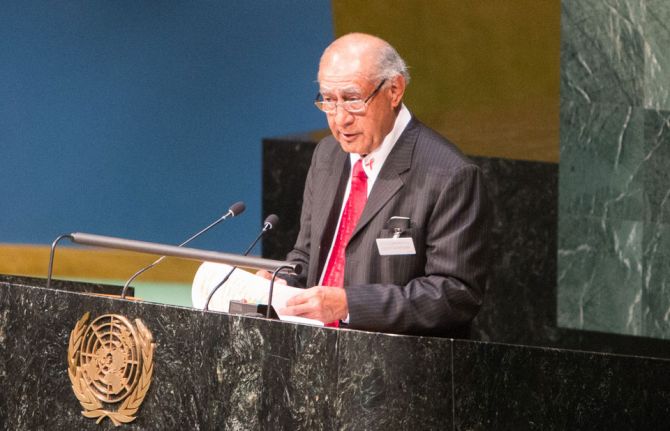
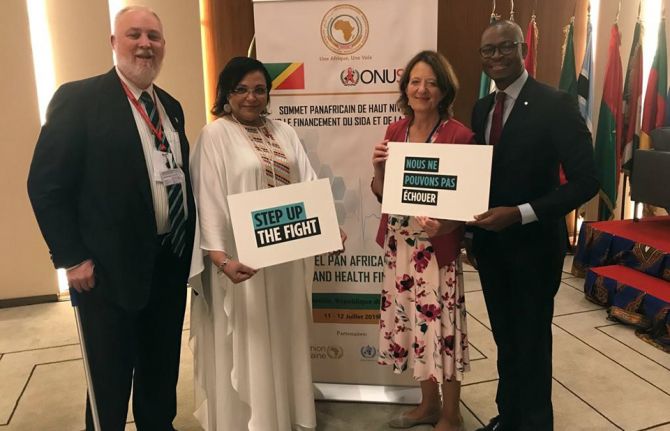
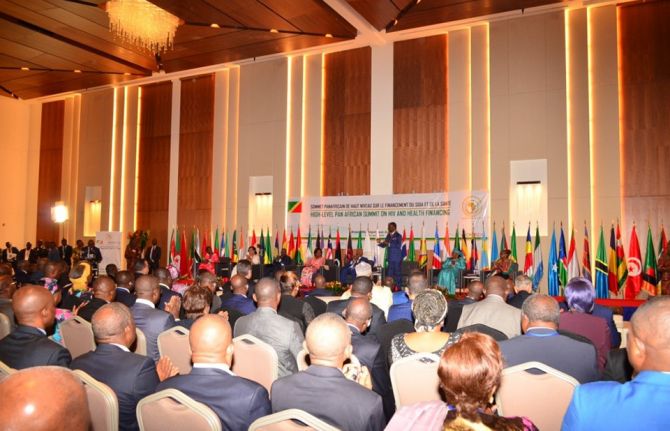
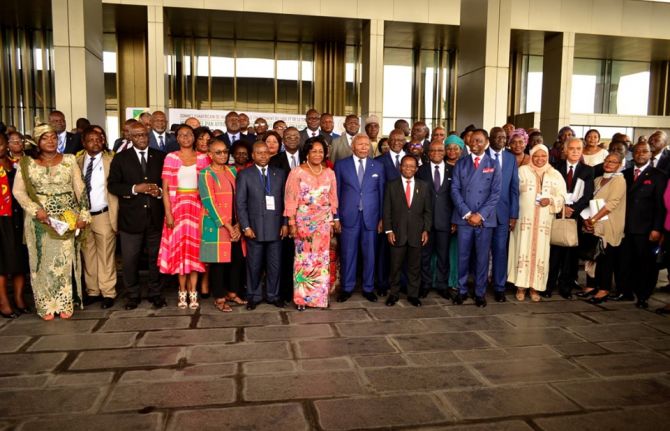
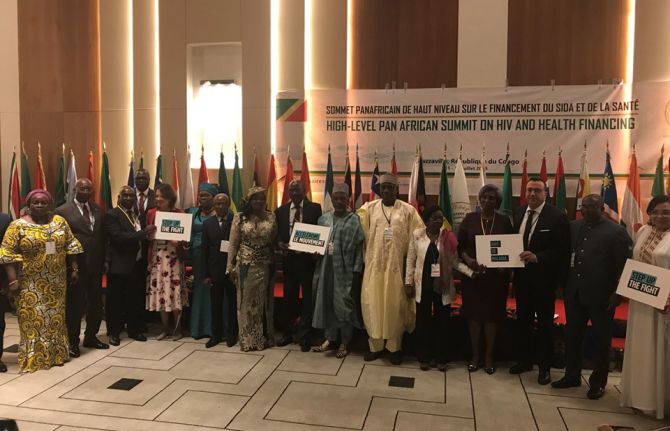
15 July 2019 15 July 2019A communiqué adopted at the High-Level Pan African Summit on HIV and Health Financing has called for parliamentarians to ensure the right to health for all and for stronger advocacy to increase domestic resources for HIV and health.
“There is an urgent need for our governments to mobilize domestic resources to ensure sustainable and affordable access to HIV treatment, for all, to ensure that all women have the same chances as I did to raise HIV-free and healthy children,” said Valerie Maba, President of the national network of HIV-positive organizations of the Congo.
Roger Nkodo Dang, the President of the Pan-African Parliament, highlighted the urgency of finding durable sources of financing to respond to HIV and to improve public health services in Africa.
Significant increases in both domestic and international funding have enabled African countries to rapidly expand their HIV programmes in recent years. In 2018, 16.3 million people living with HIV were on antiretroviral therapy in sub-Saharan Africa, representing 70% of the total number of people on antiretroviral therapy globally. At the end of 2017, about US$ 21.3 billion was available for HIV programmes in sub-Saharan Africa, with domestic investments accounting for approximately 56% of total resources.
Countries were also encouraged in the communiqué to further contribute to global solidarity in the upcoming replenishment of the Global Fund to Fight AIDS, Tuberculosis and Malaria. “Today, we are honoured to be among you and we salute the efforts of 11 African member states that have already stepped up and pledged,” said Marijke Wijnroks, Chief of Staff of the Global Fund.
In 2001, the heads of state of the African Union committed, through the Abuja Declaration, to allocate at least 15% of national budgets to health care in order to achieve universal health coverage. However, the share of expenditure allocated to health in national budgets in Africa has in fact decreased, and in 2018 there was a gap of US$ 5 billion for the AIDS response, and only two out of 55 African Union member states complied with the Abuja Declaration targets.
In February 2019, African Union member states reiterated their commitment to increase domestic resources for health on the sidelines of the 32nd Ordinary Session of the Assembly of Heads of State and Government through the Declaration of the Investing in Health Africa Leadership Meeting.
“Ending AIDS by 2030 is a Sustainable Development Goal and an aspiration of Agenda 2063. Controlling the epidemic is a prerequisite for sustainable results. If our governments do not Fast-Track and ensure the financial sustainability of the response, the socioeconomic and human burdens will get worse,” said Clémence Bare, Director of the UNAIDS Liaison Office to the African Union.
Held under the auspices of Denis Sassou Nguesso, the President of the Congo, and convened by UNAIDS, the Pan-African Parliament and the Regional Office for Africa of the World Health Organization, the summit was held in Brazzaville, Congo, on 11 and 12 July.
Related
Feature Story
Indonesia commits to piloting PrEP
15 July 2019
15 July 2019 15 July 2019Indonesia has decided to pilot pre-exposure prophylaxis (PrEP) in four cities with high levels of HIV prevalence. PrEP is a way for people who do not have HIV but who are at substantial risk of getting it to prevent HIV infection by taking a pill every day. It is hoped that the pilot project will pave the way for a wider roll-out across the country.
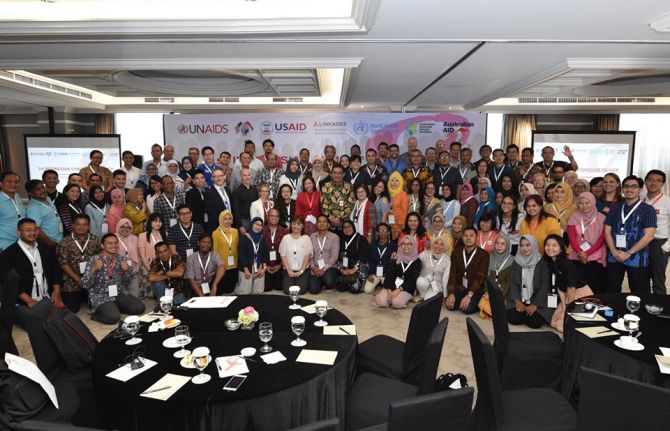
The commitment to piloting PrEP came during the 1st Indonesian Symposium on PrEP, which was organized by UNAIDS at the end of June. The two-day event brought together around 150 clinicians, public health officials and representatives of key populations, who shared their experiences of PrEP research and implementation strategies across the Asia-Pacific region. The pilot in Indonesia will be conducted in close collaboration with the Ministry of Health.
PrEP is a highly effective prevention choice for people who are at high risk of HIV infection such as sex workers, people who use drugs and gay men and other men who have sex with men. It is having a big impact in reducing new HIV infections in Australia and its availability is increasing in New Zealand, Thailand and Viet Nam. China, India, Malaysia and Philippines have also initiated pilot projects.
Prevention efforts are vital to strengthening the HIV response in Indonesia and PrEP would be a significant addition to the country’s combination prevention approach. Indonesia had 46000 new HIV infections in 2018 and has one of the fastest growing epidemics in the Asia Pacific region. In 2018 there were 640000 people living with HIV in the country and only 17% had access to treatment.
The discussions at the symposium helped to disperse some of the common misconceptions regarding PrEP, both among communities and services working to reduce new HIV infections. Civil society activists expressed their strong support for PrEP roll-out.
“PrEP will become a necessity for sex workers,” said Rito Hermawan of the Indonesian Sex Workers Network, “As well as using condoms, they can get additional protection by using PrEP. We must educate people about PrEP to stop any misconceptions.”
Other civil society activists echoed their support.
“The more I learn about the benefits of PrEP, the more I wonder why it is not available here,” said Mr. Riunaldi from Intermedika Prana Foundation, “I am hopeful that more people will understand how important PrEP is for our country.”
Participants in the symposium said that many people were already accessing PrEP online, indicating a growing demand in Indonesia.
“It is incumbent on policy makers, health professionals, researchers and civil society organizations to ensure that those at risk of HIV infection have access to the information and resources needed to make informed decisions regarding their health” said Tina Boonto, UNAIDS Country Director for Indonesia.