

Feature Story
We need action on human rights
18 February 2019
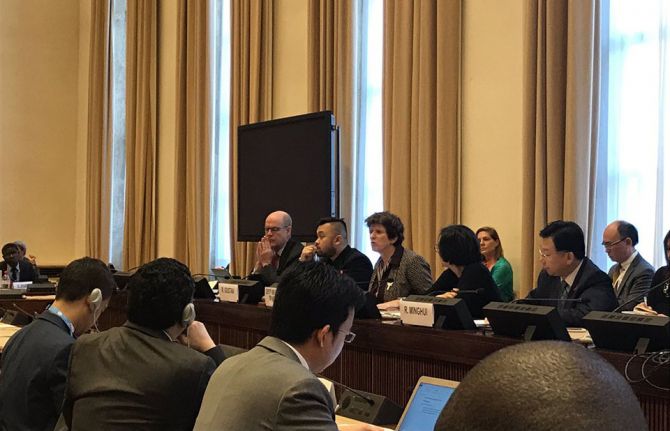
18 February 2019 18 February 2019“The HIV epidemic is a human rights epidemic. An epidemic of human rights loss, denial, derailment and in some instances abuse and violation.” With these words, Kate Gilmore, the United Nations Deputy High Commissioner for Human Rights, opened the Consultation on Promoting Human Rights in the HIV Response.
But while there are commitments, treaties and agreements, action is needed—this was the call from the consultation, held in Geneva, Switzerland, on 12 and 13 February, which sought to share regional and subregional strategies and best practices.
The consultation heard that stigma and discrimination, poor access to justice and punitive laws, policies and practices are barriers to the most vulnerable people accessing HIV prevention, testing, treatment and care.
Throughout the event, there was a central theme of removing harmful criminal laws, funding human rights and working closely with the community, through a call for national and regional institutions to listen, act, lead, reform and fund.
While the traditional human rights barriers—for example, stigma and discrimination and criminalization—persist, new problems are emerging. Questions of how to ensure that criminalized populations are included in universal health coverage, or that human rights and key populations programmes continue to be funded as a country transitions to middle-income status, was raised. A number of speakers, including Michaela Clayton, Director of the AIDS and Rights Alliance for Southern Africa, endorsed a top-down, bottom-up approach to promoting human rights, drawing on the actions of both political leaders and civil society together.
“This isn’t easy. We can only do this by working in partnership: governments, civil societies, accountability mechanisms, human rights groups and health professionals,” said Tim Martineau, UNAIDS Deputy Executive Director, Programme, a.i.
Related information


Feature Story
Faith-based organizations: essential partners in the AIDS response for migrants
22 February 2019
22 February 2019 22 February 2019Faith-based organizations have been delivering HIV services in the countries most affected by HIV since the start of the epidemic. How to strengthen collaboration on HIV services for migrants and refugees was the subject of a recent workshop organized by the World Council of Churches, UNAIDS and partners.
Wangari Tharao, the Director of Research and Programs at Women’s Health in Women’s Hands, migrated from Kenya to Canada at a time when the HIV epidemic was beginning to take hold across Africa. She knows only too well from personal experience the many challenges that migrants face, particularly in relation to health care. Language barriers, poor continuity of care, a lack of health insurance, no social protection and a lack of migrant-inclusive health policies all affect the health and safety of migrants as they seek to settle in new countries and communities.
When she left Kenya, stigma and discrimination around HIV was rife. Today, Ms Tharao says that stigma around HIV is the same. “As migrants we deal with HIV in silence, we are very fearful about stigma and discrimination and are reluctant to enter health-care settings. It is important to think about how to deliver services and how to overcome the challenges faced by populations on the move,” she said.
“We need to understand the life and journey of a migrant from a global perspective and from an individual level in order to understand the challenges they face. Legal status, documentation, proof of identity must never be reasons for denial of health and well-being,” said Tim Martineau, UNAIDS Deputy Executive Director, Programme, a.i.
Although the faith sector has played an important role in the response to HIV, religious beliefs and practices have sometimes been used to justify judgemental attitudes, resulting in stigma and discrimination.
“As faith communities, we can and must do more to support migrants and refugees: to protect them from HIV and tuberculosis; to promote access to health care and prevention; and to reduce stigma, discrimination and violence,” said Olav Fykse Tveit, General-Secretary of the World Council of Churches.
The workshop showcased many examples of faith-based organizations providing services to welcome, protect, integrate and promote the rights of migrants, refugees and other people on the move. Networks provided by mosques, churches and faith communities can form the first entry point of a refugee, migrant or displaced person into a new society.
“People trust faith groups and we can build on that to deliver community outreach, disseminate HIV prevention messages and provide HIV treatment and care services,” said Michael P. Grillo, Director for the Military International HIV Training Program for the United States Department of Defense HIV Prevention Program.
During the workshop, which was held in Geneva, Switzerland, on 20 and 21 February, the participants identified the key elements of a road map to strengthen the engagement of faith-based organizations and expand their role in the response to HIV and in providing services for migrants and refugees. It will build on commitments in the 2016 United Nations Political Declaration on Ending AIDS and the 2018 United Nations Political Declaration on Tuberculosis, while supporting the Global Compact for Migration’s commitments related to the right to health.
Related
Feature Story
HIV testing campaign brings the community together in Bangui
19 February 2019
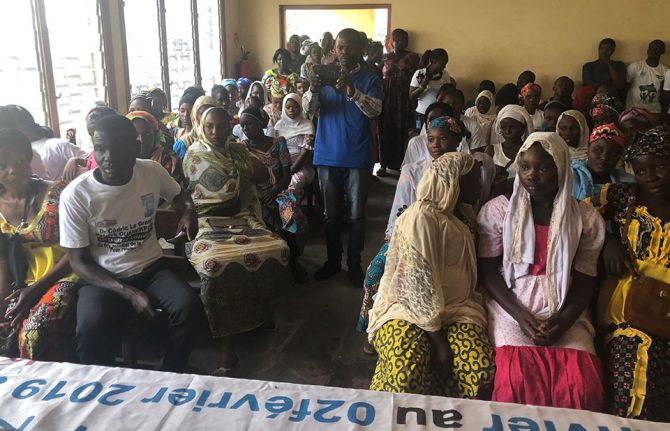
19 February 2019 19 February 2019The PK5 neighbourhood of Bangui, Central African Republic, is home to much of the city’s Muslim community. Once a bustling commercial area and the centre of Bangui’s nightlife, PK5 has become a no-go zone for many.
Like much of the country, the PK5 area and its population were greatly affected by the violence that engulfed the country in 2012 and 2013. The non-Muslim inhabitants of PK5 left; rival armed groups continue to exert control. Across the country, the consequences of the violence have led to a huge displacement of people and a humanitarian crisis. At the end of 2018, it was estimated that 2.9 million people—more than half of the country’s population—were in need of humanitarian assistance and protection.
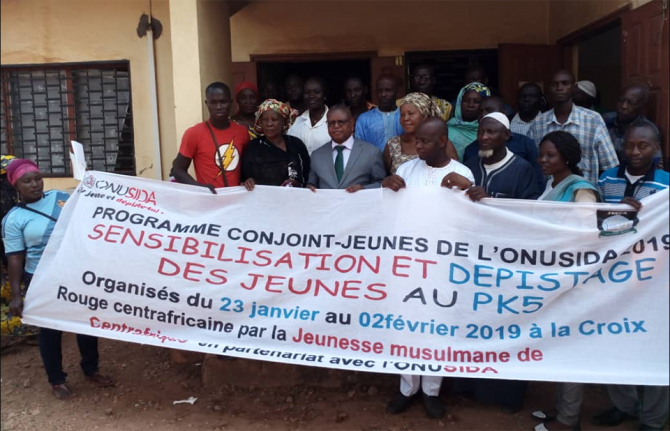
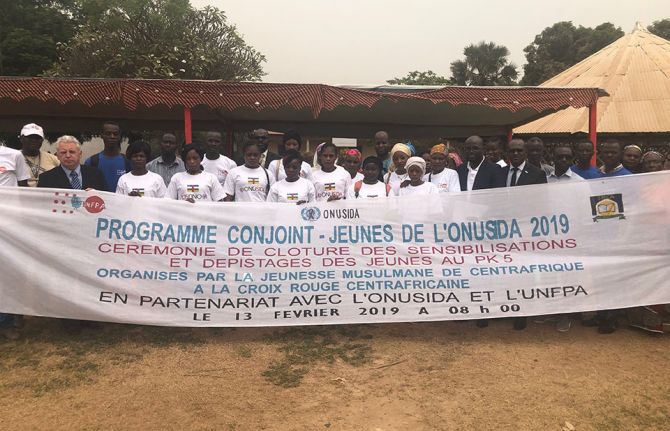
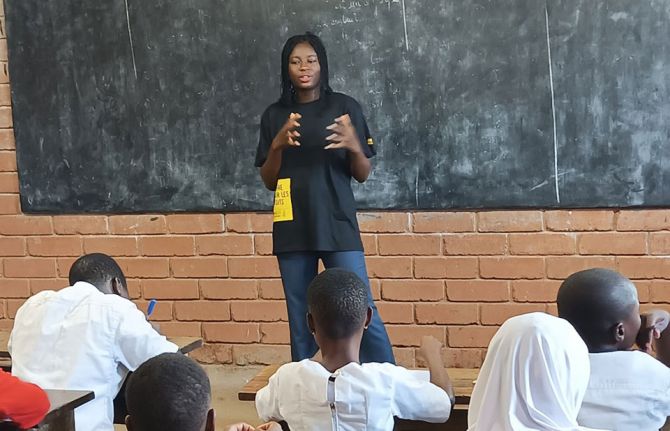
However, the people of PK5 remain resilient. Recognizing the need for a greater awareness of HIV in the community, Muslim youth leaders and the Catholic University Center, with the support of UNAIDS, organized an HIV testing and awareness-raising campaign from 23 January to 13 February at the Henri Dunant Health Centre in PK5.
The campaign was the first of its kind to take place in PK5 since the 2012–2013 violence. In the two weeks of the campaign, 1500 people accessed voluntary HIV testing and counselling services. People who tested positive for HIV were referred for treatment.
The campaign was opened by Pierre Somse, the Minister of Health, during an event attended by religious leaders, women and young people. Mr Somse took an HIV test and stressed the importance of all people knowing their HIV status. Knowledge of HIV status in the country remains low, with only 53% of people living with HIV knowing their HIV status.
“The government is committed to intensifying its efforts to deliver health and social services to all Central Africans. PK5 is not forgotten and its population will not be left behind in our efforts to increase access to HIV testing, treatment, care and support,” said Mr Somse.
Pamela Ganabrodji, Head of Information and Counselling at the Henri Dunant Health Centre, added, “We are very proud of what we have achieved through this HIV campaign, but challenges remain. We call on the government and international partners to continue supporting the HIV and sexual and reproductive health activities of the Henri Dunant Health Centre, which are critical in a community where cultural and social taboos represent a key barrier.”
On the last day of the campaign, a community dialogue was held to discuss the HIV and sexual and reproductive health challenges faced by the people of PK5. The needs are urgent and range from basic health and social services to a lack of economic opportunities. Low access to modern contraceptives, incomplete knowledge about HIV and poverty contribute to making young people and women vulnerable to HIV.
“With this campaign, we, the young people of PK5, are showing that we are not helpless and that we are part of the solution for HIV and other social issues,” said Aroufay Abdel Aziz, President of the Muslim Youth of the Central African Republic.
A second phase of the HIV testing and sensitization campaign will continue until the end of March and will include focused HIV prevention messages with sensitization by peer educators and focus group discussions on HIV and sexual and reproductive health issues.
“UNAIDS will continue to engage the government and other United Nations agencies and partners to reinforce the involvement of young people in the HIV response,” said Patrick Eba, UNAIDS Country Director for the Central African Republic.
Region/country
Feature Story
Healthy populations for healthy economies in Africa
15 February 2019
15 February 2019 15 February 2019Healthy populations are critical for Africa’s long-term economic growth, increasing economic gains through raised productivity, job creation and the promotion of equality. However, Africa’s health-care systems require significant investments to meet the needs of their populations and to address changing patterns of ill health across the continent.
The provision of health care in Africa, however, is constrained by a lack of public funds and limited and unpredictable donor funding. As part of innovative efforts to find a sustainable way to strengthen national health systems across the continent, African public and private sector leaders came together at the Africa Business Health Forum on 12 February to promote dialogue and identify opportunities for collaboration.
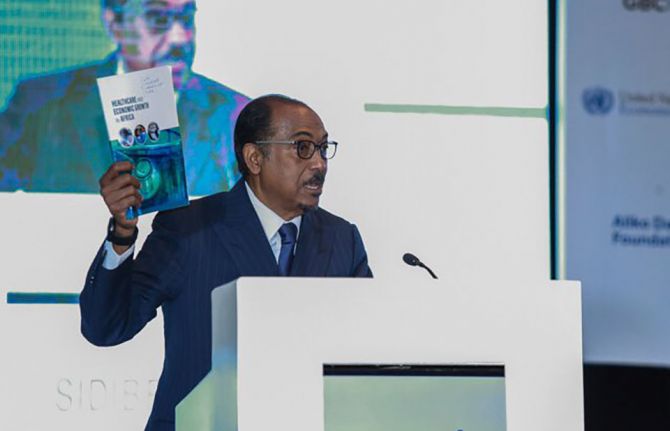
“Prioritizing health is a political choice and spending on health must be considered as an investment and not a cost. Investments in health are investments in human capital,” said Michel Sidibé, Executive Director of UNAIDS. The Prime Minister of Ethiopia, Abiy Ahmed, added, “We need affordable and quality health care for all, spearheaded by governments and the private sector working collaboratively to enable equitable access.”
During the event, which was held in Addis Ababa, Ethiopia, on the sidelines of the 32nd Ordinary Session of the Assembly of the African Union, the Healthcare and Economic Growth in Africa report was launched. The report will help to guide investments and shape narratives around health in Africa. It highlights opportunities where governments and the private sector can work together to improve health outcomes and ensure quality health care that is accessible for all.
“By 2030, an estimated 14% of all business opportunities in the health and well-being sector globally will be in Africa, second only to North America. This is a huge opportunity for the private sector,” said Vera Songwe, Executive Secretary, United Nations Economic Commission for Africa.
Also at the event, the African Business Coalition for Health—a platform designed to mobilize a core group of private sector champions to unlock synergies and advance health outcomes to build healthy economies throughout Africa—was launched.
“It is clear that African governments alone cannot solve the continent's health challenges. We have no alternative but to turn to the private sector to complement government funding,” said Aigboje Aig-Imoukhuede, Chairman of the Africa Initiative for Governance and Co-Chair, GBC Health.
Region/country
Related

Feature Story
Stigma makes HIV life-threatening
25 February 2019
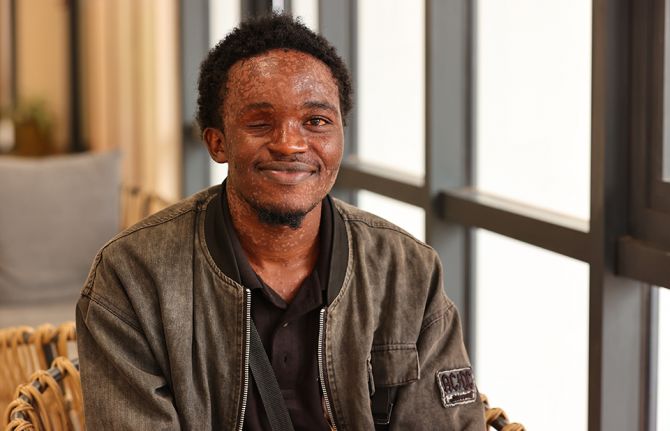
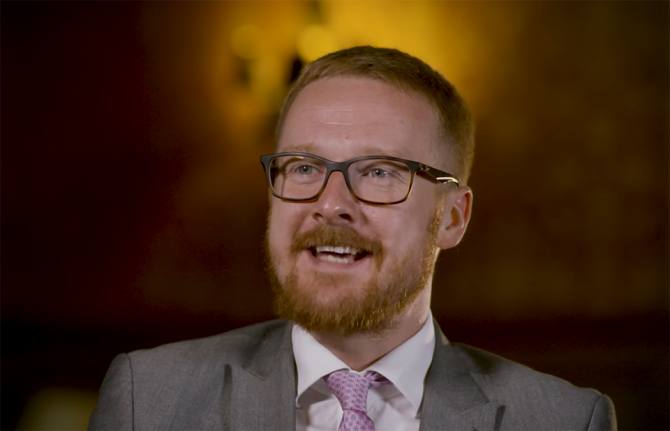
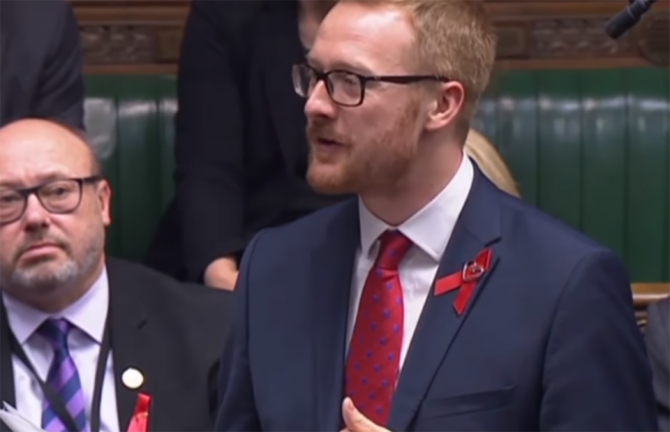
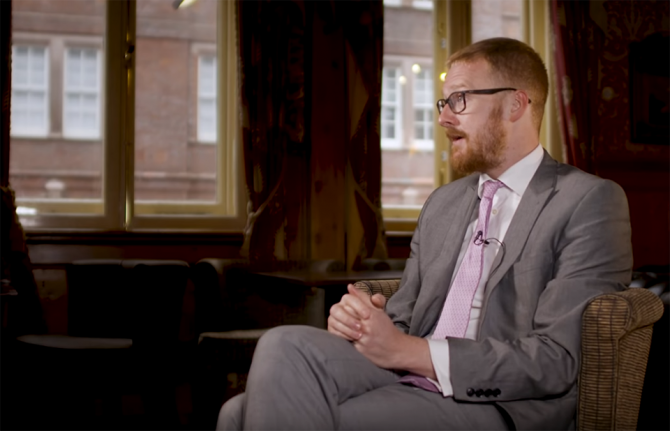
25 February 2019 25 February 2019“If I am meant to be a leader, I needed to be truthful,” said Lloyd Russell-Moyle, British Member of Parliament, reflecting on his bold move to reveal his HIV-positive status in the House of Commons in late November 2018, days before World AIDS Day.
He explained that for years he would honour people for their outstanding work in the HIV field and yet he never opened up and was honest with people about living with HIV.
“The more people don’t talk about it, the harder it is for everyone. As a Member of Parliament my job involves speaking out, being an advocate and helping people in their journey,” Mr Russell-Moyle said.
In his speech to the House of Commons, he described the sense of fear he had when he learned that he was living with HIV nearly 10 years ago. In his view, there is internal stigma, which kept him from speaking about his status for fear of “spreading” what used to be a deadly disease and the fear that people may reject him if they knew he was living with HIV.
“All that stigma makes a treatable disease life-threatening due to the impact on an individual’s mental health and access to medication,” he said in his emotional 28 November speech. In a telephone interview with UNAIDS, he specified that, “In no way should we glorify HIV, but it is liveable and manageable.” And living with HIV should not hold anyone back in any way, shape or form, he stated.
He desperately wants people to understand HIV better. “I want to get to the stage where I don’t have to explain that if you take one pill a day, you [have a viral load that is] undetectable and if you become undetectable you cannot pass the virus on to anyone,” he said.
That’s why, with the leading British association representing professionals in HIV care, BHIVA, Mr Russell-Moyle wants to reform certain laws. One European Union law forbids people living with HIV from obtaining a full pilot licence.
“It’s outdated considering that HIV treatment now involves a pill a day with no side-effects,” he said.
He also has been vocal about the British Government’s public health spending cuts. “We are at a crossroads right now, having made so much progress,” Mr Russell-Moyle said. “We are in danger of lifting our foot off the pedal so close to the finish line.”
Not funding vaccine research and reducing sexual health screening and prevention will cost the government in the long run and ruin lives, he predicted. “It’s a race against the disease, and if we slow down at this stage we will likely see a rebound,” he said.
According to Public Health England, 12% of people living with HIV in England are unaware of their diagnosis. A Brighton-based foundation launched a Making HIV History campaign to improve knowledge and encourage people to come forward for testing—Mr Russell-Moyle noted that the Stigmasaurus video animations were a great tool to correct stereotypes.
“We have got the drugs, the tools to allow everyone to live happily, so for those who don’t know their status: get tested, get treatment, it will be okay.” He concluded, “It is okay.”
Region/country
Related
Feature Story
Tanzanian and South African experts exchange expertise
20 February 2019
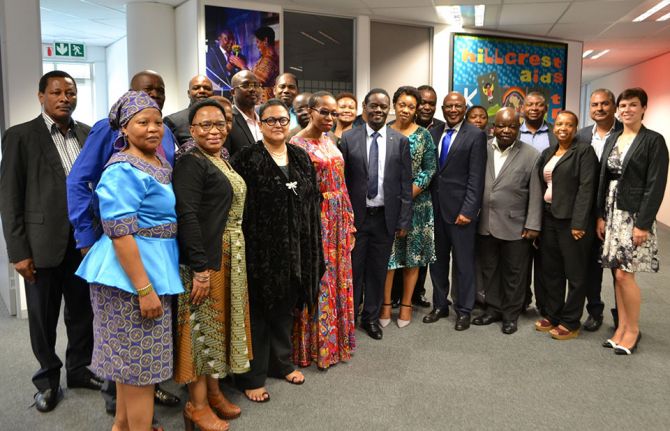
20 February 2019 20 February 2019A Tanzanian delegation touring South Africa has stressed the role of political leadership in the AIDS response and noted the importance of matching policies and legislation to the responses to HIV and tuberculosis (TB).
Led by Oscar Rwegasira Mukasa, the Chair of the HIV and Narcotics Parliamentary Committee of the United Republic of Tanzania, the delegation included Tanzanian Members of Parliament and representatives of the Tanzania Commission for AIDS (TACAIDS). Mr Mukasa said political leaders have an important role to play in uniting efforts in the AIDS response and harnessing domestic resources “so that we can stand on our own feet,” during the 13 to 15 February visit.
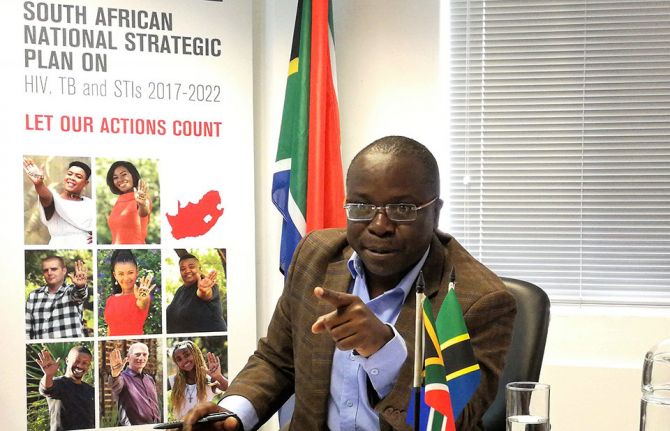
The United Republic of Tanzania will take over the Chair of the Southern African Development Community (SADC) in August and the parliamentarians indicated they would use that opportunity to engage SADC ministers of health in developing policies on HIV and TB in the region. We need to align policies and legislation with technical programming for HIV and tuberculosis to ensure that we are in synch with the 90‒90‒90 strategy,” Mr Mukasa said.
This was echoed in a meeting with Aaron Motsoaledi, Minister of Health of South Africa, who emphasized the regional nature of the epidemics of AIDS, TB and malaria and called on the United Republic of Tanzania to use its forthcoming leadership role in SADC to advance coordinated policies and actions. Mr Motsoaledi, who is Chair of the Stop TB Partnership board, reminded the delegates of the inextricable linkage between HIV and TB and noted that TB is the biggest cause of death in South Africa and of people living with HIV.
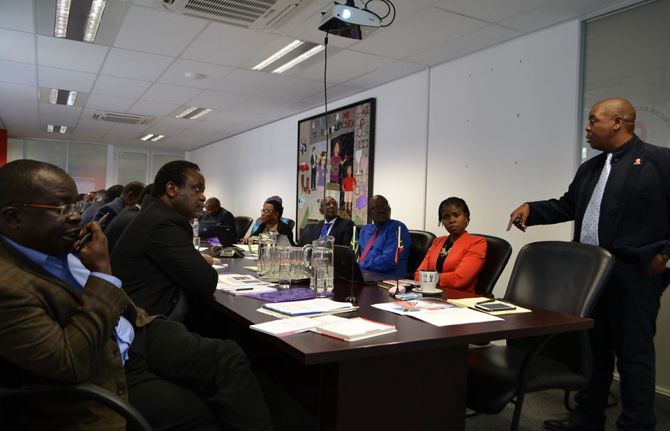
The delegates explored a range of issues, including the multisectoral response in South Africa, legislation, sustainability and service delivery arrangements, including public, private and community service delivery. The study tour included field visits to a community health centre and a medicine-dispensing ATM.
In a meeting hosted by the South African National AIDS Council (SANAC), its Chief Executive Officer, Sandile Buthelezi, told the delegation that HIV is still very much a health emergency. Noting the high burden of drug-resistant TB, he said that South Africa was adopting new treatment options. “South Africa has strong political leadership, yet still more needs to be done to reach our targets,” he said. Mr Buthelezi stressed the importance of engaging civil society and working with government institutions and the private sector to coordinate efforts and ensure that the needs of people at higher risk of HIV infection and people living with HIV are reflected in HIV programmes.
Mbulawa Mugabe, the UNAIDS Country Director in South Africa, noted the considerable success in the region, but said there was a risk of complacency. “People are on HIV treatment for the rest of their lives and we need political commitment to invest domestic resources to sustain prevention and treatment efforts in the long term,” he said.
Leonard Maboko, the Executive Director of TACAIDS, noted that the parliamentarians would use the results of their study trip to strengthen their national response, explore innovative service delivery models and advance a multisectoral approach. “Too often we talk among ourselves: we need to consult others on these issues,” he said.
Region/country
Feature Story
Ethiopia demonstrates that communities deliver
15 February 2019
15 February 2019 15 February 2019The Community, Health Education and Knowledge Building (CHECK) project in Ethiopia is a joint collaborative project between the Italian Agency for Cooperation and Development (IACS) and UNAIDS. The project aims to support awareness-raising on HIV prevention and increase demand for the uptake of HIV and other health services, including for noncommunicable diseases.
The project is run through four implementing partners in Hawassa, which lies in the Southern Nations, Nationalities and Peoples’ Region of Ethiopia. It focuses on women, young people and people living with HIV, including elderly people, female sex workers, prison inmates and the employees of private sector megaprojects.
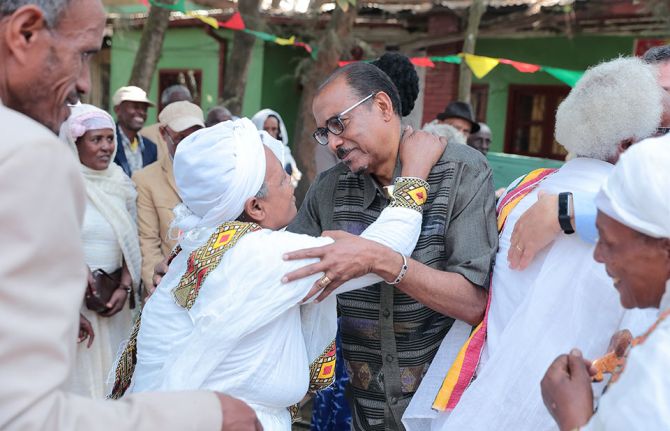
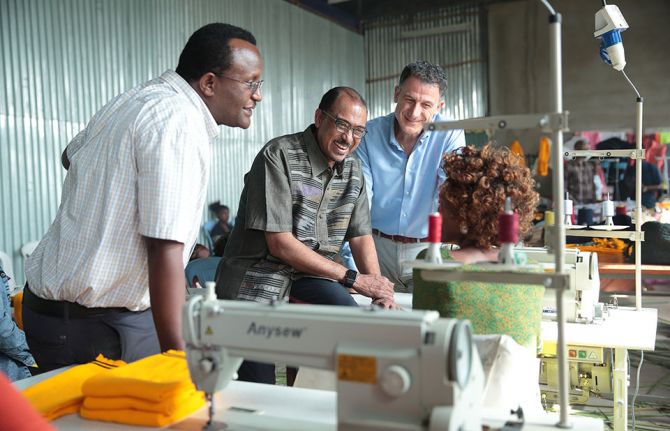
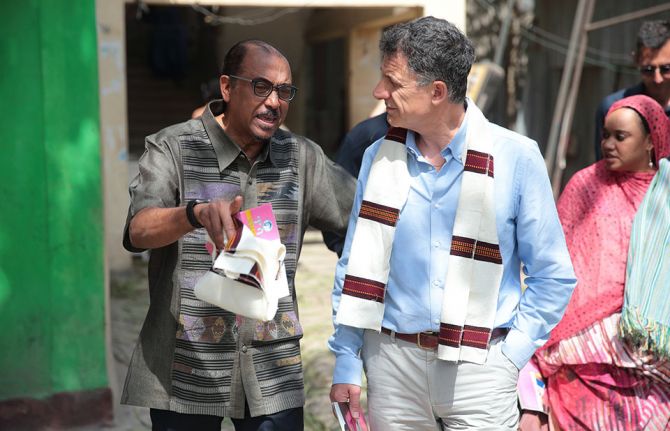
On 7 February, Michel Sidibé, the Executive Director of UNAIDS, Tibero Chiari, the Director of IACS, and Seharla Abdulahi, the Ethiopian State Minister of Health, visited three CHECK project implementation sites in order to assess progress and meet people benefiting from the projects.
“HIV is a disruption of the social fabric that binds us together. But in Ethiopia, the community linkages hold the social antibodies to counteract HIV. When the community has the correct knowledge it can break the chain of HIV and create stronger linkages between people,” said Mr Chiari.
The Tilla Association of Positive Women runs an embroidery centre that supports women living with HIV in Hawassa through income-generating activities. At the centre, women living with HIV produce a range of knitted and embroidered items, such as school jerseys and uniforms for the security industry. Not only does the centre provide financial support for the women, it also provides a safe space and emotional support for the women who work there.
“Tilla is like your mother’s house,” said Aster Kebede, a woman living with HIV who works at the centre. “It is my home, my school, my work … my everything.”
The Medhin Elderly People Living with HIV Association is a short walk down the road from Tilla and has had the same impact on its members. Many of its members spoke of the impact that stigma and discrimination has had on their lives, especially as elderly people living with HIV, and the loss of husbands, wives, homes and incomes because of stigma. The association has also provided small grants to many of its members, who have used the catalytic funding to generate income, build small businesses and change their lives for the better.
“Medhin has restored my self-confidence,” said Bizunesh Kensa, a 64-year-old woman living with HIV. “I don’t feel I am vulnerable anymore; nor do I worry.”
The Hawassa Industrial Park is a megaproject employing 28 000 people, 92% of which are young women and many of whom are from the rural areas of the region. Through the CHECK project, the Regional Health Bureau in Hawassa has produced and disseminated materials on HIV prevention and sexual and reproductive health for workers at the megaproject.
“These projects demonstrate that what matters most is the lives of people. They show the power of community-based projects to restore the dignity of people living with HIV and give them hope for the future,” said Mr Sidibé.
Region/country
Feature Story
OAFLA to broaden its scope of work
14 February 2019
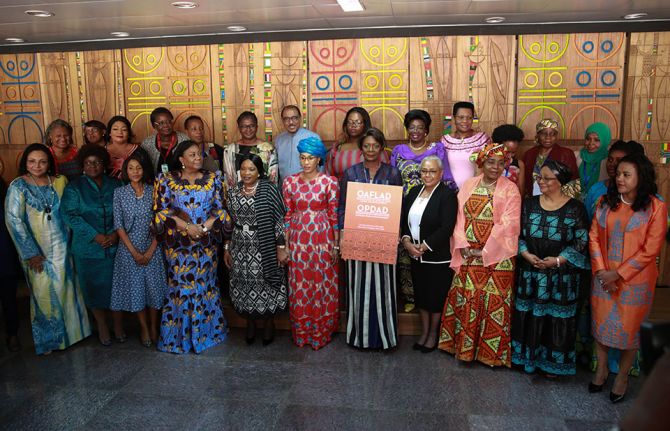
14 February 2019 14 February 2019The Organisation of African First Ladies against HIV/AIDS (OAFLA) has announced that it is to expand its scope of work to incorporate a broader range of development issues affecting the continent. OAFLA has also changed its name, to the Organization of African First Ladies for Development (OAFLAD), and adopted a vision of “A developed Africa with healthy and empowered children, youth and women”.
During its General Assembly, held in Addis Ababa, Ethiopia, on 11 February, the newly established OAFLAD endorsed its 2019–2023 strategic plan, which outlines the key thematic areas that the first ladies will be working on. These include a continued focus on reduction of new HIV infections and AIDS-related mortality, noncommunicable diseases, gender equality, women’s and youth empowerment, reproductive, maternal, newborn and child health, social security and social protection.
In a tribute to Michel Sidibé, the Executive Director of UNAIDS, the First Lady of Burkina Faso and Chair of OAFLAD, Sika Kaboré, said, “What we will remember from Michel Sidibé’s career is that we can reach ambitious targets if we believe in them, if we unite our forces strategically and if we keep our faith in our populations and in the African values of solidarity and sharing.” A number of first ladies added words of support and appreciation for Mr Sidibé’s leadership and engagement over many years, and he was awarded a certificate of appreciation.
“UNAIDS has worked hand in hand with the Organisation of African First Ladies against HIV/AIDS since that very first meeting in 2002. I had the privileged to be there then and I have the privilege to be with you still today. I urge you all to remain committed to ending AIDS, because together we can ensure a better future for our children and young people, and a generation free from AIDS,” said Mr Sidibé.
The first ladies committed to continue to work on one of their flagship campaigns, Free to Shine, a campaign to end AIDS among children, adolescents and young people and keep mothers healthy. To date, the campaign has been launched in 15 countries across Africa, many having integrated the campaign into their national HIV plans. UNAIDS is providing further funding to launch Free to Shine in Zimbabwe and Sierra Leone, with roll-out starting in 2019.
Region/country
Related
Feature Story
Taking action against HIV medicine stock-outs in the Bolivarian Republic of Venezuela
14 February 2019
14 February 2019 14 February 2019Raiza Farnataro lives in the bustling city of Barquisimeto, in the Bolivarian Republic of Venezuela, about five hours away from Caracas. Having lived with HIV for 18 years, she used to access treatment through the public health-care system. However, as the economic situation in the country worsened, medicine became scarce and she began fearing for her life. After two years without treatment, she travelled to the Colombian border, where she could either buy overpriced medicines from pharmacies or access donated medicines from nongovernmental organizations.
Ms Farnataro is just one among an estimated 62 000 people living with HIV in the country who started treatment but lack consistent access to antiretroviral medicines, according to the Venezuelan Network of Positive People. The fallout has been severe. Hospitalization rates among people living with HIV have soared and there are an estimated 20 to 30 AIDS-related deaths every day. By September 2018, an estimated 7700 Venezuelans living with HIV had joined the migrants streaming into neighbouring countries.
“The current humanitarian crisis is leading to a drastic and alarming regression of the national AIDS response that is comparable to, and even worse than, what was experienced at the beginning of the HIV epidemic in the 1980s,” said HIV activist Alberto Nieves of Citizens Action against AIDS (ACCSI). “Deaths, progressive deterioration of health, hunger, denial of access to health-care services and HIV treatment, discrimination, mass migration and xenophobia are the main implications of this crisis for all people with HIV in the country.”
In 2017, UNAIDS-commissioned research by ACCSI generated the first concrete evidence of shortages of antiretroviral medicines, other medicines and HIV reagents.
HIV prevention has also been undermined. Experts are concerned that irregular treatment access could fuel drug resistance in both the Bolivarian Republic of Venezuela and neighbouring countries. Only about a quarter of pregnant women are being screened for HIV and syphilis. Because of food shortages, some mothers living with HIV are opting to breastfeed.
Over the past two years, UNAIDS has coordinated with the Venezuelan Ministry of Health, civil society, the Pan American Health Organization (PAHO) and other United Nations entities and development partners to improve treatment access for adults and children living with HIV in the country, as well as people on the move. UNAIDS joined with civil society and PAHO to support the advocacy that resulted in a Global Fund to Fight AIDS, Tuberculosis and Malaria US$ 5 million allocation to the HIV component of a plan to coordinate support to combat HIV, tuberculosis and malaria in the country.
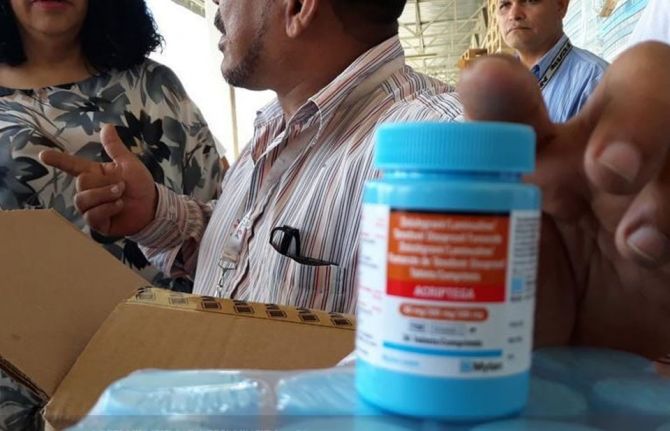
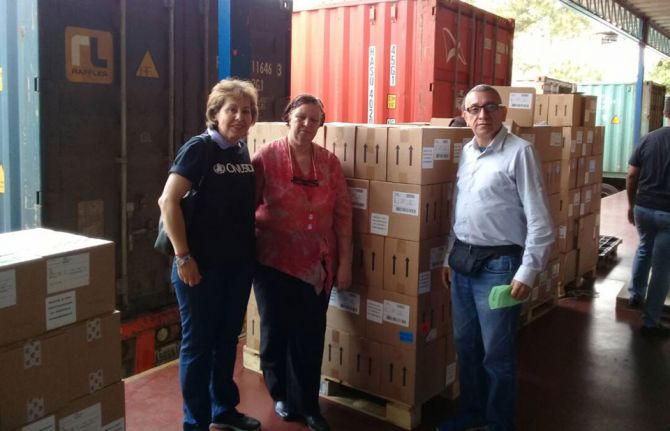
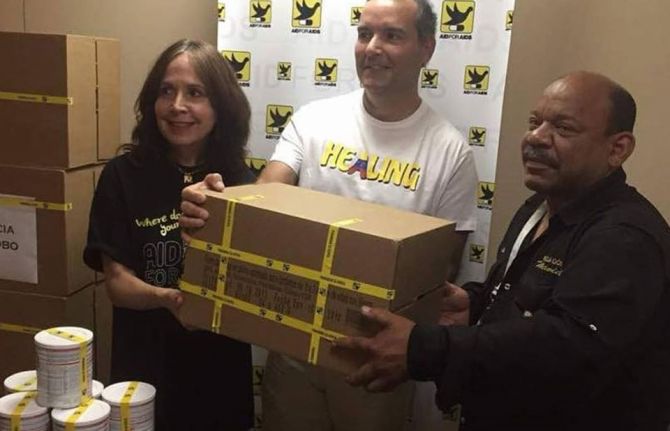
UNAIDS, in partnership with Aid for AIDS International, received more than 60 tonnes of antiretroviral medicines, which were distributed to people through state-run dispensing centres. UNAIDS has also coordinated the donation and distribution of testing kits and breast-milk substitutes.
“Thanks to the support of UNAIDS, the Venezuela Network of Positive People and other strategic partners we managed to ensure that treatment was received and distributed in the country in 2018. Our efforts helped to reduce the impact of the crisis, assuring treatment to a significant percentage of people with HIV,” explained Aid for AIDS Executive Director Jesús Aguais. “Otherwise,” he added, “the tragedy would have been greater.”
This action has saved lives. Over the past six months Ms Farnataro has received her antiretroviral medicines through the public health system, thanks to the donation from Aid for AIDS International.
As a member of the Regional Inter-Agency Coordination Platform for Refugees and Migrants from Venezuela, UNAIDS also advocates for the rights and treatment access needs of migrants living with HIV. Priorities include the establishment of a civil society observatory to monitor access to health services and discrimination, distribution of communication materials around prevention, treatment and care and advocacy to address discrimination and xenophobia.
Amid all this, UNAIDS insists on the need to continue strengthening the country’s HIV response. “We need ongoing work with diverse national and international actors for the welfare of all Venezuelans, and to guarantee the health and quality of life of all people living with HIV in the Bolivarian Republic of Venezuela,” said the UNAIDS Country Director, Regina Lopez de Khalek. “We are working so that the country is not left behind in the global effort to end AIDS.”
Region/country

Feature Story
AIDS care in the Californian desert
12 February 2019
12 February 2019 12 February 2019Palm Springs, in the southern Californian desert in the United States of America, is well known for its hot springs, stylish hotels and golf courses. A playground for the rich and famous, celebrities have flocked to the area since the 1920s.
Palm Springs is also home to a sizable community of people living with HIV, notably gay men, many of whom who are over 50 years old and each with their own very specific health and social needs.
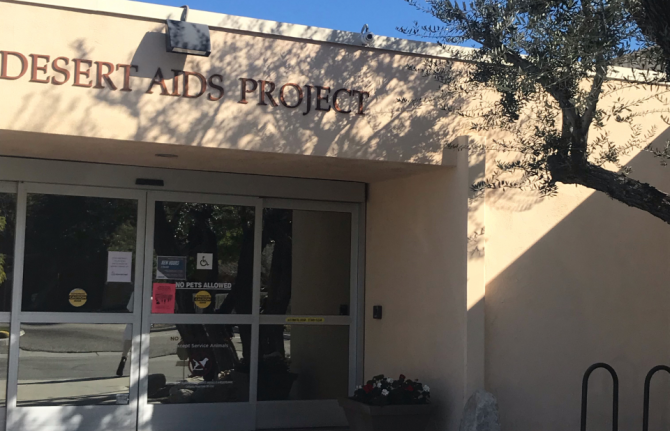
The place many turn to for support is the Desert AIDS Project, a primary health-care centre providing specialized health services for people living with and affected by HIV. Set up by a group of community volunteers in 1984, the Desert AIDS Project has been the Coachella Valley’s primary non-profit health and well-being resource for people from the HIV community for the past 35 years.
“My vision is a comprehensive HIV and primary care health centre with integrative services for all people, regardless of their ability to pay. We believe that addressing the basic humanitarian needs builds the foundation of our holistic approach to care,” said David Morris, the Chief Medical Director of the Desert AIDS Project.
Today, more than 400 volunteers work at the project, which currently has around 4000 clients enrolled in its care, half of whom are affected by HIV. An average of 30–40 additional new clients enrol each month. As well as HIV care, staff and volunteers provide dentistry, behavioural health and social services. They also offer free and confidential HIV testing seven days a week at locations across the region.
“Bringing the Desert AIDS Project and UNAIDS—local and global—together allows us to share strategies, experience and results and also shows how innovative and comprehensive HIV programmes and services in the Coachella Valley can serve as models everywhere,” said Bertil Lindblad, former Director of the UNAIDS New York Office and Director of the Regional Support Team for Eastern Europe and Central Asia, now a member of the Desert AIDS Project’s Board of Directors.
The Desert AIDS Project has become well known and well respected for its policy of providing services to all people in Palm Springs, including the most marginalized. It offers many free or low-cost health services and operates an 80-unit affordable housing community for people in need. A long waiting list for housing has recently prompted an expansion effort to add additional units.
“While many are talking about the end of AIDS, the Desert AIDS Project is innovating, collaborating and working every day to get there,” said Marsha Martin, the North American UNAIDS Programme Coordinating Board delegate for 2017 and 2018.
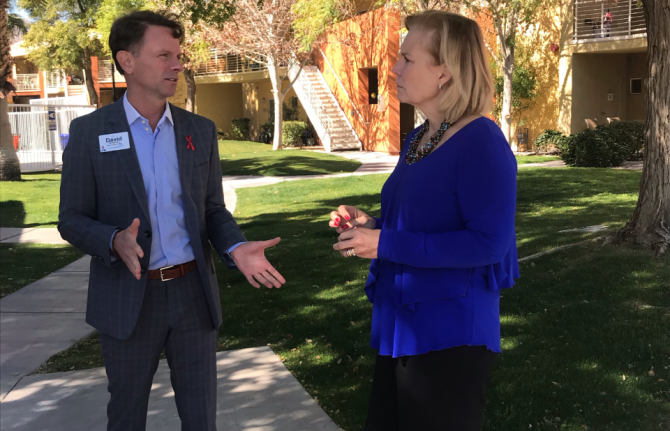
On 8 February, the Deputy Executive Director, Management and Governance, of UNAIDS, Gunilla Carlsson, was invited to visit the Desert AIDS Project to learn first-hand how the centre meets the health-care needs of the HIV community and people at risk of HIV.
“The Desert AIDS Project is an example of how a holistic health-care approach and community action translates into results. It has evolved from being a group of volunteers providing HIV services to be a health provider. Its success shows what can be done when we put our minds to it,” she said.