Feature Story
Africa — Achieving health coverage without compromising on quality
08 March 2019
08 March 2019 08 March 2019Momentum for Universal Health Coverage (UHC) in Africa is building and many African countries have already integrated UHC into their national health strategies. But with 11 million Africans pushed into extreme poverty each year because of out-of-pocket health expenses, how can Africa achieve UHC which delivers a quality package of care for people living in Africa?
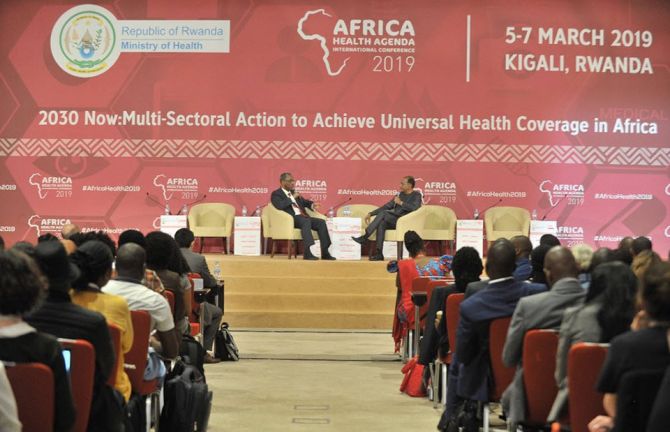
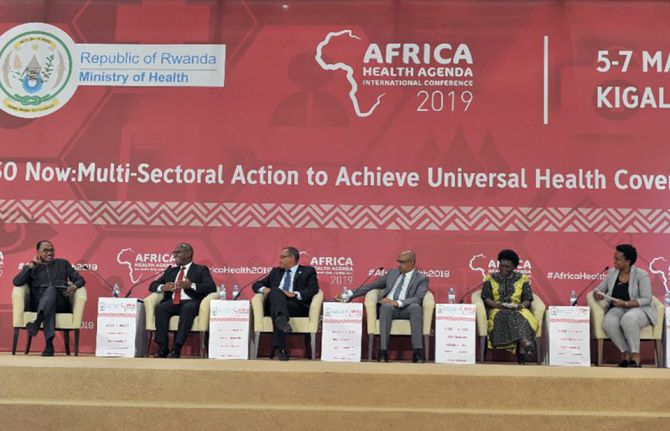
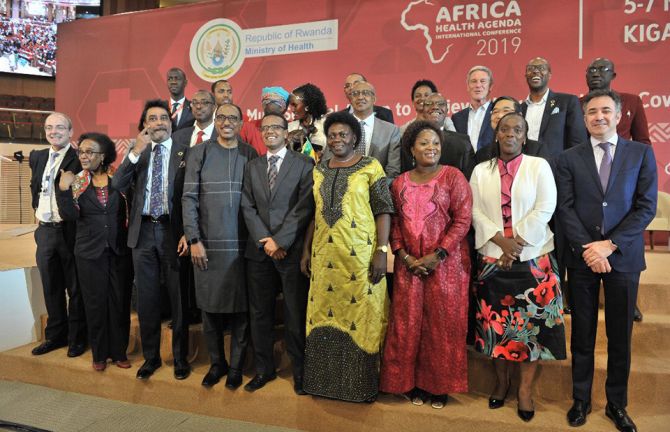
The UHC debate was buzzing in Rwanda’s capital Kigali this week during one of the largest health gatherings in Africa, the Africa Health Agenda International conference 2019. Co-hosted by the Ministry of Health of Rwanda and the African Medical and Research Foundation (Amref Health Africa), 1500 health leaders shared new ideas and home-grown solutions to the continent’s most pressing health challenges.
Participants discussed the need for countries to embrace the concept of UHC and do their utmost to make it work. They stressed that good health allows children to learn and adults to contribute to societies and the economy. They also underscored that it can allow people to emerge from poverty and provides the basis for long-term economic security, essential for the future of the continent.
Host country President, Paul Kagame was awarded the honour of excellence in recognition of his political leadership on UHC. In a tweet he thanked Amref saying, “We owe this progress to partners like you who have joined forces with us in our journey to deliver a dignified and healthy life for all Rwandans.” The Minister of Health of Ethiopia also received an award for Ethiopia’s work in promoting primary health care.
Ensuring that everyone has access to basic health services is a challenge and the key to the success of UHC will be ensuring that the quality of services is good enough to improve the health of the people who access them.
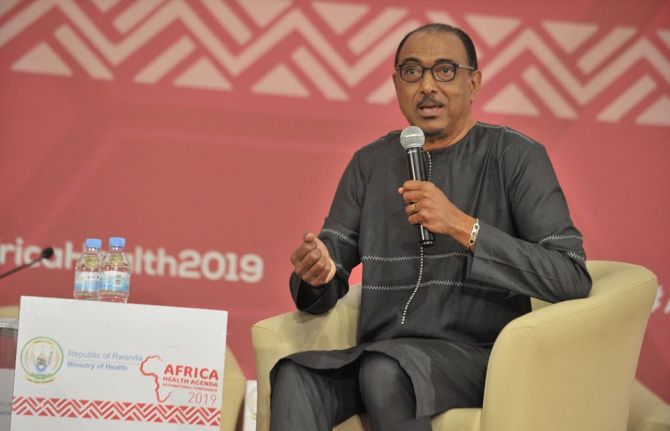
“We need to track the impact of UHC,” said Michel Sidibé, co-moderating a high-level ministerial panel. “Coverage is not enough, we need to be delivering quality, affordable, accessible services to all. The ultimate measure of success for UHC will be whether the poorest, the marginalized and the most vulnerable people are able to benefit.”
During the conference Mr Sidibé participated in a townhall with young people. He spoke to them about their meaningful engagement in the UHC process saying that young people need to ‘claim and own the space.’ He also talked to civil society groups about the remarkable progress towards achieving the UNAIDS 90-90-90 treatment targets across Africa and of the critical need of their continued engagement on HIV within UHC.
The first ever United Nations High-Level Meeting on Universal Health Coverage will take place on 23 September 2019 during the United Nations General Assembly under the theme ‘Universal Health Coverage: Moving Together to Build a Healthier World.’
Region/country

Feature Story
Burkina Faso piloting PrEP
08 April 2019
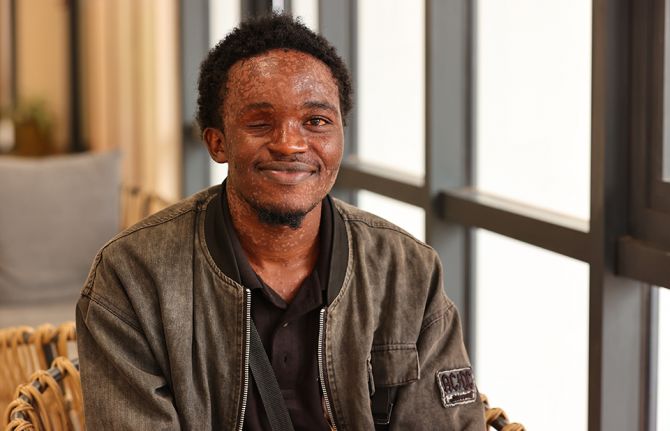
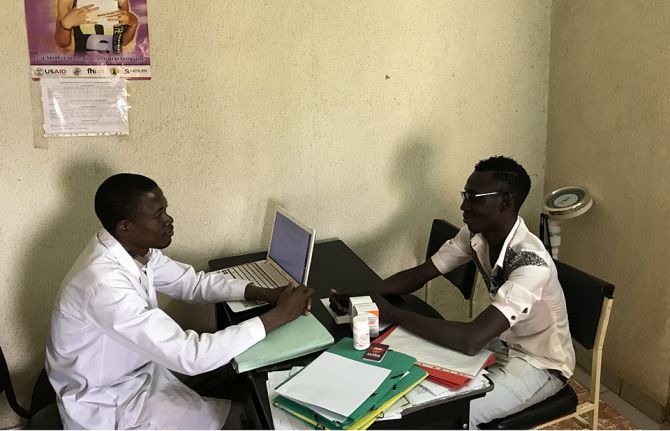
08 April 2019 08 April 2019For the past four months, Benjamin Sana has been regularly attending the Oasis Clinic in Ouagadougou, Burkina Faso, where he sees a doctor who gives him a full check-up.
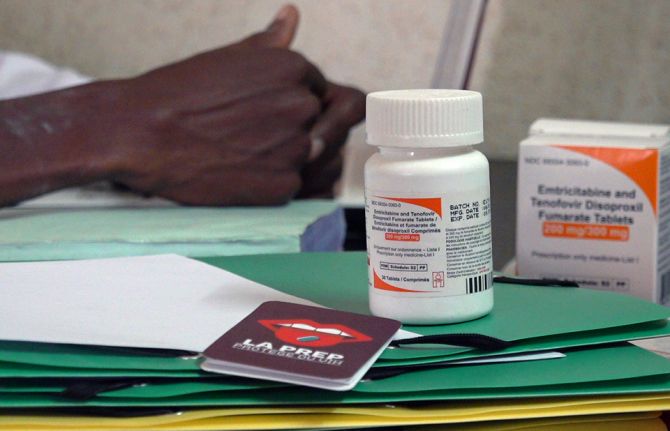
The doctor and peer educators also check whether Mr Sana has any questions regarding his pre-exposure prophylaxis (PrEP) regimen. PrEP is taken by people who are HIV-negative but at higher risk of infection, and has proved to be very effective at keeping people free from HIV.
“Two plus one plus one,” answers Mr Sana, referring to when he needs to take the pills—two pills two hours before sex, then one the day after and one again the following day or one a day until his last sexual encounter. After his check-up, the 34-year-old gay man said, “PrEP protects me and I feel reassured.” He still uses condoms and lubricant, but when he doesn’t he said he feels safer.
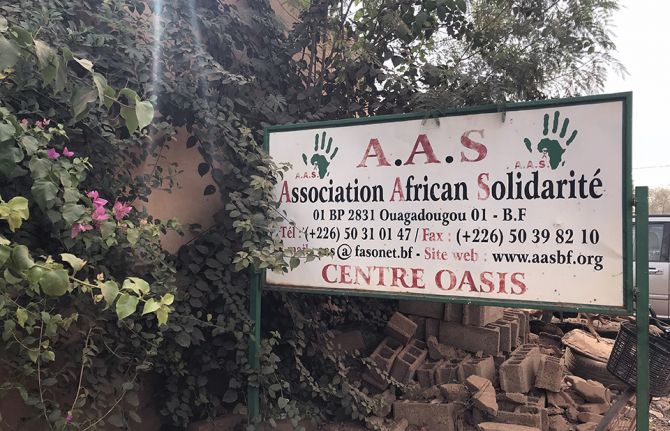
Mr Sana is one of 100 men taking part in the PrEP pilot project at the Oasis Clinic, run by the Association African Solidarité (AAS). Health clinics in Côte d’Ivoire, Mali and Togo are also taking part in the pilot project, which has been running since 2017.
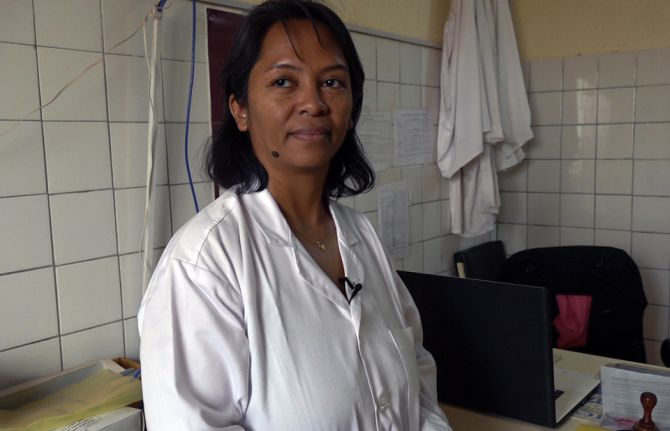
Camille Rajaonarivelo, a doctor at AAS, said that PrEP is part of a combination prevention approach that also involves trained peers from his community. The project will gauge adherence to treatment and whether participants take PrEP correctly, she explained.
“The final aim of this pilot project is to scale up and roll out PrEP nationally once the authorities give the green light,” she said.
The study aims to evaluate whether the preventive option gains traction and how feasible it would be to roll it out nationally and regionally. Financed by the French National Agency for Research on AIDS and Expertise France in partnership with Coalition PLUS and three European health institutes, the pilot project will provide data and ascertain if the treatment lowers the number of new HIV infections among gay men and other men who have sex with men.
Burkina Faso does not penalize homosexuality, but stigma against it is high. As a result, gay men and other men who have sex with men often hide their sexuality and tend to avoid health services. HIV prevalence in Burkina Faso among gay men and other men who have sex with men stands at 1.9%, more than double the rate among the general population.
The first definitive results of the PrEP pilot project in Ouagadougou should be available in 2020. Mr Sana said that many of his friends had shown interest in taking PrEP. “Because the pilot project has limited participants, a lot of people have been turned away,” he said.
He believes that PrEP will save lives, especially those of young men. “Nowadays, young men take a lot more risks and they don’t protect themselves,” Mr Sana said. Ms Rajaonarivelo agreed and added that this applies to young men and young women. “I am stunned to see new cases of HIV every week,” she said. “We have to beef up HIV prevention and awareness again.”
Special page
Region/country

Feature Story
People living with HIV face major challenges in Zimbabwe
08 March 2019
08 March 2019 08 March 2019According to a recent emergency appeal from the United Nations, around 5.3 million people in Zimbabwe are estimated to be in need of urgent humanitarian assistance.
The ongoing economic crisis, compounded by erratic weather conditions in recent years, has led to increased food insecurity and a lack of access to basic essential services, including health care. The appeal is requesting a total of US$ 234 million, including US$ 37.4 million for urgent health needs, to help 2.2 million of the worst affected. The appeal aims to complement Zimbabwe’s ongoing and planned programmes.
Erratic weather conditions, including late onset of rains and below-average rainfall, are affecting farmers and pastoralists across southern Africa, including Zimbabwe. This in a region where agriculturalists are still recovering from a severe El Niño induced drought in 2015/2016. Unpredictable rainfall patterns and a lack of pasture has weakened livestock and outbreaks of crop pests and livestock diseases are prevalent in many districts.
The deteriorating humanitarian situation and the country’s worsening economic circumstances, including currency volatility, are adding to an already difficult situation for Zimbabwe’s 1.3 million people living with HIV.
Household food insecurity and limited access to hygiene, sanitation and water can have a disproportionate impact on people living with HIV. HIV medication should not be taken on an empty stomach. Attacks of severe diarrhoea, cholera or other gastrointestinal infections can accelerate progression to serious AIDS-related illnesses if left untreated. In 2018, Zimbabwe recorded its second biggest cholera outbreak in its recent history. The country is also facing thousands of cases of typhoid fever.
Meanwhile, the lack of access to foreign exchange has significantly reduced stocks of essential medicines, diagnostics and other medical supplies. Some private pharmaceutical suppliers now only accept United States dollars and their prices have dramatically increased. In these circumstances, many people, including people living with conditions such as HIV and tuberculosis, are unable to pay for medicines and basic health services. Where clinics do have availability, many people cannot afford the cost of transport. Lack of adherence to treatment puts patients’ health at risk and may lead to drug resistance.
The fragile situation in Zimbabwe also increases the risk of HIV infection, especially for women and girls, refugees and the internally displaced. During periods of humanitarian emergency, where populations are on the move, girls are particularly vulnerable to family separation, early marriage, teenage pregnancy, gender-based violence and extreme coping mechanisms, including transactional sex.
“UNAIDS is very concerned about the worsening humanitarian situation in Zimbabwe, where people living with HIV are disproportionately affected by food insecurity and shortages of essential medicines,” said UNAIDS Executive Director, Michel Sidibé. “UNAIDS stands ready to work with all national and international partners to ensure that we mitigate the effects of the current situation so that people can access essential services, including HIV treatment and prevention services.”
Learn more
Region/country
Related
Feature Story
Turning words into action for gender equality
07 March 2019
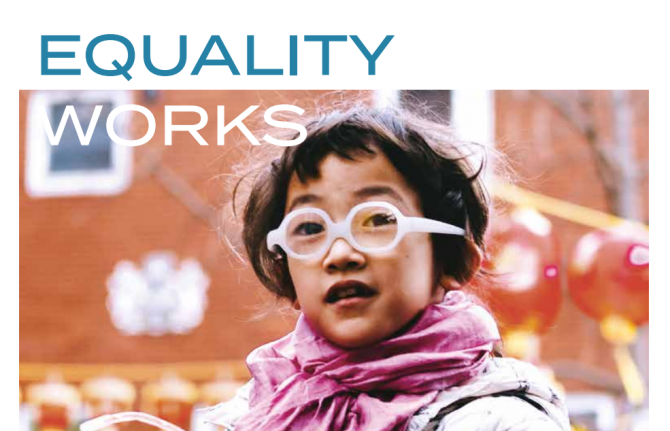
07 March 2019 07 March 2019The second annual Global Health 50/50 report was launched on 7 March in Addis Ababa, Ethiopia. The report reviews progress made over the past 12 months by organizations active in the health sector to implement policies that promote gender equality, non-discrimination and inclusion in the workplace.
This year’s report, Equality works, reviews the gender-related policies and practices of almost 200 organizations. The sample includes organizations from 10 sectors, headquartered in 28 countries across the world that together employ an estimated 4.5 million people.
The report provides a comprehensive guide to how far global organizations active in health are taking steps to promote gender equality across four areas: commitment, evidence-informed policy content, equitable outcomes in power and pay and gender-responsive programming.
The Global Health 50/50 review identifies 14 organizations as very high scorers across these four areas, including UN Women, the United Nations Development Programme and the United Nations Population Fund. UNAIDS is included in a list of a further 17 organizations identified as high scorers.
However, the report stresses that even among good performers, there remains an urgent need for organizations to live up to and put into practice their stated policies on equality, non-discrimination and inclusion.
Ethiopia’s President, Sahle-Work Zewde, was the keynote speaker at the launch and spoke of the need to promote female leadership to implement policies and programmes that foster gender equality.
Ms Sahle-Work is Ethiopia’s first female head of state and currently the only female head of state across Africa. Ethiopia’s Prime Minister, Abiy Ahmed, has ensured gender parity among his cabinet ministers.
Speaking at the launch of the report, Michel Sidibé, UNAIDS Executive Director, said it was fitting that the event was taking place in Ethiopia and spoke of the importance of reaching gender equality as a matter of social justice.
“Women continue to be left behind and are more likely to face harassment and discrimination and slower career progression,” said Mr Sidibé, “It is an outrage that on average women today earn 20% less than men for no reason other than their gender. This must change.”
Mr Sidibé said UNAIDS had made progress on gender parity but acknowledged there was more to be done. He said that UNAIDS had increased the proportion of female country directors from 26% in 2013 to 48% today. He also pointed to the introduction of a single parental leave policy and the expansion of the UNAIDS Leadership Programme to all women in the organization as examples of its commitment to reaching gender equality.
Report
Feature Story
State of Gujarat establishes Transgender Welfare Board
26 February 2019
26 February 2019 26 February 2019In a landmark ruling in April 2014, India’s Supreme Court introduced recognition of a third gender and directed that transgender people must have access to the same rights to social welfare schemes as other minority groups in the country.
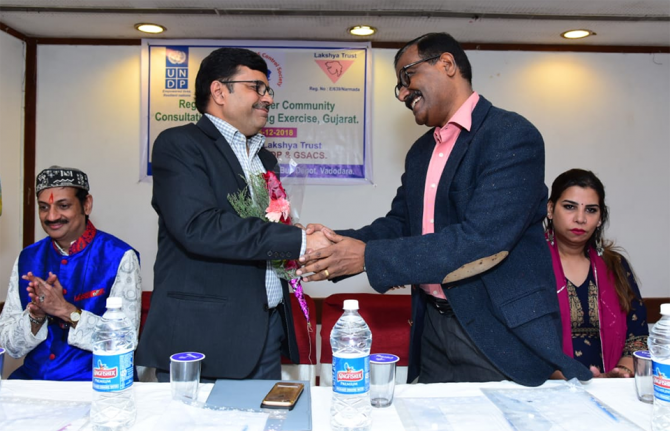
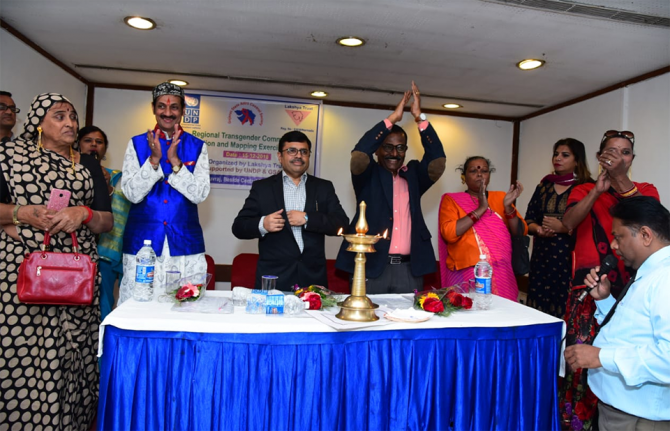
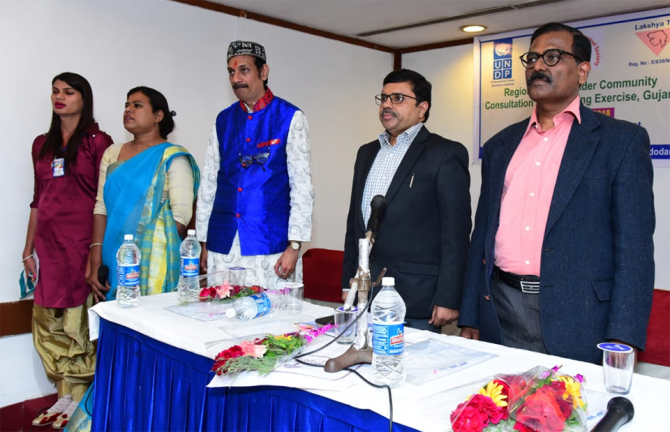
Now, the State of Gujarat has established a Transgender Welfare Board to increase access to essential services for transgender people, including to health care, housing, education and employment. The Ministry of Social Justice and Empowerment created the board following consultations with the transgender community and community groups, including the Lakshya Trust and Vikalp. UNAIDS and the United Nations Development Programme provided technical support and guidance throughout the process.
The new board aims to improve cross-departmental coordination to improve the delivery and provision of services for the transgender community. The 16-member board will include 8 civil society representatives, including representatives from the third gender community and will be chaired by the Minister for Social Justice and Empowerment.
"The new welfare board is a great effort to help in day-to-day issues faced by transgender people. We hope that issues of livelihood, employment, social security and the protection of human rights will be addressed by the board," said Aakriti Patel of the Lakshya Trust.
Part of the board’s work will be to work on the development of an agreed legal definition of who can be designated as transgender.
“UNAIDS looks forward to working with the new Transgender Welfare Board in Gujarat. I applaud the ministry and all partners for the work they have done in helping to create the board, which will greatly improve the lives of the transgender community,” said UNAIDS Country Director for India, Bilali Camara.
UNAIDS will continue to provide support to the board with the development of a policy road map and the roll-out of social protection programmes for transgender people. UNAIDS is also working with the private sector in Gujarat to provide skills training for around 3000 transgender people.
In India, HIV prevalence among transgender people is 3.1%, compared to the national HIV prevalence among all adults of just 0.2%.
Region/country
Feature Story
Young people change the narrative on HIV in South Africa
26 February 2019
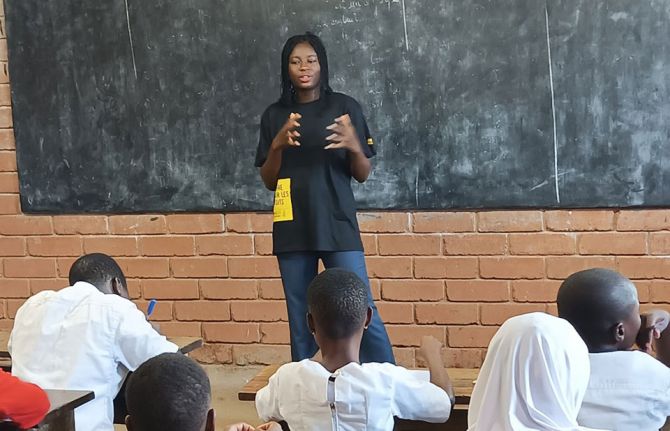
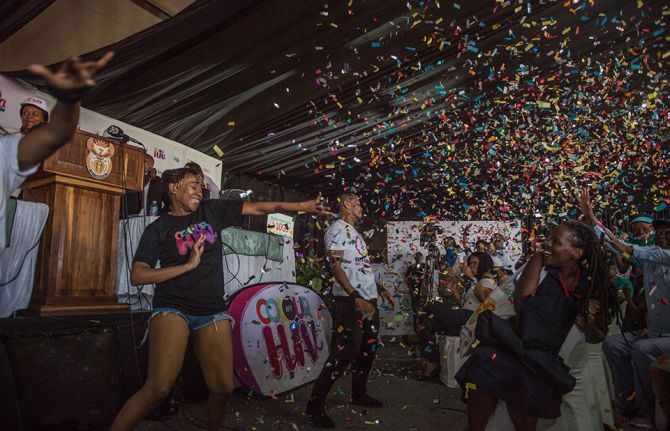
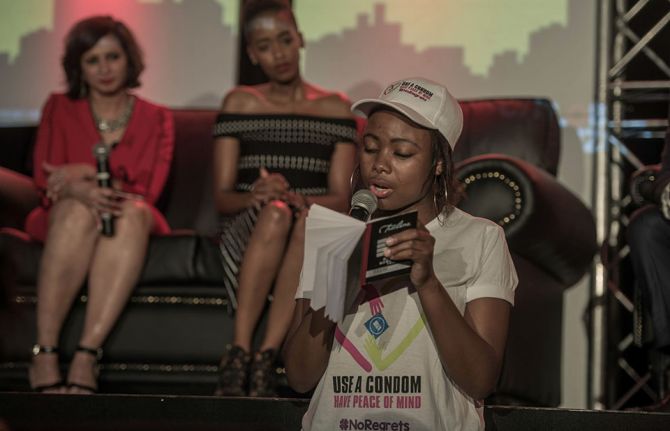
26 February 2019 26 February 2019Colour my HIV is an HIV prevention and empowerment campaign led by and focused on young people in South Africa. It was launched on World AIDS Day 2018 in Johannesburg, South Africa.
The aim of the campaign is to create an information platform to debunk myths and misconceptions about HIV in order to reduce HIV-related stigma and discrimination, increase knowledge of HIV by presenting new findings by experts and researchers, promote human rights, advocate for political commitment and accountability by policy-makers and other partners and highlight issues around HIV prevention among young people.
UNAIDS sat down with Sibulele Sibaca, the founder of the campaign, to ask her a few questions.
Question: Describe Colour my HIV in five words
Vibrant. Youthful. Life-changing. Futuristic.
Hopeful in all that we do. We hope that by 2030 we will end AIDS. With Colour my HIV we’re hopeful that young people themselves will change the course of HIV.
Question: What do you want to achieve with Colour my HIV?
Firstly, I want get to a point in South Africa where being HIV-positive is like having any other chronic disease—diabetes, high blood pressure—in that it’s a manageable illness.
Secondly, to change the narrative where people think that when you contract HIV it is a death sentence. It’s no longer that at all. South Africa has one of the most well-implemented HIV treatment programmes in the world. I remember when a very close person in my life contracted HIV, the doctor said, “You should be so glad you got HIV in South Africa. This is the country to be in when you have HIV. In other countries people are still crying for HIV treatment and you have it here; all you have to do is adhere to it.”
Thirdly, the stigma around testing for HIV is that if I test positive I am going to die, so people must know that they will not die when they are HIV-positive. It’s one of the reasons I have called the campaign Colour my HIV. We must own it. We must celebrate how far we’ve come with HIV as a country. Let’s not discriminate or stigmatize, instead we must go out and get tested for HIV.
Question: Why the focus on young people?
Primarily, we were thinking of adolescent girls and young women between the ages of 15 and 24 years, because they are the most at risk of HIV infection in South Africa. In this age group, nine girls contract HIV every hour in South Africa. My question is, how and why? Where are they? What are the circumstances that lead to the moment they contract HIV? Are they hungry? This group can be influenced. The messages planted in their heads are critical, as they are still growing. So, Colour my HIV looks to be that voice of reason, to teach and educate them about why they should get tested, to prevent themselves from contracting HIV.
However, it is difficult to focus on girls in isolation. We can’t solely speak to girls, we have to engage boys as well. Men and boys hardly visit the clinic, test or take medication. They have to be included in the narrative, which is why Colour my HIV focuses on young people in general.
Question: Where do you see Colour my HIV in five years?
In the short term, we are looking to start touring South Africa from April until the next World AIDS Day, going into communities and really just spreading HIV awareness. As HIV is not only an issue on World AIDS Day, we are looking to engage communities on how they can embrace HIV and live in colour.
We actually need to end AIDS by 2030. We have 11 years to go. So, the question is what are we doing now? Hopefully this year we are going to take Colour my HIV countrywide. In the next three years, I want to see it journey from the Cape to Cairo. When they talk about ending AIDS by 2030, I want Colour my HIV to be part of the narrative.
Region/country
Feature Story
Young people to campaign against stigma and discrimination in Egypt
27 February 2019
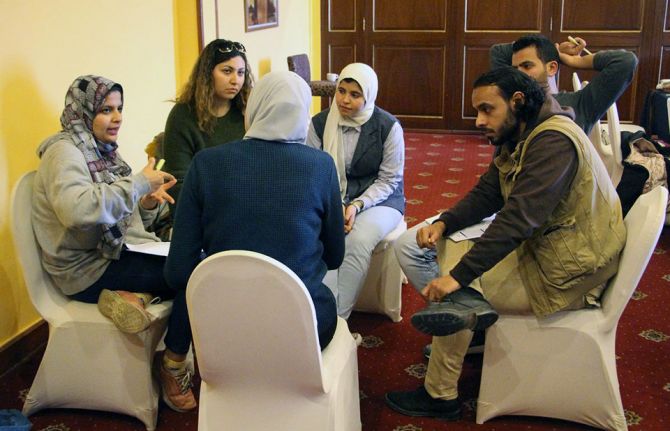
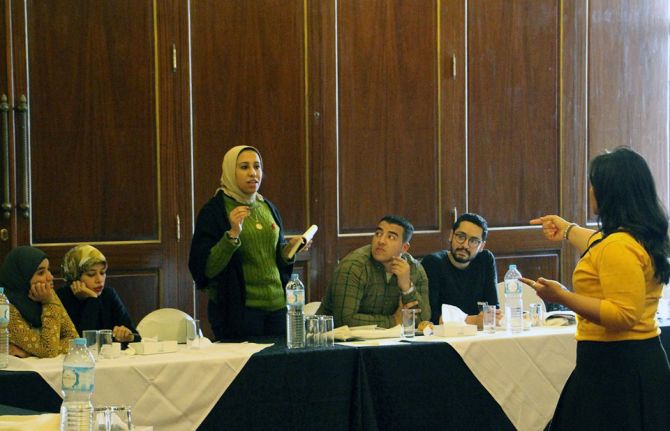
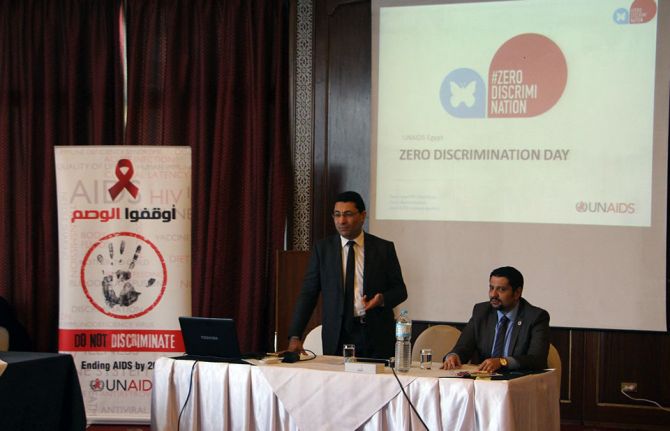
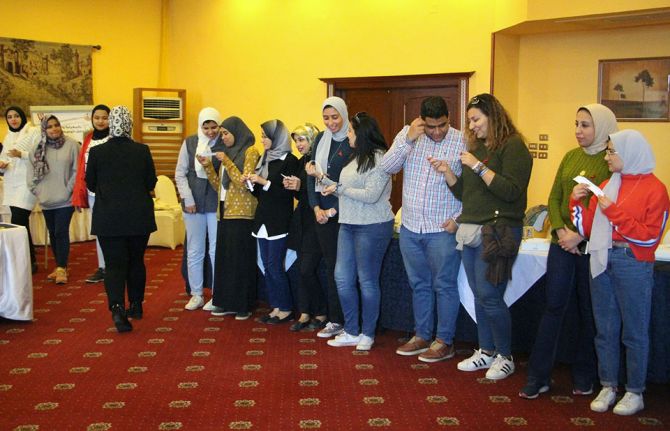
27 February 2019 27 February 2019Ahead of Zero Discrimination Day, young people came together in Cairo, Egypt, to learn how to respond to HIV-related stigma and discrimination and to hear about how the HIV epidemic affects Egypt and the role that young people can play in the AIDS response.
“The burden of the epidemic is higher on young people. In Egypt, it is for young people to lead the HIV response,” said Walid Kamal, Egypt’s National AIDS Programme Manager.
During a discussion on stigma and discrimination, people living with HIV shared some of their testimonies and experiences, helping to give the participants a deeper understanding of how stigma and discrimination affects people living with HIV.
“It is our responsibility to help people living with HIV feel part of the community,” said one of the participating young people.
“It is not only about AIDS, it is about social justice, equality, the empowerment of women and promoting healthy gender norms,” said Ahmed Khamis, the UNAIDS Country Manager for Egypt.
The participants also learned how to plan, design and implement online awareness and advocacy campaigns on social media.
At the end of the meeting, organized by UNAIDS and the National AIDS Programme and held on 21 February, the young people agreed to lead social media campaigns to highlight the harm caused by stigma and discrimination. Starting on 1 March, Zero Discrimination Day, and running for three weeks, the campaigns will be supported by the UNAIDS country office in Egypt and are endorsed by Egypt’s Ministry of Health and Population.
Region/country
Related
Feature Story
How discriminatory Caribbean laws are being challenged in the courts
01 March 2019
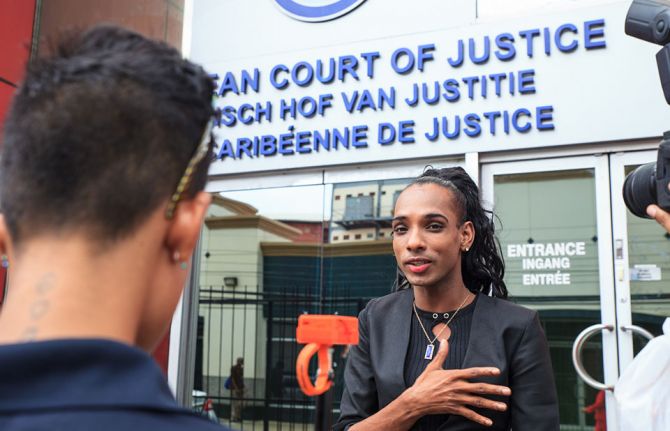
01 March 2019 01 March 2019On the night of 6 February 2009 in Georgetown, Guyana, seven transgender women were rounded up by the police and detained for the weekend. The following Monday, in the Georgetown Magistrates Court, they learned that they had been charged with cross-dressing. They pleaded guilty, were convicted and were each ordered to pay a fine. But not before being admonished by the Magistrate that they were “confused about their sexuality.”
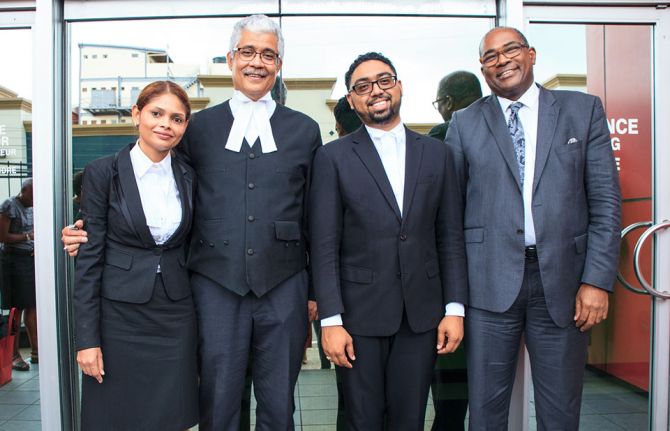
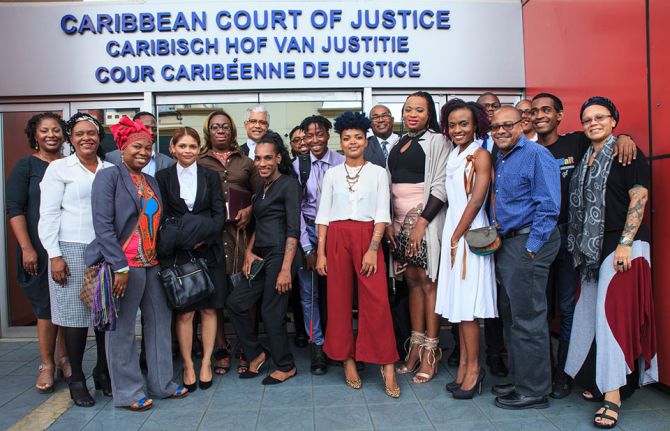
With support from the Faculty of Law University of the West Indies Rights Advocacy Project, U-RAP, the group challenged the nineteenth century Guyanese law that bars men from dressing like women, and women from dressing like men “for an improper purpose”. On 13 November 2018, Guyana’s final court of appeal, the Caribbean Court of Justice (CCJ), ruled unanimously that the law violates the Constitution of Guyana and is therefore void.
“No one should have his or her dignity trampled on, or human rights denied, merely on account of a difference,” CCJ President, Adrian Saunders, said.
For U-RAP Co-Coordinator and law lecturer Tracy Robinson, this was a step towards addressing the unequal power and unequal life chances of many Caribbean people.
"Laws do not apply evenly to everyone: those with the least resources and those marginalized are at greatest risk. Trans women are not the only ones who face lives which are cut short by state action and state inaction. There are many other instances in which we leave out and exclude those who are integral and part of our societies,” Ms Robinson said.
HIV is one manifestation of the way vulnerable communities are left behind. In the region, HIV prevalence among key populations is much higher than among adults generally. For example, among transgender women in Guyana—one of the few Caribbean countries with data on this population—the HIV prevalence is 8.4%, compared with 1.7% among all adults. Relevant Caribbean data indicate that HIV prevalence among gay men and other men who have sex with men ranges between 1.3% and 32.8%. The combination of discriminatory laws, stigma and discrimination and the relative lack of friendly services for members of key populations drives people underground, blocking them from HIV prevention and treatment services.
But in some countries, partners are acting to challenge the constitutionality of discriminatory laws held over from the colonial era. Through a case also supported by U-RAP, Caleb Orozco challenged the law in Belize that made “carnal intercourse against the order of nature,” which includes anal sex, a crime punishable by up to 10 years imprisonment. On 10 August 2016, Belize became just the second independent Commonwealth Caribbean country to decriminalize sex between men, and the first to do so through its courts.
And in Trinidad and Tobago the High Court ruled in favour of Jason Jones on 12 April 2018, finding that sexual activity between consenting adults should not be criminalized. This ruling was cited in the landmark Indian Supreme Court decision in 2018 decriminalizing gay sex.
UNAIDS is contributing to community engagement and communication around these issues, including supporting public forums in Belize and Trinidad and Tobago and the sensitization of journalists reporting on the transgender community in Guyana.
For the litigants, these victories are one step forward in a long journey towards equity.
“It forces communication between families and their lesbian, gay, bisexual and transgender relatives. It encourages people who are lesbian, gay, bisexual or transgender to come out the closet. It forces institutions to think about their administrative practices and the discrimination they justified based on that law. It forces homophobic people to acknowledge that the constitution covers everyone,” Mr Orozco said.
Litigant and co-founder of Guyana Trans United, Gulliver Quincy McEwan, said “It was very important for us to be heard and get justice.”
Feature Story
Health and safety: sex workers reaching out to sex workers
26 February 2019
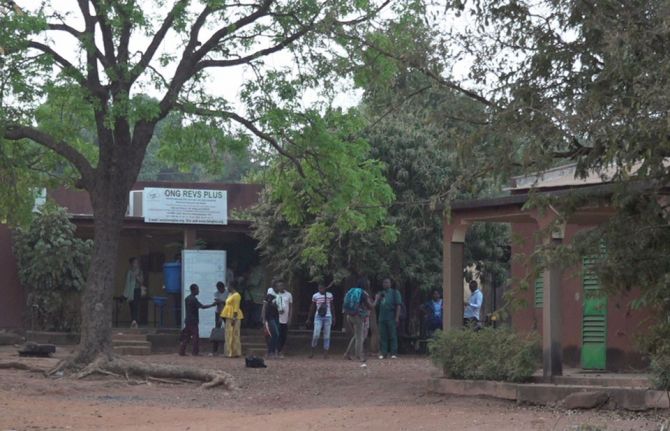
26 February 2019 26 February 2019Leaving the meeting of the REVS PLUS nongovernmental organization, the women bid each other farewell, saying, “A demain soir (See you tomorrow night).” They had gathered at a health drop-in centre that also acts as a network hub for various HIV networks in Bobo-Dioulasso, Burkina Faso, to discuss the following evening’s plan: HIV testing among their peers at selected sites.
“We share our experiences and act as confidantes,” said Camille Traoré (not her real name), a sex worker and peer educator. Her colleague, Julienne Diabré (not her real name), wearing a long flowing dress, chimed in, “In our line of work, it’s hard to confide in someone, so confidentiality is key.”
REVS PLUS/Coalition PLUS advocacy manager, Charles Somé, described the group of women as an essential link in the chain to reach out to sex workers.
“Because of stigma and discrimination, many sex workers hide and move around so they miss out on health services and are much more likely to be infected with HIV,” he said. HIV prevalence among sex workers is 5.4% in Burkina Faso, while it’s 0.8% among all adults in the country.
By recruiting peer educators who know the realities of the job and can relate to other women, Mr Somé said that HIV awareness has increased in the community.
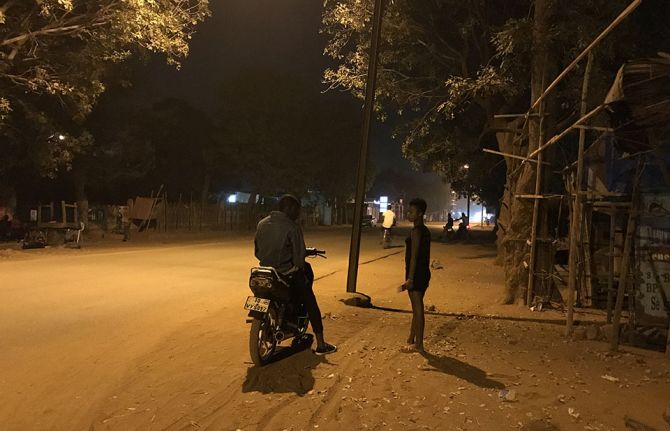
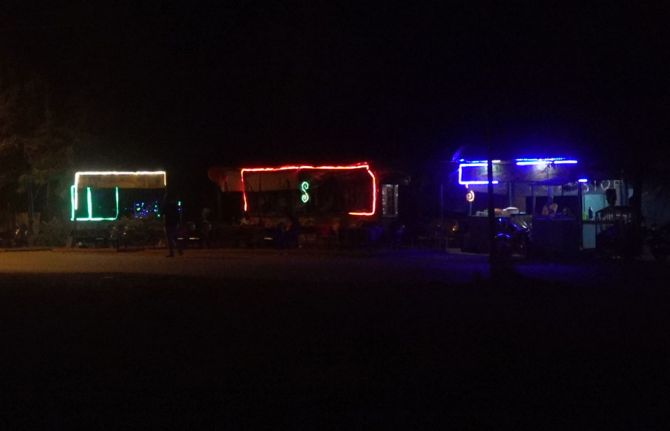
“We also innovated and started HIV testing in the evenings in places where sex workers gather,” he said. Prostitution in Burkina Faso is not illegal, but the penal code forbids soliciting.
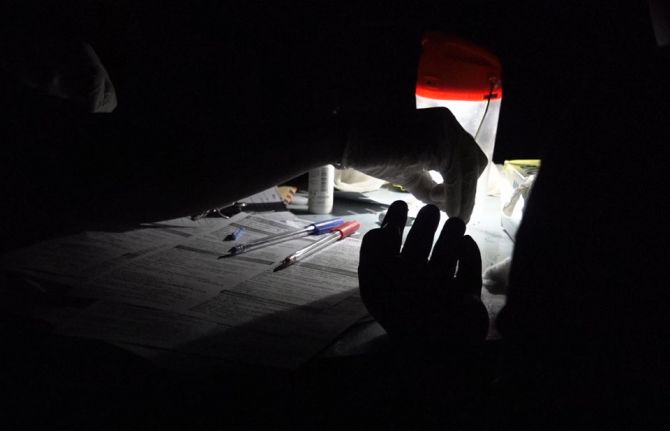
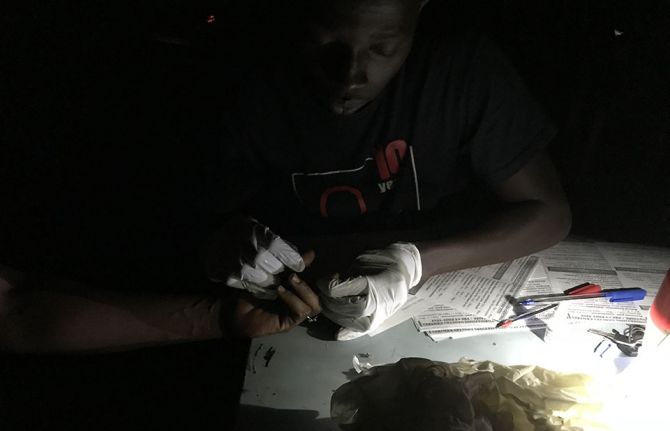
The following evening, along a darkened street, REVS PLUS set up foldable tables with two stools at each table. A solar lamp allowed the peer educators to see in the pitch dark and jot down information. Donning plastic gloves, the trained peer educators sat with women, who had their finger pricked and within five minutes were given their HIV test result. No doctors, no nurses were needed. The testing was done by peers because sex workers are afraid to be identified as sex workers.
Mr Somé explained that over the years REVS PLUS outreach has gained the trust of sex workers.
Peer educators, he said, regularly called him to complain about police violence. “It went from arbitrary arrests, to stealing their money, to rape,” Mr Somé said.
Ms Diabré described her dealings with the police. “During the day they point a finger at you and discriminate, while at night they become all nice to get favours and if we don’t deliver then it gets ugly,” she said.
After documenting police abuse for a year with the help of bar owners and feedback from sex workers, REVS PLUS met with government officials and then the police.
“Our approach got their attention and we started awareness training with police officers based on law basics and sex work,” Mr Somé said.
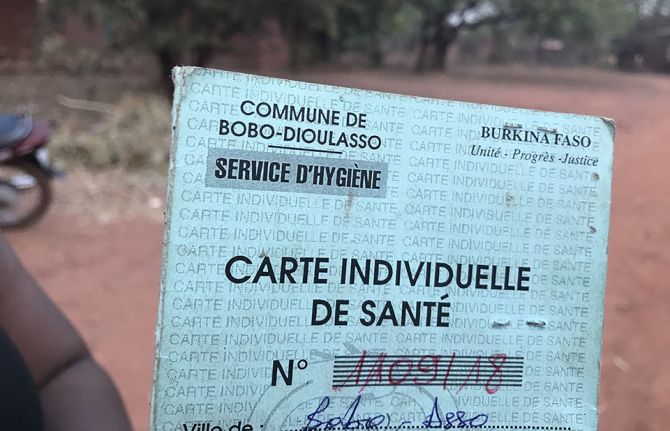
Slowly, REVS PLUS identified allies in each police station, facilitating dialogue whenever an issue occurred. In addition, all sex workers now need to carry a health card showing that they have had regular health check-ups.
A Nigerian woman wearing purple lipstick, Charlotte Francis (not her real name), said, “We still have issues and stay out of their way, but it’s gotten better.” She waved her blue health card, which she says bar owners regularly demand.
Showing off his bar and a series of individual rooms around an outdoor courtyard, Lamine Diallo said that the police no longer raid his establishment. “Before, police would haul away all the women and even my customers,” he said.
UNAIDS, with funds from Luxembourg, is currently partnering with REVS PLUS to scale up the police awareness training across the country. Trainings have taken place in the capital city, Ouagadougou, and in Bobo-Dioulasso.
UNAIDS Burkina Faso Community Mobilization Officer Aboubakar Barbari sees the programme as two-fold. “We supported the awareness sessions for police and security forces because it not only reduces stigma, it also puts a spotlight on basic human rights.”
Special page
Region/country
Feature Story
They don’t judge, so why should I?
28 February 2019
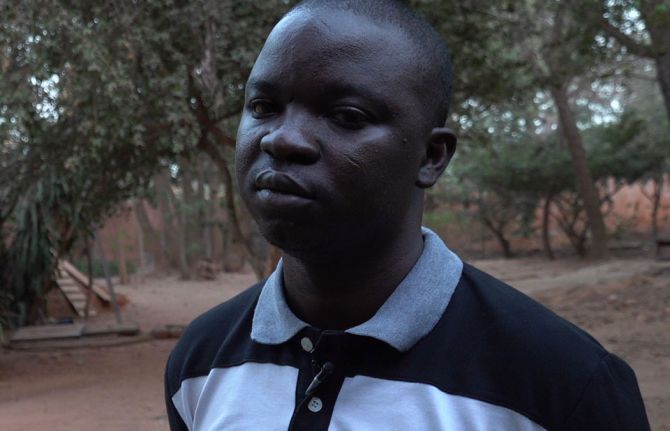
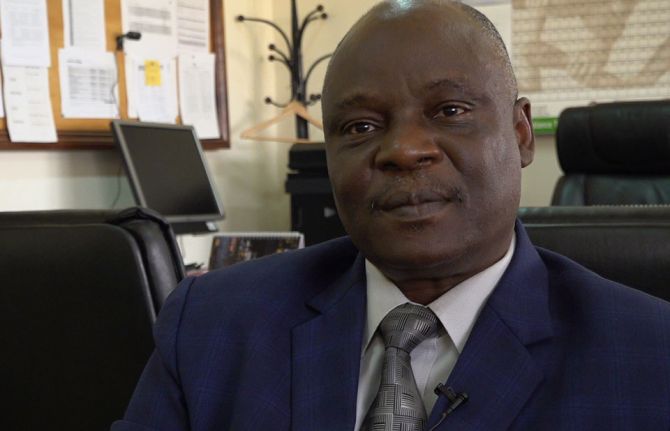
28 February 2019 28 February 2019“I am lucky,” Charles Somé said. The hyperactive human rights advocacy worker from Burkina Faso recalls going to a training event and chiding some of the men there about their sexual orientation. “I had pre-conceived ideas and asked them “Don’t you want to get married?”, “Don’t you want to have kids?”” he said. One young man opened up to him and, after days of honest conversations, Mr Somé had a sea change in his views.
“It dawned on me that if I am not judged, why should I judge others,” Mr Somé said. From then on, when lobbying on behalf of gay men and other men who have sex with men, he has used the word “we”.
“I defend them and respect them,” Mr Somé, who works for the REVS PLUS/Coalition PLUS nongovernmental organization, said.
Homosexuality is not illegal in Burkina Faso, but stigma and discrimination remains high. Many men marry and hide their double life. Support groups for lesbian, gay, bisexual and transgender people have popped up, but discretion is key.
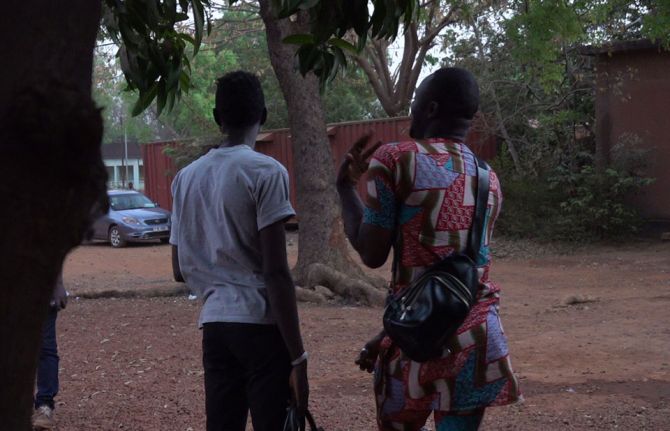
“I am forced to hide because I am not accepted,” Rachid Hilaire (not his real name) said. He joined an informal conversation group in his home town, Bobo-Dioulasso, where young men talked about relationships, sex, HIV and other issues. “I had many doubts about myself, but once I had more confidence in myself, I felt I could help others,” he explained. Standing outside the REVS PLUS meeting room, he joked with Mr Somé about keeping an eye on him. Mr Hilaire is one of 50 REVS PLUS peer educators who facilitate informal talks like the one he had attended tailored to gay men and other men who have sex with men. After being trained, he and another peer educator led frank talks with men.
Mr Hilaire’s biggest challenge, he said, remains educating the general public, along with political and religious leaders. “I blame the older generation for their lack of awareness,” he said. “Everyone deserves to be free and I long to feel that freedom,” he said.
Yacuba Kientega (not his real name) fled his home in Bobo-Dioulasso and moved to Ouagadougou when his family found out he had relationships with men. “I eventually came back to pursue my studies in Bobo-Dioulasso, but am living in a different neighborhood,” he said. For him, he felt things had become better for gay men, but he would not give up the fight.
As a lobbyist for an HIV umbrella network, Mr Somé’s battle for people’s rights never ends.
“I really try to have underrepresented communities heard by the government and parliamentarians,” he said. He believes support groups and peer education have helped to reach key populations, such as people who inject drugs, gay men and other men who have sex with men and sex workers. “We have seen an uptick in health-care services by focusing on certain communities and I hope it will stay that way,” Mr Somé said. “Ending AIDS will necessitate really tackling stigma and putting the onus on prevention,” he added.
The UNAIDS Country Director for Burkina Faso, Job Sagbohan, couldn’t agree more. “The HIV response must follow the evolution of the epidemic,” he said. At one time, we had to save lives and we succeeded by concentrating on treatment for all, he explained. “To end the HIV as a public health threat, we need to zero in on prevention and awareness,” he added. “It’s the only way to maintain our progress and end AIDS.”