Feature Story
UNAIDS is awarded the Science and Medicine Award at the 25th Annual Steve Chase Awards
12 February 2019
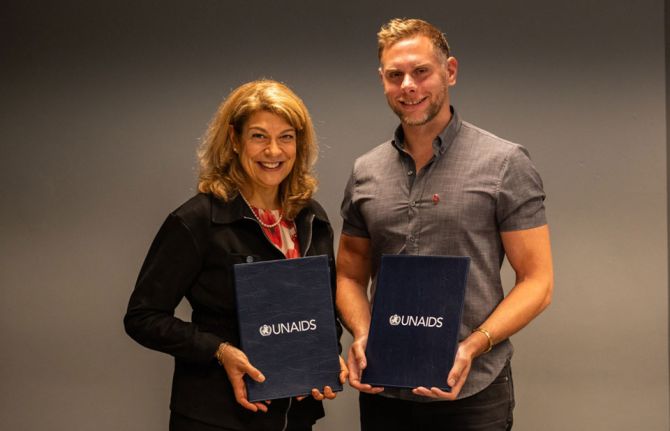
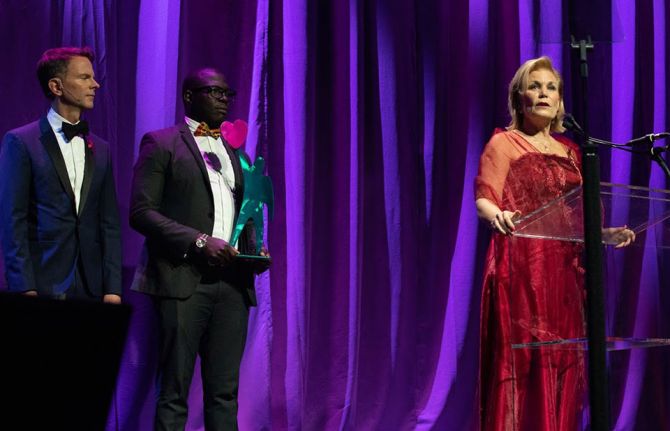
12 February 2019 12 February 2019The Desert AIDS Project has awarded its prestigious Science and Medicine Award to UNAIDS. The award was presented to the Deputy Executive Director, Management and Governance, of UNAIDS, Gunilla Carlsson, at the 25th Annual Steve Chase Humanitarian Awards in Palm Springs, United States of America, on 9 February.
“UNAIDS is deeply humbled to receive the Science and Medicine Award from an organization like Desert AIDS Project, which has made, and continues to make, such an incredible contribution to the AIDS response. We accept this award on behalf of all people working to ensure that no one is left behind or excluded from life-saving HIV services,” said Ms Carlsson.
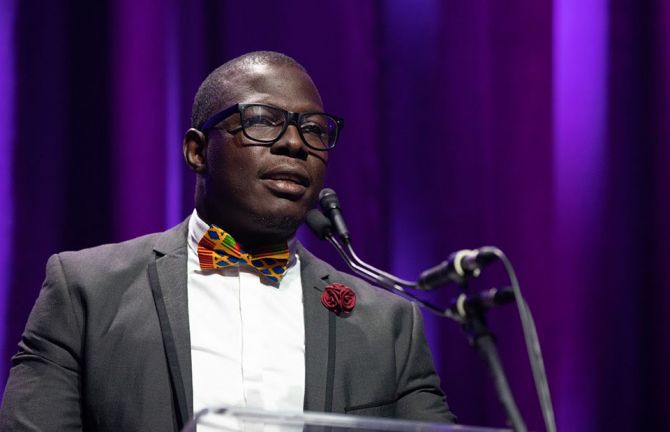
Ms Carlsson was joined on stage by Musah Lumumba El-nasoor, the Team Leader of the East and Southern Africa Youth Alliance on Sexual and Reproductive Health and HIV.
“UNAIDS is mobilizing political support, setting the pace and the global agenda, to ensure that science is matched with the necessary resources and tools to deliver results for all people, including those at the margins of society,” Mr El-nasoor said.
Named after one of the Desert AIDS Project’s earliest financial supporters, the designer Steve Chase, the Steve Chase Humanitarian Awards ceremony is the biggest fundraising event of the year for the Desert AIDS Project and an important event on the Palm Springs social calendar.
Steve Chase died of an AIDS-related illness in 1994 at the age of 52 and left an incredible mark on the Desert AIDS Project through his philanthropic work and his ability to bring people together. The first Steve Chase Awards ceremony was held in his honour in 1995.
The Desert AIDS Project provides HIV prevention, treatment and care services to people living with and affected by HIV across the Palm Springs area. Established by a group of volunteers in 1984, the project is today raising funds to expand its Palm Springs campus. With the support of volunteers and donors, it is hoped that the newly raised funds will help meet the health-care needs of 10 000 people, many who are living with HIV.
The event was attended by around 2000 people and made more than US$ 1 million, which will be put towards the US$ 20 million needed for the Desert AIDS Project’s expansion plans. To date, the Desert AIDS Project has raised US$ 13 million towards its goal.
“With leadership provided by the United Nations, and specifically UNAIDS, all of us, including the Desert AIDS Project, working together will achieve what was previously thought of as impossible: the end of AIDS,” said David Brinkman, the Chief Executive Officer of the Desert AIDS Project.
Past award winners of the Science and Medicine Award include Michael Gottlieb, Desmond Tutu and Anthony Fauci.
Feature Story
Global Fund presents its Sixth Investment Case in New Delhi
08 February 2019
08 February 2019 08 February 2019The Global Fund to Fight AIDS, Tuberculosis and Malaria (Global Fund) presented its Sixth Replenishment Investment Case to donors and partners at a meeting held in New Delhi, India, on 8 February. The Investment Case calls for US$ 14 billion to be invested over three years to help save 16 million lives through programmes for HIV, tuberculosis and malaria.
The Global Fund estimates that investing today will cut the mortality rate for the three diseases in half and build stronger health systems by 2023. Full funding would enable the Global Fund to continue playing a critical role in the response to HIV, tuberculosis and malaria, accelerating progress towards universal health coverage and achieving the Sustainable Development Goals.
“Only with a fully funded Global Fund to Fight AIDS, Tuberculosis and Malaria can we reach the global targets set for HIV, tuberculosis and malaria,” said Tim Martineau, Deputy Executive Director of UNAIDS, Programme, ai. “UNAIDS is committed to continuing to work with the Global Fund to ensure that it meets its financial targets so that countries can end AIDS as a global health threat and save more lives.”
The Global Fund’s Sixth Replenishment target of US$ 14 billion represents an increase of US$ 1.8 billion, or 15%, more than the US$ 12.2 billion raised during the Fifth Replenishment period.
UNAIDS will continue to strengthen its long-established partnership with the Global Fund to maximize the impact of the investments, accelerate inclusive people-centred responses and end AIDS as public health threat by 2030.
UNAIDS estimates that US$ 26.2 billion will be required for the AIDS response in 2020. In 2017, US$ 21.3 billion was available for the AIDS response in low- and middle-income countries, a shortfall of US$ 5 billion. UNAIDS urges both donors and funding from domestic sources to be scaled up to fill the gaps and end the HIV, tuberculosis and malaria epidemics by 2030 as part of Sustainable Development Goal 3.
Together, UNAIDS and the Global Fund have ensured that millions of people living with HIV have access to treatment and that the people most affected by the epidemic have the health and support services they need.
Feature Story
United Kingdom pledges to end HIV transmission in the country within 10 years
07 February 2019
07 February 2019 07 February 2019The United Kingdom of Great Britain and Northern Ireland has announced that it will end the transmission of HIV in the country within 10 years—an announcement that was warmly welcomed by UNAIDS.
In 2016, all United Nations Member States pledged to end AIDS by 2030 in the United Nations Political Declaration on Ending AIDS. This recommitment from the United Kingdom is welcome news that the country remains determined to achieve that goal.
The United Kingdom has dramatically stepped up its efforts to respond to HIV in recent years, resulting in a 28% decline in new HIV cases in the past two years alone. However, the government says it can do more.
The Secretary of State for Health and Social Care, Matt Hancock, launched the campaign, which is backed by an additional £600 000 from the Public Health England HIV Prevention Innovation Fund, at the AIDSfree Cities Global Forum in London on 30 January. The £600 000 will be used to support 14 volunteer organizations that are spearheading new approaches to HIV prevention and will focus on engaging at-risk or underserved communities.
Also at the event, the Secretary of State for International Development, Penny Mordaunt, made a bold declaration about the country’s commitment to ending AIDS globally. “While the world has made great strides in tackling HIV and AIDS, we need to step up our efforts,” she said. “We passionately believe we can create an AIDS-free future for the whole world. That’s the scale of our ambition.”
The United Kingdom Government has played a leading role in the global response to HIV since the start of the epidemic. It has invested £1.2 billion in the Global Fund to Fight AIDS, Tuberculosis and Malaria and is expanding access to antiretroviral therapy though UK Aid, a five-year, £150 million, programme set up to change the lives of more than 3 million of the world’s poorest people.
“This announcement is a further example of how committed the United Kingdom really is to ending AIDS. Not only in the United Kingdom, but around the world,” said Tim Martineau, Deputy Executive Director of UNAIDS, Programme, a.i. “UNAIDS has worked closely with the United Kingdom since 1996 and we look forward to continuing that partnership to ensure that every penny invested brings us one step closer to ending AIDS.”
The event in London was part of the AIDSfree Appeal, a campaign led by the Elton John AIDS Foundation and the London Evening Standard and Independent newspapers. The money raised from public donations through the appeal will be used to support Elton John AIDS Foundation projects in six key cities around the world—Atlanta, United States of America, Delhi, India, Kyiv, Ukraine, London, Maputo, Mozambique, and Nairobi, Kenya. Through UK Aid Match, the United Kingdom Government has pledged to double public donations up to £2 million, to be spent on projects in Maputo and Nairobi.
The AIDSfree Cities Global Forum welcomed leaders from the six cities, who spoke about their hopes for the future. The event was a prelude to the Fast-Track Cities Global Conference, taking place in London in September 2019, at which representatives of more than 275 Fast-Track cities will convene as the first global gathering of cities accelerating their work to end AIDS as a public health threat.
The Fast-Track cities initiative was launched by UNAIDS in 2014 in partnership with the City of Paris, the International Association of Providers of AIDS Care and UN-Habitat to provide support to cities to Fast-Track their HIV responses and end their AIDS epidemics by 2030.
London signed up to the Fast-Track cities initiative in 2018. New HIV infections in the city have fallen by more than 40% in recent years and London has surpassed the 90–90–90 targets—whereby 90% of people living with HIV know their HIV status, 90% of people who know their HIV-positive status are accessing treatment and 90% of people on treatment have suppressed viral loads—having already reached 95–98–97, a remarkable achievement.
“We are eager to take the lessons learned at the forum to a wider gathering of Fast-Track cities later this year in London that will take the measure of progress made and challenges still to be addressed,” said José M. Zuniga, President and Chief Executive Officer of the International Association of Providers of AIDS Care.
Region/country

Feature Story
Reducing harm for women who inject drugs in Myanmar
06 February 2019
06 February 2019 06 February 2019In the mining town in northern Myanmar where Hla Hla (not her real name) lives, drugs are easy to come by. Hla Hla started using drugs as a teenager. Some years later, an outreach worker friend accompanied Hla Hla to a health drop-in centre, where she discovered that she was living with HIV. She was initially afraid to tell her husband and family, as she was worried about what other people would think.
Hla Hla’s story is not unique. In Kachin State, Myanmar, where an estimated 21 000 people who inject drugs live, two out of five people who inject drugs are estimated to be living with HIV, according to government statistics.
Kachin State has long been affected by socioeconomic challenges, conflict, opium cultivation and drug use. Migrant workers are drawn from across Myanmar and neighbouring countries to work in its jade and amber mines.
There have been harm reduction programmes, including needle–syringe programmes and opioid substitution therapy, in Myanmar for more than a decade, and the government recently reinforced its commitment and support for harm reduction. However, a recent police crackdown resulted in an increase in arrests of people who use drugs, limiting access to services and increasing stigma and discrimination.
In Kachin State, as well as in Shan North State and the Sagaing Region, the USAID HIV/AIDS Flagship Project focuses its support for harm reduction programmes on delivering HIV prevention and treatment services for people who inject drugs. UNAIDS provides technical guidance for the project, which is implemented by Community Partners International.
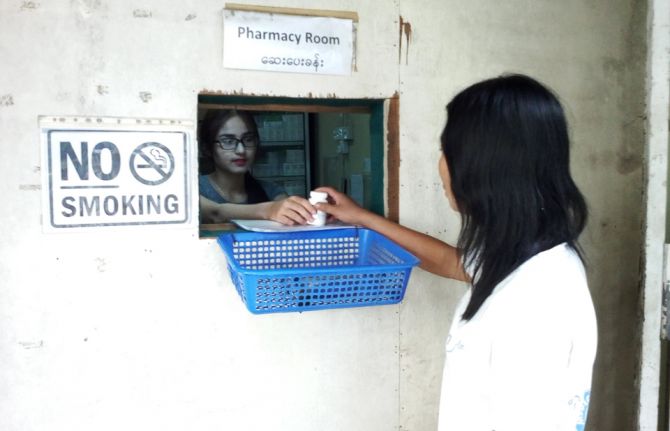
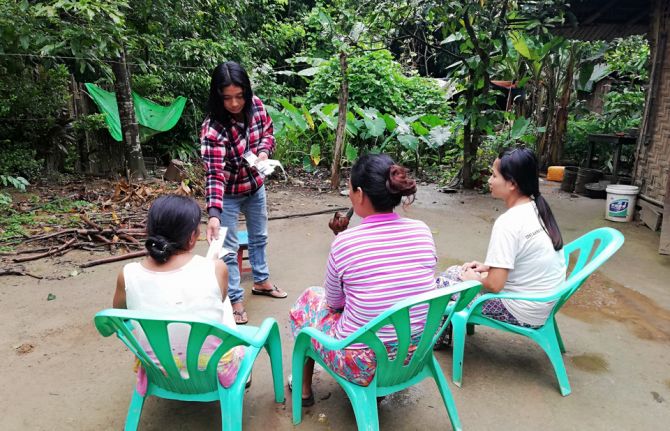
One gap being addressed by the project is the lack of female-friendly harm reduction services for women who inject drugs and the sexual partners of men who inject drugs. Women who inject drugs in the region often prefer to remain anonymous and may feel more comfortable working with female health workers. One of the implementing partners, Médecins du Monde, designed an initiative to increase service access for women by setting aside one day per week exclusively for women at its drop-in centre. The women-specific service package includes sexual and reproductive health services, gender-based violence counselling and family planning, in addition to harm reduction services provided by female staff.
Hla Hla attends the drop-in centre and enjoys talking with her peers. Although initially afraid to disclose her status to her husband, she eventually did so when he talked about wanting to have a child with her. Disbelief was followed by acceptance and he took an HIV test.
“The drop-in centre is really helpful for me because now I am healthy and can work, thanks to antiretroviral therapy. Furthermore, I am very happy because my husband is HIV-negative. I have more knowledge about health and can share that with my family and friends,” said Hla Hla.
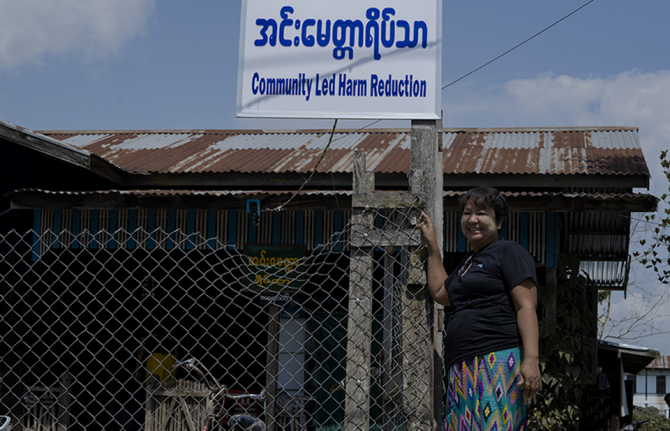
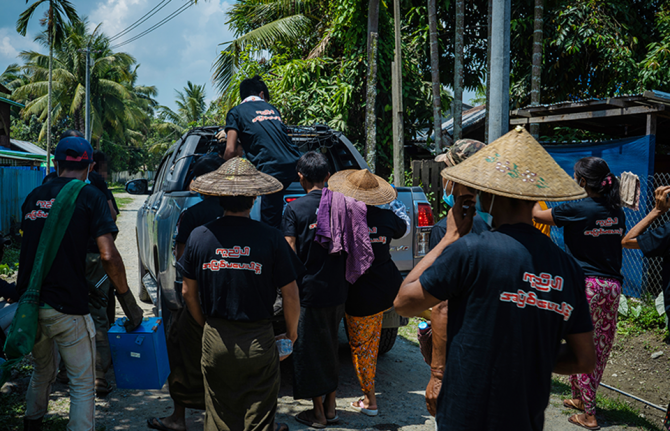
Aside from providing HIV prevention and treatment services for women who inject drugs, the USAID HIV/AIDS Flagship Project supports initiatives such as the Local AIDS Committees, which provide a platform to raise community awareness about the health risks of drug use and the importance of harm reduction programmes.
Saw Yu Htwe is a mother of three and a Local AIDS Committees member. When one of her children started using drugs, she realized that people who use drugs need understanding and support from their family and community. She is determined to help people who use drugs by creating a better environment for them to address their health and socioeconomic needs.
“People ask us why we are helping people who use drugs, since they think these people are not good. People who use drugs are also human. If we, the community, do not change how we think and our attitudes towards them, our region and our country will not be able to develop,” said Saw Yu Htwe.
Region/country
Feature Story
It’s time to make cervical cancer history
04 February 2019
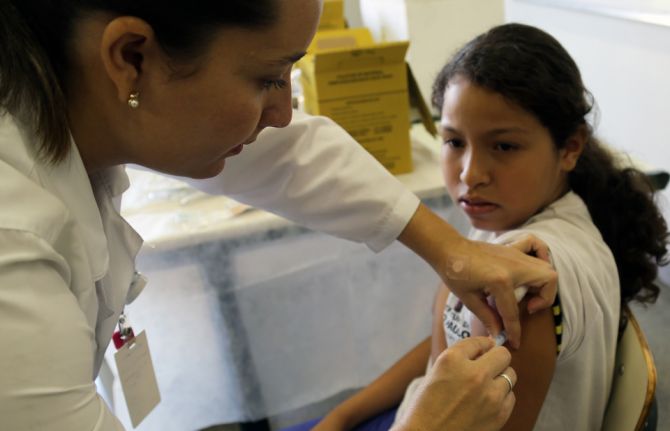
04 February 2019 04 February 2019Cervical cancer is preventable with the human papillomavirus vaccine. And if detected and treated early, it’s also curable. So why are so many women still developing and dying from cervical cancer?
In 2018, there were an estimated 570 000 new cases of cervical cancer and 311 000 deaths from it worldwide. Much like HIV, cervical cancer is a disease fuelled by social, economic and political inequities. Lower-income countries bear the highest burden, with nearly 80% of all cervical cancers and 90% of deaths.
If cervical cancer prevention, screening and treatment are not urgently scaled up, experts estimate that by 2040 there could be a 50% increase in deaths over 2018 levels.
HIV and cervical cancer are tightly intertwined. Cervical cancer is the most common cancer among women living with HIV. Women living with HIV are up to five times more likely to develop invasive cervical cancer than other women. In sub-Saharan Africa, cervical cancer is the number one cancer killer of women.
Despite the increased risk, many women living with HIV do not have access to regular screening or treatment for cervical cancer. A 2016 study in Malawi showed that only 19% of women aged 30–49 years living with HIV had ever been screened for cervical cancer. In the survey, among the poorest women living with HIV, only 2% had ever been screened for the disease.
“It is unacceptable that women around the world are dying from cervical cancer because they do not have access to life-saving vaccines, screening and treatment,” said Ani Shakarishvili, a Special Adviser at UNAIDS. “We save a woman’s life by ensuring that she has access to antiretroviral therapy for HIV, yet she dies from cervical cancer. Services must be integrated and available to all, without exception.”
Linking cervical cancer screening and HIV services is cost-effective and saves lives. UNAIDS is working with the United States President’s Emergency Plan for AIDS Relief and the George W. Bush Institute to incorporate cervical cancer screening and care into clinics where women are already accessing HIV services in eight countries across sub-Saharan Africa. The partnership aims to reduce cervical cancer incidence by 95%.
The World Health Organization has recently announced that it will be accelerating global efforts to eliminate cervical cancer as a global public health problem and will continue to take a leading role, including by developing a global strategy towards eliminating cervical cancer, a move warmly welcomed by UNAIDS.
“As in the global AIDS response, we must approach cancer prevention and treatment as an opportunity to lead a broad coalition demanding health as a fundamental, universal human right,” added Ms Shakarishvili.
On 4 February, World Cancer Awareness Day, UNAIDS is recommitting its support to the global call to action to eliminate cervical cancer and address inequalities by raising awareness and increasing access to prevention, detection and treatment for girls and women at risk, including women and girls living with HIV.
Related

Feature Story
With UNAIDS’ support, everyone counts
28 January 2019
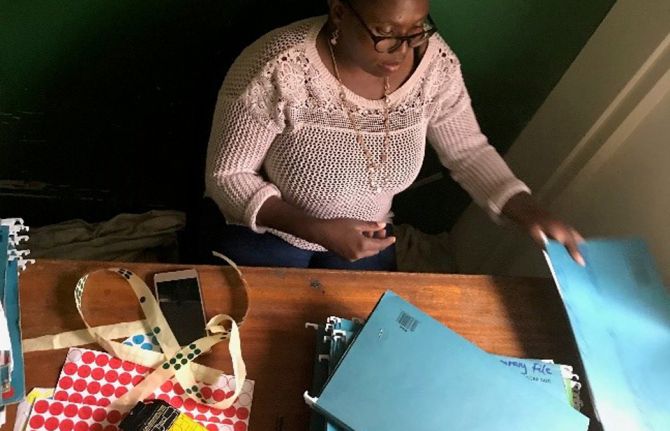
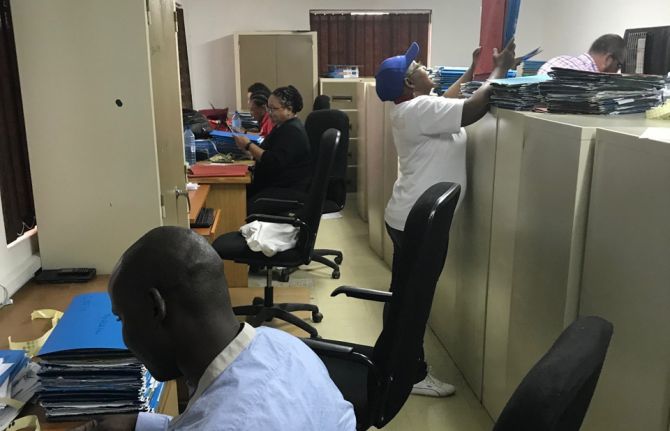
28 January 2019 28 January 2019For five weeks in 2018, teams of up to 10 people in each of 120 clinics and hospitals across Lesotho sifted through more than 180 000 records of people diagnosed with HIV and receiving care. The goal: to count the number of people living with HIV who were on treatment in June 2018.
During the long and dusty days, the teams attached green stickers—indicating active on treatment—or other coloured stickers—specifying that a person had defaulted, transferred or died—to nearly 80% of all patient files in the country. Facility by facility, counts of the number of people found to be active on treatment were compared to counts previously reported to the Lesotho Ministry of Health and other partners, including the United States President’s Emergency Plan for AIDS Relief. All of this to confirm that the country’s reporting adds up.
“Together with our team, we reviewed the treatment status of more than 5000 people at the Senkatana Clinic in Maseru, Lesotho, one of the oldest and busiest treatment centres in the country. After two days of reviewing the paper-based files, we found about 30% more people on treatment than the clinic had reported to the Ministry of Health in June 2018,” said Motselisi Lehloma, Ministry of Health Officer. Overall, the exercise found an underreporting to the Ministry of Health of 3% for all the 120 facilities visited.
Since early 2017, UNAIDS and other international partners have supported more than 15 countries, primarily in sub-Saharan Africa, to verify that the number of people reported currently to be on treatment is accurate. This work also supports facilities to improve the accuracy of the data reported through their health information systems by reviewing patient registries and processes for collecting, aggregating and reporting treatment numbers.
“The exercise that Lesotho undertook to audit and validate treatment numbers underscores its commitment to accurately monitor programme impact,” said Kim Marsh, Senior Adviser, Epidemiology and Monitoring, UNAIDS. Thanks to these efforts, and the efforts of many other countries in the region, UNAIDS and stakeholders can be confident in treatment numbers that allow us to monitor progress towards 90–90–90. Through debriefings with clinical staff and written reports, minor deficiencies were addressed on the spot and larger systematic issues were brought to the attention of the ministry and implementing partners in order for them to adopt necessary corrective actions.
Lesotho has one of the highest burdens of HIV in the world. In 2017, 320 000 people were living with HIV in the country, an HIV prevalence of 23.8%.
Region/country

Feature Story
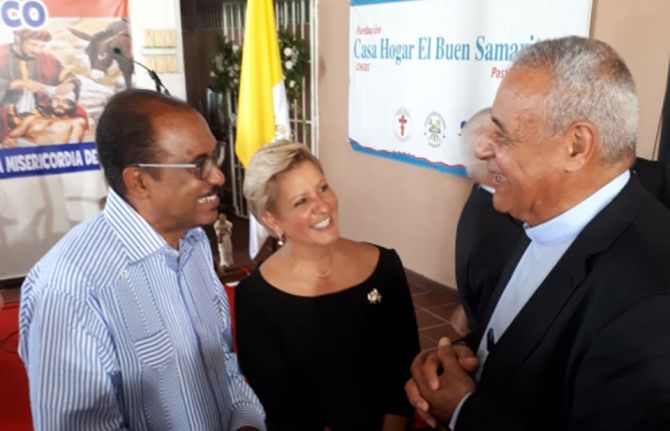
Shelter founder reflects on 15 years of combining HIV treatment, care and prevention with faith
27 January 2019
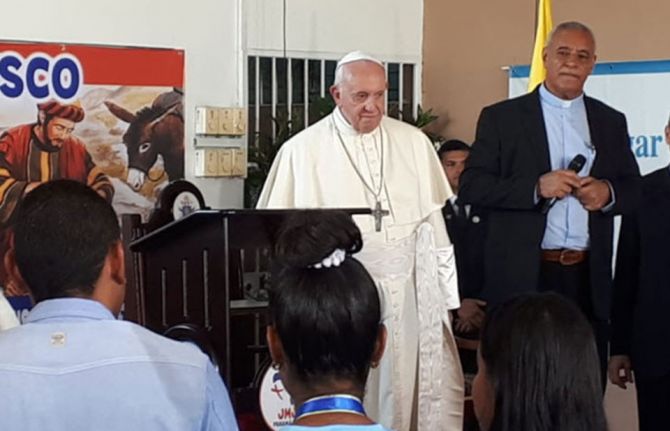
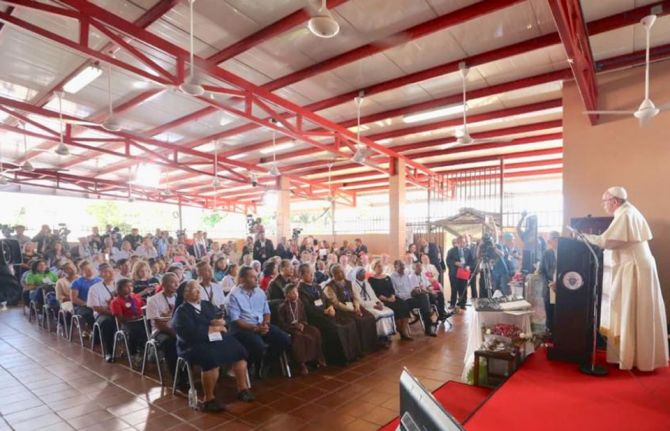
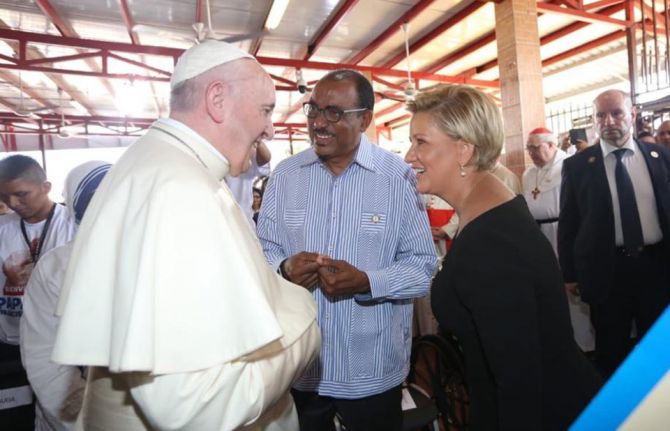
27 January 2019 27 January 2019On the final morning of the 2019 World Youth Day Commemorations in Panama, Pope Francis will visit the Casa Hogar del Buen Samaritano. Named for the Biblical parable of the Good Samaritan, this shelter on the outskirts of Panama City offers comprehensive care to help people living with HIV recover and reintegrate into society.
Their only requirement for entry is need. As a policy, the home welcomes people regardless of sex, age, religion, occupation, sexual orientation, ability or geographical origin.
As volunteers zipped back and forth in feverish preparation for His Holiness yesterday, Buen Samaritano founder and Director, Father Domingo Escobar, took a moment to reflect on the evolution of the home.
It had begun as pastoral work carried out from the Parish of Santa Maria del Camino. People living with HIV—many of them homeless—would look to the church for comfort, counsel and food. The idea began to crystallize that the most marginalized needed more structured support. The Buen Samaritano Foundation and Home were founded 15 years ago with the broader vision of helping build a society free from discrimination, prejudice and stigmatization.
“I believe that it is necessary to highlight the dignity of the human being and to respect the other person, considering that we are all—as the Bible says—the Temple of the Holy Spirit… each one of us,” Father Escobar explained.
Since its inception, the Buen Samaritano has served more than 300 residents. The combination of spiritual care with medical treatment is key. By bolstering their faith, patients steadily become more optimistic, more “enthusiastic” about taking their medicines and more confident that their treatment will work. According to the Buen Samaritano Director, the most significant factors undermining people’s treatment adherence are lack of support and fear of prejudice.
“Because of fear of rejection and of discrimination they keep it to themselves and do not share it with family or with others,” he said.
In direct response to this challenge, one branch of the foundation evolved specifically to serve people living with HIV who live with their families but have limited resources. Apart from food and medicines, Buen Samaritano provides sensitization and training for family members, strengthening their ability to provide emotional support for their loved ones.
The foundation has also reached beyond HIV care and treatment to support prevention efforts through seminars and interventions for children, young people including youth at risk, and adults. Last year their prevention programmes reached more than 4500 people. Their Youth Information program promotes “sex education with values” in secondary schools.
UNAIDS has partnered with Buen Samaritano for many years, helping to broker the provision of antiretroviral medicines from the Ministry of Health, as well as partnering around visibility and advocacy.
The work of Father Domingo with underserved people living with HIV in Panama shows the incredible capacity of faith communities to build bridges, not only around treatment and care, but also around eliminating stigma and discrimination and prevention.
The foundation provides a valuable contribution to the community, country and AIDS response. In Panama, an estimated 25 000 people are living with HIV. The country has achieved strong progress related to treatment and reducing mortality. Three-quarters (76%) of diagnosed people in Panama were on treatment by the end of 2017 and there were fewer than 1000 AIDS-related deaths. But with an estimated 1600 new infections that year, the need for strengthened prevention initiatives is clear. For Father Escobar the challenge requires all hands-on deck.
“We must all feel and understand that the task of prevention is a cross-cutting challenge,” the priest explained. “It has to be present in the family, in public policy, in childhood, for the youth and in pastoral work. It is a problem for all, and we can all contribute.”
Region/country
Related

Feature Story
She Conquers in South Africa
24 January 2019
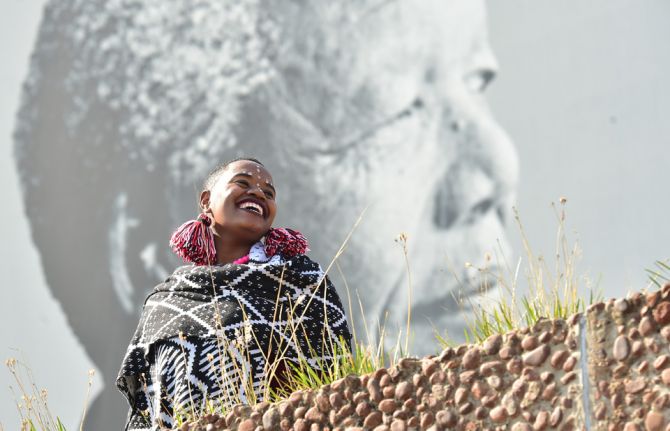
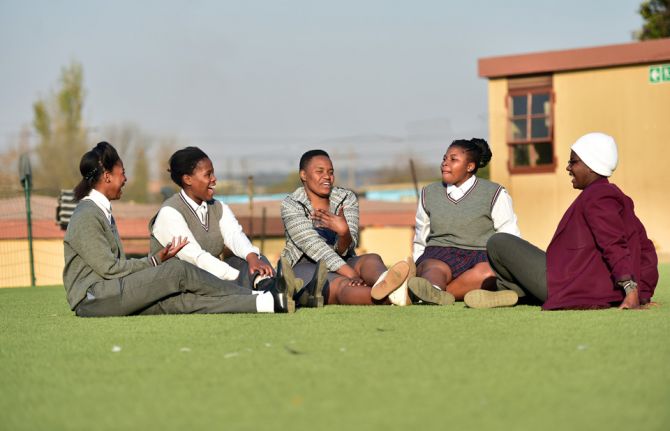
24 January 2019 24 January 2019When she was four years old, Selokela Molamodi’s teacher asked the class what they wanted to be when they grew up. While her classmates volunteered more conventional professions, such as nurses, doctors and lawyers, Ms Molamodi’s answer, given with a fiery determination, was, “I want to be Minister of Education.”
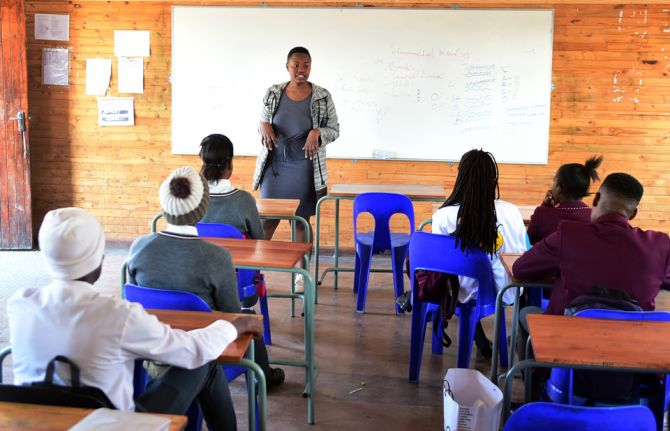
Her love for education, and her characteristic fieriness, has stood 19-year-old Ms Molamodi in good stead. Last year she graduated top of her class, having been head girl in both primary school and high school. Armed with an unshakeable self-confidence and her core principles of transparency, honesty and humility, Ms Molamodi has avoided the fate of many young South African women—HIV infection, unintended pregnancy and an abandoned high school education.
She says she has had to deal with the same harsh realities as other young women—financial difficulties, crime, violence, peer pressure, the temptation of “blessers” [older men] and drug and alcohol abuse. Staying in school kept her focused, she explained.
“There are still a lot of misconceptions about HIV among young people. Sex is not talked about openly. Young people are given knowledge about sexual and reproductive health, but they are not given knowledge on how to make a decision about sex.”
“There are still a lot of misconceptions about HIV among young people. Sex is not talked about openly. Young people are given knowledge about sexual and reproductive health, but they are not given knowledge on how to make a decision about sex,” she says.
In South Africa, 1500 young women and adolescent girls between the ages of 15 and 24 are infected with HIV every week. They accounted for 29% of all new HIV infections in the country in 2017. Research has shown that older men, generally five to eight years older, are mostly responsible for passing on HIV to younger women; once women reach their mid-twenties, they pass on the virus to men their own age.
“There is a perception among young women that we should have a high number of sexual partners when we are young because that is what it means to be free. Then, when we reach our mid-twenties we will leave that life behind and settle down. But girls don’t understand that they don’t have control over these sexual relationships, that their consent doesn’t count,” she says.
To start a dialogue about these and many other issues facing young women, Ms Molamodi started You for You while she was in her final year of school.
“I call it a movement, not an organization,” says Ms Molamodi. “It is about accepting and loving yourself for you. While we can exist as a community and a collective, we must first love ourselves as individuals,” she says.
Ms Molamodi, along with two friends who started the movement with her, have one-on-one mentoring sessions with other young women on issues such as self-esteem, body positivity, sexual and reproductive health and drug and alcohol abuse. She has also organized two events that focused on empowering young women as leaders “so we can rise as young women and stand up against discrimination, together.”
She looks at DREAMS—the initiative led by the United States President’s Emergency Plan for AIDS Relief—as the matriarch of a family of young women like her. In South Africa, DREAMS works closely with She Conquers, a government-led national campaign aimed at empowering young women and adolescent girls to take responsibility for their health.
“Yes, give girls access to discrimination-free HIV prevention and treatment services and family planning, but also ask for our feedback. Give us education and information and teach us that actions have consequences which are responsible for our progress or regress.”
“DREAMS/She Conquers has provided us with a space to have natural conversations about things that affect us as young women with other young women. It gives us a voice and brings enlightenment to us. For instance, most of the girls I know have tested for HIV, but none of them ever got to talk about it, until DREAMS/She Conquers came to our school,” she says.
“These are the kinds of initiatives that increase the effectiveness of what UNAIDS is trying to achieve,” says Ms Molamodi. “Yes, give girls access to discrimination-free HIV prevention and treatment services and family planning, but also ask for our feedback. Give us education and information and teach us that actions have consequences which are responsible for our progress or regress.”
She says she would like to see conversations about HIV prevention and sexual and reproductive health being brought together more often with those about careers, empowerment and entrepreneurship.
As for her ambition for You for You, “I want to help grow a continent of young women who are confident enough to speak out; who are able to stand up for each other and empower each other. If I have someone say, “I did not give up” then I know I had a purpose; that I was someone’s reason not to give up.”
Region/country
Feature Story
Oral fluid HIV testing for gay men and other men who have sex with men in the Lao People’s Democratic Republic
17 January 2019
17 January 2019 17 January 2019Only one third of gay men and other men who have sex with men know their HIV status in the Lao People’s Democratic Republic, partly because stigma and discrimination remains a barrier for accessing HIV testing in public hospitals and clinics. Complicated protocols, uneven and at times judgemental treatment by health providers and non-confidentiality of testing results further impact on HIV testing.
“Many of our friends are scared of getting an HIV test because they think the testing steps are challenging and often unfriendly,” said Phoulikhan Siphabouddy, a community-based supporter of LaoPHA, a Lao nongovernmental organization.
To address this, USAID supported the government and LaoPHA to pilot oral fluid screening in three provinces.
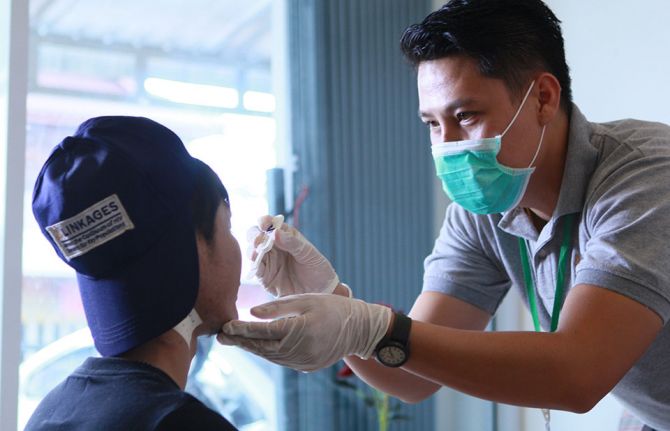
Most people assume that testing involves taking a blood sample. But oral fluid testing detects antibodies for HIV, not the virus itself. A test swab is gently wiped along a person’s upper and lower gums once, then the swab is placed inside a test tube containing a reagent. The result is known within 20 minutes.
Members of the community, so-called peer educators, train volunteers for the oral fluid screening. The screening is fast, easy and can be done anywhere.
Around 82% of people reached agreed to have an HIV test through oral fluid screening, compared to only 17% of referrals to clinics, according to the Ministry of Health.
“The new approach dramatically exceeded Laos’ HIV testing targets by more than 200%,” said Bounpheng Philavong, Director of the Lao Centre for HIV/AIDS and STI.
He, along with LaoPHA, are convinced that community-led services provide an enabling environment for key populations to access HIV services in a non-discriminatory manner. Linkages to care and support for people living with HIV has also improved for people who test positive, with the same community volunteers providing support for referral to trusted clinics.
Related information
Region/country
Feature Story
Traversing rivers and jungles to reach indigenous peoples in remote parts of Brazil
10 January 2019
10 January 2019 10 January 2019Indigenous health worker Jijuké Hukanaru Karajá works as a nurse in the Indigenous Health District of Araguaia, named after one of Brazil’s major rivers located in the eastern Amazon basin. She has been working with indigenous peoples for many years and criss-crosses between Brazil’s cities and indigenous villages to provide crucial health services. Ms Karajá feels very proud to be a part of the Brazilian indigenous public health system, having followed in her father’s footsteps.
“I’ve worked in town and in my indigenous village with my own people, and it’s extremely gratifying to help them in this way,” she said.
Ms Karajá believes that being indigenous eases communication and cultural differences. HIV and syphilis prevalence remains low among indigenous peoples in Brazil, but she fears that growing interaction with nearby cities will change that.
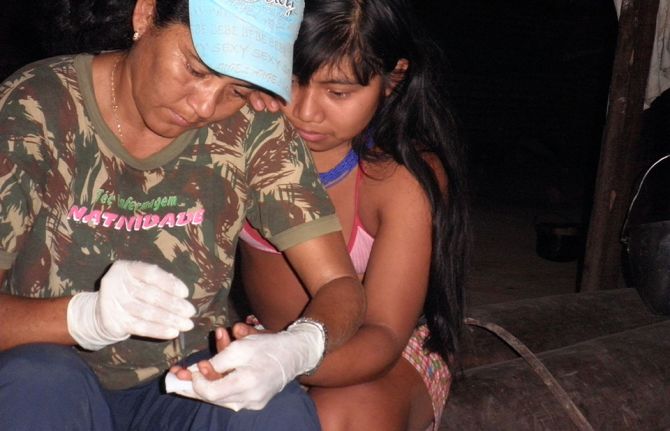
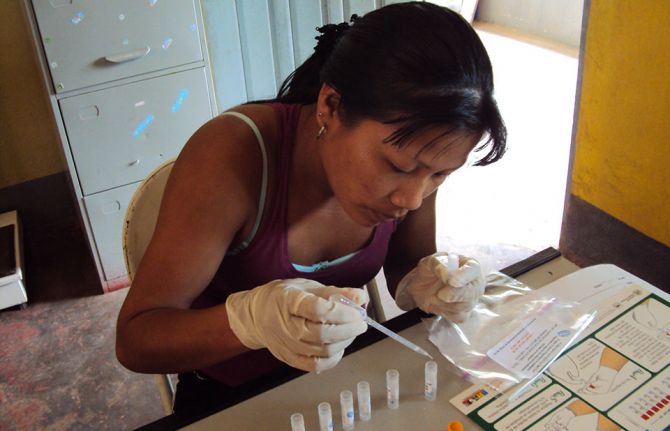
Established in 2010, the indigenous health services deliver services to every indigenous community, regardless of their remoteness. An 800-strong team of doctors, nurses, health-care technicians, psychologists, advisers and indigenous health workers work tirelessly, covering huge distances. They carry out tests for HIV, syphilis and other sexually transmitted infections. According to Ms Karajá, indigenous communities welcome them.
“Testing always follows a series of talks and workshops in villages about prevention of HIV and other sexually transmitted infections, and so the whole process flows naturally,” she said. If anyone tests positive for HIV, immediate counselling is available. Importantly, in the scope of this unique system, all HIV response efforts incorporate cultural beliefs.
Over a decade ago, a groundbreaking project pioneered by Adele Benzaken, at the time a researcher at Fundação Alfredo da Matta in Manaus, received funding from the Bill & Melinda Gates Foundation to test more than 46 000 indigenous peoples within their own communities. Activities focused notably in Amazonas and Roraima, remote forested states that are home to more than half of the indigenous peoples in Brazil. Stopping gender-based violence and keeping children from being born with congenital syphilis and HIV were among their priorities.
“Before the project, this indigenous population had very little access to any kind of diagnosis, treatment and prevention,” remembers Ms Benzaken, who today runs the national STI, AIDS and Viral Hepatitis Department of the Ministry of Health in Brazil. “They were vulnerable and didn’t have access to programmes.”
In 2012, rapid testing became a public policy for Brazil’s indigenous and general population. In five years, rapid HIV test distribution to the 34 operating indigenous health districts almost tripled to 152 000 in 2017; syphilis rapid test distribution more than doubled to more than 65 000 in the same year.
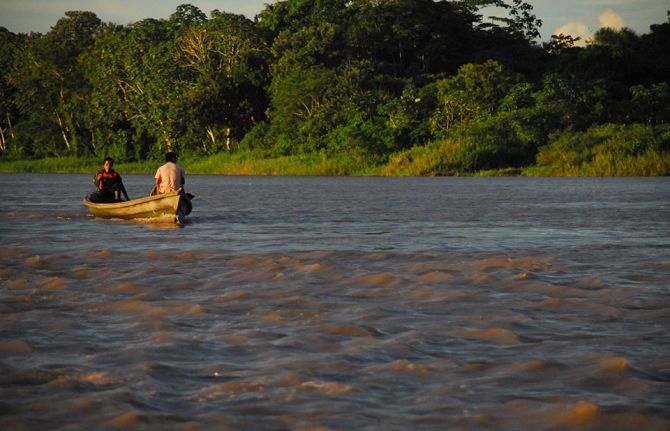
By boat, road and foot, health workers travel across the vast territories to test, raise awareness and discuss preventive methods, such as condoms.
Brazil is home to almost 900 000 indigenous peoples, with indigenous lands representing more than 12% of the country. Altogether, the country has 305 ethnicities speaking 274 different languages. The largest ethic group among them are the Tikuna.
Vinicios Ancelmo Lizardo—or Pureenco, in his original Avaí indigenous name—works as a health worker mainly in the Amazon region. “To help my people, I have to help them understand what health really means to them,” he said. Before explaining HIV prevention to a group of Tikuna in their own language, he speaks to them about love, sex and freedom, and he makes them laugh by teaching them—with the help of a lifelike dildo—how a male condom should be used.
Mr Lizardo admits that breaking cultural barriers and building bridges between science and tradition is challenging. But he knows that as most indigenous communities can no longer stay isolated, they cannot be left behind.