

Feature Story
Ireland to support HIV services for the most vulnerable in the United Republic of Tanzania
14 December 2018
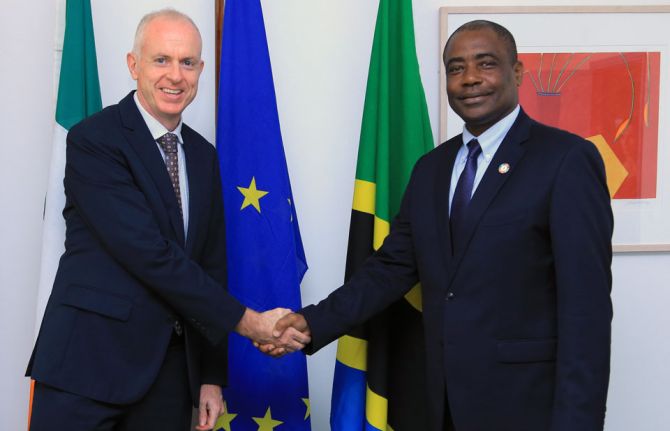
14 December 2018 14 December 2018Ireland has pledged €400 000 to UNAIDS for a project to provide HIV services for the most vulnerable populations in the United Republic of Tanzania, with the first tranche, €200 000, already received.
“Through our development programmes, Ireland supports the most marginalised in society to access key services so that they can live with dignity. Ireland is pleased to collaborate with UNAIDS to improve the plight of populations that are in most need of timely HIV services,” said the Irish Ambassador to the United Republic of Tanzania, Paul Sherlock.
UNAIDS will work in close collaboration with the Ministry of Health, the Benjamin Mkapa Foundation and civil society organizations to address issues that hinder the most vulnerable populations from accessing HIV prevention, treatment and care in a timely manner. Support that UNAIDS will provide includes convening stakeholders, providing technical leadership and strategic guidance and ensuring participation and representation.
Stigma and discrimination, inequality and violence against women and girls and criminal and punitive laws that affect vulnerable populations remain among the major barriers to an effective response to HIV in the country.
The 18-month project will help its beneficiaries with legal literary skills, raise awareness on the right to health and address HIV-related stigma and discrimination.
Ireland is a long-standing partner of UNAIDS, providing US$ 2.56 million in core funding to UNAIDS in 2018.
“UNAIDS and Ireland share a goal of ensuring that the AIDS response leaves no one behind. The funding from Ireland offers us a timely opportunity to give the most vulnerable populations in the United Republic of Tanzania a chance to live in dignity and good health,” said Leopold Zekeng, UNAIDS Country Director, United Republic of Tanzania.
Region/country

Feature Story
First Lady of Botswana champions revitalization of HIV prevention among adolescent girls and young women
27 December 2018
27 December 2018 27 December 2018While Botswana has made excellent progress in achieving the UNAIDS 90–90–90 treatment targets, evidence shows it has experienced a 4% increase in new HIV infections from 2010 to 2017, from 13 000 to 14 000. This is against the backdrop of a massive 30% decrease in new HIV infections across the eastern and southern African region.
Adolescent girls and young women are particularly at risk of HIV infection, as well as unintended pregnancy and sexual and gender-based violence. In 2017 there were 1 500 new HIV infections among adolescent girls between the ages of 10 and 19 years, compared to fewer than 500 new infections among adolescent boys the same age.
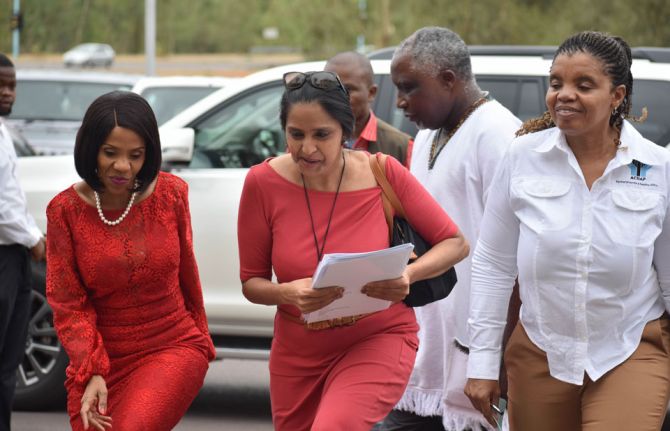
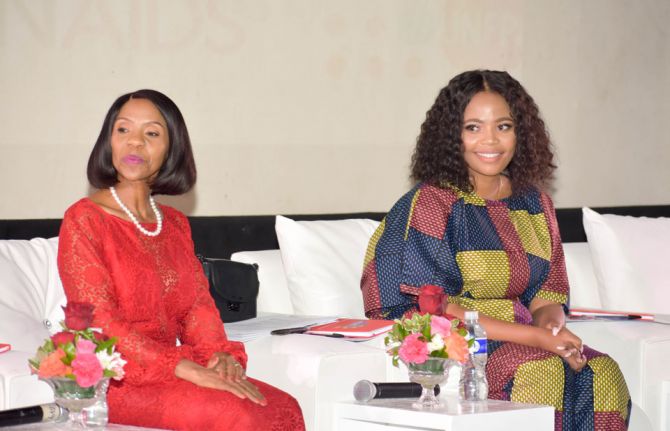
As a result, Neo Masisi, the First Lady of Botswana, uses her voice to advocate for better health outcomes for adolescent girls and young women. In an effort to drive high-impact, age-appropriate and gender-sensitive interventions, she holds dialogues with adolescent girls and young women about their experiences.
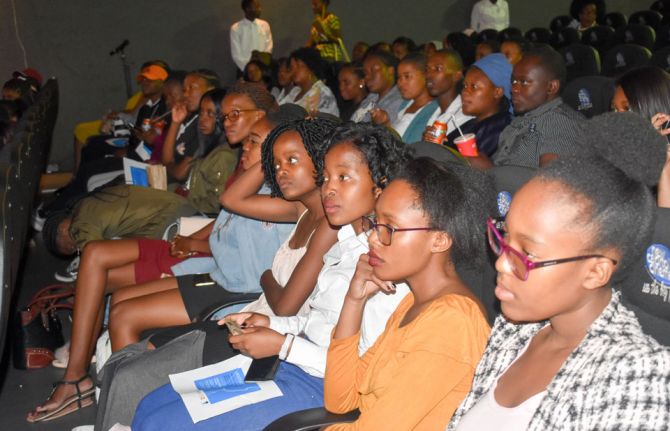
On 9 December 2018, she hosted a post-World AIDS Day event attended by 100 adolescent girls and young women, to bring to light to issues they face on a daily basis—unintended pregnancy, gender-based violence, access to sexual and reproductive health rights and how these intersect with HIV. “I am concerned about how young people have not known a life without HIV and hence they are more vulnerable to social ills,” said Mrs Masisi.
During the dialogue, Richard Matlhare, a representative from the National AIDS Coordinating Agency, emphasised that “the five-year Botswana National Strategic Framework on HIV/AIDS provides a paradigm shift, which is a sector-specific strategy explicitly focusing on adolescent girls and young women and their male partners.”
Participants at the dialogue also previewed the Pan-African movie Faces, directed by Joseph Adesunloye and starring South African actress, Terry Pheto, who plays the character of Aisha, a woman who has to deal with HIV infection and gender-based violence.
Ms Pheto, who attended the dialogue, spoke about her role as an actress and influencer and how she aims “not simply to entertain, but also educate, adolescent girls and young women and men on HIV and gender-based violence.” She added that projects such as these are “very close to my home and heart.”
Region/country
Feature Story
The need to scale up HIV programmes for key populations in western and central Africa
12 December 2018
12 December 2018 12 December 2018Key populations—gay men and other men who have sex with men, sex workers, transgender people, people who inject drugs, prisoners and other incarcerated people and migrants—and their sexual partners account for 40% of new HIV infections in western and central Africa.
However, key populations still have insufficient access to HIV prevention, treatment and care services. Fragile health systems, stigma and discrimination, sexual and gender-based violence and lack of supportive policies are some of the barriers that key populations face.
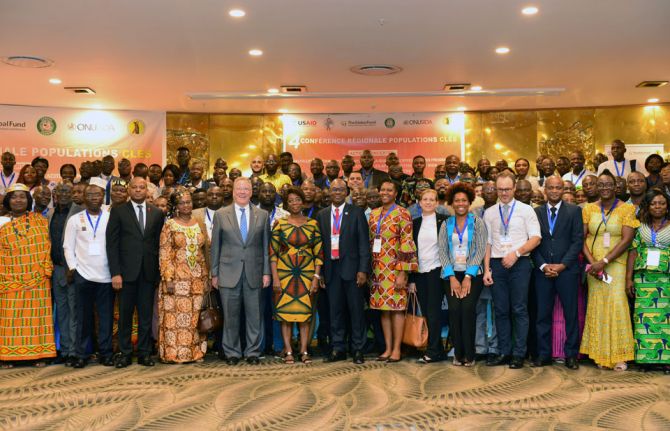
While high-quality programmes for key populations do exist in western and central Africa, there are limited opportunities to learn from each other and to strengthen South–South capacity. Monitoring of commitments made by all stakeholders, including governments, is also an issue. Three regional meetings took place in November to address those shortcomings.
The West Africa Health Organisation (WAHO), the United Nations Development Programme and ENDA Santé, a civil society organization, in collaboration with UNAIDS, met in Dakar, Senegal. The meeting brought together representatives of national AIDS commissions or programmes from 14 Economic Community of West African States (ECOWAS) countries and members of the Africa key populations expert group to chart the process for the development of a regional strategy on HIV/tuberculosis and sexual and reproductive health and rights for key populations, scheduled to be finalized in early 2020.
In 2015, under the leadership of WAHO, and in collaboration with UNAIDS and USAID, ministers of health, heads of national AIDS commissions, public prosecutors and inspectors general of police of ECOWAS Member States signed the Dakar Declaration on Factoring Key Populations in the Response to HIV and AIDS in ECOWAS Member States. The declaration aims to better take into account key populations in the response to HIV in the ECOWAS region in core areas, including strengthening of strategic information, health systems and community services and addressing stigma and discrimination.
In November, WAHO, UNAIDS and USAID commissioned a review of the progress made against the declaration and organized a regional progress review workshop attended by country representatives of 13 countries. The declaration has created a significant momentum, coupled with a number of achievements, innovations and good practices at the country level.
Ending AIDS in West Africa, a five-year cooperative agreement funded by USAID and led by FHI 360 and its core partners, Johns Hopkins University and ENDA Santé, facilitated the fourth key population regional meeting in western Africa, in partnership with the Government of Togo and partners.
The meeting was a key opportunity to bring together members of key populations, government officials, donors, academics and representatives of implementing partners and United Nations agencies to share lessons learned and promising practices from implementation, relevant and novel research and programmatic data, and to build networks and platforms for technical exchange. Country delegates also formulated country action plans to improve the quality, efficiency and scale of HIV-related programmes for key populations.
“The more the response to HIV is multisectoral, multidisciplinary and inclusive, the more impactful results we will have,” said Vincent Palokinam Pitche, Coordinator of the Permanent Secretary of the National AIDS Commission in Togo.
“There is a need to support the collection and analysis of strategic information to guide efforts to facilitate access by key populations to prevention, care and treatment services, to intensify services that are evidence-informed and rights-based and to invest in programmes for an enabling legal and social environment,” said Christian Mouala, UNAIDS Country Director for Togo.
Feature Story
Launch of a global partnership to eliminate HIV-related stigma and discrimination
10 December 2018
10 December 2018 10 December 2018Despite the existence of human rights obligations and policy commitments, HIV-related stigma and discrimination continues to be widespread around the world and in all sectors of society.
Following a call from civil society in 2017 to accelerate and scale up action to address stigma and discrimination, UNAIDS, UN Women, the United Nations Development Programme and the Global Network of People Living with HIV (GNP+) agreed to co-convene the Global Partnership to Eliminate All Forms of HIV-Related Stigma and Discrimination.
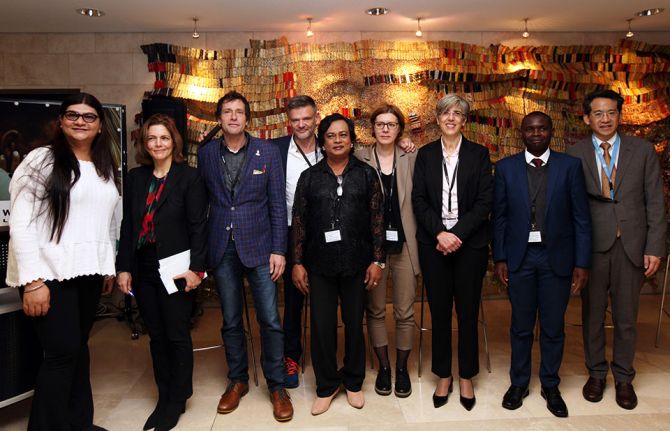
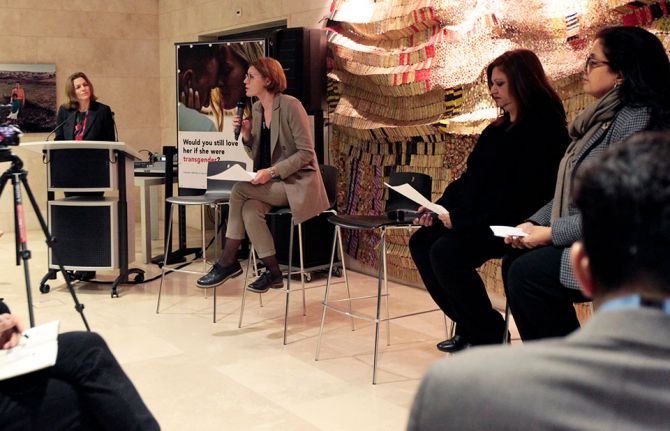
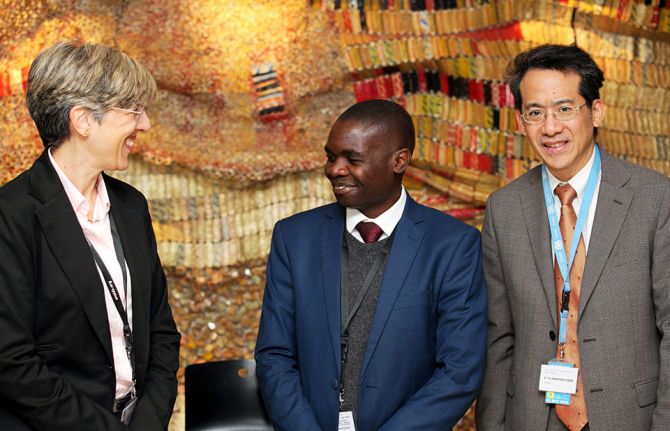
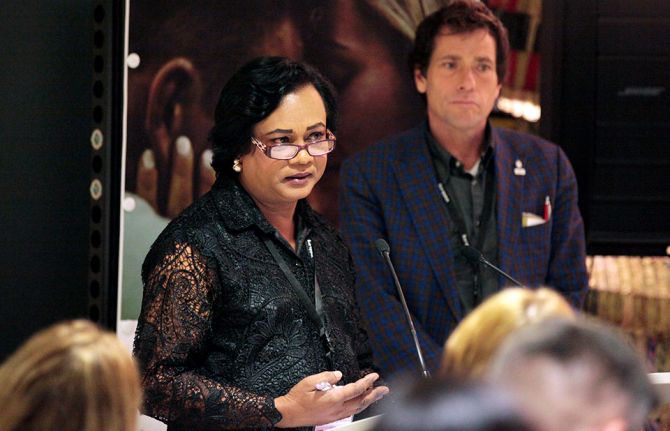
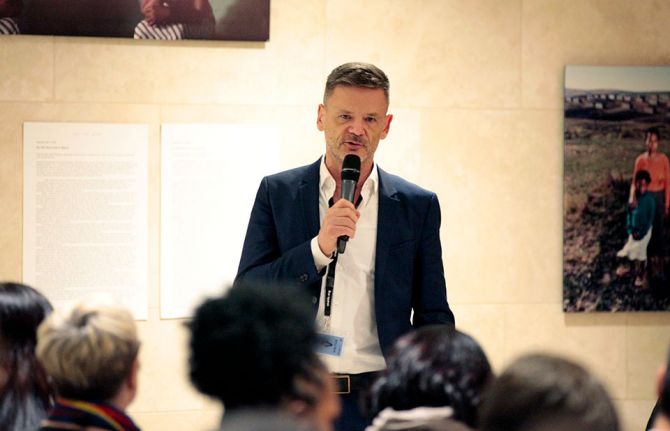
The global partnership was launched on 10 December on the 70th anniversary of the adoption of the Universal Declaration of Human Rights, during an event in Geneva, Switzerland. The panel of people speaking at the event included Phanpob Plangprayoon, the Deputy Permanent Representative of Thailand to the United Nations Office and other International Organizations in Geneva, Dan Namarika, the Secretary for Health of Malawi, Raquel Duarte, the Deputy Minister of Health of Portugal, and Simran Shaikh, a community representative to the UNAIDS Programme Coordinating Board (PCB).
The panellists presented programmes that have proved to be effective in reducing HIV-related stigma and discrimination in the areas in which the global partnership will focus—health care, schools, the workplace, the family, justice systems and emergency and humanitarian settings.
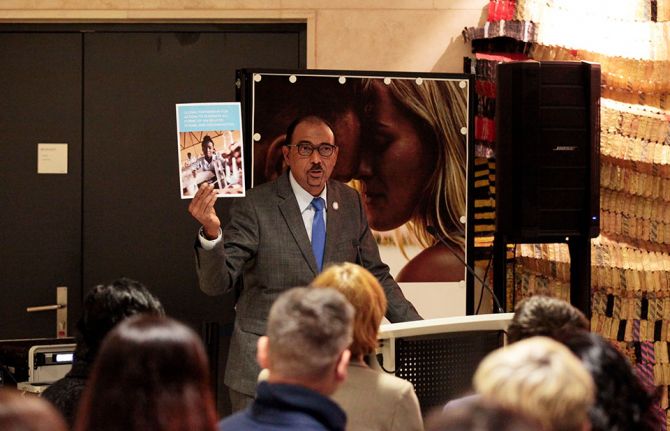
“This partnership aims to translate Member States’ commitments into well-resourced programmes that are proved to work and that can result in the enjoyment of HIV-related rights for all,” said Michel Sidibé, Executive Director of UNAIDS.
“The Global Network of People Living with HIV is pleased to be a co-convenor of this critical and ground-breaking global partnership that seeks to transform our communities’ best strategies for addressing and measuring HIV-related stigma and discrimination into actionable and accountable global targets and goals,” said Javier Hourcade Bellocq, GNP+ Board Chair.
People living with HIV, adolescents, young people and key populations experience discrimination, including discrimination based on their gender and gender identity, race, ethnicity, age, drug use, sexual orientation and migration status. These added layers of stigma and discrimination increase their vulnerability to HIV and undermine their rights, including the right to health, work and education.
At the end of the event, the UNAIDS PCB nongovernmental organization delegation called on Cosponsors, Member States, civil society, key populations, communities and partners to join the global partnership and lead and support concrete country actions and investments to end HIV-related stigma and discrimination.

Feature Story
Rwanda’s leadership provides model for advancing global agenda towards ending AIDS
10 December 2018
10 December 2018 10 December 2018Rwanda is a critical ally in the global AIDS response. Through political commitment from its leadership, the country has convinced its peers to drive the necessary change that has helped to ensure that the AIDS response delivers bold results for Africa and beyond.
In 2011, Paul Kagame, President of Rwanda, was the first African leader to convene a meeting at the United Nations General Assembly about the future of the AIDS response and the establishment of a sustainable road map for health and development.
AIDS Watch Africa was re-established as an outcome of that meeting, providing a platform for African heads of state to meet under African Union leadership to monitor progress against the targets for HIV, tuberculosis and malaria, ensuring African ownership and leadership of the African health response.
The country has made steady progress in its response to HIV. New HIV infections in Rwanda dropped by 20% between 2010 and 2017—from 9300 to 7400. AIDS-related deaths almost halved in the same time period, from 6000 to 3100. This is due to a robust HIV treatment programme, where 83% of all people living with HIV were on HIV treatment in 2017.
In 2017, 92% of pregnant women living with HIV accessed treatment to prevent of mother-to-child transmission of HIV, which translated into 1900 new HIV infections being averted.
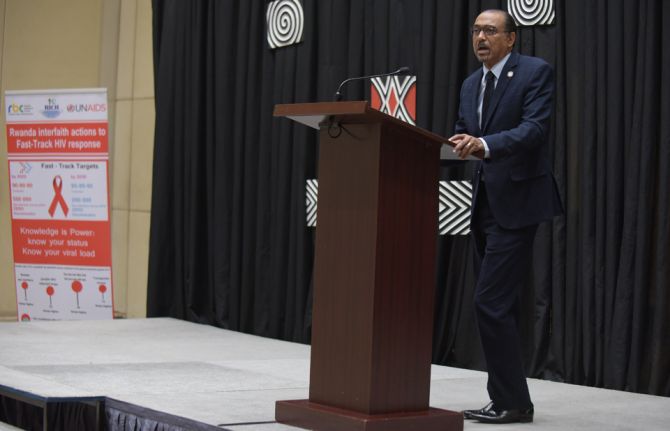
With this history in mind, on 7 December, Michel Sidibé, Executive Director of UNAIDS, visited Kigali, Rwanda, to demonstrate solidarity with the Government of Rwanda and amplify the leadership role it has played towards ending AIDS as a public health threat by 2030.
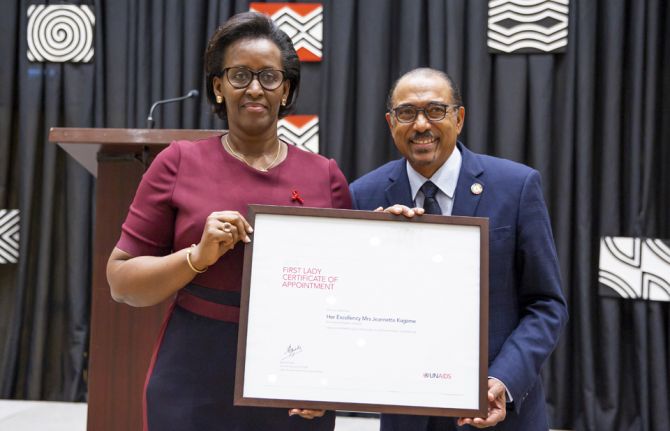
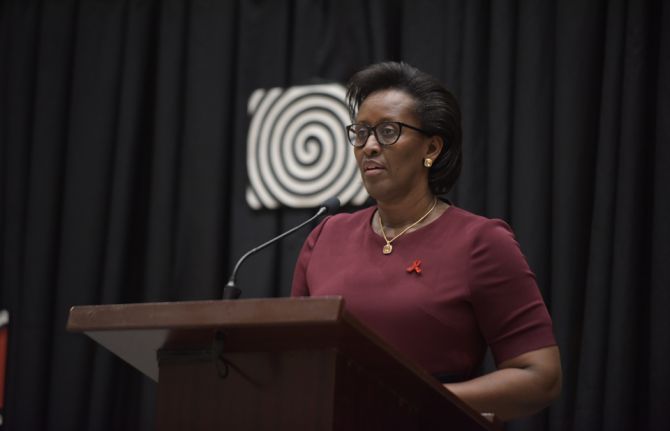
In a special ceremony, Mr Sidibé appointed Jeannette Kagame, the First Lady of Rwanda, as UNAIDS Special Ambassador for Adolescent Health and Well-Being. Mr Sidibé commended her for being a champion for the empowerment of women and girls in Rwanda and Africa and for her leadership in girls’ education and promoting young people’s sexual and reproductive health and rights.
“Jeannette Kagame, you have been by UNAIDS’ side since the worst days of the epidemic. It was a time of great sadness and despair. But with your help we discovered hope. It is with the utmost respect and gratitude that I say thank you for everything you have done and everything you continue to do,” said Mr Sidibé.
“We cannot sit back with the satisfaction that the worst is behind us. As the face of HIV continues to change, we must remain vigilant, in order to respond to emerging challenges in a timely manner. We must also be deliberate in strengthening our defence against HIV and equip all men, women and children with the resources to live safe and healthy lives,” said Ms Kagame
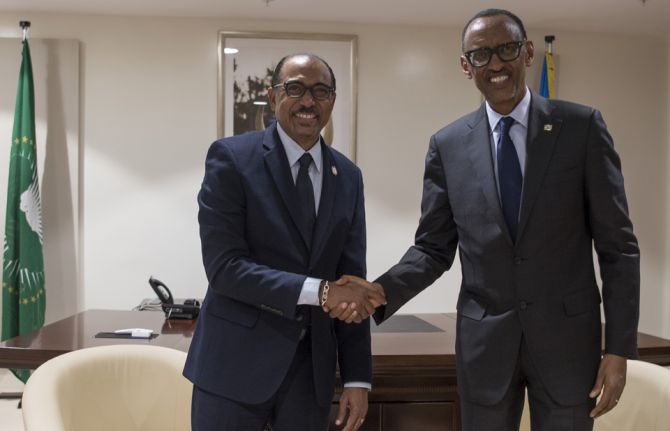
Mr Sidibé also met with Mr Kagame, the President of Rwanda and the current Chair of the African Union. They discussed health financing and the overall sustainability of the AIDS response across the African continent. In a meeting with Richard Sezibera, Minister of Foreign Affairs and Cooperation, Mr Sidibé raised the need for revitalized global health diplomacy to keep health high on the international agenda.
Region/country
Related




Feature Story
South Africa launches campaign to expand access to HIV treatment
04 December 2018
04 December 2018 04 December 2018On World AIDS Day, South Africa launched a multidisease national wellness campaign to accelerate screening and testing for HIV, tuberculosis, sexually transmitted infections and noncommunicable diseases, including hypertension and diabetes. The campaign, known as Cheka Impilo, is a direct response to the call by the President of South Africa, Cyril Ramaphosa, during his first State of the Nation address in February 2018 to initiate an additional 2 million people on HIV treatment by 2020, find 88 000 missing tuberculosis cases annually and screen 7 million people for noncommunicable diseases in the first year.
South Africa has made considerable progress in its AIDS response in the past decade and reported that there were more than 4.5 million people on life-saving antiretroviral therapy by the end of June 2018—20% of all people on treatment worldwide. UNAIDS estimates show that as a result the number of AIDS-related deaths in South Africa has dropped significantly, from 200 000 in 2010 to 110 000 in 2017. However, there were 270 000 new HIV infections in 2017, including approximately 77 000 among adolescent girls and young women aged 15–24 years.
The then Acting President, Deputy President David Mabuza, who is also Chairperson of the South African National AIDS Council (SANAC), urged his fellow countrymen to end gender-based violence and get tested for HIV and seek treatment if HIV-positive. “We will not walk alone. We have always had partners like UNAIDS, the Global Fund and PEPFAR walking with us, side by side, shoulders to the grindstone. We know what unity and struggle is. We are not giving in and we are not turning back,” Mr Mabuza said.
Michel Sidibé, UNAIDS Executive Director, attended the commemoration of the 30th anniversary of World AIDS Day in South Africa to show his support for the launch of the campaign. “Oppression and power imbalances must be reversed. Women and girls must be empowered and harmful masculinities must be consigned to the history books. Our girls and young women deserve a chance to live in a world with dignity and respect and free from violence and HIV,” said Mr Sidibé.
Aaron Motsoaledi, Minister of Health of South Africa, thanked Mr Sidibé for inspiring South Africa almost a decade ago to turn its AIDS response into a success story, characterized by a journey from despair to hope, and from denial to acceptance and to ownership.
Steve Letsike, Deputy Chairperson of SANAC and Chairperson of the SANAC Civil Society Forum, said, “Enough is enough. Patriarchy, sexism, misogyny, homophobia, transphobia and stigma and discrimination must end. We can do better for our people because they matter.”
Region/country
Feature Story
First Lady of Chad appointed as UNAIDS Special Ambassador
27 November 2018
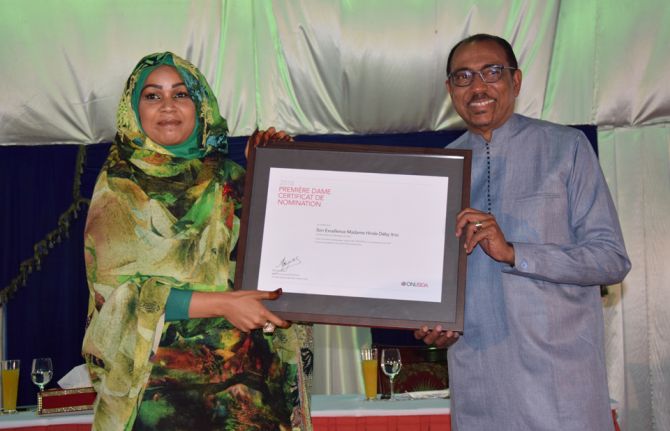
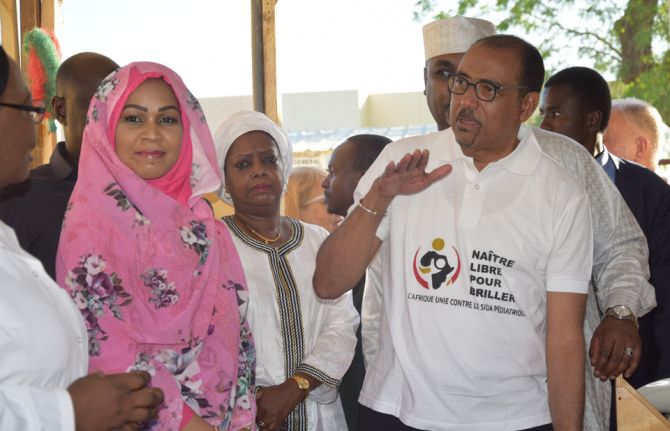
27 November 2018 27 November 2018The First Lady of Chad, Hinda Déby Itno, has been appointed as the UNAIDS Special Ambassador for the Prevention of HIV and the Protection and Health of Adolescents by the Executive Director of UNAIDS, Michel Sidibé.
During the appointment ceremony, which took place on 21 November at the Presidential Palace in N’Djamena, Chad, Mr Sidibé highlighted the many initiatives that the First Lady had put in place as a member of the Organisation of African First Ladies against HIV/AIDS. He urged her to continue her leadership in the response to HIV in areas as diverse as the elimination of mother-to-child transmission of HIV, gender equality and access to sexual and reproductive health services. He also noted that the personal involvement of the First Lady had helped in the passing of a law promoting sexual and reproductive health issues and the outlawing of female genital mutilation.
“Every child deserves a life without HIV,” said Ms Itno.
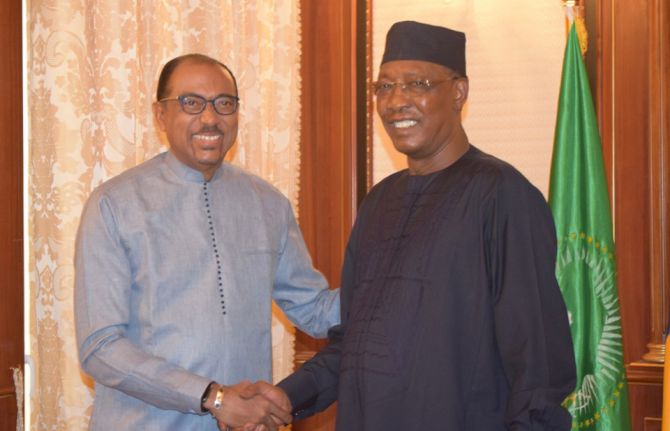
During his two-day visit to Chad, Mr Sidibé also met with the President of Chad, Idriss Déby Itno, during which they spoke about health and HIV, the challenges of the response to HIV in the country and the role of African youth in the AIDS response.
Mr Sidibé also met with civil society in Chad, who he congratulated for the campaign to reduce of cost of HIV treatment in the country. Mr Sidibé said that civil society has a role to play in ensuring that the resources invested in the responses against malaria, tuberculosis and HIV are used efficiently, considering the shortage of such resources.
Region/country
Related
Feature Story
Call for minimum standards of PrEP provision and monitoring in Europe
27 November 2018
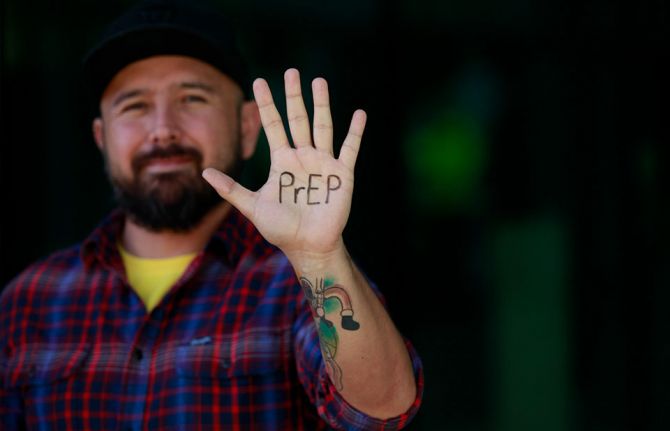
27 November 2018 27 November 2018Pre-exposure prophylaxis (PrEP) is highly effective at preventing HIV infection when it is taken correctly—once a day during times when the likelihood of becoming infected with HIV is very high, or, for gay men and other men who have sex with men, before and after sexual activity, so-called event-driven PrEP.
Several western cities that offer PrEP have seen a drop in the number of diagnoses of HIV among gay men and other men who have sex with men, but overall PrEP access and uptake in Europe is not yet sufficient to affect the course of the HIV epidemic.
How to improve the delivery of PrEP was the subject of a two-day meeting in Stockholm, Sweden, held on 15 and 16 November entitled Pre-Exposure Prophylaxis in the EU/EEA: PrEP Service Delivery and Monitoring: Minimum Standards and Key Principles. Representatives of 22 European countries joined together with PrEP users and community HIV advocates to seek ways to strengthen the provision and monitoring of PrEP.
Gay men and other men who have sex with men are the most affected by HIV in Europe. PrEP users in Europe are almost all gay men and other men who have sex with men, but the vast majority do not have formal access to PrEP. Consequently, among those taking PrEP, many access it online and take it with no medical support and monitoring.
PrEP is pre-exposure prophylaxis—the use of antiretroviral medicines to prevent HIV among people who are HIV-negative.
The meeting heard how the offer of PrEP in friendly and accessible settings can attract people to HIV testing and for diagnosis and treatment of other sexually transmitted infections. Taking PrEP provision out of highly specialized centres, in consultation with communities of potential PrEP users, provides a gateway to broader health care. Innovative online approaches to improve PrEP self-management and sexually transmitted infection diagnosis and treatment were presented.
Maturing European PrEP programmes are leading on ways to achieve the equitable and rapid scale-up of PrEP that is needed for there to be an impact on the HIV epidemic. Decentralization of PrEP provision and integration with broader health services often has to be achieved without an increase in funding. Service providers are therefore looking for guidance on minimum safe standards for PrEP provision.
PrEP users and PrEP providers agreed that the patterns of PrEP use are evolving, with no clear distinction between daily and event-driven PrEP. Factors such as the ability to afford the next PrEP refill, and improved identification of times when there will be a high chance of acquiring HIV, are increasingly determining how PrEP is being taken. Incorrect PrEP taking can result in people becoming infected with HIV or lead to the development of resistance to the PrEP medicines. Therefore, the meeting participants called for guidelines on how to effectively stop and start PrEP and the HIV testing regimens to follow for this type of non-daily PrEP use to be safe.
Three actions were identified during the meeting. A consultation paper will be developed on essential and desirable components and principles of a decentralized PrEP programme, including safe non-daily use. A technical review of standardized monitoring will be drafted by the World Health Organization and the European Centre for Disease Prevention and Control. And all meeting attendees are being asked to give what details they can on pricing of PrEP medicines to governments and consumers, which will be shared between European HIV programmes in order to strengthen price negotiations.
UNAIDS is working with countries to ensure that the commitment in the 2016 United Nations Political Declaration on Ending AIDS to reach 3 million people with PrEP by 2020 is met.
Related information
Related
Feature Story
Countries in eastern Europe and central Asia agree to expand access to a range of medicines
26 November 2018
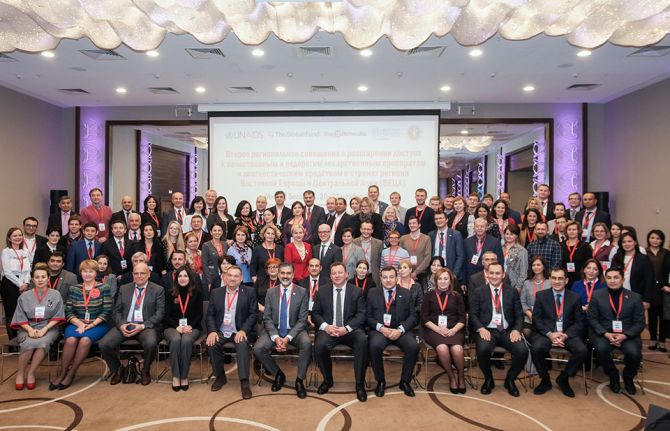
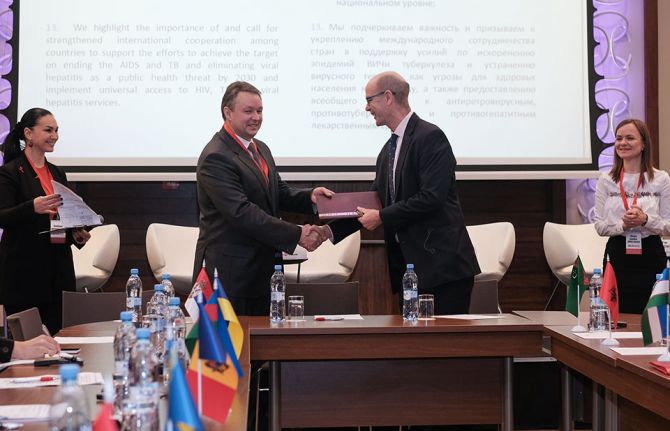
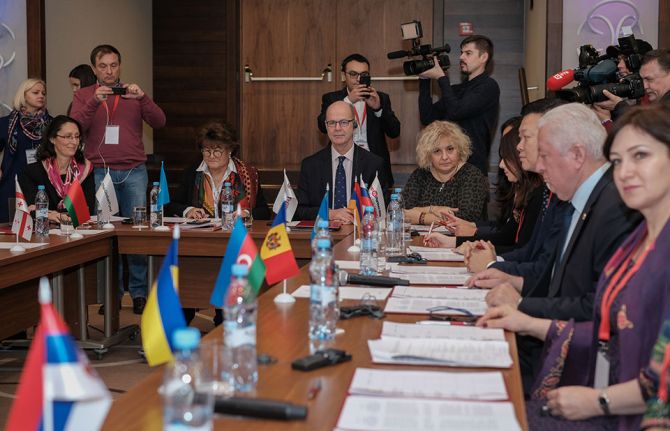
26 November 2018 26 November 2018On 22 November, at a meeting held in Minsk, Belarus, countries from across eastern Europe and central Asia signed the Statement on Expanding Access to Affordable and Quality Assured Medicines and Diagnostic Technologies for HIV, Tuberculosis and Viral Hepatitis (Minsk 2).
In Minsk 2, countries in eastern Europe and central Asia commit to make urgent use of the best global practices and available tools to ensure the quality, safety and efficacy of health products and reduce the prices of essential HIV, tuberculosis and hepatitis C medicines and diagnostics in the region. The statement, among other things, envisages the revision of procurement mechanisms, the use of international and joint procurement and consultations and negotiations on price policy with medicine suppliers.
“In Minsk, the countries of eastern European and central Asia adopted a set of new, tangible, urgent actions. The countries will learn and share many lessons while implementing the Minsk 2 statement, which will help to lower prices, improve quality and save lives,” said Tim Martineau, UNAIDS Deputy Executive Director, Programme, a.i.
During the meeting, the Mayor of Minsk signed the Paris Declaration to end the AIDS epidemic in cities, becoming the fourth city in eastern Europe and central Asia to join the network of more than 300 cities and regions worldwide that are committed to Fast-Track their local HIV responses and to reach the 90–90–90 targets by 2020.
“The signing of the Paris Declaration by Minsk gives a boost to our capital’s goal to stop the spread of HIV by mobilizing officials, the workforce and public associations,” said Valery Malashko, Minister of Health, Belarus.
Belarus continues to make progress in its AIDS response. In 2016, Belarus was validated by the World Health Organization as having eliminated mother-to-child transmission of HIV and congenital syphilis. Belarus implements a full range of HIV policies and programmes with government support and funding, including harm reduction programmes for injecting drug users and antiretroviral therapy for people living with HIV. In 2017, Belarus rolled out HIV self-testing, selling self-testing kits in pharmacies.
“As civil society we believe that the simplest universal solution to ensure access to resources is to change political principles and priorities. People’s lives must be a priority,” said Dmitry Sherembey, from the All-Ukrainian Network of People Living with HIV.
Also during the meeting, eight international organizations signed an agreement to establish a regional interagency group to support the coordinated efforts and implementation of Minsk 2, focusing on results and impact at the country and regional levels.
“Closing the gap to cost-effective, equitable and sustainable access to quality medicines and diagnostic technologies requires further effective collaboration and political leadership in eastern European and central Asian,” said Zsuzsanna Jakab, Regional Director for Europe, World Health Organization.
Region/country
Feature Story
Access to quality medicines and gender-based violence discussed in Ethiopia
22 November 2018
22 November 2018 22 November 2018In order to highlight the need for sustainable and affordable access to quality medicines, the Executive Director of UNAIDS, Michel Sidibé, spoke about the necessity of implementing the African Union Pharmaceutical Manufacturing Plan. Speaking at the opening ceremony of Africa Industrialization Week 2018 in Addis Ababa, Ethiopia, he called for close cooperation with regional economic communities in order to build production cooperation hubs and lead pharmaceutical regulatory harmonization in Africa.
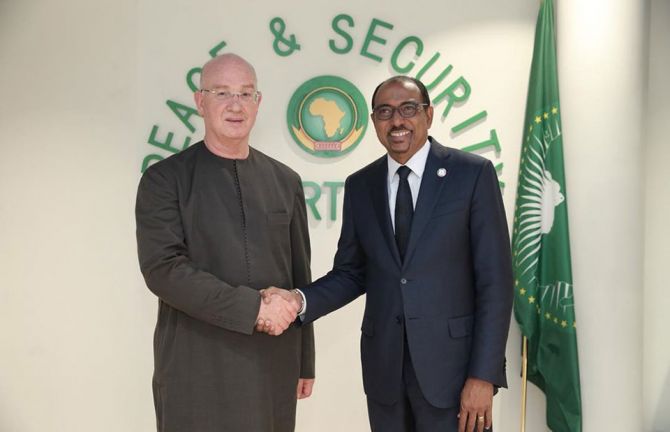
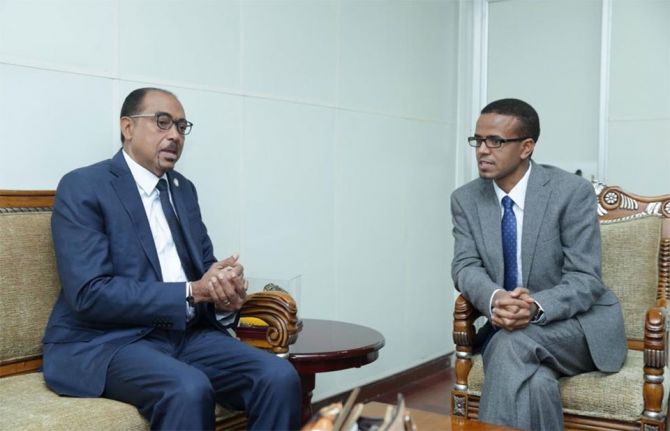
Commitments on gender-based violence and the rights of women made at an event held on the margins of the United Nations General Assembly in September entitled Eliminating Sexual and Gender-Based Violence and Protecting the Health and Rights of Women and Children in Humanitarian Settings were discussed during meetings Mr Sidibé held with Smail Chergui, the Africa Union Commissioner for Peace and Security, and the African Union Special Envoy on Women, Peace and Security, Bineta Diop.
During the meetings, discussions were held on how to increase efforts in responding to HIV in conflict and humanitarian settings and the need to increase awareness on HIV testing and on sexual and gender-based violence. Mr Sidibé and Mr Chergui agreed to conduct a high-level joint mission to South Sudan to highlight the needs of people facing a higher risk of HIV in the country owing to gender-based violence and the protracted conflict.
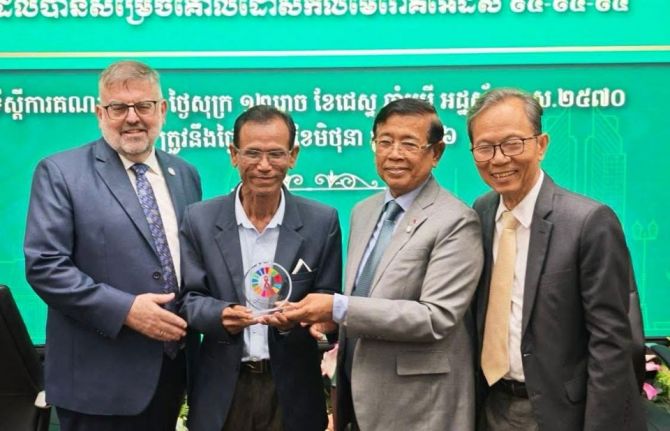
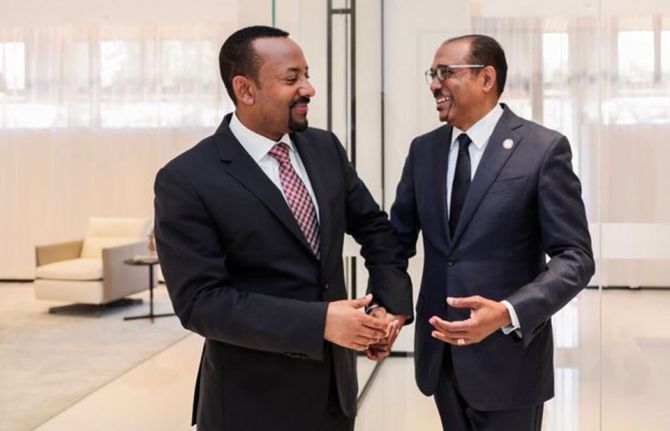
Also during his visit to Ethiopia, which took place from 17 to 20 November, Mr Sidibe’s met with Ethiopia’s Prime Minister, Abiy Ahmed, who said, “I am committed to change the narrative of Africa and Ethiopia through ongoing reforms and agree to strengthen efforts on people-centred health development for Ethiopia.”
“Thank you for agreeing to champion ending AIDS in Ethiopia and across the continent,” said Mr Sidibé.
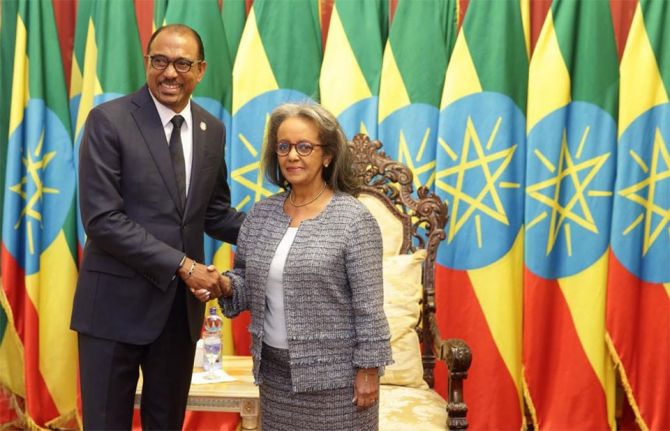
The President of Ethiopia’s agenda on gender and peace and the rehabilitation of street children was the topic of conversation in a meeting between the President, Sahle-Work Zewde, and Mr Sidibé.
During a discussion Mr Sidibé had with the Minister of Health of Ethiopia, Amir Aman, a collaborative project was developed that will be centred around strengthening resource mobilization, enhancing and sustaining a multisectoral response across all sectors, engaging young people and enhancing HIV programmes following the location–population approach.