

Feature Story
Learning from city-level approaches to putting the HIV response on the Fast-Track
09 November 2018
09 November 2018 09 November 2018The Paris Declaration to end the AIDS epidemic in cities has gained political momentum among city leaders to commit to ending AIDS and to address disparities in access to health and social services. To date, about 300 cities and municipalities around the world have signed the declaration.
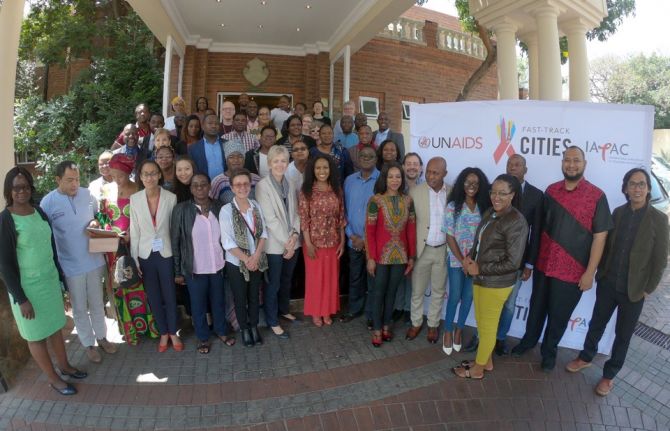
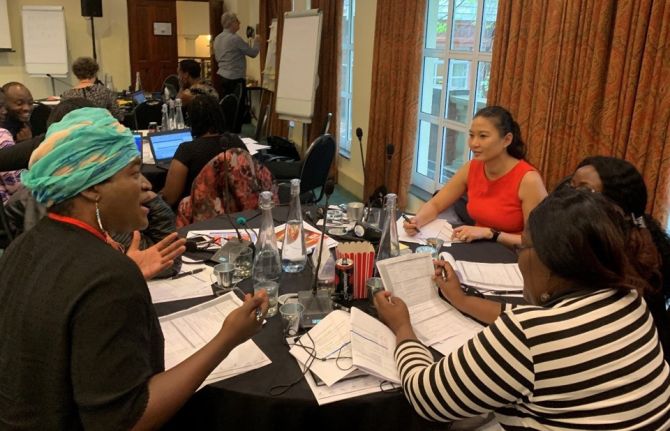
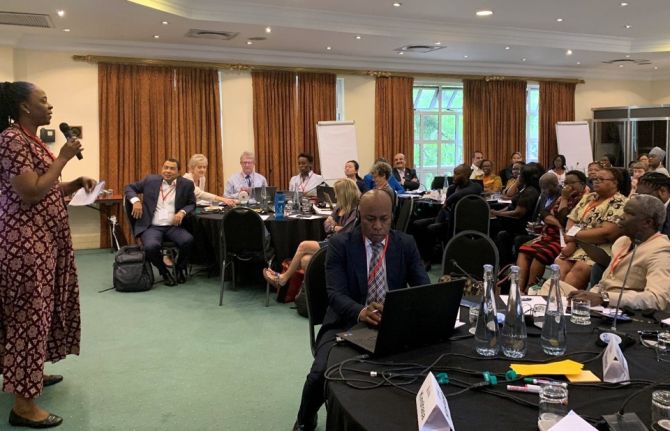
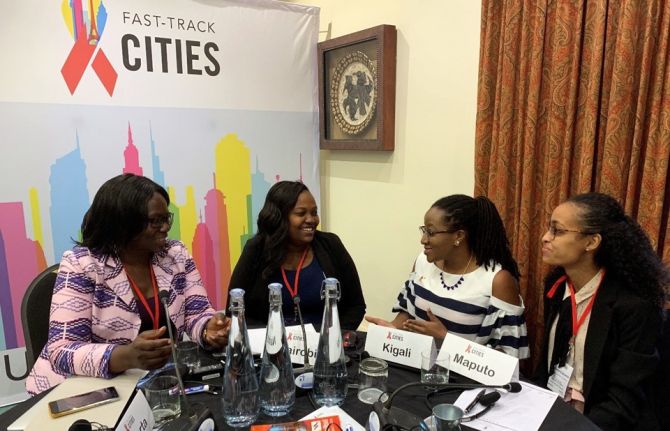
Sponsored by USAID through the United States President's Emergency Plan for AIDS Relief, a joint UNAIDS and International Association of Providers of AIDS Care Fast-Track cities project was designed to provide essential and strategic technical support to priority high-burden cities to accelerate the AIDS response and deliver on the commitment of the Paris Declaration. Ten cities, represented by local governments, civil society organizations and development and other partners, gathered in Johannesburg, South Africa, on 2 November to reflect on experiences and lessons learned during the first year of implementation of the project.
In all 10 cities, political leadership of the HIV response has been mobilized and city health departments are actively engaged in leading the response to HIV. In addition, the projects are receiving high-level support from local and national governments, as well as national AIDS councils. In Yaoundé, Cameroon, the project has provided an opportunity to convene partners on a regular basis, under the leadership of the seven city mayors, to improve coordination of activities, address potential overlap and review progress.
The project is contributing to innovation in cities. In Jakarta, Indonesia, concept testing of mobile solutions has identified an effective and relevant approach to reaching young people and a mobile application is being developed to reach young gay men and other men who have sex with men with key messages related to HIV testing, prevention and support.
“Cities present their own unique advantages to building a multisectoral approach to HIV and can benefit from social transformation opportunities associated with a strong AIDS response. Equity, inclusiveness, resilience and sustainability are not only key to a successful health-care strategy, they are also the building blocks to a thriving city,” said Catherine Sozi, Director of the UNAIDS Regional Support Team for Eastern and Southern Africa.
Civil society is actively engaged in the 10 cities. In Kinshasa, Democratic Republic of the Congo, civil society has been active in the implementation of the project, in advocacy meetings with political leaders, national authorities and other partners, on issues related to stigma, discrimination and human rights. The Kigali, Rwanda, team highlighted the support by the project to the strategic outreach activities to provide HIV services to key populations, including distribution of more than 10 000 condoms in three different locations.
“Through the condom kiosk project with the city government, we were able to successfully reach key populations in Kigali,” said Uwase Nadège, Programme Manager of the Kigali Hope Association. “People who access these services trust others from the community, and we see this as a way to meaningfully engage with the government to Fast-Track the response.”
In Durban and Johannesburg, South Africa, the project is receiving high-level political support from local as well as national governments. In Johannesburg, the project will support the establishment of a city AIDS council, with the key goal of coordinating the HIV response in the city.
Durban, Jakarta, Johannesburg, Kigali, Kinshasa, Lusaka, Maputo, Mozambique, Nairobi, Kenya, Windhoek, Namibia, and Yaoundé are the first 10 cities participating in the project.
Resources
Region/country


Feature Story
UNAIDS Programme Coordinating Board sees South Africa’s AIDS response first-hand
07 November 2018
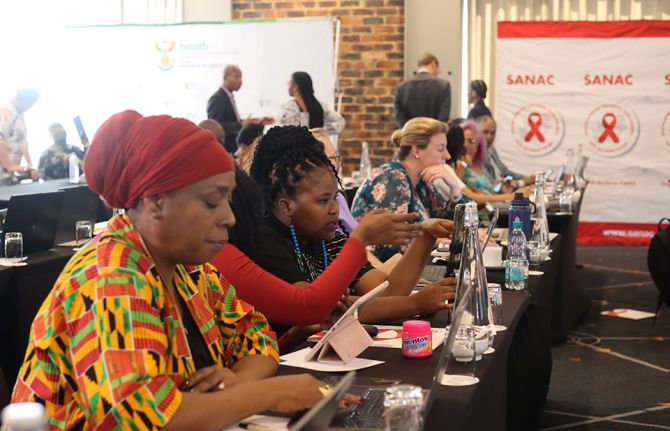
07 November 2018 07 November 2018Ahead of its 43rd meeting in December, the UNAIDS Programme Coordinating Board (PCB) conducted a four-day visit to South Africa between 15 and 18 October. During the visit, the delegates met with a wide range of national and development partners working on the AIDS response and conducted a number of site visits in order to experience the support of the Joint Programme to the national AIDS response in a high-burden country.
South Africa has the largest HIV epidemic in the world, with 7.2 million people living with HIV. In the past 10 years, it has made significant progress in its AIDS response, with 4.4 million people living with HIV on treatment. The country also invests heavily, with approximately 75% of the response funded by the government—just over US$ 2 billion in 2017. However, new HIV infections are high, at 270 000 in 2017.
The PCB delegation, led by the UNAIDS Deputy Executive Director, Gunilla Carlsson, and Danny Graymore, from the United Kingdom of Great Britain and Northern Ireland, the Chair of the PCB, comprised seven representatives of Member States, one civil society representative and a number of participants from the Joint Programme.
“The strength of the UNAIDS Programme Coordinating Board is its unique multistakeholder representation, which includes civil society and United Nations cosponsoring organizations, in addition to Member States,” said Mr Graymore. “The United Kingdom has put a particular focus on prevention for 2019. Coming to South Africa, we wanted to see how to get better results on HIV prevention in the context of a conducive environment and a significant investment in the national response.”
During a meeting with the South African National AIDS Council’s (SANAC) civil society forum, Valeria Rachinska, a PCB delegate from civil society, encouraged members of civil society in South Africa to use their voice in the UNAIDS PCB through the two African region representatives.
“The UNAIDS Programme Coordinating Board is unique in that civil society are members and our voice is heard. We can influence the global agenda in this way. I encourage you to get in touch with your African representatives and make your voices heard,” she said in response to concerns about the financing and sustainability of civil society organizations in South Africa.
During the visit, PCB delegates met with other representatives of SANAC, national and local government, civil society and the private sector and visited community-based initiatives in the KwaZulu-Natal and Gauteng Provinces.
“I am delighted to visit South Africa with such a broad and knowledgeable Programme Coordinating Board delegation. It is clear that the support of the Joint Programme is appreciated and important. We need to focus more on HIV prevention and ensure that we reach people being left behind by the AIDS response and find ways to deliver effective prevention services for young women and adolescent girls,” said Ms Carlsson.
Region/country

Feature Story
Call for a broader vision for harm reduction
09 November 2018
09 November 2018 09 November 2018In 2016, more than 11 million people in the Unites States of America abused prescription opioids and nearly 1 million used heroin, according to the United States Government. Although millions of people in the country are addicted to opioids, only 1 in 10 get treatment.
In 2017, at least 64 000 people died from drug overdose in the Unites States. The misuse of, and addiction to, opioids—including prescription pain relievers, heroin and synthetic opioids such as fentanyl—is a serious national crisis that affects public health as well as social and economic welfare, with devastating consequences.
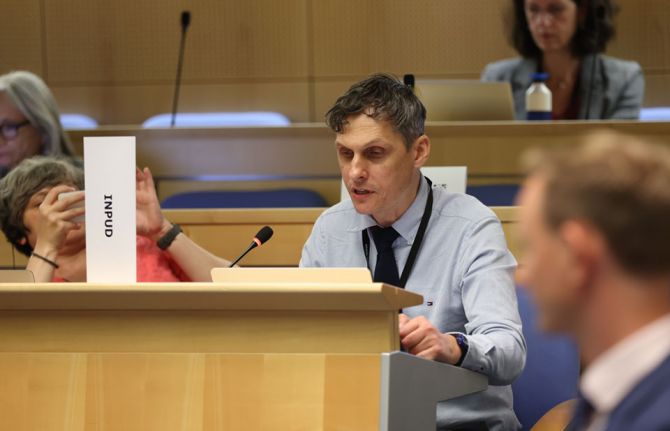
It is against this backdrop that the Harm Reduction Coalition—a national advocacy and capacity-building organization in the United States that works to promote the health and dignity of people and communities affected by drug use—convened its 12th National Harm Reduction Conference in New Orleans from 18 to 21 October.
At the conference, the Harm Reduction Coalition called for the creation of spaces for dialogue and action to heal the harms caused by racialized drug policies. It also announced that it will move beyond traditional core activities in training, capacity-building and policy.
The participants heard a call for a broader vision of harm reduction that extends beyond prevention and risk reduction to strategies to address trauma, social division, injustice and inequities.
“We cannot end AIDS if we do not end it among people who inject drugs. UNAIDS is committed to harm reduction. Harm reduction works. Harm reduction saves lives,” said Ninan Varughese, Senior Adviser, UNAIDS.
In the lead-up to the ministerial segment of the sixty-second session of the Commission on Narcotic Drugs, to be held in March 2019, the United Nations is discussing the issue of the world drug problem at the highest level. The United Nations Secretary-General will discuss the issue at his biannual meetings with the heads of United Nations entities and hopes to adopt a common position that will underscore the strong commitment of the United Nations to strengthen the implementation of the outcome document of the 2016 United Nations Special Session on the World Drug Problem through interagency collaboration.
Region/country


Feature Story
Ecuador innovates around HIV prevention in its cities
07 November 2018
07 November 2018 07 November 2018Surrounded by the stately centuries-old buildings of Quito’s Old City, a group of men are playing a modified game of Jenga. Each wooden brick they carefully extract from a tower corresponds to a sexual health lesson. There’s rapt attention while the peer educator demonstrates how a female condom is used. One table over, young people are gathered around for a male condom demonstration. People might stop by the tents for blood pressure or blood sugar tests, but they stay for the lively safer sex education.
This hands-on engagement is a result of collaboration between the Directors of Health and Social Inclusion for the Municipality of Quito and civil society organizations, including the Kimirina Corporation. Two years after becoming the first Andean city to sign the Paris Declaration to end the AIDS epidemic in cities, Quito has dramatically scaled up HIV testing and prevention programmes. Four hundred kilometres away, the city of Guayaquil is following suit, expanding HIV prevention and community testing.
Over the past year there has been a renewed emphasis on community testing, with concrete results. The proportion of newly diagnosed people being linked to health services has increased by a quarter in Quito and a third in Guayaquil.
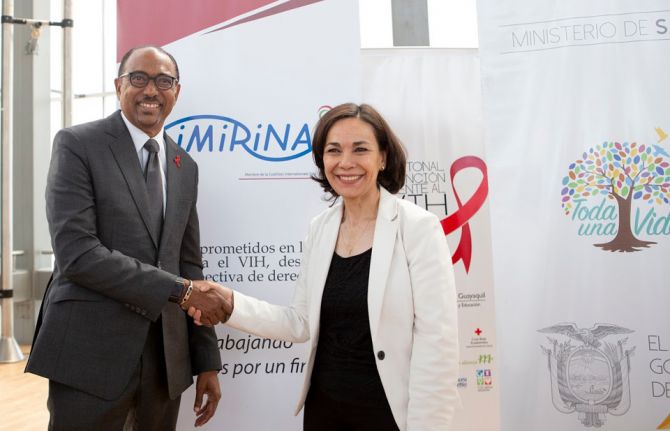
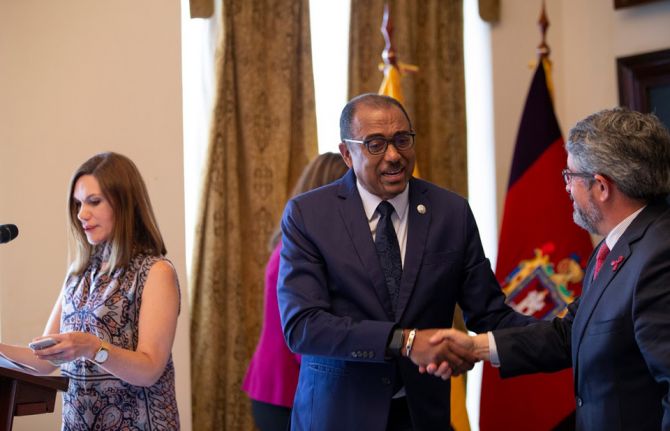
“You are not just talking about the epidemic, but also using practical approaches,” UNAIDS Executive Director Michel Sidibé said during a visit to Ecuador on 30 October. “We are seeing people being educated, accessing services and getting tested. Anything we do with the support of the community is sustainable.”
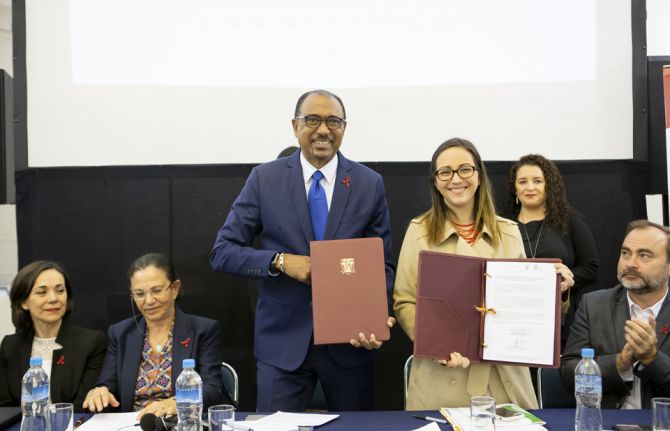
This emphasis on community involvement is a key feature of the new Ecuador Multisectoral National Strategic Plan on HIV. During the plan’s symbolic launch on 30 October, Ecuador’s Public Health Minister, Veronica Espinosa, emphasized that the missions to end AIDS and to build a better society were one and the same.
“We are working to ensure a life without prejudice and the right to health for all without discrimination,” said Ms Espinsosa.
And the human rights-based approach to HIV services does not end with citizens of Ecuador. Ecuador has shown great leadership with regard to migrants, including guaranteeing health care for refugees and migrants living with HIV.
“You have opened your hands and heart to people coming from other places,” said Mr Sidibé. “By giving treatment access to people who could be left behind you are demonstrating that you set a high standard, not only for yourselves but for the world.”
Region/country
Related
 Communities, authorities and UNAIDS coordinate to maintain HIV care during emergencies in Colombia and Venezuela
23 September 2026
 UNAIDS works with partners and communities to support Zambia's rollout of Lenacapavir to prevent new HIV infections
09 September 2026
 Built on trust - Community-led HIV responses in Thailand
26 August 2026
Feature Story
New commitment to primary health care
01 November 2018
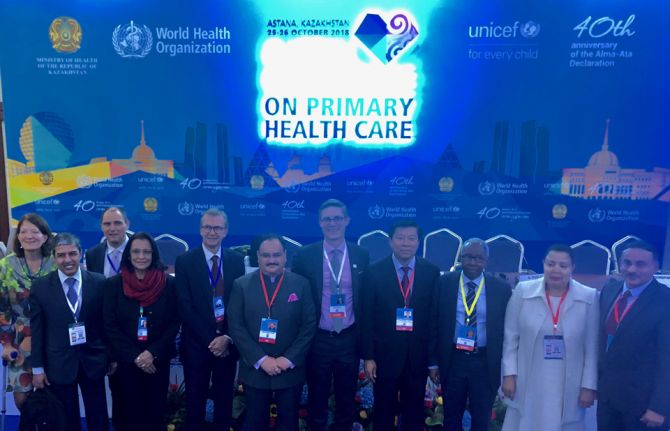
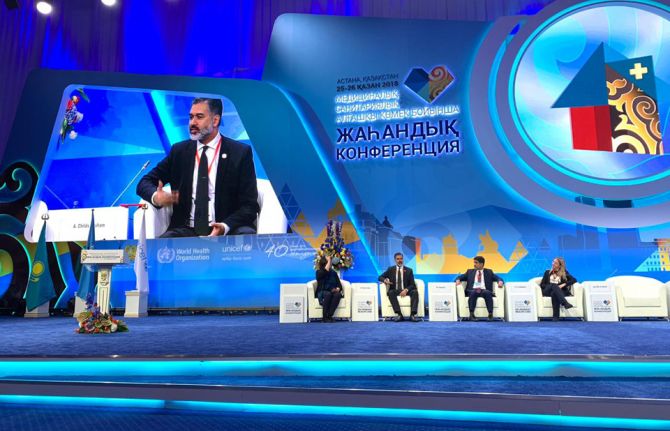
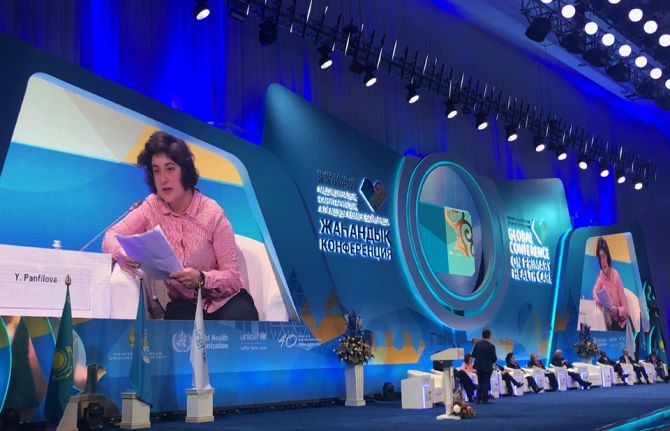
01 November 2018 01 November 2018Countries reaffirmed the fundamental right of every human being to the enjoyment of the highest attainable standard of health and committed to strengthen primary health-care services at the Global Conference on Primary Health Care. The Declaration of Astana, unanimously endorsed at the conference by all World Health Organization Member States, makes pledges in four key areas: making bold political choices for health across all sectors; building sustainable primary health care; empowering individuals and communities; and aligning stakeholder support to national policies, strategies and plans.
HIV disproportionately affects populations that are in many countries marginalized, stigmatized, discriminated against and criminalized. The new commitment to primary health care presents a timely and unique opportunity to step up efforts to address the many barriers that those populations face in accessing HIV and primary health-care services. Addressing such barriers requires having the courage to respond to issues that are often considered sensitive or taboo—around gender, sexuality, identity, exclusion and power.
“UNAIDS is proud to be leading on community and civil society engagement, as part of our contribution to the Global Action Plan for Healthy Lives and Well-Being for All. Only by taking AIDS out of isolation can we can save lives holistically, not disease by disease, issue by issue,” said Vinay P. Saldanha, Director of the UNAIDS Regional Support Team for Eastern Europe and Central Asia.
UNAIDS’ contribution to the event, The AIDS response and primary health care: linkages and opportunities, sets out examples of how to integrate HIV services into primary health care and, conversely, how to use the AIDS response to further leverage primary health care. It calls for urgent attention to be given to the structural and root causes of ill health and for sexual and reproductive health and rights to be central to primary health care.
The Global Conference on Primary Health Care took place in Astana, Kazakhstan, on 25 and 26 October.
Read the declaration
Region/country
Related
 UNAIDS, WHO and Unitaid bring manufacturers and governments together in Geneva as HIV financing enters a new era
14 September 2026
 Women, HIV, and war: a triple burden
12 September 2025
 Displacement and HIV: doubly vulnerable in Ukraine
11 August 2025
Feature Story
Civil society cooperation network for the Americas and the Caribbean launched
02 November 2018
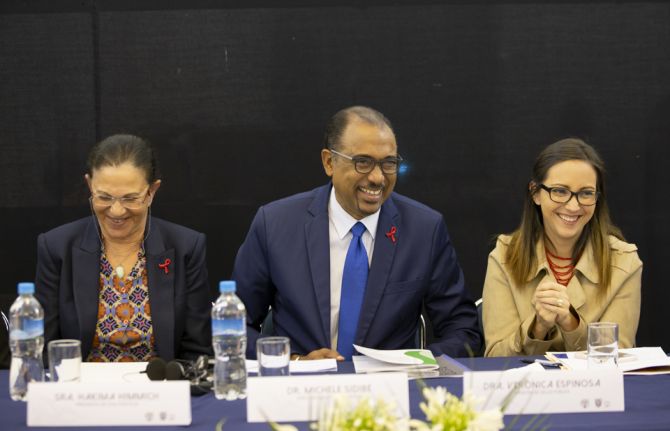
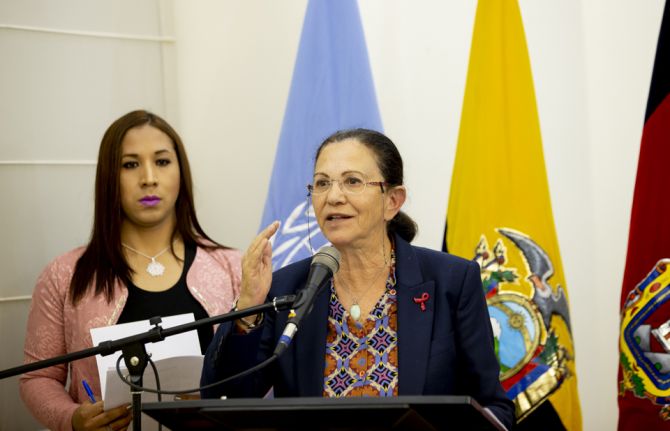
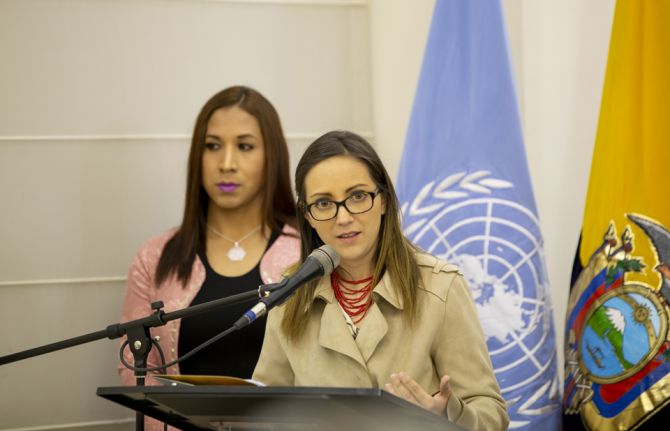
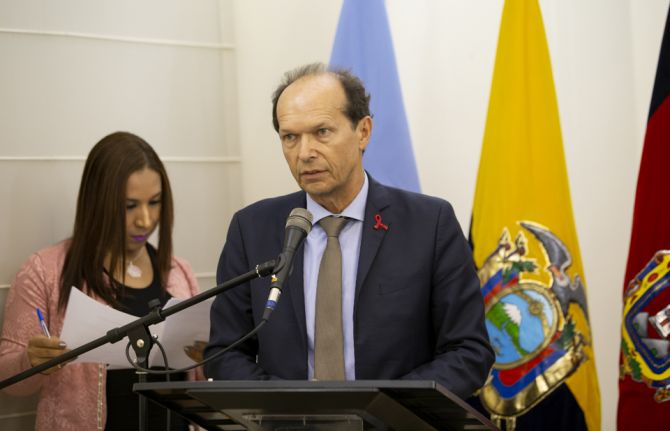
02 November 2018 02 November 2018A new regional civil society cooperation network for the Americas and the Caribbean to support nongovernmental organizations working to end AIDS was launched on 30 October in Quito, Ecuador. Launched by Coalition PLUS, the initiative will support coordination and capacity-building among community organizations involved in the AIDS responses of North, Central and South America and the Caribbean.
“Although we have HIV services available, people do not have access because they are criminalized and stigmatized. The community movement is helping us to end the conspiracy of silence about discrimination. We need civil society to increase efforts to achieve the progressive policies that will clear the way for us to end AIDS,” said Michel Sidibé, UNAIDS Executive Director.
Since 2014, Coalition PLUS—an international alliance of more than 100 nongovernmental organizations contributing to the AIDS response—has been building and strengthening mechanisms for regional collaboration. Such networks already exist in western Africa, central Africa, the Middle East and North Africa, the Indian Ocean and Europe.
The President of Coalition PLUS, Hakima Himmich, said that the network will increase access by organizations to new resources and approaches relevant to their local contexts. She noted that it was especially important to strengthen civil society’s capacity around addressing the needs of the most vulnerable.
“We have huge challenges around stigma and discrimination against entire populations. In order to achieve epidemic control, we must also address human rights,” said Ms Himmich.
UNAIDS data show that in 2017 key populations and their sexual partners accounted for three quarters of new HIV infections in Latin America and two thirds of new infections in the Caribbean. Gay men and other men who have sex with men and transgender women are disproportionately affected, with a few countries reporting HIV rates of above 15% among those communities.
The activities of the network in the region will be coordinated by the Kimirina Corporation, a Ecuadorian organization focused on people-centred combination prevention and advocacy. Amira Herdoiza, Director of the Kimirina Corporation, explained that the platform will place strong emphasis on coordinated research, skills-building and advocacy, particularly around issues affecting young people and key populations.
“We need more multicountry research to show the nuances of our epidemics,” Ms Herdoiza said. “Through this network our organizations’ capacities to share and analyse data will be strengthened. We will also focus on sharing experiences and planning joint programmes.”
At present, there are three other members of the regional network: the Coalition of Quebec Community Organizations against AIDS in Canada; AIDES in the French Caribbean; and the Institute for Human Development in the Plurinational State of Bolivia. Other regional organizations are invited to be part of the initiative.
Region/country

Feature Story
New data dashboard launched in the Asia and the Pacific region
02 November 2018
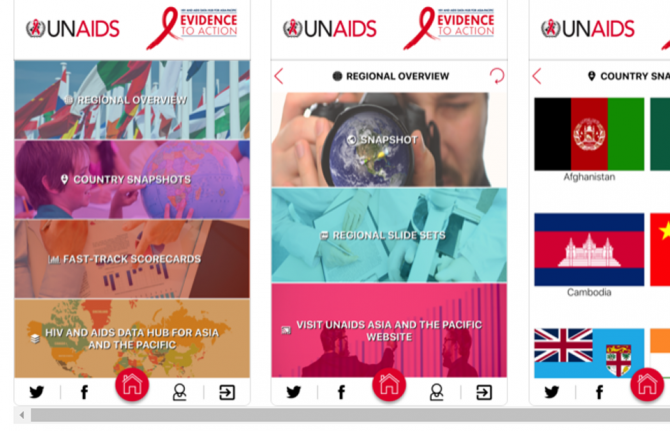
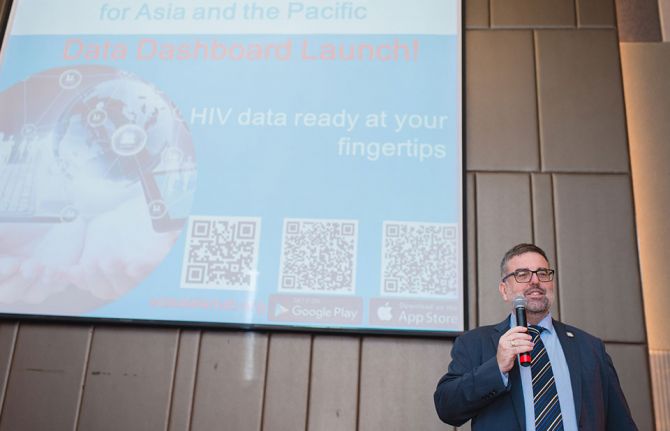
02 November 2018 02 November 2018A new data dashboard to enhance the HIV strategic information products that were already available on the AIDS Data Hub for the Asia and the Pacific region was launched on 30 October.
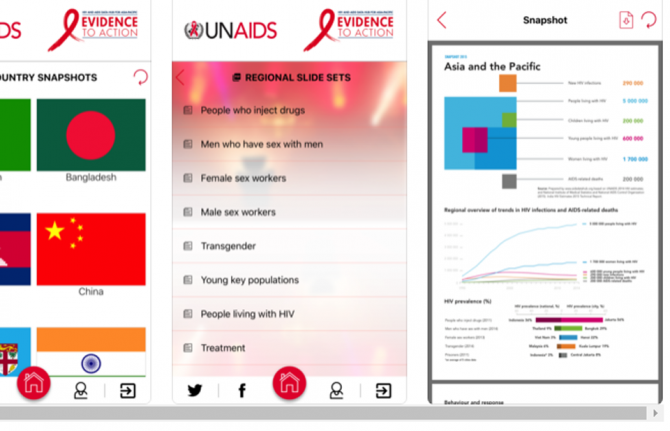
Developed by UNAIDS, the platform allows users to visualize data and indicators related to HIV epidemiology and the AIDS response in the region through customizable maps, graphs, tables and fact sheets by indicator, country and key population. It also facilitates integrated analysis and gives access to granular data. The data dashboard is a one-stop shop that offers HIV-related strategic information, data analysis products and reference documents.
“With concrete targets to be met on the way to end the AIDS epidemic by 2030, it is vital to have the right data tracking whether the Asia and the Pacific region is on course to meet the commitments made in the 2016 United Nations Political Declaration on Ending AIDS. Data show us how far we have come and how far we have to go,” said Eamonn Murphy, Director of the UNAIDS Regional Support Team for Asia and the Pacific.
Accurate and credible data on the HIV epidemic are the cornerstone of the AIDS response. Over the years, a detailed understanding of the HIV epidemic has been built up through the collection, analysis and dissemination of data, helping programmes to reach the right people in the right place and at the right time. Having high-quality data on the AIDS response coupled with cutting-edge analysis has been critical for countries to track their progress towards ending the AIDS epidemic.
UNAIDS and the Data Hub team work with all the countries in the region to collect and analyse data on their AIDS responses and to help build their capacity to generate and use strategic information. In the region, no major report, speech or policy initiative on HIV is launched or made without referring to data collected and released by UNAIDS.
The Data Hub team works closely with civil society, particularly on strengthening the capacity of young community members on data literacy and the interpretation and use of data. “Research and data, coupled with the lived experience of our community, provide the evidence we need for an effective response to HIV. The AIDS Data Hub is an essential tool for helping community-based HIV workers across the Asia–Pacific region access relevant research and data to amplify their advocacy for better services, more funding and the scaling up of programming,” said Midnight Poonkasetwattana, the Executive Director of APCOM.
Asia Pacific AIDS Data Hub
Region/country
- Asia and Pacific
- Australia
- Bangladesh
- Bhutan
- Brunei Darussalam
- Cambodia
- China
- Democratic People's Republic of Korea
- Federated States of Micronesia
- Fiji
- India
- Indonesia
- Islamic Republic of Iran
- Japan
- Kiribati
- Lao People's Democratic Republic
- Malaysia
- Maldives
- Marshall Islands
- Mongolia
- Myanmar
- Nauru
- Nepal
- New Zealand
- Pakistan
- Palau
- Papua New Guinea
- Philippines
- Republic of Korea
- Singapore
- Solomon Islands
- Sri Lanka
- Thailand
- Timor-Leste
- Tonga
- Tuvalu
- Vanuatu
- Viet Nam
- Samoa
Feature Story
HIVR4P 2018 highlights new possibilities for HIV prevention
31 October 2018
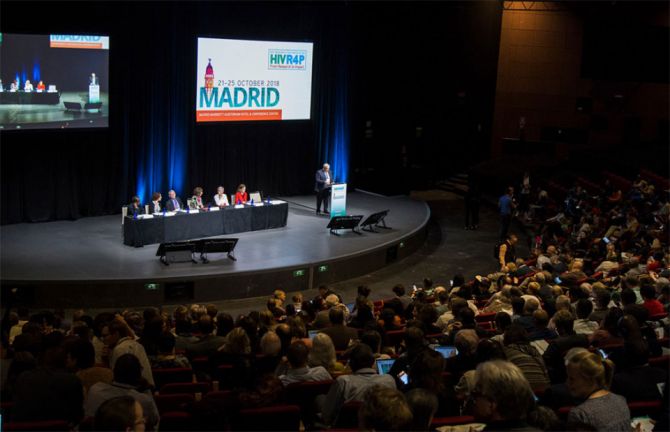
31 October 2018 31 October 2018The possibilities for new and improved HIV prevention options were showcased at the recent HIV Research for Prevention (HIVR4P) conference, although the participants heard that many new tools are still several years from being ready for implementation.
The importance of pre-exposure prophylaxis (PrEP), including PrEP delivered by a vaginal ring and long-acting PrEP, including injectable PrEP, was featured in many presentations. Vaginal ring PrEP offers better female-controlled prevention options that can protect women without their partner’s knowledge, while injectable PrEP would mean that daily pill-taking and the risk of forgetting to take the pill would be history. Both vaginal ring PrEP and long-acting PrEP are still some way from being available, however, with the vaginal ring currently being reviewed for regulatory approval by the European Medicines Agency and trials for long-acting PrEP not due to deliver results until 2021 or later.
If antibodies and engineered molecules that mimic them can be shown to prevent HIV infection, the way to six-monthly injections for either prevention or treatment could be opened up, along with the possibility of a vaccine that made people develop their own similar antibodies. The participants heard that much progress had been made in discovering and developing such antibodies. The first proof of principle trials showing their effectiveness will report their results in 2020.
“Science has delivered us extraordinary advances in technologies for the diagnosis, treatment and monitoring of HIV infection. There is now real excitement that over the next years it will also lead to effective affordable prevention tools,” said Peter Godfrey-Faussett, Science Adviser, UNAIDS.
The participants heard that there are high levels of sexually transmitted infections (STIs) among the populations at higher risk of HIV and that, as we have known for decades, STIs lead to increased HIV acquisition. The rates of the major treatable bacterial STIs have been rising steadily and are at alarming levels among gay men and other men who have sex with men and young people in eastern and southern Africa, in part due to declining condom usage. The high rates of the major treatable STIs have become particularly evident with the advent of increased screening accompanying the roll-out of PrEP.
Many STIs have no symptoms and can only be diagnosed with modern diagnostic tests—these are simple, but still far too expensive for the countries that need them the most. Along with geography and age group, STIs are among the strongest indicator of risk of HIV. An integrated STI and HIV prevention approach could offer PrEP to people who are HIV-negative but have an STI and live in an area where HIV is prevalent.
New prevention technologies are likely to be relatively expensive and hence will need to be focused on populations at higher risk in order to be affordable and cost-effective. Mathematical modelling shows that these new HIV prevention technologies may have only a limited impact on new HIV infections in eastern and southern Africa. For example, modelling of the impact of the dapivirine ring—a vaginal ring with a slow release of an antiretroviral medicine that protects against HIV infection—shows that only 1.5–2.5% of HIV infections would be averted over the next 18 years in Kenya, Uganda, Zimbabwe and South Africa. With the cost of averting one HIV infection through the use of the dapivirine ring varying from US$ 10 000 to US$ 100 000, many of the participants argued for integrating and combining both HIV treatment and prevention, and the responses to HIV and other diseases, for maximum effect.
The biennial HIVR4P conference was held in Madrid, Spain, from 21 to 25 October.




Feature Story
Training the next generation of Russian doctors on HIV-related stigma and discrimination
30 October 2018
30 October 2018 30 October 2018Stigma and discrimination among health-care workers is among the most severe barriers that people living with HIV experience in accessing life-saving health services. In order to encourage a new generation of health-care workers in the Russian Federation to provide medical services in a non-stigmatizing and discrimination-free setting, 20 medical students from across the country are participating in a new week-long course at the Vera HIV Medical School.
“Medical students often only hear second-hand stories about how to treat or care for people living with HIV. But if they receive the right training and practical support, they can be a bridge between people at risk of HIV and access to life-saving services,” said Anton Yeremin, the course’s coordinator, who is also an infectious diseases doctor who specializes in HIV treatment and care. “If doctors unknowingly promote stigma or explicitly discriminate against people living with HIV, or people at risk of HIV, it can result in patients being denied access to treatment, or even avoiding contact with medical services," he added.
The course is designed to complement what students learn at university. “We encourage future doctors to develop skills specific to the HIV context, such as relating to patients and understanding some of the social and legal aspects of their diagnosis,” said Mr Yeremin. The course consists of lectures and workshops on non-discriminatory approaches to people living with HIV and meeting people living with HIV, doctors, lawyers, psychologists, HIV activists and representatives of nongovernmental organizations to hear their stories.
According to Dmitry Petrov, a peer counsellor at the Svetlana Izambayeva Charitable Foundation, his clients are often denied admission to hospital. “An ambulance will arrive and the ambulance crew will say we can drive him to a hospital, but they won't admit him,” he said. Not long ago, he was helping a client to be admitted to a hospital; two official referrals from the local AIDS centre made no difference, and the woman was denied admission. Only after formal complaints filed by the patient’s family to the local government did the client get admitted. When asked about the most recent time a client was refused hospital admission, Mr Petrov answered “Yesterday,” without hesitation.
The stories shared by the Svetlana Izambayeva Charitable Foundation’s staff are consistent with the findings published in a recent Human Rights Watch report, which notes that people living with HIV regularly face stigma and discrimination from health-care workers. The situation is said to be worse outside of the major cities.
The course was initiated and organized by the National Union of Medical Students and was featured on a crowdfunding platform called No One Left Behind, a joint project of the Russian AIDS Center Foundation and UNAIDS.
Vera Brezhnevа, UNAIDS Goodwill Ambassador for Eastern Europe and Central Asia, has sponsored the course. “Every doctor must expect to see a person living with HIV at some point. We want medical students to understand that people living with HIV are a large and diverse group of people and their diagnosis is not a reason to hold negative attitudes towards them,” said Ms Brezhnevа. "I hope these first graduates of the Vera HIV Medical School will be the beginning of the end of HIV-related discrimination in health-care settings,” she added.
No One Left Behind
Region/country

Feature Story
Global HIV prevention targets at risk
29 October 2018
29 October 2018 29 October 2018As the world grapples with how to speed up reductions in new HIV infections, great optimism is coming from the world of HIV prevention research with a slate of efficacy trials across the prevention pipeline. Major HIV vaccine and antibody efficacy trials are under way, as is critical follow-on research for proven antiretroviral-based prevention options.
However, a new report by the Resource Tracking for HIV Prevention R&D Working Group shows that rather than bolstering the new research by increasing investments into these exciting new advances, resources for HIV prevention research and development are actually slowing down.
In fact, in 2017, HIV research funding declined for the fifth consecutive year, falling to its lowest level in more than a decade. In 2017, funding for HIV prevention research and development decreased by 3.5% (US$ 40 million) from the previous year, falling to US$ 1.1 billion.
“Make no mistake, we are in a prevention crisis and we cannot afford a further funding crisis,” said Mitchell Warren, AVAC Executive Director. “It is unacceptable that donor funding for HIV prevention research continues to fall year after year even as research is moving new options closer to reality. We need continued and sustained investment to keep HIV prevention research on track to provide the new tools that will move the world closer to ending AIDS as a public health threat.”
The report warns that meeting the UNAIDS HIV prevention Fast-Track target of less than 500 000 new infections by 2020 (new HIV infections were at 1.8 million in 2017) will not only require the expansion of existing options such as voluntary medical male circumcision and pre-exposure prophylaxis, but also the development of innovative new products, including long-acting antiretroviral-based prevention options and a vaccine.
Indeed, sustained funding will be critical to keep the full gamut of HIV prevention research moving forward in a timely manner, as even small declines in funding could delay or sideline promising new HIV prevention options that are needed to end the AIDS epidemic.
“With 5000 people becoming infected with HIV every day, it is critical that we both scale up the effective HIV prevention programmes we currently have and invest in new technologies and solutions so that they can become a reality for the populations most affected by HIV,” said Tim Martineau, UNAIDS Deputy Executive Director, a.i. “Doing both will avert new infections, save lives and reduce the rising costs of life-long antiretroviral treatment.”
The Government of the United States of America continues to be the major funder of HIV prevention research, contributing almost three quarters of overall funding in 2017. However, this was also a decrease of almost 6%, bringing funding from the United States to a five year low of US$ 830 million. The report highlights that the uncertainty around continued political will to fund the AIDS response is a serious concern.
This week, researchers, implementers, advocates and funders are gathering at the HIV Research for Prevention (HIVR4P 2018) conference in Madrid, Spain, to review progress in HIV prevention research. There is much to be optimistic about in HIV science and in the accumulated knowledge of how to end the epidemic; however, the sobering changes in the funding and policy environments are raising some serious concerns about the future of the response to HIV and the world’s ability to respond to the continued challenges that HIV presents.
The report and infographics on prevention research investment are online at www.hivresourcetracking.org and on social media with #HIVPxinvestment.
Since 2000, the Resource Tracking for HIV Prevention R&D Working Group (formerly the HIV Vaccines & Microbicides Resource Tracking Working Group) has employed a comprehensive methodology to track trends in research and development investments and expenditures for biomedical HIV prevention options. AVAC leads the secretariat of the working group, which also includes the International AIDS Vaccine Initiative and UNAIDS.