

Feature Story
Promoting positive masculinity to end gender-based violence in Armenia
09 January 2025
09 January 2025 09 January 2025A new initiative in Armenia is redefining perceptions of gender roles to end gender-based violence in the country.
Gender-based violence remains a significant challenge in Armenia. Deeply rooted in societal norms and cultural attitudes, it disproportionately impacts women and girls, especially from marginalized and vulnerable groups, increasing their risk to HIV infection and reducing their ability to access HIV prevention and treatment services.
A recent study on perceptions of violence in Armenia, done with support from the European Union showed that, over the past year, more than 80% of women living with HIV or from other key populations reported experiencing violence from a spouse or partner. And a 2023 Gender Assessment report, supported by UNAIDS, stressed the prevalence of gender-based violence in Armenia and underscored the urgent need for actions to address harmful gender norms.
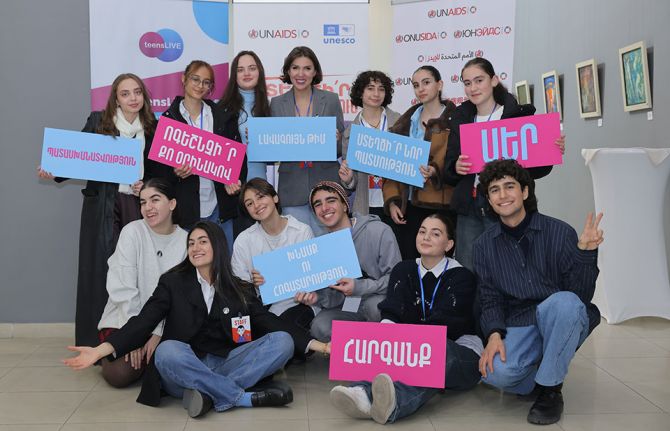
Addressing this issue requires a multifaceted societal effort, including legislation, policies, and cultural shifts. However, a critical component is redefining perceptions of gender roles and masculinity, starting at a young age. To that end, UNESCO and UNAIDS, with support from the Government of the Grand Duchy of Luxembourg launched The Joint Positive Masculinity Project. Addressed to young men aged 16–25, the initiative aimed to foster healthier attitudes toward masculinity, advancing gender equality and reducing violence.
The initiative used diverse and engaging digital content that resonate with young people, including articles, comics, and partnerships with influential local figures like sportsman Levon Hovhannisyan and actor Boris Melqonyan. These collaborations amplified the campaign’s message, sparking critical conversations about redefining masculinity.
A centerpiece of the initiative was a digital masculinity test, designed to challenge traditional views and encourage healthier attitudes. Nearly 2,000 young men participated, providing valuable insights. For example, harmful environments such as bullying, family violence, and misinformation were identified as key contributors to toxic masculinity, with 76.5% of respondents linking these factors to aggressive behavior and unhealthy gender norms.
Personal relationships with family and friends were shown to be the most influential in shaping positive masculinity, demonstrating the importance of interpersonal connections in fostering healthier attitudes.
Participants increasingly rejected harmful traits such as aggression and superiority over women, instead valuing emotional intelligence, care for others, and non-violence.
“The campaign sparked a crucial dialogue among Armenian boys and young men, empowering them to embrace a more inclusive and emotionally intelligent form of masculinity,” said Elena Kiryushina, UNAIDS Gender and Youth officer for the Eastern Europe and central Asia region. “The test results underscore the importance of addressing toxic behaviours in both media and social environments and demonstrate the potential for positive change.”
Through the project’s digital platform, young men openly discussed healthier masculinity, explored ways to manage stress, sought mental health support, and embraced non-violent behaviors. These efforts represent a significant shift toward creating healthier, more equitable gender dynamics.
The campaign achieved over 840,000 impressions across Instagram, Facebook, TikTok, and Telegram, far exceeding its initial targets and signaling a strong appetite for change among Armenian youth.
The campaign aligns with recent amendments to Armenia’s 2017 domestic violence law, which provide a more supportive environment for addressing harmful gender norms. By engaging adolescent boys and young men as agents of positive change, the project challenges entrenched stereotypes and promotes respectful, equitable relationships.
Ekaterina Samolygo, UNESCO IITE Project Coordinator, emphasized, “Gender equality is a fundamental human rights issue and a precondition for sustainable, people-centered development. This initiative is a significant step toward transforming unhealthy beliefs, attitudes, and behaviors to ensure gender equality.”
By empowering young men to redefine masculinity, the initiative lays the groundwork for a healthier, more equitable future for Armenia—one where respect, empathy, and gender equality flourish.
Region/country
Related
Feature Story
Efforts to end AIDS in children receive major boost with the launch of the first provincial chapter of the Global Alliance in Eastern Cape Province, South Africa
23 December 2024
23 December 2024 23 December 2024South Africa’s fight to end AIDS in children has received a major boost with the launch of the first provincial Global Alliance chapter in the Eastern Cape province. The Global Alliance is driving a global agenda to end AIDS in children by 2030 together with UNAIDS, the Joint United Nations Programme responsible for the global HIV and AIDS response, with a commitment to ensure that all children who are already living with HIV are on lifesaving treatment to live long and healthy lives and to prevent new HIV infections in newborns.
South Africa has one of the highest number of people living with HIV in the world, with approximately 7,7 million people living with HIV and about 150,000 children below 15 years living with HIV. The Eastern Cape province accounted for 24,856 children (aged 0-14 years) living with HIV in 2023. Of these, 1,360 children were newly infected with HIV during the same period. There were 255 children who died of AIDS-related illnesses during the same period.
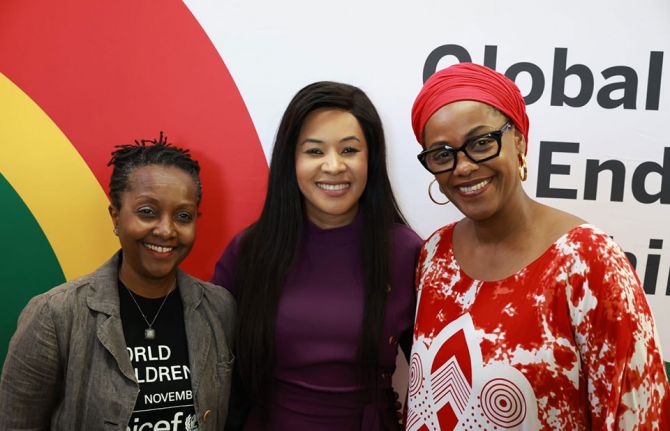
The Eastern Cape provincial chapter of the Global Alliance was launched at the Masizakhe Children’s home in Mdantsane on 30 November 2024 by the spouse of the Deputy President of South Africa, who is also the patron of the Global Alliance, Mrs Humile Mashatile. She said that it was crucial for the country to accelerate the fight against AIDS to end the AIDS epidemic, including vertical transmission of HIV – for breastfeeding mothers who are living with HIV – and ensuring that people who are not receiving antiretroviral treatment are initiated on it. The patron further called on the government and stakeholders to support the Global Alliance’s work in the province, including ensuring that no child who needs treatment is left behind, including children in remote areas of the country where access to health facilities is often difficult.
“While the Global Alliance activities are focused on health facilities, their success requires the collective effort of all sectors. I call upon all managers across all government departments, civil society leaders and the community-led organizations to adopt these shared values. This should be carried out with an understanding that it is about children’s future,” said Mrs Mashatile. “As we officially launch the Eastern Cape Chapter of the Global Alliance, let us work together to end AIDS in children who will grow up to be healthy and smart leaders of the future.”
Mrs Mashatile also urged leaders to tackle inequalities, including transactional relationships and “ukuthwala”, the practice that involves forced marriage of young girls to older men, as some of the issues that are fuelling new HIV infections in children. Deputy President Paul Mashatile led the pledge against gender-based violence during the national World AIDS Day commemoration event in Mdantsane on 1 December.
The United Nations Children’s Fund (UNICEF) Representative in South Africa, Christine Muhigana, said that progress to end AIDS in children in South Africa needs to be fast-tracked.
“As we conclude the commemoration of 30 years of democracy, we acknowledge the remarkable strides of this country in addressing the AIDS pandemic with South Africa implementing the largest HIV programme in the world," said Christine Muhigana, UNICEF Representative in South Africa.
Eastern Cape Premier, Oscar Mabuyane affirmed the provincial government’s support for the Global Alliance Chapter launch in the province. He said that the province was committed to ending AIDS by 2030 as a public health threat.
“The Global Alliance Eastern Cape chapter envisions a future where every child grows free from HIV with equal opportunities by scaling up evidence-based interventions and community engagement leveraging the multisectoral responses and commitment,” said Oscar Mabuyane, Eastern Cape Premier. “Eastern Cape seeks to halt new HIV transmissions by 2030.”
Globally, UNAIDS reported that the AIDS epidemic is at a crossroads. According to Eva Kiwango, UNAIDS Country Director for South Africa, it is “important to prioritize the right to health of children living with HIV by ensuring that they receive the lifesaving antiretroviral treatment to end AIDS as a public health threat.”
Efforts to end AIDS in children combine the work of both government, civil society, community-led organizations and pharmaceutical firms that produce HIV treatment. According to Simo Masondo, Head of Government Affairs and Trade Development at multinational pharmaceutical company, CIPLA, the firm would continue to work with the government of South Africa to end AIDS through the production of antiretroviral treatment, including treatment for children. Masondo said that CIPLA was committed to equitable access of treatment for all.
UNAIDS Focus area

Feature Story
UNAIDS - partnerships for country led and country owned data system: A transformative approach
23 December 2024
23 December 2024 23 December 2024There is an urgent need to address inequities in global health practices, including how data are collected and used. In the case of HIV data, UNAIDS has consistently strived to strengthen partnerships with countries to support them in their data journeys, from collecting to using HIV data.
UNAIDS’ approach to data systems is different than other global organizations. UNAIDS engages with countries to strengthen their information systems, conduct data reviews and use data to steer the HIV response. UNAIDS facilitates strong collaboration across all stakeholders in the country including bringing different voices to the data reviews, linking the reporting process with capacity strengthening, and finally ensuring that countries lead and come to consensus on one set of data.
The strength of the UNAIDS approach comes from our country and regional presence that ensures UNAIDS support through each step of the process, from data quality control to dissemination and knowledge translation.
This process starts with in-country data quality reviews, followed by training and continued support throughout the process. UNAIDS regularly convenes epidemiologists and data experts and other national stakeholders in regional workshops to share the latest tool and skills to contribute into national capacity to better understand their HIV epidemics and to use the data to guide more effective and efficient national HIV responses to close the inequities. This participatory approach helps countries to develop a harmonized and better understanding of their HIV epidemics and interpret and apply the data more effectively for HIV programming.
“Supporting countries to gather the most accurate picture of their national epidemic in a granular manner is a strategic priority for UNAIDS, national partners and donors.” said Angeli Achrekar, UNAIDS Deputy Executive Director, Programmes. “We firmly believe that working together in this partnership, with countries in the lead, and experts, partners and communities at the table we deliver more impactful results.”
A total of nine regional estimates workshops takes place as part of this round of training, running from December 2024 to February 2025. The first two workshop were held from 2-13 December in Johannesburg, South Africa where epidemiologists, HIV data managers, and other partners reviewed their programme data and found areas for improvement, and updated their modelled estimates of HIV incidence, mortality and measured progress toward the 95-95-95 targets for 2025 at national and sub-national levels. The models are a way of triangulating programme data, surveillance data, survey results, and underlying demographic data into a consistent understanding of the trends in the epidemic.
This collaborative, workshop process concludes with each country developing a comprehensive and nuanced summary of their epidemics, including having detailed information about the inequalities that persist over time. The models also allow countries to make projections to guide more targeted responses into the future informing their Sustainability Roadmaps effort using state-of-the-art modelling tools.
In countries with UNAIDS strategic information advisors, they support national counterparts in leading the estimates work year-round, together with other international partners such as the Global Fund to Fight AIDS, Tuberculosis and Malaria, US Government, UNICEF and WHO. This ensures the annual estimates are derived from the best possible data and fully owned by countries and partners.
Similarly, it ensures that all stakeholders in the country agree on one set of estimates for planning and reporting. It is this continuous support that ensures countries are equipped to lead their data initiatives effectively. Furthermore, this participatory approach enables countries not only to be data contributors but to lead in interpreting and applying the data.
In addition to having a greater clarity on the expected course of their national epidemics, countries are able to plan their responses and develop a detailed annual report on their epidemics. This data is used by national governments, major partners like PEPFAR, the Global Fund to Fight AIDS, Tuberculosis and Malaria and community networks to develop more effective and efficient response plans based on the latest information on the course of the epidemic. UNAIDS also compiles and publishes these data, once validated, through its annual Global AIDS Update report and on AIDSinfo, the UNAIDS online data dissemination platform.
In the past two decades, UNAIDS has transformed the approach to global health data from extractive top-down models with minimal country input to inclusive, equitable, and collaborative processes. This approach shifts the power back to countries, prioritizes national ownership, partnership, transparency, and capacity, ensuring that countries are leading in using and interpreting their data—with support from UNAIDS and other development partners.
A suite of tools has been developed to help countries produce more accurate data. These tools are free, widely distributed, and used by epidemiologists across more than 170 countries, promoting equitable access to high-quality methodologies. To foster transparency, the methodology, assumptions, and parameters of the models and tools are published in open access journals and expert deliberations are posted at www.epidem.org.
Feature Story
Building country-led sustainable HIV responses
20 December 2024
20 December 2024 20 December 2024What does the HIV response look like beyond the 2030 targets to end AIDS? For the past year, UNAIDS has been working with partners and over 30 countries to develop country-led roadmaps for the sustainability of HIV prevention, treatment and care services far into the future.
Part of the sustainability journey includes reaching the global goal of ending AIDS in the next five years. According to a recent World Bank report, despite an early COVID-19 spending peak, per capita government health spending has steadily declined in low- and lower middle-income countries. Urgent action is needed in many countries to ensure reaching the health Sustainable Development Goals remains possible by 2030.
UNAIDS’s new sustainability approach, developed jointly with the US President’s Emergency Plan for AIDS Relief (PEPFAR) and the Global Fund to Fight AIDS, Tuberculosis and Malaria (GF) in early 2024, focuses on five core areas. These are political leadership and commitment; enabling laws and policies; sustainable and equitable financing; science-driven, effective and high-impact HIV services and solutions; and systems built to deliver. The specific methods look different in each country, but all have equity and communities at the center.
“A multi-sectoral approach remains critical to the HIV response particularly in this last mile as we accelerate prevention and close gaps that require us to address the complex inequalities that persist,” said Anne Githuku-Shongwe at UNAIDS.
As part of this initiative, UNAIDS and partners are supporting countries to create and implement sustainability roadmaps. The roadmaps identify key changes countries can take to shift towards self-reliant, efficient and impactful HIV responses both in the short- and long-term.
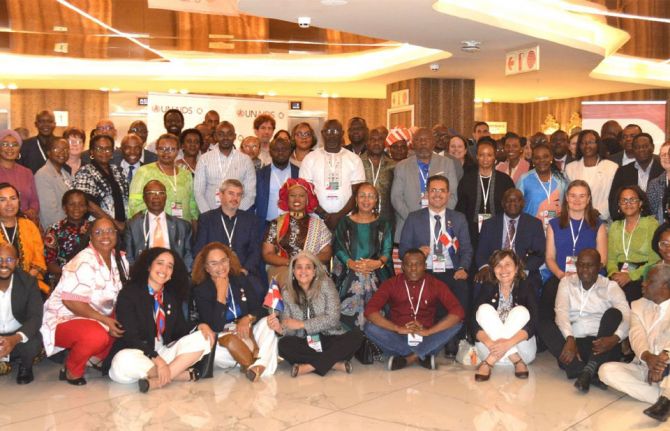
Representatives from 22 countries in Sub-Saharan Africa and the Dominican Republic gathered recently in Johannesburg, South Africa to hone their roadmaps during a workshop hosted in October by The South African National AIDS Council in collaboration with UNAIDS, PEPFAR and the GF.
“While it is valuable that we come together to learn and share insights, it is crucial to recognize the level of responsibility each of us carries in our respective countries. We are not here simply to exchange ideas, but to take on a leadership role in driving meaningful change,” said Thembisile Xulu of the South African National AIDS Council as she addressed the participants.
During the workshop, countries shared experiences and learned from each other about their individual sustainability journeys. In addition, countries agreed to establish a virtual peer learning network to facilitate future cross-border partnerships and share successes and challenges in moving towards sustainability. Some of the findings so far along the journey include the necessity of high-level political support, coordinated multi-sectoral efforts and diversified funding sources.
Furthermore, countries recommended that development partners craft consistent messages about their ongoing commitment levels to fund HIV and health services. The need for transparent, responsible and inclusive conversations was emphasized by all in Johannesburg when discussing the transition from donor financed to country financed responses.
“The fiscal space for HIV is tightening, and we need to be pragmatic as we work to sustain the response with a focus on simplification and efficiency,” said Sarah Dominis from the U.S. State Department Bureau of Global Health Security and Diplomacy, Office of Financial and Programmatic Stability. “The future HIV response will be led by country governments in partnership with community and private sector partners. PEPFAR is not going away but will focus on supporting countries to sustain the HIV response, aligning to the vision they have committed to in their roadmaps.”
As the roadmaps roll out publicly, governments are recognizing the role of communities in the long-term response. For example, Tanzania’s roadmap identifies that community-led organizations play a pivotal role in community mobilisation, facilitating social and behaviour change, addressing social/cultural norms, primary HIV prevention interventions, adherence to antiretroviral treatment and retention in care. As a result, the roadmap lists actions to bolster communities, such as scaling up the network of community health workers and reinforcing community-led monitoring programs.
“When we talk about HIV sustainability we need to go back to the basics. It's about planning around the lives of PLHIV. Communities are always at the centre of service delivery, demand creation and monitoring. There is the opportunity for us all to tap into the infrastructure and willingness of communities to provide treatment and prevention services - through strong sustainable partnerships,” said Sibongile Nkosi from The Global Network of People Living with HIV.
This past World AIDS Day, ten countries launched their sustainability roadmaps, and more will follow in early 2025. To follow the process, visit: https://sustainability.unaids.org/
Related documents
Related

Feature Story
HIV financial data: A transformative power to ensure sustainability of the AIDS response
19 December 2024
19 December 2024 19 December 2024Progress towards ending AIDS as a public health threat has been strongest in the countries and regions with sufficient investments in their HIV responses, especially in countries from eastern and southern Africa. However, a critical part of this success lies in understanding where resources are being allocated and ensuring that investments are directed towards the most impactful interventions.
“HIV financial data is essential for decision-making”, said Jaime Atienza, Director of Equitable Finance at UNAIDS. “This is especially important when we can see constraints, now and around the corner.”
To reflect on the current use and future potential of HIV financial data, UNAIDS and the Global Fund to Fight AIDS, TB and Malaria brought together representatives from 10 African countries to Cape Town, South Africa. During the event, countries shared how they are using HIV financial data to transform their national HIV responses.
In the case of Kenya, for example, the 2022 National AIDS Spending Assessment (NASA) revealed that approximately 84% of the funds for care and treatment programmes came from external sources. This heavy reliance on external funding prompted the development of a cabinet advisory note on local commodity manufacturing, aimed at addressing commodity security risks. In response, the Office of the Presidency issued a statement on Worlds AIDS day 2022 directing that the government would support the pharmaceutical sector to strengthen its local manufacturing capacity and review relevant regulations and tax policies to create an enabling environment.
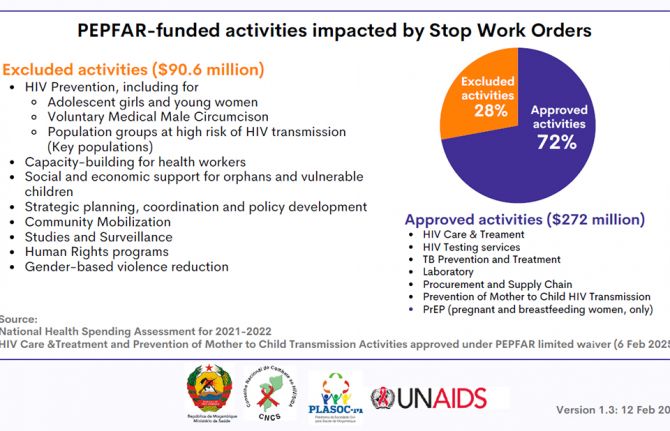
In Mozambique another NASA study showed how the country spent 26% less on HIV treatment than the National Strategic Plan required, while still surpassing the antiretroviral (ART) coverage target. ART unit costs have fallen from US$ 208 in 2017 to US$ 137 in 2022—well below most countries in the region. Economies of scale and differentiated service delivery likely contributed to this outcome. “We are using this data to inform multi-sectoral plans and state budgets” said Francisco Mbofana, Executive Secretary of Mozambique's National AIDS Council.
HIV financial data is also seen by countries as an effective tool for mobilizing resources. Ethiopia’s NASA and National Health Accounts (NHA) informed a Domestic Resource Mobilization Strategy. The Strategy aims to boost domestic investment from US$ 27.9 million in 2020 to US$ 68.5 million by 2025 through government revenues, AIDS fund(s), targeted mainstreaming, community care coalitions, and earmarked taxes. In addition, South Africa demonstrated to the Global Fund that of the US$ 6.3 billion the government committed to invest in HIV from 2022-2025, US$ 6.2 billion (98.99%) is likely to be realized. This, in turn, unlocks the US$ 92.7 million co-financing incentive from the Global Fund grant for 2025-2028.
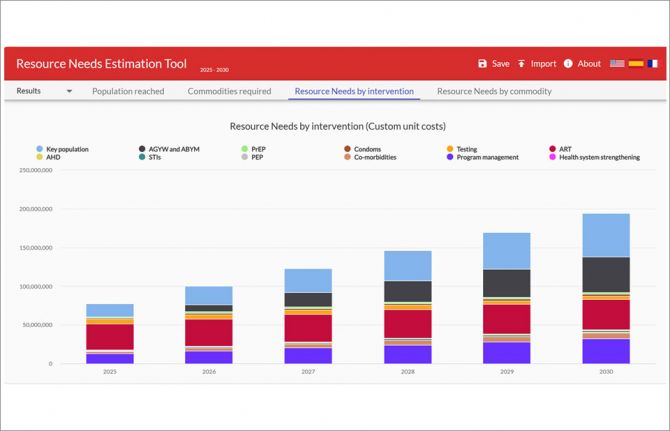
Financial data has also stressed the major underinvestment in HIV prevention. “The de-prioritization of HIV prevention is among the top sustainability threats,” said Thembisile Xulu, Chief Executive Officer of the South African National AIDS Council. While prevention will require a third (32.8%) of total HIV resources by 2025, NASA data shows current HIV prevention spending is at 9.4% in Kenya, 9% in Namibia, 11% in South Africa, and 13% in Uganda.
Nonetheless, several strategies to boost HIV prevention investments are being developed following evidence provided by HIV financial data. Kenya used its NASA data to develop guidelines for harnessing resources from construction projects to support HIV prevention. Zimbabwe’s resource tracking influenced a new policy to implement social contracting with a least one civil society organization per province, to channel domestic resources to community-led HIV responses. Zimbabwe has committed to invest 21% of domestic funds in HIV prevention, with a focus on key populations.
In the current environment of dwindling resources for HIV—2023 recorded the lowest amount of resources available for HIV in low-and-middle income countries in a decade—strengthening HIV resource tracking is key to ensure effective and sustainable HIV responses. “We need to plan for sustainability,” said Nertila Tavanxhi, Senior Manager for Health Financing Country Support at the Global Fund. “To do this, we really need to understand who is funding what, where and whom. This will show us the gaps, and where we must focus.”
“We are in a time of transformations towards sustainability,” said Mr Azcona. The National HIV Response Sustainability Roadmaps are an essential part of the work that the Global Fund, UNAIDS, PEFPAR and country partners are undergoing in 2024 and 2025. “This makes it even more important to have the right data to make the best possible choices on what these transformations must be.”

Feature Story
Driving change through sports and HIV awareness
20 December 2024
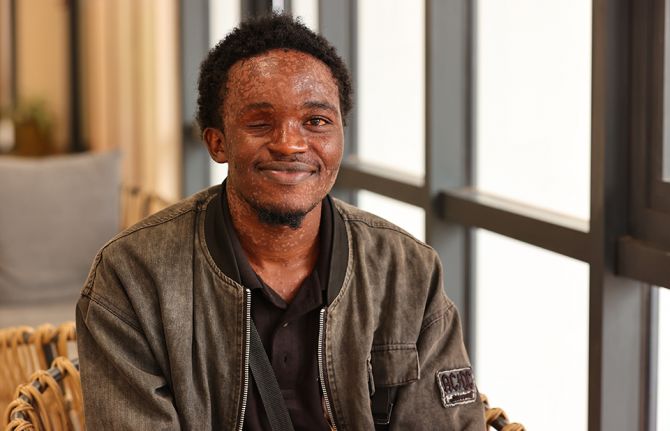
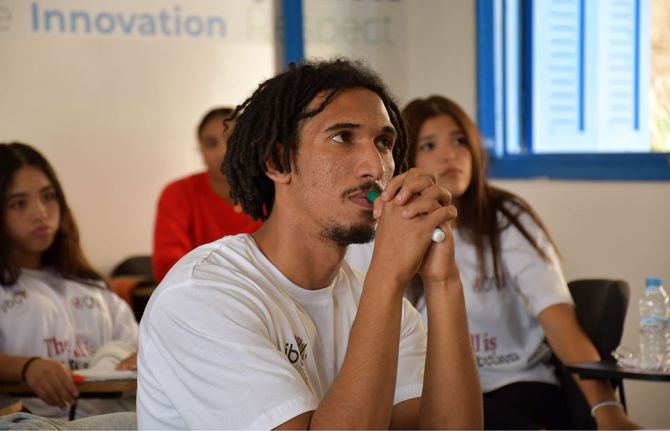
20 December 2024 20 December 2024Marouane Abouzid, a 25-year-old from Casablanca, grew up in an environment where social challenges and gender stereotypes were pervasive. However, his perspective changed the day he joined "The Ball is Your Protection" program, an initiative by Tibu Africa in partnership with UNAIDS, which uses sports to raise awareness about HIV, gender equality, and gender-based violence.
Before joining the program, Marouane had limited knowledge about HIV and gender equality. “The training on HIV awareness led by UNAIDS and Tibu Africa was a transformative experience,” he says. “It equipped me with essential skills like effective communication and active listening.” Thanks to the program, Marouane discovered how sports can be a powerful tool to engage young people on often-overlooked topics, such as HIV prevention and breaking gender stereotypes.
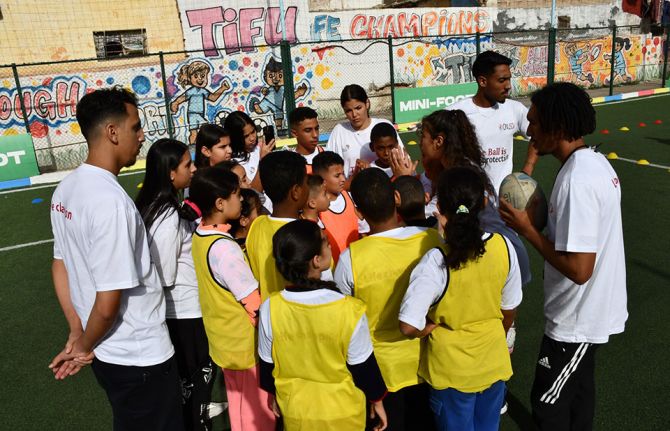
Now, trained to be a change ambassador in his community, Marouane leads sports activities and participates in educational sessions, becoming a role model for his peers. “I talk openly about what I’ve learned. I encourage my friends to get tested for HIV and respect the rights of others,” he shares.
For Marouane, this program was more than just training. “Today, I feel ready to take action and share what I’ve learned with my community,” he says.
During the closing ceremony of the "The Ball is Your Protection” project, Marouane facilitated workshops and sports activities with other young participants. “I saw how sports could become a tool for awareness and social mobilization,” he explains. These activities created a safe space for young people to discuss issues related to HIV and gender equality, free from societal judgment.
In Morocco, approximately 23,000 people live with HIV, nearly 50% of whom are women. Although the prevalence rate is relatively low, vulnerable groups such as sex workers, men who have sex with men, and people who inject drugs are particularly at risk. “Before, I thought HIV didn’t have a real impact on those around me. Now, I understand that we all have a role to play,” Marouane adds.
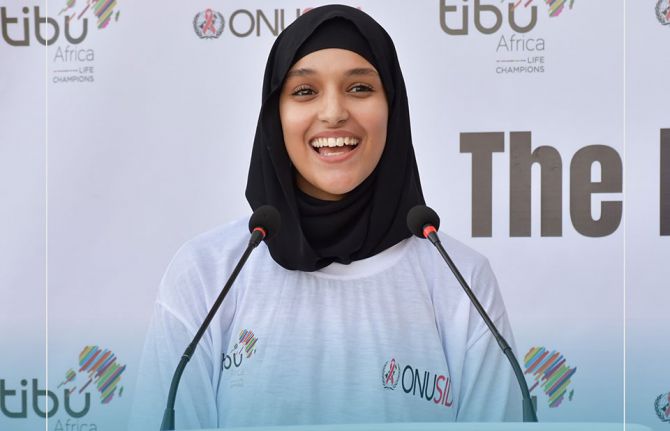
Marouane is not alone on this journey. Assia Ezzahraoui, 25, a participant in Tibu Africa’s Sports Vocational School program, reflects: “HIV awareness was a profoundly enriching experience. It gave me new insights into symptoms, prevention methods, and available treatments.” For Assia, taking part in the educational event deepened her understanding of HIV and reinforced the importance of protecting her health and that of those around her.
“I want to thank everyone who contributed to this initiative. Their commitment to young athletes in Morocco is truly inspiring,” says Assia, emphasizing the value of such events in educating youth about HIV.
Thanks to initiatives like "The Ball is Your Protection," young people like Marouane and Assia are playing an active role in addressing gender inequalities and HIV-related stigma. These young leaders are helping to build a healthier and more equitable future, proving that change can start with something as simple as a ball.
Partner
Region/country

Feature Story
Resilience amid crisis: strengthening the HIV response for displaced communities in Ethiopia
02 December 2024
02 December 2024 02 December 2024Ethiopia faces a triple crisis of conflict, climate change, and displacement that impedes the capacity to provide essential health and other humanitarian assistance to those in need, including people living with HIV.
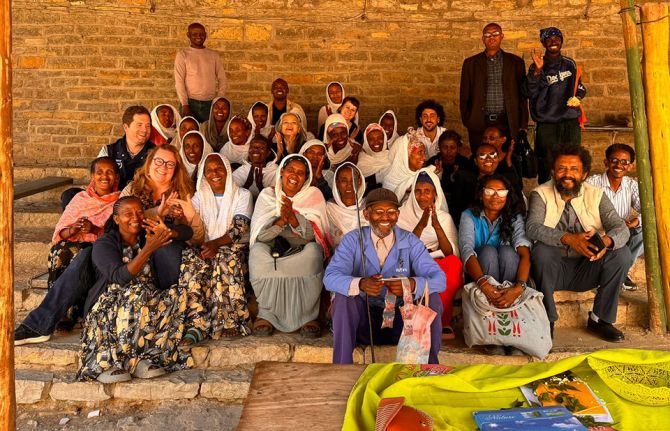
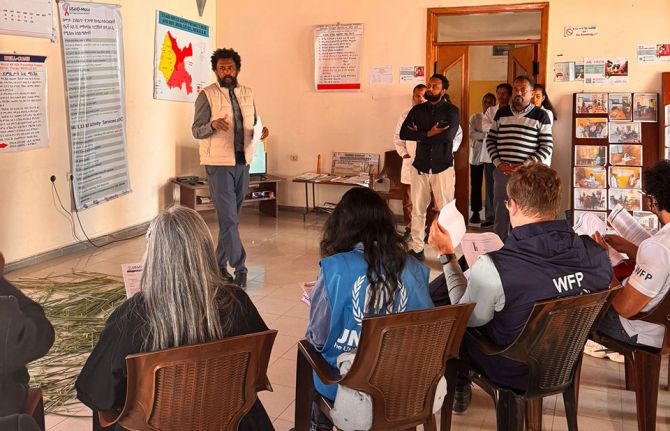
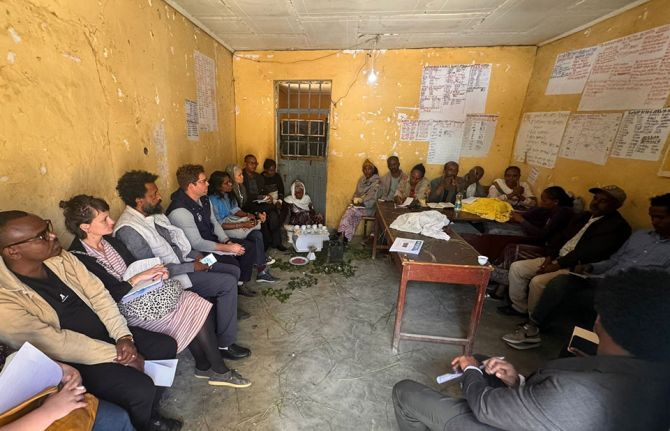
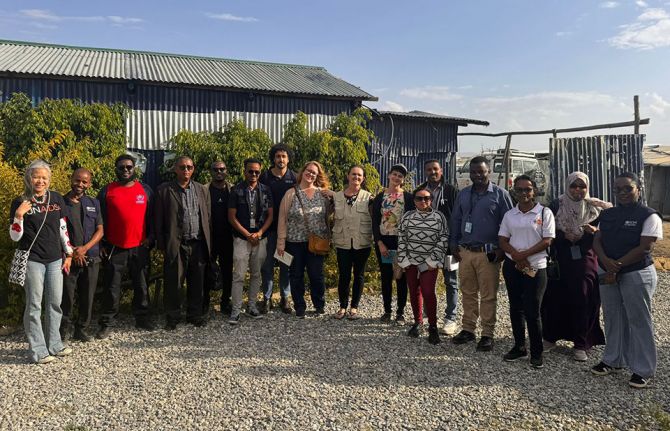
With support from 2Gether 4 SRHR, UNAIDS and partners recently organised a joint mission to learn about the humanitarian response and to identify the challenges that persist. The findings of the mission will help update the guidelines on Addressing HIV in Humanitarian Settings, a crucial resource for all actors working on HIV in emergency settings, providing evidence-based recommendations for integrating HIV into the different sectors of humanitarian responses.
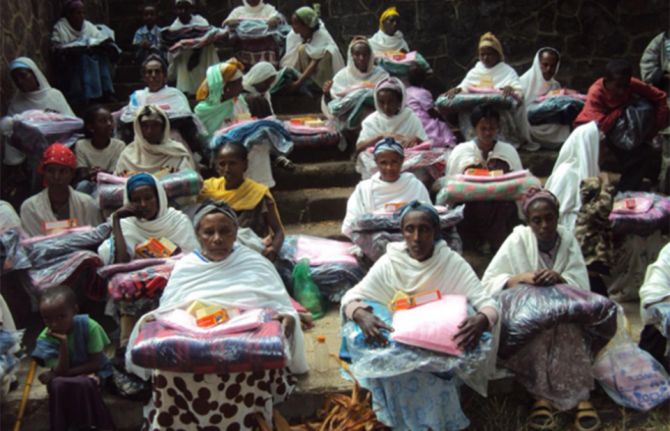
Ethiopia hosts more than 1 million refugees, predominantly from South Sudan, Somalia, Eritrea and Sudan, the majority of whom live in 24 refugee camps established across five regional states, and 80,000 of whom reside in the capital Addis Ababa. In addition, the country has 4.4 million internally displaced persons (IDPs) and over 1.5 million IDP returnees.
The team visited two of the regions hardest hit by humanitarian crises, grappling with rising HIV rates: Tigray and Gambella. In Tigray, just 5 kilometers from the capital Mekelle, lies Seba Kare (70 Kare) IDP camp—a settlement hosting over 20,000 people displaced by the conflicts in the western and eastern parts of the region. Seba Kare represents both the resilience of its inhabitants and the dire challenges of prolonged displacement. The camp, initially intended as temporary shelter for six months, has now housed many families for over four years. Cramped conditions, insufficient food, limited access to education, and inadequate healthcare services are daily realities for residents. Despite the tireless efforts of humanitarian partners on the ground, the growing needs of the displaced population far exceed the resources available.
Among the most pressing gaps is the lack of comprehensive healthcare, particularly for people living with HIV. In humanitarian crises, critical services for HIV and sexual and reproductive health are often sidelined, overshadowed by the urgent need for food, shelter, and disease control. Healthcare is restricted to primary services. Care for chronic conditions, such as HIV, is referred to government hospitals. This means that all patients, IDP or not, must pay for transportation as well as services and purchase vital medical supplies on their own—an impossible burden for many.
Despite the continuous advocacy efforts in support of the decentralization of services and outreach interventions at camp-level, government-owned facilities outside the camp remain the only viable option for IDPs in need of health services.
The refugee camp of Jewi—in the western province of Gambella which has the highest HIV burden across Ethiopia—is equipped with its own antiretroviral therapy center. However, like in Tigray, Gambella faces significant challenges in providing HIV testing and treatment. Limited mobility within and beyond the camps, due to the costs of transport for clients and a shortage of ambulances in medical emergencies, combined with resource constraints at health centres, often results in treatment interruptions and high rates of loss to follow-up.
Adding to the crisis, the recent reduction in donor funding has severely impacted the quality of health services in the camps. The gender-based violence (GBV) center run by International Medical Corps will soon close due to funding cuts, leaving no other GBV services available outside of health services.
The situation for women and youth in Gambella is especially concerning. Limited educational and employment opportunities, compounded by rising HIV infections, put them at higher risk of infection due to the adoption of negative coping mechanisms, including substance abuse. The high rates of new HIV infections exacerbate these existing challenges, underscoring the urgent need for sustained interventions to improve health services, livelihoods, and social inclusion for refugees and host communities in the region. “There are many young and vulnerable people who need protection, shelter, food, income, education – and HIV prevention, testing, treatment and care. We must make sure to rebuild health and social services and fill the current resources gap,” said Tina Boonto, UNAIDS Ethiopia Country Director.
As international organisations step up their efforts to address HIV in humanitarian settings, there is a coordinated push in Ethiopia, at both the federal and regional levels, to ensure that the health needs of people living with HIV are met, even in the most challenging circumstances. The Ministry of Health, with support from UNAIDS, is developing an HIV Baseline Survey in Humanitarian Settings and a comprehensive National HIV/Sexual and Reproductive Health Guiding Document. This initiative is a substantial step towards safeguarding the rights and well-being of people living with HIV across the country.
"Ethiopia's progress in addressing HIV is inspiring,” said Maheswari P Murugayia, Public Health Officer and Global HIV Focal Point at UNHCR. “Tackling HIV in humanitarian settings is not just a priority— it’s a necessity for ensuring the health and well-being of displaced populations.”
Region/country
Related

Feature Story
Christoforos Mallouris: From personal struggle to collective strength
29 November 2024
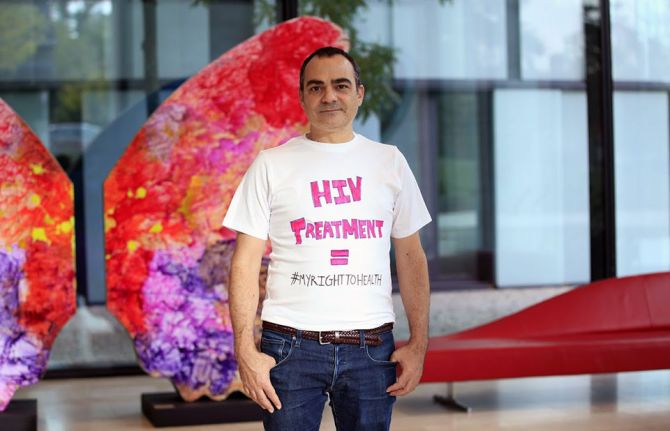
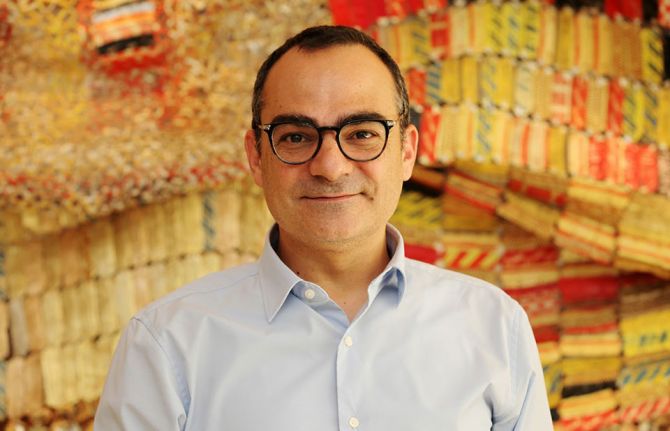
29 November 2024 29 November 2024Christoforos Mallouris' journey from humble beginnings in Cyprus to becoming a prominent global HIV advocate is a powerful story of personal transformation.
In his youth, Mallouris struggled with accepting his sexuality. "I couldn’t admit to myself that I was gay," shares Mallouris. The burden of self-stigma made it difficult for him to value his life: "In a way, I was homophobic towards myself and others."
At 29, while studying in Chicago, he was diagnosed with HIV. The diagnosis marked a pivotal moment in his life. "It changed how I understood myself, really forcing me to learn to value my life and accept who I am."
By the time he was diagnosed, he had already developed AIDS. Fortunately, Mallouris got support from his sister, who came to take care of him during his lowest moments.
Being HIV-positive in the United States as a foreign student presented its own set of challenges. "At the time, being HIV positive in the United States as a foreigner was illegal," Mallouris recalled, "so if the authorities found out, I would be deported." The fear of deportation hung over him as he was doing his PhD in astrophysics, but that fear also catalyzed his first act of activism.
Faced with health insurance that covered only two months of his costly HIV medication, Mallouris approached the Dean of Students at the University of Chicago. He boldly stated, "What are you going to do about it? I’m sure you don’t want this to go to the press." To his surprise, the Dean took immediate action, negotiating better health insurance coverage for all students with chronic illnesses.
As Mallouris’ health improved, he began to question his career path. Although he had completed his PhD in astrophysics, he no longer felt fulfilled enough by that field. He sought something that connected directly to being able to help people.
After securing a postdoctoral position at the Institute of Astrophysics in Paris, Mallouris found himself increasingly drawn to HIV work, so he started volunteering at a local NGO focused on HIV education and prevention for non-French speakers in Paris. It wasn’t long before he realized that this work was where his heart was.
He joined the Global Network of People Living with HIV, managing community empowerment programs in the HIV response. "I changed my career because of my HIV status," he said. "I wanted to do something that truly impacts lives."
Mallouris has had to overcome stigma and discrimination throughout his journey. Dating, for instance, was difficult. "There was a lot of rejection as soon as people found out I was HIV-positive," he shared. But despite the challenges, he found strength in the support of his friends, who have stood by him unconditionally. "I am lucky to have a strong network of support."
Mallouris joined UNAIDS in 2013, first as a Community Mobilization Advisor in Geneva and later as an Equality and Rights Advisor in Johannesburg. He describes UNAIDS as a supportive and inclusive workplace, where he feels valued for his skills and experience.
Mallouris highlights that the work to help secure treatment for people living with HIV is inseparable from the work to secure the recognition of people living with HIV as equal human beings. "Success in the HIV response depends on accepting all people, especially the most marginalized members of society.”
Mallouris is proud as he looks back, and hopeful as he looks ahead. He will always speak out for the rights of communities, even when—especially when—it isn’t popular.
HIV may have started as a burden in his life, but over time, it has become his strength, guiding him towards work that makes a profound difference, advancing a world where everyone is safe, has a place, and is welcome.
Feature Story
To end AIDS, communities mobilize to engage men and boys
04 December 2024
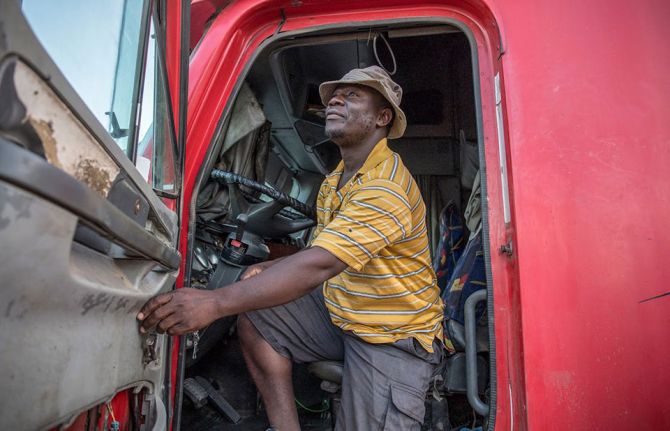
04 December 2024 04 December 2024Michael Onyango rises before dawn in his Nairobi apartment and catches a train eight hours east to Kilifi, a coastal town north of Mombasa. Resorts populate Kilifi’s sandy beaches and narrow wooden boats dot the water. Onyango heads inland to meet with the Kilifi County health management team, before dashing to an assembly of peer outreach workers from across the districts of Kaloleni, Malindi and Kilifi North.
Onyango runs the Movement of Men Against HIV in Kenya (MMAHK), spearheading a community-led monitoring initiative in the region to address the high numbers of men and boys who lack access to HIV services. In Kenya, only 65 percent of the men and boys over 15 years of age who are living with HIV are on antiretroviral therapy, compared to 80 percent of women and girls. The trend is mirrored globally: in 2024, the WHO and UNAIDS released data that men lagged on progress in achieving the 95-95-95 targets. Worldwide just 83 percent of men living with HIV know their status; 72 percent are on treatment and only 67 percent are virally suppressed.
MMAHK, in collaboration with the Masculinity Institute (MAIN), the International Network of Religious Leaders (INERELA+Kenya) and the UNAIDS Kenya country office, came together to tackle these service gaps in Kilifi County, which surrounds the town of the same name. The area, home to around 1.5 million residents, extends westward from the Indian Ocean and supports livelihoods through fisheries, factories, cashew nut mills, and farming.
In Kilifi, peer data collectors have identified that health facilities need to change their opening days and hours to accommodate the work and school day.
Community organizers are also working to challenge harmful prejudices that assert that men visiting a health facility or seeking an HIV test are “weak”.
As they rapidly roll-out peer support groups to challenge these beliefs, Onyango has had flashbacks to the pandemic’s earlier phases, when in the 1990s he worked as a counselor in a Nairobi hospital. HIV treatment was not yet available. “Many men I met who found out they were positive would resign from their jobs, go to their rural homes, sell their property, and wait to die,” Onyango said.
In 2001, Onyango and others started MMAHK to create a safe space for men to talk about their health needs. MMAHK also ran community testing, workplace outreach and targeted advocacy with religious and cultural leaders. As grassroots initiatives challenged harmful gender norms, Onyango saw social stigma and self-stigma among men decrease across Kenya. But the past few years have seen a resurgence of harmful norms around masculinity.
Onyango shares that the shift in funding away from many community initiatives, which were seen as harder to measure than biomedical interventions, has hampered community engagement efforts. Both are needed, he says. For example, although HIV treatment and voluntary male circumcision are now available in Kenya, cultural factors prevent some men from accessing these services.
A regional strategy developed in 2022 by UNAIDS, WHO, UN Women and partners –“Male Engagement in HIV Testing, Treatment and Prevention in East and Southern Africa” – outlines four key approaches: Improve access to health for men and boys and decrease vulnerability; prevent HIV among men and boys; diagnose more men and boys living with HIV; and increase the proportion of men and boys accessing and adhering to antiretroviral therapy.
“Tackling harmful masculinity also has a ripple effect,” reflects Lycias Zembe, a UNAIDS advisor in Geneva. “Harmful gender norms affect everyone, and changing these norms creates a better environment for women and girls and for men and boys.”
Community initiatives like MMAHK remain key. To challenge gender norms, MMAHK positions service access as courageous, and educates men that discussing emotions is a sign of strength. At 63, Onyango shows no signs of slowing down: “We’re going to keep addressing self-stigma and figure out how to help men access the services that they need to stay healthy,” he said. “We don’t have any other option.”
Region/country
Feature Story
PrEP for her: Cambodia, Indonesia, Papua New Guinea and the Philippines prepare to introduce the Dapivirine ring to help prevent HIV
22 November 2024
22 November 2024 22 November 2024The only HIV prevention that Elena Felix knew of was condoms. But condoms were not something that she was able to make use of, and she contracted HIV. Thirty years after her diagnosis, she’s helped conduct research to determine whether women in the Philippines would use a more confidential tool, and one that does not need a man to agree, to lower women’s risk of HIV infection.
“We hear from women that some partners insist on not using condoms. We hear cases too of rape. Women need protection that does not depend on men” the Association of Positive Women Advocates founder explained.
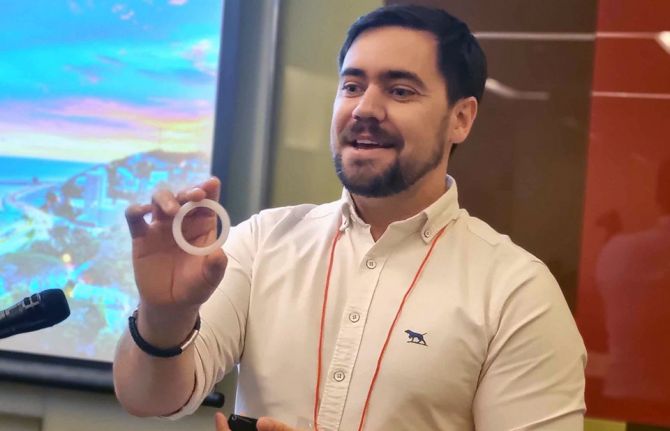
The Dapivirine Vaginal Ring or DVR was given the green light by the World Health Organization for women at high risk of contracting HIV in 2021. Unlike other types of pre-exposure prophylaxis (PrEP), this one is exclusively for women. It is a silicone vaginal ring that is inserted and worn for 28 days before being replaced. It releases an antiretroviral drug locally, reducing the risk of HIV infection through vaginal sex by half.
Since its introduction, the technology was made available in several (11) African countries. And with good reason. Around two-thirds of new HIV infections in Eastern and southern Africa and Western and central Africa are among adolescent girls and women. The combination prevention strategies implemented in these two regions have super-charged progress, driving the global 39% decline in new infections since 2010.
But the Asia Pacific picture is quite different.
“This region has an HIV prevention crisis,” Eamonn Murphy, UNAIDS Regional Director for Asia Pacific and Eastern Europe Central Asia said. “And I am not speaking only of the countries where new infections have doubled, tripled or increased six times since 2010. The average regional decline in new infections is far too slow. At 13% it has virtually flatlined.”
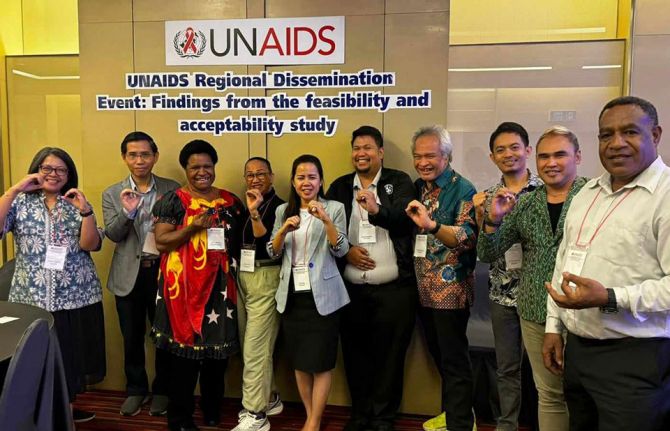
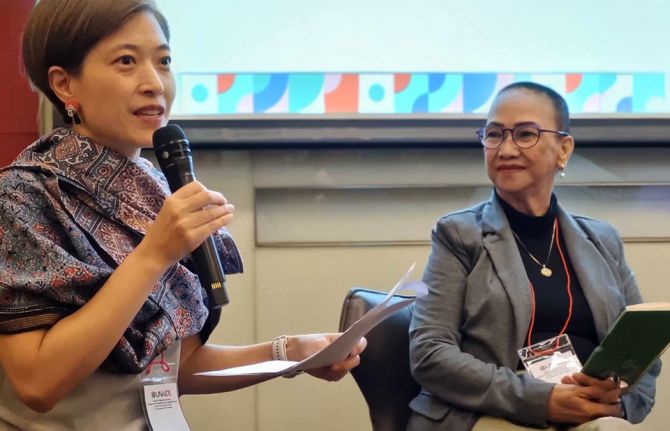
He was speaking to a group of community, government, research and development partners from Cambodia, Indonesia, Papua New Guinea and the Philippines who met from November 11 – 12 in Bangkok. Findings were disseminated from a DVR acceptability and feasibility study conducted by ThinkPlace, and a discussion held on next steps. UNAIDS and the World Health Organization (WHO) are providing technical support for this initiative. The Australia Department of Foreign Affairs and Trade (DFAT) funded the research as part of its ongoing support for prevention work in the region.
Seven percent of new infections in Asia Pacific are among sex workers while 12 percent occur among the intimate partners of key populations. Angeli Achrekar, UNAIDS Deputy Executive Director, called for women in Asia and the Pacific to be provided more HIV prevention options.
“Choice is the way to go!” Ms Achrekar stressed. “Providing options in prevention tools and service delivery increases overall use and results. We must ensure that people have access and that they are supported with the appropriate policies and enabling environment. The ring has great potential to be empowering as an additional choice for women, including in Asia Pacific.”
A person newly acquires HIV in the Asia Pacific region every two minutes. Despite this, the overall momentum on rolling out pre-exposure prophylaxis (PrEP) options has been sluggish. At the end of 2023 there were just 204,000 PrEP users in this region, 98% short of the 8,200,000 target by 2025. The vast majority of those on PrEP were men.
ThinkPlace Regional Director, Elliot Duffy, revealed that overall, the studies found women have high interest in this discreet, woman-controlled prevention method. Sex workers in the four countries sought the DVR given their high vulnerability to sexual violence. And in all countries the sex workers indicated that they would want to access the DVR through community-based health services or their local healthcare facilities. The research also found that healthcare providers in the four countries were enthusiastic about offering this new prevention option.
“The number one barrier is the extent to which women understand how the ring would fit. Many had questions like, “would it be lost in my body? Will I feel pain? Will I be able to have sex?’ Some women worried about a partner thinking they distrusted them,” Mr Duffy explained. “The DVR is not immune to the challenges of other HIV programs and continued effort is needed to increase awareness, generate demand and create services that are accessible.”
Already the research findings have resulted in the introduction and phased implementation of the DVR into 2024 – 2026 Global Fund grant implementation for Cambodia and Indonesia. Cambodia has begun pilot testing. At the meeting the four country teams developed plans to guide their next steps, including on further research, legal and policy reviews, regulatory approvals and community system strengthening.
DFAT Health Adviser, Joshua Metcalf-Wallach, emphasized that as stakeholders switched gears from research to rollout, they should keep communities in the driver’s seat.
“Our Indo-Pacific prevention work has shown that HIV services work best when they are key population- and community-led. As we expand prevention options for women, let us be guided by their needs and demands,” he ended.