
Feature Story
Upholding dignity for everyone: Ariadne Ribeiro Ferreira
21 November 2024
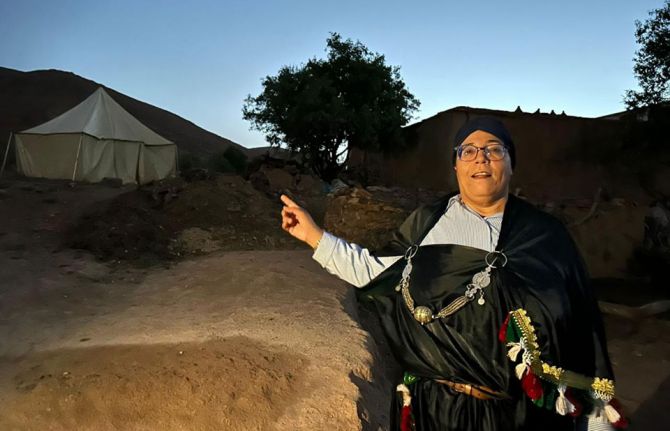
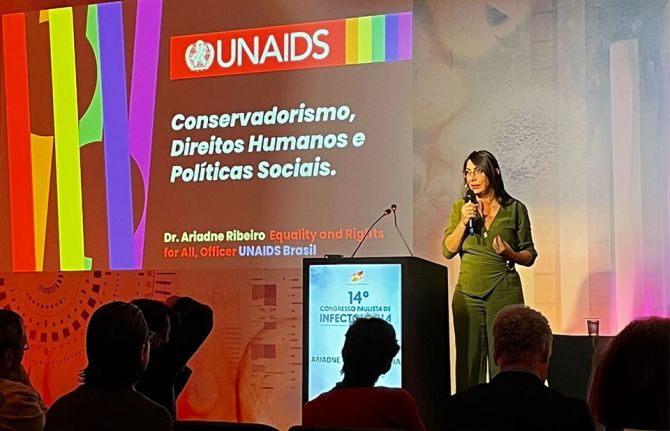
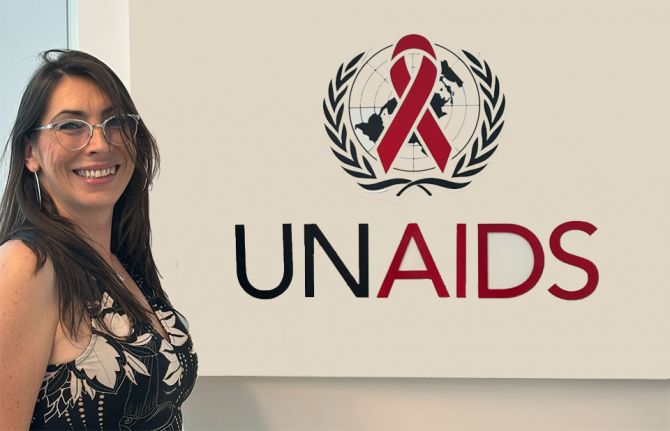
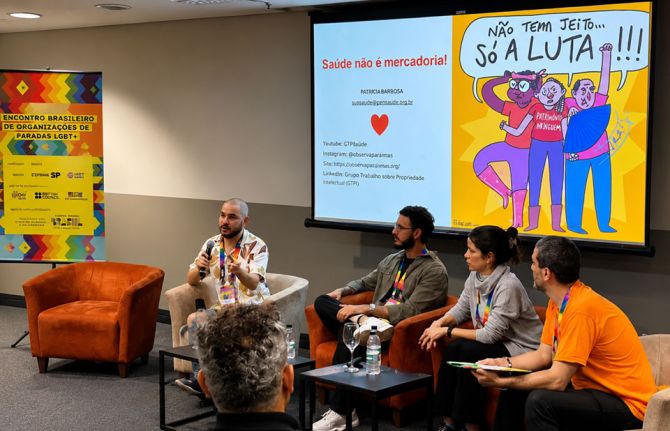
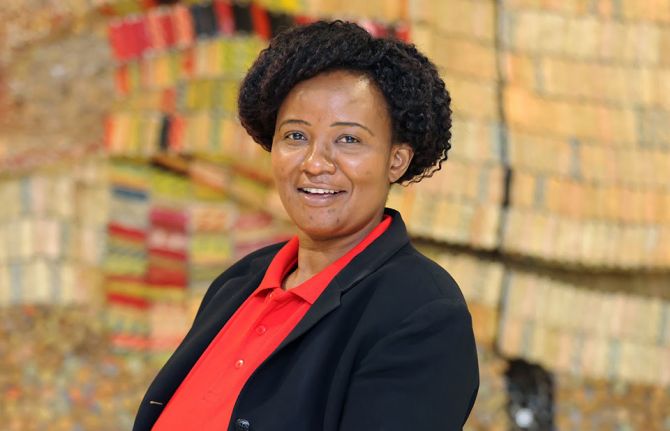
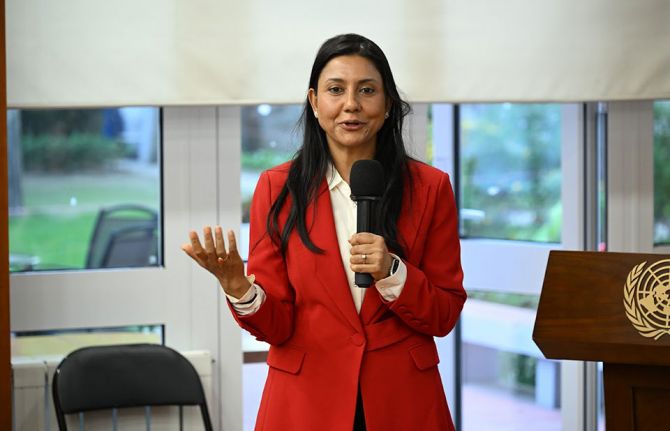
21 November 2024 21 November 2024Now 43 years old, Ariadne Ribeiro Ferreira, a trans woman working for UNAIDS in Brazil, advocates to leaders and speaks to media around the world. As she is an inspiration to colleagues, many are keen to learn more about Ariadne’s story.
From a young age, Ariadne sensed that she was different from those around her. “When my sister arrived, I understood, as a child, that I was like her,” Ariadne recalls.
Ariadne's situation, already challenging, became dangerous when her mother remarried. “My stepfather would beat me almost every day, berating me for my lifestyle,” she recalls.
At just 13, Ariadne was forced to flee her home. "I had no choice," she remembers. Despite these difficulties, she was fortunate to have a caring grandmother who took her in and provided support. “My grandmother was different from the rest of the family. She was like a teacher to me,” Ariadne reflects. Her grandma had a transgender friend named Zeze, an activist who also inspired her.
At the age of eighteen while living with her grandmother, Ariadne’s life took a turn when she heard on the radio that a local hospital would begin offering sex change surgeries with state support. “My grandma was overjoyed at the news and danced for me,” Ariadne recalls with a smile. Shortly after Ariadne began her transition.
However, that same year she experienced a traumatic event when she contracted HIV after being raped. Despite this devastating ordeal, she refused to give up. She began treatment and continued her life with determination and resilience.
By the age of 24, she had completed all her surgeries, and she had been legally registered a woman. Ariadne officially changed her name on all her documents.
She pursued education to open up opportunities. “I had the chance to specialize at UNIFESP, the second-best university in Brazil. Since then, I have continued my education, earning a specialization, a master’s degree, and recently a Ph.D.”
Ariadne began her healthcare career in Itanhaém, where she worked in a peer education program at a health facility and contributed to a cooperation agreement with the State Government. “I focused on HIV prevention programs, gaining visibility as one of the few transgender professionals at the time,” she explains. “This recognition opened up new opportunities for me.”
Reflecting on her proudest achievements, Ariadne highlights her work with homeless individuals in São Paulo, Brazil and her role in establishing the state’s first shelter for homeless transgender people. Following these accomplishments, she joined UNAIDS in 2019, where she continues to advocate for transgender rights and supports people living with and affected by HIV, using her voice to uplift and empower others.
Ariadne's makes use of her extensive experience to champion the rights and well-being of everyone living with HIV, including UN staff. Working with UN Plus, she is pioneering innovative strategies to uphold dignity in every workplace. Building a future free from stigma and discrimination, say Ariadne and UN Plus, is how to enable everyone to perform at their best, and to thrive.
Region/country


Feature Story
Evelyn Siula: A journey of strength and solidarity
18 November 2024
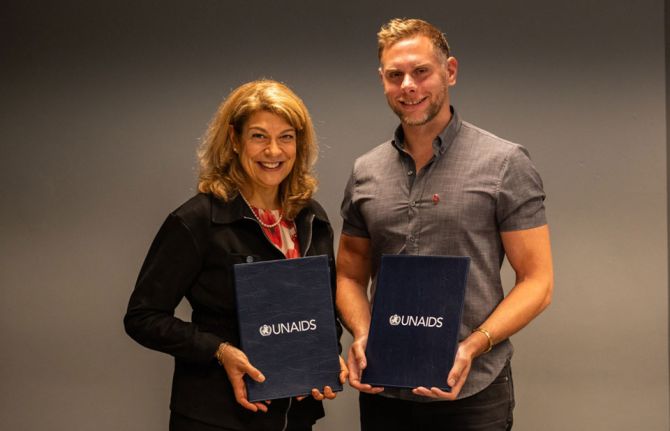
18 November 2024 18 November 2024After Evelyn Siula’s husband died, she knew she had to get tested for HIV. The result came back as positive.
"I had prepared myself mentally for either outcome, but it was still a shock."
She was jobless and with three children to care for.
The stigma and discrimination surrounding the virus meant that many people were scared to disclose their status. "I had three friends whose families rejected them because their HIV status became known,” Evelyn shares.
But Evelyn chose to break the silence early, starting by telling her young daughter. Family support played a crucial role in Evelyn’s journey. Her family stood by her, offering constant encouragement and strength, vital for getting through the many challenges.
Stigma followed Evelyn. She recalls a particularly painful moment: “At a community gathering, someone pointed at me and asked, ‘Can you believe she’s HIV-positive?’ It was one of the worst experiences being talked about like that.”
Evelyn became a strong advocate for people living with HIV, standing up to stigma everywhere, including in her church. At a gathering in a church, when a speaker criticized people living with HIV, she shared her own status as HIV-positive and as a church elder. Her openness has helped challenge stigma and gain support. Through her work she learned that many fellow church members were struggling in silence, and so helped create the Livingstonia Synod Positive Christians group, known as LISAP+.
Despite her bold advocacy, Evelyn acknowledges how mental health challenges, particularly fear and anxiety, have affected her. “I have thoughts like: ‘What if something happens to me? What if I die?’ I worry about my children and how they would manage without me. These are the fears that raise my blood pressure.”
But over time, Evelyn’s diagnosis has become not just a challenge but also a source of strength.
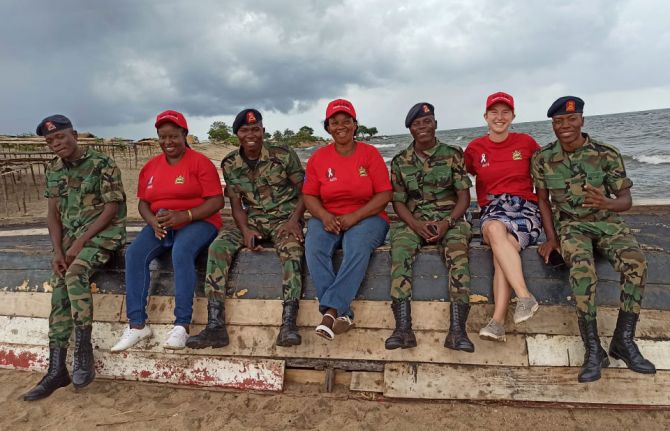
Today, Evelyn works for UNAIDS and is the vice chair of the UN Plus Advisory Group. She is proud to show that people living with HIV are leading healthy and productive lives.
She has completed Bachelor’s and Master’s degrees in business administration. “The day I graduated with my Master’s degree was extra special because I graduated alongside my eldest son. It’s rare for a mother and son to share such a moment.”
Evelyn encourages everyone to ensure they know their HIV status as the first step to taking control of their health: “Please get tested. It's just a status. If you're positive, follow the advice of your doctors. There is full life after testing HIV positive. Take your medication religiously, eat well, and live a healthy life.”
“Never stigmatize anyone,” says Eveyln, “because we are all one.”
Region/country
Related

Feature Story
New Asia Pacific healthcare provider toolkit serves people having chemsex
13 November 2024
13 November 2024 13 November 2024Life became chaotic for Poon early. (Not his real name.)
As a gay teenager he was bullied at school by students and teachers. He moved in with his grandparents when his parents separated, but eventually left northern Thailand for Bangkok. There he survived through sex work.
Then Poon learned he was living with HIV. The weight of HIV prejudice merged with the stigma he already carried as a young gay man and sex worker. Some friends he made at a camp disclosed his HIV status online after an argument. He was diagnosed with major depressive disorder.
A partner introduced him to drug-use during sex. He went on to use multiple substances including methamphetamines and cocaine.
“Sex, drugs and alcohol are my escape,” he said.
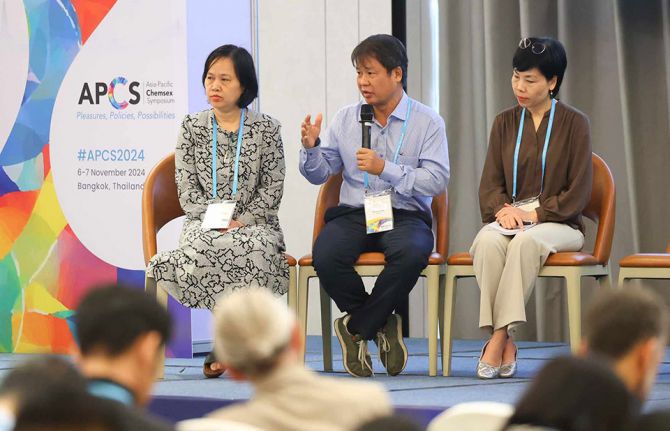
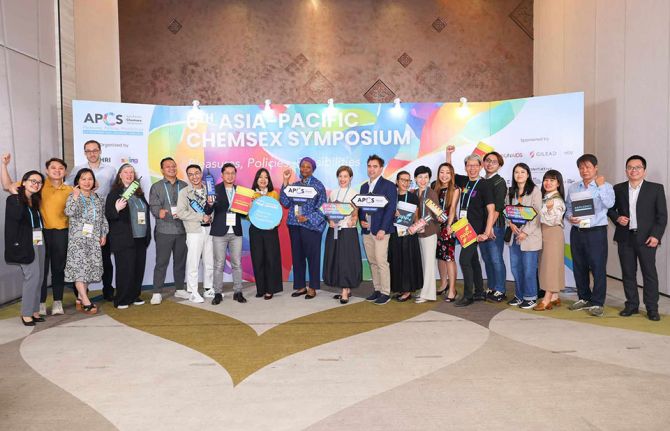
This was one of the stories shared at the 6th Asia Pacific Chemsex Symposium (APCS). Held in Bangkok on November 6 and 7, the event brought together over 300 stakeholders from 27 countries. They shared their research and responses to a practice that remains largely hidden and not yet well understood. The event specifically explored pleasure as opposed to risk as an entry point for providing services.
Chemsex—also called High Fun in several Asian countries—refers to the use of stimulant drugs during sexual activity. It lowers inhibitions and may increase risk-taking. There are several public health implications including higher rates of HIV and sexually transmitted infections (STIs), lower adherence to treatment, overdose and the fallout linked with intoxication.
In Asia Pacific four of every five new HIV infections are among people from key population communities including men who have sex with men or MSM, people who use drugs, people in prisons or other closed settings, sex workers and transgender people. Young people make up a quarter of all new HIV infections and in some countries around half of new infections are among youth ages 15 to 24.
Several countries in the region are facing an HIV prevention crisis with new infections among MSM either increasing or decreasing far too slowly. In 2023, 43% of new infections in Asia-Pacific were among MSM. At the same time, there is evidence that the practice of chemsex in this community ranges from 3% to 31% depending on the country. But although chemsex is most visible in the MSM community, it is practiced by people from all populations.
“We are talking about sex and drugs—two topics that people call taboo,” said Brigitte Quenum, UNAIDS Regional Team Lead for Sciences, Systems and Services at the opening ceremony. “But as HIV has taught us, to reach people, we must confront the realities of their lives.”
Toolkit now available for Asia Pacific health workers
On day 2 of the symposium UNAIDS and UNODC launched the first-ever toolkit on chemsex for Asia Pacific clinical service providers. The toolkit was developed by the Australian Society for HIV, Viral Hepatitis and Sexual Health Medicine (ASHM). It is geared toward health workers in Asia and the Pacific working with men who have sex with men and transgender women.
"The increasing use of stimulant drugs in the region, including for ‘Chemsex’, poses significant health risks, including drug use disorders and various psychosocial challenges," said Masood Karimipour, Regional Representative of UNODC’s Office for Southeast Asia and the Pacific. "This UNAIDS-UNODC toolkit provides essential guidance for healthcare providers to address these challenges through evidence-based interventions. It emphasizes the importance of holistic, non-judgmental care that prioritizes the physical, psychological and social wellbeing of individuals, while ensuring access to harm reduction services and the prevention and treatment of drug use disorders within a comprehensive continuum of care."
The resource was created to support comprehensive clinical services in the region’s restrictive legal environments. Twenty-eight countries in Asia Pacific criminalise drug possession for personal use while 17 criminalise same-sex relations. Penalties for drug-related offences in the region are among the world’s harshest.
The toolkit was developed through consultation with clinicians, community representatives and government agencies. It covers chemsex basics as well as approaches to harm reduction, sexual health, and mental health services. It also covers different service delivery models including face-to-face, online and by communities. The toolkit offers guides and tools on topics such as initiating non-judgmental conversations and risk assessment.
“Stronger HIV prevention strategies tailored to chemsex are needed, along with expanded, inclusive services for sexual, physical and mental health,” said Suniya Taimour, UNAIDS’ Community-led Responses Advisor for Pakistan and Afghanistan.
Thia approach recognises that comprehensive health services can be lifesavers by using one point of contact to address multiple issues including physical, sexual and mental health as well as social issues. Poon is a living example. He has benefitted from a service package that has combined his HIV treatment with harm reduction interventions and psychiatric care. Today he is a 22-year-old university student with clear life goals who feels more empowered about his HIV status.
Our work
Region/country
- Asia and Pacific
- Australia
- Bangladesh
- Bhutan
- Brunei Darussalam
- Cambodia
- China
- Democratic People's Republic of Korea
- Federated States of Micronesia
- Fiji
- India
- Indonesia
- Islamic Republic of Iran
- Japan
- Kiribati
- Lao People's Democratic Republic
- Malaysia
- Maldives
- Marshall Islands
- Mongolia
- Myanmar
- Nauru
- Nepal
- New Zealand
- Pakistan
- Palau
- Papua New Guinea
- Philippines
- Republic of Korea
- Singapore
- Solomon Islands
- Sri Lanka
- Thailand
- Timor-Leste
- Tonga
- Tuvalu
- Vanuatu
- Viet Nam
- Samoa
Feature Story
Empowering youth to lead Togo’s HIV response
31 October 2024
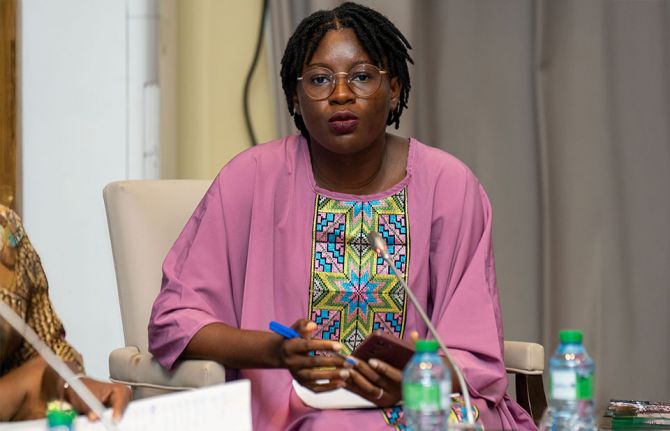
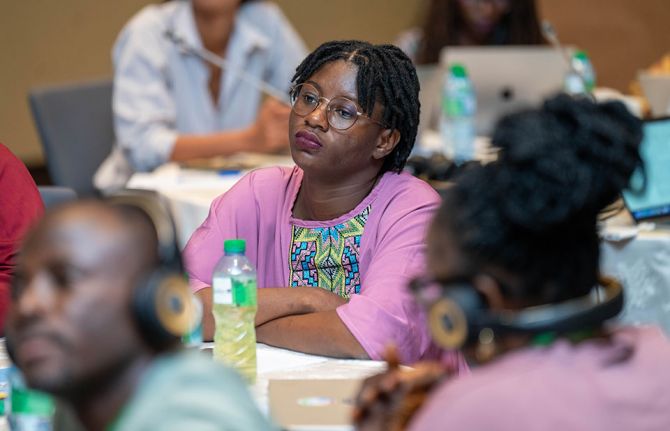
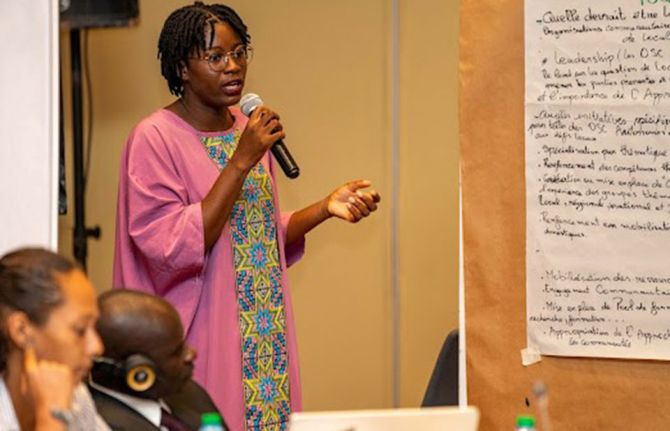
31 October 2024 31 October 2024In Togo, youth and adolescents living with HIV are stepping forward to lead the response against the AIDS epidemic. Through resilience, determination, and a collective vision, they have come together to form a new youth-led network called the Network of Positive Children, Adolescents and Youth Innovating for Renewal (REAJIR+), This grassroots initiative is dedicated to amplifying the voices of all children, adolescents and young people affected by HIV, and is a testament to the power of youth leadership in shaping their future. “We felt the need to create a space where young people living with HIV could be heard and represented,” says Sitsope Adjovi Husunukpe, Executive Director and one of the founding members of the network. “Many of us felt that our needs and concerns, although important, were not given priority in the development and implementation of policies and interventions relating to HIV prevention and care.”
The network’s creation was not without problems. In Togo, where leadership is often adult-driven, it took courage and determination to establish an organization run by and for young people. "Even though we faced difficulties, we knew we had to persist," explains Adjovi. "The environment wasn’t always supportive, but we kept believing in the vision of our network. We wanted to ensure that young people living with HIV, from all walks of life, had a space to advocate for their rights."
The need for young people to be involved in the response to HIV in Togo is clear. According to recent reports, only about 26% of young people aged 15-24 have enough knowledge about how to prevent HIV.[1] Children's performance in terms of adherence to HIV treatment is below the general average of 80.5%[2]. At the same time, 6,200 children aged 0 to 14 are living with HIV[3]. In Western and Central Africa, at least 16% of girls and 12% of boys aged 15-24 have sex before they turn 15[4]. These numbers show that more needs to be done to help young people understand HIV to protect themselves.
“Empowering young people goes beyond raising awareness; it’s about unlocking their potential to drive change. When they take ownership of their advocacy, they become catalysts for progress, shaping solutions that resonate in their communities. By equipping them with the right tools, we invest in a future led by those who understand the challenges firsthand.” says Dr Yayé Kanny Diallo, UNAIDS Country Director for Togo and Benin.
Koffi Emmanuel Hounsime, the network’s president, echoes the importance of youth-led advocacy. “At the beginning, people questioned our legitimacy. They asked, ‘Who are you representing?’ But once we formalized our network and built our credibility, we gained respect. Now, when we speak, we speak with authority on behalf of youth living with HIV across the country.”
Despite these hurdles, the network remains committed to its mission. “We are working not just for ourselves but for the future generation of young people living with HIV,” says Adjovi. "We want to ensure that we have better support, better care improving our life quality, and that we feel empowered to take decisions concerning our own well-being."
The network has already made significant strides. It has actively participated in national HIV dialogues and contributed to the development of the new Global Fund HIV grant, ensuring that the priorities of adolescents and young people are included.
For these young leaders, creating the network is about more than just advocacy. It’s about survival, empowerment, and hope. Emmanuel reflects, “We didn’t just create this network to represent young people, we created it to change lives. Every day, we’re working to make sure that no young person living with HIV feels alone.”
[1] AIDS INFO Togo Country Data
[2] Rapport REDES Togo 2023
[3] AIDS Info Togo Country Data
[4] UNESCO Education Report
Our work
Region/country
Related

Feature Story
Club Eney: a safe place for those left behind
21 October 2024
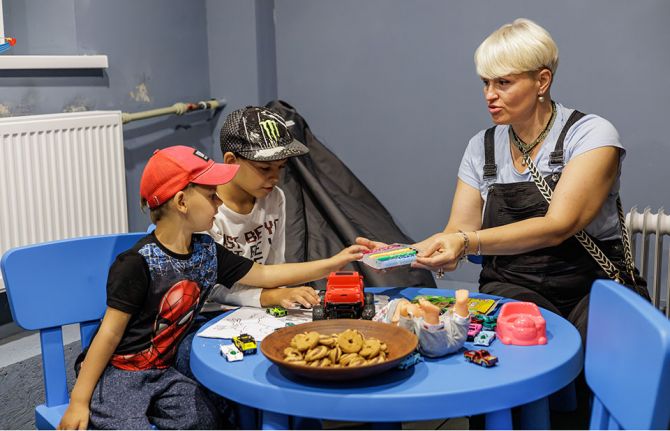
21 October 2024 21 October 2024In the heart of Kyiv, Ukraine’s capital city, where the echoes of war resonate daily, the community-based organisation Club Eney stands as a refuge for key populations affected by the war.
For many, Club Eney is not just a place to receive assistance, but a vital community offering essential support.
When Yaroslav, a web developer, divorced a year and a half ago he spiraled out of control using drugs. Ultimately, he ended up homeless. "I used to have a steady job, but everything fell apart," he said. Without a place to call home, he now relies on the streets for survival. "I need food, a place to wash, and someone to talk to while I look for work," he explained.
A friend introduced Yaroslav to Club Eney, and it quickly became a part of his daily routine. "I receive food packages, do my laundry, and can take a shower," he said. He also enjoys a warm cup of tea or coffee while chatting with the staff, many of whom have faced their own struggles. "They’ve offered me sessions with a psychologist, but I’m not ready yet. I need to sort out my thoughts first," he admitted.
Velta Parkhomenko, chair of Club Eney, was once a client of the organization herself, receiving harm reduction services such as clean needles and support. "I started as a peer consultant and am now chair of the organization, so I refer to my experience helping others,” she said.
Club Eney began as a community-based organization offering HIV prevention services to people who use drugs and other HIV affected communities in Kyiv.
For her Club Eney is much more than that. "We had a dream to be a place where people could access all the services they need in one place, all in one location,” she said.
The organization has outreach workers in all districts of Kyiv, where they provide harm reduction services, HIV testing and other support. If someone tests HIV positive, they have someone accompany the person to the clinic, so they start treatment as soon as possible.
With the war, Club Eney has taken on a bigger role.
Olesya, a mother of three, fled from the Chernihiv region to Kyiv just before the war escalated. Having previously sought help at Eney for gender-based violence, she returned, knowing it would provide safety and help with basic needs.
“Today, my whole family came to Eney to do laundry, get food and diapers, and even have a social worker look after my children,” Olesya explained. Recently, when her child fell ill and she needed to buy medicine, the club reimbursed her for the costs after she presented the receipts. “With everything being so expensive, this support means a lot to us,” she said.
Since the onset of the war in February 2022, prices have skyrocketed for food, medicines and hygiene products and unemployment hovers above 17% pushing up demand at Club Eney and exacerbating other problems like drug addiction.
“In the last two years, we have provided help to over 40 000 people across the country. We are incredibly grateful that UNAIDS has supported us in filling the gaps and realising our dream," she said.
The Club Eney receives funding from the UNAIDS Humanitarian Fund, which supports various organizations, each addressing specific needs across different regions of Ukraine. Together, these projects enable local community organisations to deliver essential services, including HIV related services, and support to those who have been left behind, ensuring they receive the assistance they urgently need during this crisis.
“The war has greatly exacerbated social problems, pushing people from marginalized groups further to the edge of the state social system and leaving many without essential support. Thanks to the generous contributions from donors, primarily from the Netherlands, we can assist organizations like Club Eney in providing vital aid to these vulnerable populations,” said Gabriela Ionascu, UNAIDS Country director in Ukraine.
For Yaroslav, Club Eney has given hope. "I believe that everything will be okay for me because I see the people here at Club Eney who also used drugs but managed to turn their lives around,” he said. “So, I believe I can too."
Currently, there are over 3.4 million internally displaced people. A reported 143 591 people living with HIV were receiving treatment in 2023, close to the number before the invasion.
“Ukraine has succeeded in maintaining its HIV services, particularly the provision of antiretroviral therapy in government-controlled areas. However, the war, along with a range of humanitarian, social, and economic challenges, poses long-term risks to both the HIV response and the health system overall," said Eamonn Murphy, UNAIDS Regional Director for Eastern Europe and Central Asia. "To keep the epidemic under control, we must ensure that no one is left behind."

Feature Story
Peru approves groundbreaking law to extend health coverage for migrants with HIV and TB
21 October 2024
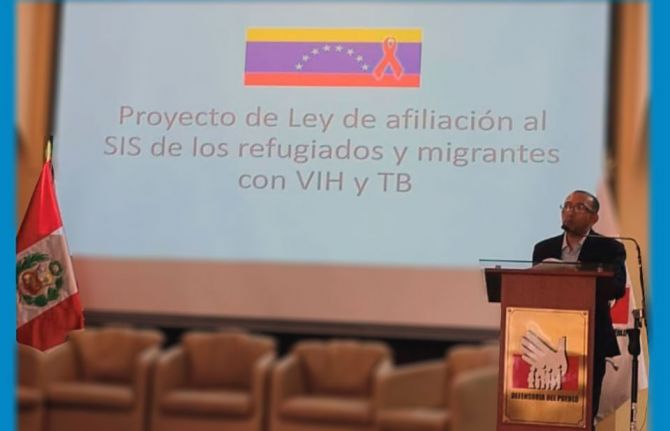
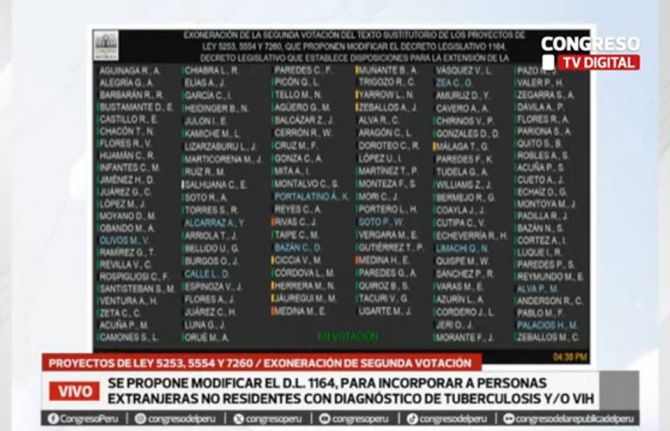
21 October 2024 21 October 2024In a milestone decision, the Peruvian Congress has passed legislation that extends temporary health insurance coverage to migrants diagnosed with HIV and tuberculosis (TB). This law allows non-resident foreigners to access healthcare services through the public health insurance system (known by the Spanish acronym SIS) while they complete their immigration processes.
This law, which incorporates proposals from Law Bills 5253, 5554, and 7260, represents a significant step in reducing barriers for migrant populations, ensuring timely medical attention without the need for official residency documentation. Now, migrants affected by HIV or TB can receive vital healthcare services, including medical consultations and diagnostic exams, regardless of their immigration status.
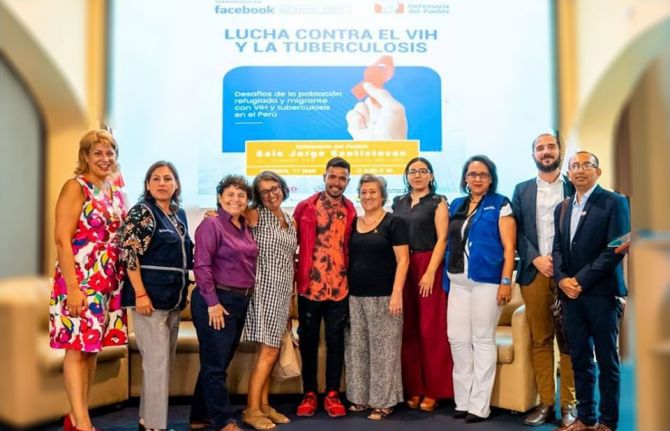
The legislative breakthrough follows over two years of advocacy led by the Grupo Impulsor, a coalition that includes UNAIDS, alongside partners such as USAID’s flagship initiative Local Health System Sustainability Project (LHSS), IOM, UNHCR, the Peruvian Observatory of Migration and Health of the Peruvian University Cayetano Heredia (OPEMS-UPCH), Colectivo GIVAR, VENEACTIVA, the Peruvian TB Social Observatory, and Partners in Health.
Likewise, providing timely treatment for migrants with HIV or TB not only improves their quality of life but also reduces the risk of transmission, making it a crucial public health measure benefiting everyone. It also saves money: early care is far more cost-effective, preventing advanced cases that strain the health system.
A cost-benefit analysis reveals that Peru could save around 5 million soles ($1.33 million USD) annually by preventing new infections and another 54 million soles ($14.58 million USD) through avoiding productivity losses linked to AIDS and TB-related deaths.
Migrants living with HIV in Peru remain among the most discriminated groups in the country, with 70.7% reporting stigma, according to the Ministry of Justice and Human Rights. They also face heightened vulnerability due to xenophobia, violence, and exploitation—nearly half of them have experienced physical violence or sexual exploitation. Accessing healthcare is a major challenge, with only 2% of migrants with HIV covered by public health insurance, leaving the rest to pay out-of-pocket costs that many cannot afford.
“By extending health insurance to migrants, Peru is not only addressing these barriers but also aligning with global commitments, like the Sustainable Development Goals (SDGs), aimed at eradicating epidemics such as AIDS and TB by 2030”, says Luisa Cabal, UNAIDS Regional Director for Latin America and the Caribbean. “This legislative victory not only marks a turning point in health policy but also sets a precedent for future reforms, ensuring a more inclusive and equitable healthcare system for all.”
Protecting everyone’s rights protects public health.
Region/country

Feature Story
Can this innovation change the way people think about HIV?
16 October 2024
16 October 2024 16 October 2024In 2020, a gay Thai man living with HIV sparked controversy with a Facebook post. He was on antiretroviral therapy and had gotten lab tests to check the level of virus in his blood. Since his viral load was undetectable, he wrote, he was going to stop using condoms.
The public responded with a mix of contempt and disbelief. How could he? So selfish! So reckless! The resulting debate spilled from social media onto national radio and TV.
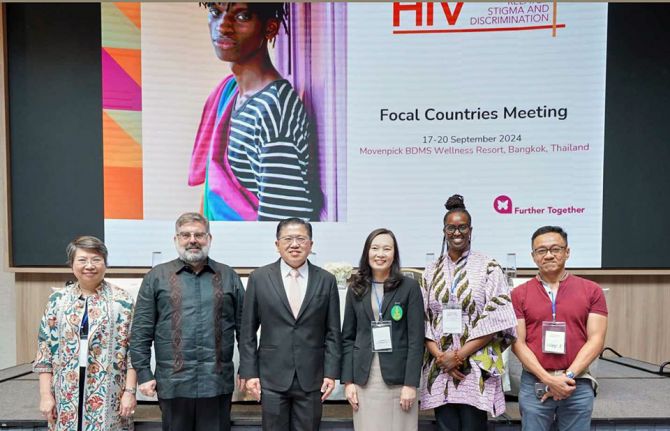
“There was a huge backlash,” remembered Dr Nittaya Phanuphak, the Executive Director of the Institute of HIV Research and Innovation (IHRI). She was telling the story from IHRI’s sunlit offices to teams from Botswana, Ghana, Ivory Coast, Jamaica, Mozambique, South Africa and Zambia. They’d come to Bangkok as part of a learning exchange coordinated by the Global Partnership for Action to Eliminate all Forms of HIV-related Stigma and Discrimination.
Dr Nittaya said that she and her father, Professor Praphan Phanuphak, thought it was their duty to contribute to the public discourse. While the man’s approach might have been unconventional, the science behind his statement was sound.
They would know. Professor Praphan diagnosed Thailand’s first HIV case in 1985 and dedicated his life to HIV research, service delivery and advocacy. He co-founded the Thai Red Cross AIDS Research Centre which in 2014 conducted cutting-edge research as part of the Opposites Attract Study. Done in Australia, Brazil and Thailand, that study tracked couples in which one person was HIV-negative and the other was living with HIV but had achieved an undetectable viral load through successful HIV treatment. It confirmed that after two years of unprotected sex, there were no cases of HIV transmission between more than 300 couples.
“It’s a scientific fact,” Dr Nittaya said. “For me, I felt like we really needed to do something. We cannot just wait 50 years for this knowledge to gradually seep into Thai society.”
The “knowledge” to which she refers is the concept of undetectable = untransmittable, or U=U for short. Last year the World Health Organization further endorsed the principle, stressing that when a person’s viral load is undetectable there is zero chance of sexual transmission.
“Before, HIV treatment just meant longevity,” said Pan (not his real name), a person living with HIV. “But with U=U, now it is love without fear.”
Within three to six months a person who takes their HIV treatment as prescribed and receives viral load monitoring can confirm that they have achieved an undetectable viral load. This removes the self-stigma associated with having an “infectious” disease. For Thai HIV response stakeholders, this concept can also transform the public’s attitudes about people living with HIV, making it easier for them to live full, happy lives.
“If social perceptions can be brought in line with the reality of HIV treatment, we can remove the stigma around getting an HIV test or diagnosis,” said Eamonn Murphy, Regional Director of UNAIDS Asia Pacific and Eastern Europe Central Asia. “The more supportive the society, the more people we successfully treat and the fewer new infections.”
But for the U=U strategy to be fully utilized, work must be done to dispel myths and bolster confidence in science.
According to UNAIDS Country Director for Thailand, Dr Patchara Benjarattanaporn, a key step in the national process was bringing decision-makers together with relevant stakeholders, including voices from communities.
“They considered both global and local evidence,” she explained. “Now there is consensus about the science. U=U also conveys the message ‘you=you’, affirming that all individuals are equal and that people are more than their HIV status. It emphasizes the importance of ensuring people are fully informed about their options and respecting their right to make choices about their sexual health depending on their realities.”
At the opening ceremony of the eight-country learning exchange, Dr Niti Haetanurak, Department of Disease Control Deputy Director, noted that the U=U concept is a key element of Thailand’s “all of society” strategy to address the prejudice and rights violations people living with HIV face. Thailand has a National Costed Action Plan to Eliminate all forms of HIV-related Stigma and Discrimination. The Ministry of Public Health and Sub-National Committee on AIDS Rights Promotion and Protection under National AIDS Committee coordinate the effort. Community organizations play a leading role.
During the exchange the country teams visited the Service Workers in Group (SWING) Foundation which serves sex workers and IHRI’s Tangerine Clinic which primarily serves transgender people. Both have come up with innovative approaches to ensure groups that usually find it challenging to receive healthcare at state-run facilities can get HIV and sexually transmitted infection (STI) testing and treatment in a friendly environment.
A key strategy is training members of those very communities to provide certain services themselves. They can even start clients on treatment for HIV and some other conditions the same day they are diagnosed. This approach makes it less likely for people to disappear into the shadows after diagnosis, with a high chance of infecting others and eventually becoming ill.
“This community-led health model can be applied to any health condition or population. But this does not really address stigma and discrimination. It just bypasses it by opening up alternative service delivery outlets for people who want to avoid negative experiences elsewhere,” Dr. Nittaya said. “We need to address the heart of the stigma as well. That is why we are working on using U=U as a tool to explore how we can shift attitudes.”
The Bangkok Metropolitan Administration (BMA) is integrating this concept into its work in healthcare settings and the workplace. A masterplan is in the works. One branch of the strategy will tackle employers requiring HIV testing in the pre-employment phase or targeting employees they find out are living with HIV. Another aspect of the approach is the integration U=U into all levels of HIV service delivery and ongoing healthcare worker sensitization. All staff in clinics and hospitals are trained, not just nurses and doctors.
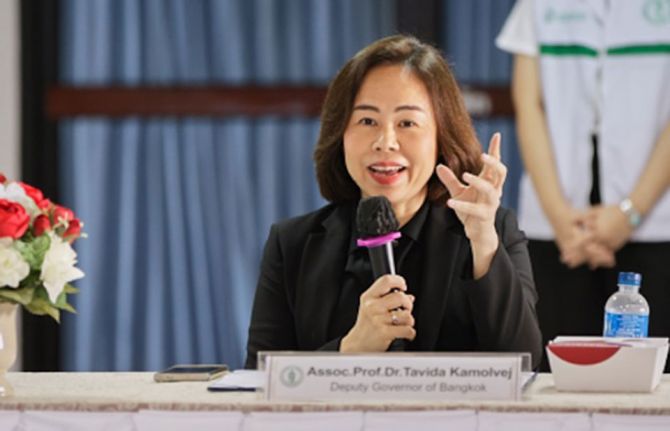
The work doesn’t stop there, though. Describing the Bangkok society as “open”, Dr Tavida Kamolvej, Deputy Governor of Bangkok, said that the whole of society was ready for deeper conversations about inclusion and HIV. But how could these approaches be applied in other countries and cities that are not quite as tolerant or accepting, she was asked.
“If you are confronted with beliefs that might not allow open conversations about HIV, sexuality and sex, you can strategically make it about health literacy, dignity and care for all people. I think this is soft enough to make people aware about health and wellbeing,” Dr Tavida advised.
Click here to learn more about the recent eight-country learning exchange to eliminate all forms of HIV-related stigma and discrimination.
Feature Story
Women living with HIV in China unite to confront discrimination
14 October 2024
14 October 2024 14 October 2024There are around 1.4 million people living with HIV in China and women make up around 23.7% of them, according to the latest data from Chinese health authorities. Among those living with HIV are pregnant women who are in a particularly vulnerable position due to the stigma surrounding the disease.
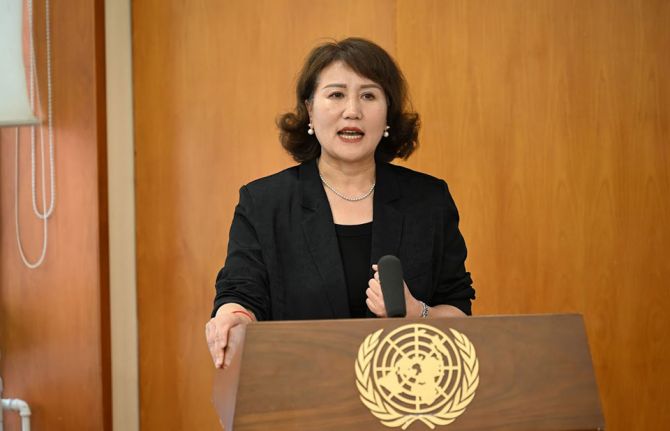
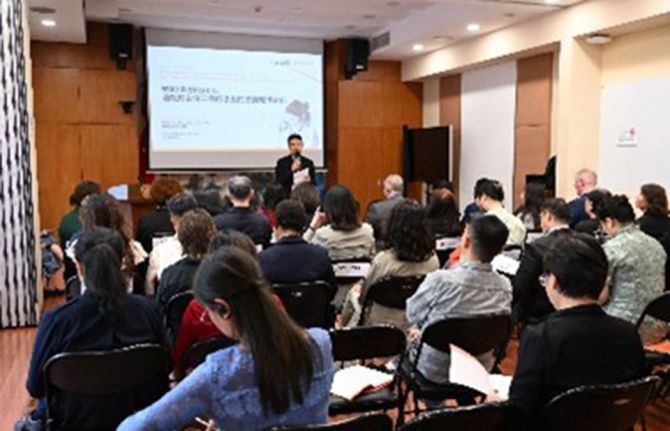
In order to counter such stigma and discrimination, women living with HIV and Hepatitis B came together at The Voice of Resilience event to tell their stories and to call for additional resources for community-based organizations (CBOs) working on the frontlines providing services for women living with and affected by HIV.
In 2023 alone, more than 5,000 pregnant women were diagnosed with HIV and over 400,000 with hepatitis B, and some of them were diagnosed at very late stage to be able to receive HIV services to prevent transmission to their children, according to China’s National Health Commission. Even though services are in place to prevent the transmission of HIV to their babies, discrimination, including denial of healthcare, obstructs women from accessing such services.
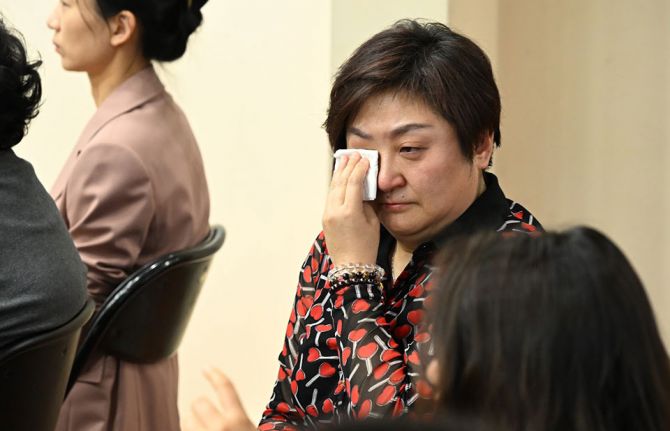
“I received a call from the doctor telling me that I couldn’t receive services from their hospital because I was HIV positive,” explained Xia Jing, one of the mothers, after she went to a general hospital in Beijing for a routine maternal exam. She still cannot hold her tears when she remembers her traumatic experience. She challenged back and told the doctor r that under the law they had no right to reject her.
She was eventually referred to Beijing’s You’an Hospital, a designated hospital for infectious diseases and people living with HIV where she delivered her baby. Now she is a happy mother of a four-year-old boy. Doctor Zhu Yunxia was the doctor who helped Jing deliver her baby. Dedicated to her job for more than 30 years, she is proud of having helped so many women deliver healthy babies. She calls for empathy with people facing discrimination and unfair treatment and urges all people to look at women living with HIV without prejudice.
“Stigma undermines public health objectives by creating barriers to accessing health and social services and can reduce the quality of the services that members of affected communities receive,” said Mark Vcislo, the First Secretary at Canadian Embassy to China, which has supported the work to tackle stigma. He called for breaking down “the prejudices that can prevent and deter marginalized communities, including persons living with HIV, from accessing the health and social services they need and deserve.”
Community-based organizations (CBO) are vital support for women living with HIV. Sister Xin, for instance, who herself received help from community volunteers when she was first diagnosed with HIV, created Firefly, a community-based organization that has help more than 20,000 women living with HIV in the last 20 years. Zhang Yu whose CBO supports women living with HIV in rural areas of China’s southwestern Yunnan Province, called for more resources for CBO’s work. “CBOs are struggling with their survival due to lack of resources,” she said. “I sincerely hope the government, the charity organizations and everybody can support us to continue our work.”
China has developed a strong and ambitious plan to significantly reduce the transmission rates of HIV, syphilis, and hepatitis B by 2025 outlined in China Women’s Development Plan and Healthy China 2030. China has achieved around 99 percent national screening rates among pregnant women living with HIV over the past five years. In 2023 alone, more than 9 million pregnant women have received HIV testing services.
The Chinese government has partnered with UN agencies for the “last mile” by building a patient-centred and family-centred community service model to enable a holistic set of services and help break the barriers for both mothers and infants.
“Thanks to the combination of development of technology and social progress, women living with HIV can today give birth to healthy babies,” said Sister Xin.
Read the profile of the storytellers and more unsung community heroes committed to helping mothers and babies: http://www.unaids.org.cn/page122?_l=en&article_id=1233.
Region/country

Feature Story
New long-acting HIV prevention options for women and girls in an era of choice
14 October 2024
14 October 2024 14 October 2024New long-acting technologies are changing the HIV prevention landscape. In recent years, innovation in pre-exposure prophylaxis (PrEP) has accelerated. Long acting injectable cabotegravir and the dapivirine vaginal ring as innovative formulations of PrEP have already joined oral PrEP containing tenofovir as WHO-recommended effective and acceptable options for HIV prevention, and there are additional antiretroviral-based options on the immediate horizon. These options complement other effective, non-antiretroviral-based HIV prevention products including condoms and lubricants, and harm reduction strategies.
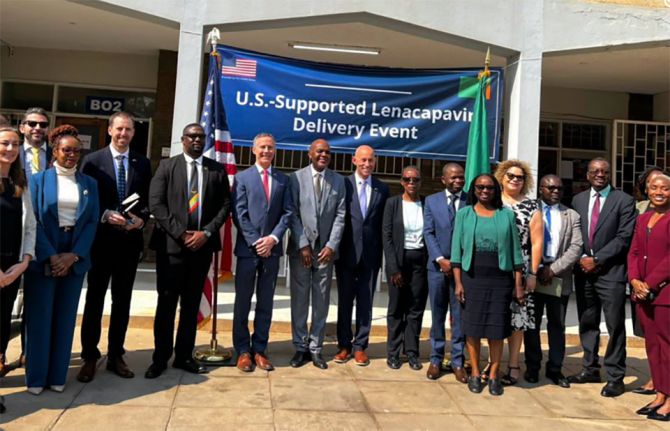
This year clinical trial results for PURPOSE 1 and 2 showed the high prevention effectiveness of the 6-monthly long-acting injectable drug, lenacapavir for cisgender adolescent girls and women, cisgender men and transgender women. Among the cisgender adolescent girls and women participating in the trial, no HIV acquisitions were recorded during 12 months of follow-up among the women who received injectable lenacapavir. The Global HIV Prevention Coalition (GPC), UNAIDS and other partners called on Gilead Sciences to accelerate their efforts in ensuring that it is made available, accessible and cost effective especially to low- and middle-income countries. This twice-yearly injection is a promising option and offers increased choice, discretion and convenience for people who may benefit from HIV prevention.
In October 2024, at the Research for Prevention (R4P) conference in Peru, the Population Council announced phase 1 trial results from IPM 054, showing that the three-month dapivirine ring is as safe as the currently available one-month ring with similar levels of drug release. The 3-month ring like the 1-month ring is a woman-controlled option but would be more cost effective (an estimated 60% reduction in cost per user) and potentially an even more convenient HIV prevention option for women and adolescent girls.
“We need to follow the science, and the science has shown us that by making a range of effective HIV prevention options available and accessible, we can stop HIV transmission and drop new infections by addressing biomedical, behavioral and structural drivers simultaneously. Ending AIDS remains a political and financial choice”, says Angeli Achrekar, UNAIDS Deputy Executive Director Programmes.
This complements a partnership announcement by the Global Fund and the Children’s Investment Fund Foundation (CIFF) of an USD 2 million initiative for 2024-2025 to purchase an estimated 150 000 dapivirine vaginal rings for use as PrEP in the Global Fund grant implementing countries. This would increase accessibility to one of the most discreet HIV prevention options for women and adolescent girls.
The World Health Organization (WHO) PrEP Implementation Tool Provider Module for Oral and Long Acting PrEP, launched in July 2024, integrates clinical service delivery guidance for the three WHO recommended PrEP products (oral PrEP, the dapivirine vaginal ring and long-acting injectable cabotegravir) by a range of different providers in clinical or community settings and emphasizes the importance of access and choice.
These strategic advancements align to the HIV Prevention Choice Manifesto For Women and Girls in Africa that calls for prevention options to be made choices and urges that research and development of new HIV prevention options actual choices, thereby empowering women and girls to take control of their health and bodies. It also emphasizes the importance of ongoing research and development of innovative HIV prevention methods.
“Adolescent girls and women are gaining access to an increasing range of safe and effective options. Scale-up of HIV prevention will depend on supporting access to choice, strong country leadership and an enabling environment. An HIV free future for girls is possible, but only if the global community comes together with ambitious plans to make this range of PrEP options available with speed, scale and equity,” says Mitchell Warren, Executive Director, AVAC and GPC, Co-chair.
The GPC co-convened, by UNAIDS and UNFPA, will continue to work with its partners to accelerate HIV prevention to achieve the global target of less than 370 000 new HIV infections annually by 2025.
About the GPC
In 2017, a global coalition of United Nations Member States, donors, civil society organizations, and implementers was established to support global efforts to accelerate HIV prevention. Membership includes 38 of the highest HIV-burden countries, UNAIDS Cosponsors, donors, civil society, and private sector organizations. The overarching goal of the Global HIV Prevention Coalition is to strengthen and sustain a political commitment to primary prevention by setting a common agenda among key policymakers, funders, and program implementers.
Feature Story
The power of women supporting women - Mentor program for women living with and affected by HIV in Kazakhstan
13 September 2024
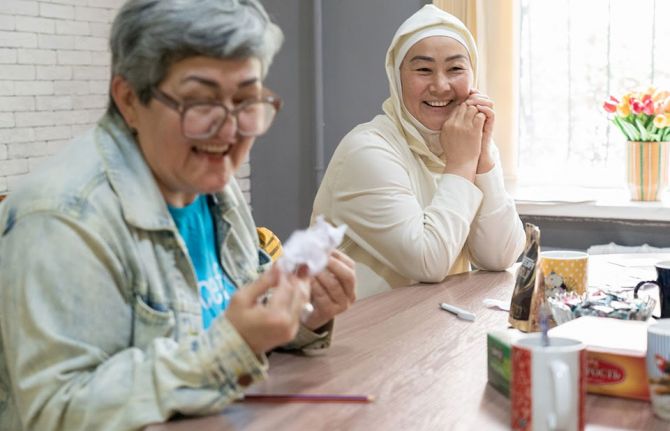
13 September 2024 13 September 2024The Mentor programme for women in Kazakhstan was established to empower women living with or affected by HIV by connecting them with mentors who share their life experiences and provide critical support during challenging times. Co-financed by the Ministry of Foreign Affairs of the Republic of Kazakhstan and supported by UNAIDS, the program creates a safe space for women to learn, grow, and draw strength from one another. Through training seminars, support groups, and one-on-one mentoring, it helps women overcome stigma, rebuild their lives, and find their purpose.
Meet three inspiring leaders from this programme—women who never saw themselves as heroes but are, indeed, changing lives.
Halima
Several years ago, Halima found herself at a crisis center for women victims of domestic violence in Almaty, Kazakhstan. She was at rock bottom—diagnosed with HIV, grieving the loss of her second son, and trapped in an abusive marriage with a husband who drank heavily and often turned violent. Raised in a family that valued tradition, Halima felt compelled to keep the peace at all costs, but the weight of her daily life became unbearable.
At her lowest point, an elderly doctor’s advice pushed her into action: “If you want your eldest son to end up in an orphanage, your husband homeless, and you in a mental hospital, you are sadly following that path.” Determined to change her fate, Halima sought help at the crisis center, which she credits with helping her climb out of the “dark hole” of depression.
Today, Halima is helping other women in the mentoring programme. She shares her story with women, believing that her experiences can inspire others to seek life-saving HIV treatment and persevere.
"I make sure to give each person my undivided attention so I can explain in simple terms what HIV is, what an undetectable viral load means, and how to get better,” she says.
Her work extends beyond Almaty, reaching women in rural areas where information about HIV and access to services is limited. “I have no special education, but I love learning. While I’m cleaning or mopping the floors, I listen to psychologists and doctors on my headphones,” she says, knowing that every bit of knowledge helps her make a difference.
Lena
“This is a complex group,” says Lena from Pavlodar, Kazakhstan. She works with 17 women in a mentoring programme. Many of the women use drugs, have experienced domestic violence or have been in prison. Lena, aged 55, used drugs for over 20 years, but she has been drug-free for seven years, crediting opioid agonist maintenance therapy for helping her quit.
“I went through all this myself. I remember how it was using drugs: I fell asleep—it’s winter. Woke up—summer,” she says. “If a person comes to therapy out of desperation, does not want to steal or torment their parents and loved ones, this programme can help them.”
The therapy helps mitigate the need for drugs, but Lena emphasizes “it is important that peers and psychologists work with people and prepare them to leave the programme and have access to essential HIV prevention services and treatment”.
After being released from prison nearly a year ago, Lena became a peer consultant in the women’s mentoring programme.
“The problem for many people who use drugs is that they live with HIV and TB but cannot access available services or receive therapy,” Lena explains. Without a home or family, they are invisible to the social protection system and are often driven into desperate situations. “They need a helping hand. They are humans and live next to us."
Lena helps some people register for medical or social support facilities, and others to get treatment. She plans to meet with the akim (mayor) to propose a project to create a support system for people who are left behind. Lena believes there should be no situations where a person is alone and cannot be admitted to a home for disabled or elderly people because they are living with HIV. It is crucial to revise the laws so that everyone is allowed access to social institutions.
Lena is dedicated to the programme. “I am reborn from this work. My eyes light up, and I feel strong and ready to help,” she says.
Zulfiya
Zulfiya, a mother of three who has lived with HIV for nearly 20 years, uses her experience to support adolescents and young women in the program. “My task is to help them accept their diagnosis, start treatment, and stick to their medication,” she explains. She refers women to psychologists, social workers, or lawyers when additional support is needed. Zulfiya understands the denial many women face; she felt it herself two decades ago. Inspired by her son, an activist in the Teenager youth organization for adolescents living with HIV, she found her calling in guiding women who never thought HIV would touch their lives.
Connecting women with other women in a predominantly male-dominated society is the foundation of the mentoring program. “Women in Kazakhstan are often forced to solve a wide range of problems themselves, whether it’s financial difficulties, lack of help, or protection from violence,” says Elena Rastokina, coordinator of the Mentor Programme for Women. “They are not used to uniting in women’s communities, do not know how to ask for help, and often do not know their rights.” Despite the challenges, she is immensely proud of what the mentors have achieved. “When women support each other, they find strength they never knew they had. We need each other, and together, we can change lives.”
The mentoring programme covers 10 regions of the country. Dozens of women have received help. Some have learnt a new skill and found a job, and others have managed to accept their diagnosis and restore family ties. With help from the programme, many women who use drugs have managed to quit active drug use, improve adherence to life-saving HIV and TB treatment, and reconnect with the community.
For Aliya Bokazhanova, UNAIDS Country Director a.i. in Kazakhstan, these are incremental steps to empowering women from key populations. “Women living with HIV have the opportunity to develop and receive the necessary support and inspiration from experienced mentors, which contributes to their self-realization and integration into society,” she says.
As of 2024, there are an estimated 40 000 [35 000–46 000] people living with HIV in Kazakhstan. New HIV infections are mostly among people from key populations (people who use drugs, gay men and other men who have sex with men, sex workers, and people in prisons and other closed settings). HIV prevalence among people who inject drugs is almost 7%, compared with 0.3% in the general population.